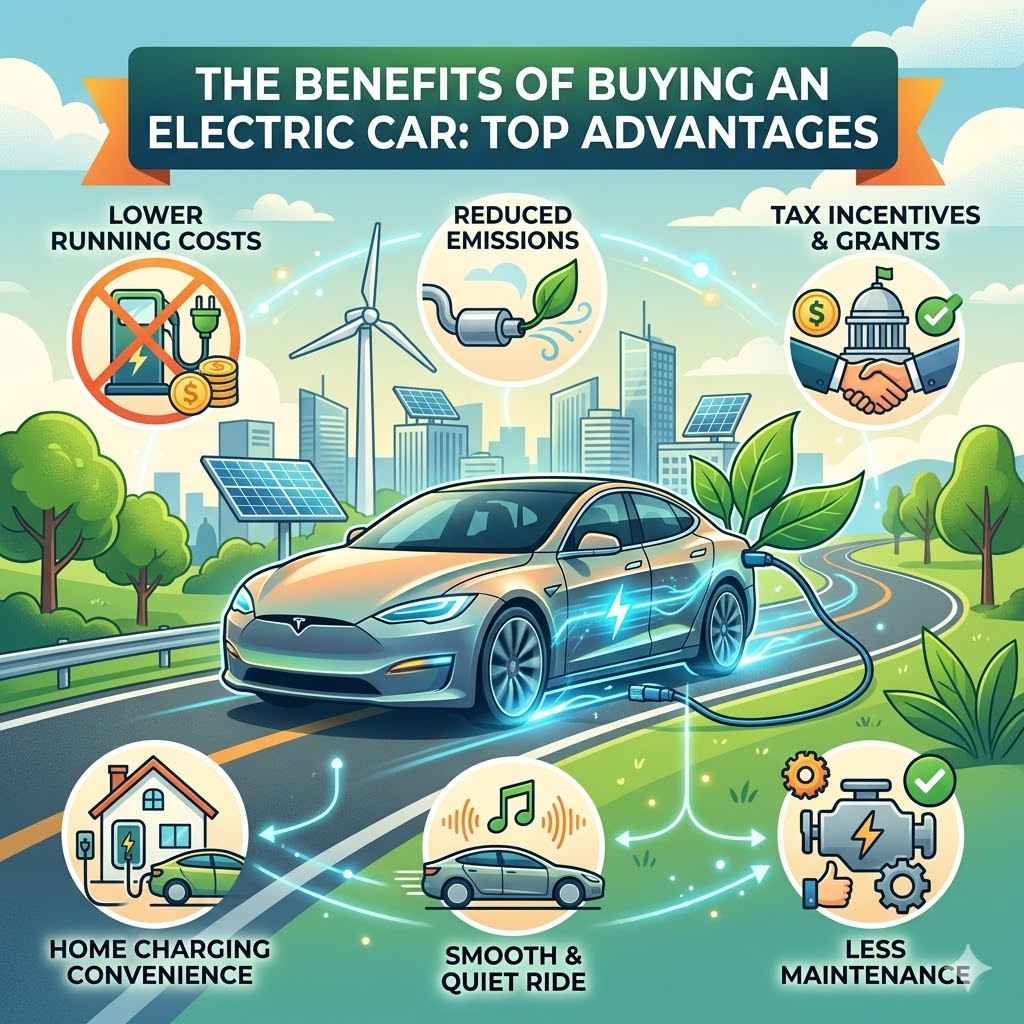
What are the Benefits of Buying an Electric Car: Top Advantages
Switching from a traditional gasoline car to an electric car is a big decision. Many people are thinking about it today, but not everyone knows the real reasons why electric vehicles (EVs) are so popular. Some people see them as just another type of car, while others understand they can change the way we drive, spend, and even think about the environment. If you are curious about the benefits of buying an electric car, this guide will clear your doubts and help you make a smart decision.
People often focus on saving money on fuel, but that is only one small part of the story. Electric cars bring many benefits—some you might expect, and some that are surprising. In this article, you will discover all the ways an electric car can improve your life, from lower costs to a cleaner planet, from better technology to a smoother driving experience.
You will also see practical examples, real data, and tips that many beginners miss.
Lower Running Costs
The most well-known benefit of electric cars is saving money on running costs. Unlike gasoline cars, EVs use electricity, which is often much cheaper than fuel. But the savings do not stop there.
Electricity Vs. Gasoline Costs
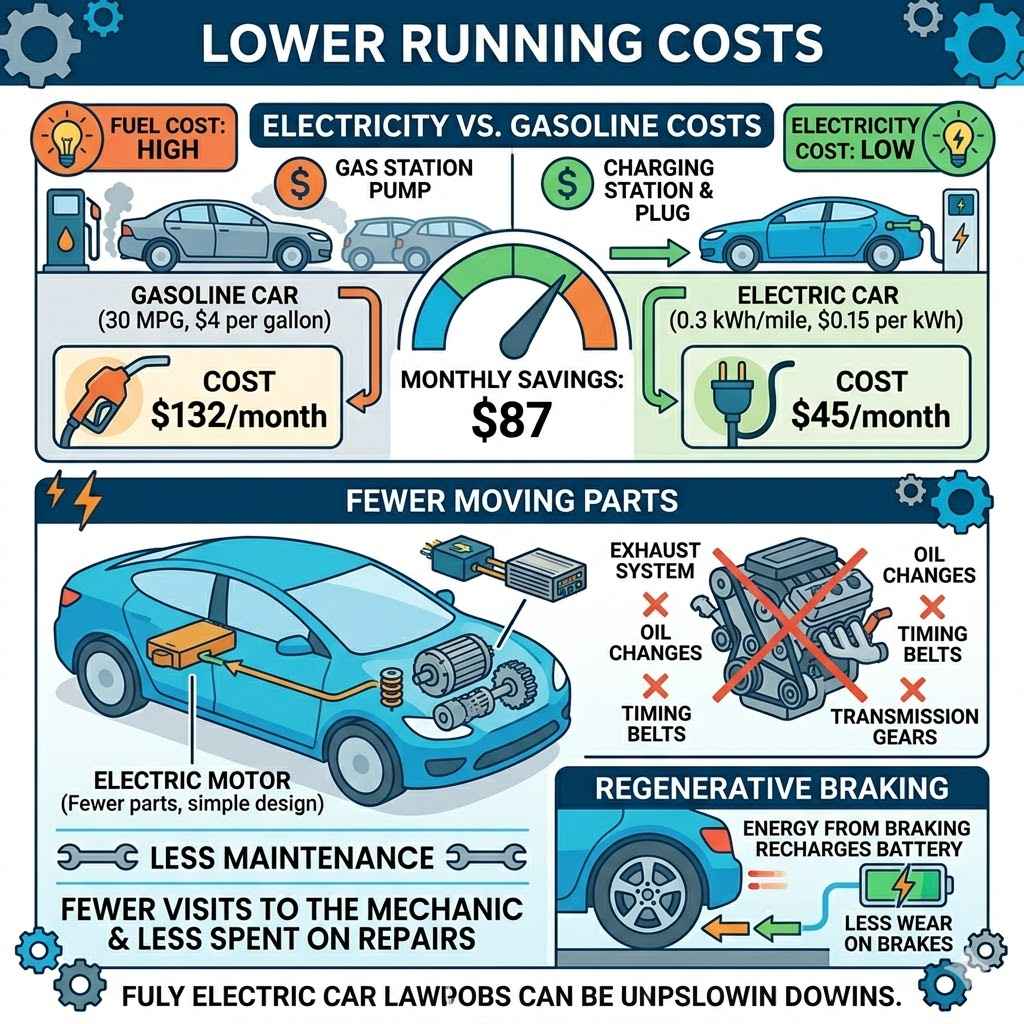
Charging an electric car typically costs less than refueling a gas-powered car. For example, if you drive 1,000 miles per month:
- A gasoline car (30 miles per gallon, $4 per gallon) uses about 33 gallons: $132/month.
- An electric car (0.3 kWh/mile, $0.15 per kWh) uses 300 kWh: $45/month.
That’s a difference of $87 every month, or over $1,000 per year.
Fewer Moving Parts
EVs have fewer mechanical parts that can break or wear out. There is no exhaust system, no oil changes, and no timing belts. This means fewer visits to the mechanic and less money spent on repairs.
Regenerative Braking
Most electric cars use regenerative braking. When you slow down, the car recovers energy and puts it back into the battery. This reduces brake wear and saves money over time.
Lower Maintenance Requirements
Owning a car often means regular maintenance and unexpected repairs. With electric cars, things are much simpler.
Simpler Design
Gasoline cars have hundreds of moving parts in the engine and transmission. Electric cars have much simpler motors and electronics. This means:
- Fewer parts that can fail
- Less routine maintenance (no oil, spark plugs, or filters to replace)
Reduced Maintenance Costs
A study by the U.S. Department of Energy found that maintenance costs for EVs are about 40% lower than for gasoline cars. Over five years, this can mean thousands of dollars saved.
Software Updates
Many EVs, especially from brands like Tesla, can get over-the-air software updates. Instead of visiting a mechanic, your car can fix bugs, improve performance, or add features just by connecting to Wi-Fi.
Positive Environmental Impact
The environment is a key reason many people choose electric cars. EVs are not perfect, but they are much cleaner than traditional cars in most situations.
Zero Tailpipe Emissions
When you drive an electric car, there are no tailpipe emissions—no carbon dioxide, nitrogen oxides, or smog. This improves air quality, especially in cities.
Lower Carbon Footprint
Even when you count the electricity used for charging, EVs usually have a much lower carbon footprint. If your electricity comes from renewable sources (like solar or wind), your emissions can be close to zero.
Less Noise Pollution
Electric cars are much quieter than gasoline cars. This reduces noise pollution, making cities and neighborhoods more pleasant places to live.
Government Incentives And Tax Benefits
Buying an electric car can qualify you for many government incentives. These can make the initial purchase price much more affordable.
Federal Tax Credits
In the United States, you can get a federal tax credit of up to $7,500 for many new electric cars. Other countries offer similar incentives.
State And Local Incentives
Many states, provinces, and cities offer extra incentives, such as:
- Additional rebates (sometimes $2,000–$5,000)
- Reduced registration fees
- Access to carpool lanes
Lower Road Taxes
Because electric cars are seen as better for the environment, some regions charge lower road taxes or even waive them.
Better Driving Experience
Driving an electric car feels different—and in many ways, better—than a traditional car.
Instant Torque
Electric motors deliver instant torque. When you press the accelerator, the car responds immediately. This makes for quick starts and smooth acceleration.
Quiet Operation
EVs are almost silent at low speeds. This makes driving more relaxing and reduces driver fatigue on long trips.
Smoother Ride
With no gear shifts or engine vibration, electric cars usually offer a smoother, more comfortable ride.
Access To Advanced Technology
Most electric cars are designed with modern technology in mind. Buyers often get features that are optional or unavailable in older cars.
Smart Features
Electric cars often come with:
- Large touchscreens
- Voice control
- Smartphone integration
- Advanced navigation with charging stops
Safety Systems
Many EVs include the latest driver-assist features like:
- Automatic emergency braking
- Lane-keeping assist
- Adaptive cruise control
Over-the-air Updates
Some EVs can improve over time with software updates, adding new features or enhancing performance.
Charging Convenience
Charging an electric car is easier than many people think—especially if you can charge at home.
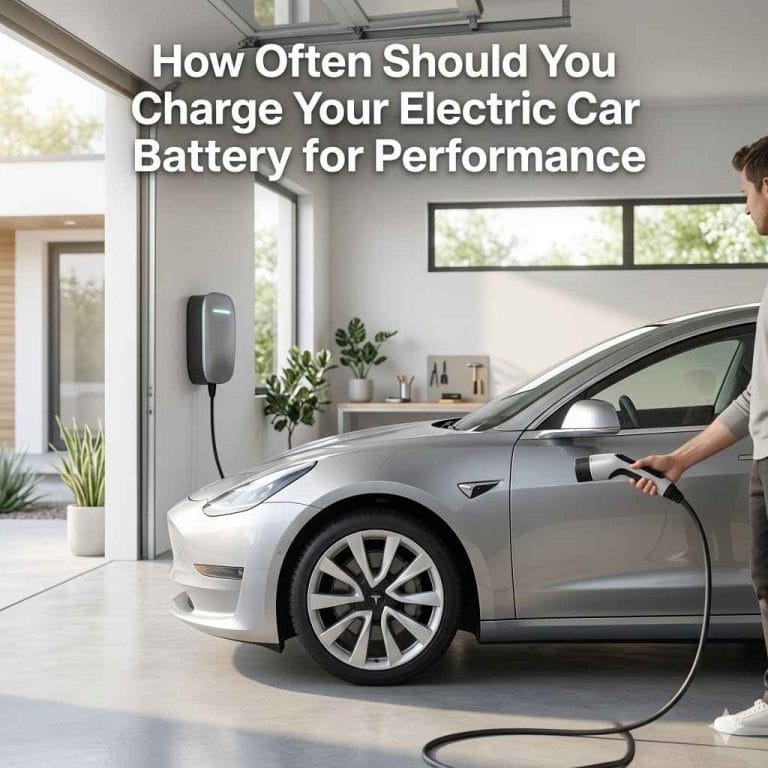
Home Charging
Most EV owners charge at home overnight. You wake up every morning with a “full tank.” No more trips to the gas station.
Public Charging Network
Public charging infrastructure is growing quickly. There are now over 130,000 public chargers in the United States, and millions worldwide.
Here’s a comparison of home vs. public charging:
| Charging Location | Speed (Typical) | Cost per kWh | Convenience |
|---|---|---|---|
| Home (Level 2) | 10–30 miles/hour | $0.10–$0.20 | Very High |
| Public Fast Charger | 150–1,000 miles/hour | $0.25–$0.50 | High |
| Workplace | 10–25 miles/hour | Usually Free | Medium |
No More Oil Changes
Charging replaces regular stops for oil, filters, and other fluids. This saves time and reduces maintenance stress.
Cost Of Ownership Over Time
The total cost of ownership for an electric car is often lower than a gasoline car, even if the sticker price is higher.
Depreciation
Historically, electric cars lost value quickly. But this is changing as more people want used EVs and battery life improves.
Insurance
Insurance rates for EVs can be slightly higher, but the gap is closing. Some companies now offer discounts for electric cars because they are safer and have lower repair rates.
Long-term Savings
Let’s compare the five-year cost of ownership for two cars:
| Type | Purchase Price | Fuel/Electricity | Maintenance | Total (5 years) |
|---|---|---|---|---|
| Gasoline Car | $35,000 | $8,000 | $4,000 | $47,000 |
| Electric Car | $40,000 | $2,500 | $2,500 | $45,000 |
Even with a higher purchase price, the electric car saves money after five years.
Energy Independence And Security
Electric cars can help reduce a country’s reliance on imported oil. This has benefits for both individuals and society.
Local Energy
Electricity is often made from local sources—solar, wind, hydro, or natural gas. This means less dependence on foreign oil and more stable energy prices.
Resilience
During energy crises or shortages, electric cars can be less affected. For example, if there is a gasoline shortage, but you have solar panels, you can still drive.
Supporting Renewable Energy
If you care about clean energy, electric cars are a great match for renewable power.
Solar And Wind Integration
You can install solar panels at home to charge your electric car with 100% clean energy. Some utilities even offer special rates for EV owners who use renewable electricity.
Vehicle-to-grid Technology
Some EVs support vehicle-to-grid (V2G) systems. This means your car’s battery can send energy back to the grid during peak hours, supporting the power system and earning you money.
Improved Public Health
Air pollution from cars is a major cause of health problems in cities. Electric cars help by creating cleaner air.
Less Air Pollution
EVs produce no tailpipe emissions, which means less asthma, allergies, and other breathing problems for everyone—especially children and the elderly.
Lower Noise Levels
Less noise on the road means better quality of life for city dwellers.
Growing Resale Value And Market Demand
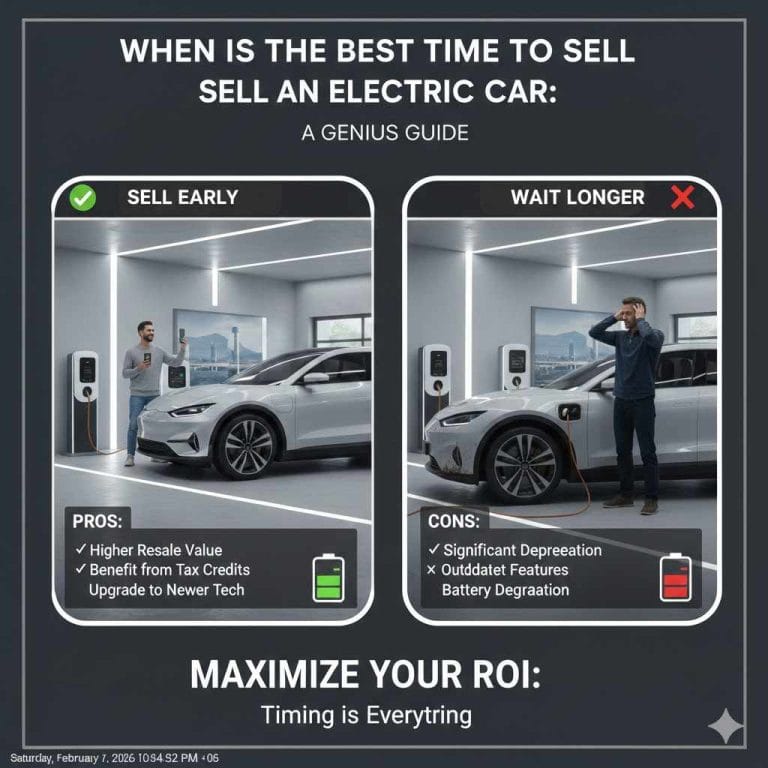
As electric cars become mainstream, their resale value is improving. More people want used EVs, which means you can sell your car for a better price later.
Battery Life Improvements
Modern EV batteries can last 10 years or more. This gives buyers confidence when purchasing used electric cars.
Expanding Used Market
With more models available and more public awareness, the used EV market is growing. This means it is easier to find buyers when you want to upgrade.
Unique Perks And Lifestyle Benefits
Owning an electric car often comes with unique perks that make daily life easier.
High-occupancy Vehicle (hov) Lane Access
In many places, electric car drivers can use carpool lanes, even when driving alone. This saves time during rush hour.
Free Or Discounted Parking
Some cities offer free parking or reduced rates for EVs. Shopping centers and airports sometimes have reserved spots for electric cars.
Priority Charging Stations
You may find reserved charging spaces at your workplace or apartment, making it easy to keep your car powered.
New Job Opportunities And Economic Growth
The shift to electric cars is creating new jobs in battery production, charging infrastructure, and EV maintenance.
Battery Manufacturing
Gigafactories and battery plants need thousands of workers. This creates high-quality jobs in regions that invest in EV technology.
Charging Network Expansion
Building and maintaining charging stations requires electricians, engineers, and support staff.
Innovation And Startups
As EVs become mainstream, new companies are developing innovative products—from better chargers to smart energy apps.
Energy Efficiency And Performance
Electric cars are much more energy-efficient than gasoline cars.
Efficiency Ratings
While gasoline engines use only about 20% of their fuel for movement, electric motors use 60–80% of their energy. This means more miles per unit of energy.
Superior Performance
Many EVs are faster than sports cars, with 0–60 mph times under 4 seconds. This is possible because electric motors deliver maximum power instantly.
Safe And Reliable Operation
Modern electric cars are among the safest vehicles on the road.
Crash Safety
Many EVs receive top safety ratings. The battery is usually placed under the floor, lowering the car’s center of gravity and reducing rollover risk.
Fire Risk
While some worry about battery fires, statistics show that EVs are no more likely to catch fire than gasoline cars. Modern battery management systems add extra layers of safety.
Reliability
With fewer parts and less maintenance, EVs tend to be very reliable over the long term.
Enhanced Customization And Flexibility
Electric cars offer new ways to customize your driving experience.
Flexible Charging Options
You can charge at home, work, or public stations. Some EVs even allow charging from regular wall outlets in emergencies.
Software Personalization
Many electric cars let you adjust driving modes, set charging times, or control climate settings from your phone.
Modular Upgrades
Newer EV models allow for upgrades like larger batteries or new features, installed through software.
Helping Fight Climate Change
Perhaps the biggest long-term benefit is the role electric cars play in fighting climate change.
Lower Greenhouse Gas Emissions
According to the International Energy Agency, switching from a gasoline car to an electric car can cut your driving emissions by 50–70%, depending on your electricity source.
Supporting Cleaner Technologies
Every electric car on the road increases demand for cleaner energy, supporting new investments in solar, wind, and battery technology.
Debunking Common Myths
Many people hesitate to buy an electric car because of myths. Here are two common ones that beginners often miss:
Myth 1: Electric Cars Don’t Have Enough Range
Most new EVs have a range of 250–400 miles per charge—enough for most people’s weekly needs. Public charging is also growing, making long trips possible.
Myth 2: Batteries Don’t Last Long
Modern batteries are designed to last the life of the car. Most manufacturers offer warranties of 8 years or 100,000 miles or more.
Real-world Examples
Let’s look at how some owners benefit from electric cars:
- A family in California saves over $2,000 a year by charging at home and using solar panels.
- A rideshare driver in London gets free congestion zone access and saves on daily tolls.
- A business owner in Norway uses government incentives to cut the price of a new EV by 30%.
Looking Ahead: The Future Of Electric Cars
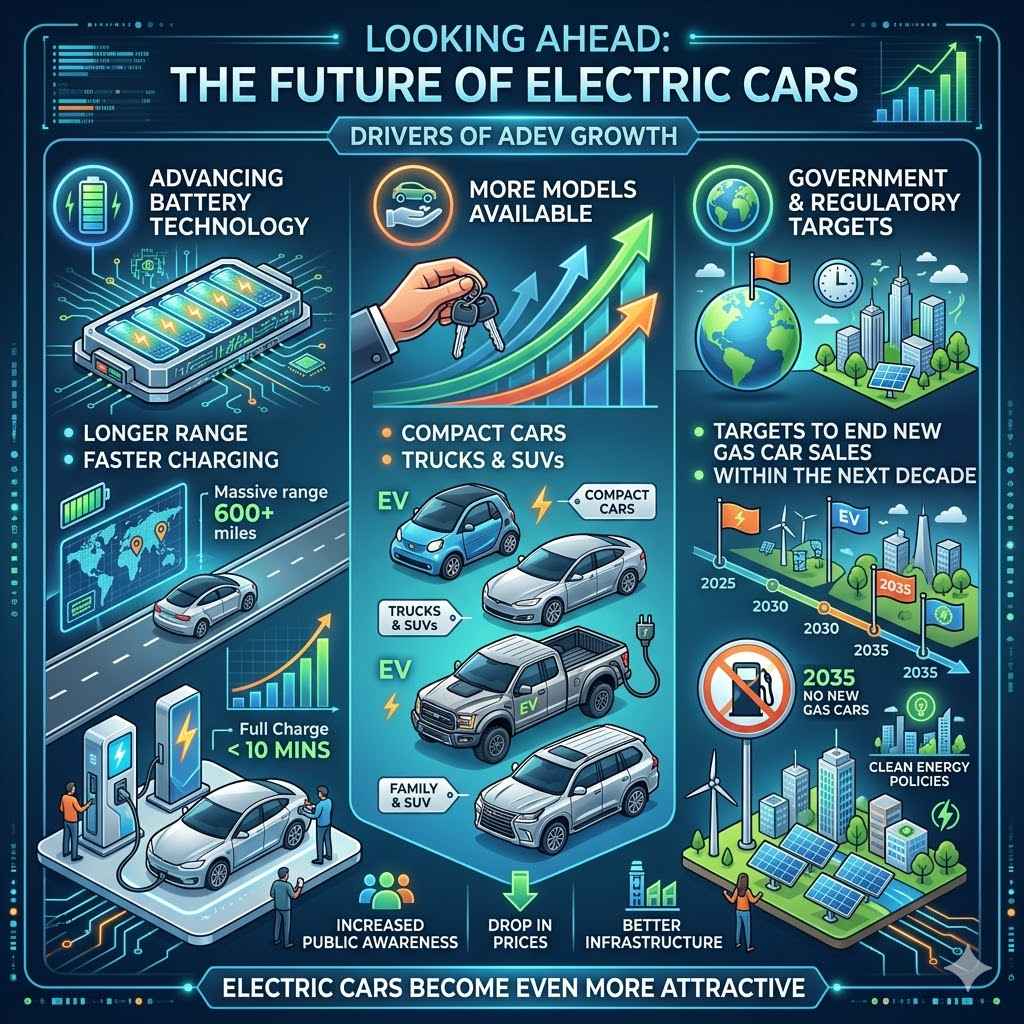
The benefits of electric cars are growing every year. As technology improves, prices drop, and public awareness rises, electric cars will become even more attractive.
- Battery technology is advancing rapidly, giving longer range and faster charging.
- More models are available, from compact cars to trucks and SUVs.
- Governments are setting targets to end new gasoline car sales in the next decade.
Frequently Asked Questions
What Is The Average Cost To Charge An Electric Car At Home?
The average cost to charge at home is about $0.10–$0.20 per kWh in the United States. For a car with a 60 kWh battery, a full charge costs $6–$12 and gives 200–300 miles of range.
How Long Do Electric Car Batteries Last?
Most EV batteries last 8–15 years, depending on use and climate. Manufacturers usually offer warranties for at least 8 years or 100,000 miles. Battery costs are also dropping, making replacement less expensive.
Are Electric Cars Really Better For The Environment?
Yes. Even if your electricity comes from a mix of sources, electric cars have lower emissions than gasoline cars over their lifetime. The benefits are even greater with renewable energy. Learn more from the U.S. Environmental Protection Agency.
Can I Take A Road Trip In An Electric Car?
Yes, but planning is important. Most new EVs have enough range for long trips, and fast-charging networks are growing. Use apps to locate chargers along your route for a smooth journey.
What Happens If I Run Out Of Charge?
If your battery runs out, you will need to be towed to a charging station—similar to running out of gasoline. Most EVs warn you early and show nearby chargers, so running out is rare with a little planning.
Switching to an electric car can change your life in ways you might not expect. The benefits are real, practical, and growing every year. Whether you care about saving money, protecting the environment, or just enjoying a better drive, electric cars offer advantages that are hard to ignore. As the world moves toward cleaner energy and smarter technology, buying an electric car is not just a trend—it is a step toward a better future.