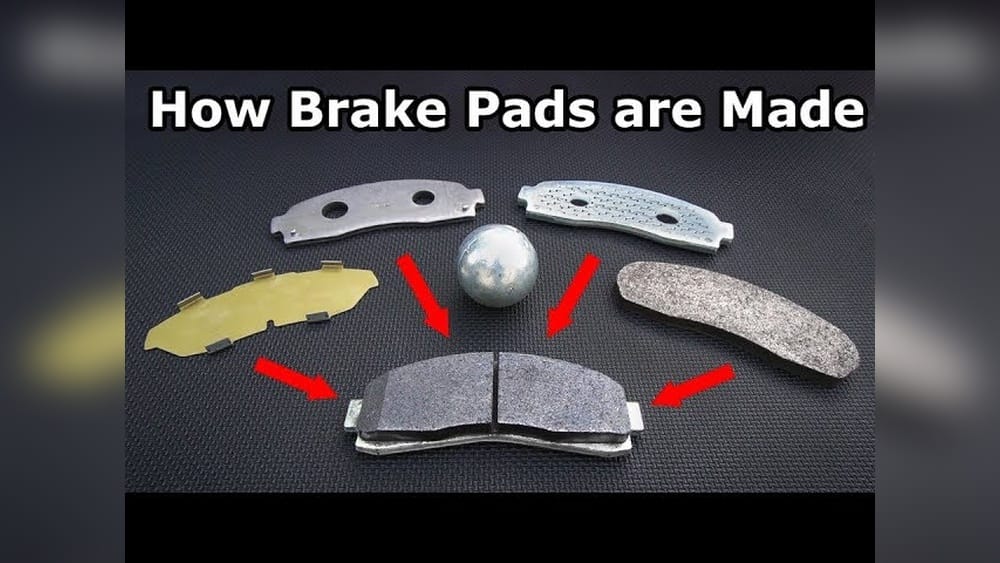
How Car Brake Pads Are Made And What Materials Are Used
Car brake pads are the unsung heroes of automotive safety, transforming kinetic energy into heat to bring vehicles to a stop with precision and reliability. While every driver depends on their effectiveness, few understand the intricate science and engineering behind their production.
From the roar of the racetrack to the daily commute, the humble brake pad is a product of decades of innovation, combining advanced materials and rigorous manufacturing processes to meet exacting standards.
In today’s automotive landscape, choosing the right brake pad isn’t just about stopping power—it’s about safety, longevity, environmental impact, and comfort. This comprehensive exploration reveals how car brake pads are made, what materials are used, and why these details matter for every driver and vehicle on the road.
Key Takeaways
- Brake pads are manufactured through a multi-step process involving material selection, shaping, curing, and quality testing.
- The most common brake pad materials include semi-metallic, non-asbestos organic (NAO), low-metallic NAO, and ceramic compositions, each with distinct advantages and trade-offs.
- The choice of brake pad material affects performance, durability, cost, and environmental impact.
- Advances in technology and regulations are driving innovations in brake pad materials for improved safety and sustainability.
- Understanding brake pad construction helps consumers make informed decisions about replacement and upgrades.
- Real-world case studies illustrate the impact of brake pad choice on vehicle performance and maintenance costs.

Credit: en.wikipedia.org
The Evolution Of Brake Pads: From Asbestos To Advanced Composites
Early Brake Pad Materials And Their Challenges
The history of brake pads dates back to the early 20th century when the first friction materials were primitive, often made from leather or organic substances. These early pads were limited in their ability to withstand high temperatures and were prone to rapid degradation, making them unreliable for modern driving demands.
By the 1920s, asbestos-based brake pads dominated the market due to their heat resistance and durability. Asbestos fibers could endure the intense heat generated during braking, and their flexibility allowed for easy molding into pad shapes. The effectiveness of asbestos led to its widespread adoption, with nearly all vehicles using some form of asbestos friction material.
However, the health risks associated with asbestos exposure—including cancer and respiratory diseases—prompted a global shift away from these materials beginning in the 1970s. Workers involved in the manufacturing and replacement of asbestos-containing brake pads faced significant risks from airborne fibers. Regulatory bodies such as the US EPA and the EU have since banned or severely limited the use of asbestos in automotive components (US EPA). This transition required manufacturers to search for alternative materials that could match or exceed the performance of asbestos without compromising safety.
Modern Brake Pad Material Innovations
In response to health concerns and performance demands, manufacturers began developing advanced materials. Modern brake pads primarily use a mix of synthetic fibers, metals, ceramics, and binding resins to achieve the desired balance of performance, safety, and environmental responsibility.
Research and development efforts have produced a range of friction materials, each tailored for specific vehicle types and driving conditions. For example, racing pads might contain exotic carbon composites for extreme heat resistance, while commuter pads favor softer organic blends for quiet operation.
Key Milestones In Brake Pad Development
- 1970s: Introduction of non-asbestos organic (NAO) materials, which relied on synthetic fibers and resins to mimic asbestos performance.
- 1980s: Rise of semi-metallic compositions for improved heat dissipation, with increased metal content providing greater durability and braking power.
- 1990s: Emergence of ceramic brake pads for quieter operation and cleaner wheels, responding to consumer demand for reduced brake dust and noise.
- 2000s–Present: Ongoing innovation in eco-friendly and high-performance formulations, such as copper-free pads and advanced composites.
Each decade brought new challenges, from evolving vehicle designs to stricter emissions and safety standards. The push for lighter, more fuel-efficient vehicles also influenced brake pad development, as automakers sought materials that could deliver reliable performance with minimal weight.
Impact Of Regulations On Material Choices
Government regulations have played a crucial role in shaping brake pad materials. For example, the US states of Washington and California introduced laws to phase out copper and other heavy metals from brake pads due to their impact on water quality and aquatic life (NIH Study). Copper, commonly used in friction materials for its heat dissipation properties, was found to contaminate waterways through brake dust runoff.
These regulations have forced manufacturers to invest in new technologies and reformulate brake pads. The move toward greener alternatives has accelerated innovation, with companies developing copper-free ceramics and organic blends that meet environmental standards without sacrificing performance. The global automotive industry continues to balance regulatory requirements, performance needs, and cost constraints.
Core Materials Used In Brake Pad Manufacturing
Semi-metallic Brake Pads
Semi-metallic brake pads are among the most widely used in passenger vehicles, consisting of 30–65% metal content (often steel wool, iron powder, or copper), mixed with friction modifiers and synthetic binders.
Semi-metallic pads are favored for their versatility and performance across a wide range of vehicle types, from sedans to SUVs and trucks. They are designed to handle intense heat generated during repeated braking, making them suitable for heavy-duty applications and aggressive driving.
Advantages:
- Excellent heat dissipation, reducing the risk of brake fade during prolonged or intense braking.
- Superior stopping power under high loads, providing consistent performance for larger vehicles and towing scenarios.
- Generally lower cost compared to ceramic pads, making them accessible for budget-conscious drivers.
Drawbacks:
- Can be noisy, producing squealing or grinding sounds, especially as they wear or under cold conditions.
- Cause more rotor wear due to their abrasive metal content, potentially leading to more frequent rotor replacements.
- Generate visible brake dust, which can accumulate on wheels and affect vehicle aesthetics.
Non-asbestos Organic (nao) Brake Pads
NAO pads use a blend of organic fibers (such as glass, rubber, Kevlar, or cellulose) with resins and fillers to create a softer, quieter pad. These pads are popular in vehicles where comfort and low maintenance are prioritized.
NAO pads are typically installed in smaller cars and commuter vehicles, offering a balance of performance and environmental safety. They are especially favored by manufacturers aiming to reduce noise and dust for their customers.
Advantages:
- Low noise and dust production, contributing to a pleasant driving experience and cleaner wheels.
- Gentle on rotors, minimizing rotor wear and extending the lifespan of braking components.
- Environmentally safer, avoiding the use of toxic metals and asbestos.
Drawbacks:
- Shorter lifespan compared to semi-metallic and ceramic pads, requiring more frequent replacement.
- Less effective at high temperatures, making them unsuitable for aggressive driving or heavy loads.
- Tendency to fade under heavy braking, especially during repeated stops or downhill driving.
Low-metallic Nao Brake Pads
Low-metallic NAO pads are a hybrid, containing 10–30% metal content to enhance braking while retaining the quiet operation of organic pads. This blend offers a compromise between the performance of semi-metallic and the comfort of NAO pads.
These pads are commonly used in mid-range vehicles and are favored by drivers seeking improved stopping power without sacrificing noise and dust control.
Advantages:
- Improved heat transfer compared to pure NAO pads, reducing brake fade during moderate to heavy braking.
- Better performance than pure NAO, with enhanced durability and braking consistency.
- Moderate dust and noise levels, striking a balance between performance and comfort.
Drawbacks:
- Still produces some dust, though less than semi-metallic pads.
- Can be slightly noisier than NAO, especially as the pad wears or under certain driving conditions.
Ceramic Brake Pads
Ceramic pads are made from dense ceramic compounds with embedded copper fibers. They are increasingly popular in modern vehicles, particularly those prioritizing comfort and cleanliness.
Ceramic pads are engineered for quiet, smooth operation and minimal dust. Their advanced composition allows for stable performance across a wide temperature range, making them ideal for everyday driving and luxury cars.
Advantages:
- Extremely quiet, with minimal squealing or vibration even under hard braking.
- Low dust production, keeping wheels clean and reducing environmental impact.
- Long lifespan and stable performance, requiring fewer replacements over the life of the vehicle.
Drawbacks:
- Higher cost, often double or triple the price of semi-metallic or NAO pads.
- May not be suitable for high-performance or heavy-duty use, as they can struggle with extreme heat loads.
Other Specialized Materials
High-performance or racing pads may use carbon composites, sintered metals, or exotic ceramics for extreme heat resistance and friction. Carbon-carbon pads, for example, are found in Formula 1 cars and aircraft, offering unmatched durability and heat tolerance at a premium price. Sintered metal pads are common in motorcycles and heavy-duty trucks, delivering aggressive stopping power with enhanced wear resistance.
Comparison Table: Key Properties Of Brake Pad Materials
| Material Type | Heat Resistance | Noise Level | Pad Wear | Rotor Wear | Dust Production | Cost |
|---|---|---|---|---|---|---|
| Semi-Metallic | High | Moderate–High | Moderate | High | High | Low–Medium |
| NAO | Low–Moderate | Low | High | Low | Low | Low |
| Low-Metallic NAO | Moderate | Moderate | Moderate | Moderate | Moderate | Medium |
| Ceramic | High | Very Low | Low | Low | Very Low | High |
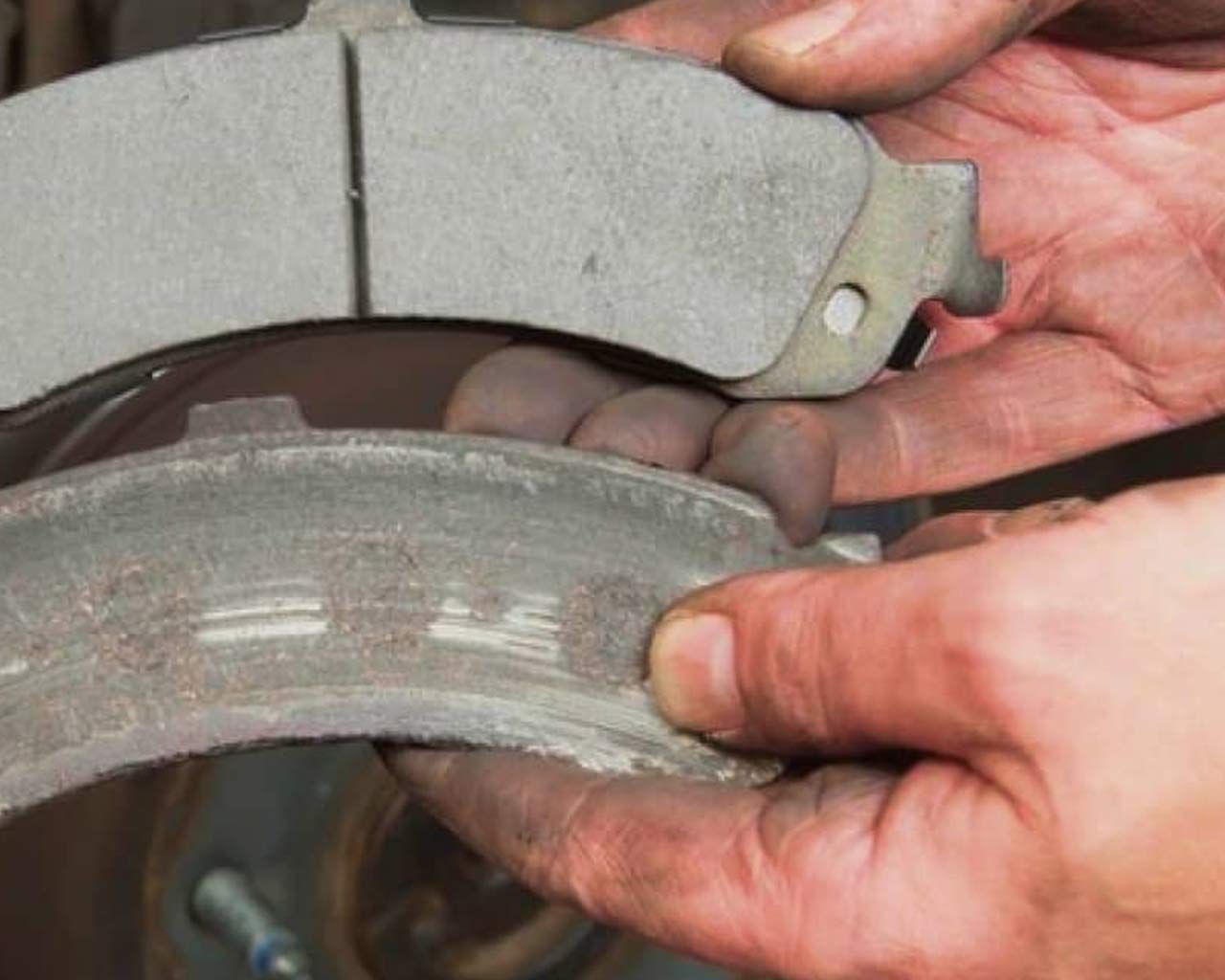
Credit: tires.bridgestone.com
The Brake Pad Manufacturing Process: Step By Step
1. Material Selection And Preparation
The process begins with the careful selection of raw materials. Each manufacturer closely guards their friction material formulas, which may include dozens of different components. The ingredients are measured and blended to create a homogeneous mixture, ensuring consistent performance in every batch.
- Weighing and batching: Automated systems weigh each material according to strict specifications. Precise control over ingredients is crucial, as even minor deviations can affect pad performance, durability, and safety.
- Mixing: High-speed mixers ensure even distribution of fibers, binders, and additives. Uniform mixing prevents weak spots and inconsistencies in the finished pad.
- Pre-curing: Some ingredients may be partially cured to enhance bonding. This step often involves heating certain resins or fibers to activate their adhesive properties before final molding.
The selection of fibers, metals, and modifiers is tailored to the intended application. For example, pads designed for high-performance vehicles may use aramid fibers for added strength and heat resistance, while economy pads favor cellulose or glass fibers for cost savings.
2. Forming The Brake Pad Shape
The mixed material is then pressed into molds, forming the distinct shape of the brake pad. There are two primary techniques:
- Hot pressing: The mixture is compressed and heated in the mold, causing the resin to cure and bind the materials. This method produces a denser, more uniform pad with enhanced mechanical strength and wear resistance.
- Cold pressing: The mixture is pressed without heat, then cured in a separate oven. Cold pressing is often used for softer organic pads and allows for greater flexibility in pad shape and design.
The result is a dense, solid friction block, ready for attachment to a steel backing plate. The mold shapes are carefully engineered to optimize surface contact with the rotor and minimize noise or vibration.
3. Attachment To Backing Plate
The friction material must be securely bonded to a rigid backing plate, often made of stamped steel. This ensures stability under braking forces and provides a mounting surface.
- Adhesive bonding: High-strength resins or adhesives are applied to the plate. The choice of adhesive is critical, as it must withstand repeated thermal cycles and mechanical stress.
- Mechanical retention: Some pads use rivets, hooks, or scorched surfaces for added security. Mechanical retention methods are often combined with adhesives for high-performance or heavy-duty applications.
- Curing process: The entire assembly is placed in an oven to fully cure the adhesive. Proper curing ensures a strong bond and prevents pad separation during service.
Backing plates may also feature anti-noise shims or insulators, which dampen vibrations and reduce squealing. These components are attached during the same stage or immediately afterward.
4. Finishing And Post-processing
Once cured, the brake pads undergo several finishing steps:
- Grinding and machining: Pads are ground to exact thickness and flatness. Precision machining ensures uniform contact with the rotor, maximizing braking efficiency and minimizing uneven wear.
- Slotting and chamfering: Grooves and angled edges reduce noise and improve performance by channeling away dust and gases that form during braking.
- Coating and painting: Corrosion-resistant coatings are applied to the backing plates. These prevent rust and extend the life of the pad, especially in regions with harsh weather.
Some manufacturers also add branding or batch numbers, which aid in traceability and quality control.
5. Quality Control And Testing
Strict quality assurance protocols are followed to ensure safety and consistency.
- Dimensional checks: Each pad is measured for conformity. Automated systems scan pad dimensions, flagging any deviations from standards.
- Shear and compressive strength tests: Pads are subjected to high forces to ensure bond integrity. These tests simulate extreme braking conditions to verify pad reliability.
- Friction and wear testing: Laboratory dynamometers simulate real-world braking, assessing pad performance across a range of speeds and temperatures.
- Thermal cycling: Pads are tested at extreme temperatures to check for cracking or delamination. Long-term durability is verified through repeated heating and cooling cycles.
Manufacturers may also conduct batch testing, where random samples undergo additional evaluation to catch potential defects.
Example: Oem Vs. Aftermarket Brake Pad Production
Original Equipment Manufacturers (OEMs) often have stricter quality control and use proprietary materials, while aftermarket pads may offer a wider range of performance options and price points. OEM pads are designed to match the specific requirements of each vehicle, ensuring compatibility and reliability.
Aftermarket pads, meanwhile, cater to diverse needs, including high-performance upgrades or budget replacements.
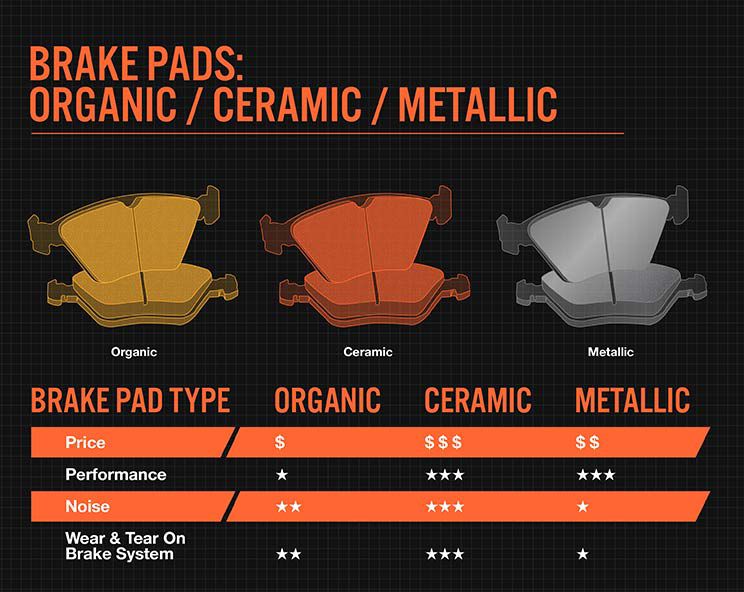
Credit: tires.bridgestone.com
How Brake Pad Materials Impact Performance
Stopping Power And Heat Management
The ability of a brake pad to convert kinetic energy into heat without fading is critical for safety. Semi-metallic and ceramic pads are favored for their high heat resistance, making them suitable for high-speed or mountainous driving conditions.
Pads with higher metal content can withstand repeated hard stops and heavy loads, while ceramic pads maintain consistent friction across a wide temperature range. NAO pads, though quieter, may struggle during prolonged braking, especially in hilly regions.
Noise, Vibration, And Harshness (nvh)
NAO and ceramic pads are designed to minimize noise and vibration, providing a smoother, quieter ride. Advanced slotting and shims further reduce NVH, an important consideration for luxury vehicles.
Engineering efforts focus on optimizing pad shape, surface texture, and backing plate design to dampen vibrations. For instance, chamfered edges and multi-layer shims are increasingly used to address squealing and harshness, improving overall comfort.
Pad And Rotor Wear
Material composition directly affects both pad lifespan and rotor wear. For example:
- Semi-metallic pads wear rotors faster but last longer themselves, making them preferable for fleets and heavy-duty vehicles.
- Ceramic pads are gentle on rotors and have a long service life, reducing maintenance costs for everyday drivers.
- NAO pads wear quickly but protect rotors, making them ideal for vehicles where rotor longevity is a priority.
Rotor compatibility is a key consideration when choosing pads, as mismatched materials can lead to accelerated wear or even failure.
Dust And Environmental Impact
Brake dust, a byproduct of friction material wear, contains fine particles that affect both vehicle appearance and air quality. Ceramic pads produce the least dust, while semi-metallic and low-metallic NAO pads generate more visible residue.
Environmental concerns are driving the adoption of dust-reducing materials, particularly in urban areas where air quality is a major issue. Manufacturers are also exploring biodegradable and recyclable pad components to further minimize impact.
Cost Considerations
Material choice is a major factor in brake pad cost. Ceramic pads are typically the most expensive, but offer long-term savings through reduced wear and maintenance, while NAO pads are the most budget-friendly.
Drivers should weigh initial costs against long-term benefits, such as fewer replacements, cleaner wheels, and improved comfort. Fleet managers and commercial vehicle operators often opt for semi-metallic pads to minimize downtime and maximize value.
Data Table: Estimated Brake Pad Lifespan By Material
| Brake Pad Material | Average Lifespan (miles) | Typical Replacement Cost (per axle) |
|---|---|---|
| Semi-Metallic | 30,000–50,000 | $75–$150 |
| NAO | 20,000–40,000 | $50–$120 |
| Low-Metallic NAO | 25,000–45,000 | $60–$130 |
| Ceramic | 40,000–70,000 | $100–$200 |
Real-world Examples: Brake Pad Material Choices In Practice
Case Study 1: High-performance Sports Cars
A 2026 survey of sports car manufacturers found that ceramic brake pads are standard on over 60% of high-performance models due to their superior heat resistance and low dust. For example, the Porsche 911 Turbo S employs ceramic composite pads to withstand repeated hard braking without fade (Porsche).
In addition to Porsche, brands like BMW and Audi have adopted ceramic pads for their flagship sports models, leveraging their ability to deliver stable friction and quiet operation at speed. The durability of ceramic pads is also a major selling point, as sports car owners tend to push their vehicles to extremes.
Case Study 2: Urban Commuter Sedans
Manufacturers of popular commuter vehicles, such as the Toyota Camry and Honda Accord, often specify NAO or low-metallic NAO pads. These provide quiet operation and low cost, aligning with the needs of city drivers who prioritize comfort and affordability.
Commuter vehicles benefit from pads designed for stop-and-go traffic, where noise and dust are frequent concerns. NAO pads ensure smooth, silent stops, while low-metallic versions offer added security for occasional highway driving.
Case Study 3: Heavy-duty Trucks And Fleets
Commercial vehicles and trucks, facing heavy loads and frequent stops, overwhelmingly use semi-metallic or specialized sintered metal pads. These deliver the required stopping power and heat tolerance, even at the expense of rotor wear and noise (FleetOwner).
Fleet operators often choose pads based on total cost of ownership, including downtime and maintenance intervals. Semi-metallic and sintered pads provide robust performance for vehicles that demand reliability under extreme conditions.
Case Study 4: Environmentally Conscious Drivers
Eco-conscious consumers are increasingly selecting copper-free ceramic pads. The Toyota Prius, for example, features low-copper ceramic formulations to comply with California’s environmental standards (Toyota Environmental Report).
Hybrid and electric vehicles often integrate pads designed for minimal environmental impact, reflecting broader trends in the industry toward sustainability. These pads not only reduce copper pollution but also offer clean, quiet operation.
Quality Assurance And Industry Standards
Global Standards For Brake Pad Safety
Brake pads must comply with international safety standards, including:
- SAE J661: Friction material quality requirements, ensuring pads meet minimum performance and wear thresholds.
- ECE R90: European standard for replacement brake pads, mandating rigorous testing before market approval.
- ISO 6312: Laboratory testing of friction materials, establishing consistent methods for evaluating pad properties.
These standards ensure minimum levels of performance, reliability, and environmental protection (ISO).
Laboratory And Field Testing
Manufacturers use a combination of laboratory tests and real-world driving simulations to validate brake pad performance.
- Dynamometer testing: Replicates braking at various speeds, temperatures, and loads, allowing engineers to pinpoint weaknesses and optimize formulations.
- On-road testing: Measures NVH, dust, and wear in real traffic conditions, providing valuable feedback for continuous improvement.
- Environmental stress tests: Exposes pads to humidity, salt spray, and extreme temperatures, ensuring durability in all climates.
Pad manufacturers may also collaborate with automakers to conduct specialized tests, such as high-altitude or cold-weather trials.
Traceability And Certification
Each batch of brake pads receives a unique batch number for traceability. Certified pads are marked with compliance stamps and must pass regular audits by regulatory bodies.
Traceability allows manufacturers to quickly address any defects or recalls, ensuring consumer safety and maintaining brand reputation.
Consumer Warnings And Recalls
Despite rigorous testing, occasional defects or material inconsistencies can lead to recalls. The National Highway Traffic Safety Administration (NHTSA) maintains a public database of brake pad recalls, underscoring the importance of purchasing from reputable brands (NHTSA).
Consumers are encouraged to check recall databases and seek professional installation to avoid safety risks.
Innovations And Future Trends In Brake Pad Materials
Eco-friendly And Sustainable Materials
Driven by regulatory and consumer demand, manufacturers are developing non-toxic, copper-free, and even biodegradable pad formulations. Recycled fibers and natural binders are being explored to reduce the environmental footprint.
The push for sustainability has led to research into renewable fibers, such as flax or hemp, and water-based adhesives. Companies are also experimenting with pads that break down harmlessly at the end of their lifecycle.
Noise Reduction Technologies
Advancements in shim design, slotting, and chamfering are making brake pads quieter than ever. Computational modeling now predicts NVH characteristics before production, minimizing trial and error.
Noise reduction is a major focus for luxury and electric vehicles, where silent operation is a key selling point. Manufacturers are investing in multi-layer shims, anti-vibration coatings, and optimized pad shapes.
Smart Brake Pads And Sensors
Integration of wear sensors and RFID chips enables real-time monitoring of pad thickness and performance, alerting drivers to maintenance needs and preventing costly rotor damage.
Smart pads are becoming standard in high-end vehicles, providing data to onboard diagnostics systems and allowing predictive maintenance. This reduces downtime and improves safety by ensuring timely pad replacement.
Additive Manufacturing And Customization
3D printing is entering the world of brake pad prototyping, allowing rapid development of custom formulations for niche applications, such as motorsports or electric vehicles.
Additive manufacturing enables engineers to experiment with new shapes, materials, and internal structures, optimizing pads for specific performance goals.
Table: Emerging Trends In Brake Pad Technology
| Innovation | Benefit | Example Application |
|---|---|---|
| Copper-Free Formulations | Reduces environmental impact | Eco-friendly vehicles |
| Integrated Wear Sensors | Improved maintenance | Luxury sedans, EVs |
| Advanced Slotting/Chamfering | Lower noise and vibration | Performance cars, SUVs |
| 3D Printed Prototypes | Faster R&D | Motorsports, custom vehicles |
The Role Of Electric And Hybrid Vehicles
Electric and hybrid vehicles are changing brake pad requirements due to regenerative braking, which reduces reliance on friction pads for routine stops. As a result, pad materials must now resist corrosion from infrequent use and provide instant friction after long periods of inactivity (US Department of Energy).
Manufacturers are developing pads with enhanced anti-corrosive properties and longer shelf life, ensuring reliability when friction braking is needed. Some EVs feature special coatings or self-cleaning mechanisms to maintain pad integrity.
Frequently Asked Questions
What Is The Most Common Material Used In Car Brake Pads Today?
The most common materials are semi-metallic and ceramic compounds. Semi-metallic pads are preferred for their balance of cost and performance, while ceramic pads are favored for low noise and minimal dust. The choice depends on vehicle type, driving style, and manufacturer specifications.
How Can I Tell What Material My Brake Pads Are Made From?
You can check your vehicle’s owner’s manual or look for markings on the brake pad itself. Ceramic pads are usually lighter in color, while semi-metallic pads have a metallic sheen. For precise identification, consult a trusted mechanic or the pad manufacturer.
Are Ceramic Brake Pads Better Than Semi-metallic Pads?
Ceramic pads offer quieter operation, less dust, and longer lifespan, making them ideal for everyday drivers and those seeking comfort. However, semi-metallic pads provide superior heat resistance and stopping power, which is better for heavy vehicles or performance applications. The best choice depends on your driving needs.
What Are The Signs That I Need To Replace My Brake Pads?
Common indicators include squealing or grinding noises, reduced braking performance, longer stopping distances, vibration during braking, and dashboard warning lights. Visual inspection showing less than 3mm of pad thickness also signals replacement is needed.
Are Eco-friendly Brake Pads As Effective As Traditional Pads?
Modern eco-friendly brake pads (such as copper-free ceramics or advanced organics) are engineered to meet or exceed traditional pads’ performance. Thanks to regulatory pressure and improved technology, they now offer comparable stopping power, lifespan, and comfort.
Every time you press the brake pedal, a complex interplay of materials and engineering brings your vehicle safely to a halt. Understanding how brake pads are made—and the science behind their materials—empowers you to make informed choices that enhance safety, performance, and sustainability.
As technology advances and environmental standards evolve, the future of brake pads promises even greater innovation for drivers everywhere.
Products related to this article
Sponsored / affiliate links. As an Amazon Associate I earn from qualifying purchases. I may earn additional commission from eligible campaigns.