How Much Do Car Brakes Cost? Complete 2026 Price Guide
With the cost of living rising and vehicles becoming increasingly complex, car owners are more concerned than ever about maintenance expenses. Among the most critical—and frequently replaced—components are car brakes. Whether you’re a daily commuter, a weekend road tripper, or a performance enthusiast, understanding brake pricing is essential for budgeting and safety. In 2026, brake technology continues to evolve, offering a wider range of options and price points than ever before. This comprehensive price guide cuts through the confusion, providing actionable insights for every driver.
Brake repairs and replacements aren’t just about upfront costs; they impact your vehicle’s performance, resale value, and safety. With factors ranging from brake pad material to labor rates and regional differences, prices can vary dramatically. This article examines every aspect of brake pricing, from the cheapest pads to high-end systems, with real-world examples, data-driven comparisons, and expert advice. Whether you drive a compact sedan or a luxury SUV, you’ll find the answers you need for 2026.
Key Takeaways
- Brake replacement costs in 2026 range from $150 for basic pads to over $2,500 for premium performance systems.
- Factors affecting price include vehicle type, brake material, labor rates, and regional differences.
- OEM and aftermarket options offer varying prices and quality levels.
- Routine maintenance can reduce long-term brake expenses.
- Data-driven comparisons and real-world examples help you make informed decisions.

Credit: dirtbikehq.com
Understanding Brake System Components And Pricing
The cost of car brakes depends on the specific parts and technology involved. Knowing what makes up your braking system is crucial for understanding pricing.
Brake Pads
Brake pads are the most commonly replaced component. They come in several materials:
- Organic pads ($30–$70 per axle): Quiet and gentle on rotors, ideal for everyday driving.
- Semi-metallic pads ($40–$100 per axle): Good performance and longevity, slightly noisier.
- Ceramic pads ($70–$150 per axle): Premium option with less dust and noise, longer lifespan.
Material impacts both price and performance. For example, ceramic pads cost more but often last twice as long as organic pads.
The brake pad itself is a friction material attached to a metal backing plate. When you press your brake pedal, hydraulic pressure squeezes the pads against the rotors, slowing the vehicle. The choice of material is crucial not only for cost but also for how your car feels and how long the pads last. Organic pads are typically made from a blend of fibers, resins, and fillers. They’re soft, so they wear quickly but create minimal dust and are quiet. Semi-metallic pads incorporate metal fibers, which make them more durable and improve heat dissipation. However, they tend to be noisier and can cause more rotor wear. Ceramic pads, made from ceramic fibers and nonferrous materials, are the longest-lasting and generate the least dust and noise. They’re preferred for luxury and performance vehicles but come at a premium price.
Example: Brake Pad Lifespan
- Organic: 20,000–40,000 miles
- Semi-metallic: 30,000–60,000 miles
- Ceramic: 50,000–80,000 miles
The initial investment in a higher-quality pad can pay off in fewer replacements and improved performance, especially if you drive frequently or in stop-and-go traffic.
Brake Rotors
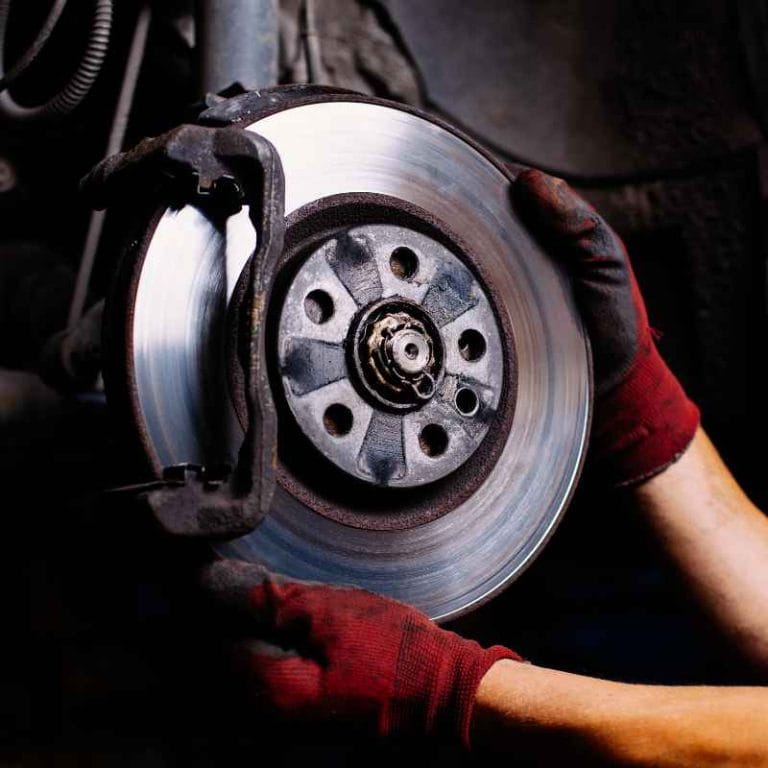
Rotors, the discs pressed by pads, wear out over time or become warped:
- Standard rotors ($40–$120 each): Suitable for most vehicles.
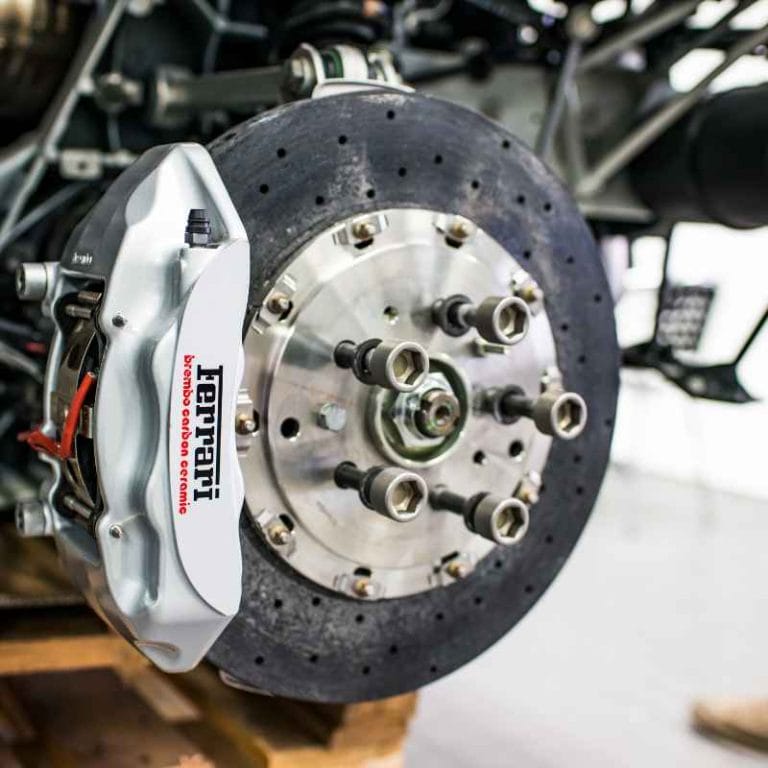
- Drilled/slotted rotors ($100–$250 each): Enhanced cooling and performance for sporty cars.
Replacing rotors is often recommended alongside pads for optimal braking and safety.
Rotors are made of cast iron or composites and are directly affected by the quality of brake pads used. Standard rotors are solid and provide reliable performance for most drivers. Drilled and slotted rotors, often found on performance vehicles, feature holes or slots to dissipate heat and gas more efficiently, improving stopping power and reducing brake fade during aggressive driving.
These features make them more expensive but are essential for vehicles that regularly encounter heavy braking, such as those used for towing or spirited driving.
Rotor Wear Indicators
- Warping: Causes vibrations when braking
- Scoring: Deep grooves from worn pads
- Rust: Surface rust is normal, but deep corrosion requires replacement
If rotors are too thin or damaged, your mechanic may insist on replacing them, which increases the overall brake job cost.
Calipers And Brake Fluid
Calipers squeeze pads against rotors; brake fluid transmits force:
- Caliper cost ($150–$400 each): Varies by vehicle and complexity.
- Brake fluid flush ($70–$120): Essential for maintaining brake responsiveness.
Calipers are hydraulic components that house the brake pads and press them against the rotors. Modern vehicles often use floating or fixed calipers. Fixed calipers are more expensive and typically found on performance cars, while floating calipers are common in most passenger vehicles. Replacing calipers is a less frequent maintenance task but can be costly, especially if your vehicle uses multi-piston designs for greater braking force.
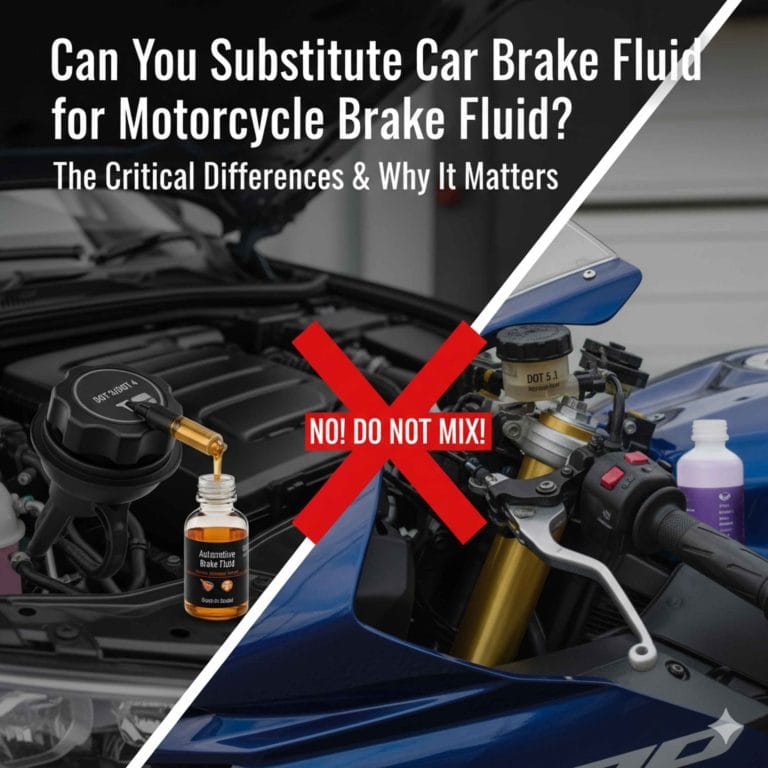
Brake fluid is the lifeblood of your braking system. Over time, it absorbs moisture, which lowers its boiling point and can lead to reduced braking performance or even brake failure. Regular brake fluid flushes are recommended every two years or 24,000 miles, but many drivers overlook this crucial maintenance, leading to higher long-term costs.
Labor And Installation
Labor costs fluctuate depending on location and shop type:
- Dealerships: $150–$350 per axle
- Independent shops: $100–$250 per axle
- DIY: Cost of parts only, but expertise required
Labor is a significant part of total brake expenses, especially for luxury or performance vehicles.
The skill level and equipment at each shop can affect labor costs. Dealerships tend to charge more due to factory-trained technicians and access to specialized tools, but they often provide warranties and use OEM parts. Independent shops offer lower rates and may use aftermarket parts, but quality can vary.
DIY brake jobs are an option for experienced home mechanics, but the risks are high—incorrect installation can lead to brake failure and safety hazards.
Major Factors Influencing Car Brake Pricing In 2026
Several variables shape brake replacement and repair costs. Understanding these can help you budget and make smart choices.
Vehicle Type And Brake System Complexity
- Compact cars: Lower parts/labor costs ($150–$350 per axle)
- SUVs/trucks: Larger, heavier brakes ($250–$500 per axle)
- Luxury/performance vehicles: Premium materials and technology ($500–$2,500 per axle)
High-performance vehicles use specialized brakes—like carbon-ceramic systems—that significantly increase costs.
The size and weight of your vehicle are primary drivers of brake system complexity. SUVs and trucks require larger pads and rotors to manage their mass, especially when towing. Luxury and sports cars often feature advanced braking technologies, such as Brembo or carbon-ceramic systems, which are engineered for extreme performance and longevity. These systems are not only expensive in parts but also in labor, as they require specialized tools and expertise.
Example Comparison
- 2026 Toyota Corolla (compact): Standard pads and rotors, basic calipers, minimal electronics
- 2026 Porsche 911 (performance): Carbon-ceramic pads, multi-piston calipers, electronic brake sensors
The difference in system design can increase the price by tenfold, making it crucial to match your brake choices to your vehicle’s requirements.
Oem Vs Aftermarket Parts
- OEM (Original Equipment Manufacturer): Guaranteed fit, higher cost ($200–$500 per axle)
- Aftermarket: Wider price range ($80–$350 per axle), variable quality
OEM parts are often recommended for newer or leased vehicles, while aftermarket can offer savings for older cars.
OEM parts are made by the same manufacturer as your vehicle and are guaranteed to fit and function as intended. They often come with a warranty and are required for lease returns and vehicles under warranty. Aftermarket parts, produced by third-party companies, vary in quality and price. Some brands, like Akebono or PowerStop, are known for high-quality aftermarket options, while others may compromise on material or fit to save costs. It’s critical to research reviews and ratings for aftermarket components before purchasing.
Pros And Cons Table
| Feature | OEM | Aftermarket |
|---|---|---|
| Fit/Compatibility | Guaranteed | May require research |
| Warranty | Often included | Depends on supplier |
| Price | Higher | Lower to moderate |
| Performance | Consistent | Variable |
Regional Labor Rates
Labor costs vary:
- Urban areas: Higher rates due to overhead and demand
- Rural areas: Lower rates but less competition
A brake job in Los Angeles may cost $100 more than in Omaha.
Labor rates are influenced by location, shop type, and technician expertise. Urban shops face higher rents and salaries, leading to greater overhead and higher customer demand. Rural shops often charge less, but may have limited access to premium parts or specialized technicians.
Additionally, the cost of living and regional taxes can affect pricing. It’s wise to compare quotes from multiple locations, especially if you live near a metropolitan area.
Brake Material And Technology
Advancements in brake technology—like electronic parking brakes and adaptive systems—add complexity and cost. For example, electronic brake systems can require specialized diagnostics, increasing labor costs.
Many modern cars feature electronic parking brakes, brake-by-wire systems, and adaptive cruise control, which integrate with the braking system. These features add safety and convenience but require advanced diagnostics and specialized repair tools. For example, recalibrating an electronic parking brake after pad replacement may add $50–$100 to the labor cost.
Technology Impact
- Electronic sensors: Increase diagnostic time
- Regenerative braking (EVs): Unique pads/rotors, higher parts cost
- Active brake assist: Additional sensors and calibration
Routine Maintenance And Driving Habits
Regular maintenance and careful driving extend brake life, reducing replacement frequency. Aggressive driving or heavy loads accelerate wear, increasing long-term costs.
Your braking style has a direct impact on pad and rotor lifespan. Frequent hard stops, towing, or driving in hilly terrain leads to rapid wear. Conversely, smooth driving and regular inspections can double the life of your brakes. Keeping your system clean and lubricated, and flushing brake fluid regularly, are essential for maximizing value and safety.
Maintenance Checklist
- Inspect pads and rotors every 12,000 miles
- Flush brake fluid every 24,000 miles
- Check calipers for leaks and sticking

Credit: www.automotiveglobespecialist.com
2026 Car Brake Price Comparison Table
To illustrate the wide range of brake costs, here’s a comparison table featuring average 2026 prices for different vehicle categories and brake types:
| Vehicle Type | Brake Pad Type | Parts (per axle) | Labor (per axle) | Total (per axle) |
|---|---|---|---|---|
| Compact Sedan | Organic | $40 | $120 | $160 |
| Mid-size SUV | Semi-metallic | $70 | $170 | $240 |
| Luxury Coupe | Ceramic | $120 | $300 | $420 |
| Performance Sports Car | Carbon-ceramic | $600 | $1,200 | $1,800 |
| Pickup Truck | Semi-metallic | $90 | $210 | $300 |
Prices reflect national averages; actual costs vary by region and provider. For more detailed data, consult industry pricing guides like Consumer Reports.

Credit: www.tvlexus.com
Real-world Examples And Case Studies
To provide practical context, here are three real-world brake replacement scenarios from 2026:
Example 1: 2026 Honda Civic Brake Pad Replacement
- Parts: Semi-metallic pads ($45 per axle)
- Labor: $110 per axle at local shop
- Total: $155 per axle
- Location: Denver, CO
This example shows how choosing standard pads and an independent shop can keep costs manageable. The owner opted for semi-metallic pads for a balance between price and performance.
The local shop provided a competitive quote thanks to lower overhead and access to quality aftermarket parts. The technician inspected the rotors and found they were within spec, so only the pads were replaced. This reduced the overall cost and ensured safe, reliable braking.
The owner also received a one-year warranty on parts and labor, adding peace of mind.
Example 2: 2026 Bmw X5 Full Brake Job
- Parts: Ceramic pads ($130 per axle), rotors ($220 each), calipers ($350 each)
- Labor: $320 per axle at dealership
- Total: Over $1,800 for all four wheels
Luxury vehicles require premium parts and specialized labor. The dealership provided a warranty but at a higher price, reflecting the complexity of the BMW brake system.
This brake job included a diagnostic check for electronic parking brake and adaptive brake assist systems. The technician performed a brake fluid flush and recalibrated sensors, ensuring optimal performance. The owner chose OEM parts for warranty coverage and resale value, but could have saved several hundred dollars by selecting high-quality aftermarket parts and an independent shop.
Example 3: 2026 Ford F-150 Front Brake Replacement
- Parts: OEM semi-metallic pads ($75), rotors ($100 each)
- Labor: $180 at independent shop
- Total: $355 for front axle
Truck brakes are larger and more expensive, but choosing an independent shop and OEM parts helped balance cost and reliability. For more on truck brake maintenance, visit MotorTrend.
The F-150 owner tows regularly and requested semi-metallic pads for durability. The shop inspected the calipers and recommended a brake fluid flush, which added $80 to the bill. By proactively maintaining the system, the owner avoided premature wear and ensured safe towing.
Choosing The Right Brake Components For Your Vehicle
Selecting the best brake parts isn’t just about price—it’s about safety, longevity, and performance.
Oem Vs Aftermarket: Pros And Cons
- OEM: Reliable fit, warranty support, higher price
- Aftermarket: Greater variety, lower cost, quality varies
OEM is ideal for new cars or lease returns, while aftermarket may suit older vehicles or budget-conscious owners.
The decision often comes down to your priorities: If you want guaranteed performance and are concerned about future resale value, OEM parts are the safe bet. For older vehicles, or if you’re comfortable researching trusted brands, high-quality aftermarket parts can provide equal or better performance at a lower cost.
Brake Pad Material Selection
- Organic: Quiet, low dust, wears quickly
- Semi-metallic: Good durability, affordable, more noise
- Ceramic: Less dust, long-lasting, higher cost
- Carbon-ceramic: Ultimate performance, extremely high price
Choose based on driving style and vehicle needs. For a detailed breakdown, see Wikipedia’s brake pad article.
Consider your environment: city drivers benefit from ceramic pads’ longevity and cleanliness, while rural drivers might prefer semi-metallic pads for their durability on gravel or dirt roads. Carbon-ceramic pads are reserved for high-performance vehicles and track use due to their cost and extreme heat resistance.
Performance Upgrades
For enthusiasts, upgrading to drilled/slotted rotors or carbon-ceramic pads enhances braking and durability but increases cost. Evaluate whether performance gains justify the expense.
Performance upgrades can also include stainless steel braided brake lines, which improve pedal feel, or high-temperature brake fluid for track use. When considering upgrades, factor in labor costs and any required system recalibration. If you’re planning to drive aggressively or tow heavy loads, these enhancements can provide added safety and longevity.
Warranty And Quality Assurance
Look for parts with manufacturer warranties and read reviews from trusted sources. Reliable suppliers often provide guarantees against premature wear or defects.
Ask your shop about warranty terms—some offer coverage for parts and labor, while others cover only defects. When buying aftermarket components online, check for certifications and third-party test results, and avoid unbranded parts that may compromise safety.
How To Save Money On Brake Repairs In 2026
Smart strategies can reduce brake expenses without compromising safety.
Shop Around For Quotes
- Get multiple quotes from dealerships and independent shops
- Compare labor rates and part prices
- Ask about package deals (pads + rotors)
Online tools and reviews help identify reputable providers. For example, RepairPal offers pricing transparency.
Don’t settle for the first quote—prices vary widely between shops. Ask for detailed estimates, including parts, labor, and any recommended services. Many shops offer discounts for bundled repairs or first-time customers.
Consider Diy For Simple Jobs
If you have mechanical experience, replacing pads yourself saves labor costs. However, ensure you have the proper tools and follow safety protocols.
DIY brake jobs require jack stands, a lug wrench, brake grease, and sometimes a piston compressor tool. Always follow your vehicle’s manual and double-check torque specifications. If you’re unsure, consult a professional—brake mistakes can be dangerous and costly.
Use Coupons And Promotions
Many shops offer discounts, especially during slow seasons. Check for online coupons or manufacturer rebates.
Look for seasonal promotions, loyalty programs, or bundled maintenance packages. Some shops offer discounts to AAA members or veterans. Manufacturer rebates on brake pads or rotors can save $20–$50 per axle.
Maintain Your Brakes Regularly
- Schedule brake inspections every 12,000 miles
- Flush brake fluid every two years
- Avoid aggressive braking
Routine maintenance extends component life and reduces replacement frequency. For maintenance tips, visit NHTSA.
Proactive care can double the lifespan of your brakes and prevent costly repairs. If you drive in extreme conditions—mountains, heavy traffic, or towing—consider more frequent inspections.
Data-driven Brake Pricing Trends For 2026
Analyzing recent market data reveals significant trends:
Rising Material Costs
Global supply chain issues and increased demand for premium materials (like ceramics) have pushed prices upward. According to Statista, average brake component costs increased 8% from 2026 to 2026.
Manufacturers are facing higher costs for raw materials, energy, and transportation. These increases are passed on to consumers, especially for premium pads and rotors.
Labor Shortages
A shortage of skilled technicians has led to higher labor rates, especially in urban centers. Expect to pay more for specialized repairs.
With fewer experienced mechanics in the workforce, shops are raising prices to attract and retain talent. This trend is particularly pronounced for vehicles with advanced braking systems, which require specialized knowledge.
Shift To Performance And Electric Vehicle Brakes
EVs and performance vehicles require unique brakes. Regenerative systems and high-performance pads are more expensive but offer longer lifespans.
Electric vehicles rely less on traditional friction braking due to regenerative systems, but when pads and rotors need replacement, they are often specific to the model and cost more. Performance cars, meanwhile, use advanced materials to withstand higher temperatures and stresses.
Comparison Table: 2026 Vs 2026 Brake Costs
| Year | Average Pad (per axle) | Average Rotor (each) | Labor (per axle) | Total (per axle) |
|---|---|---|---|---|
| 2026 | $55 | $80 | $140 | $195 |
| 2026 | $70 | $110 | $180 | $260 |
The table highlights the impact of inflation and technological advances on brake pricing.
Tips For Getting The Best Value On Car Brakes
Maximize your investment and avoid costly mistakes with these expert tips:
- Research parts and shops before committing.
- Ask about warranties and guarantees.
- Choose the right material for your driving needs.
- Bundle repairs (pads and rotors) to reduce labor costs.
- Schedule regular maintenance to prevent premature wear.
- Use trusted parts suppliers and avoid suspiciously low prices.
For additional guidance, check out AAA’s brake replacement article.
- Request a visual inspection before any work is performed.
- Document all repairs for warranty and resale purposes.
- Stay informed about recalls or service bulletins affecting your vehicle’s brakes.
Frequently Asked Questions
How Often Should Car Brakes Be Replaced?
Brake pads typically last 30,000–70,000 miles, depending on material and driving habits. Rotors may last 50,000–80,000 miles. Regular inspections help catch wear early.
Are Ceramic Brake Pads Worth The Extra Cost?
Ceramic pads offer quieter operation, less dust, and longer life, making them a good investment for most drivers, especially in urban environments.
Can I Mix Brake Pad Types On My Vehicle?
It’s not recommended. Mixing materials can lead to uneven wear and reduced braking performance. Always use the same type on each axle.
How Much Does It Cost To Replace Brakes On A Hybrid Or Electric Vehicle?
Brake jobs for hybrids/EVs can cost 20–30% more due to unique systems and regenerative braking technology. Expect $250–$600 per axle.
What Are Signs That My Brakes Need Replacement?
Common signs include squealing noises, reduced responsiveness, vibration during braking, and dashboard warning lights. If you notice any of these, schedule an inspection.
What’s The Difference Between Resurfacing Rotors And Replacing Them?
Resurfacing removes minor imperfections and extends rotor life, but is only possible if the rotor is thick enough. Replacement is needed for deep scoring, warping, or minimum thickness.
Is Brake Fluid Replacement Necessary?
Yes, brake fluid absorbs moisture and degrades over time. Regular flushing ensures reliable braking and prevents expensive hydraulic system repairs.
How Can I Verify The Quality Of Aftermarket Brake Parts?
Look for certifications like ISO/TS 16949 or SAE standards. Read reviews and check for manufacturer warranties.
As brake technology and market trends continue to evolve, staying informed is vital for both safety and budgeting. By understanding the key factors affecting brake pricing in 2026 and applying expert tips, you can make smarter decisions and avoid unnecessary expenses.
Whether you’re maintaining a daily driver or upgrading a performance car, this guide empowers you to take control of your brake costs with confidence.
Products related to this article
Sponsored / affiliate links. As an Amazon Associate I earn from qualifying purchases. I may earn additional commission from eligible campaigns.