How Much Are Car Brake Discs? Prices You Should Know
When it comes to vehicle maintenance, few components are as critical to safety as car brake discs. Whether you drive a compact sedan, a family SUV, or a high-performance vehicle, your brake discs—also known as rotors—play a vital role in ensuring quick, reliable stopping power. But with a dizzying array of options and pricing structures, understanding exactly how much car brake discs cost can be a challenge. From budget-friendly aftermarket parts to premium OEM replacements, brake disc prices vary by car type, brand, and even your choice of mechanic.
For many car owners, the question “How much are car brake discs? ” often arises after a mechanic’s inspection or during routine service. The answer isn’t always straightforward, as costs depend on factors like disc material, vehicle make and model, labor rates, and whether you’re buying parts alone or a complete installation service.
This comprehensive guide breaks down the real costs, compares popular brands, and explores what you should expect to pay—so you can make informed decisions and avoid hidden expenses.
Key Takeaways
- Brake disc prices typically range from $30 to $300 per disc, depending on quality, brand, and vehicle type.
- Labor costs for replacement vary widely, averaging $100–$250 per axle.
- OEM and premium performance discs cost more but offer enhanced durability and braking efficiency.
- Choosing between DIY, independent mechanics, or dealerships significantly impacts total replacement costs.
- Regular inspection and timely replacement can prevent costly brake system failures.

Credit: www.hendrickcadillacsouthpoint.com
Understanding Brake Discs: Types And Key Functions
What Are Brake Discs?
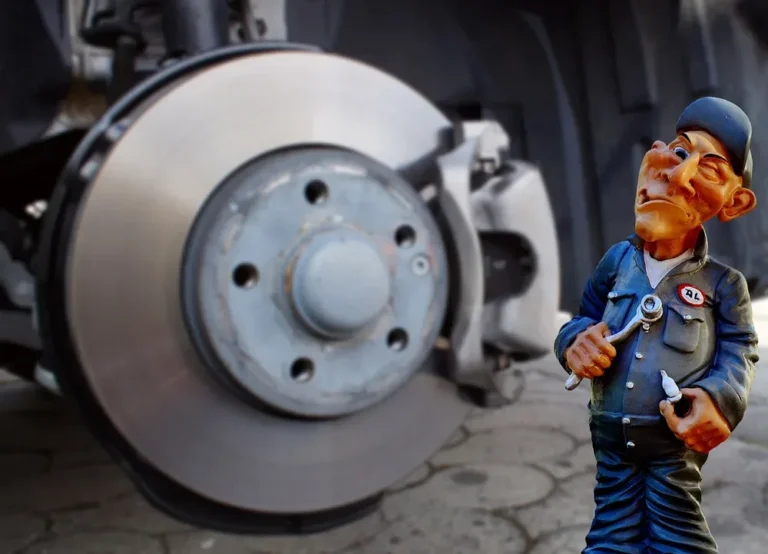
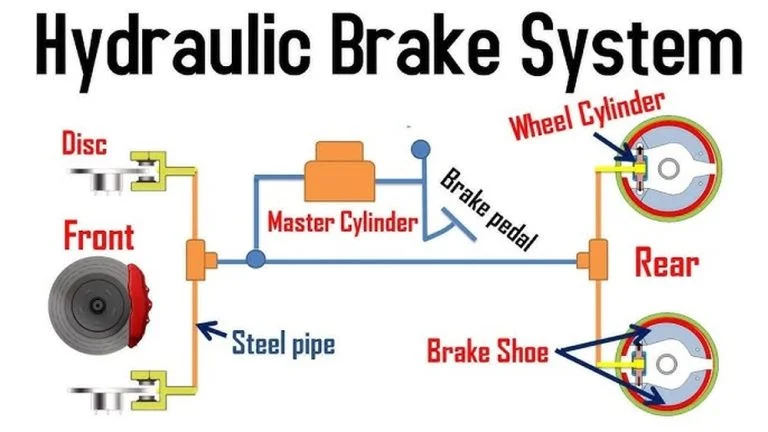
Brake discs (or rotors) are circular metal components attached to each wheel. When you press the brake pedal, calipers squeeze brake pads against the discs, converting kinetic energy into heat and slowing your vehicle. Their effectiveness is crucial for safe, consistent braking.
The design of brake discs is deceptively simple but highly engineered. The disc itself must be perfectly balanced to avoid vibration and must remain true (flat) even after thousands of heating and cooling cycles. The surface must also have the proper finish to ensure optimal friction with the brake pads while minimizing noise and uneven wear.
Key Functions
- Heat Dissipation: Brake discs absorb and disperse heat generated during braking. When brakes are applied, friction between the pad and the disc produces significant heat, especially during repeated or hard stops. A well-designed disc prevents overheating, which can cause brake fade—a dangerous reduction in braking power.
- Stopping Power: They provide a friction surface for the pads, enabling rapid deceleration. The quality and design of the disc directly influence how efficiently your car can stop, especially in emergency situations.
- Durability: Quality discs resist warping and wear, contributing to overall brake system longevity. Inferior discs may develop cracks, grooves, or warping, all of which can compromise safety and necessitate more frequent replacement.
Types Of Brake Discs
- Solid Discs: Common in economy cars; basic and affordable. These are made from a single piece of cast iron and typically found on the rear axle of small cars due to their lower cost and simpler design. They are suitable for vehicles with lower braking demands.
- Vented Discs: Feature internal vanes to boost cooling; standard on most modern vehicles. The vented design includes a gap with internal vanes between two disc faces, increasing surface area for better heat dissipation. This is especially important for front brakes, which handle most of the stopping force.
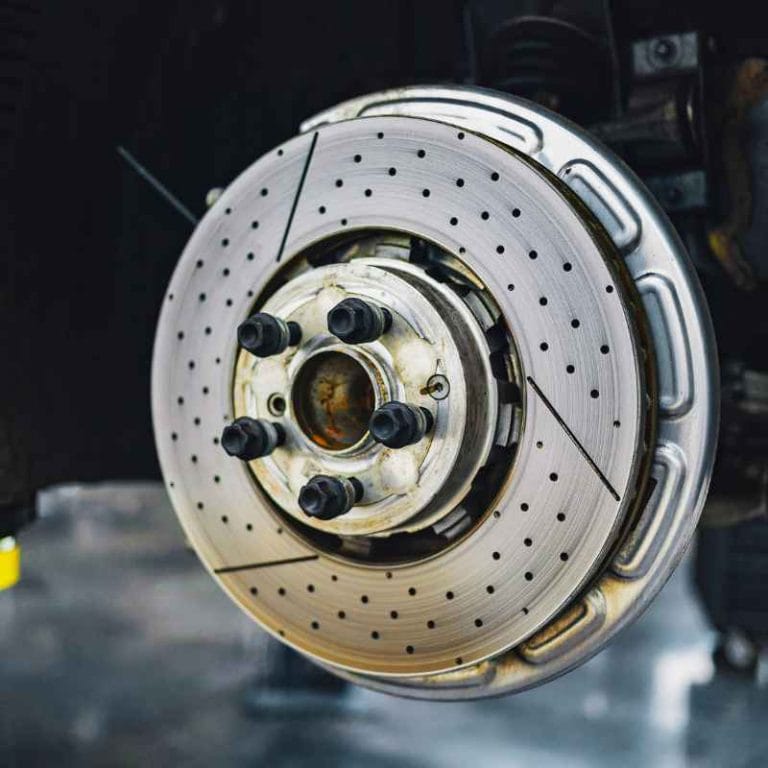
- Drilled/Slotted Discs: Designed for high-performance or heavy-duty use; offer better heat dissipation and debris removal. Drilled holes allow gas and heat to escape, while slots (or grooves) help remove debris, water, and brake dust from the pad surface. These are popular in performance and off-road applications.
- Composite/Carbon-Ceramic Discs: Premium discs found in sports and luxury cars; extremely lightweight and heat-resistant. Carbon-ceramic discs provide exceptional performance under extreme conditions, withstanding higher temperatures and offering longer life, albeit at a much higher cost.
Materials Used
- Cast Iron: Most common; affordable and reliable. Cast iron is widely used due to its excellent thermal properties and cost-effectiveness. However, it is relatively heavy, which can affect fuel efficiency and handling.
- Carbon-Ceramic: Ultra-light, durable, and heat-resistant, but costly. These are used in supercars, racing, and top-end sports cars. They offer lower weight and excellent thermal stability, but replacement costs are significantly higher.
- Steel Alloys: Used in some performance applications for added strength. Steel alloys may be used for enhanced durability, particularly in severe-duty or racing environments. They are less prone to cracking under stress but can be more expensive than cast iron.
Additional Considerations
Some modern vehicles use composite discs, which combine different materials (such as cast iron with aluminum hats) to reduce weight and improve heat transfer. The choice of material and disc design is carefully matched to the vehicle’s intended use and performance requirements.

Credit: www.kengarff.com
Brake Disc Pricing: What Determines The Cost?
Factors Affecting Brake Disc Prices
Several elements influence the price of brake discs:
- Vehicle Make and Model: Discs for luxury, sports, or large vehicles tend to be pricier. For example, a brake disc for a Toyota Corolla will cost significantly less than one for a Porsche 911, both due to the complexity of the part and the performance demands.
- Disc Type and Material: Advanced designs (drilled, slotted, carbon-ceramic) command higher prices. High-performance rotors require more sophisticated manufacturing processes and materials, which drive up costs.
- Brand Reputation: Premium brands like Brembo or OEM parts cost more than generic aftermarket options. Brand reputation often correlates with better materials, stricter quality control, and longer warranties.
- Supplier and Retail Channel: Dealerships, online retailers, and local parts stores all offer different pricing structures. Dealerships usually charge the most, while online retailers may offer significant discounts.
- Region and Labor Rates: Geographic location can impact both part and installation costs. For instance, labor rates are typically higher in urban centers or regions with a higher cost of living.
Additional Price Influencers
- Availability and Demand: Rare or specialty rotors for niche vehicles can be more expensive due to limited supply.
- Packaging (Single vs. Set): Some brands sell rotors individually, while others offer pairs or complete sets at a slight discount per unit.
- Shipping Costs: Heavy, bulky items like brake discs may incur higher shipping costs, especially when purchased online.
Average Price Ranges
To provide a clear overview, the table below compares common brake disc price ranges:
| Disc Type | Price Range (per disc) | Common Vehicles |
|---|---|---|
| Solid (Economy) | $30–$75 | Toyota Corolla, Honda Civic |
| Vented (Standard) | $50–$120 | Ford F-150, Honda Accord |
| Drilled/Slotted (Performance) | $90–$250 | BMW 3 Series, Audi A4 |
| Carbon-Ceramic (High-End) | $500–$3000 | Porsche 911, Ferrari F8 |
Explaining The Range
- Low end: Budget aftermarket options, suitable for light, everyday use.
- Mid-range: OEM or reputable aftermarket brands, best for most daily drivers.
- High end: Performance, specialty, or luxury vehicle rotors, often with advanced features like directional vanes, special coatings, or composite materials.
Oem Vs. Aftermarket Vs. Performance Discs
- OEM (Original Equipment Manufacturer): Matched to your vehicle’s specifications; typically more expensive but reliable. These are the same parts that came with your vehicle from the factory, ensuring perfect fit and performance.
- Aftermarket: Broad range of prices and quality; can be budget-friendly or high-end. Some aftermarket brands focus on economy, others on performance. It’s important to check reviews and certifications for aftermarket parts.
- Performance: Engineered for track or heavy-duty use; significantly pricier due to advanced materials and design. Performance discs may feature proprietary metallurgy, special slotting/drilling patterns, and corrosion-resistant coatings.
More On Aftermarket Options
Aftermarket discs can be an excellent value, but beware of very low-cost, no-name brands. These may use subpar materials or inconsistent manufacturing processes, leading to premature wear, noise, or even safety risks.
Real-world Example: Compact Sedan Vs. Performance Car
A 2018 Honda Civic owner may pay $40–$60 per disc for quality aftermarket rotors, while a 2020 BMW M3 owner could spend $200–$500 per disc for high-performance, drilled/slotted rotors.
This significant price difference reflects not only the materials and design but also the engineering required for high-speed, high-mass vehicles. In addition, performance cars often require rotors with more exacting tolerances, resulting in higher manufacturing costs.
Additional Comparison Example
For a 2015 Ford Focus, standard vented rotors from a reputable aftermarket brand might cost $55 each. In contrast, a 2017 Chevrolet Corvette with performance slotted rotors could see prices reach $450 each for premium models.
Credit: www.locomotionpowersports.com
Labor And Installation Costs
Diy Vs. Professional Installation
- DIY Replacement: Buying brake discs and installing them yourself can save $100–$250 in labor per axle. Tools and mechanical know-how are required. However, improper installation can lead to serious safety issues, so only attempt this if you are confident in your skills and have access to a torque wrench, jack stands, and other necessary equipment.
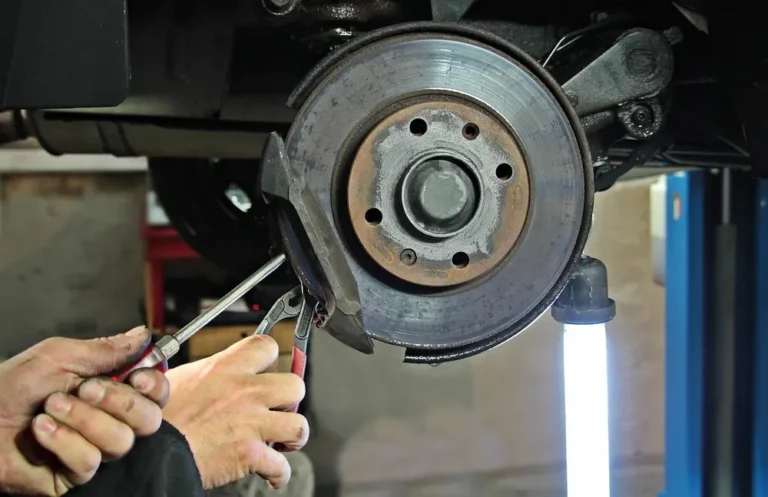
- Professional Mechanic: Labor charges vary by location, but average $100–$250 per axle. Professional installation ensures proper fitment, torque specifications, and safety checks.
- Dealership Service: Often the most expensive, but includes guaranteed OEM parts and certified labor. Dealerships may offer additional perks such as car washes, shuttle service, or extended warranties, but these are factored into the higher labor rates.
Additional Labor Factors
Labor costs may also be affected by the condition of your vehicle. For example, excessive rust, stuck bolts, or the need to replace other brake components (such as caliper brackets or hardware) can increase the time and cost.
Typical Labor Charges
Here’s a quick comparison of labor costs by service provider:
| Provider | Labor Cost (Per Axle) | Warranty Included? |
|---|---|---|
| DIY | $0 | No |
| Independent Mechanic | $100–$180 | Sometimes |
| Dealership | $180–$250 | Yes (usually 12–24 months) |
Additional Service Provider Insights
- Chain Auto Repair Shops: National chains (such as Midas or Firestone) often offer competitive pricing, especially on bundled brake services. Warranty terms may vary by location and service package.
- Mobile Mechanics: Some regions offer mobile brake services, where a certified mechanic comes to your home or workplace. Pricing is generally comparable to independent shops.
Additional Parts And Services
Often, a brake disc replacement is paired with new brake pads, brake fluid flush, or caliper inspection. These services add to the total bill but ensure optimal performance.
- Brake Pads: Most mechanics recommend replacing pads when installing new discs to prevent uneven wear.
- Brake Fluid Flush: Old or contaminated fluid can reduce braking performance; a flush ensures the system is operating at peak efficiency.
- Caliper Service: Seized or sticking calipers can cause premature disc wear; inspection and cleaning or rebuilding may be recommended.
Example Of Additional Services Cost
For a 2017 Toyota Camry, adding new brake pads ($60–$120 per axle) and a brake fluid flush ($70–$120) could bring the total service bill to $400–$600, depending on labor rates.
Case Study: Suburban Family Car
A 2016 Ford Explorer owner was quoted $115 per disc (OEM), plus $160 labor per axle at a local mechanic. With all four discs replaced, total cost was $460 (parts) + $320 (labor) = $780.
This example assumes no additional services or complications. If new pads and hardware were added, the total could easily exceed $1,000.
Additional Case Study: High-mileage Vehicle
A 2012 Honda Accord with significant rust buildup required extra labor to remove stuck bolts and clean the hub, adding $60 to the initial quote. Always budget for potential surprises if your car has high mileage or sees winter road salt.
Saving Tips
- Shop around for parts and labor quotes.
- Ask about bundled deals (discs + pads).
- Consider reputable online retailers for cost savings.
- Look for coupons or seasonal promotions at chain auto shops.
Bundled Service Example
A national chain offered a “Brake Service Special” including new discs, pads, and labor for $399 per axle, with a 24-month warranty, saving the customer over $150 compared to a la carte pricing.
Brand And Quality Comparison
Leading Brake Disc Brands
- Brembo: Renowned for premium quality and performance applications. Used on many supercars, high-end sports cars, and even as OEM equipment for some performance-oriented mainstream models.
- ACDelco: Trusted choice for GM vehicles and high-quality aftermarket parts. Known for a good balance of price and reliability.
- Bosch: Offers a range of reliable, affordable discs. Bosch rotors are well-regarded in the aftermarket segment, especially for European and Asian vehicles.
- Zimmermann: Popular for European cars; high durability. Often found as OEM or equivalent in brands like BMW, Mercedes-Benz, and Audi.
- Raybestos: Known for balance between price and longevity. Raybestos offers a broad product lineup, from economy to premium rotors.
Additional Notable Brands
- PowerStop: Specializes in performance upgrade kits, often bundled with pads and hardware.
- Centric: Offers high-quality rotors for a wide range of vehicles, popular among DIYers and professionals alike.
- EBC Brakes: UK-based manufacturer known for performance and racing applications.
Price And Performance Table
| Brand | Price Range (Per Disc) | Best For | Warranty |
|---|---|---|---|
| Brembo | $90–$300 | Performance/Luxury | 2 years |
| ACDelco | $40–$120 | GM/Economy | 1 year |
| Bosch | $50–$130 | Most Vehicles | 1 year |
| Zimmermann | $70–$220 | European | 2 years |
| Raybestos | $35–$90 | Economy/Standard | 1 year |
Comparing Features
- Premium brands like Brembo and Zimmermann often use proprietary alloys, anti-corrosion coatings, and advanced manufacturing processes.
- Budget brands may skimp on material quality and tolerance, leading to reduced lifespan and potential noise or vibration issues.
Oem Vs. Aftermarket Brands
- OEM Discs: Provide a perfect fit and meet manufacturer standards. They may include features like directional vanes or advanced coatings, ensuring maximum compatibility and safety.
- Aftermarket Discs: Offer a wide spectrum of prices and features; some rival OEM quality, others may be less durable. Look for certifications such as ISO/TS 16949 or ECE R90 for assurance of quality.
Additional Brand Insights
Some automakers use branded OEM suppliers—such as Brembo for certain Audi and BMW models—which means aftermarket versions from these brands can be virtually identical to factory equipment but at a lower price.
Example: Luxury Vs. Budget
A Mercedes-Benz E-Class owner choosing OEM discs might pay $240 each at a dealership, while an older Toyota Corolla owner can replace both front rotors for under $100 with quality aftermarket parts.
Brand Loyalty And Cost
Many drivers prefer to stick with the brand originally installed on their vehicle, especially for luxury and performance models. However, switching to a reputable aftermarket brand can reduce costs without sacrificing safety for mainstream vehicles.
Durability And Warranty Considerations
- Premium brands typically offer longer warranties.
- Cheaper discs may wear faster, leading to more frequent replacement.
- Some brands offer “coated” rotors for rust protection, especially useful in wet or winter climates.
For more on reputable brands and warranties, see the NHTSA brake equipment guide.
Where To Buy Brake Discs
Dealerships
- Pros: Guaranteed OEM parts, certified technicians.
- Cons: Highest price point.
- Best For: New cars, luxury vehicles, or when warranty compliance is required.
Dealerships also have access to factory technical bulletins and updates, which can be important if your car has a recall or known issue with the brake system.
Independent Auto Shops
- Pros: Competitive pricing, flexible part options.
- Cons: Quality varies; ask about parts sourcing.
- Best For: Most mainstream vehicles.
Independent mechanics may offer personalized service and can source OEM or high-quality aftermarket parts based on your budget.
Online Retailers
- Pros: Widest selection, often the lowest prices.
- Cons: Buyer must ensure correct fitment; installation not included.
- Best For: DIYers, those seeking specific brands or deals.
Many online stores include detailed fitment guides and customer reviews, which can help you avoid compatibility issues. Some even offer live chat with parts experts to confirm you’re buying the right disc.
Notable Online Retailers
Local Parts Stores
- Pros: Immediate availability, in-person support.
- Cons: May be more expensive than online options.
- Best For: Emergency repairs, quick replacements.
Local stores are a good option if you need to match a part visually or need parts the same day. Staff can often provide advice and installation tips.
Case Study: Online Vs. Local Purchase
A 2015 Subaru Outback owner compared prices for front brake discs:
- Local parts store: $72 each
- Online retailer: $52 each (plus $12 shipping)
- Dealership: $110 each
Choosing online saved $36 for the pair, even after shipping.
Additional Buying Considerations
- Return Policies: Ensure the seller accepts returns if you order the wrong part.
- Shipping Times: Factor in delivery time, especially if your car is undriveable.
- Core Charges: Some retailers apply a refundable “core charge” for certain parts, though this is less common for rotors.
Tips For Buying
- Always check fitment for your exact year, make, and model.
- Read reviews and check return policies.
- Look for bundled deals (discs + pads).
- Compare warranty terms, especially if buying online.
Seasonal Promotions
Many retailers offer discounts around holidays or during “Brake Safety Awareness Month” in October. Signing up for newsletters can alert you to upcoming sales.
How Often Should Brake Discs Be Replaced?
Typical Lifespan
Most brake discs last between 30,000 and 70,000 miles, depending on driving habits, vehicle type, and disc material.
- Aggressive driving (hard braking, stop-and-go traffic) reduces disc lifespan.
- Highway driving tends to be easier on brakes, potentially extending rotor life.
Signs You Need New Brake Discs
- Vibration or Pulsation: Warped discs cause shuddering during braking. This is often most noticeable when stopping from higher speeds.
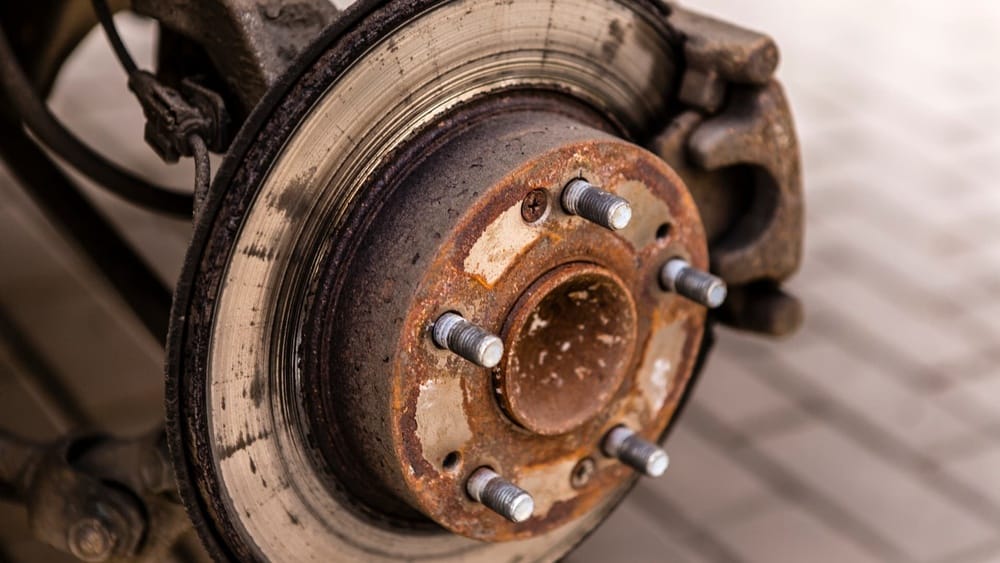
- Visible Scoring or Cracks: Deep grooves or cracks indicate replacement is needed. Surface rust is normal, but deep pitting or chipping is not.
- Increased Stopping Distance: Fading braking performance. If your car takes longer to stop, even after replacing pads, the discs may be worn beyond specs.
- Squealing or Grinding Noise: Indicates excessive wear or metal-to-metal contact. This usually means the pads have worn through and are damaging the disc.
Additional Signs
- Blue Discoloration: Overheating can cause a blue tint, indicating the disc has been subjected to excessive heat and may be compromised.
- Thickness Variation: A mechanic can use a micrometer to measure rotor thickness. If it’s below the manufacturer’s minimum, replacement is necessary.
Inspection Frequency
- Check every 10,000–15,000 miles (often during tire rotation or brake pad replacement).
- Some high-performance or heavy-use vehicles require more frequent checks.
Professional Vs. Diy Inspection
A professional inspection will include measuring rotor thickness, checking for runout (wobble), and examining for cracks or heat spots. DIYers can visually inspect for grooves, cracks, or severe rust.
Real-world Example: Commercial Vehicle
A rideshare driver averaging 40,000 miles per year replaced discs every 18 months, opting for vented aftermarket rotors to reduce costs.
Fleet Maintenance Example
Delivery vans and taxis, which face urban stop-and-go traffic, may need rotor replacement every 25,000–40,000 miles, especially if pads are not changed promptly.
Maintenance Tips
- Replace brake pads with discs to prevent premature wear.
- Have rotors professionally inspected for thickness and warping.
- Use quality pads and discs for your driving style and environment.
- Avoid excessive hard stops when possible to extend rotor life.
Rotor Resurfacing
In some cases, lightly worn rotors can be resurfaced (“turned”) to remove grooves and restore a flat surface. However, modern rotors are often too thin from the factory to be resurfaced more than once.
For more details on replacement intervals, visit the Consumer Reports brake maintenance guide.
Cost-saving Strategies And Pitfalls To Avoid
How To Save On Brake Disc Replacement
- Shop Around: Get quotes from multiple mechanics and retailers. Don’t be afraid to ask for price matching or discounts.
- Buy in Bundles: Purchasing discs and pads together often reduces overall cost. Some brands offer complete brake kits with hardware, saving money and ensuring compatibility.
- Consider Aftermarket Brands: Many offer OEM-level performance at a lower price. Read reviews and look for brands with good warranties.
- DIY if Capable: Save on labor if you have the right tools and experience. Online tutorials and repair manuals can guide you through the process.
Additional Cost-saving Ideas
- Join Loyalty Programs: Many auto parts chains have customer loyalty programs or offer discounts for signing up.
- Use Rebates and Coupons: Manufacturers and retailers frequently offer mail-in rebates or online coupons.
- Purchase During Sales Events: Black Friday, Memorial Day, and other holidays often feature auto parts sales.
Pitfalls To Avoid
- Choosing the Cheapest Parts: Low-quality discs may wear quickly or perform poorly. Safety should always be the top priority.
- Ignoring Labor Quality: Inexperienced installation can lead to uneven wear or safety issues. Improperly torqued bolts or contaminated surfaces can cause rotor warping or brake noise.
- Skipping Pad Replacement: Old pads on new rotors can cause premature disc damage. Always replace pads and inspect hardware when installing new discs.
- Neglecting Caliper Condition: Sticky or malfunctioning calipers can ruin new rotors in short order. Have calipers inspected and serviced as needed.
- Not Following Break-In Procedures: Many new rotors require a bedding-in process to optimize performance and longevity.
Case Study: Saving With Aftermarket Parts
A 2017 Chevrolet Malibu owner saved $120 by selecting reputable aftermarket rotors and using a trusted independent mechanic, compared to dealership pricing.
Additional Pitfall Example
A driver purchased unbranded rotors online at a steep discount. Within six months, the discs developed severe warping, resulting in costly re-replacement and labor charges. Opting for quality over the lowest price can prevent repeat repairs and safety risks.
Warranty And Returns
- Reputable brands and sellers offer warranties (typically 12–24 months).
- Check return and exchange policies before purchasing online.
- Keep receipts and document installation for potential warranty claims.
Additional Resources
For more on safe DIY brake work and common mistakes, see this Popular Mechanics brake replacement guide.
The Impact Of Brake Disc Quality On Safety And Performance
Safety Considerations
- High-quality discs provide consistent, predictable stopping power. This is especially important in emergency situations, wet or icy roads, and during high-speed driving.
- Poor-quality or worn discs increase stopping distance, especially in wet or emergency conditions. This can be the difference between stopping in time or being involved in a collision.
Additional Safety Risks
Substandard discs can crack or fail under stress, especially if improperly installed or subjected to extreme heat. Always ensure parts meet or exceed OEM specifications.
Performance Factors
- Vented and performance discs resist heat fade, maintaining braking efficiency in spirited or heavy-duty driving. This is critical for towing, mountain driving, or frequent stops.
- Carbon-ceramic discs deliver superior performance but are usually reserved for high-end vehicles. These rotors maintain braking power even after repeated hard stops and weigh less, improving handling.
Real-world Performance Example
A sports car owner who switched from standard to slotted rotors reported reduced brake fade during track days and improved pedal feel during aggressive driving.
Long-term Value
- Investing in quality discs reduces frequency of replacement and potential for brake system damage.
- Enhanced safety and vehicle resale value.
- Some buyers are willing to pay more for a used car with documented, high-quality brake service.
Environmental Considerations
Longer-lasting discs mean fewer resources are used for manufacturing and less waste is generated. Some brands also offer rotors with low-copper content to reduce environmental impact.
Case Study: Performance Upgrade
A track day enthusiast upgraded to drilled/slotted rotors, spending $400 more than standard replacements but reporting significant improvements in brake feel and fade resistance during spirited driving.
Additional Case Study: Commuter Vehicle
A commuter opted for coated rotors in a northern climate, reducing winter rust and extending rotor life by two years compared to uncoated alternatives.
Regulatory And Insurance Implications
- Some insurers and inspections require use of OEM or certified parts. Using uncertified or visibly modified brakes may affect accident claims.
- Always check local regulations before installing aftermarket or performance discs. Some areas have restrictions on drilled or slotted rotors for street use.
For more on brake safety standards, refer to the Disc brake Wikipedia entry.
Frequently Asked Questions
How Much Does It Cost To Replace All Four Brake Discs?
Replacing all four brake discs typically costs between $240 and $1,000 for most vehicles, including parts and labor. This range depends on your car’s make, the type of discs (standard, performance, carbon-ceramic), and where you have the work done (independent shop vs. dealership). Luxury and high-performance vehicles can see costs exceeding $2,000 for premium discs.
Additional Cost Breakdown
For a typical midsize sedan:
- Parts: $200–$400 (all four discs)
- Labor: $200–$500 (all four discs)
- Total: $400–$900
For a luxury sports car:
- Parts: $1,000–$2,500 (all four discs, performance grade)
- Labor: $400–$700
- Total: $1,400–$3,200
Are Expensive Brake Discs Worth It For Daily Driving?
For most daily drivers, standard OEM or high-quality aftermarket discs offer excellent value and safety. Expensive performance discs (like drilled, slotted, or carbon-ceramic) are mainly beneficial for sports cars, towing, or heavy-duty use. However, if you demand top-tier performance or drive in extreme conditions, investing in premium discs can be worthwhile.
Additional Considerations
If you rarely drive aggressively or tow heavy loads, standard rotors are sufficient. However, living in mountainous areas or frequenting track days may justify the additional expense for performance rotors.
How Do I Know If My Brake Discs Need Replacing?
Common signs you need new brake discs include vibration during braking, visible grooves or cracks, increased stopping distance, and metallic grinding noises. It’s best to have your brakes inspected by a professional if you notice any of these symptoms or at least every 10,000–15,000 miles.
Diy Tip
Use a flashlight to inspect for grooves or discoloration on the disc surface. If in doubt, have a mechanic measure rotor thickness and check for warping.
Can I Replace Just One Brake Disc, Or Should They Be Done In Pairs?
Brake discs should always be replaced in pairs (both front or both rear) to ensure balanced braking performance and safety. Replacing only one disc can cause uneven braking, pulling, and premature wear on the new rotor.
Additional Reasoning
Uneven braking can lead to handling issues and increased wear on suspension components, potentially costing more in the long run.
Does Replacing Brake Discs Affect My Car’s Warranty Or Insurance?
If you use OEM or certified equivalent parts and have the work done by a qualified technician, your warranty is generally unaffected. However, using unapproved aftermarket parts or DIY work may void warranties or impact insurance claims in some cases. Always check your owner’s manual and consult your dealer or insurer before replacing critical components.
Insurance And Legal Notes
Aftermarket parts must meet federal safety standards. Using substandard or modified components can result in failed inspections or denied claims after an accident.
When considering your next brake service, remember that investing in quality parts and labor not only enhances safety but also saves money in the long run. Armed with the knowledge from this guide, you can confidently navigate the world of brake disc pricing, avoid common pitfalls, and keep your vehicle performing at its best.
Products related to this article
Sponsored / affiliate links. As an Amazon Associate I earn from qualifying purchases. I may earn additional commission from eligible campaigns.