How to Improve Brakes on Your Car for Better Stopping Power
Enhancing your car’s braking system is one of the most effective ways to ensure safety, boost driving confidence, and extract better performance from your vehicle. Whether you’re navigating daily commutes, tackling twisty mountain roads, or preparing for spirited track days, improving brake performance means shorter stopping distances and greater control in emergencies. Unfortunately, many drivers underestimate the impact of high-quality brakes until a close call reveals their current system’s limitations.
In this comprehensive guide, we’ll break down actionable strategies for upgrading your car’s brakes, supported by technical insights, real-world examples, and expert recommendations. We’ll compare popular upgrade options, highlight the science behind braking, and offer step-by-step advice for maximizing your car’s stopping power—while helping you avoid common mistakes and unnecessary expenses.
Whether you drive a compact sedan, a powerful sports car, or an SUV, this guide will equip you with practical, data-driven knowledge to make informed decisions.
Key Takeaways
- Upgrading your brake pads and rotors delivers the most noticeable improvement in stopping power for most vehicles.
- Regular maintenance, including fluid flushes and system inspections, is critical for consistent braking performance.
- High-performance brake lines and fluid reduce pedal fade and improve brake feel, especially under repeated hard stops.
- Properly matched brake components prevent uneven wear and maximize upgrade benefits.
- Professional installation and regular checks ensure safety and compliance with local regulations.
- Investing in the right brake upgrades can dramatically reduce stopping distances—sometimes by over 20%.

Credit: gexhaust.com
Understanding Braking Systems: The Fundamentals
How Car Brakes Work
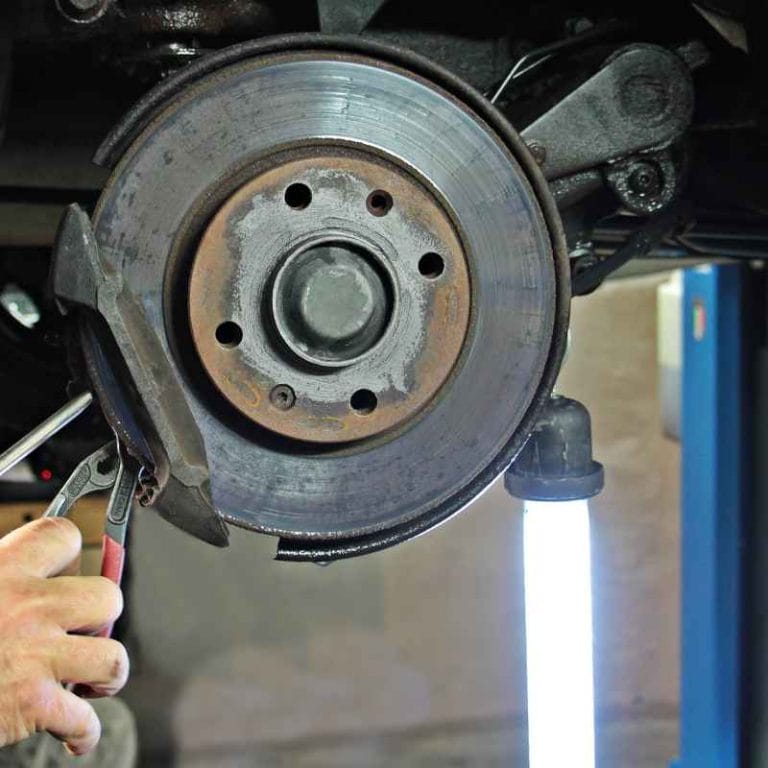
Modern vehicles typically use hydraulic disc brakes on all four wheels, or a combination of disc and drum brakes. When you press the brake pedal, fluid pressure from the master cylinder forces the brake pads against the spinning rotors (or brake shoes against drums), creating friction that slows the car.
This hydraulic action amplifies the force applied by your foot, allowing even modest pressure on the pedal to generate significant stopping power. In the case of disc brakes, the calipers squeeze the pads onto the rotor surface, converting kinetic energy into heat through friction.
Drum brakes, often found on rear wheels of older or economy cars, operate by expanding brake shoes outward against the inside of a drum. Modern anti-lock braking systems (ABS) further enhance control during emergency stops by modulating brake pressure to prevent wheel lockup.
Key Components And Their Roles
- Brake pads: Provide friction against the rotors to stop the wheels. They come in various compounds, each with unique performance characteristics.
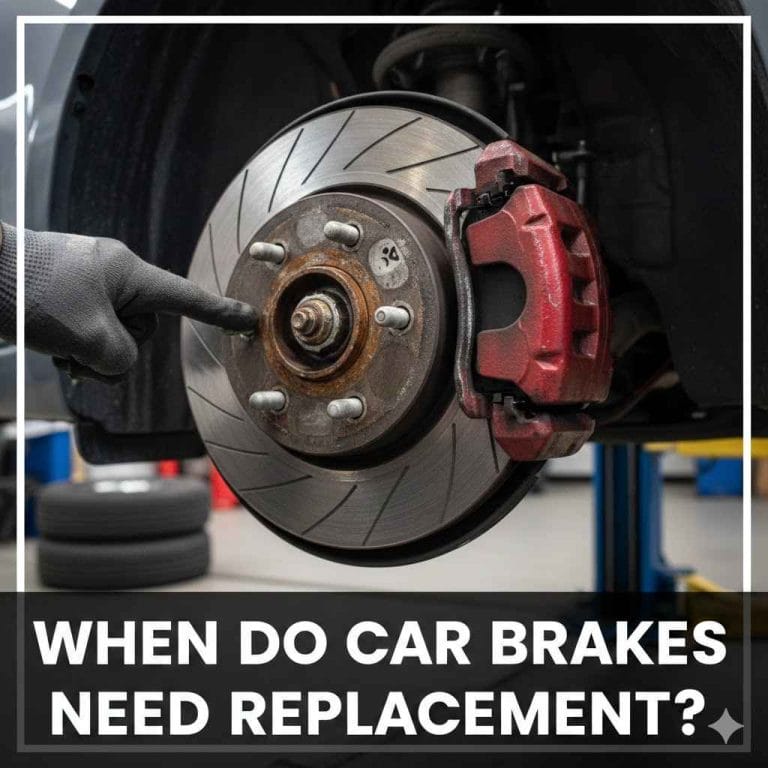
- Brake rotors (discs): Spin with the wheels and dissipate heat from braking. Rotor design and material (cast iron, carbon-ceramic) greatly affect performance and durability.
- Brake calipers: Clamp the pads onto the rotors. Available in floating or fixed types, with fixed calipers offering greater clamping force and even pressure distribution.
- Brake fluid: Transfers force from the pedal to the brakes. Its chemical stability and boiling point are crucial for maintaining consistent brake feel and performance.
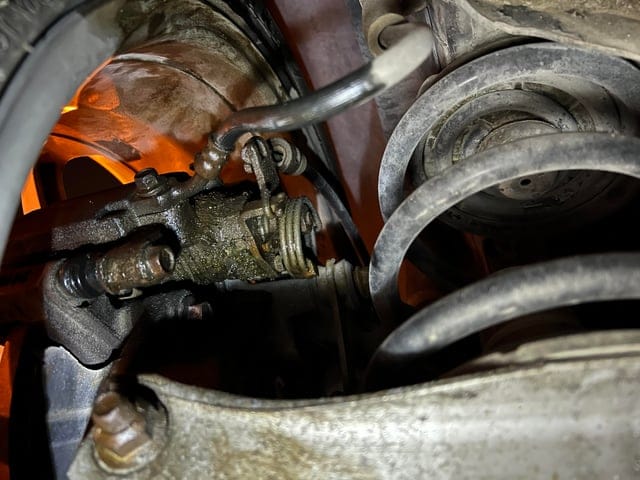
- Brake lines and hoses: Carry brake fluid to each wheel. Flexible rubber lines are standard, but stainless steel braided lines resist expansion and improve pedal feel.
The Science Of Stopping Power
Stopping power depends on several factors:
- Friction material: Determines how aggressively pads grip rotors. Higher friction means greater stopping force but can also lead to increased wear or noise.
- Rotor size and design: Larger or vented rotors dissipate heat better. Mass and surface area play a role in absorbing and releasing thermal energy.
- System temperature: Excessive heat causes “brake fade,” reducing performance. Consistent hard use can push components beyond their thermal limits.
- Tire grip and road conditions: Even the best brakes can’t overcome poor traction. Wet, icy, or loose surfaces significantly increase stopping distances.
Common Braking Issues
- Brake fade: Loss of effectiveness under repeated hard stops due to overheating. This can occur with low-quality pads or insufficient rotor cooling.
- Spongy pedal feel: Often caused by air in the brake lines or degraded fluid. Water contamination reduces fluid boiling point, making fade more likely.
- Vibration or noise: Warped rotors or worn pads can cause shuddering and squealing. Persistent vibrations may also indicate improperly torqued wheels or damaged suspension components.
Understanding these fundamentals will help you target the most effective upgrades for your needs.

Credit: www.amazon.com
Upgrading Brake Pads And Rotors
Choosing The Right Brake Pads
Brake pads are available in several compounds, each suited to different driving styles:
- Organic: Quiet and gentle on rotors, but less durable. Ideal for city driving and low-dust requirements.
- Semi-metallic: Good bite and heat resistance, moderate dust and noise. Suitable for drivers who seek a balance between performance and cost.
- Ceramic: Low dust, quiet, long-lasting, ideal for daily driving. These pads handle a broad temperature range, making them great for most commuters.
- Performance/sintered: High friction, withstands heat, best for track use. These are engineered for aggressive driving and are less suitable for cold, low-speed operation.
Example: A 2018 Honda Civic upgraded from factory organic pads to quality ceramic pads saw a 15% reduction in stopping distance and less brake dust, improving both safety and maintenance. For track enthusiasts, switching to performance pads can mean the difference between consistent braking and dangerous fade during repeated high-speed stops.
Rotor Upgrades: Slotted, Drilled, Or Plain
Stock rotors are typically solid or vented. Upgrades include:
- Slotted rotors: Channels to expel gas and debris, great for spirited driving. They also help maintain a cleaner pad surface, reducing the risk of glazing.
- Drilled rotors: Holes for cooling, but can crack under extreme use. Primarily for aesthetics and light-duty performance.
- Slotted & drilled: Combine benefits, but may wear faster. Often used on show or dual-purpose vehicles where both appearance and function are priorities.
- Two-piece rotors: Lightweight, high-performance, often seen in motorsports. These typically feature an aluminum hat and steel or carbon-ceramic ring, reducing unsprung weight for better handling.
| Rotor Type | Heat Dissipation | Longevity | Best For |
|---|---|---|---|
| Plain (OEM) | Good | High | Daily driving |
| Slotted | Very Good | Medium | Performance street, light track |
| Drilled | Excellent | Lower | Show cars, limited performance |
| Slotted & Drilled | Excellent | Medium-Low | Track, aggressive street |
| Two-piece | Excellent | High | Race, high-performance |
Additional considerations include the type of metal used (cast iron for affordability and durability, carbon-ceramic for ultra-high performance and low weight but at a premium price), as well as rotor thickness and cooling vane design for optimal heat management.
Matching Pads And Rotors
Mixing incompatible pads and rotors can cause excessive wear or poor performance. Always ensure pad compound and rotor design are compatible, and follow manufacturer guidelines. For example, using aggressive race pads on plain OEM rotors can lead to rapid rotor wear and uneven performance. Conversely, soft organic pads on high-performance slotted rotors may not deliver the intended improvement.
Proper bedding-in procedures are crucial—this involves a series of moderate stops to transfer a layer of pad material onto the rotor face, ensuring optimal friction and preventing uneven deposits that can cause vibration.
Case Study: Upgrading A Sports Sedan
A 2016 BMW 340i owner swapped OEM pads/rotors for slotted rotors and semi-metallic pads. Result: A 20% shorter stopping distance from 60-0 mph, with minimal fade during repeated highway stops—a significant safety improvement for aggressive drivers. The owner also reported increased confidence during spirited drives, especially on downhill sections where stock brakes previously felt overwhelmed.
Brake Fluid, Lines, And Calipers: Maximizing Performance
The Importance Of Brake Fluid
Brake fluid absorbs moisture over time, lowering its boiling point and causing pedal fade under heavy use. The DOT rating indicates heat resistance:
- DOT 3: Boiling point ~401°F (205°C). Common in older vehicles.
- DOT 4: Boiling point ~446°F (230°C). Standard in modern vehicles and most performance applications.
- DOT 5.1: Boiling point ~518°F (270°C). Used in high-performance and racing applications, compatible with ABS systems.
Moisture contamination can reduce the boiling point significantly, leading to vapor lock and brake failure in extreme conditions. Regular replacement is vital for both safety and performance.
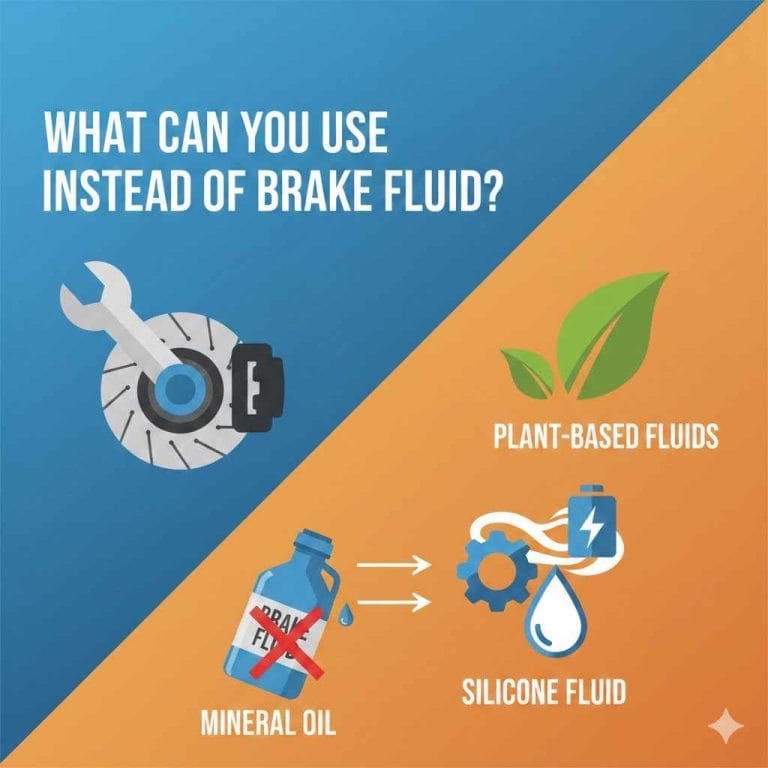
Flush brake fluid every 2 years, or annually for high-performance driving. Upgrading to a higher DOT fluid resists fade during spirited or track driving. Note that DOT 5 (not 5.1) is silicone-based and generally not recommended except for specific classic car applications due to compatibility issues.
Upgrading Brake Lines
Stock rubber brake lines can expand under pressure, causing a soft pedal. Braided stainless steel lines minimize expansion, delivering firmer pedal feel and more precise braking. This upgrade is especially noticeable during repeated hard stops or in performance driving, where pedal consistency is crucial.
Braided lines also offer greater resistance to abrasion and impact, which is beneficial for off-road vehicles or cars subjected to harsh environments. For best results, replace all four lines and ensure proper installation to prevent leaks.
Example: After installing braided lines and DOT 4 fluid on a Subaru WRX, the owner reported sharper pedal response and consistent performance after multiple hard stops. The firmer pedal allowed for better modulation and control, especially during high-speed cornering.
Caliper Upgrades
- Fixed calipers (multiple pistons) apply even pressure and increase clamping force. They are standard on many sports cars and provide more uniform pad wear and better heat distribution.
- Big brake kits: Larger calipers and rotors for maximum stopping power, often used in racing or high-horsepower builds. These kits may include performance pads, stainless lines, and improved mounting hardware.
Upgrading calipers can also reduce unsprung weight if using aluminum or composite materials. However, installation may require adapting mounts, changing brake proportioning, and recalibrating the ABS system.
While caliper upgrades offer dramatic improvements, they are more costly and often require matching with larger wheels. Always check wheel clearance before purchasing a big brake kit.
Cost-benefit Analysis
| Upgrade | Average Cost (USD) | Performance Gain | DIY Difficulty |
|---|---|---|---|
| Performance Pads | $80-$200 | High | Easy |
| Slotted Rotors | $120-$400 | Moderate | Medium |
| Braided Lines | $100-$180 | Moderate | Medium |
| Big Brake Kit | $1,500-$4,000 | Very High | Hard |
Real-world Example: Track Day Preparation
A Ford Mustang GT owner preparing for a track event upgraded to stainless lines, DOT 4 fluid, and high-performance pads. After 20 minutes of lapping, the brakes remained consistent with no fade—contrasting with a stock Mustang that experienced pedal drop after 8 minutes.
This enabled the driver to confidently push the car throughout the session, reducing lap times and enhancing safety.

Credit: www.r1concepts.com
Tires, Suspension, And Their Impact On Braking
The Role Of Tires In Stopping Power
Tires are the final link between your brakes and the road. Even the best brake system can’t overcome poor tire grip. High-quality, fresh tires can reduce stopping distances by 10-20%, especially in wet or emergency stops.
- Summer performance tires: Maximize dry grip. Their sticky compounds provide superior traction but may harden in cold weather.
- All-season tires: Balance wet/dry traction. Versatile for climates with variable conditions, though not as strong in extreme cases.
- Winter tires: Critical for snowy/icy conditions. Their unique tread patterns and rubber compounds remain pliable in freezing temperatures for enhanced grip.
Worn tires with shallow tread or aged, hardened rubber drastically lengthen stopping distances and increase the risk of hydroplaning.
Example: Replacing worn all-season tires with new performance summer tires on a Mazda 3 cut 60-0 mph stopping distance by 16 feet—a substantial safety margin. Seasonal tire changes, especially in regions with extreme weather, further optimize stopping power year-round.
Suspension Upgrades And Weight Transfer
Upgraded suspension components (e.g., shocks, springs, sway bars) control body motion and weight transfer during braking. Excessive dive or uneven weight distribution reduces front tire grip and lengthens stopping distances.
- Stiffer springs and dampers: Reduce nose dive. Less forward weight transfer means the rear tires maintain more contact with the road, improving overall braking efficiency.
- Performance sway bars: Keep tires in better contact with the road. They help minimize body roll, ensuring more even braking forces across all wheels.
In addition, bushings and alignment settings (such as camber and toe) can be optimized to enhance tire contact patch during aggressive braking.
The Importance Of Wheel Alignment
A proper four-wheel alignment ensures all tires share braking loads evenly, preventing pulling and maximizing traction. Misaligned wheels can cause uneven pad wear, premature tire wear, and even dangerous pulling under hard braking.
Regular alignment checks, especially after installing new suspension components or tires, are a cost-effective way to preserve both performance and safety.
Integrated Approach
For optimal stopping power, upgrades should be viewed as a system—matching tires, suspension, and brakes to your driving needs. Isolating upgrades may yield improvements, but the most dramatic results come from a holistic approach, including consideration of vehicle weight, driving style, and environment.
Maintenance: The Unsung Hero Of Brake Performance
Regular Inspection And Pad Replacement
- Visual checks: Inspect pad thickness (replace if under 3mm), rotor condition (look for scoring or cracks), and fluid level every 6 months. Many modern vehicles have electronic pad wear sensors, but periodic manual checks are still recommended.
- Listen for noises: Squealing or grinding usually signals worn pads or debris. Address immediately to avoid rotor damage or complete pad failure.
Regular inspections also help identify developing issues such as sticking calipers, uneven wear, or fluid leaks before they become major safety risks.
Fluid Flushes And Bleeding
Flush brake fluid every 2 years (or more often under hard use). Bleeding removes air, restoring firm pedal feel. For DIYers, one-man bleeder kits make this easier.
When bleeding, start with the wheel furthest from the master cylinder and work closer. Always use new, unopened brake fluid to avoid contamination. Some modern cars require electronic control during bleeding—consult your service manual.
Cleaning And Lubrication
- Clean caliper slides and apply high-temp grease for even pad wear. Sticking slides can cause uneven braking, pad drag, or overheating.
- Remove brake dust with a hose or brake cleaner—excess dust can cause squealing and overheating. Avoid using compressed air, which can disperse harmful particles.
Also, clean ABS sensors and inspect wiring to maintain the effectiveness of electronic safety features.
Addressing Warning Signs
- Vibration: May indicate warped rotors—resurface or replace. If vibrations persist after new parts, check for hub runout or wheel balance issues.
- Pulling to one side: Could mean a sticking caliper or uneven pad wear. Address promptly to prevent uneven tire wear and ensure safe stopping.
- ABS or brake warning lights: Prompt inspection by a professional is critical. Modern diagnostic tools can quickly identify sensor or module failures.
Real-world Case Study: Fleet Maintenance
A delivery company reduced accident rates by 30% after instituting quarterly brake inspections and fluid flushes, underscoring the importance of routine care for consistent performance. The company also reported longer brake component life and reduced emergency repair costs, improving both safety and the bottom line.
Advanced Upgrades: Big Brake Kits, Cooling, And Electronics
Big Brake Kits (bbk)
BBKs replace stock components with larger rotors, multi-piston calipers, and high-friction pads. Benefits include:
- Dramatically increased heat capacity, reducing fade under extreme use.
- Shorter stopping distances, especially from high speeds.
- Fade resistance under extreme use.
However, BBKs are expensive and may require larger wheels. They’re best suited for high-performance vehicles or track use. Installation may involve modifying brake bias or upgrading the master cylinder for optimal balance.
Brake Cooling Solutions
- Brake ducting kits: Channel cool air to rotors, lowering temperatures during repeated hard stops. Essential for endurance racing or heavy vehicles.
- Heat shields: Protect calipers and fluid from exhaust or engine heat. These inexpensive components can significantly extend the life of brake fluid and seals, particularly in turbocharged or modified cars.
Proper cooling not only prevents fade but also extends the lifespan of pads, rotors, and fluid.
Electronic Brake Upgrades
- Upgraded ABS modules: Some vehicles allow software tuning for more aggressive ABS intervention, reducing stopping distances in high-performance applications.
- Brake assist systems: Modern cars may include electronic brake-force distribution and emergency assist. While not upgradeable in most cases, understanding their role in overall braking can inform your upgrade path.
Some enthusiasts also retrofit advanced electronic systems from newer models, though this can require extensive wiring and calibration.
Comparative Table: Advanced Upgrades
| Upgrade | Heat Management | Cost | Best For |
|---|---|---|---|
| Big Brake Kit | Excellent | High | Track, racing, heavy vehicles |
| Brake Ducting | Very Good | Low-Medium | Track, performance street |
| Heat Shields | Good | Low | All vehicles in hot climates |
| ABS/Electronic Tuning | N/A | Medium | Modern cars, tuners |
Example: Track Car Build
A 2012 Subaru BRZ with a full BBK, brake cooling ducts, and DOT 5. 1 fluid completed a 25-minute track session with no fade, out-braking competitors with stock systems—demonstrating how advanced upgrades can transform performance. The driver noted improved confidence, allowing later braking and more aggressive corner entry, translating directly into faster lap times.
Diy Vs Professional Installation: What You Need To Know
When Diy Is Appropriate
Many brake upgrades—pads, rotors, fluid flushes, and even stainless lines—can be installed by competent DIYers with basic tools and a repair manual. Always:
- Use proper jack stands and safety procedures. Never work under a car supported only by a jack.
- Torque bolts to manufacturer specs. Over- or under-torqued hardware can cause failure or vibration.
- Test brakes in a safe area before normal driving. Perform low-speed stops to ensure proper function and pedal feel.
DIY installation also offers cost savings and the satisfaction of hands-on improvement, but only if you follow procedures carefully.
When To Seek Professional Help
- Big brake kits: Require precise fitment and potential wheel upgrades. Any modifications to the brake system should be tested thoroughly by an expert.
- Caliper rebuilds: Involve hydraulic seals and specialized tools. Incorrect assembly can lead to leaks or brake failure.
- ABS or electronic work: May need diagnostic equipment and software. Incorrect repairs can compromise safety systems.
Incorrect installation can compromise safety, so don’t hesitate to consult a qualified mechanic for complex upgrades. Reputable shops can also offer warranties on their work and access to specialized tools.
Warranty And Insurance Considerations
Some upgrades may impact your factory warranty or insurance coverage. Document all work, use reputable brands, and check local regulations to ensure compliance. In some regions, non-OEM modifications may require inspection or approval for road use. Always retain receipts and installation records for any claims.
Finding A Reputable Shop
Look for ASE-certified technicians or performance shops with a strong reputation. Ask for references and check reviews on platforms like Better Business Bureau or Angi. Don’t hesitate to ask about the shop’s experience with your specific vehicle or brake system.
Real-world Success Stories And Case Studies
Case Study 1: Daily Driver Safety
A family with a Toyota Camry upgraded to ceramic pads, slotted rotors, and DOT 4 fluid after a close call in wet weather. Stopping distance improved by 18 feet in the rain, providing greater peace of mind during school runs and commutes.
The upgrade also resulted in quieter operation and less brake dust, simplifying wheel cleaning.
Case Study 2: Performance Car Transformation
A Porsche Cayman S owner invested in a BBK, performance tires, and fluid upgrades for track days. The car’s 60-0 mph stopping distance dropped from 112 to 98 feet—a 13% improvement. Lap times were cut by nearly 2 seconds per lap, with no brake fade after 25 minutes on track.
The driver highlighted the improved pedal feel and confidence braking deep into corners.
Case Study 3: Fleet Savings
A taxi fleet in Chicago switched to high-performance pads and scheduled fluid flushes. Brake replacement intervals increased by 40%, reducing maintenance costs and downtime. Drivers reported more consistent pedal feel and shorter stops, even in stop-and-go city traffic.
Global Perspective
According to NHTSA, proper brake maintenance and upgrades could prevent up to 22% of rear-end collisions annually—highlighting the widespread impact of improved braking systems. With millions of vehicles on the road, even modest improvements in average stopping distance can save thousands of lives each year.
Frequently Asked Questions
What Is The Single Most Effective Brake Upgrade For A Street Car?
For most daily drivers, upgrading to high-quality brake pads matched to your driving style (e.g., ceramic or semi-metallic) provides the most noticeable improvement in stopping power and pedal feel. Pairing new pads with slotted rotors and fresh fluid maximizes the effect. For those in harsh climates, consider season-appropriate tires as part of your safety strategy.
How Often Should I Change My Brake Fluid?
Most manufacturers recommend a brake fluid flush every 2 years or 20,000-30,000 miles. If you drive aggressively or track your car, an annual flush with high-performance fluid (DOT 4 or higher) is best to prevent fade and maintain a firm pedal. In humid regions, more frequent changes may be necessary due to faster fluid degradation.
Are Drilled Rotors Better Than Slotted Rotors?
Slotted rotors are generally better for performance street and occasional track use, as they clear debris and gases without compromising strength. Drilled rotors offer excellent cooling but can crack under repeated high-stress use. For daily driving, either is an improvement over plain rotors, but slotted is usually preferred for longevity. If appearance is a priority, drilled or drilled/slotted rotors may be chosen for their visual appeal.
Will Upgrading My Brakes Void My Warranty?
It depends on your vehicle and the upgrade. Using OEM or quality aftermarket parts typically does not void the warranty, but major upgrades (like big brake kits or electronic changes) could affect coverage. Always consult your owner’s manual and dealer, and keep records of all modifications. If in doubt, ask your dealer or check with your insurance provider before proceeding.
Do I Need To Upgrade My Brakes If I Install Larger Wheels Or More Horsepower?
Yes, if you significantly increase wheel size or engine output, your stock brakes may struggle to stop the car efficiently. Upgrading pads, rotors, and possibly calipers ensures safety and restores optimal stopping performance. Consult a brake specialist for recommendations tailored to your setup. Larger wheels add rotating mass, increasing stopping distances, while higher horsepower makes fade more likely during spirited driving.
Expert Resources And Further Reading
For more in-depth information, visit these authoritative resources:
- Consumer Reports: Brake Maintenance Guide
- AAA: Brake Warning Signs
- Wikipedia: Disc Brake Technology
- NHTSA: Brake Safety Standards
- Tire Rack: Brake Upgrade Guide
- Car and Driver: How to Upgrade Your Brakes
Improving your car’s brakes is an investment in safety, confidence, and performance. By understanding your options and following proven strategies, you can achieve dramatically better stopping power—protecting yourself, your passengers, and everyone sharing the road. Whether you opt for simple pad and fluid upgrades or a comprehensive performance overhaul, the results are immediate and invaluable.
Drive safe, and enjoy the newfound control of a truly capable braking system.
Products related to this article
Sponsored / affiliate links. As an Amazon Associate I earn from qualifying purchases. I may earn additional commission from eligible campaigns.