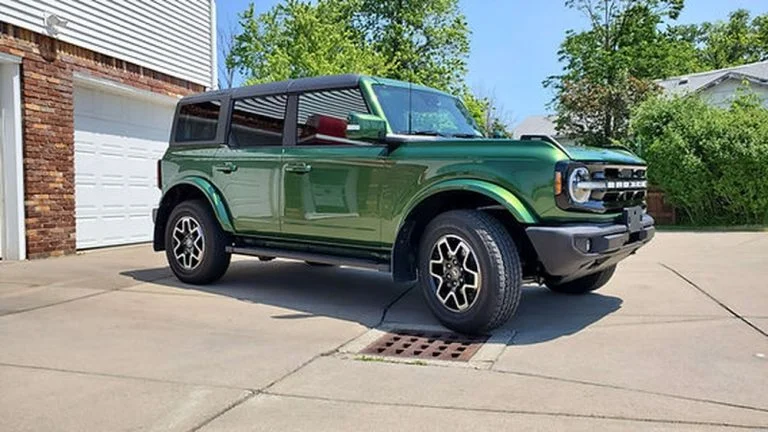
Best used Fords to buy under $15,000: we compared
A good used Ford under $15,000 is often a later Fusion with the 2.5L engine because it tends to offer a solid mix of price, fuel economy, and repair exposure; the 2015–2019 Escape 2.5L and 2011–2019 Taurus are also worth a look, while PowerShift-equipped Fords are among the riskier buys. I have seen the wrong trim eat a buyer’s savings in transmission work, suspension fixes, and repeated shop visits. This guide ranks the best Ford options under $15,000 by ownership-risk profile, mileage, and repair history.
This guide is part of our Ford cars guide series.
Quick comparison
| Product | Badge | Best for | Price | ||
|---|---|---|---|---|---|
![[8Core 4G+32G] Car Radio for Ford Focus 2012-2018](https://m.media-amazon.com/images/I/41B59DZD6rL._SL500_.jpg) |
[8Core 4G+32G] Car Radio for Ford Focus 2012-2018Jingelsye | Our pick | 9.7-inch screen, Android 13, 8-core | $143.99
Price as of 7 Oct 2026
|
View |
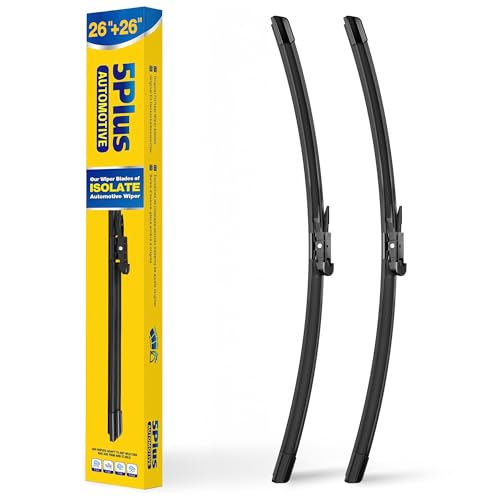 |
5 PLUS Custom-Fit Wipers fits 2013-2020 Ford Fusion Wiper5 PLUS | Budget pick | 26-inch Teflon wiper, pinch tab arms | $19.99
Price as of 7 Oct 2026
|
View |
 |
Window Visors Rain Guards for 2001-2012 Ford EscapeYQAUTEC | Also great | Anti-shatter visors, easy outside mount install | $32.69
Price as of 7 Oct 2026
|
View |
 |
Car Cup Holder Coaster for Ford Mustang Cupholder CoasterHYPER BUYZ | Pair with it | Silicone rhinestone coaster, universal cup holder fit | $11.99
Price as of 7 Oct 2026
|
View |
Shopping under $15,000 means a straight body, dry underside, and working cooling system matter more than the odometer alone. The table below compares the best Ford choices by risk, mpg, space, and the mileage band where they usually land at this budget.
The best all-around commuter buy is the Fusion Hybrid. The best family SUV is usually the Escape with the 2.5L. If you need truck duty, the F-150 only makes sense when the frame, rust, and service history are clean.
How we chose
Four filters matter more than sticker price: known transmission risk, rust exposure, battery or hybrid health, and how fast tires, brakes, suspension, and fuel costs add up at higher mileage. A clean title and service records move a car up the list. A lifted, tuned, flood-damaged, or heavily rusted Ford drops off it.
The budget ceiling is about $15,000, but I would aim a bit lower and keep cash back for tires, fluids, registration, and a pre-purchase inspection. Mileage matters, but mileage plus maintenance history matters more.
For each model, the goal is a year and engine combination that still leaves useful life at this price. Some Fords are worth buying only with a specific engine or transmission. Others are fine only if the mileage is high enough to cut price, yet not so high that you inherit suspension and cooling-system fatigue.

Ford Fusion and Fusion Hybrid: best for commuters
The Fusion is often the safest daily-driver bet for many shoppers under $15,000, especially the 2.5L gas car and the Fusion Hybrid in the same general price range. It is the right answer for commuters who want low fuel cost without the transmission risk that hangs over some smaller Fords.
The best sweet spot is usually an SE or equivalent mid-trim car with documented service, not a base model worn thin by rental or fleet miles. The hybrid usually returns far better mpg than the gas car, and the 2.5L gas version avoids the more complicated risk stack that comes with turbocharged models.
The main drawbacks are age-related wear and some used-market bargains that are cheap for a reason. Check transmission behavior on the gas car, and inspect hybrid battery health, cooling components, and any warning lights. A Fusion with clean records is usually easier to live with than a cheaper Ford that needs immediate work.
Best year range under $15,000 and trim sweet spot
Look first at later-model Fusion 2.5L cars, then compare them with Fusion Hybrid trims that have complete service histories. The 2.5L gas engine is the plainest choice. That is a strength here. You want a car that has already dropped in price and still has simple enough hardware to keep costs under control.
Hybrid vs gas model: fuel economy and transmission notes
The Fusion Hybrid is the mileage winner and the safer fit for long commutes. The gas 2.5L is simpler and often cheaper to buy. Avoid assuming a turbo Fusion is a bargain; more power can mean more heat, more boost-related wear, and a bigger repair bill when mileage climbs.
What to inspect: battery, cooling system, and CVT-style concerns
Check for charging-system warnings, cooling fan issues, coolant smell, rough idle, and delayed engagement. The hybrid side should show clean operation with no fault lights and no evidence of weak battery performance. On any automatic, a lazy shift, flare, or shudder is a reason to walk.
Why this is the safest daily-driver buy for most shoppers
The Fusion hits a rare middle ground. It is efficient enough to save money every month, roomy enough for normal life, and common enough that repair parts and shop familiarity are not a problem. That matters more than a few extra horsepower or a lower sale price.
Ford Escape: best for small families
The Escape can be worth buying under $15,000 when you find a later example with the 2.5L engine, reasonable mileage, and no cooling-system issues. FWD is usually the cheaper, simpler choice; AWD only makes sense if you actually need extra winter traction or light dirt-road use.
It offers real cargo space for errands, strollers, and luggage without the bulk of a bigger SUV. The downside is that some Escape engines and turbo variants bring more repair exposure than the 2.5L. If the price is low because the mileage is high, budget for tires, brakes, and front-end wear.
Likely years and mileage bands under budget
Expect older or higher-mileage 2015–2019 Escapes in this price band, with nicer trims and AWD often carrying more miles. That is fine if service records are strong. A well-kept Escape with moderate mileage is a better buy than a newer one that has been ignored.
Engine choices, AWD vs FWD, and cargo space
The 2.5L is the safer engine choice. AWD adds traction and complexity; FWD usually costs less to buy, less to maintain, and less to fuel. Cargo space is enough for family use, but it is not as generous as a Flex or a large minivan.
Common repair risks: cooling, suspension, and turbo-related wear
Watch for coolant leaks, noisy suspension components, worn struts, and turbo heat-related issues on turbo models. High-mileage Escapes can also need brakes and tires sooner than expected if the prior owner used the SUV for short trips or rough roads.
When an Escape is a smart buy and when to pass
Buy it if you need a compact SUV, want decent cargo room, and can find the 2.5L with clean maintenance history. Pass if the truck is modified, the engine is turbocharged with no records, or the underside shows rust near suspension pickup points.
Ford Focus, Taurus, and C-Max Hybrid: best cheap-car buys
The Focus can be a low-cost buy only if you avoid the risky automatic transmission years and choose carefully. The Taurus is the comfort play, with big-sedan space and a V6 option that feels mature and easy to drive. The C-Max Hybrid is the mpg specialist, but it asks for battery and hybrid-system patience.
Focus sedan vs hatchback, transmission choice, and year range to target
The safer Focus buys are usually the manual-transmission cars or cleaner later examples that avoid the worst automatic-transmission issues. Hatchbacks add cargo flexibility; sedans usually cost a bit less. The Focus makes sense only if the transmission is the right one and the service record is strong.
The big warning here is the dual-clutch automatic. That transmission is the reason many shoppers should simply walk away. Maintenance cost can stay low on a good manual car, but repair cost climbs fast if you gamble on the wrong automatic.
Taurus as the roomy V6 sedan: comfort versus fuel cost
The Taurus is a full-size sedan that often sells for less than it should because depreciation hit it hard. The V6 gives easy passing power and a quiet highway feel. Fuel economy is the tradeoff, and the bigger car can also mean pricier tires and brakes.
If the buyer wants comfort, not excitement, the Taurus is a strong value. It is especially useful for taller drivers or anyone who wants real rear-seat space without moving to an SUV. Older examples can still be a decent ownership bet if the suspension is fresh and the cooling system is healthy.
C-Max Hybrid mpg, battery health, and former fleet-use clues
The C-Max Hybrid is the fuel-economy specialist in this group, and it can return excellent mpg for a commuter who wants a hatchback shape. The risk is battery age, fleet wear, and a harder-to-diagnose hybrid system than a plain gas sedan.
Former taxi or fleet use is a clue. Look for excessive idle hours, worn seat bolsters, shiny controls, and repeated small repairs in the records. Cargo practicality is decent, but not as flexible as a crossover.
Which of these is cheapest to maintain over the next two years
A clean Taurus often has the simplest cost picture if it has the right V6, good cooling, and no suspension neglect. A Focus with the correct transmission can also be cheap, but the wrong one can become a repair bill. The C-Max can save fuel, yet hybrid diagnostics can erase that advantage.
Ford Edge and Ford Flex: best for space without going full truck
The Edge is the midsize SUV pick when you want more room than an Escape and can accept worse fuel economy. The Flex is the family-hauler oddball that gives real third-row utility and big cargo room. Both can fit under $15,000, but mileage tends to be higher than buyers expect.
Edge AWD value, towing limits, and expected mileage at this budget
At this budget, an Edge often shows six-digit mileage, and sometimes more. AWD versions are common and useful in winter, but they also add drivetrain wear points. Towing ability exists, but this is not the place to shop by max tow number alone.
Fuel economy is only fair, and front tires, brakes, and suspension parts can be expensive enough to matter. The Edge makes sense when you need a more grown-up cabin than the Escape offers and you are prepared for higher running costs.
Flex three-row packaging, engine options, and family tradeoffs
The Flex is one of Ford’s stronger packaging choices. It has true three-row usefulness and a cargo area that can swallow real family gear. Engine options vary by year, and the nicer setups are often more expensive to keep healthy once mileage rises.
Its tradeoff is size. Parking is less easy than with an Escape, and fuel use is worse. Buy a Flex only if the third row or cargo depth is actually needed. If not, the ownership cost is hard to justify.
What high-mileage wear looks like on each model
On the Edge, look for worn suspension, noisy wheel bearings, and AWD service neglect. On the Flex, watch for tired rear suspension, aging cooling parts, and general wear from hauling people or cargo for years. In both, condition matters more than the model name on the tailgate.
Which one makes sense only if you need the room
The Flex is the answer when third-row use is real and frequent. The Edge is the answer when you want a bigger SUV feel but not truck dimensions. If your use case is mostly commuting or small-family errands, the Fusion or Escape is usually the smarter buy.
Ford F-150: best for towing and hauling
The F-150 is only a good buy under $15,000 when you respect mileage, rust, and configuration. The right truck can handle work, towing, and payload. The wrong one can eat the entire budget on frame repairs, tires, and drivetrain issues before it earns a dime.
Best cab and bed combinations under $15,000
Regular cab and extended cab trucks are usually the easiest to find under budget, while crew cabs with four full doors tend to command more money or more miles. Bed length matters less than condition, but longer beds often point to work-truck history. That can be good or bad.
Engine choices by risk and fuel use
Shop carefully by engine. The simplest gas V8 or proven naturally aspirated option is usually safer than a neglected turbo truck. Fuel use is high either way, so the truck should only be bought when hauling or towing is a regular need, not a wish.
Mileage thresholds where condition matters more than year
Once a budget F-150 is north of roughly 120,000 miles, year alone stops telling the story. Service records, frame condition, brake wear, transmission feel, and evidence of hard towing become the real filter. A cleaner high-mile truck can beat a newer one that lived a hard life.
Rust, frame, and drivetrain inspection points
Check the frame rails, cab corners, bed supports, and rear suspension mounts for rust. Look underneath, not just at the shine on the body. During the test drive, listen for driveline vibration, delayed shifts, and clunks over bumps or when selecting drive and reverse.
Which one should you buy
If you want the cheapest daily driver, buy a Fusion 2.5L or a Fusion Hybrid with records and no warning lights. If you need family space, buy an Escape 2.5L; step up to a Flex only if you truly need the third row. If you need a truck, buy an F-150 only after a rust-and-drivetrain inspection.
If you want the lowest repair risk, the Fusion Hybrid and the non-turbo Fusion 2.5L usually sit near the top of the list. If you want the best mpg, the Fusion Hybrid or C-Max Hybrid wins, but only if the battery and hybrid system check out. The Taurus is the quiet value pick for buyers who want space without SUV fuel use.
A simple rule helps: buy the cleanest example of the right model, not the fanciest example of the wrong one. Avoid modified, rusted, flood-damaged, or crash-repaired cars. Within the same budget, a lower-mileage car with records is usually better than a newer-looking one with gaps in service history.
Ford head-unit upgrade for Focus owners
The Jingelsye Android radio is for Focus owners who want modern phone integration in an older cabin. Based on the spec sheet and owner feedback, its appeal is obvious: larger screen, CarPlay and Android Auto, and a faster feel than many bargain head units. It can make a high-mile Focus feel less dated.
The drawback is fitment and install complexity. Aftermarket radios are only smart when the car itself is worth saving, and they do not fix worn transmission, suspension, or cooling issues. It is an interior upgrade, not a repair.
Ford Escape rain guards for daily use
The YQAUTEC window visors fit older Escape models and make sense for drivers who keep the SUV through wet seasons. Based on specs and reviews, they help with fresh-air ventilation while keeping rain out. They are simple, cheap, and practical.
The drawback is limited value if the Escape already needs mechanical work. They are also specific to certain model years, so fitment must be checked carefully before buying. Cosmetic accessories should come after the maintenance fund.
Ford Fusion wipers for all-weather commuting
The 5 PLUS Fusion wipers are a small ownership add-on for drivers who choose the Fusion or Fusion Hybrid and want a quieter wipe. Based on the spec sheet and owner feedback, the all-weather rubber and pressure-point design should suit daily commuting in mixed weather.
The drawback is obvious: wipers are consumables, not a buying decision. They do not change the risk profile of the car. They only make sense after the mechanical inspection passes.
Ford cabin accessory for simple cleanup
The HYPER BUYZ cup holder coasters are a cosmetic interior item, not a vehicle-quality upgrade. Based on specs and reviews, they are easy to clean and may help keep cup holders from getting scratched or sticky. They are fine as a low-cost add-on.
The drawback is that they add no mechanical value. If the budget is tight, tires, fluids, and inspection costs come first. Interior trim accessories should be last.
How to choose
Start with use case, then narrow by engine and transmission. Commuter buyers should lead with the Fusion Hybrid or a 2.5L Fusion. Small-family buyers should look at the Escape 2.5L. Buyers who need third-row space can consider the Flex, while truck buyers should only consider a clean F-150.
- Set a target price below $15,000 and leave room for inspection and repairs.
- Choose the right body style first: sedan, SUV, or truck.
- Filter out bad engines and bad transmissions before you compare trim.
- Check records for oil changes, coolant service, brakes, and transmission work.
- Inspect for rust, accident repair, warning lights, and tire wear.
- Test drive for shifting smoothness, brake feel, steering noise, and suspension clunks.
- Verify recalls, title status, and ownership costs before you commit.
For mileage, a clean car with 90,000 to 130,000 miles is often better than a neglected one with 60,000. Above that, the car has to earn its keep with records and a clean inspection. Age alone does not tell you what is left in the drivetrain.
Always compare the cost of the car with the likely cost of the first year of ownership. A cheap Fusion with tires due is better than a slightly cheaper one that needs a transmission. The same rule applies to every Ford in this price band.
Frequently asked questions
What is the best used Ford to buy under $15,000?
The best used Ford under $15,000 is usually a Fusion Hybrid or a 2.5L Fusion from the 2013–2019 range, because it balances fuel economy, parts availability, and lower transmission risk. For many shoppers, that is a better ownership bet than a cheaper SUV or truck with more wear.
Which used Ford model is the most reliable under $15,000?
The most reliable choice is usually the non-turbo Fusion 2.5L, followed closely by a well-kept Fusion Hybrid. Both can be smart buys if the service history is complete and the test drive is clean. Reliability here depends more on engine and maintenance than on badge alone.
Is a used Ford Escape worth buying under $15,000?
Yes, but only when you find the 2.5L engine, solid service records, and no sign of cooling or suspension neglect. The Escape is a sensible small-family SUV. Turbo versions and rough examples can erase the value fast, so inspect carefully before paying.
What year Ford F-150 should I buy under $15,000?
Buy the newest clean F-150 you can find, but only after checking rust, frame condition, transmission behavior, and service records. Year matters less than how the truck was used. A lower-mileage, lightly used truck often beats a newer work truck with a hard life.
Should I avoid certain Ford engines or transmissions in used models?
Yes. Avoid PowerShift-equipped Focus cars unless there is unusually strong evidence of resolved issues, and be cautious with any Ford that has transmission shudder, delayed engagement, or missing service history. Turbo engines can be fine, but they raise the stakes when maintenance is poor.
How many miles is too many for a used Ford under $15,000?
There is no fixed cutoff, but once a Ford is past roughly 120,000 to 150,000 miles, condition and records matter far more than price. A well-maintained high-mile car can be a better buy than a neglected lower-mile one. Inspect the suspension, cooling system, and drivetrain carefully.
What should I inspect before buying a used Ford with high mileage?
Check the service history, scan for warning lights, and inspect the transmission, cooling system, tires, brakes, suspension, and underbody rust. On hybrids, check battery health and charging behavior. On trucks, spend extra time on the frame, bed supports, and signs of towing abuse.
Which used Ford gets the best gas mileage under $15,000?
The Fusion Hybrid and C-Max Hybrid are usually the mileage leaders in this price range. The Fusion Hybrid is the safer all-around choice, while the C-Max can be efficient if the battery and hybrid system are healthy. Gas Fords generally cost more to fuel over time.
What used Ford is cheapest to maintain?
A well-kept Fusion 2.5L is often the cheapest to maintain because it avoids the more complex setups that can create bigger repair bills. Parts availability is good, and normal wear items are predictable. The cheapest car to buy is not always the cheapest one to keep.
Products related to this article
Sponsored / affiliate links. As an Amazon Associate I earn from qualifying purchases. I may earn additional commission from eligible campaigns.
![ME.FAN Car Coasters for Cup Holders [4 Pack] - 2.75In Silicone Auto Mug Mats - Universal Non-Slip Recessed Car Interior AccessoriesDeep Grey](https://m.media-amazon.com/images/I/41CrYnJqMhL._SL500_.jpg)