Do Electric Cars Need Transmission Fluid or Coolant?
Battery-electric cars usually do not need engine oil changes, and many do not need conventional transmission service. Coolant is different: many EVs use it for the battery, inverter, motor, or cabin thermal system. The manual decides what is real maintenance, what is inspection-only, and what is just a sales pitch.
What fluids do electric cars use?

- Ready to use, no mixing needed
- OAT formula for long-lasting protection
- Phosphate-free and silicate-free
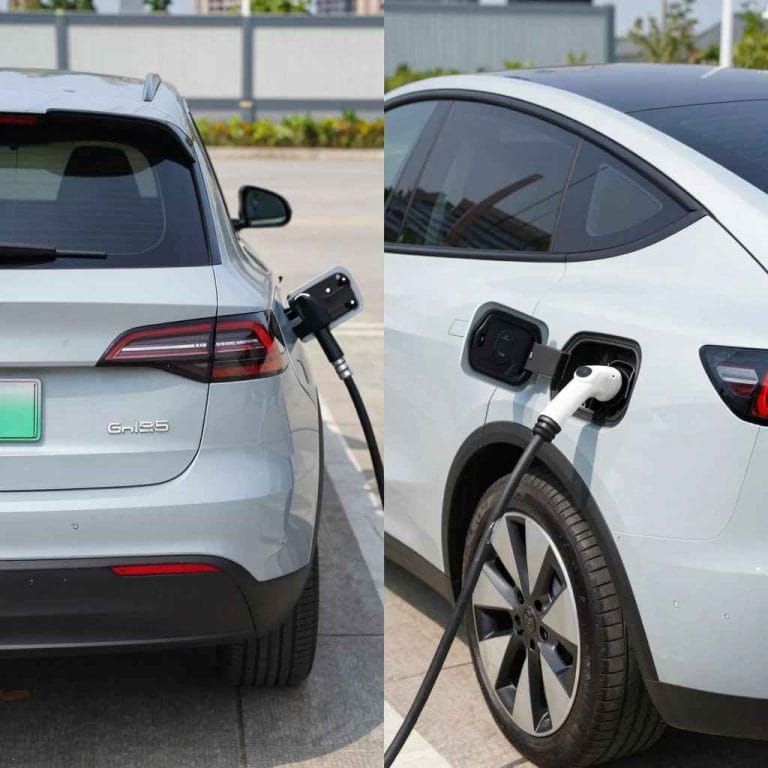
Most battery-electric vehicles use fewer fluids than gasoline cars, but they are not fluid-free. A BEV may use coolant for thermal control, gear lubricant or drive-unit fluid, brake fluid, washer fluid, and cabin filter service. The exact list depends on the model, model year, and market.
Coolant in a BEV manages heat for the battery, inverter, motor, and related systems. It is not engine coolant in the gasoline-car sense, because a BEV has no combustion engine. Some vehicles also use a sealed reduction gearbox or integrated drive unit with its own lubricant.
Fluids by component
- Battery thermal loop. Often uses a specified EV coolant or a water-antifreeze mix, depending on the design.
- Inverter and motor loop. May share a thermal circuit with the battery or use a separate one.
- Reduction gearbox or drive unit. May use gear lubricant or a transmission fluid-type service fluid.
- Brake system. Uses brake fluid, which still needs periodic inspection and replacement.
- Cabin and body systems. May still need washer fluid, washer nozzles, cabin filters, and similar routine items.
A common mistake is assuming “electric” means “no fluids at all.” A BEV can have a real coolant concern while an engine-oil pitch is still wrong. The key is matching the service item to the component the manual actually lists.
Do electric cars need transmission fluid?
Sometimes, but not in the conventional-car sense. Most BEVs do not have a multi-speed automatic transmission, so they usually do not need standard transmission service. Some EVs do have a reduction gearbox or integrated drive unit that uses a lubricant or specified fluid, and service depends on the exact design.
Reduction gear versus conventional transmission
A conventional automatic transmission uses fluid to lubricate moving parts and, in many designs, to help with cooling. TotalEnergies defines transmission fluid as lubricant for moving parts inside the transmission, and says automatic transmission fluid also serves as a coolant. That fits a conventional transmission, not every EV drive unit.
In many BEVs, the drive unit is a single-speed or low-ratio gearset. Some manufacturers treat that unit as a sealed, lifetime-fill assembly. Others specify inspection or replacement at a defined interval. The owner’s manual decides which applies.
When the pitch is legitimate
- Match the exact unit. Confirm whether the estimate names a reduction gearbox, e-drive unit, transaxle, or a conventional transmission. The component name matters because the service fluid and interval are not interchangeable.
- Check the maintenance line. Look for the exact fluid name and the interval language in the owner’s manual. If the manual does not list routine service for that unit, a generic “transmission flush” pitch needs a second look.
- Ask for the service basis. Request the page number or maintenance chart entry that supports the recommendation. If the advisor cannot point to the model-year schedule, treat the upsell as unverified.
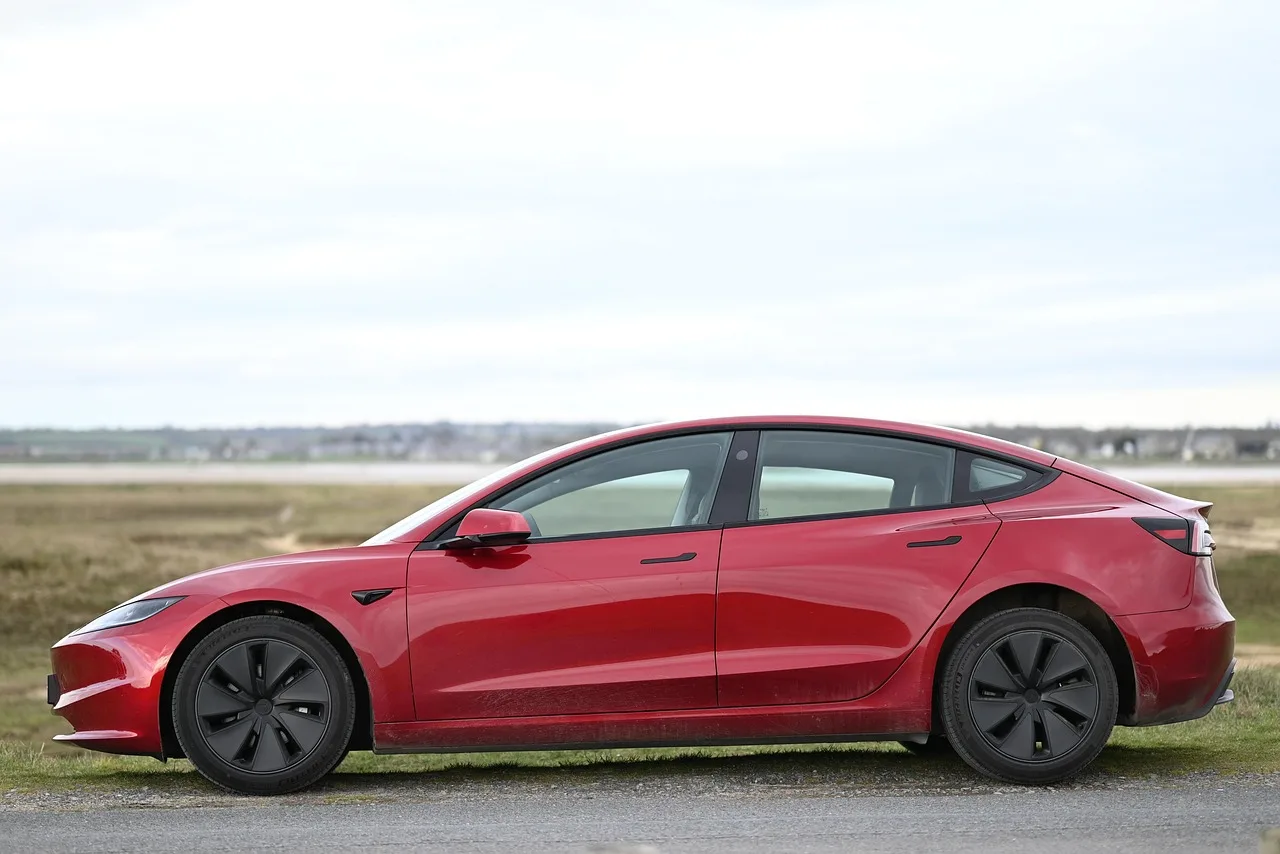
For example, a Tesla Model 3 owner’s manual does not list routine drive-unit fluid service in the same way a conventional automatic transmission does. If the car uses a sealed single-speed drive unit, a broad flush pitch is not the same job. Ask for the fluid name, unit name, and manual citation before approving anything.
Do electric cars need coolant?
Yes, many do. In a BEV, coolant is usually part of the thermal-management system for the battery, inverter, motor, and sometimes the cabin loop. It controls temperature, not engine cooling. The service interval varies by model, and the manual controls the schedule.
What the coolant actually does
Firestone describes coolant as a mix of water and antifreeze circulating to the radiator, and says it controls the operational condition of the engine. That description is for gasoline cars. In a BEV, the same basic fluid family may be used in a different thermal architecture that can include chillers, heat exchangers, and more than one loop.
Firestone also notes that coolant additives help prevent boiling, freezing, and corrosion, and warns that low coolant can lead to overheating and damage to the water pump and radiator. Those warnings matter in any vehicle that uses a coolant loop, including BEVs with battery and drive-unit thermal control. (Firestonecompleteautocare)
Why intervals vary by model
There is no universal BEV coolant interval. The correct schedule depends on the model, model year, and market. Some OEM schedules use inspection-only language for certain EV drive-unit fluids, while others call for coolant replacement at a stated interval. The manual is the final word, not a generic shop rule.
Use the maintenance chart, not a one-size-fits-all number from a counter estimate. A shop may be right that a coolant service exists, but wrong about the interval, the fluid type, or whether the car even has that loop in the first place.
Do electric cars need oil changes?
Battery-electric cars do not need conventional engine oil changes because they have no internal-combustion engine. Their motors use bearings and sealed lubrication or drive-unit lubricant, depending on design, rather than combustion-engine oil. Hybrids and plug-in hybrids are different because they still have a gasoline engine and still need oil changes.
Battery-electric cars versus hybrids
That distinction matters. A BEV has no engine oil pan, no crankcase, and no routine oil-change interval for a combustion engine. A hybrid or plug-in hybrid still burns fuel in its engine, so it follows engine-oil intervals along with the what maintenance electric cars schedule the vehicle may also require.
If the car has a gasoline engine, it still has engine oil. A fuel-saving drivetrain does not erase engine maintenance on a hybrid; it only changes how often the engine runs.
EV fluid decision matrix
This matrix separates real service from vague upsell language. Use it with the owner’s manual, because the correct interval depends on the exact model, model year, and market.
| Fluid name | Component served | Does every BEV have it? | Common service interval pattern | Red-flag phrases that suggest upsell risk |
|---|---|---|---|---|
| Engine oil | Combustion engine | No | Not a BEV service; hybrids and plug-in hybrids follow engine schedule | “Electric car oil change,” “engine flush” on a BEV |
| Coolant | Battery, inverter, motor, and related thermal control | No | Varies by model; may be scheduled or inspection-based | “Universal coolant service,” interval with no manual citation |
| Gear lubricant / drive-unit fluid | Reduction gearbox or integrated drive unit | No | Lifetime fill on some models; scheduled inspection or replacement on others | “Transmission flush” without naming the drive unit |
| Brake fluid | Hydraulic brake system | Yes, on BEVs with hydraulic brakes | Separate schedule; varies by manufacturer | “Brake flush included with transmission service” |
| Cabin filter | Cabin air system | Usually yes | Scheduled replacement by time or mileage | “Powertrain fluid service package” that bundles unrelated items |
Examples vary by OEM: some Tesla manuals do not list routine drive-unit fluid service, some Hyundai and Kia schedules use inspection-only language for certain driveline items, and some BEV maintenance charts do call out coolant replacement at a stated interval. That is why the exact model matters more than a generic rule.
Red-flag language to question
- “Transmission flush” when the vehicle has a sealed reduction gear.
- “All EVs need this at the same mileage.”
- “Coolant service” without naming the loop or fluid type.
- “Lifetime fluid, but it needs flushing now” with no manual reference.
- Any pitch that ignores the exact model year and market.
Can a shop service an EV like a gas car?
No. Some maintenance overlaps, but the service logic is different. A shop can inspect tires, brakes, suspension parts, cabin filters, wipers, brake fluid, and coolant on a BEV, yet it should not apply gasoline-car service assumptions to an electric drive system. The owner’s manual should set the schedule and the fluid type.
What to verify on the estimate
- Check the component name. Make sure the estimate names the exact system, such as battery coolant loop or reduction gearbox, rather than a vague “fluid service.”
- Check the fluid type. Confirm whether the car needs a specified EV coolant, gear lubricant, or another OEM-approved fluid.
- Check the interval source. Ask for the maintenance chart entry that matches your model year and market. If the recommendation cannot be matched to the manual, do not treat it as required.
- Check for unrelated bundles. Decline packages that mix brake fluid, coolant, and drive-unit service without explaining why each item applies.
Suppose a service advisor recommends “full fluid service” for a BEV and adds windshield wiper fluid, brake fluid, and transmission service in one line. Wiper fluid is routine, brake fluid may be real, and transmission service may be wrong. The only safe response is to separate each item and compare it with the owner’s manual.
What maintenance does an electric car still need?
EVs still need maintenance, just not the same maintenance as a gasoline car. Tire inspections, brake checks, cabin filter replacement, wiper service, suspension inspection, brake fluid service, and coolant checks still matter. Some BEVs also need drive-unit lubricant service, but only if the manual lists it.
Brake wear can be lower in some EVs because regenerative braking reduces friction-brake use, but that does not remove the need to inspect the hydraulic system. Tires can wear differently too, so rotation and pressure checks remain important. This is the same broad maintenance reality covered in what maintenance electric cars, but the exact schedule still depends on the model.
Frequently asked questions
Does every EV have transmission fluid?
No. Many EVs do not have a conventional transmission at all. Some have a reduction gearbox or integrated drive unit that uses a lubricant or specified fluid, while others are treated as sealed units. The correct answer is always vehicle-specific, so the owner’s manual matters more than a generic shop pitch.
How often should EV coolant be changed?
There is no universal interval. Some vehicles call for scheduled replacement, others for inspection, and some have model-specific long intervals. The correct answer depends on the exact model, model year, and market. Use the maintenance chart, not a one-size-fits-all number from a counter estimate.
Products related to this article
Sponsored / affiliate links. As an Amazon Associate I earn from qualifying purchases. I may earn additional commission from eligible campaigns.