What Maintenance Do Electric Cars Actually Need?
Electric cars still need tires, brakes, cabin filters, coolant checks, 12-volt battery care, and software updates. They usually need service less often than gas cars, but they never need zero service. Skip the basics and you can end up with lower range, charging trouble, brake corrosion, and repairs that a quick inspection might have caught early. This guide lists what every EV needs, what changes by model, typical service intervals, and the warning signs that mean it is time for a shop visit.
The three upkeep groups every EV owner should track
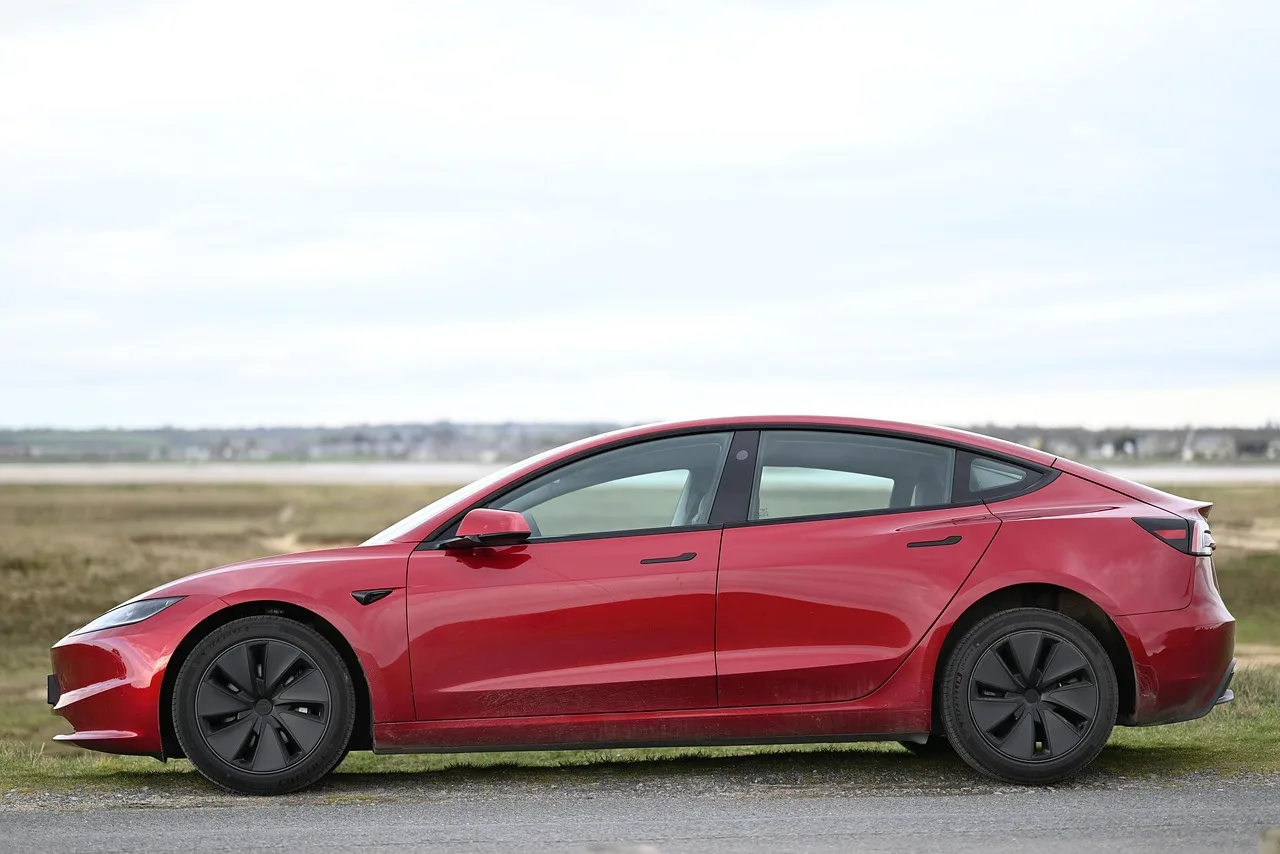
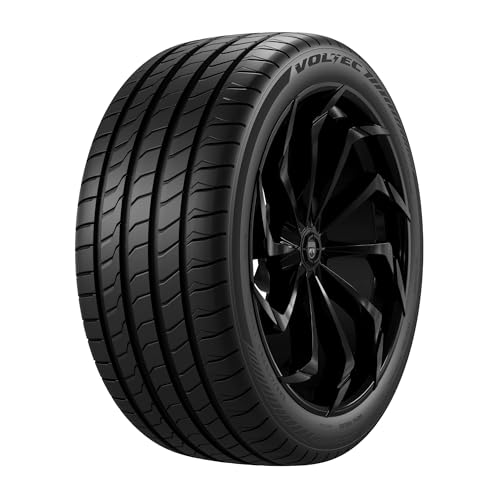
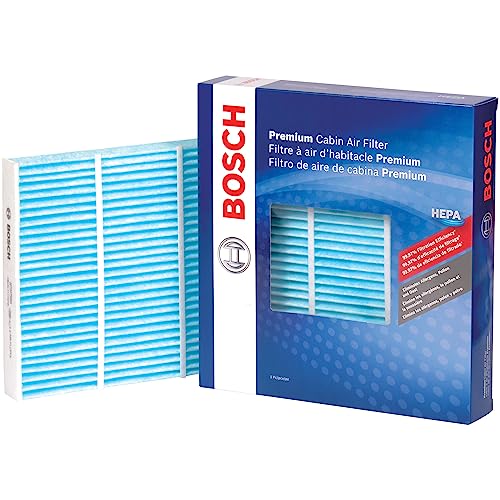
Most EV upkeep fits into three groups: wear items every owner should watch, model-specific service the manual may call for, and a short list of parts EVs do not use. Tires, brakes, filters, wiper blades, and the 12-volt battery are the common checks. Oil changes are not on that list.
What is universal across most EVs?
Tires need pressure checks and rotation. Brakes still need inspection, even though regenerative braking cuts pad and rotor wear. Cabin filters, wiper blades, washer fluid, and software updates also belong on the normal maintenance list for many EVs.
What depends on the model
Battery thermal management coolant, brake fluid intervals, air-conditioning service, and some 12-volt battery replacement timing vary by make and model. One brand may call for a check every 24 months, while another may stretch a coolant change much longer. The owner’s manual sets the interval.
What you can safely ignore
EVs do not need engine oil changes, spark plug replacements, exhaust repairs, fuel filters, or timing-belt service tied to combustion engines. Most EVs also use a single-speed gear reduction, so there is no standard transmission service schedule to copy from a gas car.
What EV maintenance checklist
| Task | Typical interval | Warning signs | DIY or shop | Notes for cold climate or high-mileage use |
|---|---|---|---|---|
| Tire pressure check | Monthly | Uneven wear, low-pressure warning light, wandering feel | DIY | Cold weather lowers pressure faster; check more often after sharp temperature drops. |
| Tire rotation | About every 6,000 miles or 6,250 miles, depending on the brand | Front tires wearing faster than rear tires, vibration, uneven tread depth | Shop or careful DIY | Heavy EVs and instant torque can speed wear, especially on driven tires. |
| Wheel alignment and balancing | As needed, or when wear or vibration appears | Pulling, steering wheel off-center, cupping, shake at speed | Shop | Potholes, curb strikes, and heavy mileage make this more common. |
| Brake inspection | At routine service visits | Squeal, grinding, rust that does not clear, long pedal travel | Shop | Low-use EVs can build rotor corrosion even when pad wear is slow. |
| Brake fluid service | Per manufacturer interval | Spongy pedal, dark fluid, moisture contamination | Shop | Cold, wet climates can push fluid service earlier if the manual allows it. |
| Cabin air filter | About every 2 years to 3 years, model-dependent | Weak airflow, musty smell, more dust inside the cabin | DIY or shop | Pollen-heavy regions and dusty roads can shorten the interval. |
| 12-volt battery check or replacement | As needed | Slow boot-up, warning lights, accessory glitches, no-start state | Shop | Short trips and cold weather can shorten life. Recurrent puts replacement estimates up to $300. |
| Battery coolant or thermal service | Manufacturer-specific | Thermal warnings, reduced power, service alerts | Shop | Some models call for coolant changes or level checks; others do not at the same mileage. |
| Wiper blades and washer fluid | As needed, often about yearly for blades | Streaking, chatter, split rubber, poor spray coverage | DIY | Ice, sun, and road salt wear blades faster; keep washer fluid topped up in winter. |
| Software updates | When available | Buggy charging, odd infotainment behavior, system alerts | DIY or shop | Updates can affect charging, driver-assist features, and battery behavior. |
Tires and wheels
Tires are one of the biggest routine costs on an EV. The extra weight of the battery pack and the sharp hit of instant torque can wear tread faster than some owners expect, even when the car itself needs fewer shop visits than a gas model.
Many EVs benefit from monthly pressure checks, tire rotation at the recommended mileage, and regular attention to alignment and balancing. Tesla recommends rotating tires every 6,250 miles. Recurrent estimates tire replacement every 30-40,000 miles, but driving style, road surface, and tire compound can move that number up or down.
-
Check pressures monthly.
Use the placard pressure listed on the door jamb, not the sidewall maximum. Do it when the tires are cold, because underinflation increases wear and can hurt range.
-
Rotate on schedule.
Follow the brand’s interval, such as 6,000 miles or 6,250 miles. Rotation helps even out the extra load on driven tires and can delay early replacement.
-
Inspect tread and wear pattern.
Look for inside-edge wear, cupping, or one tire wearing faster than the others. Those patterns often point to alignment or balancing problems.
-
Book alignment or balancing.
Do this after pothole hits, curb strikes, vibration, or uneven tire wear. A fresh alignment can prevent a second set of tires from wearing the same way.
Say your EV starts to pull left after a winter pothole, and the front-left tire shows more wear on the inner edge. That is a strong alignment clue, not a battery problem. Waiting usually turns a small correction into a more expensive tire replacement.
What happens to brakes in an EV?
Regenerative braking reduces friction brake use, so pads and rotors often last longer than on a comparable gas car. That does not remove brake service. Pads still wear, rotors still corrode, and brake fluid still needs periodic attention at the interval the manufacturer sets.
How regenerative braking changes wear
When the motor slows the car and recovers energy, the friction brakes do less of the work. That usually means less pad wear and fewer hard stops through the pad material, but it also means rotors may sit unused long enough to rust, especially in wet or salty climates.
Pads, rotors, and brake fluid
EV brake pads and rotors still need replacement. Brake fluid absorbs moisture over time, so it still requires periodic service even if the pads last longer than expected. Some manufacturers tie that service to time, not mileage.
Corrosion and low-use problems
A car that mostly uses regenerative braking can still develop rough rotors if the friction brakes rarely get hot. A light shake, squeal, or rusty lip on the rotor after long storage deserves inspection. That is especially common on low-mileage cars that sit outside.
Cabin filter, wipers, and washer fluid
Cabin filters and wipers are ordinary wear items, and EV ownership does not change that. Recurrent recommends cabin air filter replacement around two years. Many owners will see a 2 to 3 year window, depending on model and environment.
The cabin filter helps remove pollen, dust, pollution, and odors from the air entering the cabin. If airflow drops or the vents smell stale, the filter is a likely suspect. Wiper blades usually need replacement about yearly, or sooner if they streak or chatter. (Firestonecompleteautocare)
-
Replace the cabin filter.
Use the interval in the manual, or move it forward if you drive in dust, heavy pollen, or traffic pollution. A clogged filter reduces airflow and can make the HVAC work harder.
-
Inspect wiper blades.
Look for cracks, split edges, and streaking across the glass. If the blade skips or smears, replacement is cheaper than living with poor visibility.
-
Top up washer fluid.
Keep the reservoir full before winter and before long trips. Washer fluid matters more when road spray, salt, and grime build up quickly.
Battery, coolant, and software
The traction battery does not need oil changes, and its health depends more on charging habits and temperature management than on scheduled engine-style service. Capacity still fades over time. Heat, repeated high state-of-charge storage, and weak thermal control can speed that fade.
The 12-volt auxiliary battery is separate from the traction battery. It powers accessories, locks, lights, and infotainment. When it weakens, the car may show strange electrical behavior before it refuses to boot. The same source puts replacement estimates up to $300.
Battery thermal management coolant is manufacturer-specific. Some EVs call for coolant changes or level checks to protect the battery and power electronics. CarVertical cites Chevrolet Bolt coolant changes every 150,000 miles, while Volkswagen recommends a full service every 24 months. Those intervals are not universal.
Software updates are part of modern EV upkeep. They can change charging behavior, infotainment stability, and driver-assist systems. A skipped update can leave a known bug in place, or hide a fix that matters for charging or climate control.
-
Watch the 12-volt battery.
Look for slow screen startup, warning lights, locked-out accessories, or strange module errors. Those symptoms often appear before the battery fails completely.
-
Follow coolant guidance.
Use the schedule in the manual for checks or changes. Do not assume the same interval applies across different EV brands.
-
Install software updates.
Apply updates when the vehicle prompts you or the manufacturer releases them. If the car supports over-the-air updates, schedule them when the vehicle can sit parked for the full install window.
Picture a commuter EV that starts fine one morning, then shows a scatter of warning lights and resets its infotainment after a short stop. That pattern often points to the 12-volt system, not the traction battery. The main battery can be full and the car can still fail to wake up cleanly.
How often do electric cars need servicing?
Most EVs need less frequent servicing than gas cars, but the interval still matters. Think in terms of mileage checks, time-based fluids, and condition-based wear items. Tires may need monthly attention, while coolant or brake fluid may wait years, depending on the model.
Cold-climate owners
Cold weather can reduce tire pressure, can reveal weak 12-volt batteries, and can make washer fluid and wiper blades more important. Short trips in winter also give the car less time to warm systems fully, which can increase corrosion on brakes that are used lightly.
High-mileage and frequent fast-charging use
High-mileage commuters should generally expect more tire rotations, more brake inspections, and more frequent cabin filter replacement if they rack up dusty road miles. Frequent fast-chargers should pay closer attention to thermal management guidance in the manual, since repeated heat load can make cooling service more relevant on some models.
Frequently asked questions
What maintenance do electric cars need: electric cars still need tires
Electric cars still need tires, brakes, cabin filters, wiper blades, software updates, and attention to the 12-volt battery. Some models also need coolant or brake fluid service on a time schedule. The exact list depends on the make, the manual, and how the car is driven.
What service do electric cars need
Most EV service centers on inspections and wear items, not engine work. Tire rotation, brake checks, cabin filter replacement, fluid checks where required, and software updates make up much of the routine list. Some cars also need thermal management service or 12-volt battery replacement over time.
Do electric cars require less maintenance?
Generally, yes. EVs skip engine oil changes, spark plugs, exhaust repairs, and many engine-related services. But “less” does not mean “none.” Tires, brakes, filters, and batteries still wear, and some models still need coolant service at fixed intervals.
Do electric cars need oil changes?
No. EVs do not need engine oil changes at all because there is no combustion engine. That does not remove the rest of the maintenance list, which still includes tires, brakes, filters, and the 12-volt battery.
What parts on an EV still wear out
Tires are the most obvious wear item, followed by brake pads, rotors, cabin filters, wiper blades, and the 12-volt battery. The traction battery also ages, but it usually degrades gradually rather than failing like a consumable part. Cooling components can also need service.
How often do electric cars need servicing: it depends?
It depends on the system. Tires may need monthly checks and rotation around 6,000 miles or 6,250 miles. Cabin filters may fall around 2 years to 3 years. Coolant, brake fluid, and 12-volt battery service follow the manufacturer’s schedule or condition, not one universal EV interval.
Products related to this article
Sponsored / affiliate links. As an Amazon Associate I earn from qualifying purchases. I may earn additional commission from eligible campaigns.