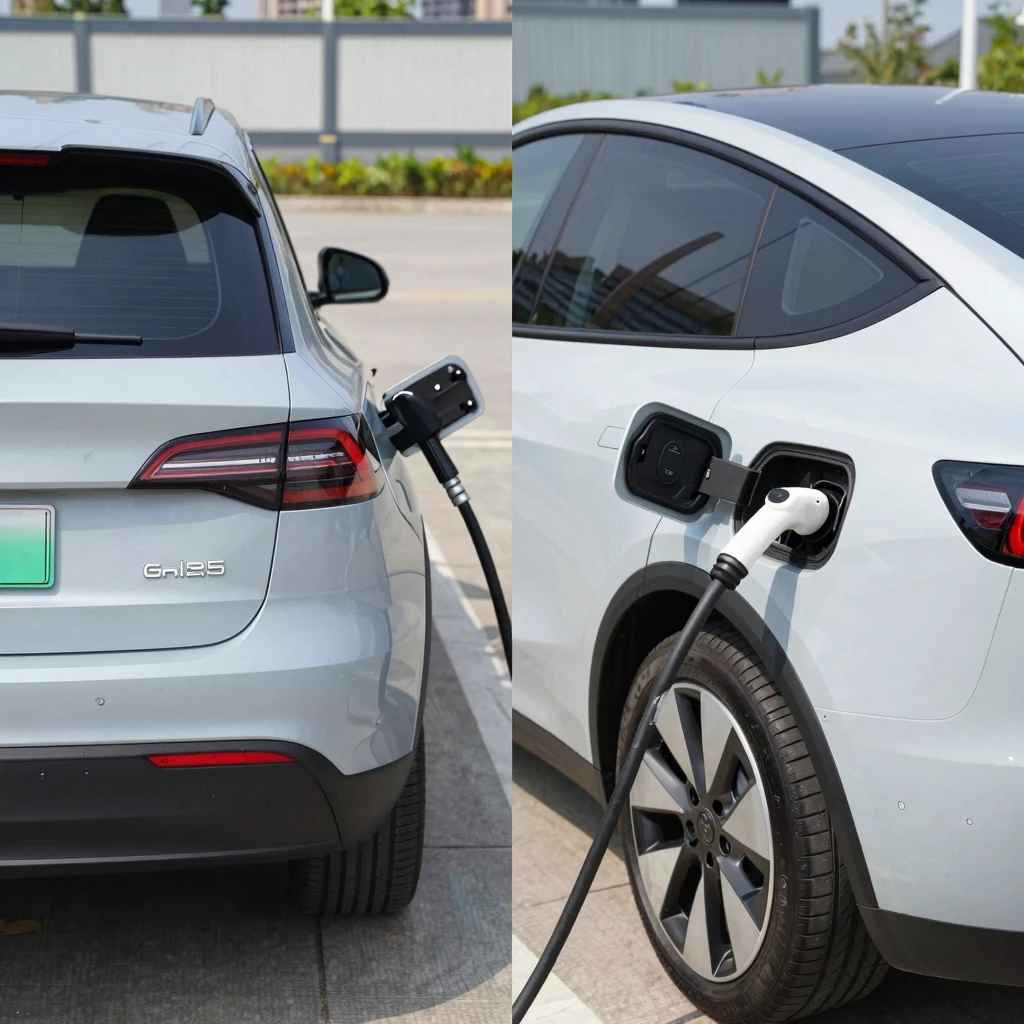
What is the Difference between Gas And Electric Cars? Key Facts Explained
Gas and electric cars are changing how we think about driving. People see electric cars everywhere now, but gas cars are still the most common choice. If you are trying to choose between a gas car and an electric car, it is important to understand how they work, what they cost, and how they affect the planet.
Many people talk about these cars, but there is still a lot of confusion. This article will break down the real differences between gas and electric cars in simple words. You will learn how each type works, what driving them feels like, how much they cost, and what you should think about before making a decision.
How Gas Cars Work
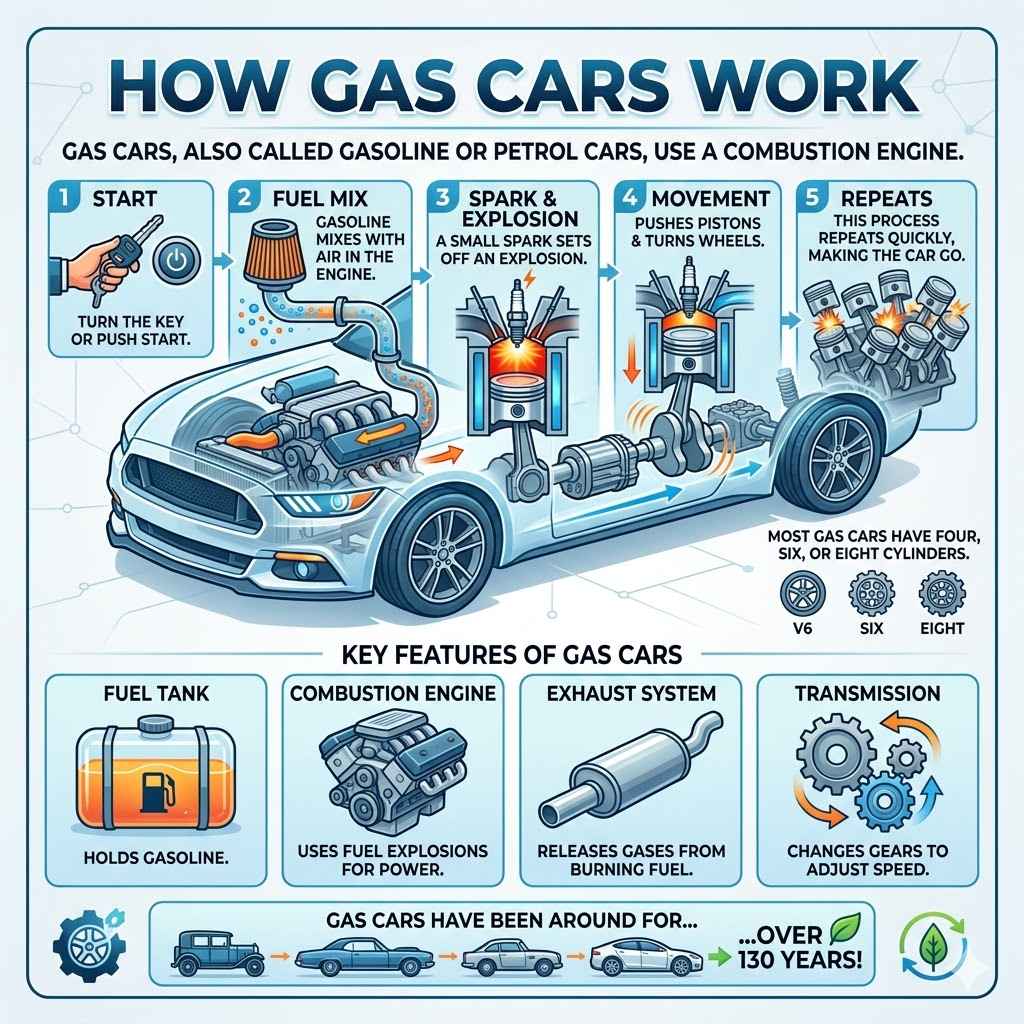
Gas cars, also called gasoline or petrol cars, use a combustion engine. This engine burns fuel from the gas tank to make the car move. When you turn the key, gasoline mixes with air in the engine. A small spark sets off an explosion, which pushes pistons and turns the wheels. This process repeats quickly, making the car go. Most gas cars have four, six, or eight cylinders.
Key Features Of Gas Cars
- Fuel tank: Holds gasoline.
- Combustion engine: Uses fuel explosions for power.
- Exhaust system: Releases gases from burning fuel.
- Transmission: Changes gears to adjust speed.
Gas cars have been around for over 100 years. They are familiar to most drivers and mechanics. You can refuel them quickly at almost any gas station.
How Electric Cars Work
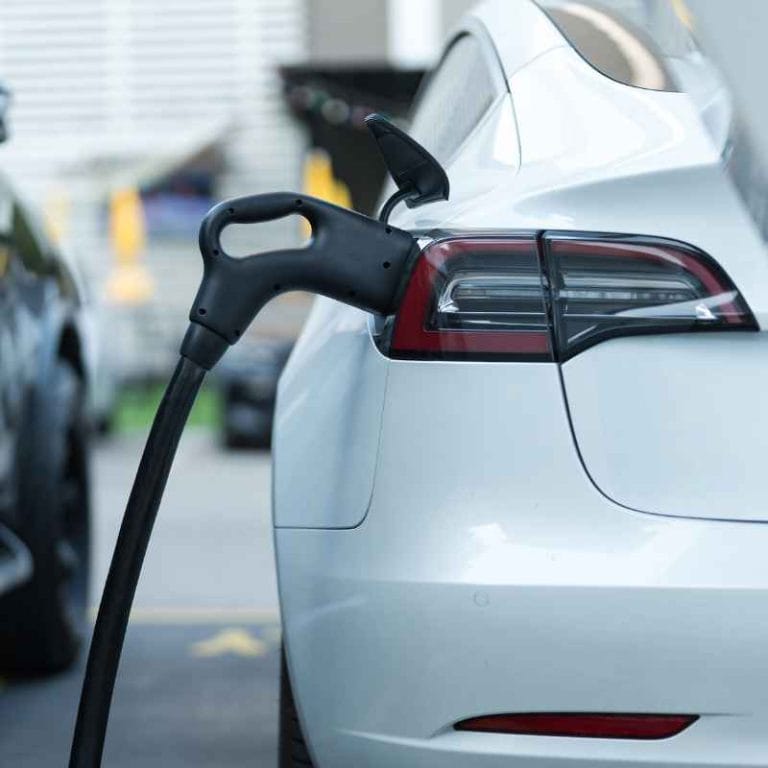
Electric cars (EVs) are different. They use an electric motor instead of a combustion engine. The power comes from a large battery, usually under the floor of the car. When you press the pedal, the battery sends electricity to the motor, which spins the wheels. There is no burning of fuel, and no exhaust.
Main Parts Of Electric Cars
- Battery pack: Stores electricity.
- Electric motor: Moves the car using electric power.
- On-board charger: Allows charging from a plug.
- Regenerative braking system: Recovers energy when slowing down.
Electric cars are much simpler inside. They have fewer moving parts, which means less can go wrong. Charging can be done at home or at public charging stations.
Fuel And Charging: What You Need To Know
One of the biggest differences between gas and electric cars is how you power them. This affects your daily routine and travel plans.
Gas Cars: Quick Refueling
- Time to refuel: Usually 3-5 minutes.
- Fuel stations: Found almost everywhere.
- Range: Most gas cars can drive 300-500 miles on a full tank.
With a gas car, you rarely worry about running out of fuel. Long trips are easy, as gas stations are common even in remote areas.
Electric Cars: Charging Options
- Home charging: Plug into a standard outlet or install a faster Level 2 charger.
- Public charging: Use stations at shopping centers, highways, or workplaces.
- Charging time: From 30 minutes (fast charger) to 10+ hours (regular outlet).
- Range: Most modern EVs go 200-350 miles per charge, though some offer more or less.
Charging an electric car is different from filling gas. You need to plan for charging stops on long trips. Charging at home overnight is the most convenient, but not everyone has a garage or driveway.
Comparison: Refueling Vs. Charging
Here is a simple comparison of refueling and charging for both car types:
| Feature | Gas Cars | Electric Cars |
|---|---|---|
| Refueling/Charging Time | 3-5 minutes | 30 min–10+ hours |
| Availability of Stations | Very common | Growing, but less common |
| Home Option | No | Yes |
| Range per Full Tank/Charge | 300-500 miles | 200-350 miles |
Performance And Driving Experience
Many people wonder if electric cars are as good to drive as gas cars. The answer depends on what you want from your car.
Power And Acceleration
Electric cars can deliver instant torque. This means they can go from zero to top speed very quickly. For example, the Tesla Model 3 can reach 60 mph in about 3.1 seconds, faster than many sports cars. Gas cars need to build up speed as the engine revs up.
Noise And Vibration
Gas cars make noise, from the engine and exhaust. Some people like this sound, while others find it tiring. Electric cars are almost silent, which makes the ride feel smooth and calm. There is little vibration because there are fewer moving parts.
Handling And Weight
Electric cars are heavier because of the battery. But the battery is usually under the car floor, lowering the center of gravity. This can make electric cars feel stable around corners. Gas cars are lighter and sometimes feel more “lively,” especially in small models.
Maintenance
Electric cars need less maintenance. There is no oil to change, no spark plugs, and fewer fluids. Brake wear is also less, thanks to regenerative braking. Gas cars need regular oil changes, air filter replacements, and more frequent brake work.
Cost: Buying, Owning, And Operating
Money is a big factor in choosing between gas and electric cars. The costs are different at every stage: buying, fueling/charging, and maintaining.
Purchase Price
- Gas cars: Usually cheaper up front. Small models can start under $20,000.
- Electric cars: Often cost more to buy. A new EV usually starts around $30,000, but prices are dropping.
Some countries offer tax credits or incentives for electric cars, which can lower the price.
Fueling And Charging Costs
- Gasoline: Prices change often. In 2023, the average was about $3.50 per gallon in the US.
- Electricity: Charging at home is usually cheaper than buying gas. On average, driving an electric car costs about half as much per mile as a gas car.
Maintenance Costs
Electric cars save money on maintenance. According to the US Department of Energy, EV drivers spend about 40% less on regular maintenance compared to gas car owners.
Resale Value
Gas cars lose value quickly, but electric cars can lose value even faster, especially older models with short range. However, newer EVs are holding their value better as technology improves.
Lifetime Cost Comparison
This table shows an example of total costs over five years for similar gas and electric cars:
| Cost Type | Gas Car | Electric Car |
|---|---|---|
| Purchase Price | $25,000 | $35,000 |
| Fuel/Charging | $7,500 | $3,500 |
| Maintenance | $4,000 | $2,200 |
| Total (5 Years) | $36,500 | $40,700 |
These numbers can change depending on where you live, how much you drive, and what kind of car you choose.
Environmental Impact
One of the main reasons people choose electric cars is for the environment. But how much better are they?
Gas Cars And Emissions
Gas cars release carbon dioxide (CO2) and other gases from the exhaust. These gases cause air pollution and increase global warming. A typical gas car emits about 4.6 metric tons of CO2 each year.
Electric Cars And Emissions
Electric cars have no exhaust pipe and do not produce tailpipe emissions. However, making electricity for charging can still create pollution, depending on how the power is made. If your electricity comes from coal, emissions are higher. If it comes from solar or wind, emissions are very low.
On average, electric cars create less pollution than gas cars, even when the electricity is not 100% clean. Over time, as more countries use renewable energy, EVs will become even cleaner.
Battery Production And Recycling
Making batteries for electric cars uses a lot of energy and raw materials, like lithium and cobalt. Mining these materials can harm the environment. Battery recycling is improving, but it is still a challenge. Gas cars do not have these problems, but their engines and fuel systems also use metals and plastics.
A non-obvious insight: electric cars are usually much cleaner over their lifetime, but the first few years may have a bigger environmental “cost” because of battery production.
Driving Range And Convenience
How far you can go before needing to stop for fuel or charging is a big concern for many drivers.
Gas Cars: Range And Refueling
Most gas cars can go 300-500 miles on a full tank. Refueling is quick and easy, even on long trips. This gives drivers confidence for any journey.
Electric Cars: Range And Charging Time
Many people worry about “range anxiety”—the fear of running out of power. While early EVs could only go 100 miles or less, new models often reach 250-400 miles per charge. However, charging takes longer than filling a tank. Fast charging stations can give about 80% charge in 30–60 minutes, but they are still less common than gas stations.
Not everyone can install a home charger, especially people living in apartments. This is a key point many beginners miss.
Real-world Example
If you drive 40 miles per day, most electric cars can handle a week’s driving on a single charge. But for long road trips, a gas car is still more convenient—unless you plan your charging stops carefully.
Availability And Model Choices
Gas cars are available in every shape and size: small hatchbacks, big SUVs, trucks, sports cars, and more. Electric cars are catching up, but choices are still limited in some categories, especially larger vehicles and pickup trucks.
As of 2024, most major car brands now offer at least one electric model. However, some brands and countries have more options than others. This is changing quickly as companies invest more in electric vehicle technology.
Infrastructure And Support
The support network for gas and electric cars is very different.
Gas Cars
- Repair shops: Everywhere, with trained mechanics.
- Fuel stations: Easy to find.
- Parts: Widely available.
Electric Cars
- Charging stations: Growing, but still not as common as gas stations.
- Repair shops: Fewer mechanics trained for EVs, but numbers are increasing.
- Parts: Some special parts may take longer to get.
A non-obvious insight: many electric cars can receive software updates over the air, adding new features or fixing problems without visiting a mechanic. Gas cars rarely have this ability.
Government Policies And Incentives
Many governments offer special deals to encourage people to buy electric cars. These can include:
- Tax credits: Money back when you buy an EV.
- Lower registration fees: Some places charge less to register an electric car.
- Free or reduced-cost charging: In some cities.
- Access to special lanes: Like carpool lanes, even when driving alone.
Gas cars sometimes face extra fees or restrictions, especially in cities trying to cut pollution.
For more details on government incentives, you can check resources like the U.S. Department of Energy.
Safety
Both gas and electric cars must meet strict safety standards. In crash tests, many electric cars do very well because their heavy batteries keep them stable. Some people worry about battery fires, but these are rare. Gas cars can also catch fire in crashes.
Electric cars are often packed with advanced safety technology, such as automatic braking and lane keeping. Gas cars may have these features too, but they are more common in newer electric models.
What To Consider Before Choosing
If you are thinking about buying a car, here are some key questions to ask yourself:
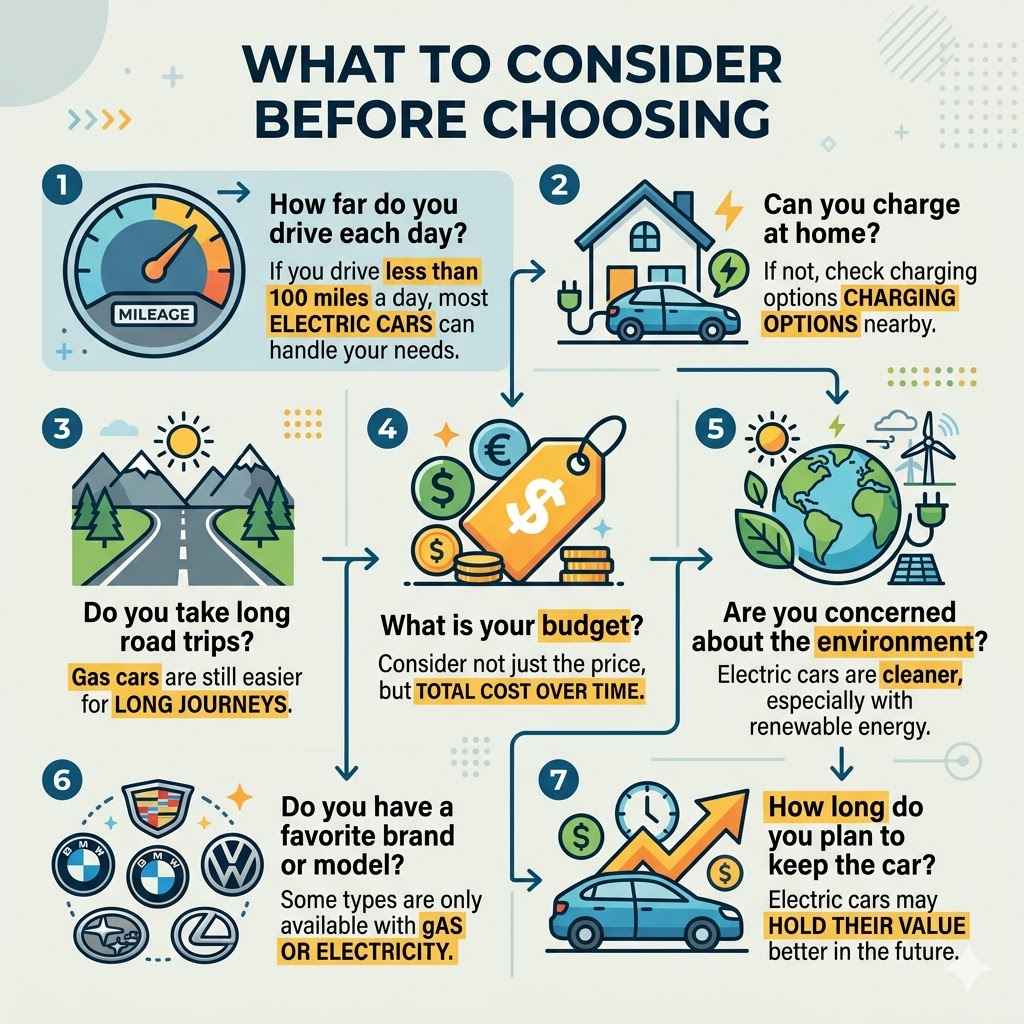
- How far do you drive each day? If you drive less than 100 miles a day, most electric cars can handle your needs.
- Can you charge at home? If not, check charging options nearby.
- Do you take long road trips? Gas cars are still easier for long journeys.
- What is your budget? Consider not just the price, but total cost over time.
- Are you concerned about the environment? Electric cars are cleaner, especially with renewable energy.
- Do you have a favorite brand or model? Some types are only available with gas or electricity.
- How long do you plan to keep the car? Electric cars may hold their value better in the future.
Frequently Asked Questions
What Is The Main Difference Between Gas And Electric Cars?
The main difference is how they are powered. Gas cars use a combustion engine and burn gasoline, while electric cars use a battery and electric motor. This changes how they drive, how you refuel or charge them, and how much they cost to maintain.
Are Electric Cars Really Better For The Environment?
Yes, electric cars are usually cleaner, especially if the electricity comes from renewable sources. However, building batteries does use energy and materials. Over their lifetime, most electric cars create less pollution than gas cars.
How Long Does It Take To Charge An Electric Car?
Charging time depends on the charger type and the car’s battery size. With a regular home outlet, it can take 8–12 hours for a full charge. With a public fast charger, you can get up to 80% charge in 30–60 minutes.
Do Electric Cars Save Money In The Long Run?
Often, yes. Electric cars cost less to fuel and maintain. Even though they can be more expensive to buy, government incentives and lower running costs can make up the difference over several years.
What Happens If An Electric Car Runs Out Of Battery?
If an electric car’s battery runs out, the car will stop—just like a gas car that runs out of fuel. You will need to be towed to a charging station. Planning ahead and watching the battery level helps avoid this situation.
Gas and electric cars each have their strong points and challenges. The right choice depends on your driving habits, where you live, and your personal values. As technology improves, electric cars are becoming more practical and popular, but gas cars are still a solid choice for many people.
Understanding the real differences will help you make the best decision for your needs—now and in the future.