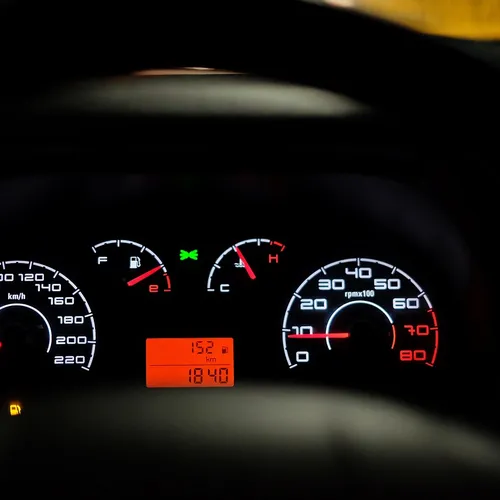
Can Low Engine Oil Cause Overheating? Yes, Here Is Why
Yes, low engine oil causes overheating — even if coolant, thermostat, and radiator are all working correctly. Oil dissipates roughly 40% of engine heat by circulating through friction zones; when level drops below the minimum mark, heat accumulates faster than the cooling system can handle.
This guide covers the exact mechanism, the five warning signs to watch for, what to do the moment your temperature gauge climbs, and how to confirm whether low oil or a coolant problem caused the overheat.
Low engine oil is a common culprit behind a car’s engine overheating. This happens because oil plays a crucial role in cooling the engine. When oil levels are low, this cooling ability is reduced, leading to higher engine temperatures and potential damage.
Understanding Engine Oil’s Cool Role
Your car’s engine gets really hot. It’s working hard. Lots of moving parts rub together. This friction makes heat. Lots of heat. Engine oil is like a special shield. It flows all around the engine. It gets into all the tiny spaces.
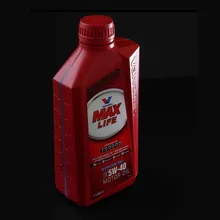
Mobil 1 Extended Performance Full Synthetic 5W-30 (5 Qt) — $34.97
When low oil caused the overheat, topping up with the correct viscosity is the first corrective step before driving again. Mobil 1 full synthetic circulates faster on cold starts and maintains the viscosity film even at the high temperatures this article describes.
- Best for: Topping up after discovering low oil level following an overheat event, before a full oil change appointment
- Why picked: Full synthetic formula resists thermal breakdown at the elevated temperatures caused by the low-oil scenarios this guide covers
- Main drawback: If the engine overheated severely, an oil change (not just a top-up) is required — heat degrades the entire oil batch, not just what was lost
Oil does a few big jobs. It makes things slippery. This means parts don’t rub as hard. Less rubbing means less heat. Oil also carries away heat. It moves it from hot spots to cooler places. Think of it like a tiny, busy delivery truck for heat. It picks up heat and takes it to the oil pan.
The oil pan is usually at the bottom. It’s cooler there. The oil then gets pumped back up. It goes through the engine again. This keeps the engine from getting too hot. It’s a constant cycle. Without enough oil, this cycle breaks down.
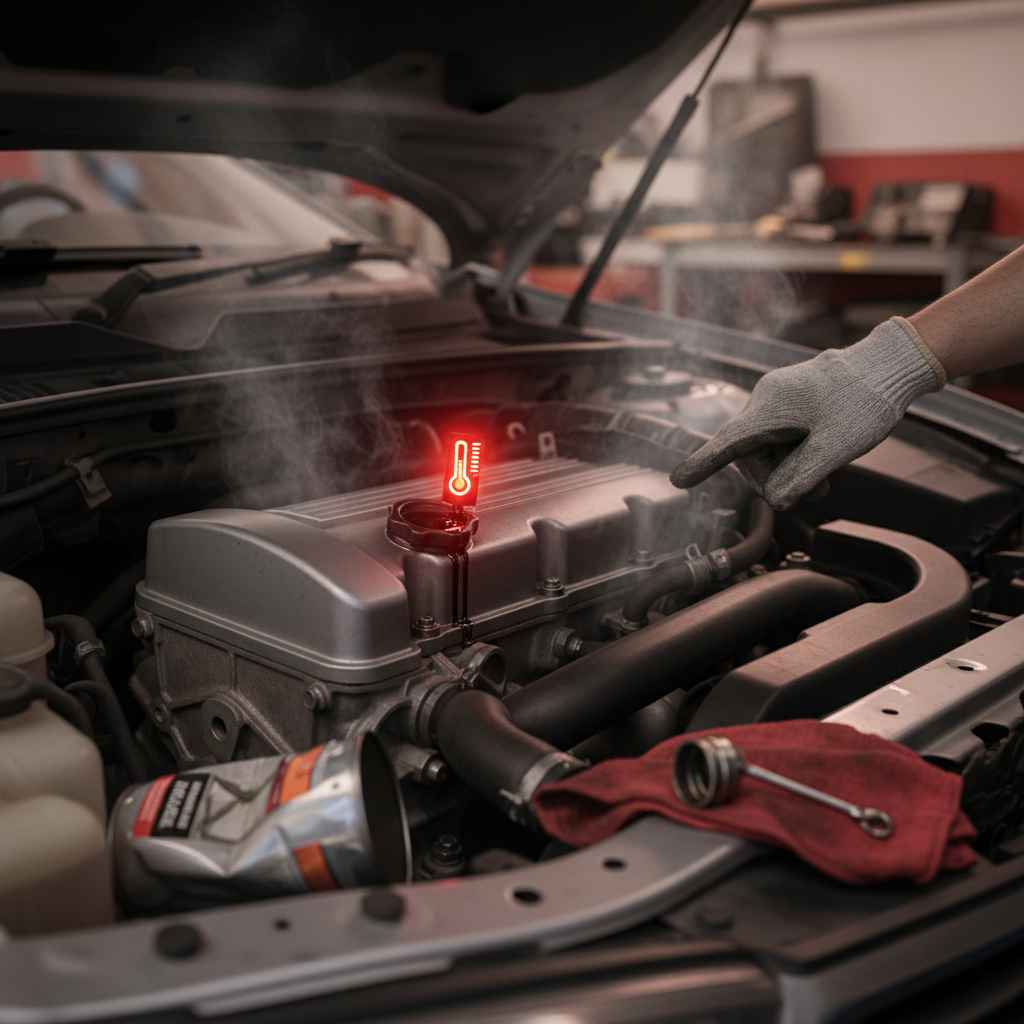
My Car Overheated After an Oil Change
I remember one time, I’d just had my car serviced. They did an oil change. A few days later, driving home from work, I saw the temperature gauge climbing. Fast. My heart sank. I thought, “What could it be?” I pulled over safely. I popped the hood. I could feel the heat radiating.
I waited a bit for it to cool. Then, I checked the oil dipstick. It was way below the low mark. I was shocked. They just changed the oil! Clearly, they didn’t put enough in. Or maybe it was leaking out. That experience really showed me how vital oil is. It wasn’t just about lubrication. It was about keeping the whole engine cool. I felt a bit silly, but also worried. I called a tow truck. It was a lesson learned the hard way.
Why Low Oil Means Higher Temperatures
When your engine oil is low, things change. There’s less oil to go around. This means less lubrication. More parts rub directly. This creates much more friction. More friction means more heat. It’s a direct cause-and-effect.
Also, that oil that’s supposed to carry heat away? There isn’t enough of it. The oil that is there gets overworked. It can’t pick up all the heat. It can’t deliver it fast enough. So, hot spots develop inside the engine. These hot spots get hotter and hotter.
The engine’s cooling system is designed to work with oil. If the oil isn’t doing its job, the rest of the system can’t keep up. The coolant might be fine. The fan might be working. But if the oil can’t manage the heat generated by friction, the engine will still overheat. It’s like trying to cool a room with a tiny fan when you have a huge furnace running.
Signs Your Car is Overheating Due to Low Oil
Steam from under the hood: This is a big one. It means things are seriously hot.
Temperature gauge high: Look for the needle in the red zone. Or a warning light.
Strange smells: You might smell burning oil or a sweet coolant smell.
Engine knocking or pinging: This sound happens when parts get too hot and expand unevenly.
Reduced engine power: The car might feel sluggish.
The Role of the Oil Viscosity
Oil thickness, called viscosity, matters too. It’s rated by numbers. Like 5W-30. The first number is for cold weather. The second is for hot weather. Different cars need different oil types. Your car’s manual tells you what’s best.
When oil gets hot, it thins out. This is normal. But if the oil is already low, and it thins out too much, it’s less effective. It can’t coat parts as well. It can’t carry heat as well. It becomes like water. It doesn’t provide the needed protection or cooling.
Using the wrong kind of oil is also bad. If you use oil that’s too thin for your engine, it will thin out even more when hot. If you use oil that’s too thick, it might not flow well when cold. This can cause wear and heat issues. Always follow the carmaker’s advice on oil type.
What’s Happening Inside When Oil is Low
Imagine the parts inside your engine. Pistons moving up and down. Valves opening and closing. The crankshaft turning. All of these parts create friction. Oil forms a thin film between them. This film stops them from grinding against each other.
With low oil, this film breaks. Metal-on-metal contact happens. This is bad. It creates a lot of heat. It also wears down the metal parts. This wear can cause more problems later. Overheating is just the first symptom.
The engine block itself has passages for oil. These passages help cool the engine. If there’s not enough oil, these passages don’t get filled properly. They can’t circulate oil to the hottest parts. Think of a radiator with low water. It can’t cool efficiently. The engine’s oil system works in a similar way.
My Experience with a Noisy Engine
I had a friend, Mark, whose car started making weird noises. It was a rhythmic tapping sound. At first, he ignored it. He thought maybe it was just an old car getting creaky. But the sound got louder. Then, one day, the oil light came on. He panicked. He pulled over right away.
He checked the oil. It was almost gone. Just a little bit left on the dipstick. He’d been driving for weeks with very little oil. The tapping sound was the engine parts hitting each other because there was no oil cushion. He was lucky. He didn’t cause permanent damage. But he had to add several quarts of oil. It was a close call. That noise was the engine crying for help. It was warning him about the low oil.
Causes of Low Engine Oil
Leaks: The most common reason. Seals wear out, gaskets fail.
Burning oil: Some engines naturally burn a little oil. Worn piston rings can make this worse.
Incomplete filling: After an oil change, if not filled correctly.
Internal engine damage: More serious issues can cause oil to enter the combustion chamber.
The Coolant System’s Interplay with Oil
Your car has two main cooling systems. One is the coolant system. This uses a mix of water and antifreeze. The other is the oil system. They work together. They don’t do the same job, but they help each other.
The coolant system handles the bulk of the heat from the combustion process. It circulates through the engine block. It absorbs heat. Then it goes to the radiator. The radiator uses air to cool the coolant. The oil system handles heat from friction. It also cools specific parts that coolant can’t reach easily.
If the oil system is failing (because of low oil), it puts extra stress on the coolant system. The coolant might be working perfectly. But if the engine parts are already too hot from friction, the coolant can’t cool them down fast enough. It’s like having two air conditioners, but one is broken. The other one has to work twice as hard. It might still not be enough.
When to Worry About Your Temperature Gauge
The temperature gauge on your dashboard is important. Most cars have a normal range. It’s usually in the middle. If the needle starts creeping up, pay attention. If it goes past the halfway mark, that’s a warning. If it gets close to the red zone, that’s an emergency.
Don’t ignore a rising temperature gauge. It’s your engine telling you something is wrong. The sooner you check it, the less damage you might do. Pulling over safely is the first step. Turn off the engine. Let it cool down. Then, you can check the oil.
If the gauge stays in the normal range, that’s good. But if it starts fluctuating, or it seems higher than usual, it’s worth checking your oil. Even if you don’t see other signs. A slight increase in temperature can be an early indicator. It means something is not working as efficiently as it should.
Myth vs. Reality: Engine Overheating
Myth: Overheating only happens in hot weather.
Reality: Overheating can happen anytime. Cold weather can even cause issues if the coolant is wrong.
Myth: A little steam is harmless.
Reality: Steam from under the hood usually means the engine is dangerously hot.
Myth: You can just keep driving if the temperature is a little high.
Reality: Driving with an overheating engine can cause severe and expensive damage.
Checking Your Engine Oil Level
Checking your oil is a simple task. You can do it yourself. It doesn’t take long. First, find a flat surface. Park your car on level ground. This makes the reading accurate.
Make sure the engine is cool. Or at least not piping hot. Wait about 10-15 minutes after turning it off. Find the oil dipstick. It usually has a bright loop or handle. Pull it out. Wipe it clean with a rag or paper towel.
Push the dipstick all the way back in. Then pull it out again. Look at the end of the dipstick. There are markings. Usually two dots or lines. One is the “low” mark. The other is the “full” mark. Your oil level should be between these two marks. Ideally, close to the “full” mark.
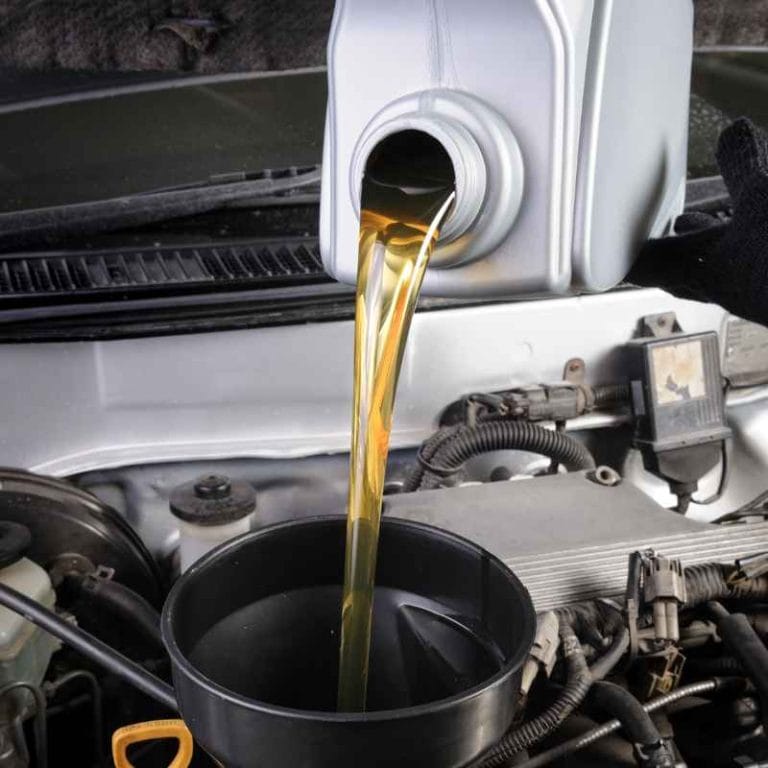
If the oil is below the “low” mark, you need to add oil. Use the correct type for your car. You can buy it at auto parts stores. Add a little at a time. Then recheck the dipstick. Don’t overfill. Too much oil can also cause problems.
What to Do If Your Oil is Low
If you check your oil and it’s low, the first thing to do is add oil. Use the type recommended in your car’s owner’s manual. Add a small amount, like half a quart. Then wait a few minutes. Check the dipstick again. Repeat until the oil is at the proper level.
After adding oil, start the engine. Let it run for a few minutes. Then turn it off. Wait about 10-15 minutes. Check the oil level one more time. This is important. You want to make sure the level is correct. And that the oil is circulating.
If your car overheated, let it cool down completely. Do not open the radiator cap when it’s hot. That’s very dangerous. Coolant is under pressure. It can spray out. Once it’s cool, you can check the oil. If the oil was low, adding it might solve the overheating issue. But you also need to figure out why it was low.
Finding the Source of Oil Loss
Low oil isn’t normal. It means oil is missing. You need to find out where it went. This is where looking for leaks comes in. Check under your car after it’s been parked. See any dark spots on the ground? That could be an oil leak.
Look around the engine. See any wet, oily spots? Pay attention to seals and gaskets. The oil pan, the oil filter, the valve cover are common places for leaks. If you see a leak, it needs to be fixed. Small leaks can get bigger.
If there are no visible leaks, the oil might be burning. This happens inside the engine. It’s usually a sign of worn engine parts. Like piston rings or valve seals. This is a more serious issue. It often requires engine repair.
The Cost of Ignoring Low Oil
Ignoring low engine oil is a gamble. A very bad one. The initial problem might just be the oil level. But it can quickly lead to bigger, more expensive problems. Overheating is the first sign.
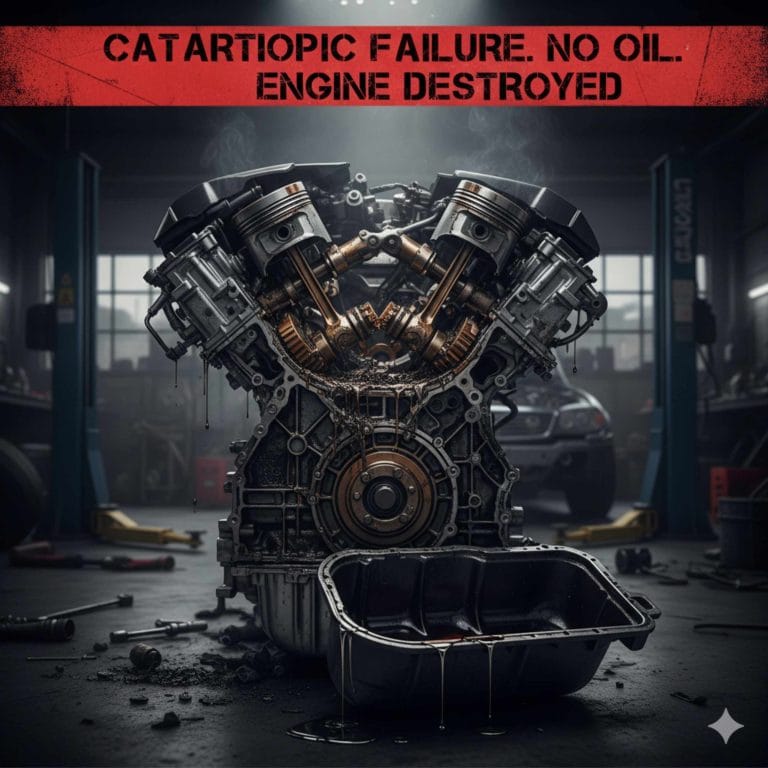
If the engine overheats severely, you can warp the cylinder head. You can blow a head gasket. These are major repairs. The metal parts can seize up. The engine can even be completely destroyed. That means a new engine. Which can cost thousands of dollars.
It’s always cheaper to maintain your car properly. Regularly checking your oil is a small effort. It takes minutes. It can save you a lot of money and stress down the road. Think of it as preventative medicine for your car.
Quick Oil Level Checks
Frequency: Check at least once a month. More often if you drive a lot.
When: Check when the engine is cool, on level ground.
Tool: Use the oil dipstick.
Level: Oil should be between the ‘low’ and ‘full’ marks.
Action: Add oil if low. Consult a mechanic if it’s consistently low.
When to Call a Mechanic
Sometimes, you need professional help. If you check your oil and it’s very low, and you can’t find any leaks, you should call a mechanic. They can help you figure out if the engine is burning oil. They can also check for internal leaks you can’t see.
If your car overheated badly, even after adding oil, call a mechanic. They need to check for damage. Things like warped heads or blown gaskets. These need to be fixed by someone with the right tools and knowledge.
Don’t try to fix serious leaks yourself unless you’re experienced. A bad seal or gasket can lead to more oil loss. And more overheating. It’s better to have a pro do it. They can ensure the job is done right. And your car is safe to drive.
Preventing Overheating from Low Oil
Prevention is key. Make checking your oil a habit. Just like checking your tire pressure. It’s a simple step. It takes almost no time. But it’s so important for your car’s health.
Stick to your car’s recommended oil change schedule. This ensures you always have clean oil. And the right amount. Use the type of oil your car needs. Don’t guess. Check your owner’s manual.
If you notice your car using more oil than usual, get it checked. Even if it’s not overheating yet. It could be an early warning. Addressing it early can save you a lot of trouble. It’s about listening to your car. And taking care of its needs.
Normal vs. Concerning Oil Consumption
Normal: Most cars burn a very small amount of oil over time. This is usually just a few ounces between oil changes.
Concerning: If you have to add oil frequently. Or if the oil level drops significantly between changes. This could mean leaks or burning oil.
Real-World Scenario: The Road Trip Scare
I was on a long road trip with my family. We were miles from any town. Suddenly, the car started acting funny. The engine felt weak. Then, the red temperature light came on. My wife started to panic. I knew I had to stay calm.
I pulled over onto the shoulder. I turned off the engine. I let it sit for a while. The hood was hot. I could smell something hot, too. After it cooled a bit, I checked the oil. It was bone dry. Completely empty on the dipstick. I was shocked. We had oil in the trunk, thankfully. We added it slowly.
After adding oil, we started the car. The temperature gauge was back to normal. We were so relieved. That could have been a disaster. It taught me a huge lesson about checking oil before long trips. Even if you just checked it recently. Life happens. Cars can have issues. Being prepared is everything. That scare stuck with me.
The Science Behind the Heat Build-Up
When engine oil is low, the friction between moving parts increases dramatically. Think of two pieces of dry sandpaper rubbing together. They get hot, right? Engine parts are similar. This increased friction generates a lot more heat than the engine’s cooling system is designed to handle, especially when combined with the heat from combustion.
Oil also plays a role in heat transfer. It absorbs heat from critical components and carries it away to the oil pan, where it can dissipate. With less oil, this heat transfer process is less efficient. Hot spots can form within the engine, leading to localized overheating. This can damage sensitive parts like bearings, pistons, and cylinder walls.
The oil pump relies on oil to operate. If the oil level gets too low, the pump can suck in air. This reduces oil pressure. This means less oil circulates. This creates a vicious cycle. Low oil leads to low pressure. Low pressure leads to even less oil. And more heat.
Understanding Your Car’s Owner’s Manual
Your car’s owner’s manual is your best friend. It has all the specifics. It tells you what kind of oil to use. It tells you how much oil your engine takes. It also tells you when to check your oil. And how to check it correctly.
Don’t toss that manual aside. Keep it somewhere accessible. If you’re unsure about anything related to your car’s fluids or maintenance, the manual is the first place to look. It’s written by the people who designed and built your car. It’s the most accurate source of information.
If you can’t find your manual, you can often download a PDF version from the car manufacturer’s website. It’s worth the effort to find it. Your car will thank you for it.
The Impact of Oil Quality
It’s not just the quantity of oil that matters. The quality of the oil is also important. Cheap, low-quality oil might not perform as well. It might break down faster. It might not provide as much protection.
Using synthetic oil can sometimes be better. It often has better resistance to heat. It can also flow better in cold temperatures. But always check if your car manufacturer recommends synthetic oil. Some engines are designed for it. Others might not need it. Or it could even cause issues if not the right type.
Sticking to reputable brands and the correct oil grade is crucial. Don’t skimp on oil quality. It’s one of the most important fluids in your engine.
Common Misconceptions About Overheating
Many people think overheating is only about the coolant. They focus on the radiator, hoses, and antifreeze. While these are vital, they are only part of the story. The oil system is equally important for keeping the engine cool.
Another myth is that you should always add cold water to a hot radiator. This is dangerous. The sudden temperature change can crack engine parts. Always let the engine cool down first. And use a 50/50 mix of antifreeze and water when refilling.
People also sometimes ignore warning lights. They think it will go away. Or they’re afraid of what the mechanic might say. But ignoring the problem almost always makes it worse. And more expensive to fix.
When is Overheating Normal?
In very rare, specific circumstances, an engine might run slightly warmer than usual. For instance, if you’re climbing a very steep hill on a very hot day, and you’re pushing the engine hard. Even then, it shouldn’t reach the red zone.
If your car is just sitting in traffic on a hot day, and the temperature gauge creeps up a little, but then goes back down when you start moving, that’s usually normal. The cooling fan should kick in. The airflow through the radiator increases when you move.
However, if the temperature gauge steadily climbs. Or stays in the red for more than a minute. It’s not normal. And it needs immediate attention. Don’t wait to see if it gets better.
A Personal Story of a “Silent Killer”
I had an old pickup truck. It was a workhorse. I loved that truck. One day, I noticed a slight flicker on the oil pressure gauge. It was very brief. I didn’t think much of it at the time. It was probably just a glitch.
A few weeks later, the truck started to feel sluggish. It sounded a bit rough. I checked the oil. It was low. I added some. The sluggishness went away. But the oil light started to come on more often. Then, one afternoon, driving down the highway, the engine just died. It was completely seized.
The mechanic told me the oil pump had failed. Because the oil level had been too low for too long, the pump wasn’t getting enough oil. It overheated and seized. That brief flicker on the gauge was the first sign. I should have paid more attention. It was a hard lesson. Low oil can be a silent killer if you don’t watch for the signs.
DIY Checks Before Visiting a Mechanic
Oil Level: Always check this first if overheating occurs.
Coolant Level: Check when the engine is cool. Make sure it’s between ‘min’ and ‘max’.
Visible Leaks: Look for puddles under the car or wet spots under the hood.
Belts: Check if drive belts are loose or cracked. A loose belt can affect the water pump.
The Environmental Aspect of Engine Overheating
An overheating engine is not just bad for your car. It’s also bad for the environment. An engine running too hot is less efficient. It burns more fuel. This means more emissions.
When an engine is damaged by overheating, it might leak oil or coolant. These fluids can get into the soil and water. They are harmful to the environment. Proper maintenance helps prevent these issues. It keeps your car running cleaner. And safer for everyone.
FAQs About Low Oil and Overheating
Can a car overheat if the oil level is just a little low?
Yes, even a slightly low oil level can cause issues. The engine might not be adequately lubricated and cooled. This can lead to increased friction and heat.
Always aim to keep your oil level at the ‘full’ mark.
How long can I drive with low engine oil before it overheats?
It’s impossible to give an exact time. It depends on many factors. Like how low the oil is, how hot it is outside, and how hard you’re driving.
It’s best to address low oil immediately. Driving with low oil risks severe engine damage.
What are the first signs of engine overheating?
The most common sign is the temperature gauge on your dashboard climbing into the red zone. You might also see steam coming from under the hood. Strange smells, like burning oil, are another indicator.
You may also notice a loss of engine power.
If my car overheats, should I turn off the engine right away?
Yes, if your car overheats, pull over safely and turn off the engine immediately. This stops the engine from producing more heat. Let the engine cool down completely before attempting any checks.
Never open the radiator cap when the engine is hot.
Does adding the wrong type of oil hurt my engine?
Yes, using the wrong type of oil can cause problems. It might not lubricate or cool effectively. It could even lead to damage.
Always use the oil grade recommended in your car’s owner’s manual. If unsure, consult a mechanic.
Is it normal for my car to use a little bit of oil between oil changes?
Most cars consume a small amount of oil over time. This is considered normal. However, if you find yourself adding oil frequently, or if the level drops significantly, it’s a sign of a problem.
This could be a leak or the engine burning oil.
Final Thoughts on Engine Health
Keeping your engine healthy is all about consistent care. Checking your oil is a fundamental part of that care. It’s a simple task that has huge rewards. It prevents major issues like overheating and costly repairs.
Your car’s oil is its lifeblood. Treat it with respect. Make sure it’s always at the right level. And use the right kind. Pay attention to its temperature. Listen to its sounds. Your engine will thank you for it. And it will serve you well for many years to come.
Products related to this article
Sponsored / affiliate links. As an Amazon Associate I earn from qualifying purchases. I may earn additional commission from eligible campaigns.