Cheapest Car Insurance Comparison In Nz: Best Options Now
Finding cheap car insurance in New Zealand involves comparing policies. Look at coverage limits, deductibles, and extras. Many insurers offer discounts. Understanding these can lower your premium significantly. Always read the fine print before you buy.
Understanding Car Insurance in New Zealand
Car insurance in New Zealand is not just one thing. It’s a set of options. These options protect you financially.
They cover damage to your car. They also cover damage to others. You might also be covered for injury.
Understanding these basics is key. It helps you pick the right policy.
There are a few main types. Third-party insurance is the most basic. It covers damage you cause to others.
This includes their car or property. It does not cover your own car. Comprehensive insurance is the most complete.
It covers damage to your car. It also covers damage you cause to others. It often includes cover for theft or fire.
Third-party, fire, and theft is a middle ground. It covers damage to others. It also covers your car if it’s stolen or catches fire.
It doesn’t cover other types of damage to your car. Like dents from parking. Or damage from an accident you cause.
The cost of your insurance depends on many things. Your age is a factor. Your driving history matters a lot.
Where you live plays a role. The type of car you drive is important too. A sports car might cost more to insure.
A car with a good safety record might cost less.
Choosing the right level of cover is important. Don’t just go for the cheapest. Make sure it covers what you need.
Think about what would happen if you had an accident. What would it cost to fix your car? What if you injured someone?
Does the policy have enough cover for that?
My Own Insurance Journey: A Tale of Savings and Stress
I remember when I first bought my car. It was a small, used hatchback. I was so excited.
Then came the insurance. I thought, “Just get the cheapest one!” I found a policy online. It seemed super affordable.
I clicked “buy” without reading much. Fast forward six months. A minor fender bender.
Nothing major. I called the insurance company. That’s when the stress hit.
My “cheap” policy had a huge excess. And it didn’t cover certain types of damage. I ended up paying a lot out of pocket.
It was a hard lesson. I learned that the cheapest isn’t always the best. It taught me to look closer at the details.
Now, I always compare. I ask questions. I read the fine print.
It takes more time. But it saves me money and worry in the long run.
Key Factors Affecting Your Premium
Your Age: Younger drivers often pay more. This is due to higher accident risk.
Driving History: A clean record means lower costs. Claims or convictions raise your premium.
Location: Urban areas may have higher rates. This is due to more traffic and theft risk.
Vehicle Type: Make, model, and safety features matter. Performance cars can be pricier to insure.
Annual Kilometres: Driving more miles can increase your cost.
Comparing Policies: What to Look For
Shopping for car insurance can feel like a puzzle. You have all these pieces. You need to fit them together to get the best picture.
This means looking beyond just the price tag. You need to compare several important parts of each policy.
First, the sum insured. This is the maximum amount the insurer will pay. If your car is written off.
Make sure this amount is fair. It should reflect your car’s current value. Not too high, not too low.
If it’s too low, you won’t get enough. If it’s too high, you pay too much for cover you don’t need.
Next, the excess. This is the amount you pay. When you make a claim.
A higher excess usually means a lower premium. But it means you pay more if something happens. Think about what you can afford.
Can you pay a $1000 excess? Or is $500 more realistic? Some policies let you choose your excess amount.
Consider the coverage limits. For third-party liability. This is how much the insurer pays.
If you cause damage to others. You want this to be high enough. Especially if you drive a newer or more expensive car.
Or if you often drive in busy areas.
Don’t forget about add-ons. Many insurers offer extras. These can include breakdown assistance.
Or cover for windscreen chips. Or protection for your personal items. Decide if you need these.
They often add to the cost. But they can be very useful.
Read the PDS (Product Disclosure Statement). This document is important. It tells you everything about the policy.
What is covered. What is not covered. How to make a claim.
Take your time to read it. Or at least skim the key parts.
How to Find Cheaper Car Insurance
Saving money on car insurance is possible. Many people think it’s a fixed cost. But it’s not.
Insurers want your business. They offer ways to lower your premium. You just need to know where to look.
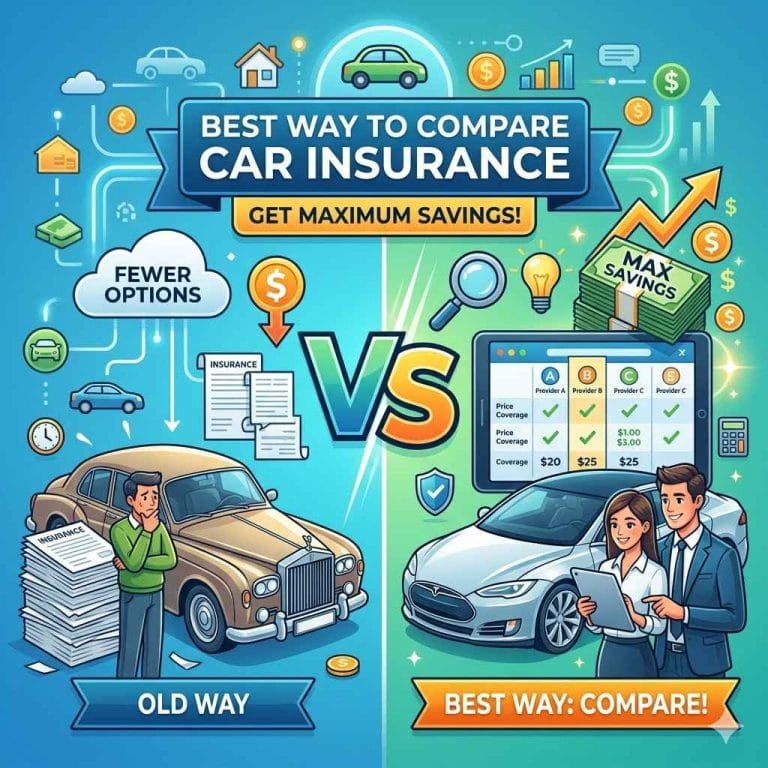
Shop around. This is the most important step. Don’t stick with your old insurer. Because it’s easy.
Get quotes from at least three to five different companies. Use comparison websites. But also go directly to insurer sites.
You might find different deals.
Increase your excess. As we discussed. A higher excess can lower your premium. Just make sure you can afford it.
If you choose a $1000 excess. And you have an accident. You need to have that $1000 ready.
Bundle your policies. Many insurers offer discounts. If you buy more than one policy from them. Like home and contents insurance.
Or contents insurance. Ask about multi-policy discounts.
Pay annually. Some insurers give a discount. If you pay your premium in one go. Instead of monthly installments.
This saves the insurer admin costs. They pass some savings to you.
Low Kilometre Discount. If you don’t drive much. You might qualify for a discount. Be honest about your kilometres.
Lying can void your policy. Some insurers offer “pay as you go” options. These are great for low-mileage drivers.
Security devices. If your car has an alarm. Or an immobiliser. Or is parked in a garage.
This can lower your risk. Insurers might offer a discount. Check if your car’s safety features count.
Driver behaviour. Some policies offer telematics. This is a device that tracks your driving. Safe driving habits can lead to discounts.
This is often called a “black box” policy.
No claims bonus. Build up a history of not claiming. Most insurers reward this. You earn a discount each year.
You don’t make a claim. This can be a significant saving over time.
Understanding Different Excess Types
Base Excess: This is the standard excess. It’s a set amount.
Voluntary Excess: This is the extra amount you choose. To lower your premium.
Involuntary Excess: This applies if the other driver is uninsured. And you can’t recover costs.
Windscreen Excess: Some policies have a separate, lower excess for windscreens.
Navigating Comparison Websites
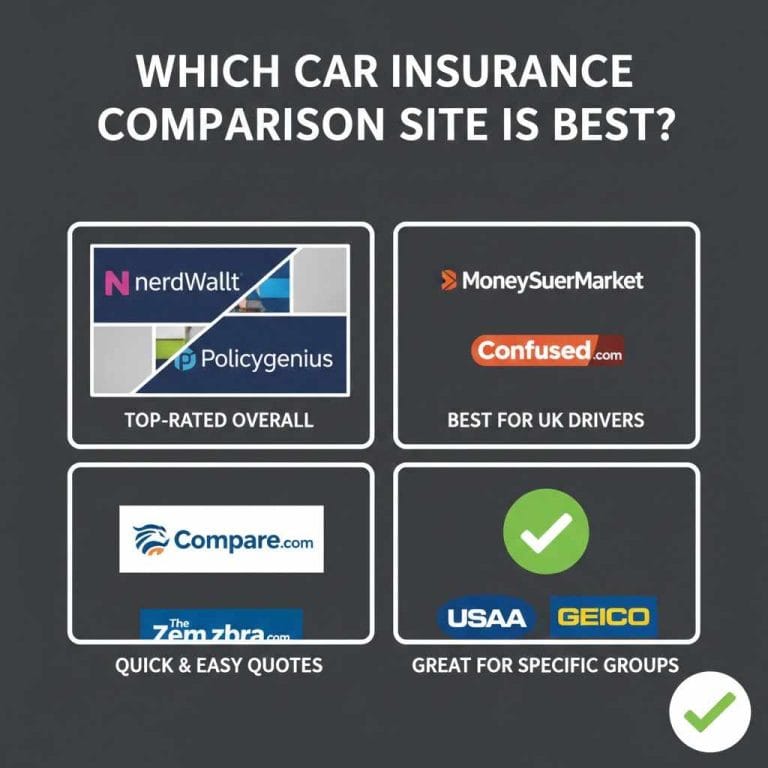
Comparison websites are popular. They offer a quick way to see many quotes. They can be a great starting point.
But they are not the whole story. It’s good to understand how they work.
These sites collect data. From various insurance providers. You enter your details once.
They show you options. They often rank them by price. Or by a score.
This makes it easy to see who is cheapest. Or who seems to offer the best value.
However, remember that not all insurers are on every site. Some companies prefer not to be listed. Or they might offer special deals directly.
So, always check insurer websites too. After you use a comparison site.
Also, pay attention to what’s included. The comparison might show a low price. But it might not have the cover you need.
Or it might have a high excess. Always click through. To see the full policy details.
On the insurer’s own website.
The quotes you see are estimates. The final price might change. Once the insurer reviews all your information.
Especially your driving history. So treat the initial quotes as a guide.
Quick Scan: Common Discounts
- Multi-policy discount
- Annual payment discount
- Low kilometre discount
- Good driver discount
- Security device discount
Real-World Scenarios and What They Mean
Let’s think about some common situations. How does your insurance handle them? This helps you see the value.
Beyond the price.
Scenario 1: Minor Accident. You tap another car in a car park. Your insurer might cover the damage. To the other car.
If you have comprehensive cover. Your own car might be fixed too. Depending on your excess.
If you only have third-party cover. You’d pay for your own car’s repairs.
Scenario 2: Car Stolen. This is a stressful event. If you have comprehensive cover. Or third-party, fire, and theft.
Your insurer will pay out. Up to the sum insured. Minus your excess.
If you only have basic third-party. You get nothing for your stolen car.
Scenario 3: Accidental Damage. You hit a fence while reversing. This is accidental damage. Comprehensive insurance covers this.
Other types of cover might not. You’ll pay your excess for the repairs.
Scenario 4: Medical Expenses. If you or a passenger is injured. Some policies include medical expenses. Or temporary transport.
If your car is unusable. Check what your policy says.
Scenario 5: Named Drivers. Who drives your car? If someone else drives it regularly. They might need to be named on the policy.
Not disclosing this can cause issues. If they have an accident. Some policies cover “any driver”.
Others require specific drivers.
Understanding these scenarios helps you. You can see which policy fits your life. What risks are you most worried about?
Tailor your cover to those risks.
Myth vs. Reality: Car Insurance Beliefs
Myth: The cheapest policy is always the best.
Reality: The cheapest policy might have low limits. Or a high excess. It might not cover what you truly need.
Myth: I can just lie about my kilometres to get a cheaper rate.
Reality: Lying can void your insurance. If you have an accident, they won’t pay out.
Myth: My insurance covers me no matter what.
Reality: All policies have exclusions. And limits. Always check the Product Disclosure Statement.
When to Consider Higher Cover
While “cheap” is attractive. There are times when you need more. More cover means a higher premium.
But it can save you much more. In the long run. Or in a crisis.
New or Expensive Car: If you just bought a new car. Or a valuable second-hand one. Comprehensive cover is usually a must.
The cost of repair or replacement. Is far higher than the extra premium.
High-Risk Driver: If you’re a young driver. Or have a history of accidents. Or live in a high-crime area.
You might be seen as higher risk. Insurers charge more. But you need the cover.
To protect yourself.
Dependent on Your Car: If your car is your livelihood. Or you use it daily for work. And cannot afford to be without it.
Then features like breakdown cover. Or hire car options. Become very important.
Even if they cost a bit more.
Financial Stability: If you have limited savings. A high excess could be a problem. In an emergency.
It might be better to pay a slightly higher premium. For a lower excess. That you can manage.
Frequent Driver: If you drive long distances. Or often in challenging conditions. Your risk of an incident increases.
Comprehensive cover gives you peace of mind.
Quick Check: Your Policy Essentials
- What is the total excess I would pay? (Base + Voluntary)
- What is the sum insured for my vehicle?
- What is the limit for third-party property damage?
- Does it cover accidental damage to my own car?
- Does it include breakdown assistance or a hire car?
Making a Claim: What to Expect
Hopefully, you never need to make a claim. But if you do, knowing the process helps. Most insurers have a clear procedure.
Step 1: Assess the Situation. Is anyone hurt? Is the car safe to drive? Call emergency services if needed.
Step 2: Gather Information. Get the other driver’s details. Their name, contact, and insurance company. Note their license plate.
Take photos of the damage. And the scene. If there are witnesses, get their contact info.
Step 3: Contact Your Insurer. Do this as soon as possible. Report the incident. Give them all the details.
They will give you a claim number.
Step 4: The Assessment. Your insurer might ask for an inspection. Of your car. Or for repair quotes.
They will assess the damage. And decide if it’s covered.
Step 5: Repairs or Payout. If covered, they will arrange repairs. Or pay out the claim amount. Minus your excess.
If your car is a total loss. They will pay the sum insured. Minus your excess.
Be Honest. Always be truthful. With your insurer. Any false information can cause problems.
With your claim. Or your future insurance.
When to Call the Police
- If anyone is injured.
- If the value of damage appears high.
- If you suspect a driver is impaired (alcohol/drugs).
- If there is a hit-and-run incident.
- If you are unsure how to proceed.
Frequently Asked Questions About Car Insurance
Is car insurance mandatory in New Zealand?
No, car insurance is not legally mandatory in New Zealand. However, if you want to cover damage to your own vehicle, or want protection if you cause damage to others, you need insurance. If you are in an accident and don’t have cover, you will have to pay for all repairs yourself.
How much should I expect to pay for car insurance?
The cost varies greatly. Factors like your age, driving history, car type, and where you live all affect the price. Some people pay under $500 a year.
Others might pay $1500 or more. It’s best to get personalised quotes.
Can I get car insurance if I have a speeding ticket?
Yes, you can usually still get car insurance. However, speeding tickets and other traffic violations can increase your premium. Insurers see them as a sign of higher risk.
Be sure to declare all convictions.
What is a “total loss” or “write-off”?
A total loss means the cost to repair your car exceeds its market value. Or it’s uneconomical to repair. Your insurer will pay you the market value of the car.
Less your excess. You usually then hand the keys over to them.
Does my car insurance cover driving in Australia?
Generally, New Zealand car insurance policies do not cover driving in Australia. If you plan to drive overseas, you will need specific travel insurance or a separate policy. Always check your policy details before travelling.
Can I change my car insurance policy mid-term?
Yes, you can usually change your policy. Some insurers may charge a fee. Or adjust your premium.
If you change your car. Or your circumstances. It’s often best to wait until renewal.
But if your needs change significantly, it might be worth looking sooner.
Final Thoughts on Smart Insurance Choices
Finding cheap car insurance in New Zealand is about being smart. It takes a little time. But it’s worth it.
Compare your options carefully. Look at the cover. Not just the price.
Understand your excess. And check for discounts. You can get good protection.
Without breaking the bank. Drive safely!
Products related to this article
Sponsored / affiliate links. As an Amazon Associate I earn from qualifying purchases. I may earn additional commission from eligible campaigns.