What to Compare When Buying a Car
When you’re looking to buy a car, comparing different options is super important. It helps you find the best fit for your needs and budget. Many people find this part tricky because there’s a lot of information to sort through.
This guide will help you focus on the most important things to compare. We will break it down so you can make a smart choice without feeling overwhelmed.
Price and Budget Considerations
The first big thing to look at is the price. How much can you really spend? It’s not just the sticker price, though.
You need to think about all the costs that come with owning a car. This includes insurance, gas, and how much maintenance might cost. Setting a clear budget helps you narrow down your choices early on.
It stops you from falling in love with a car you can’t afford in the long run.
When you look at prices, don’t forget to compare the same type of car from different sellers. Sometimes, one dealership might have a better deal than another. Also, think about whether you are buying new or used.
Used cars usually cost less upfront, but they might need more repairs later.
A good way to start is by checking online car websites. These sites let you see prices for similar cars in your area. You can also use them to get an idea of how much you might get for your old car if you are trading it in.
This helps you get a clearer picture of the total cost before you even visit a dealership.
Understanding Total Cost of Ownership
The total cost of ownership is more than just the price tag. It includes all the money you will spend on the car over the years you own it. This is a vital factor often overlooked by first-time buyers.
It helps you avoid nasty surprises down the road. Think of it as a long-term investment, not just a single purchase.
Costs like insurance can change a lot depending on the car you choose. Some cars are cheaper to insure because they are less likely to be stolen or are safer. Fuel efficiency also plays a big role.
A car that uses less gas will save you money every time you fill up. Maintenance costs can vary too. Luxury cars or sports cars often have higher repair bills than basic sedans.
Consider the resale value of the car too. Some cars hold their value better than others. This means when you decide to sell it later, you’ll get more money back.
This is an important part of the total cost of ownership that can save you money in the future.
Fuel Efficiency Comparison
Fuel efficiency is how many miles a car can drive on one gallon of fuel. This is a big factor for your wallet and for the environment. Cars that get better gas mileage will save you money over time.
It’s like getting more for your money every time you go to the gas station.
When comparing, look at the miles per gallon (MPG) for both city and highway driving. City MPG is usually lower because you stop and start more. Highway MPG is typically higher because you drive at a steady speed.
For example, a small sedan might get 35 MPG in the city and 40 MPG on the highway. An SUV might only get 20 MPG in the city and 25 MPG on the highway. Over a year, the difference in gas costs can be hundreds, or even thousands, of dollars.
It really adds up!
| Car Type | City MPG | Highway MPG |
|---|---|---|
| Compact Sedan | 35 | 40 |
| Mid-size SUV | 20 | 25 |
| Hybrid Sedan | 50 | 55 |
Insurance Costs
Insurance is a must-have for any car owner. It protects you financially if something bad happens. The cost of insurance can be very different for various cars.
It depends on many things, including the car’s safety ratings, how likely it is to be stolen, and how expensive it is to repair.
When you are looking at a car, it’s a smart move to get a quote for insurance before you buy it. This way, you won’t be surprised by high monthly payments. Some sports cars or cars with powerful engines can cost a lot more to insure.
Cars that are common and have good safety records are often cheaper.
For instance, a car that gets a top safety pick from insurance groups might have lower premiums. A car with many advanced safety features can also help lower your insurance cost. Always ask your insurance agent to compare rates for the cars you are considering.
Vehicle Performance and Features
Beyond price, how the car drives and what it can do are key. This covers everything from how it accelerates to the tech inside. Think about what you need for your daily life.
Do you drive in a lot of traffic? Do you need a car that’s good for long road trips? Features can make driving safer and more enjoyable.
When you test drive different cars, pay attention to how they handle. Does the steering feel good? How is the braking?
Is the ride smooth? These details matter for your comfort and safety. Also, look at the features that are important to you.
This could be anything from a good sound system to driver-assist technologies.
Don’t just focus on the flashiest features. Think about which ones you’ll actually use. Sometimes, simpler cars with fewer tech gadgets can be more reliable and easier to maintain.
It’s a balance between getting what you want and what you truly need.
Engine and Drivetrain Options
The engine is the heart of a car. It’s what makes it go! You’ll often see options like gasoline, diesel, hybrid, or electric.
Each has its own benefits and drawbacks.
Gasoline engines are the most common. They are reliable and parts are easy to find. Diesel engines are known for being very fuel-efficient, especially for long drives.
They can also be more powerful for towing. Hybrid cars combine a gasoline engine with an electric motor. This gives you great fuel economy and lower emissions.
Electric vehicles (EVs) run purely on electricity. They have zero tailpipe emissions and can be very cheap to “fuel” if you have access to charging at home.
The drivetrain tells you which wheels get power. Front-wheel drive (FWD) is common and good for everyday driving. Rear-wheel drive (RWD) can offer better handling, especially in sports cars.
All-wheel drive (AWD) or four-wheel drive (4WD) sends power to all four wheels. This is great for slippery conditions like snow or rain, or for off-roading.
For example, if you live in a snowy climate, AWD or 4WD would be a very smart choice. If you mostly drive in the city, FWD might be perfectly fine and more fuel-efficient. If you want to save money on gas and reduce your carbon footprint, a hybrid or EV is worth looking into.
Safety Ratings and Features
Safety should always be a top priority. Cars have safety ratings that tell you how well they protect people in a crash. You can find these ratings from organizations like the National Highway Traffic Safety Administration (NHTSA) in the US or Euro NCAP in Europe.
These ratings use a star system, with more stars meaning better safety.
Beyond crash test ratings, look for safety features. Many modern cars come with advanced driver-assistance systems (ADAS). These can include things like automatic emergency braking, lane departure warning, blind-spot monitoring, and adaptive cruise control.
These features can help prevent accidents or reduce their severity.
For example, automatic emergency braking can detect an object or car in front of you and apply the brakes if you don’t react in time. This could prevent a fender-bender or a more serious collision. Lane departure warning alerts you if you start to drift out of your lane without signaling.
When you are comparing cars, check their safety ratings and see which ones have the ADAS features that you feel are most important for your peace of mind. A car with a 5-star safety rating and several driver-assist technologies will offer a higher level of protection.
Infotainment and Technology
The infotainment system is the car’s entertainment and information hub. This includes the touchscreen, sound system, and connectivity options. Think about how you use technology in your daily life and what you’d want in a car.
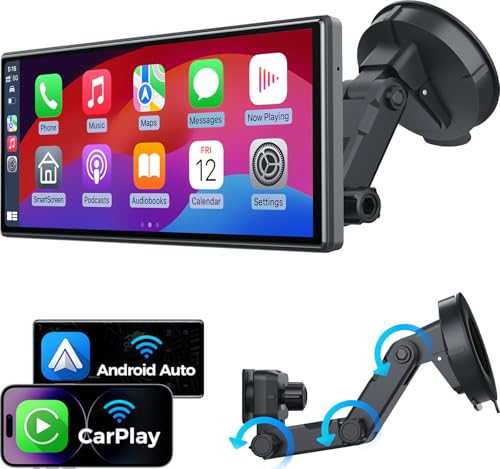
Many cars now offer Apple CarPlay and Android Auto. These systems let you mirror your smartphone’s interface on the car’s screen. You can then safely use apps like maps, music, and messaging.
Other features might include a premium sound system, wireless charging for your phone, or a built-in navigation system.
Consider how easy the system is to use. Is the touchscreen responsive? Are the menus clear?
Sometimes, simpler is better. You don’t want to be distracted by a complicated system while driving. A good sound system can make your commute more enjoyable.
Wireless charging is a convenient feature that means you don’t have to deal with cables.
A good infotainment system should be intuitive and not take too much attention away from the road. Some systems are controlled by buttons and knobs, while others are all touchscreen. The best choice depends on your personal preference and how you interact with technology.
Reliability and Maintenance
No one wants a car that constantly breaks down. Reliability is about how often a car needs repairs. Maintenance is the regular care a car needs to keep running smoothly.
Both are very important for saving money and avoiding headaches.
When you’re looking at cars, do some research on their reliability history. Websites like Consumer Reports or J.D. Power provide ratings based on owner surveys.
These can give you a good idea of which brands and models are known for being dependable. A reliable car will spend more time on the road and less time at the mechanic.
Maintenance costs can also add up. Some cars require more frequent oil changes or have more expensive parts. Think about the cost of routine services like tire rotations, brake checks, and fluid changes.
These are all part of keeping your car in good shape.
Consider also the warranty that comes with the car. A good warranty can protect you from unexpected repair bills, especially for a new car. For used cars, a certified pre-owned vehicle often comes with an extended warranty.
Researching Brand and Model Reliability
Before you buy, take time to research. Look up reliability ratings for the specific make and model you are interested in. Some brands are known for making very dependable cars year after year.
Others might have more issues with certain models.
Owner reviews are also a great source of information. See what actual car owners are saying about their experiences. Are they happy with their car’s reliability?
Do they complain about frequent repairs? This real-world feedback is invaluable.
For example, a study might show that a certain Japanese brand consistently scores high in reliability surveys, with owners reporting fewer problems than average. In contrast, another brand might have a reputation for needing more frequent visits to the repair shop, especially for their luxury models.
Here’s a quick look at how reliability can affect you:
- Less time spent at the mechanic means more time for you to do what you enjoy.
- Fewer unexpected repair bills mean you can stick to your budget more easily.
- A reliable car is less stressful to own and operate, giving you peace of mind.
Maintenance Schedules and Costs
Every car needs maintenance. This means following a schedule for things like oil changes, filter replacements, and inspections. Some cars need maintenance more often than others, and the cost can vary.
Check the owner’s manual for the recommended maintenance schedule. This will tell you when certain services are due. Also, try to find out how much these services typically cost.
A dealership might charge more than an independent mechanic.
For instance, a basic oil change for a compact car might cost $50-$75. The same service for a luxury SUV could be $100-$150 or more. Some cars also require specialized fluids or parts that are more expensive.
If you plan to keep the car for a long time, these ongoing costs are important to consider.
It’s also wise to consider the availability of parts. For very common car models, parts are usually easy to find and less expensive. For rare or older models, parts might be harder to get and cost more.
This can affect how quickly a repair can be done.
Warranty Coverage Details
A warranty is like a promise from the manufacturer that they will cover certain repairs for a specific period. For new cars, this is usually a bumper-to-bumper warranty and a powertrain warranty.
The bumper-to-bumper warranty covers most parts of the car, while the powertrain warranty specifically covers the engine and transmission, which are the most expensive components. You need to compare the length and coverage of these warranties among different cars.
For example, one car might offer a 3-year/36,000-mile bumper-to-bumper warranty and a 5-year/60,000-mile powertrain warranty. Another car might offer a longer warranty, like 5-year/unlimited miles for the powertrain. This can be a significant difference in protection.
Here’s what to look for in warranty coverage:
- What is covered under the bumper-to-bumper warranty? Are there many exclusions?
- How long is the powertrain warranty, and how many miles does it cover?
- Does the car come with roadside assistance as part of the warranty?
- For used cars, what kind of warranty is offered, especially if it’s not certified pre-owned?
Test Drive and Inspection
A test drive is your chance to get behind the wheel and see how the car feels. It’s not just about seeing if you like the color; it’s about experiencing the car’s performance and comfort. Don’t rush this part.
Take your time and really get to know the vehicle.
When you test drive, pay attention to how the car accelerates, brakes, and handles. Listen for any strange noises. Check if the seats are comfortable and if you have good visibility.
Drive it on different types of roads if you can, like city streets and highways.
An inspection is also crucial, especially for a used car. This is where a mechanic checks the car thoroughly for any hidden problems. A pre-purchase inspection (PPI) can save you a lot of money and trouble down the line.
It’s a small cost for a lot of peace of mind.
Think of the test drive as falling in love, and the inspection as meeting the family – you need to know the whole story before committing!
Effective Test Drive Techniques
To get the most out of your test drive, have a plan. Start by adjusting the seat and mirrors to your comfort. Make sure you can easily reach the pedals and steering wheel.
Then, begin driving slowly in a parking lot to get a feel for the steering and brakes.
When you get on the road, pay attention to the engine’s response. Does it feel sluggish or powerful? How does the transmission shift?
Does it shift smoothly, or is it jerky? Try to test the brakes – they should feel firm and stop the car smoothly without pulling to one side.
Listen carefully. Are there any squeaks, rattles, or loud noises? These could indicate a problem.
Test the car’s suspension by driving over bumps. Does the car bounce excessively, or does it absorb the bumps well?
Try to simulate your typical driving conditions. If you mainly drive in the city, spend time on city streets. If you drive on the highway, find a place to test the car at higher speeds.
This will give you a better idea of how the car will perform in your everyday life. Also, check that all the interior features like the radio, air conditioning, and power windows work correctly.
Pre-Purchase Inspection (PPI)
A pre-purchase inspection, or PPI, is highly recommended for any used car. You should arrange for a trusted, independent mechanic to inspect the vehicle before you buy it. This is not the seller’s mechanic; it’s one you choose.
The mechanic will thoroughly check the car’s mechanical and structural condition. They’ll look for signs of wear and tear, rust, leaks, and any potential problems with the engine, transmission, brakes, and suspension. They can also identify if the car has been in an accident or if there are any outstanding recalls.
For example, a PPI might reveal that the car needs new brake pads soon, or that there’s a small oil leak that needs attention. This information is crucial. You can use it to negotiate a lower price with the seller, or it might help you decide to walk away from a car with too many issues.
The cost of a PPI is usually between $100 and $200. This is a small price to pay compared to the thousands of dollars you might save by avoiding a car with major hidden problems. It’s a critical step in making a smart car buying decision.
Comparing Trim Levels and Options
Cars often come in different trim levels, which are essentially different versions of the same model. Each trim level usually offers a different set of features and a different price point.
For example, a base model might have manual windows and a basic stereo. The next trim level up might add power windows, a better sound system, and alloy wheels. A top-tier trim could include leather seats, a sunroof, advanced safety features, and a premium navigation system.
When comparing trim levels, it’s important to see what you’re getting for the extra money. Do the features in the higher trims justify the cost for your needs? Sometimes, the difference between two trims might be a few cosmetic upgrades that you don’t really care about.
It’s also worth looking at optional packages. Manufacturers often group certain features into packages. For example, a “technology package” might include a larger touchscreen and advanced driver aids.
A “cold weather package” might add heated seats and mirrors.
Here’s a simple way to think about it:
- Base Trim: The essential features at the lowest price.
- Mid-Level Trims: A good balance of features and price, often adding comfort and convenience.
- Top Trims: All the bells and whistles, usually including luxury and advanced technology, at a higher cost.
Consider which trim level offers the best value for your specific requirements. You don’t always need the most expensive version to get a great car.
Frequently Asked Questions
Publications International, Ltd.
Brain Games - Picture Puzzles: Remember When?…
- 144 Picture Puzzles
- 4 Levels of Difficulty
- Spiral bound for easy use and portability
As an Amazon Associate I earn from qualifying purchases.
Question: What is the most important thing to compare when buying a car?
Answer: The most important thing is to compare how the car fits your budget and needs. This includes the total cost of ownership, not just the sticker price, and whether its features and performance match your daily driving.
Question: Should I always get a pre-purchase inspection for a used car?
Answer: Yes, it is highly recommended to get a pre-purchase inspection for any used car. An independent mechanic can spot problems you might miss, saving you money and trouble.
Question: How much should I budget for car insurance?
Answer: Insurance costs vary greatly. It’s best to get quotes for specific cars you are considering before you buy to understand your expected monthly payments.
Question: Are hybrid cars really cheaper to own?
Answer: Hybrid cars can be cheaper to own due to better fuel efficiency. While they might cost more upfront, the savings on gas over time can make them a good investment, especially for frequent drivers.
Question: What are driver-assistance systems?
Answer: Driver-assistance systems are technologies like automatic braking or lane keeping assist that help make driving safer by alerting the driver or intervening in certain situations.
Summary
Comparing cars is about finding the right fit for your life and wallet. Look at the total price, fuel economy, and insurance costs. Check safety ratings and features you’ll actually use.
Research reliability and think about long-term maintenance expenses. Always test drive and get an inspection, especially for used vehicles. Choosing the right car brings satisfaction and saves you stress.
Related pick: Check today's price on Amazon
Products related to this article
Sponsored / affiliate links. As an Amazon Associate I earn from qualifying purchases. I may earn additional commission from eligible campaigns.