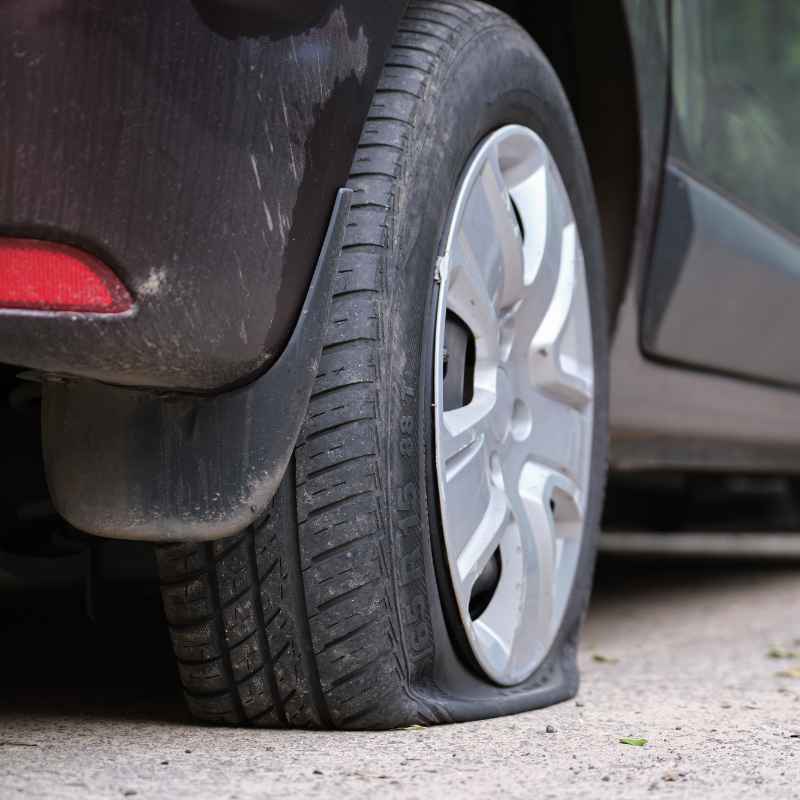
Why Is My Car Tire Not Taking Air? Common Causes Fixed
It’s a sinking feeling, isn’t it? You go to check your tire pressure, maybe because the low tire light flickered on, or you just know it’s been a while. You hook up the air hose, and. nothing. The gauge stays stubbornly at zero, or the hissing sound you expect is either missing or sounds all wrong. Your car tire isn’t taking air. This is frustrating, especially when you’re in a hurry or trying to do a simple fix yourself. We’ve all been there, staring at a seemingly simple problem that suddenly feels like a huge roadblock. But don’t worry, most of the time, this issue has straightforward explanations and fixes. We’ll walk through why this happens and what you can do about it.
If your car tire isn’t taking air, the most common reasons include a faulty valve stem, a blocked valve core, a leak elsewhere on the wheel, or an issue with the air compressor nozzle. Simple checks can often identify the problem, leading to easy fixes or knowing when to visit a mechanic.
Understanding Why Your Tire Won’t Inflate
When you try to put air in a tire, a few things need to happen perfectly. Air from the compressor needs to enter the tire. It also needs to stay inside the tire. If either of these steps fails, you have a problem.
The air goes in through the valve stem. This is that little rubber or metal tube sticking out of your wheel. Inside the valve stem is a valve core. Think of it like a tiny spring-loaded cap. When you push it down, it opens up so air can flow in. When you release it, it seals shut to keep the air inside. It’s a pretty clever design.
If the valve core is stuck closed, or if something is blocking it, air can’t get in. Also, if there’s a big enough hole or crack in the tire itself, or even in the wheel rim, the air will just escape as fast as you put it in. This means it looks like it’s not taking air, when in reality, it’s escaping too quickly.
Modern tires and wheels are complex. Many things can go wrong. But often, the fix is quite simple if you know where to look. Let’s dive into the specific culprits that stop your tire from filling up.
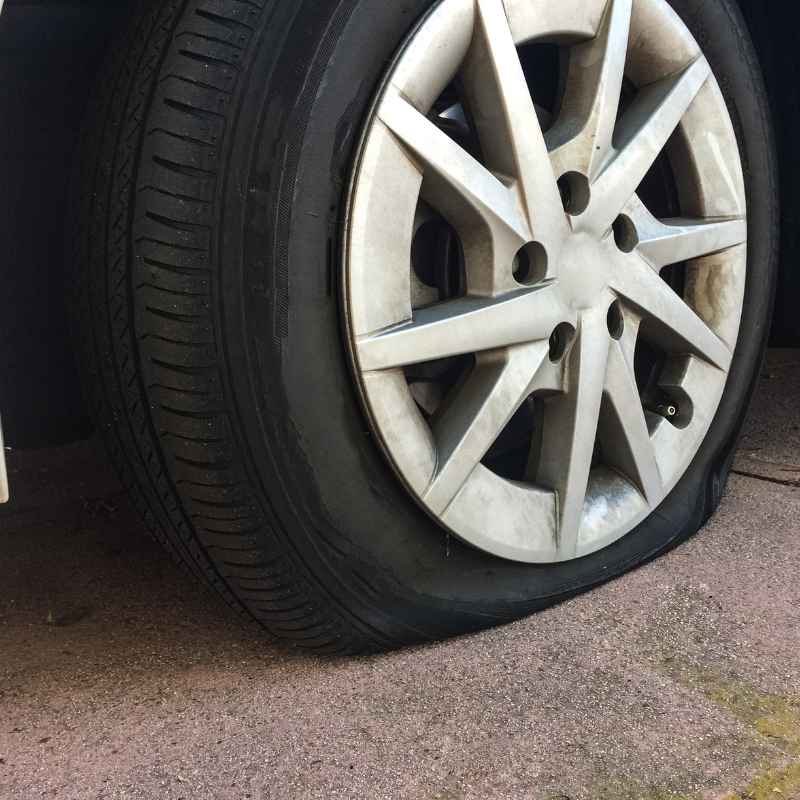
My Personal Flat Tire Fiasco
I remember one sweltering summer day, heading out for a weekend camping trip. I’d meant to check my tires earlier, but life got busy. Pulling out of my driveway, the dreaded low tire pressure light blinked on. “No problem,” I thought, “I’ll just top them up at the gas station down the road.”
I pulled up to the air pump, a little annoyed at myself for waiting. I unscrewed the cap from the front passenger tire and attached the air hose. I squeezed the trigger. Usually, I hear that satisfying rush of air. This time, though, it was eerily quiet. I pressed the trigger harder. Still nothing, just a faint whisper, if anything. My stomach dropped. The tire looked visibly flat. Was it a nail? A blowout? Panic started to bubble up. I checked the other tires – they were fine. This one was completely flat and refused to take any air. It felt like my entire weekend was about to be ruined by a stubborn piece of rubber.
Valve Stem Issues: The Tiny Roadblock
The valve stem is your tire’s gateway to air. If it’s damaged, it can’t seal properly or allow air to enter. This is a very common cause for a tire not taking air.
The Stubborn Valve Stem
The valve stem is a small, crucial part. It’s usually made of rubber or sometimes metal. Its job is to hold air inside the tire and let you add more when needed. But this little guy can cause big problems.
One of the most frequent issues is a bent or damaged valve stem. This can happen if you hit a pothole hard, curb your car, or even just from general wear and tear. A bent stem might not line up correctly with the air hose. The hose might not get a good seal. This prevents air from flowing in properly. It can also cause air to leak out.
Another problem is a cracked or worn-out rubber valve stem. Over time, the rubber can dry out, crack, and become brittle. This can create tiny holes or splits. Air might escape through these cracks. It can also make it hard for the air compressor nozzle to seal tightly.
Sometimes, the valve stem can become loose from the wheel. This creates a gap where air can escape. You might hear a faint hissing sound. It also means the air hose won’t get a good connection to push air into the tire. Most valve stems are quite sturdy, but they aren’t invincible. Their position on the wheel makes them a prime target for damage.
Valve Core Problems: The Gatekeeper
Inside the valve stem is the valve core. It’s a small pin that acts like a gate. If this gate is stuck or blocked, air can’t pass through.
The Grumpy Valve Core
The valve core is a small, vital component. It’s like a tiny, spring-loaded valve inside the valve stem. You need to press down on the pin in the center of the core to let air in or out. This system is designed to keep air in the tire automatically.
A common reason a tire won’t take air is a stuck or clogged valve core. This can happen for a few reasons. Dirt, debris, or even rust can get lodged inside the valve stem. This gunk can prevent the pin from being pushed down. It acts like a tiny barrier.
Sometimes, the spring mechanism inside the valve core can fail. It might get stuck in the closed position. This means even when you press the air hose nozzle onto it, the pin doesn’t get pushed down enough. The air just can’t get past it.
When you try to put air in, the air hose nozzle pushes on this pin. If the pin can’t move freely, air won’t enter. This is a very common issue. The good news is that valve cores are relatively inexpensive and can often be replaced easily. You can even try to clean them out yourself, but replacement is usually best.
Leaks Elsewhere: The Escaping Air
If there’s a significant leak somewhere else on the wheel or tire, air will escape faster than you can put it in.
The Great Escape: Tire Leaks
Sometimes, the problem isn’t that air can’t get in, but that it can’t stay in. This means there’s a leak somewhere else on your wheel assembly. If the leak is large enough, it will seem like the tire isn’t taking any air at all because it’s all escaping.
The most obvious leak is a puncture from a nail or screw. If a sharp object is in your tire, it creates a hole. Air will escape through this hole. With a small puncture, you might still be able to inflate the tire a bit. But with a larger one, or if the object is still lodged, the air loss is too fast.
Another common spot for leaks is where the tire meets the wheel rim. This is called the bead. If there’s dirt, corrosion, or damage on the rim or the tire bead, it can create a small gap. This gap allows air to slowly leak out. This can sometimes make it very difficult to inflate the tire, as the air escapes right at the edge.
Cracks in the tire sidewall or tread can also be a source of leaks. Older tires, or tires that have been exposed to harsh conditions, can develop these cracks. If a crack is large enough, air will rush out. This is a more serious issue, often meaning the tire needs to be replaced.
A damaged wheel rim itself can also cause leaks. If the rim is bent or has a crack, air can escape from there. This is less common but certainly possible, especially after hitting a large pothole or curb.
Air Compressor Nozzle Issues: The Connection Problem
Even if your valve stem and tire are fine, the air compressor itself might be the problem.
When the Air Hose Fails
You might have a perfectly good tire and valve stem, but the connection isn’t being made properly. This is often an issue with the air compressor nozzle you are using.
Many gas station air pumps use an air chuck that clamps onto the valve stem. If the clamp isn’t grabbing firmly, or if the rubber seal on the chuck is worn out, it won’t create a good seal. Air might escape around the nozzle, or it might not push air into the stem at all.
Some nozzles are the “push-on” type. These rely on a good fit and seal against the valve stem. If the nozzle is damaged, or if the valve stem is oddly shaped, this connection might not be tight enough. You’ll hear air escaping, and not enough will get into the tire.
It’s also possible that the air pump itself isn’t working correctly. The compressor might be off, or there might be an issue with the hose. Sometimes, a temporary electrical problem or a tripped breaker can disable the pump. It’s worth trying a different pump if you can.
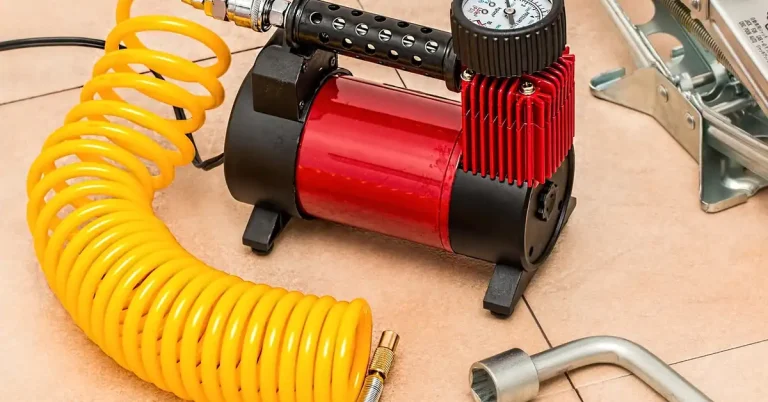
If you’re using a portable air compressor, check its hose and nozzle. Make sure it’s clean and undamaged. A damaged hose can also prevent air from reaching the tire.
Quick Scan: Is it the Air or the Tire?
A quick way to check if it’s the air source or the tire:
- Test the Air Source: Try the air hose on another tire. If it works there, the issue is likely with the tire or its valve stem.
- Listen Closely: When attaching the air hose, listen for hissing sounds. This indicates air escaping, likely from a bad seal at the valve stem or a leak.
- Visual Check: Look at the valve stem. Is it bent? Damaged? Is the tire completely flat, or just low?
Real-World Scenarios and Causes
Let’s look at some common situations you might find yourself in.
Scenario 1: The Flat Tire After a Long Drive
You’ve been on the road for hours, and suddenly you notice your car pulling to one side. You pull over, and the tire is flat. When you try to add air, it just doesn’t go in. This is often because a sharp object, like a nail, has embedded itself deep into the tire. The hole is large enough that the air escapes almost instantly. Or, the object might have dislodged, leaving a bigger, gaping hole.
Scenario 2: The Slowly Deflating Tire in Cold Weather
As temperatures drop, tire pressure naturally decreases. You notice one tire is always low. When you try to fill it, it feels like it’s taking forever or not at all. This could be a small leak at the valve stem where the rubber has shrunk slightly in the cold. Or, it could be a tiny puncture that only becomes apparent when the tire is very low.
Scenario 3: The Tire That Looks Fine But Won’t Inflate
This is where things get tricky. The tire looks okay, no obvious nails or damage. Yet, it refuses to take air. This points strongly to an issue with the valve core. It might be completely blocked or its internal mechanism is broken, preventing it from opening.
Scenario 4: The “Hissing” Tire That Won’t Fill
You attach the air hose, and you hear a steady hiss. You try to add air, but the pressure gauge barely moves. This is a classic sign of a leak. It could be the valve stem itself leaking, or a problem with the seal between the tire and the rim. The air is escaping from the same place it’s trying to enter, or nearby.
Understanding these scenarios helps pinpoint the likely cause. It’s not always the tire itself that’s the sole problem. The whole wheel assembly and air delivery system work together.
What This Means for You: When to Worry and When Not To
Most of the time, a tire not taking air is a fixable problem. But it’s important to know when it’s just a minor annoyance and when it’s a sign of something more serious.
When it’s probably normal:
- Slight resistance when filling: If you feel some back pressure or have to push a bit harder on the air nozzle, it might just be the valve core doing its job.
- A temporary issue with the air pump: If the pump at the gas station seems weak or the nozzle doesn’t seal well, try another pump or a different location.
- A slow leak that you can fix: A small nail that can be plugged or a valve core that needs replacing are usually minor issues.
When to worry:
- Completely flat tire: If the tire is completely flat and won’t hold any air, do not drive on it. This can damage the wheel and the tire further.
- Sidewall damage: If you see any cracks, bulges, or cuts on the sidewall of the tire, it’s unsafe and needs immediate attention. Air may be escaping through these weak points.
- Bent or damaged wheel rim: If you suspect the rim is bent or cracked, this is a serious safety concern and the wheel may need to be replaced.
- Persistent leaks: If you can’t keep air in the tire even after trying to fix it, or if it deflates very quickly, it’s time to see a professional.
Simple checks can save you a lot of time and money. Knowing when to call for help is also part of smart car maintenance.
Quick Fixes and Tips
Here are a few things you can try yourself:
1. Check the Valve Core:
If the tire won’t take air, the valve core might be stuck. You can try gently pressing the pin in the center of the valve core with a small tool (like the back of a tire pressure gauge or a small screwdriver). Be careful not to bend it. Sometimes, a little nudge is all it needs to free it up.
2. Replace the Valve Core:
Valve cores are cheap and easy to
3. Inspect the Air Chuck:
If you’re using a portable air compressor, ensure the nozzle is clean and the rubber seal is intact. If you’re at a gas station, try wiggling the nozzle on the valve stem to get a better seal. Sometimes, the angle makes a difference.
4. Listen for Leaks:
If you suspect a leak, try spraying soapy water around the valve stem and the bead of the tire. Bubbles will form where air is escaping.
5. Don’t Force It:
If you can’t get air in or suspect a major issue, don’t keep trying to force it. This could potentially damage the valve stem or make the problem worse. It’s time to call for roadside assistance or head to a mechanic.
Remember, safety first. If you’re unsure, it’s always best to consult a tire professional.

Frequently Asked Questions
Here are some common questions people have about tires that won’t take air.
Can a blocked valve core cause a tire to not take air?
Yes, absolutely. The valve core is like a small gatekeeper. If dirt, debris, or rust clogs it, or if its internal spring mechanism fails, it can stay shut. This prevents air from entering the tire, making it seem like it’s not taking any air.
My tire is completely flat, and air won’t go in. What should I do?
Do not drive on a completely flat tire. It can damage the wheel and the tire structure beyond repair. If you can’t identify and fix a simple issue like a stuck valve core, call for roadside assistance. They can either tow your vehicle or help you change to your spare tire.
How do I know if the valve stem is bad?
A bad valve stem might be visibly bent, cracked, or crumbling. You might also hear a faint hissing sound coming from it, especially if it’s old rubber. If the air nozzle struggles to get a good seal, or if air leaks out around it when you try to inflate, the stem could be the problem.
Can a damaged wheel rim prevent air from going in?
Yes. If a wheel rim is bent, cracked, or has significant corrosion on the bead seat (where the tire touches the rim), it can create gaps. Air could escape through these gaps faster than you can add it, making it seem like the tire isn’t taking air. This is a serious issue that usually requires rim repair or replacement.
Is it okay to drive if my tire isn’t taking air?
Only if the tire is not significantly deflated. If the tire is very low or completely flat, driving on it can cause permanent damage to the tire and the wheel, and it is unsafe. If you cannot inflate the tire, it’s best to get it checked by a professional or use your spare.
What if the air pump at the gas station isn’t working?
It’s possible the pump is out of order, or there’s an issue with the air hose or nozzle. Try using a different pump at the same station. If that also fails, try a different gas station or use a portable air compressor if you have one. Sometimes the problem is simply with the air source, not your tire.
Conclusion
It’s definitely a hassle when your car tire won’t take air, but as we’ve explored, it’s usually a solvable issue. The main culprits are typically the valve stem, the valve core, leaks elsewhere, or problems with the air delivery system. By understanding these common causes and performing simple checks, you can often get your tire inflated and back on the road.
Don’t hesitate to try a new valve core if needed, or to seek professional help if you suspect a more significant problem with the tire or rim. Keeping your tires properly inflated is key to safety and fuel efficiency, so tackling this problem promptly is always a good idea.
See also when can car tyres be repaired vs replaced know the rules.
Products related to this article
Sponsored / affiliate links. As an Amazon Associate I earn from qualifying purchases. I may earn additional commission from eligible campaigns.
 GSPSCN 12V Heavy Duty Tire Inflator Metal Portable Air Compressor Pump | 6X Faster Inflation Dual Cylinders 150PSI Air Pump with Adapter for Car, RV,Pickup Truck, SUV, Van,Camper
 ELKATECH 8.5" Rear Wheel Assembly for Xiaomi M365 / 1S / Pro/Pro 2 & Gotrax GXL V2 / XR - Solid Honeycomb Tire, Puncture-Proof, with Pre-Installed Hub & Brake Disc - Easy Installation