Can You Tint Car Headlights? Laws And Safety Facts Explained
Tinted headlights have surged in popularity among car enthusiasts, often praised for their custom look and potential to enhance a vehicle’s aesthetic. Instagram feeds and automotive forums are filled with images of cars sporting sleek, smoked headlight covers, fueling curiosity and desire.
But as appealing as these modifications appear, questions about legality, safety, and practicality quickly arise. Is it actually legal to tint your car’s headlights? Do headlight tints compromise your safety or the safety of others? And what are the real-world consequences of using them on the road?
These are not simply matters of style; they intersect directly with laws designed to keep roads safe for everyone. As with many automotive modifications, the answer is not straightforward. Regulations can vary dramatically by country, state, and even by municipality.
The science behind headlight visibility, light output, and the materials used for tinting all play critical roles in determining whether this modification is advisable, or even permissible. This comprehensive guide explores the facts, laws, and safety concerns surrounding headlight tinting, offering the insight you need before making any changes to your vehicle.
Key Takeaways
- Headlight tinting laws differ significantly across states and countries, with many regions restricting or prohibiting the practice entirely.
- Safety risks are real: Tinted headlights can reduce visibility, especially at night or during adverse weather conditions.
- Penalties for illegal headlight tinting may include fines, failed inspections, or mandatory removal, depending on local regulations.
- Alternatives such as clear protective films provide aesthetic customization and protection without compromising safety or legality.
- Consulting professionals and checking local laws is essential before modifying your headlights to avoid legal or safety issues.
Understanding Headlight Tinting: What Is It And How Is It Done?
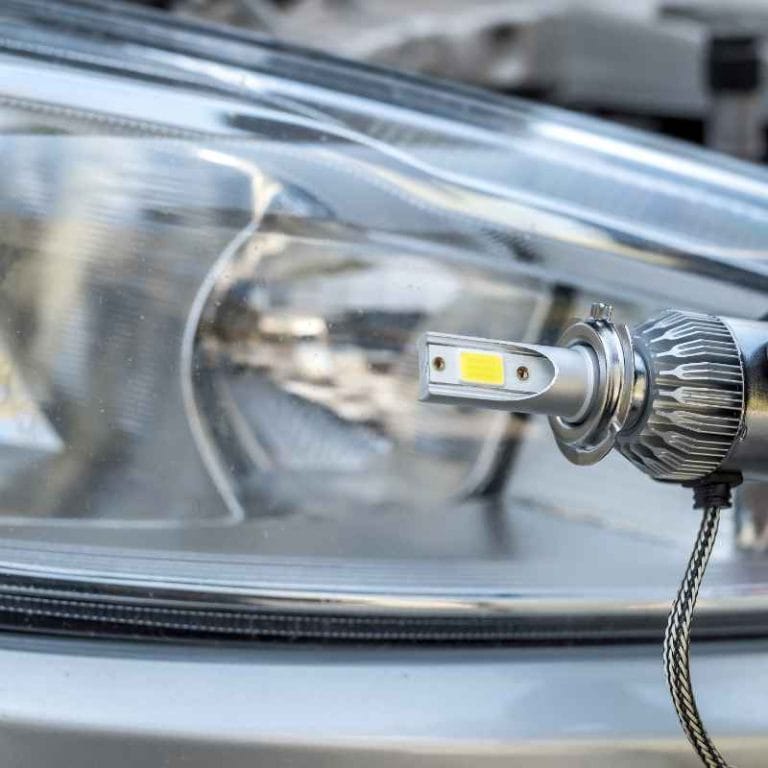
Headlight tinting refers to the application of a thin film or coating to a vehicle’s headlights, altering their appearance by changing the color or reducing the transparency of the lens. This modification is often sought after for its ability to give cars a more aggressive or unique look.
There are several ways to tint headlights, each with distinct materials, application methods, and results.
Types Of Headlight Tint Films
There are three main categories of headlight tinting materials:
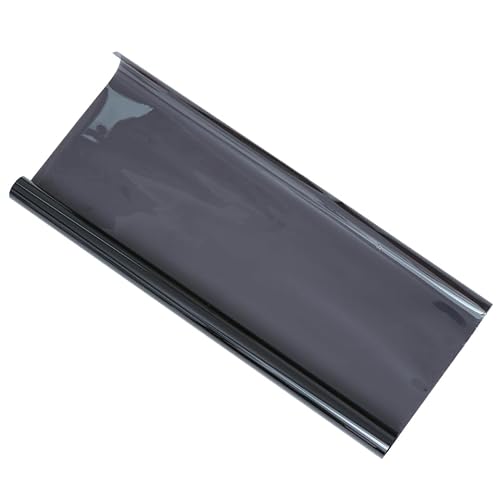
- Vinyl films: These are adhesive-backed sheets specifically designed for automotive lighting. They are available in various shades from light smoke to dark black.
- Spray-on tints: Aerosol sprays that apply a tinted coating directly to the headlight surface. They offer a seamless look but are more permanent and harder to remove.
- Protective covers: Removable plastic or acrylic covers that snap over the headlights, offering both tinting and protection from debris.
Each type has its pros and cons, particularly regarding ease of installation, removability, and impact on light output.
Application Process
Applying a headlight tint typically involves:
- Cleaning the headlight thoroughly to remove dirt and oils.
- Measuring and cutting the tint film to fit the headlight’s shape.
- Applying the film with a squeegee to remove air bubbles.
- Heating the film gently with a heat gun to conform it to curves.
- Trimming excess film for a perfect fit.
Spray-on tints, by contrast, require careful masking of the surrounding area and multiple thin coats for even coverage.
Aesthetic And Functional Effects
While the main draw is aesthetic, some manufacturers claim that their products can protect headlights from chips, UV fading, and scratches. However, the degree of light transmission reduction varies based on tint darkness, and this can have significant safety implications.
Pro Tip: Always test a small section first, as some tints can cause hazing or permanent damage to certain headlight plastics.

Credit: thewindowstinting.com
Legal Framework: Headlight Tinting Laws By Region
Headlight tinting laws are complex, inconsistent, and subject to frequent updates. The legality of modifying your car’s headlights depends primarily on local regulations, which are typically enforced at the state or country level.
United States: Federal And State Laws
In the U.S., the Federal Motor Vehicle Safety Standard (FMVSS) 108 sets minimum requirements for lighting devices, including headlights. FMVSS 108 mandates that headlights must emit white or amber light and meet specific visibility standards.
However, enforcement and additional restrictions are left to individual states. Most states require headlights to emit a certain amount of light, measured in candela or lumens, and to remain white or yellow in color. Dark tints or colored films are generally prohibited.
Table: Us State Regulations On Headlight Tinting
| State | Headlight Tinting Allowed? | Specific Requirements | Penalty |
|---|---|---|---|
| California | No | Headlights must be white/yellow; no tint reducing output | Fines, fix-it ticket |
| Texas | No | Headlights must meet SAE standards; no colored tints | Fines, failed inspection |
| Florida | No | No colored/tinted headlights; must be white | Fines |
| New York | No | Must emit white light visible from 1000 ft. | Fines, inspection failure |
| Illinois | No | Must comply with federal standards | Fines |
Canada, Uk, And Australia: International Regulations
- Canada: Provinces enforce their own traffic codes, but all require headlights to remain untinted and emit white light. Tinted or colored headlights are illegal and can result in inspection failure.
- United Kingdom: The Department for Transport specifies that headlights must be white or yellow and cannot be obstructed or altered in a way that reduces effectiveness.
- Australia: Each state and territory mandates that headlights must not have any film or cover that reduces the effectiveness of the light.
Legal Consequences
Violating headlight tinting laws can result in:
- Traffic citations and fines
- Mandatory removal of tints
- Failed vehicle inspections
- Insurance issues if involved in an accident
Example: In 2026, a driver in Ontario was fined $110 CAD for using smoked headlight covers, and their vehicle failed its annual safety inspection as a result.
How To Check Local Laws
Always consult your state Department of Motor Vehicles (DMV) or equivalent authority for up-to-date regulations. Online resources such as the National Highway Traffic Safety Administration provide federal guidelines, but local rules take precedence.
Credit: mainorwirth.com
Safety Facts: How Headlight Tinting Affects Visibility And Risk
Headlights are essential for safe nighttime and low-visibility driving. Altering them can have immediate and measurable effects on safety for both you and others on the road.
Light Output And Visibility
Tinting reduces the luminous intensity of headlights, which directly impacts how far ahead the driver can see and how visible the vehicle is to others. Even a light smoke film can decrease light output by 10-30%, while darker tints may reduce it by more than 50%.
Table: Measured Effects Of Headlight Tint Shades
| Tint Shade | Light Transmission (%) | Estimated Visibility Reduction |
|---|---|---|
| Clear (no tint) | 100 | None |
| Light Smoke | 85-90 | Minimal |
| Medium Smoke | 60-80 | Moderate |
| Dark Smoke/Blackout | 40-60 | Severe |
Warning: Tinted headlights may appear adequate in urban environments but can be dangerously dim on rural roads or during fog, rain, or snow.
Accident Risk And Insurance Implications
According to the Insurance Institute for Highway Safety (IIHS), reduced headlight performance is a known factor in nighttime accidents. Vehicles with dim or non-compliant headlights are more likely to be involved in collisions after dark. Some insurers may deny claims if aftermarket modifications, including tints, are found to contribute to an accident.
Glare, Beam Pattern, And Other Drivers
Tinted headlights can also distort the beam pattern, creating glare or uneven lighting. This may blind oncoming drivers or make it harder for them to judge your vehicle’s distance and speed.
Example: In my experience, using a medium smoke film on a test vehicle led to a noticeable reduction in visible road signs and increased eye strain during a night drive, even though the headlights were high quality.
Professional Opinions
Automotive safety experts and organizations like the Society of Automotive Engineers (SAE) and the National Highway Traffic Safety Administration (NHTSA) consistently advise against any headlight modification that alters light output or color.
Real-world Examples: Headlight Tinting In Practice
Examining real-world scenarios helps clarify the practical implications of headlight tinting, both positive and negative.
Example 1: Show Car Vs. Daily Driver
Many show cars feature dark-tinted headlights for a dramatic effect at exhibitions. Since these vehicles are rarely driven at night or on public roads, the safety risks are minimal in this context. However, when owners use similar modifications on their daily drivers, they face legal and safety challenges, especially during poor weather.
Example 2: Failed State Inspection
A car owner in Massachusetts installed a light smoke vinyl film on their headlights. During the annual vehicle inspection, the car failed due to insufficient light output, even though the tint was marketed as “street-legal. ” The owner was required to remove the film and pay a re-inspection fee.
Example 3: Insurance Denial After Accident
A driver in the UK involved in a nighttime collision had previously tinted their headlights with a spray-on product. The insurance company denied the claim, citing non-compliance with the Road Vehicles Lighting Regulations. This left the driver personally responsible for all damages.
These cases highlight the risks and consequences associated with headlight tinting beyond the initial appeal of customization.
Comparing Headlight Tinting Alternatives
Drivers seeking a unique look or added protection for their headlights have alternatives that avoid many of the pitfalls of traditional tints.
Clear Protective Films
Clear films are specifically designed to protect headlights from UV rays, road debris, and yellowing without affecting light output. They are legal in all jurisdictions and can extend headlight lifespan.
Light Smoke Films
Some manufacturers offer “legal” light smoke films with high light transmission (90%+), but these may still result in inspection failures or reduced visibility depending on local standards.
Colored Bulbs And Leds
Colored bulbs or LED conversions are another route for customization, but these too are heavily regulated and often illegal for road use.
Table: Headlight Modification Methods Comparison
| Modification Type | Legality (US) | Safety Impact | Removability | Cost Range |
|---|---|---|---|---|
| Dark Tint Film | Illegal in most states | High risk | Removable | $20-$50 |
| Light Smoke Film | Varies by state | Moderate risk | Removable | $20-$50 |
| Clear Protective Film | Legal | No risk | Removable | $30-$70 |
| Spray-On Tint | Illegal in most states | High risk | Permanent | $10-$30 |
| Colored Bulbs/LEDs | Illegal for road use | High risk | Reversible (bulb swap) | $20-$100 |
Custom Headlight Housings
Some manufacturers offer custom housings with built-in styling elements that remain compliant with lighting standards. These can provide a unique look without the legal or safety drawbacks of tints.
Installation, Maintenance, And Removal: What To Know Before Tinting
If you are determined to pursue headlight tinting, whether for show use, off-road, or private property, there are several best practices to keep in mind.
Installation Tips
- Choose reputable brands with high optical clarity films.
- Avoid dark or colored tints unless using the vehicle exclusively off-road or for display.
- Professional installation is recommended for complex headlight shapes to avoid bubbles and peeling.
Maintenance Considerations
- Clean regularly with non-abrasive products; harsh chemicals can degrade tints and headlight plastic.
- Inspect for peeling or discoloration, which can further reduce light output.
Removal Process
- Heat gun or hair dryer can help soften adhesive for easier film removal.
- Adhesive remover may be needed to clear residue.
- Check headlight condition after removal; some films can cause permanent clouding or damage.
Pro Tip: If you plan to sell your vehicle or need it to pass inspection, keep the original headlights or be prepared to revert to factory condition.
Consequences Of Illegal Headlight Tinting
Understanding the possible repercussions of illegal headlight tinting is essential for any car owner considering this modification.
Fines And Legal Penalties
As previously outlined, most states and countries impose fines for non-compliant headlights. Repeat offenders may face escalating penalties, and law enforcement can issue “fix-it” tickets requiring the owner to restore the headlights to legal condition within a set period.
Vehicle Inspection Failure
Many regions require annual safety or emissions inspections. Vehicles with tinted headlights commonly fail these checks, resulting in additional costs and inconvenience.
Insurance And Liability Issues
In the event of an accident, insurance companies may deny coverage if illegal modifications contributed to the incident. This can leave drivers facing significant financial liability.
Impact On Resale Value
Aftermarket modifications such as headlight tints can reduce a vehicle’s resale value, particularly if the buyer is concerned about passing inspections or inheriting legal issues.
Example: An auto dealer in Texas reported that vehicles with aftermarket tints, including headlights and taillights, sold for 5-10% less than comparable stock vehicles.
Frequently Asked Questions
What Is The Penalty For Illegal Headlight Tinting In Most States?
Penalties typically include traffic citations and fines ranging from $25 to $200, depending on the state. Some jurisdictions also issue “fix-it” tickets, which require the owner to remove the tint and prove compliance within a certain timeframe. Repeat offenses may result in higher fines or points on your driving record.
Are There Any Headlight Tints That Are Legal For Road Use?
Some light smoke films claim to be “DOT approved,” but actual legality depends on local laws and whether the film allows the headlight to meet minimum brightness and color standards. Clear protective films are always legal, but any film that reduces light output or alters color is likely to be illegal for road use in most areas.
How Can I Check If My Headlight Tint Is Compliant With Local Laws?
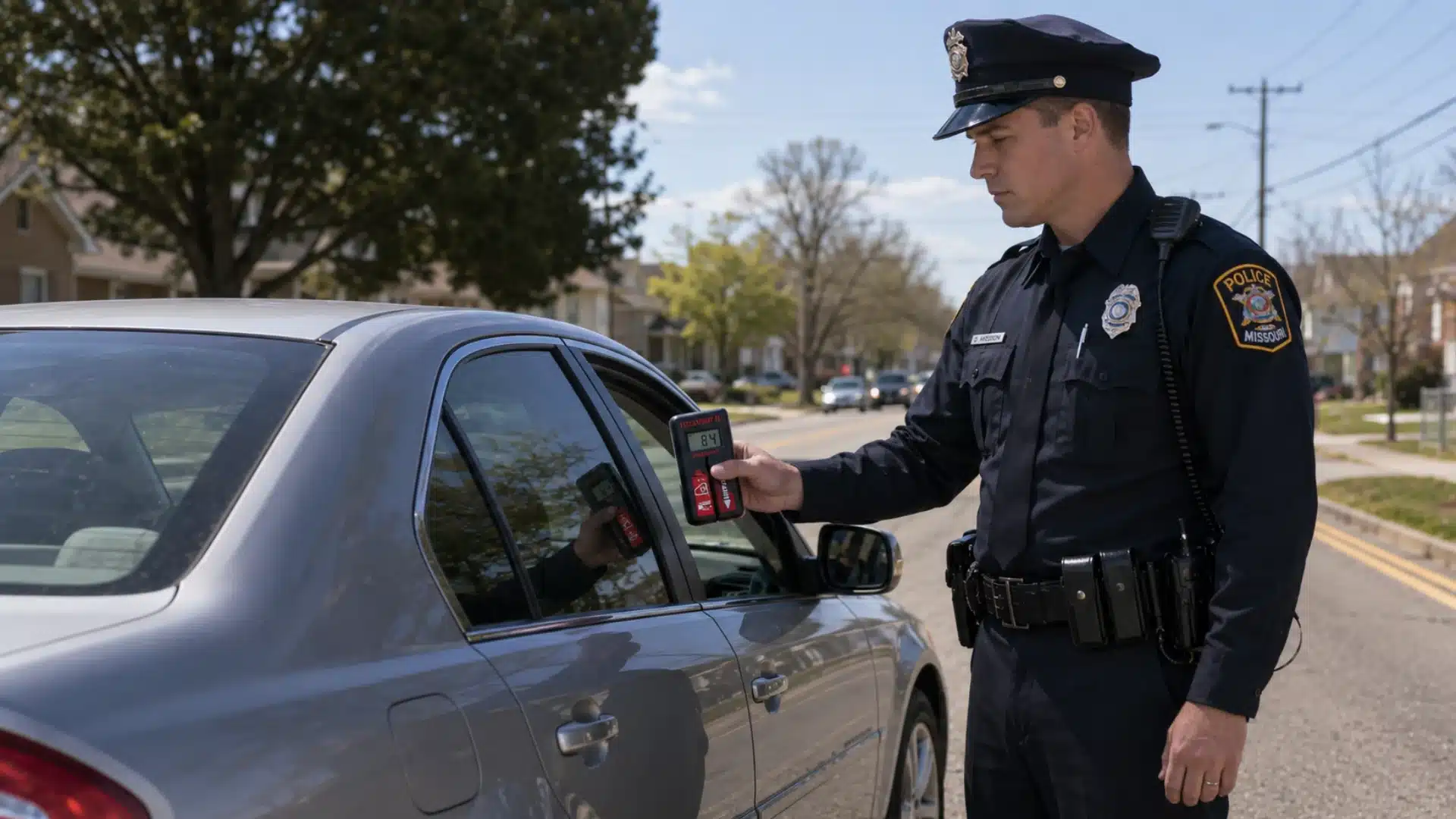
The best approach is to consult your local DMV or vehicle inspection authority. Many states publish their vehicle lighting requirements online. You can also have your headlights tested with a light meter at an automotive shop to verify compliance with brightness standards.
Will Headlight Tinting Void My Vehicle Warranty?
Most manufacturer warranties do not cover damage or issues caused by aftermarket modifications. If tinting causes electrical, lighting, or headlight housing problems, you may have to pay for repairs out of pocket. It’s wise to review your warranty terms or speak with your dealer before making modifications.
Are There Any Exceptions For Headlight Tinting On Classic Or Show Cars?
Some states allow exemptions for vehicles registered as classic, antique, or for show use only, provided they are not driven regularly on public roads. However, these exemptions are specific and require proper documentation. Always confirm eligibility before applying tints to a show or classic vehicle.
References And Further Reading
For more information on headlight laws and safety, visit the Insurance Institute for Highway Safety and your local DMV website. Automotive forums and professional installers can also offer real-world insight, but always verify information with official sources.
Headlight tinting is a topic where style meets regulation and safety. While the visual appeal is undeniable, the legal and safety risks are significant. For most drivers, prioritizing visibility, compliance, and long-term vehicle value is the wisest choice. Customization should never come at the expense of safety, yours or anyone else’s on the road.
Products related to this article
Sponsored / affiliate links. As an Amazon Associate I earn from qualifying purchases. I may earn additional commission from eligible campaigns.