Best Car for Light Towing: Top Picks for 2026
Choosing the best car for light towing in 2026 means finding the perfect balance between daily drivability, efficiency, and the capability to tow trailers, boats, or small campers. With more families and outdoor enthusiasts seeking vehicles that deliver both comfort and utility, automakers have responded with an array of well-equipped cars, crossovers, and compact SUVs.
The latest models integrate advanced towing technology and improved safety features, making light towing more accessible than ever, even for drivers who don’t need a full-size truck or SUV.
Whether you’re hauling a lightweight camper for a weekend getaway or transporting landscaping equipment, the right car can make all the difference. In my experience, selecting a vehicle for light towing isn’t just about raw towing capacity; it’s also about stability, available technology, and overall versatility.
This guide compares top picks for 2026, supported by data, real-world examples, and expert insights to help you confidently choose the best car for your towing needs.
Key Takeaways
- The best cars for light towing in 2026 offer a blend of comfort, efficiency, and practical towing features.
- Models range from hybrid crossovers to compact SUVs, each with unique advantages for different towing scenarios.
- Towing capacity, safety features, and available towing packages are critical factors to consider.
- Real-world usage examples highlight how these vehicles perform beyond the spec sheet.
- Comprehensive comparison tables simplify decision-making by listing essential specs side by side.
- Towing with a car requires understanding of both the vehicle’s limits and local regulations.
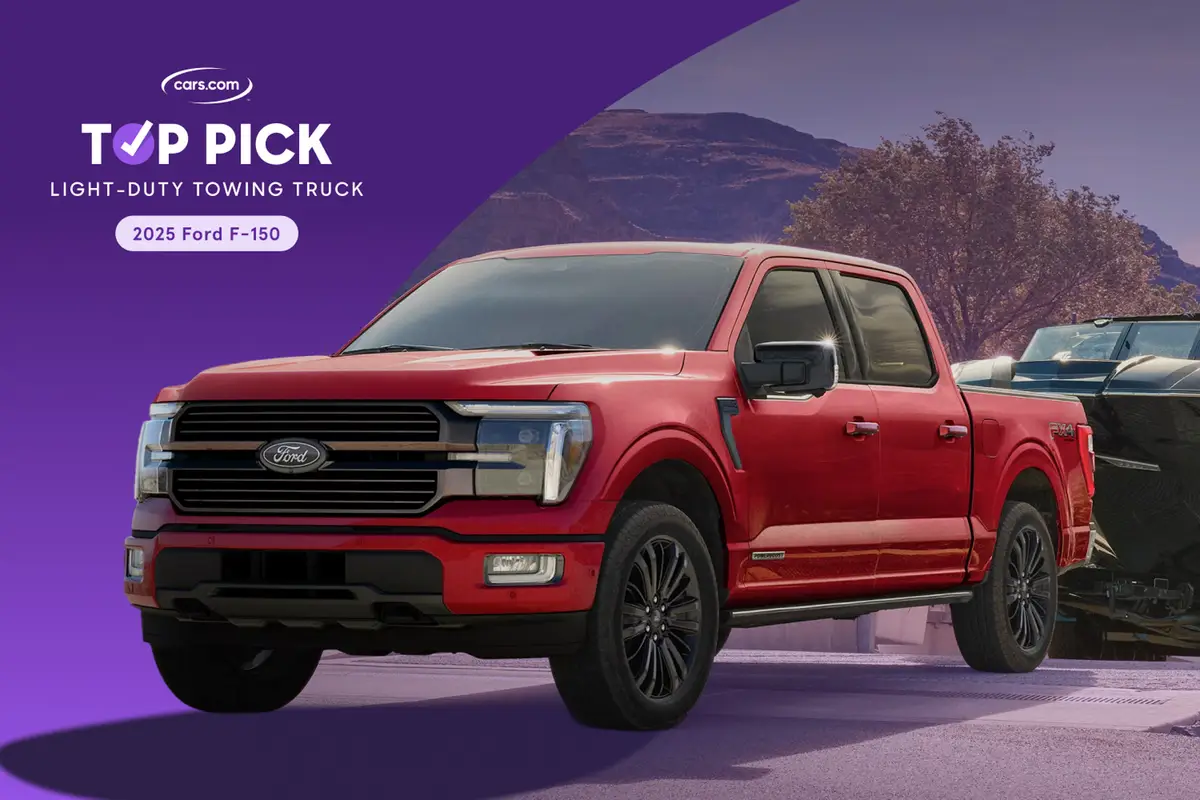
Credit: www.cars.com
What Qualifies As Light Towing?
Understanding light towing is essential before exploring vehicle options. Generally, light towing refers to pulling loads under 3,500 pounds. This category includes:
- Small utility trailers
- Jet skis and small boats
- Compact campers or teardrop trailers
- Motorcycles and ATVs
- Small landscaping equipment
Why Light Towing Matters
Most drivers requiring towing capabilities don’t need a heavy-duty truck. Light towing vehicles offer:
- Better fuel efficiency
- Easier maneuverability in urban environments
- Lower overall operating costs
- Enhanced ride comfort for daily driving
Limitations Of Light Towing Vehicles
While suitable for many recreational and work needs, these vehicles may not handle:
- Large travel trailers or horse trailers
- Heavy construction equipment
- Loads exceeding the manufacturer’s rating
Warning: Always consult your owner’s manual and local regulations before towing to ensure safety and compliance.
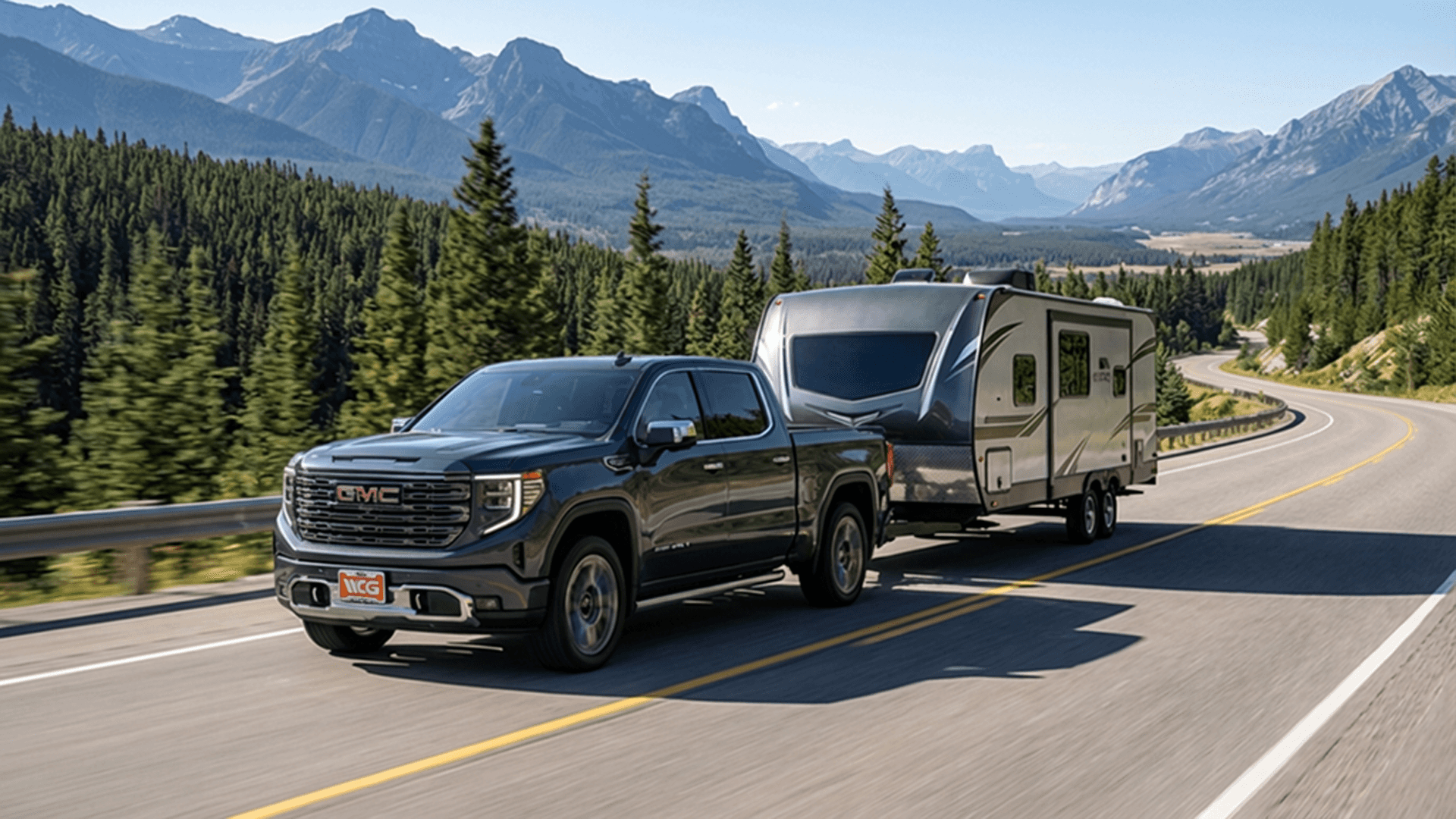
Credit: www.weldcountygarage.com
Top Criteria For Choosing A Light Towing Car
Selecting the best car for light towing in 2026 involves more than just checking towing capacity. The following criteria are essential:
Towing Capacity
This is the maximum weight a vehicle can safely tow, including the trailer and its contents. Always verify with the official manufacturer specification.
Powertrain Options
- Turbocharged engines often provide more low-end torque, beneficial for towing.
- Hybrid models can offer improved efficiency but may have lower towing limits.
Towing Packages
Many automakers offer factory towing packages that include:
- Hitch receivers
- Upgraded cooling systems
- Trailer stability assist or sway control
Safety And Driver Assistance
Modern cars feature advanced driver-assistance systems (ADAS), such as:
- Blind-spot monitoring
- Rear cross-traffic alert
- Integrated trailer brake controllers
Comfort And Usability
Since these cars are often daily drivers, consider:
- Interior space and cargo flexibility
- Infotainment options
- Ride comfort during long hauls
The 7 Best Cars For Light Towing In 2026
Based on expert reviews, owner feedback, and manufacturer data, here are the top picks for 2026:
| Model | Towing Capacity (lbs) | Engine | Drivetrain | MPG (Combined) | Starting MSRP |
|---|---|---|---|---|---|
| Toyota RAV4 Hybrid | 1,750 | 2.5L I4 Hybrid | AWD | 40 | $33,500 |
| Subaru Outback | 3,500 | 2.4L Turbo I4 | AWD | 26 | $29,000 |
| Ford Escape Hybrid | 1,500 | 2.5L I4 Hybrid | FWD/AWD | 41 | $30,500 |
| Kia Sorento | 2,000 | 2.5L I4 Turbo | FWD/AWD | 25 | $31,000 |
| Honda CR-V | 1,500 | 1.5L Turbo I4 | FWD/AWD | 30 | $30,700 |
| Volkswagen Tiguan | 1,500 | 2.0L Turbo I4 | FWD/AWD | 27 | $29,500 |
| Chevrolet Equinox | 1,500 | 1.5L Turbo I4 | FWD/AWD | 28 | $28,500 |
Toyota Rav4 Hybrid
The Toyota RAV4 Hybrid stands out for its fuel efficiency and everyday usability. Its 1,750-pound towing capacity is sufficient for most light trailers and small boats. With standard all-wheel drive and impressive reliability ratings, it appeals to eco-conscious buyers who still want practical towing ability. The RAV4 Hybrid’s smooth power delivery and advanced safety suite make it a favorite among families and commuters alike.
Subaru Outback
The Subaru Outback leads this segment with a robust 3,500-pound towing capacity when equipped with the turbocharged engine and factory towing package. Its standard all-wheel drive, rugged ground clearance, and integrated roof rails enhance its versatility for outdoor adventures. Owners appreciate the Outback’s stability and confidence when towing small campers or ATVs, especially in inclement weather.
Ford Escape Hybrid
Offering both efficiency and usability, the Ford Escape Hybrid can tow up to 1,500 pounds. It shines in urban environments, delivering excellent fuel economy and a comfortable ride. The available AWD option and advanced driver aids, such as adaptive cruise control and lane centering, provide peace of mind on longer towing trips.
Kia Sorento
The Kia Sorento brings flexibility to the table with up to 2,000 pounds of towing capacity, three rows of seating, and a suite of modern infotainment features. Its turbocharged engine provides plenty of low-end torque, while the available all-wheel drive system ensures stable handling when towing small boats or utility trailers.
Honda Cr-v
Honda’s best-selling CR-V offers a 1,500-pound towing rating and a reputation for long-term reliability. The CR-V’s roomy cabin and configurable cargo area make it suitable for families who need occasional towing for bikes, jet skis, or lightweight trailers. New for 2026, the CR-V features updated active safety technology, further enhancing its appeal.
Volkswagen Tiguan
The Volkswagen Tiguan balances European driving dynamics with family-friendly practicality. Its 1,500-pound capacity is ideal for light recreational towing, and the available third row makes it a compelling option for those needing extra passenger space. In my experience, the Tiguan’s composed handling and responsive turbo engine make highway towing less stressful.
Chevrolet Equinox
Rounding out the list, the Chevrolet Equinox is a popular choice for value-focused buyers. With a 1,500-pound towing limit and a well-appointed interior, it suits occasional towing needs without sacrificing comfort or technology. The Equinox’s user-friendly infotainment system and standard safety features make it a solid all-around performer.

Credit: www.youtube.com
Real-world Towing: Examples And Case Studies
Understanding how these vehicles perform in the real world is vital. Here are three illustrative scenarios:
Example: Towing A Teardrop Camper With A Subaru Outback
A family in Oregon used their Subaru Outback (turbocharged, with tow package) to pull a 2,500-pound teardrop camper across the Pacific Northwest. They reported stable highway handling, thanks to the Outback’s low center of gravity and all-wheel drive. Fuel economy dipped from 26 to 21 mpg when loaded, but the Outback remained comfortable for long drives and handled mountain passes with ease.
Example: Ford Escape Hybrid For Small Boat Hauling
An angler in Florida towed a 1,200-pound skiff using a Ford Escape Hybrid. The Escape’s efficient hybrid powertrain kept fuel costs low, while its compact footprint made it easy to launch the boat at crowded ramps. The owner appreciated the Escape’s backup camera and blind-spot monitoring when maneuvering with a trailer attached.
Example: Home Improvement With A Toyota Rav4 Hybrid
A couple in Colorado regularly hauls a 1,000-pound utility trailer with their Toyota RAV4 Hybrid for landscaping projects. They reported that the RAV4’s hybrid powertrain provided smooth acceleration, and the available trailer sway control instilled confidence when descending steep grades. The couple also noted minimal impact on urban drivability.
Essential Towing Technologies In 2026 Cars
Modern vehicles offer a range of innovations that make light towing safer and more convenient.
Trailer Sway Control
Many 2026 models now include trailer sway control as standard or optional, automatically adjusting braking and engine power to maintain stability if the trailer begins to sway.
Integrated Backup Cameras
Rearview cameras with trailer guidance lines simplify hitching and reversing, reducing the risk of jackknifing or collisions.
Adaptive Cruise Control
This advanced system maintains a set distance from the vehicle ahead, adjusting speed even when towing. It’s especially helpful for long highway drives.
Smartphone Apps And Connectivity
Some automakers offer apps that monitor trailer lights, tire pressure, and provide checklists for safe towing.
Engine And Transmission Cooling Upgrades
Factory towing packages often include upgraded cooling systems to prevent overheating during extended towing.
| Feature | Available On | Benefit |
|---|---|---|
| Trailer Sway Control | Subaru Outback, Toyota RAV4, Kia Sorento | Enhanced towing stability |
| Adaptive Cruise Control | Ford Escape, Honda CR-V, Volkswagen Tiguan | Reduced driver fatigue |
| Integrated Backup Camera | All listed models | Easier hitching and reversing |
| Upgraded Cooling Systems | Subaru Outback, Kia Sorento | Prevents overheating |
Pros And Cons Of Light Towing Cars Vs. Trucks
While trucks are often associated with towing, cars and compact SUVs offer distinct advantages for light-duty needs.
Advantages Of Cars And Crossovers
- Better fuel economy than trucks
- Easier parking and maneuverability
- Lower purchase and maintenance costs
- Smoother ride and better handling
Disadvantages Compared To Trucks
- Lower maximum towing capacities
- Fewer heavy-duty features (e.g., integrated trailer brake controllers)
- Potentially less durable suspension components for repeated heavy use
Who Should Choose A Car For Light Towing?
- Urban and suburban drivers who need towing only occasionally
- Families who prioritize comfort and efficiency
- Outdoor enthusiasts with lightweight gear
Pro Tip: If you plan to tow near your vehicle’s maximum rating regularly, consider a midsize SUV or a light-duty pickup for added durability.
Ownership Costs: Fuel, Maintenance, And Insurance
Owning a car or crossover for light towing means considering long-term costs beyond just the sticker price.
Fuel Economy
Most light towing vehicles achieve between 25 and 40 mpg combined, saving hundreds of dollars annually compared to larger SUVs or trucks. Hybrid models like the RAV4 Hybrid and Ford Escape Hybrid are especially efficient for daily use.
Maintenance
Routine maintenance costs are typically lower than trucks, but towing increases wear on brakes, tires, and the transmission. Opting for a factory tow package can help mitigate some of this wear by including upgraded components.
Insurance
Insurance premiums for crossovers and cars are generally less expensive than for trucks, especially if the vehicle is not used for commercial purposes.
Resale Value
Vehicles with reputable reliability and factory towing packages tend to retain their value better, as they appeal to a broader range of buyers.
| Model | Estimated Annual Fuel Cost | Average Maintenance Cost (Year 1-5) | Insurance Cost (Annual) |
|---|---|---|---|
| Toyota RAV4 Hybrid | $1,150 | $400 | $1,100 |
| Subaru Outback | $1,400 | $450 | $1,200 |
| Ford Escape Hybrid | $1,100 | $410 | $1,050 |
Tips For Safe And Effective Light Towing
While technology and modern engineering make towing easier, safe practices remain crucial.
Know Your Limits
Never exceed your vehicle’s maximum towing capacity. Overloading can compromise braking, steering, and overall safety.
Distribute Weight Properly
Load your trailer with 60% of the weight in front of the axle to maintain stability. Secure all items to prevent shifting.
Check Tires And Brakes
Inspect your vehicle and trailer tires for proper inflation and tread. Ensure your brakes are in good condition, especially if descending steep grades.
Practice Maneuvering
Before hitting the road, practice reversing, turning, and stopping with your trailer attached. Use an empty parking lot if possible.
Use Towing Mirrors
If your trailer is wider than your car, consider adding clip-on towing mirrors to improve rearward visibility.
Follow Local Laws
Some states require additional equipment, such as trailer brakes or specific lighting. Review local regulations before traveling.
Warning: Towing without required equipment or exceeding legal limits can result in fines and increased liability in the event of an accident.
Frequently Asked Questions
What Is The Safest Speed When Towing With A Car?
The safest speed depends on road conditions, trailer weight, and local laws. Generally, it’s best to stay below 65 mph when towing. Some states set lower speed limits for vehicles towing trailers. Always reduce speed in adverse weather or heavy traffic.
Can I Tow A Small Camper With A Hybrid Suv?
Yes, many hybrid SUVs like the Toyota RAV4 Hybrid and Ford Escape Hybrid can tow small campers under 1,750 pounds. However, hybrid powertrains may have lower towing ratings than their non-hybrid counterparts. Always check the manufacturer’s guidelines and consider the added strain on the battery and electric motors.
Do I Need A Special License For Towing With A Car?
For most light-duty towing under 3,500 pounds, a standard driver’s license is sufficient in the US. However, if you plan to tow heavier loads or travel across state lines, check with your state’s Department of Motor Vehicles for any additional requirements.
How Can I Increase My Car’s Towing Capacity?
It is not recommended to modify your car to exceed the manufacturer’s stated towing capacity. Upgrades like heavy-duty hitches or suspension enhancements may improve handling, but they do not legally or safely raise the limit. Instead, always choose a vehicle rated for the load you intend to tow.
What Maintenance Does A Car Need After Towing?
After towing, inspect your brakes, tires, and transmission fluid. Towing increases wear on these components. Schedule regular maintenance checks, and if your car has a transmission cooler, ensure it is functioning properly. For extended towing, more frequent oil and fluid changes may be needed.
Additional Resources
For more information on towing safety and vehicle ratings, visit the National Highway Traffic Safety Administration and the Edmunds Towing Guide.
Finding the best car for light towing in 2026 means balancing daily usability with the practical demands of towing. With advances in safety, technology, and efficiency, today’s top models offer a compelling alternative to traditional trucks. By considering your specific towing needs, reviewing available features, and following safe towing practices, you’ll enjoy the road ahead, whether it’s a weekend adventure or a productive day on the job.
Products related to this article
Sponsored / affiliate links. As an Amazon Associate I earn from qualifying purchases. I may earn additional commission from eligible campaigns.