How to Use Car Lights Correctly in Every Condition
Every driver knows that car lights are essential for safety, but few truly master their use across all driving conditions. Whether you’re navigating foggy country roads, bustling city streets at night, or sudden downpours on the highway, proper car light usage can prevent accidents, protect pedestrians, and help you avoid costly citations. According to the National Highway Traffic Safety Administration (NHTSA), over 50% of fatal crashes occur at night, highlighting how crucial it is to understand and apply correct lighting techniques.
Experience has shown that improper use of headlights, fog lights, and signal indicators leads not only to reduced visibility for yourself but also to confusion for other road users. The right lighting choices depend on weather, time, and environment, each demanding a unique approach.
This article dives deep into practical strategies, real-world examples, and data-driven comparisons to ensure you use car lights correctly in every scenario, from clear afternoons to stormy nights.
Key Takeaways
- Correct car light usage is essential for safety and legal compliance.
- Different lights (headlights, fog lights, DRLs, indicators) serve distinct purposes.
- Weather, time of day, and environment dictate how lights should be used.
- Misuse of lights can cause glare, confusion, and accidents.
- Real-world examples and data help clarify best practices.
- Consult your vehicle’s manual and local regulations for specific guidance.
Understanding Car Light Types And Their Functions
Car lighting systems have evolved considerably, offering multiple options for visibility and signaling. Knowing each type is vital for correct usage.
Headlights: Low Beam Vs High Beam
Headlights are the primary source of nighttime visibility. Low beams illuminate the road directly ahead without blinding oncoming drivers, while high beams cast a longer, brighter light for rural or unlit roads. The U.S. Department of Transportation recommends using high beams only when there are no vehicles ahead within 500 feet and switching to low beams when approaching traffic.
Example: In my experience driving through mountainous terrain, switching to high beams on empty stretches dramatically improved my reaction time for sudden obstacles. However, failure to dim them for oncoming cars can cause dangerous glare.
Daytime Running Lights (drls)
DRLs automatically illuminate when the car is running, enhancing visibility during daylight hours. They are not substitutes for headlights and should not be relied upon in low-light conditions.
Fog Lights
Fog lights emit a wide, low beam designed to cut through fog, heavy rain, or snow. They minimize reflection and glare, making them ideal when visibility drops below 100 meters.
Signal And Indicator Lights
Turn signals and hazard lights communicate your intentions to other road users. Proper use is essential for safe lane changes, turns, and emergency stops.
Brake And Reverse Lights
Brake lights alert following traffic when you slow down, while reverse lights signal your intention to move backward. Both are critical for preventing collisions.
| Light Type | Primary Function | Recommended Usage |
|---|---|---|
| Low Beam Headlights | Nighttime driving, city streets | Always at night; in rain, snow, or fog |
| High Beam Headlights | Rural, unlit roads | When no vehicles ahead or oncoming within 500 ft |
| Fog Lights | Low visibility (fog, heavy rain, snow) | When visibility < 100m; switch off in clear conditions |
| DRLs | Daytime visibility | Automatic; supplement, not replace headlights |
| Turn Signals | Indicate turns/lane changes | Always before maneuvers |
| Hazard Lights | Warn of hazards | When stopped, breakdowns, or sudden slowdowns |
| Brake Lights | Alert slowing/stopping | Automatic when braking |
| Reverse Lights | Alert reversing | Automatic when reversing |

Credit: www.researchgate.net
Car Light Usage For Different Weather Conditions
Weather is a major factor in visibility and safety. Adapting your car light usage to the current conditions is critical.
Nighttime Driving
At night, always use low beam headlights to ensure you’re visible to others and can see the road ahead. Avoid high beams in urban areas or when traffic is present, as they can cause glare. According to the Insurance Institute for Highway Safety (IIHS), using low beams properly can reduce nighttime crash risk by up to 30%.
Fog, Heavy Rain, And Snow
Use fog lights in dense fog, heavy rain, or snow when visibility is severely limited. Avoid high beams, these can reflect off moisture droplets and worsen visibility. Switch off fog lights in clear conditions to avoid dazzling other drivers.
Example: During a sudden snowstorm, I found that fog lights illuminated the road edges without reflecting off the snow, while high beams created blinding whiteout conditions.
Daylight And Clear Conditions
Daytime running lights (DRLs) are usually sufficient for daytime driving, but in poor visibility (e. g. , rain, dust), switch to low beams. According to the European Commission, DRLs reduce daytime multi-vehicle collisions by 10%.
Dust Storms And Haze
In dust storms or haze, use low beams or fog lights. Avoid high beams, which can cause glare. Always keep headlights on to ensure you’re visible to other vehicles.
Rural And Mountain Roads
On rural roads without street lighting, use high beams when there are no vehicles ahead or approaching. Dim your lights immediately when you detect other vehicles.
| Weather Condition | Recommended Light | Key Reason |
|---|---|---|
| Fog | Fog Lights, Low Beams | Reduce glare, improve close visibility |
| Heavy Rain/Snow | Fog Lights, Low Beams | Prevent reflection, illuminate road edges |
| Clear Daylight | DRLs | Enhance vehicle visibility |
| Dust/Haze | Low Beams, Fog Lights | Maintain visibility for others |
| Rural Night | High Beams (when appropriate) | Maximize distance visibility |
Credit: www.gauthmath.com
Car Light Usage In Urban Vs Rural Environments
Where you drive changes how you use your lights, urban streets demand a different approach than rural highways.
Urban Streets
City streets are typically well-lit, making low beams the default choice. Avoid high beams entirely, as streetlights provide adequate illumination and high beams can blind other drivers and pedestrians. Use turn signals and brake lights meticulously, as dense traffic requires clear communication.
Rural Highways
On rural highways, street lighting is often sparse. Use high beams to spot hazards, animals, or cyclists well ahead. Always dim your lights for oncoming or preceding vehicles. Be extra vigilant with hazard lights when stopping or slowing unexpectedly.
Residential Areas
In residential zones, keep headlights on low beam and watch for pedestrians and animals. Use indicator lights generously and avoid high beams to prevent disturbing residents.
Parking Lots And Garages
Switch to low beams or DRLs in parking lots. Use reverse lights and turn signals for all maneuvers, as pedestrians and other vehicles may not expect sudden movement.
Example: While driving through a rural area at night, I once encountered deer crossing the road. High beams spotted them earlier, allowing me to slow down safely, however, I had to quickly switch to low beams when a car appeared from the opposite direction.

Credit: jameelmotors.com
Legal Requirements And Safety Standards
Understanding laws and standards is crucial to avoid penalties and ensure safety.
U.s. Legal Requirements
Most states require headlights from sunset to sunrise and whenever visibility is less than 500 feet. Some mandate the use of headlights during rain, snow, or fog. Failure to comply can result in fines or citations.
Pro Tip: Always check your local DMV or transportation authority for specific regulations. For example, California Vehicle Code Section 24400 mandates headlights during certain weather and conditions.
International Standards
In the European Union, vehicles must be equipped with DRLs, and headlights must be used at night and in poor visibility. Some countries require headlights at all times on rural roads.
Wikipedia: Headlamp (Automotive) offers a detailed summary of international standards.
Safety Ratings And Compliance
Automakers design lighting systems to meet standards set by organizations such as SAE International and the IIHS. Newer vehicles may feature adaptive headlights, which adjust beam direction based on steering and speed.
Consequences Of Improper Use
Misuse, such as failing to use headlights at night, or using high beams in traffic, can lead to accidents, fines, and insurance penalties. According to the NHTSA, improper lighting is a factor in nearly 20% of nighttime accidents.
Avoiding Common Mistakes And Misconceptions
Even experienced drivers make errors in light usage. Avoid these pitfalls to maximize safety.
Using High Beams In Traffic
Never use high beams when there are vehicles ahead or oncoming. This causes glare and impairs their vision, increasing accident risk.
Overusing Fog Lights
Fog lights should only be used in poor visibility. Using them in clear conditions can dazzle other drivers and is illegal in many jurisdictions.
Relying On Drls At Night
DRLs are not a substitute for headlights. Switch to low beams after sunset or in any condition with reduced visibility.
Forgetting To Signal
Failing to use turn signals or brake lights can cause confusion and collisions. Signal well ahead of turns or lane changes.
Not Maintaining Lights
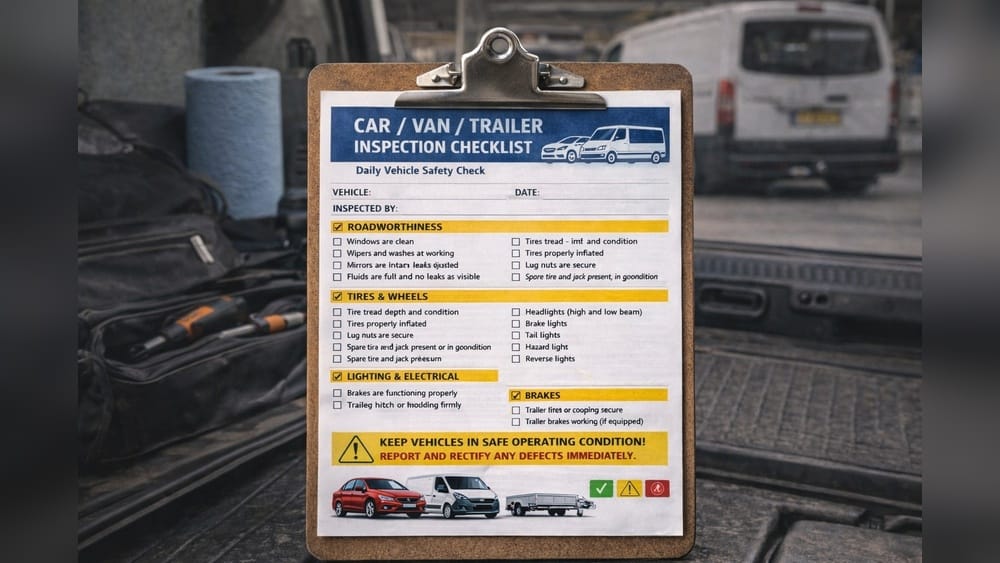
Dirty, damaged, or misaligned lights reduce effectiveness. Clean and check lights regularly, and replace bulbs as needed.
| Common Mistake | Impact | How to Avoid |
|---|---|---|
| High beams in traffic | Glare, impaired vision, accidents | Use low beams near vehicles |
| Fog lights in clear weather | Dazzle, legal penalties | Use only in poor visibility |
| DRLs at night | Insufficient visibility | Switch to low beams after sunset |
| No signaling | Confusion, collisions | Signal before all maneuvers |
| Poor maintenance | Reduced effectiveness | Clean and check regularly |
Real-world Examples And Case Studies
Understanding how light usage impacts real scenarios can help cement best practices.
Case Study 1: Urban Night Accident
A study by the IIHS found that improper use of high beams in urban areas contributed to a 22% increase in pedestrian accidents. One case involved a driver using high beams in a city, blinding a pedestrian who was crossing legally and causing a collision.
Case Study 2: Foggy Highway Survival
During a multi-car pileup on a foggy highway in Illinois, drivers who used fog lights and maintained proper spacing were able to avoid the crash, while those relying on high beams or no lights at all became involved.
Case Study 3: Daytime Running Lights In Europe
In Sweden, mandatory DRLs led to a 10% reduction in daytime multi-vehicle accidents (European Commission, 2011). This illustrates the importance of lights even in daylight.
Case Study 4: Rural Animal Crossing
A driver in rural Pennsylvania avoided a collision with deer by correctly using high beams to spot animals at a distance, then switching to low beams for oncoming traffic.
Warning: Failure to adapt lighting to conditions and environment puts you and others at risk, always remain vigilant and adjust accordingly.
Maintaining And Upgrading Your Car Lights
Proper maintenance and upgrades ensure maximum effectiveness of your vehicle’s lighting system.
Routine Maintenance
- Clean lenses regularly to remove dirt, fog, and residue.
- Check bulb alignment; misaligned lights can reduce visibility and cause glare.
- Replace bulbs promptly when they dim or fail.
Upgrading To Modern Systems
Many newer vehicles offer advanced lighting, such as LED headlights, adaptive beams, and automatic high beams. Upgrading can improve visibility and safety.
IIHS: Headlights provides ratings and information on modern lighting technologies.
Checking Legal Compatibility
Before upgrading, ensure new lights comply with local regulations. Some aftermarket LEDs or HID kits may be illegal in certain areas.
Emergency Lighting Supplies
Keep spare bulbs and a flashlight in your vehicle for emergencies. Knowing how to replace a bulb quickly can save time and prevent driving without proper lights.
Frequently Asked Questions
What Is The Difference Between Drls And Low Beam Headlights?
Daytime Running Lights (DRLs) are designed to make your car visible during the day, while low beam headlights are meant for nighttime or poor visibility conditions. DRLs are usually lower intensity and don’t illuminate the road ahead, whereas low beams are brighter and aimed for actual road lighting.
Are Led Headlights Better Than Halogen?
LED headlights offer greater brightness, lower energy consumption, and longer lifespan compared to halogen bulbs. They also provide a more focused beam pattern, which can improve visibility. However, some LED retrofits may not comply with regulations, always check legal compatibility.
When Should Hazard Lights Be Used?
Hazard lights should be used when your vehicle becomes a hazard, such as during a breakdown, sudden stop, or when driving slowly on a highway due to a mechanical issue. Never use hazard lights while driving in normal conditions, as this can confuse other drivers.
Can I Use Fog Lights At Night If There’s No Fog?
Using fog lights in clear conditions is generally discouraged and may be illegal. Fog lights are designed for low-visibility scenarios and can cause glare for other drivers if used unnecessarily.
How Often Should I Check My Car’s Lights?
Regular inspections are recommended, at least once a month. Check all lights (headlights, brake, reverse, indicators, fog) for function, cleanliness, and alignment. Replace bulbs and clean lenses as needed.
Mastering car light usage is not just about following rules, it’s about making smart, informed choices that keep you, your passengers, and every other road user safe. From city streets to rural highways, adapting your lights to every condition is a skill worth honing.
By understanding the types, proper usage, and maintenance, you’re equipped to drive confidently and responsibly, whatever the weather or environment brings.
Products related to this article
Sponsored / affiliate links. As an Amazon Associate I earn from qualifying purchases. I may earn additional commission from eligible campaigns.