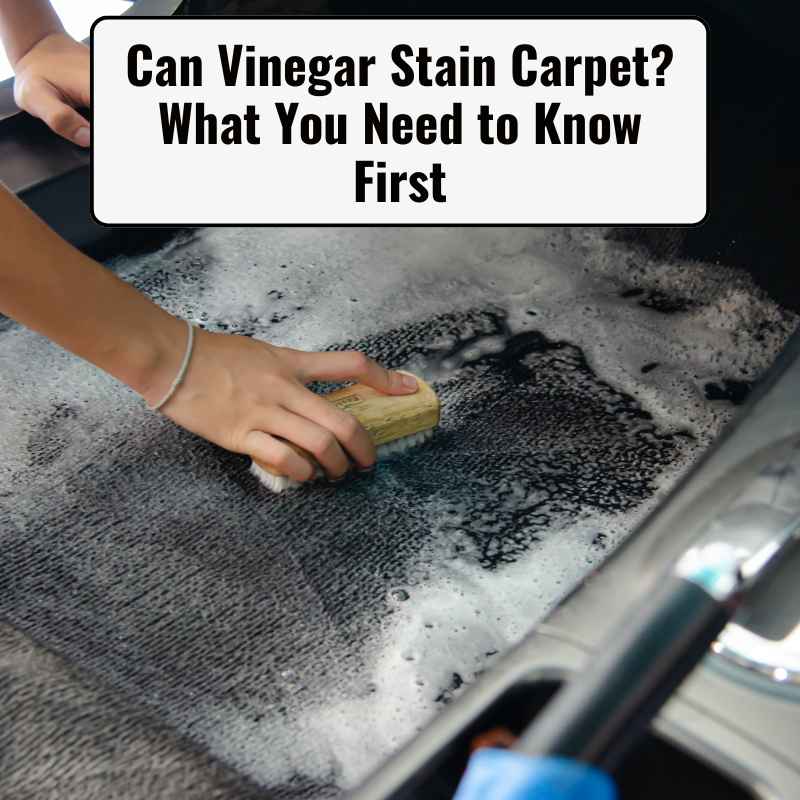
Can Vinegar Stain Carpet? What You Need to Know First
Vinegar is one of the most popular household cleaning products. It’s cheap, easy to find, and seems to work for almost everything—from removing odors to cleaning windows. But if you have carpet at home, you might wonder: can vinegar stain carpet? Or is it a safe cleaning solution for your floor? Before you grab that bottle and start pouring, it’s important to know the facts. Vinegar is powerful, but it’s not perfect. Sometimes, it can actually cause problems—especially with carpet.
Let’s take a close look at what vinegar does to carpet, why some people see stains after using it, and how you can avoid damage. You’ll also learn about the best ways to use vinegar safely, which carpets are most at risk, and what to do if something goes wrong.
Whether you’re dealing with a spill, a stubborn odor, or just want to keep your carpet fresh, understanding vinegar’s effects will help you avoid mistakes that can be costly or hard to fix.
Understanding Vinegar: What’s Inside The Bottle?
Vinegar is more than just something you put on your salad. In cleaning, the most common type is white distilled vinegar. This vinegar contains acetic acid (usually 4-7%) and water. The acid gives vinegar its cleaning power. It can break down stains, kill some germs, and cut through grease.
There are also other types of vinegar, such as apple cider vinegar, balsamic vinegar, and cleaning vinegar. Each one has a slightly different acid level and color. Cleaning vinegar is often a bit stronger (around 6% acetic acid) and is made just for cleaning, not for eating.
But here’s a key point: the acid that makes vinegar great for cleaning can also cause trouble if used incorrectly. And the color of some vinegars can lead to stains, especially if left on carpet.
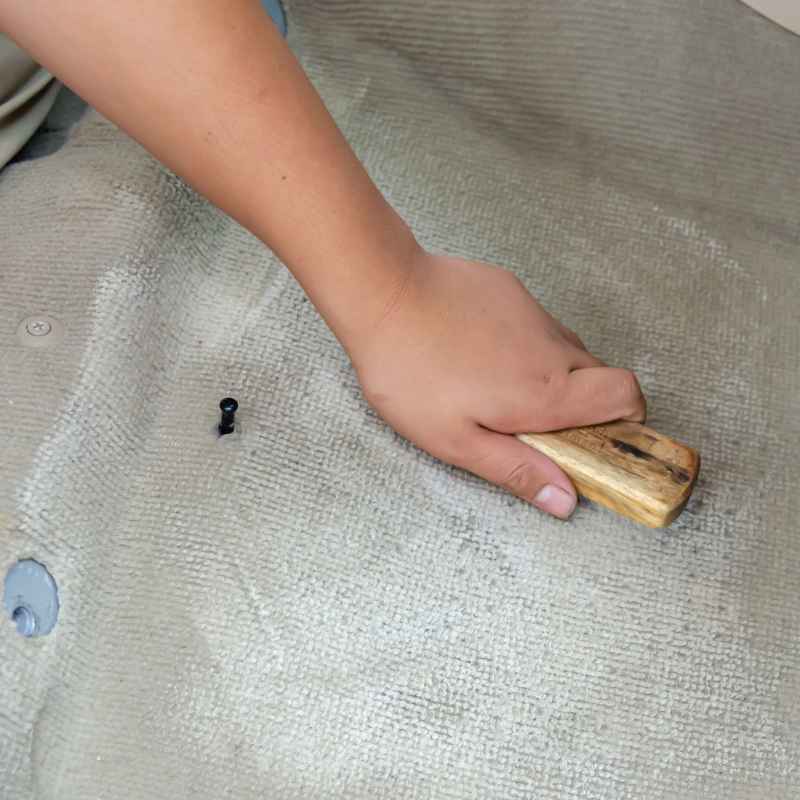
How Vinegar Works On Carpet
Vinegar’s cleaning power comes from its acidic nature. When you pour vinegar on a stain, it can break down certain substances, making them easier to remove. This is why many people use vinegar for things like pet stains, coffee spills, or old odors. It can also help to disinfect and freshen up the carpet fibers.
However, vinegar is not a universal cleaner for every carpet or every stain. Some stains, like ink, paint, or oily spots, do not react well to vinegar. In some cases, vinegar can set the stain or push it deeper into the fibers.
The way vinegar interacts with your carpet depends on:
- The type of vinegar used
- The material and color of your carpet
- How much vinegar is applied
- Whether it’s diluted or used straight from the bottle
- How quickly you blot or rinse the area
Let’s look deeper into whether vinegar can actually stain carpet, and under what circumstances.
Can Vinegar Stain Carpet? The Truth Explained
Many people believe vinegar is a “safe” cleaner that can’t possibly cause harm. But the answer is more complex. Here’s what you need to know.
Vinegar And Carpet Staining: The Main Risks
1. Color Transfer From Vinegar
Most white vinegar is clear and won’t add color. But apple cider vinegar, balsamic vinegar, or any vinegar with a tint can leave behind a yellow or brown stain on light carpets.
2. Damaging Carpet Dye
Vinegar’s acidity can sometimes strip or alter the dye in carpets, especially in wool, silk, or some synthetic fibers. This can make the carpet look faded or patchy.
3. Residue And Wicking
If vinegar is not rinsed out properly, it can leave behind a sticky residue. This may attract dirt, making the spot look darker over time. In some cases, moisture left in the carpet pad can cause old stains to “wick” back up, appearing worse.
4. Reaction With Cleaning Products
Mixing vinegar with certain products (like bleach or ammonia) can create harmful fumes or react with chemicals, causing discoloration.
When Vinegar Is Most Likely To Stain
- Using colored vinegar (not white) on a pale carpet
- Applying undiluted vinegar to sensitive fibers
- Letting vinegar sit too long without blotting or rinsing
- Using vinegar on carpets with natural dyes (like Persian or Oriental rugs)
- Not testing in a hidden spot first
Common Carpet Materials And Their Reaction To Vinegar
Here’s a quick comparison of how popular carpet types respond to vinegar:
| Carpet Material | Vinegar Reaction | Risk of Staining |
|---|---|---|
| Nylon | Usually safe if diluted | Low |
| Polyester | Tolerates vinegar well | Low |
| Wool | Can damage fibers and color | High |
| Olefin (Polypropylene) | Generally safe, but may dull color | Moderate |
| Silk or blends | Very sensitive, avoid vinegar | Very High |
Insight: Many people do not realize that wool and silk carpets can be permanently damaged by vinegar—even if only a small amount is used. Always check the label or manufacturer’s instructions before using any acid-based cleaner.
Vinegar As A Stain Remover: Myths Vs. Reality
You’ve probably seen tips online recommending vinegar for nearly every type of carpet stain. But does it actually work? Let’s break down the facts.
Stains Vinegar Can Help Remove
Vinegar can be effective for:
- Light food and drink stains (juice, wine, coffee if caught early)
- Pet urine odors (not always the stain itself)
- Some organic stains (mud, grass)
Stains Where Vinegar May Make Things Worse
Avoid vinegar for:
- Ink, paint, or oil stains
Vinegar can set these stains, making them harder to remove.
- Old, dried stains
Vinegar often won’t lift deep-set stains and may just spread them.
- Protein-based stains (blood, eggs, milk)
The acid in vinegar can actually cook these proteins, setting them in the fibers.
Comparing Vinegar To Other Common Cleaners
How Does Vinegar Stack Up Against Other Cleaning Solutions?
| Cleaner | Best For | Risks |
|---|---|---|
| Vinegar (diluted) | Odor, light stains | Can damage some fibers, may dull color |
| Baking Soda | Odor, mild cleaning | Powder can be hard to vacuum from thick carpets |
| Hydrogen Peroxide (3%) | Blood, wine, tough stains | Bleaching risk, test first |
| Commercial Carpet Cleaner | Heavy stains, general cleaning | Chemical residue, may require extra rinsing |
Non-obvious insight: Many people miss that hydrogen peroxide (even at 3%) can lighten carpet color, just like vinegar can fade natural dyes. Always test in a hidden spot.
How To Use Vinegar On Carpet Safely
If you still want to use vinegar for cleaning your carpet, there are ways to do it safely. The goal is to clean without causing new stains or damage.
Safe Steps For Cleaning Carpet With Vinegar
1. Check Carpet Type
Look for any care instructions from the manufacturer. If your carpet is wool, silk, or a blend, avoid vinegar.
2. Test In An Inconspicuous Spot
Before using vinegar on a visible area, apply a small amount of your cleaning mix to a hidden corner. Let it dry and look for color change or texture issues.
3. Dilute The Vinegar
Mix one part white distilled vinegar with two parts water. Never use straight vinegar on carpet.
4. Apply Sparingly
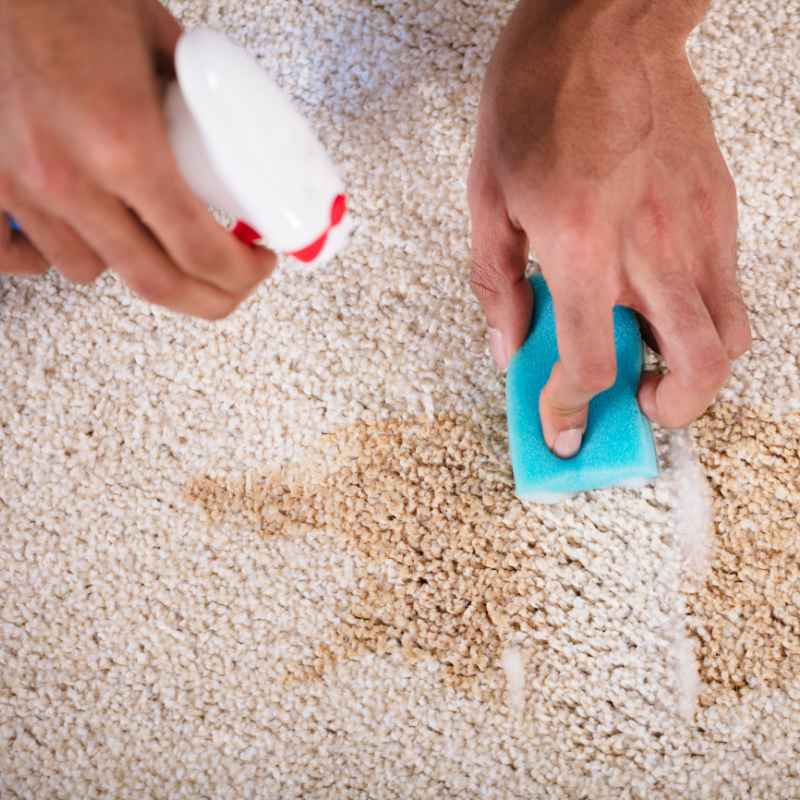
Use a spray bottle or damp cloth—never soak the carpet. Too much moisture can damage the backing and pad.
5. Blot, Don’t Scrub
Gently blot the stain with a clean towel. Scrubbing can push the stain deeper or roughen fibers.
6. Rinse With Water
After treatment, blot the area with plain water to remove any remaining vinegar. This step is often skipped, but it helps prevent residue.
7. Dry Thoroughly
Use a fan or open windows to speed drying. Wet carpet can quickly develop mold or musty odors.
Example Cleaning Solution
For a small spot:
- 1/2 cup white distilled vinegar
- 1 cup warm water
Mix in a spray bottle, test first, then spray lightly and blot.
Pro tip: For odors, sprinkle baking soda on the carpet first, then spray with diluted vinegar. Let it fizz for a few minutes, blot, and vacuum once dry.
When You Should Not Use Vinegar On Carpet
Vinegar is not always the answer. In fact, there are several situations where you should avoid it completely.
Do Not Use Vinegar If:
- Your carpet is wool, silk, or antique (even if “blended” with other fibers)
- The stain is oil-based (paint, makeup, motor oil)
- The carpet has not been colorfast tested
- You have a commercial carpet with a special finish (stain-resistant coatings can be damaged by acid)
- The manufacturer’s warranty warns against acids
If you’re unsure, it’s safer to use a pH-neutral cleaner or consult a professional.
Real-life Examples: Vinegar On Carpet
Let’s look at a few common scenarios people face.
Example 1: White Vinegar On Nylon Carpet
Maria spilled coffee on her beige nylon living room carpet. She quickly blotted the spot, then used a diluted white vinegar spray. The stain lightened, and after blotting and rinsing with water, there was no visible damage. This is a typical “best case” where vinegar works.
Example 2: Apple Cider Vinegar On Wool Rug
John read online that vinegar is great for pet odors. He poured apple cider vinegar on his hand-knotted wool rug. The next day, he noticed a yellow stain where the vinegar sat and the wool felt rough. The damage was permanent.
Example 3: Vinegar On A Stubborn Old Stain
Linda tried to remove an old wine stain with vinegar. She soaked the spot, but the stain spread and reappeared after drying. The moisture caused the old stain to wick up from the carpet pad.
Non-obvious insight: Even if vinegar doesn’t “stain” immediately, it can cause hidden problems like backing damage or wicking that only appear after drying.
Mistakes To Avoid When Using Vinegar On Carpet
People often make the same mistakes when cleaning with vinegar. Here’s how to avoid them:
1. Using Too Much Vinegar
More is not better. Over-saturating the carpet can cause damage and mold.
2. Skipping The Water Rinse
Not rinsing out vinegar can leave a residue that attracts dirt.
3. Using Colored Vinegar
Only use white distilled vinegar. Other types can stain.
4. Failing To Test First
Always check a small, hidden area before treating a large spot.
5. Mixing With Bleach Or Ammonia
Never combine vinegar with other strong cleaners.
6. Scrubbing Too Hard
Aggressive scrubbing can distort fibers, making the area look worn.
Alternatives To Vinegar For Carpet Cleaning
Vinegar isn’t your only option. Depending on the stain, these alternatives might work better and carry less risk.
Common Alternatives
- Baking Soda
Great for odors and light cleaning. Sprinkle, let sit, then vacuum.
- Mild Dish Soap
Works well for food, drink, and some greasy stains. Use a tiny amount in water.
- Club Soda
Effective for fresh spills, especially wine or beer.
- Commercial Carpet Cleaners
Designed for carpet fibers, usually pH-neutral.
- Enzyme Cleaners
Best for pet stains and organic messes. Break down proteins and odors.
When To Call A Professional
If you’re dealing with:
- Large, old, or stubborn stains
- Expensive or antique rugs
- Repeated wicking or recurring stains
- Uncertain carpet materials
It’s safer to contact a carpet cleaning professional. They have tools and knowledge for safe, thorough cleaning.
The Science: Why Vinegar Can Stain Carpet
Understanding the science helps explain why vinegar isn’t always safe. Acetic acid in vinegar has a pH of about 2.5, which is quite acidic. Most carpet fibers (especially natural ones) can be harmed by acids. The acid can:
- Break chemical bonds in dyes, causing fading or color loss
- Weaken fibers over time, making them feel rough or brittle
- React with minerals in water or cleaning products, sometimes causing yellowing
Carpet manufacturers usually recommend cleaners close to neutral pH (about 7). Anything much more acidic or alkaline can cause long-term damage.
Here’s a comparison of common cleaning agents and their pH:
| Cleaner | pH Value | Effect on Carpet |
|---|---|---|
| White Vinegar | 2.5 | May damage sensitive fibers |
| Dish Soap (Mild) | 7-8 | Safe for most carpets |
| Ammonia | 11-12 | Can cause color loss |
| Baking Soda | 8-9 | Usually safe |
Key takeaway: Stick to products with pH near neutral unless you are sure your carpet can handle more acidic or alkaline solutions.
How To Remove A Vinegar Stain From Carpet
If you’ve used vinegar and notice a new stain, don’t panic. Here’s what to do:
1. Blot The Area
Use a clean, dry towel to soak up as much as possible. Don’t rub.
2. Flush With Water
Dampen a cloth with plain water and blot the area. Repeat until you’ve diluted and removed as much vinegar as possible.
3. Use Baking Soda
Sprinkle a generous amount of baking soda on the damp spot. This will help absorb moisture and neutralize acid.
4. Let Dry, Then Vacuum
Allow the area to dry completely, then vacuum up the baking soda.
5. If Stain Remains
Try a gentle carpet cleaner or contact a professional. Avoid more vinegar.
Important: If you see fading or rough texture, the damage may be permanent—especially with wool or silk.
Carpet Care Tips: Keeping Your Carpet Clean Without Risk
To keep your carpet looking its best, follow these simple tips:
- Vacuum regularly to prevent dirt buildup
- Treat spills immediately—the faster you act, the less likely a stain will set
- Use doormats at entrances to reduce tracked-in dirt
- Avoid harsh chemicals unless you know your carpet can handle them
- Have professional cleaning at least once a year for high-traffic areas
Expert Opinions And Research
Most professional carpet cleaners and manufacturers warn against using vinegar on carpets—especially on wool, silk, or specialty rugs. The Carpet and Rug Institute and many carpet makers recommend only pH-neutral products for regular cleaning.
A study from the University of Massachusetts found that “acidic solutions like vinegar can cause color loss, fiber weakening, and increased soiling rate if not properly removed.” This matches real-world experience: many DIY cleaning mishaps involve misuse of strong acids or bases.
If you want to read more about the chemistry of cleaning and carpet care, check out this Carpet Cleaning Wikipedia page.
Frequently Asked Questions
Can Vinegar Remove Old Stains From Carpet?
Vinegar is not very effective for old or deep-set stains. It may lighten some stains, but can also spread them or damage the carpet. For old stains, a specialized carpet cleaner or professional cleaning is usually better.
Is It Safe To Use Vinegar On All Types Of Carpet?
No. Vinegar can damage wool, silk, and some synthetic carpets. It is safest on nylon or polyester, but always check with the manufacturer and test in a hidden spot first.
What Type Of Vinegar Is Best For Cleaning Carpet?
White distilled vinegar is the only recommended type. Never use apple cider, balsamic, or flavored vinegars—they can leave behind color and sticky residues that stain.
Can Vinegar And Baking Soda Together Damage Carpet?
Used correctly, vinegar and baking soda are usually safe for most carpets. But overuse, not rinsing, or using on delicate fibers can cause damage. Always blot, rinse, and dry thoroughly.
What Should I Do If Vinegar Stains My Carpet?
Blot up as much as possible, flush with water, and apply baking soda. Let it dry and vacuum. If the stain remains or the carpet is discolored, contact a professional cleaner.
The Bottom Line
Vinegar is a powerful, natural cleaner—but it’s not always safe for carpet. While white vinegar can sometimes help with fresh stains and odors, there are real risks: color loss, fiber damage, and new stains. Always check your carpet’s material, test in a hidden spot, and use diluted solutions. For expensive, antique, or delicate carpets, avoid vinegar completely and use safer alternatives. When in doubt, call a professional or use pH-neutral products. By understanding what vinegar can and cannot do, you’ll keep your carpet looking great and avoid costly mistakes.
Products related to this article
Sponsored / affiliate links. As an Amazon Associate I earn from qualifying purchases. I may earn additional commission from eligible campaigns.
 Headlight Stain Remover Polishing Paste,Car Lamp Care Brightening Clean Yellow Reconditioning Paste,Polishing Cleaner for Cars, Trucks, Motorcycles, RVs (3PC)
 Headlight Stain Remover Polishing Paste,Car Lamp Care Brightening Clean Yellow Reconditioning Paste,Polishing Cleaner for Cars, Trucks, Motorcycles, RVs (1PC)