Does Honda Charge To Diagnose Your Car? What To Expect
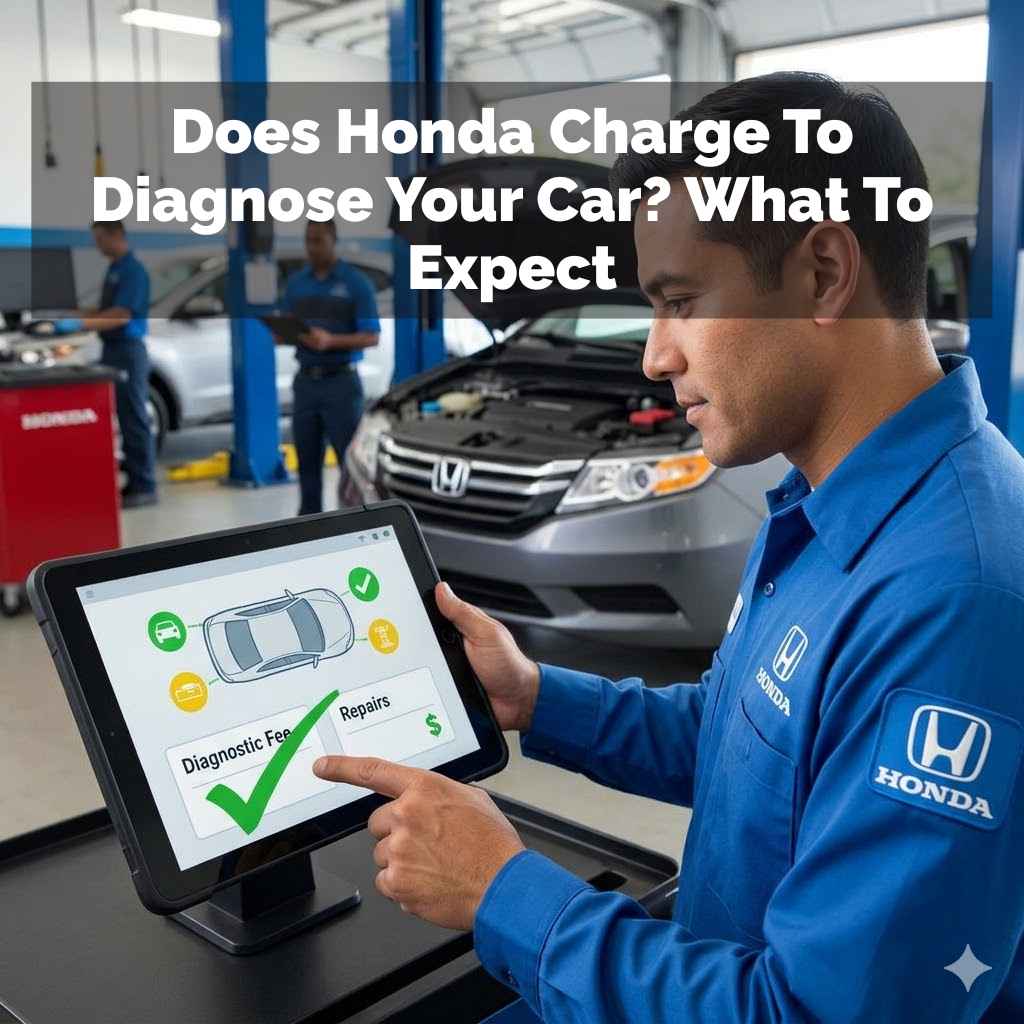
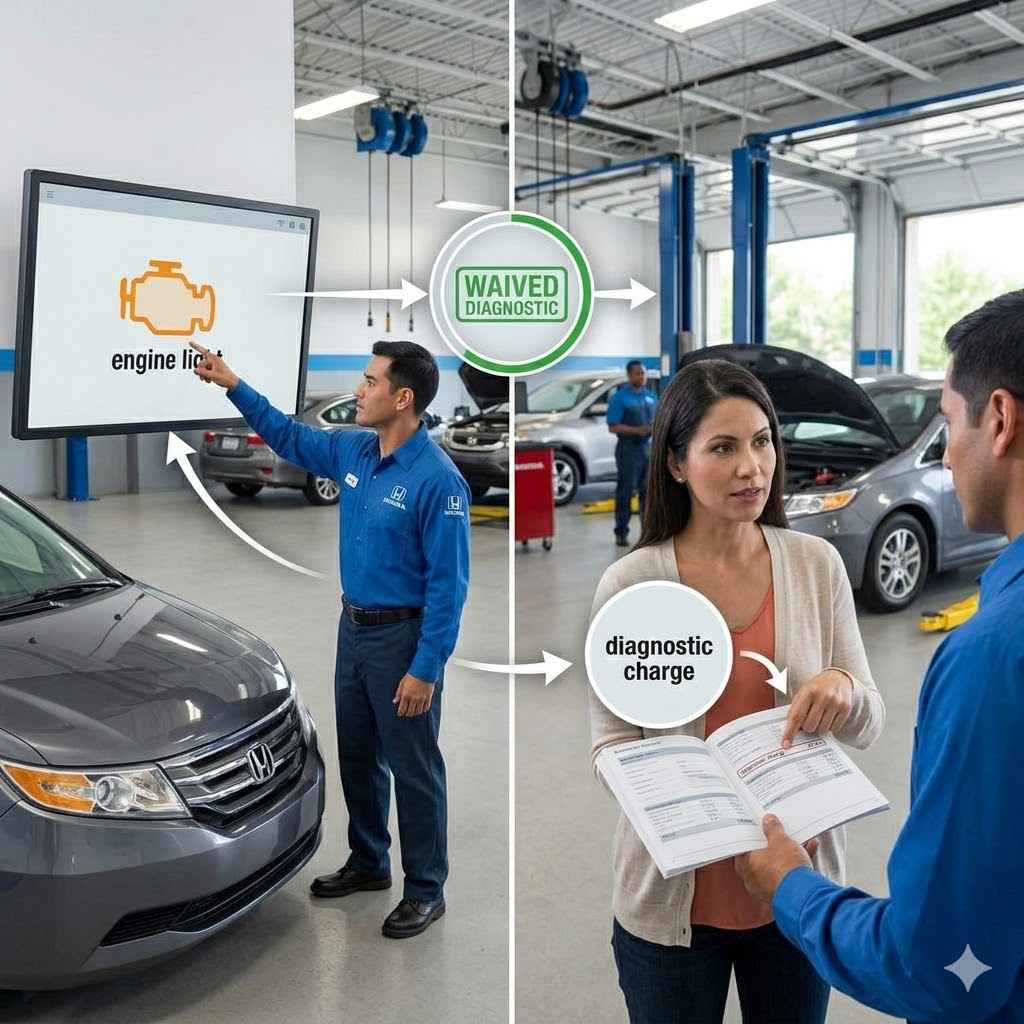
Most Honda dealerships and reputable independent mechanics do charge a fee for diagnosing car problems. This fee covers the technician’s time, their expertise, and the use of specialized diagnostic tools needed to pinpoint the issue accurately. Without this upfront cost, the service center wouldn’t be able to invest in the necessary equipment and training.
Understanding Honda Car Diagnostics
When you bring your Honda in for a check-up because something feels wrong, the service team doesn’t just guess. They have a process. This process is called diagnostics.
It’s like a doctor figuring out what’s making you sick. They don’t just look at you; they might run tests. Your car is similar.
A warning light on your dashboard is a signal. It tells the car’s computer that something isn’t right. But it doesn’t tell the mechanic exactly what the problem is.
Or how serious it is.
A diagnostic tool, often called an OBD-II scanner (On-Board Diagnostics II), plugs into a port in your car. This tool reads codes from your car’s computer. These codes are a starting point.
They give clues about which system is having trouble. For example, a code might point to the oxygen sensor. But it doesn’t always tell you if the sensor itself is bad.
Or if the wiring to it is damaged. Or if another part is causing the sensor to read incorrectly. That’s where the technician’s skill comes in.
They use these codes along with their knowledge to investigate further.
This deeper investigation might involve checking fluid levels. They’ll look for leaks. They might listen to the engine for specific sounds.
They could test electrical components. Sometimes, they need to take parts off to see what’s going on underneath. All of this takes time.
Skilled technicians spend years learning about cars. They attend training. They practice.
The diagnostic fee pays for this knowledge and the time spent applying it to your specific car’s issue.
It’s important to remember that a diagnostic fee is not a repair bill. It’s a fee to find out what needs repairing. Once the problem is identified, the mechanic will give you an estimate for the parts and labor to fix it.
You then get to decide if you want to proceed with the repair. This transparency helps you avoid unexpected costs. It ensures you know what you’re paying for before any work is done.
My Own Honda Diagnostic Dive
I remember one time a few years back, my trusty 2015 Honda CR-V started making this weird, low hum. It wasn’t loud, but it was definitely there. It seemed to get louder when I turned.
My mind immediately went to the worst. Was it the transmission? A wheel bearing?
I was heading out of town the next day, so panic set in. I called my local Honda dealership. The service advisor was nice.
He explained they had a standard diagnostic fee of around $150. He said it covered the technician’s time to hook up the scanner and do a visual inspection.
I agreed, feeling a bit anxious but also relieved that there was a plan. I dropped the car off. Later that afternoon, I got a call.
The technician had found the issue. It wasn’t a major component failure. It was actually a small, inexpensive plastic cover on the undercarriage that had come loose.
It was vibrating against something as I drove. The hum was just that loose plastic! He showed me a picture on his tablet.
The repair was simple: reattaching it securely. The total bill, including the diagnostic fee, was less than $100. I was so relieved.
It could have been much worse. This experience taught me that even a small fee to find the problem can save you a lot of money and stress in the long run.
Understanding Diagnostic Fees: Key Points
Why the Fee? Covers technician time, expertise, and tools.
Not a Repair Bill: It’s for finding the problem, not fixing it.
Transparency is Key: You’ll get an estimate for repairs after diagnosis.
Value Proposition: Can save you money by preventing guesswork repairs.
Shop Around: Independent shops may have different fee structures.
What Impacts Honda Diagnostic Costs?
The cost of a diagnostic check for your Honda isn’t always the same. Several things can make the price go up or down. One big factor is where you go.
Dealerships often have higher labor rates than independent repair shops. This is because dealerships have overhead costs associated with their brand. They also have manufacturer-specific training and tools.
The complexity of the problem also plays a role. A simple check for a check engine light might take less time than diagnosing a strange electrical issue that’s intermittent. Some problems require more advanced diagnostic equipment or special tests.
This can increase the diagnostic fee. For example, if your Honda has a complex hybrid system, diagnosing issues there might cost more.
The amount of time the technician spends on your car is also a major factor. Some shops have a flat fee for diagnostics. Others charge by the hour.
If a shop charges by the hour, and it takes the technician two hours to figure out a tricky problem, you’ll pay for those two hours. If it only takes them 30 minutes, you’ll pay less. Always ask if the shop has a flat fee or if they charge hourly for diagnostics.
Finally, the specific Honda model and year can sometimes matter. Newer cars have more advanced computer systems. Diagnosing them might require more specialized knowledge or software updates for the diagnostic tools.
Older cars might have less complex systems, but sometimes parts are harder to find, which adds a different kind of cost to the overall repair.
Factors Affecting Diagnostic Fees
- Type of Shop: Dealership vs. Independent Mechanic
- Problem Complexity: Simple warning light vs. intermittent electrical fault
- Time Spent: Flat fee vs. hourly rate
- Specialized Tools: Need for advanced diagnostic equipment
- Vehicle Model/Year: Newer tech can sometimes increase costs
Honda Diagnostic Fee Ranges
What can you actually expect to pay? It varies, but we can give you a ballpark. For a standard diagnostic check at a Honda dealership, you’re typically looking at a fee between $100 and $200.
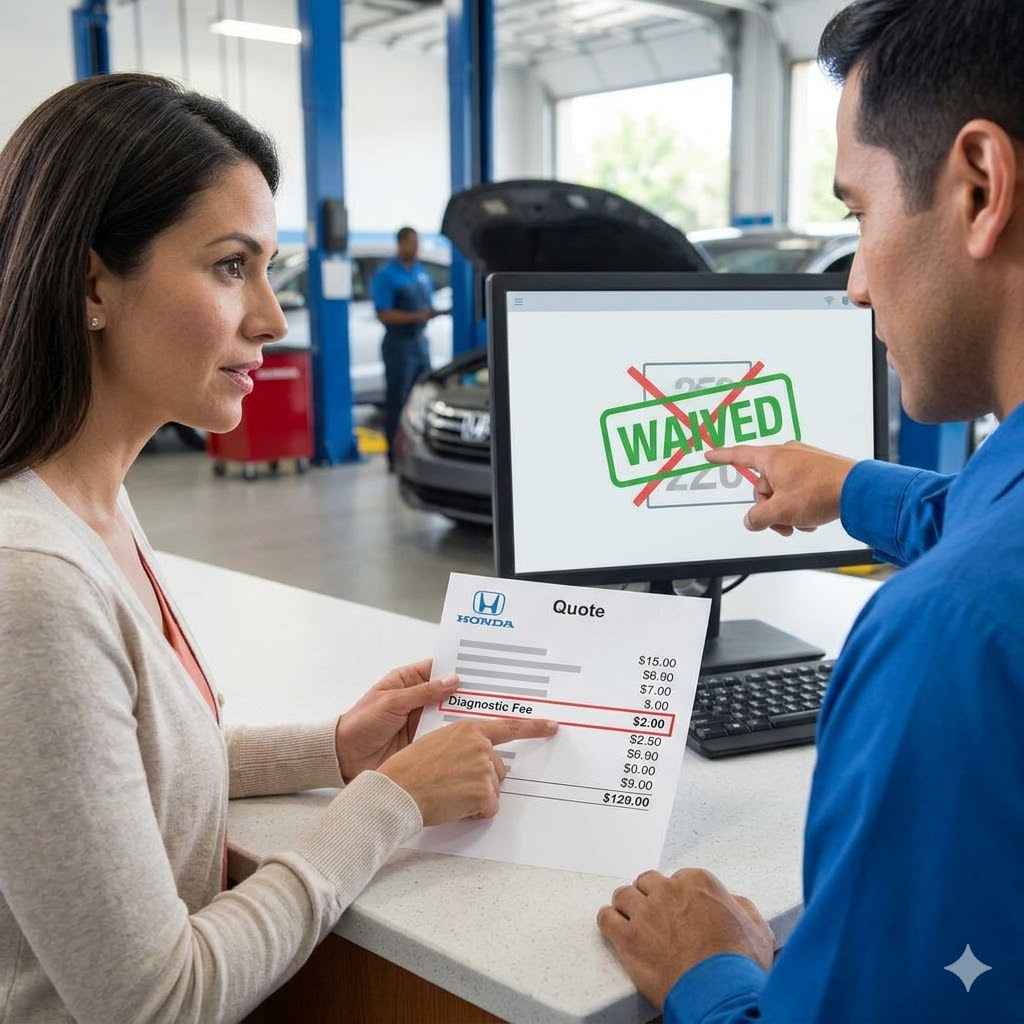
This is for them to plug in their scanner, read the codes, and do a basic visual inspection. Sometimes, if the problem is obvious, like a loose hose, they might not even charge a full diagnostic fee, or they might waive it if you proceed with the repair.
Independent mechanics often charge a bit less. Their diagnostic fees might range from $75 to $150. This can be a good option, especially if you have a trusted independent shop that specializes in Hondas.
They might not have all the same manufacturer-specific tools as a dealership, but for many common issues, they are just as capable, if not more so, due to their broad experience.
Some shops might offer a free basic check for things like tire pressure or fluid levels. But when it comes to diagnosing a check engine light or a performance issue, a fee is almost always involved. It’s always best to call ahead and ask for their diagnostic fee policy.
You can also ask if that fee can be applied toward the cost of the repair if you decide to have the work done at their shop. Many places do this as a way to build customer loyalty.
Typical Diagnostic Fee Ranges for Honda
| Shop Type | Estimated Fee Range |
|---|---|
| Honda Dealership | $100 – $200 |
| Independent Mechanic (Honda Specialist) | $75 – $150 |
| General Independent Mechanic | $75 – $130 |
Note: These are estimates and can vary by location and specific issue.
What Happens After the Diagnostic Fee?
So, you’ve paid the diagnostic fee. What comes next? The technician will have identified the problem.
They will then prepare a detailed estimate for you. This estimate will break down the costs. It will include the price of the parts needed.
It will also show the labor cost. Labor is usually calculated by how long the repair is expected to take. The shop’s hourly labor rate is multiplied by the estimated time.
For example, if a repair involves replacing a brake pad and rotor, the estimate might list the cost for two new brake pads and two new rotors. It will also show a set number of hours for the labor. This is often based on industry standards.
It’s not necessarily how long the technician actually takes. It’s a standard time estimate.
When you receive the estimate, take your time to review it. Don’t feel pressured to agree right away. Ask questions.
If something isn’t clear, ask for an explanation. For instance, if the estimate includes a part you’ve never heard of, ask what it does. If the labor time seems high, ask why it takes that long.
A good service advisor or mechanic will be happy to explain everything.
You have choices. You can authorize the repairs. Or you can choose not to have the work done.
If you decide to go with another shop, you’ve still paid for the valuable information about what’s wrong with your car. If you do decide to have the repairs done, the diagnostic fee might be credited towards the total bill. This is a common practice and a good incentive to get the work done where you had the diagnosis.
Common Honda Repairs and Associated Costs
Knowing what common issues cost can help you budget. Many of these issues might start with a diagnostic fee. But the repair itself is where the main cost lies.
Here are some typical repairs for Hondas and their general cost ranges. These are estimates and can change based on your location, the specific Honda model, and the shop you choose.
Common Honda Repair Costs (Estimates)
Brake Pad Replacement (Front): $250 – $400 (Parts & Labor)
Brake Rotor Replacement (Front): $400 – $600 (Parts & Labor)
Oil Change: $50 – $100 (Parts & Labor)
Tire Rotation: $20 – $50
Battery Replacement: $150 – $250
Spark Plug Replacement: $200 – $400 (4-cylinder engine)
Serpentine Belt Replacement: $100 – $250
Exhaust System Repair (Muffler): $300 – $700
Air Conditioning (AC) Recharge: $100 – $250
CV Axle Replacement: $300 – $500 per axle
Radiator Replacement: $500 – $800
Transmission Fluid Change: $150 – $300
Check Engine Light Diagnosis (beyond initial fee): Varies greatly depending on the cause.
Remember: These costs are for parts and labor. The initial diagnostic fee is separate unless credited towards the repair.
When to Worry: Signs Your Honda Needs Immediate Attention
While many car issues are minor, some are serious. They need immediate attention. These signs often go beyond a simple diagnostic check.
They are warnings that could lead to more extensive damage or safety risks if ignored. If you experience any of these, get your Honda checked out right away.
- Grinding or Screeching Brakes: This means your brake pads are worn down to the metal. Driving with worn brakes is dangerous.
- Significant Fluid Leaks: Puddles of red, green, or brown fluid under your car are serious. They indicate potential problems with the transmission, coolant, or other vital systems.
- Smoke Coming from the Hood or Exhaust: This is never a good sign. It could mean engine trouble, a coolant leak, or oil burning.
- Overheating Engine: If your temperature gauge is in the red, pull over safely and turn off the engine. Driving an overheating car can cause severe engine damage.
- Sudden Loss of Power or Stalling: If your car suddenly loses power or stops running, it could be a fuel system, ignition, or electrical issue that needs immediate attention.
- Brake Pedal Feels Soft or Goes to the Floor: This is a critical safety issue. Your braking system may have a major leak or failure.
- Steering Becomes Difficult or Noisy: Problems with the power steering system can make steering hard. This is a safety concern.
If you notice any of these symptoms, it’s not just about paying a diagnostic fee. It’s about ensuring your safety and preventing more costly damage. Contact your Honda dealer or a trusted mechanic immediately.
Quick Checks You Can Do (Before a Diagnostic Fee)
Check Tire Pressure: Easy to do with a simple gauge. Keeps tires from wearing unevenly.
Inspect Wiper Blades: Look for cracks or stiffness. Good visibility is key for safety.
Test Lights: Walk around your car. Check headlights, taillights, brake lights, and turn signals.
Look at Dashboard Lights: Note any warning lights. Know what they generally mean (check engine, ABS, etc.).
Listen for Strange Noises: Pay attention to new sounds. When do they happen? Accelerating?
Braking? Turning?
Finding a Reliable Honda Mechanic
Choosing where to get your Honda diagnosed and repaired is important. You want someone you can trust. You don’t want to pay for a diagnosis and then find out the repair was unnecessary or overpriced.
Here are some tips for finding a good mechanic:
- Ask for Recommendations: Talk to friends, family, and neighbors who own Hondas. Ask who they use and if they’re happy with the service.
- Check Online Reviews: Look at Google reviews, Yelp, and other online platforms. Pay attention to what people say about honesty, pricing, and quality of work.
- Look for Certifications: Mechanics certified by the National Institute for Automotive Service Excellence (ASE) have passed rigorous tests. This shows a commitment to quality.
- Consider Independent Honda Specialists: Many independent shops focus on specific brands. They often have deep knowledge of Hondas and can be more affordable than dealerships.
- Check with the Better Business Bureau (BBB): See if the shop has any complaints and how they were resolved.
- Build a Relationship: It’s helpful to find a shop you like and stick with them. This way, they get to know your car and its history.
When you first go to a new shop, pay attention to how they communicate. Do they explain things clearly? Are they willing to show you the problem parts?
Do they provide written estimates? These are all good signs of a trustworthy mechanic.
Frequently Asked Questions About Honda Diagnostics
Will Honda charge me just to read error codes?
Yes, most Honda dealerships and many independent repair shops charge a fee for diagnostic services. This fee covers the technician’s time, expertise, and the use of specialized equipment to read and interpret diagnostic codes, which are just the first step in identifying a problem.
Is the diagnostic fee always applied to the repair cost?
Not always, but many shops do offer to credit the diagnostic fee towards the total repair cost if you decide to have the work done at their facility. It’s always a good idea to ask about this policy when you book your service.
How long does a typical Honda diagnostic take?
A basic diagnostic check for a check engine light usually takes about 30 minutes to an hour. However, if the problem is complex or intermittent, it could take longer as the technician needs to perform more in-depth tests and inspections.
What’s the difference between a dealership and an independent mechanic for diagnostics?
Dealerships typically have manufacturer-specific diagnostic tools and technicians who are factory-trained on Honda vehicles. Independent mechanics, especially those specializing in Hondas, can also be very knowledgeable and may offer more competitive pricing. For many common issues, both can provide accurate diagnoses.
Can I diagnose my Honda myself?
You can buy an OBD-II scanner to read diagnostic trouble codes (DTCs) yourself. These scanners are relatively inexpensive. However, interpreting the codes and performing the actual diagnosis often requires specialized knowledge and tools that a professional mechanic possesses.
Reading a code is just the first step; understanding its implications and performing further tests is crucial.
What if the mechanic finds multiple problems during diagnosis?
A good mechanic will provide you with a complete report listing all identified issues. They will then give you an estimate for each repair. You have the right to decide which repairs you want to authorize.
You can choose to do them all at once, prioritize them, or get a second opinion from another shop.
Are diagnostic fees higher at a Honda dealership than an independent shop?
Generally, yes. Dealerships tend to have higher overhead costs and labor rates compared to independent repair shops. While both provide valuable diagnostic services, you might find that an independent mechanic offers a more budget-friendly option for the same diagnostic work.
Final Thoughts on Honda Diagnostics
Understanding that Honda, like most car manufacturers, charges for diagnostic services is the first step. This fee is an investment. It’s an investment in uncovering the root cause of your car’s issues.
It ensures that skilled technicians use their expertise and specialized tools to get it right. While it might seem like an extra cost upfront, it often saves you money and stress down the line.
By knowing what to expect regarding fees, common repair costs, and how to find a trustworthy mechanic, you can approach car care with more confidence. Remember to always ask questions, review estimates carefully, and prioritize safety. Your Honda is a reliable car, and with proper care and informed decisions, it will continue to serve you well for years to come.
Products related to this article
Sponsored / affiliate links. As an Amazon Associate I earn from qualifying purchases. I may earn additional commission from eligible campaigns.