Honda Care Maintenance Plan: Is It Actually Worth It?
The Honda Care Maintenance Plan bundles scheduled services like oil changes and tire rotations into one prepaid price, but whether it is worth it depends heavily on your driving habits and where you get service done. Skipping the comparison math can mean overpaying for coverage you would rarely use, or missing real savings if you drive a lot. This guide breaks down what is covered, what is not, and the exact cases where it is not worth buying.
Understanding What Honda Care Covers

As an Amazon Associate I earn from qualifying purchases.
So, what exactly is the Honda Care Maintenance Plan? Think of it as a prepaid service package. You buy it upfront, usually when you buy your new Honda or sometimes a certified pre-owned one. It’s designed to cover the routine maintenance your car needs to stay in top shape. This isn’t about fixing unexpected breakdowns. It’s about the regular check-ups and services that keep everything running like clockwork.
Honda provides a detailed maintenance schedule for every model. This schedule lists services needed at specific mileage intervals. Your Honda Care plan aims to cover these listed services. This often includes things like oil and filter changes. Tire rotations are usually part of it too. You’ll also find services like inspections of various fluids and components. Some plans might include brake inspections or cabin air filter replacements.
The specifics can vary slightly. This depends on the plan you choose and your vehicle’s model year. But the core idea is to bundle these essential services together. You pay a set price in advance. This means you don’t have to worry about the cost of each individual service when it comes due. It’s meant to offer predictability and convenience.
My Own Experience: The Annoying Oil Change Runaround
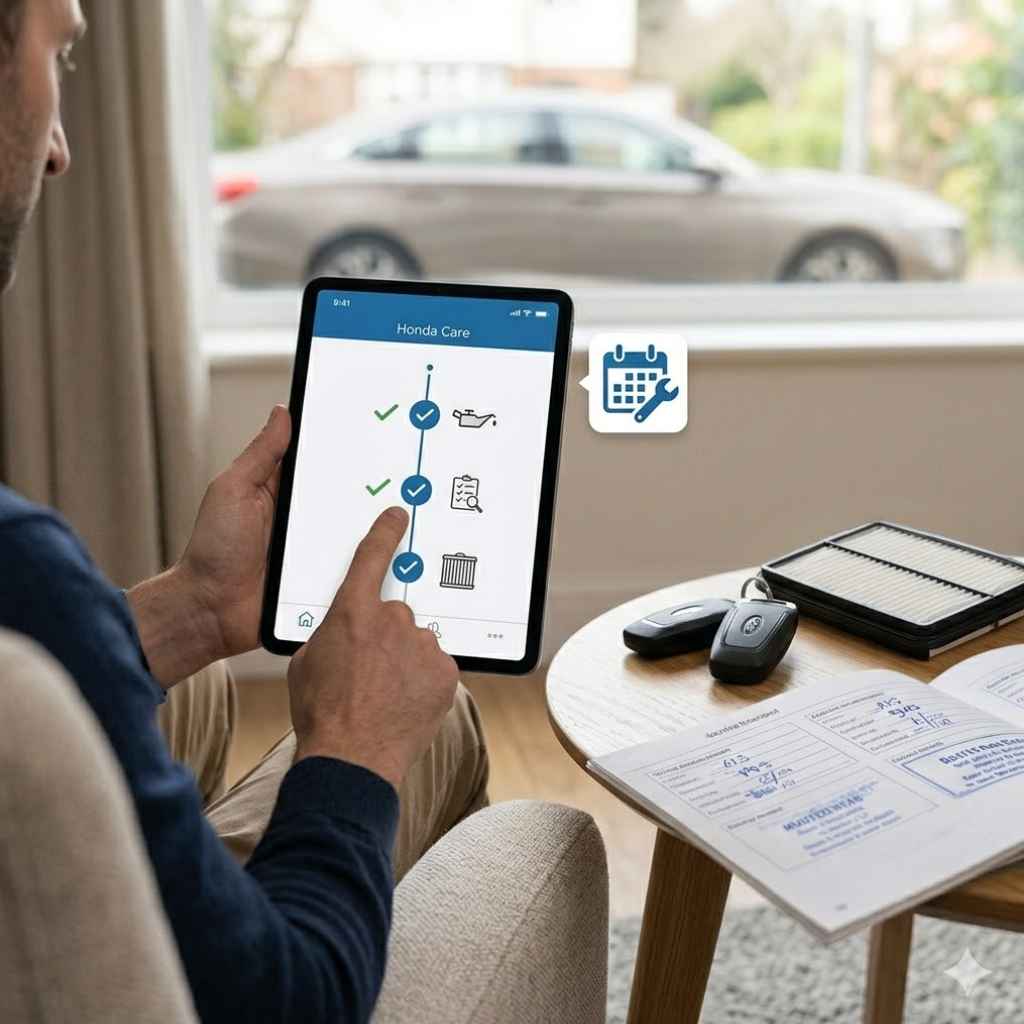
I remember when I first bought my Civic. It was my pride and joy. I loved driving it. But then came the first oil change. The dealership called. They said it was time. Okay, no big deal. I scheduled an appointment. It took two hours. Two hours I could have spent doing something else. And it cost more than I expected.
Then the next one rolled around. And the one after that. Each time, I had to remember to book it. I had to factor in the time. I had to pay again. It started to feel like a chore. I remember looking at the service advisor, feeling a little bit of dread. “Another one already?” I thought. It was a small thing, but it was a constant little annoyance.
That’s when I started thinking about these prepaid plans. The idea of just paying once and then having those oil changes, tire rotations, and other things handled without me having to pull out my wallet each time sounded really appealing. It was about saving myself that future hassle and the surprise cost. I wanted to smooth out the process.
Honda Care Plan: Key Covered Services (Examples)
- Oil and Filter Changes: The most common service.
- Tire Rotations: Helps tires wear evenly.
- Multi-Point Inspections: Checks on various systems.
- Brake Inspections: Looking at wear and fluid levels.
- Engine Coolant Replacement: At recommended intervals.
- Spark Plug Replacement: Usually at higher mileage.
Note: Actual coverage varies by plan and vehicle. Always check your specific agreement.
What Might NOT Be Covered
It’s super important to know that the Honda Care Maintenance Plan isn’t a magic bullet for all your car problems. It’s focused on routine, scheduled maintenance. This means things like unexpected repairs are generally not included. If your alternator goes out, or you have a strange noise from the transmission, this plan won’t cover that.
Wear-and-tear items that need replacing due to normal use but aren’t part of a regular service interval might also be excluded. Think about things like brake pads or windshield wiper blades. While brake inspections might be covered, the actual replacement of worn brake pads usually isn’t. Similarly, if your tires wear out long before their scheduled rotation, that’s on you.
Also, any damage caused by accidents, misuse, or lack of proper maintenance (even if the plan was in place) will not be covered. Modifications you make to the car can also void coverage for certain items. It’s always best to read the fine print. Your service contract will clearly list what is and isn’t included. This avoids any surprises down the road.
Things Typically NOT Covered
- Accidental Damage: Collisions or impacts.
- Major Mechanical Repairs: Engine, transmission failures (unless specifically included in an extended warranty).
- Wear Items: Brake pads, clutches, tires (unless worn due to lack of rotation), batteries.
- Cosmetic Issues: Dents, scratches, upholstery tears.
- Customization/Modification Repairs: Work related to aftermarket parts.
Check your contract details for exact exclusions.
Cost Comparison: Honda Care vs. Paying Out-of-Pocket
This is where the real question lies: Is the Honda Care Maintenance Plan worth the price tag? To figure this out, you need to compare the plan’s cost to what you’d likely pay for those services if you paid for them one by one. This involves a bit of research and estimation.
First, find out the total cost of the Honda Care plan you’re considering. This price can vary. It depends on your vehicle, how many years or miles the plan covers, and where you purchase it. Get a written quote. Then, look at your Honda’s maintenance schedule. Estimate how many oil changes, tire rotations, and other covered services you’ll need over the plan’s duration.
Next, research the average cost of these services at Honda dealerships in your area. You can often find this information on dealership websites or by calling service departments. Remember, dealership service is typically more expensive than independent mechanics. But if you plan to use the Honda Care plan, you’ll likely be using a dealership. Sum up the estimated costs for all the services covered by the plan.
If the total estimated out-of-pocket cost is significantly higher than the Honda Care plan price, it might be a good deal. If it’s close, or even lower, you might save money by paying as you go. Also, consider if the plan offers any discounts on services compared to paying individually. Sometimes, bundling does provide a slight price reduction upfront.
Quick Cost Check Guide
1. Get Honda Care Plan Price: Note the total upfront cost.
2. Estimate Services Needed: Count services based on your mileage over the plan’s term.
3. Research Dealership Prices: Find average costs for each service (oil, tire rotation, etc.).
4. Calculate Total Out-of-Pocket: Multiply services by price, then add them up.
5. Compare: Is Honda Care cheaper than your calculated total?
The Convenience Factor: Time and Peace of Mind
Beyond just the dollars and cents, there’s a significant value in convenience and peace of mind. For many people, this is the biggest draw of the Honda Care Maintenance Plan. Life is busy. Remembering when your car needs its next oil change, then calling to book an appointment, then taking time off work or rearranging your weekend can be a real hassle. This plan takes that burden away.
When you have a prepaid plan, the services are already paid for. You might still need to schedule appointments, but the transaction at the end is simpler. It’s less likely you’ll skip a needed service because you forgot or because the cost caught you off guard. This can lead to better long-term maintenance of your vehicle.
The peace of mind comes from knowing that the essential upkeep is handled. You’ve invested in keeping your Honda running reliably. This can be especially valuable if you depend on your car for work or family commitments. You worry less about potential issues that could arise from missed maintenance. It’s like having a safety net for your car’s routine health.
Benefits Beyond Cost
Simplified Scheduling: Less effort to book services.
Budget Predictability: No surprise service bills.
Reduced Hassle: No need to pay for each service individually.
Encourages Maintenance: More likely to follow the schedule.
Peace of Mind: Knowing essential upkeep is covered.
Who Benefits Most from Honda Care?
Not everyone will see the same value in the Honda Care Maintenance Plan. Some drivers are better candidates than others. Let’s look at who tends to benefit the most. Understanding these profiles can help you see if you fit into one of them.
Drivers who plan to keep their Honda for a long time are often good candidates. If you intend to drive your car for many years and accumulate high mileage, you’ll need a lot of maintenance services. The prepaid plan can lock in prices before potential increases and simplify managing many services over a decade or more.
People who value convenience and predictability also benefit greatly. If you dislike dealing with car maintenance logistics or prefer to have your budget set, this plan is ideal. It removes the mental load of tracking services and surprise bills. It makes budgeting for your car easier.
Those who primarily use Honda dealerships for service also get more out of it. The plan is designed to be used at authorized Honda service centers. If you are loyal to the dealership experience, this plan aligns perfectly with your habits. It also ensures that genuine Honda parts and certified technicians are used.
Ideal Candidates for Honda Care
Long-Term Owners: Planning to keep the car for 5+ years or over 100,000 miles.
Busy Individuals: Who value time savings and less hassle.
Budget-Conscious Planners: Prefer fixed costs and no surprise bills.
Dealership Loyalists: Prefer official Honda service centers.
Drivers in High-Cost Areas: Where dealership service prices are higher.
What if You Don’t Buy Honda Care?
If you decide against the Honda Care Maintenance Plan, it’s not the end of the world for your Honda. You can absolutely manage your car’s maintenance effectively without it. The key is to be proactive and organized. You’ll need to keep track of your car’s mileage and the recommended service intervals yourself.
This means staying aware of your odometer. You’ll need to refer to your owner’s manual or Honda’s website for the maintenance schedule. When a service is due, you’ll need to budget for it at that time. This might mean setting aside money regularly in a dedicated savings account for car maintenance. This way, the funds are ready when needed.
You also have more flexibility with where you get your car serviced. You can choose to go to an independent mechanic who specializes in Hondas. Often, these shops can offer competitive pricing compared to dealerships. Consumer Reports, for example, often highlights the value of well-researched independent repair shops.
The main difference is that you’ll be managing the payments and scheduling more actively. You might also face fluctuating service costs over time. But for many, the potential savings from shopping around for services and avoiding the upfront cost of the plan make it a worthwhile approach. It just requires more personal attention.
Managing Maintenance Without Honda Care
Track Mileage Diligently: Know when services are due.
Consult Your Manual: Refer to the official maintenance schedule.
Budget Regularly: Set aside funds for upcoming services.
Research Service Options: Consider dealerships and trusted independent shops.
Compare Prices: Get quotes before authorizing work.
When is it Definitely NOT Worth It?
There are clear situations where the Honda Care Maintenance Plan might not be a smart financial move. If you don’t plan to keep your car for the duration of the plan, you’ll likely pay for services you won’t use. For example, buying a three-year plan but only keeping the car for one year means you’ve overpaid for the maintenance you received.
Drivers who drive very few miles each year are also unlikely to get their money’s worth. Honda’s maintenance schedule is largely based on mileage, but also time. If you only drive 5,000 miles a year, you might only need one or two oil changes in a year. A plan covering multiple years of services will be overkill.
Furthermore, if you are comfortable with DIY car maintenance for basic tasks like oil changes or air filter replacements, you can save money. Many people find these tasks simple enough to do themselves. This saves both the cost of parts and labor. If you have the skills and tools, this is a great way to cut costs.
Finally, if your primary goal is to find the absolute lowest cost for maintenance, the Honda Care plan might not be it. While it offers convenience and price predictability, independent shops might offer lower prices for individual services. If saving every possible dollar on each service is your top priority, paying as you go and shopping around could be better.
When to Skip Honda Care
Short Ownership Plans: If you sell the car before the plan ends.
Low Mileage Drivers: If you drive significantly less than average.
DIY Enthusiasts: If you perform basic maintenance yourself.
Price Shoppers: If lowest cost per service is the main driver.
Drivers Using Independent Shops: If you prefer non-dealership service.
Tips for Buying a Honda Care Plan
If you’ve decided that the Honda Care Maintenance Plan makes sense for you, there are a few smart ways to approach buying it. Don’t just accept the first price you’re offered. Like most things, there can be room for negotiation or at least smart shopping.
First, always get quotes from multiple dealerships. The price of the plan can vary from one Honda dealer to another. Some might offer promotions or be more willing to negotiate the price, especially if you are buying a new car at the same time. Don’t be afraid to ask if there’s a better price available.
Consider the term length and mileage carefully. Choose a plan that aligns with how long you realistically plan to own your Honda and how many miles you typically drive. A shorter term or lower mileage plan will be cheaper if you don’t expect to use more. Buying too much coverage is just wasting money.
Read the contract thoroughly before signing. Understand exactly what services are included, for how long, and any limitations or exclusions. Make sure it covers the services you expect and that there are no hidden catches. If something is unclear, ask for clarification in writing.
Finally, sometimes these plans can be purchased after the initial sale. You might have a window of opportunity to buy the plan later, perhaps from a different dealership or online. It’s worth checking if buying it at the time of vehicle purchase is truly the best price you can get, or if waiting offers better deals.
Smart Shopping Tips
Shop Around: Get quotes from several Honda dealerships.
Match Your Needs: Choose the right term length and mileage.
Read the Fine Print: Understand all terms and conditions.
Ask About Negotiation: See if the price is flexible.
Consider Timing: Sometimes buying later can offer deals.

Frequent Questions About Honda Care
Is the Honda Care Maintenance Plan transferable to a new owner?
Often, yes. Most Honda Care plans are transferable to subsequent owners. This can be a selling point if you decide to sell your Honda. However, there might be a small administrative fee. You should always confirm the transferability terms with your dealership or in your contract.
Can I use the Honda Care plan at any Honda dealership?
Generally, yes. Honda Care plans are typically valid at any authorized Honda dealership across the United States. This provides a lot of flexibility, especially if you travel or move. You won’t be tied to just one service center.
What happens if I miss a scheduled maintenance service under the plan?
If you miss a service, it’s best to contact the dealership as soon as possible. The plan might allow for some flexibility, but not using the services can lead to them expiring. Your contract will have specific guidelines on how missed services are handled. You may forfeit the service if not used within its period.
Does the Honda Care plan cover parts and labor?
Yes, the Honda Care Maintenance Plan is designed to cover both the cost of the genuine Honda parts needed for scheduled maintenance and the labor required to perform those services. This is part of the value proposition – bundling all these costs into one upfront payment.
Can I cancel my Honda Care Maintenance Plan?
Typically, you can cancel the plan, especially if it’s purchased at the time of the vehicle. There might be a cancellation fee, and you will usually receive a prorated refund for the unused portion of the plan. Check your contract for the exact terms and conditions regarding cancellation.
Is the Honda Care Maintenance Plan the same as an extended warranty?
No, they are different. The Honda Care Maintenance Plan covers routine, scheduled upkeep like oil changes and tire rotations. An extended warranty (sometimes also called Honda Care, which can be confusing) covers unexpected mechanical breakdowns and repairs after the original manufacturer’s warranty expires. They address different needs.
Final Thoughts on Honda Care’s Value
Deciding whether the Honda Care Maintenance Plan is worth the cost is a personal choice. It really boils down to your driving habits, your budget, and your personal preferences for convenience. There’s no single right answer for everyone.
If you plan to keep your Honda for many years, value predictable budgeting, and appreciate not having to think about every service bill, it could be an excellent investment. It simplifies ownership and helps ensure your car gets the care it needs. This can contribute to its longevity and resale value.
However, if you drive few miles, prefer to find the lowest price for each service, or enjoy doing some of the maintenance yourself, paying as you go might be more financially sensible. The key is to do the math for your specific situation. Compare the plan’s cost against your estimated individual service expenses.
Related pick: Check today's price on Amazon
Products related to this article
Sponsored / affiliate links. As an Amazon Associate I earn from qualifying purchases. I may earn additional commission from eligible campaigns.