How Much Do Automotive Service Advisors Make In 2025?
Automotive service advisors in 2025 can expect to earn an average annual salary. This range often falls between $45,000 and $75,000. However, actual pay varies widely based on location, experience, and the type of dealership or repair shop.
What Do Automotive Service Advisors Do?
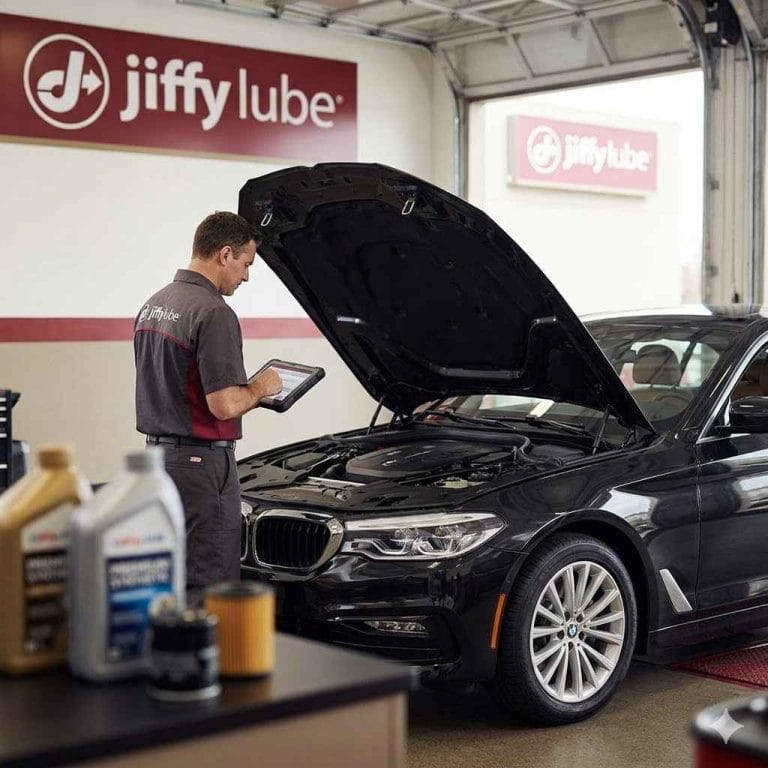
An automotive service advisor is much more than a receptionist. They are the front-line contact for customers bringing their cars in for service. Their main job is to understand the customer’s concerns.
They listen carefully to what the car owner says is wrong. Then, they talk to the service technicians. They explain the customer’s issues to the mechanics.
They also discuss the technician’s findings with the customer. This includes explaining needed repairs. They also provide cost estimates.
Service advisors manage the customer’s expectations. They help schedule appointments. They ensure customers are happy with the service.
They also upsell services and products when appropriate. Good advisors build trust. This makes customers return.
Think of them as the ‘face’ of the service department. They need to be organized. They must be good communicators.
They also need a basic understanding of car problems. This helps them translate technical terms. They make car repairs less confusing for everyone.
They handle customer complaints. They work hard to solve issues. This keeps the service bay running smoothly.
It also keeps customers coming back.
A Day in the Life of a Service Advisor
My first job as a service advisor was at a busy dealership. I remember walking in early each morning. The service bays were already humming.
My desk was right by the main entrance. Customers started pulling in soon after opening. The first few hours were a blur of greetings.
I listened to folks talk about strange noises. Some worried about warning lights. Others just needed routine oil changes.
I’d grab my notepad. I’d ask lots of questions. “When did you first notice this?” “Does it happen all the time?”
Then came the relay. I’d walk over to the service manager. I’d jot down the car’s make, model, and VIN.
I’d explain the customer’s words. I’d tell them what the car owner said. The service manager would then assign a technician.
I’d go back to my desk. I’d update the customer. I’d give them an estimated time for diagnosis.
Sometimes, a technician would call me later. They’d say, “Hey, we found a leaky hose.” I’d then have to call the customer. I’d explain the problem.
I’d tell them the cost. I’d ask if they wanted us to fix it. It was a constant cycle of talking, writing, and calling.
Some days were stressful. The phone rang nonstop. Customers were sometimes upset.
But when a fix went smoothly, and a customer left happy, it felt good.
Factors Affecting Service Advisor Salaries
Several things can change how much a service advisor earns. Location is a big one. Cities with a higher cost of living often pay more.
For example, a service advisor in California might make more than one in a smaller town. The type of workplace also matters. Large, high-volume car dealerships usually pay better.
They often have more customers. This means more service business. Smaller independent shops might offer lower base pay.
But they might have different bonus structures. Experience is also key. Someone just starting out will earn less.
An experienced advisor with a proven track record can command a higher salary. Their ability to sell service and build relationships is valuable.
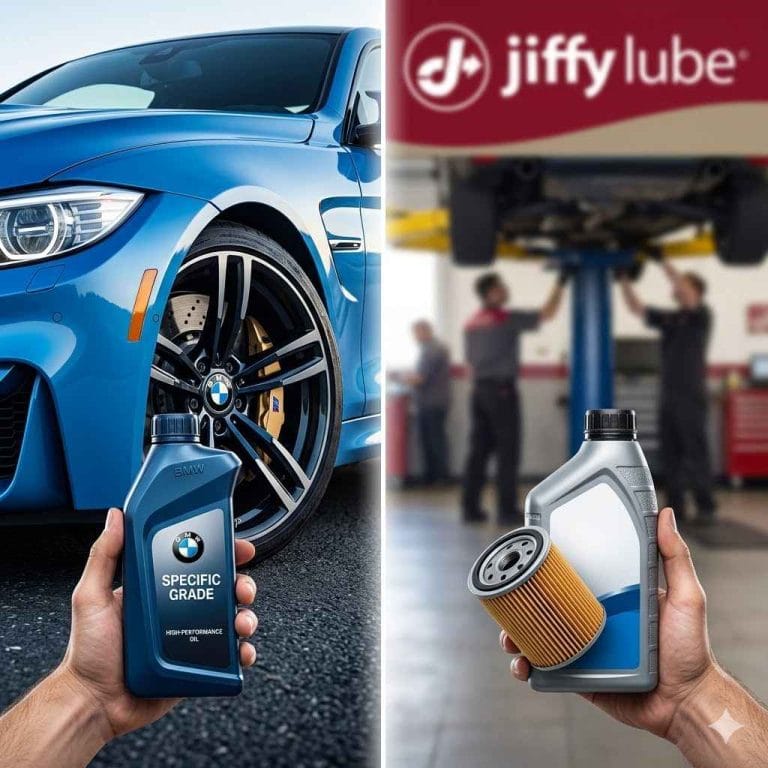
The specific brand of car also plays a role. Luxury car brands often have higher service prices. This can translate to higher earnings for their advisors.
Performance bonuses are common. These are often tied to customer satisfaction scores. They can also be linked to sales targets.
Meeting or exceeding these goals can significantly boost income. Benefits like health insurance, paid time off, and retirement plans add to the total compensation package. These are not direct salary but add value.
Understanding Your Paycheck: Base vs. Commission
Base Salary: This is the fixed amount you get paid regularly. It’s your guaranteed income. It provides stability.
Commission: This is a percentage of sales or profit. For service advisors, it’s often tied to the services sold. It rewards performance.
Bonuses: These are extra payments. They are usually for hitting specific goals. Goals might be customer satisfaction or sales targets.
Total Compensation: This is your base plus commission and bonuses. It’s what you can realistically earn in a year.
Typical Salary Ranges in 2025
In 2025, entry-level automotive service advisors might start in the low to mid-$40,000s. This is often with a smaller shop or as an apprentice. After gaining a year or two of experience, their salary could climb to $50,000 or more.
Mid-level advisors, with 3-7 years of experience, often find themselves earning between $55,000 and $65,000 annually. These individuals are skilled at customer relations. They understand the service process well.
They can often upsell effectively.
Experienced and top-performing service advisors can earn significantly more. In high-demand areas or at luxury dealerships, their annual pay can reach $70,000 to $85,000. Some might even exceed $90,000.
This higher end is usually achieved through strong commission earnings and bonuses. It requires a consistent ability to meet and exceed sales and customer satisfaction goals. These advisors have built a loyal customer base.
They are trusted. They are seen as experts by their clients.
Regional Salary Snapshot (Estimates for 2025)
Major Metropolitan Areas (e.g., Los Angeles, New York): $60,000 – $85,000+
Mid-Sized Cities (e.g., Denver, Austin): $50,000 – $70,000
Smaller Towns / Rural Areas: $45,000 – $60,000
The Role of Experience and Skill
Experience is a massive factor in service advisor pay. A new advisor might have a solid base salary. But they likely won’t get a big commission check right away.
They are still learning the ropes. They need to build rapport with customers. They need to learn the dealership’s systems.
They need to understand common repairs. They must learn how to talk to technicians effectively. This takes time.
As an advisor gains experience, their skills sharpen. They learn to read customers better. They can anticipate needs.
They become more confident in explaining repair options and costs. This confidence translates into better sales. It also leads to happier customers.
Customers trust advisors they’ve worked with before. They know they will be treated fairly. This repeat business is gold for dealerships.
It allows experienced advisors to earn more through commissions. They also get higher base pay. Some dealerships even offer a small percentage of the labor sold.
This incentivizes them to be efficient.
Key Skills for Higher Earnings
Communication: Clearly explaining technical issues to non-technical people.
Salesmanship: Recommending services and products that customers need.
Customer Service: Building trust and ensuring customer satisfaction.
Organization: Managing appointments, paperwork, and customer follow-ups.
Problem-Solving: Addressing customer concerns and finding solutions.
Basic Automotive Knowledge: Understanding car parts and common problems.
Dealership vs. Independent Shops
Where you work makes a difference in pay. Dealerships, especially larger ones, often offer higher base salaries. They also usually have structured commission plans.
These plans are designed to reward performance. Dealerships benefit from manufacturer support. They get brand recognition.
They often have more marketing resources. This brings in a steady stream of customers. Their service departments are typically busier.
This means more opportunities for advisors to sell services.
Independent repair shops can vary a lot. Some small, well-established shops might pay competitively. They might offer profit-sharing.
Others, especially smaller ones, might offer lower base pay. Their commission structures might be less formal. The earning potential can be more unpredictable.
However, independent shops can offer a different kind of satisfaction. Advisors might have more autonomy. They might work with a wider range of car makes and models.
They might develop closer relationships with owners and technicians. The overall compensation package at an independent shop might be lower. But the work environment could be more appealing to some.
Comparing Workplaces
Dealership:
- Higher base pay potential.
- Structured commission plans.
- More customer traffic.
- Brand-specific training.
- Can be high-pressure.
Independent Shop:
- Variable pay structures.
- May offer profit sharing.
- Work with diverse vehicles.
- More autonomy possible.
- Can be less predictable income.
The Impact of Customer Satisfaction Scores
Customer satisfaction (CSAT) scores are hugely important for service advisors. Many dealerships tie bonuses directly to these scores. High scores mean happy customers.
Happy customers return for service. They also recommend the shop to friends. This is invaluable for business.
Advisors who consistently get high CSAT scores are highly valued. They contribute directly to the shop’s success. This often means they earn more.
A low CSAT score can negatively impact an advisor’s pay. It might mean a lower bonus. In some cases, it could even affect their base pay.
Shops invest in training to help advisors improve. They teach techniques for handling difficult customers. They emphasize clear communication.
They stress the importance of follow-up. Advisors who master these skills often see their earnings climb. They become indispensable to the service department.
They know how to turn a potentially negative experience into a positive one.
Bonuses and Incentives for Service Advisors
Bonuses are a significant part of a service advisor’s total earnings. These incentives are designed to motivate. They encourage advisors to perform well in key areas.
Sales performance is a major one. This could be based on the dollar amount of services sold. It could also be based on the number of “upsells” or add-on services.
For instance, recommending an engine air filter replacement during an oil change. Customer satisfaction scores are another big driver. As mentioned, hitting certain targets on surveys earns bonuses.
Some dealerships offer bonuses for productivity. This might be measured by the number of repair orders written or closed. Others might reward efficiency.
This could be how quickly they can get a car diagnosed and approved. There might also be team bonuses. If the entire service department hits its goals, everyone gets a little extra.
These bonuses can add thousands of dollars to an advisor’s annual income. They make the job more dynamic. They offer the chance to earn beyond the base pay.
Benefits Beyond Salary
While salary is important, the benefits package is also crucial. These extras can add significant value. Health insurance is standard for most full-time service advisors.
This covers medical, dental, and vision care. Many employers also offer life insurance. Paid time off (PTO) is common.
This includes vacation days, sick days, and holidays. This allows for rest and recovery.
Retirement savings plans, like a 401(k), are often available. Some employers offer a matching contribution. This is essentially free money towards your retirement.
Opportunities for ongoing training are also a benefit. Dealerships often send advisors to manufacturer training. This keeps their skills sharp.
It also helps them stay up-to-date on new models and technologies. Some may offer tuition reimbursement for further education. These benefits contribute to overall job satisfaction and financial well-being.
Typical Employee Benefits
- Health Insurance: Medical, Dental, Vision
- Life Insurance
- Paid Time Off: Vacation, Sick Days, Holidays
- Retirement Plans: 401(k) with potential employer match
- Training and Development: Manufacturer training, workshops
- Employee Discounts: On parts and service for personal vehicles
Career Path and Earning Potential
The role of a service advisor is often a stepping stone. It’s a great entry point into the automotive industry. For those with a knack for sales and management, the path can lead upwards.
Many service advisors move into service management. They become service managers or shop foremen. These roles involve overseeing the entire service department.
They manage technicians, advisors, and operations. The pay for these positions is generally higher. Service managers can earn $70,000 to $100,000 or more.
This depends heavily on the size and success of the dealership.
Some advisors might also transition into parts management. Others might find opportunities in dealership management. This could involve becoming a general manager.
The skills learned as a service advisor are transferable. They include customer service, sales, problem-solving, and team coordination. With dedication and continuous learning, earnings can grow substantially over time.
It’s a career with potential for advancement.
Is Being a Service Advisor Worth It?
Deciding if being a service advisor is the right fit involves weighing pros and cons. The pay can be quite good, especially with experience and strong performance. The potential for bonuses and commissions adds excitement.
You get to help people solve problems with their cars. This can be very rewarding. The job offers a clear career path.
There are opportunities to grow into management roles. You learn a lot about cars and customer service.
However, it’s not always easy. The job can be stressful. You deal with upset customers.
You face high performance expectations. The hours can sometimes be long. You need to be a people person.
You must be organized. You need to be able to handle pressure. If you enjoy interacting with people, solving problems, and working in a fast-paced environment, it can be a very fulfilling and financially rewarding career.
The key is to find a good dealership or shop. Then, work hard to build your skills and reputation.
Frequently Asked Questions about Service Advisor Salaries
What is the average salary for an automotive service advisor in 2025?
In 2025, the average annual salary for an automotive service advisor typically ranges from $45,000 to $75,000. This average can be higher or lower based on several factors.
Do service advisors get paid a salary or commission?
Most automotive service advisors receive a combination of a base salary and commission. The base salary provides a stable income. Commission is earned based on the services and parts they sell.
How much can an experienced service advisor make?
An experienced service advisor can make considerably more. Top performers in desirable locations or at luxury dealerships may earn $70,000 to over $90,000 annually, including bonuses and commissions.
Does location affect a service advisor’s pay?
Yes, location significantly impacts pay. Service advisors in high cost-of-living areas or major cities generally earn higher salaries than those in smaller towns or rural regions.
What are the main factors influencing a service advisor’s income?
Key factors include years of experience, location, type of employer (dealership vs. independent shop), sales performance, and customer satisfaction scores, which often influence bonus payouts.
Are there opportunities for bonuses and incentives?
Absolutely. Bonuses and incentives are common. They are often tied to meeting sales targets, achieving high customer satisfaction ratings, and overall team performance.
Conclusion
The earning potential for automotive service advisors in 2025 is solid. It offers a good blend of stability and performance-based rewards. By understanding the factors that influence pay, like experience and location, aspiring advisors can set realistic goals.
The path from entry-level to experienced professional can lead to a comfortable income. Plus, there are chances for career growth. This makes it an attractive career choice for many.
Products related to this article
Sponsored / affiliate links. As an Amazon Associate I earn from qualifying purchases. I may earn additional commission from eligible campaigns.