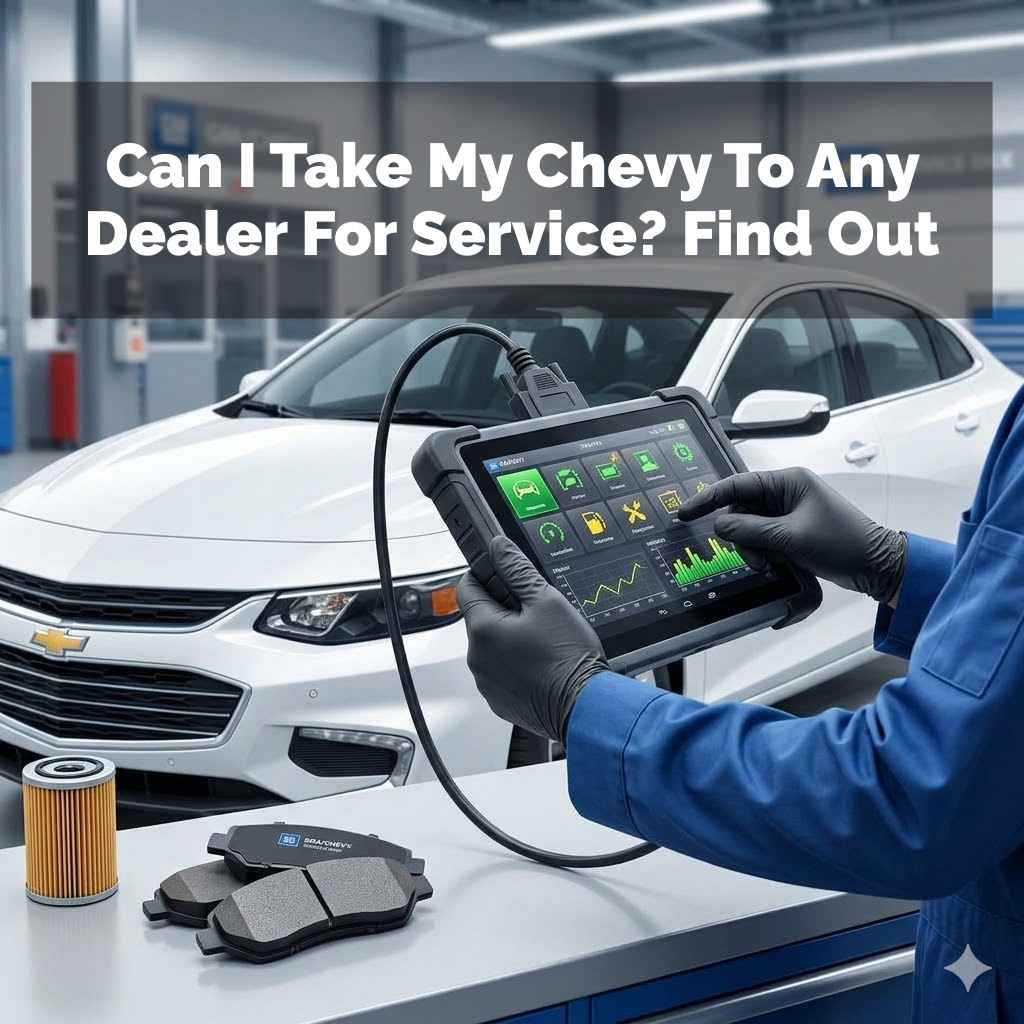
Can I Take My Chevy To Any Dealer For Service? Find Out
It’s a question many car owners ponder, especially when you’re on the road or away from your usual mechanic. You love your Chevy, but where can you get it fixed when it needs a little TLC? This is a common worry.
You want to keep your car running smoothly. You also want to make sure you’re not breaking any rules or spending more than you need to. Let’s dive into this.
We’ll look at the ins and outs of getting your Chevrolet serviced.
Generally, yes, you can take your Chevrolet to any dealership for service. However, for warranty work, it’s often best or required to use a franchised Chevrolet dealer. For non-warranty repairs, many independent shops are also capable of servicing your vehicle, but choosing the right one is key.
Understanding Your Chevrolet Service Options
When your Chevrolet needs attention, you have a few main places to turn. These include franchised Chevrolet dealerships, independent repair shops, and maybe even some specialized mechanics. Each has its own set of pros and cons.
It really depends on what you need done and what’s most important to you. For instance, is it a simple oil change or a major engine repair? Are you worried about your car’s warranty?
Chevrolet, like most major car brands, has a network of authorized dealerships. These places are specifically trained and equipped to handle Chevrolets. They have access to genuine Chevrolet parts.
They also have the latest diagnostic tools. This can be super important for complex issues. Technicians there get regular training on Chevrolet vehicles.
This means they know the brand inside and out. This knowledge is key for complex repairs.
On the other hand, you have independent repair shops. These are businesses that aren’t tied to a specific car brand. Many of them are excellent.
They often offer competitive pricing. Some specialize in certain types of repairs. You might find a great local mechanic who knows your car’s needs well.
They can be a real gem if you find the right one. It’s important to do some homework on these shops too.
Then there are the specialty shops. Think tire shops, muffler shops, or electrical specialists. These are great for specific jobs.
But they might not be the best choice for a general service or a big problem. It’s like going to a cardiologist for a headache. They might fix it, but it’s not their main focus.
It’s best to match the repair type to the shop’s expertise.
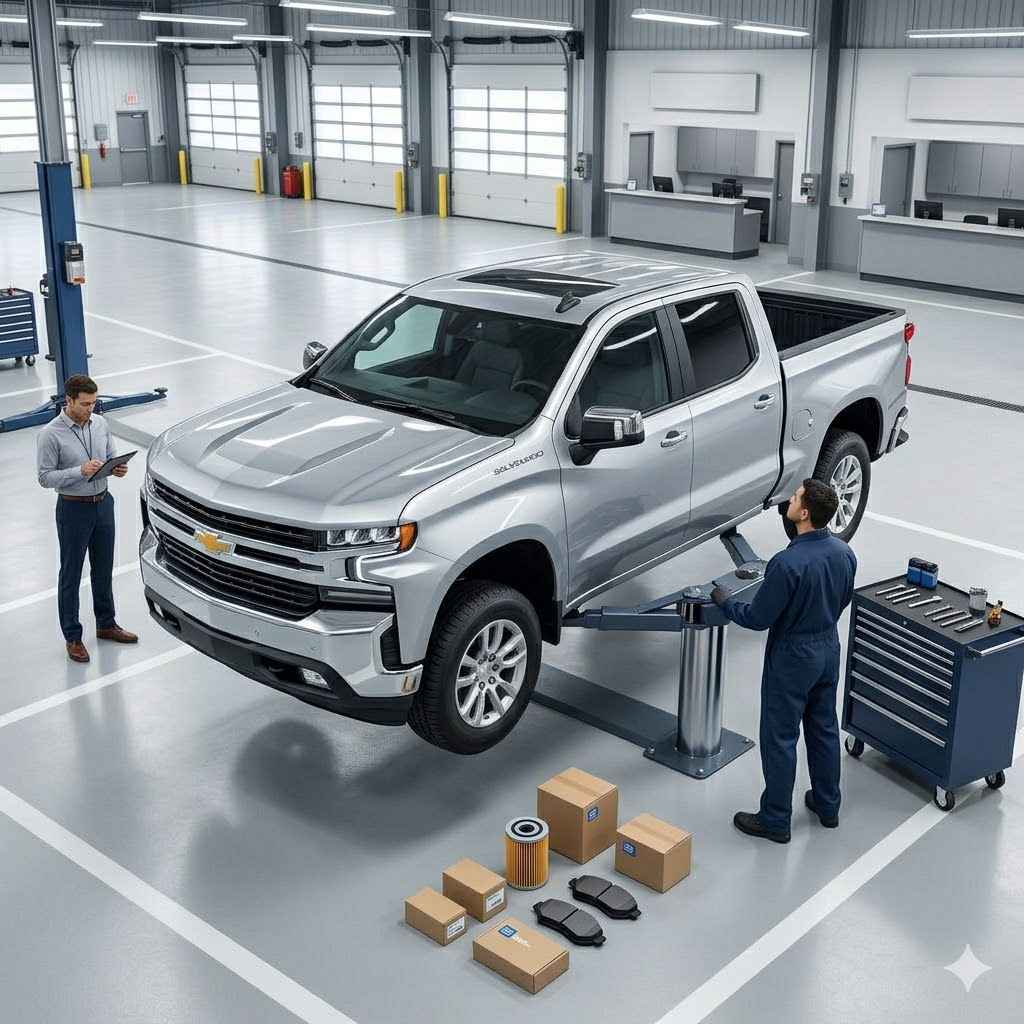
Chevrolet Dealerships: The Authorized Path
Taking your Chevy to a Chevrolet dealership is often the most straightforward route. Especially when your car is new. Why?
Because of the warranty. Your Chevrolet warranty is a contract. It promises certain repairs for a set period or mileage.
For this to be valid, manufacturers usually want you to use authorized dealers. They want to ensure repairs are done to their standards.
These dealerships have access to genuine GM (General Motors) parts. These parts are made specifically for your Chevrolet model. They fit perfectly.
They are designed to last. Using genuine parts can be crucial for certain warranty claims. If you use aftermarket parts and something goes wrong related to that part, the dealership might deny your warranty claim.
That’s a big risk to take.
The technicians at Chevrolet dealerships are factory-trained. They attend specific training programs. These programs focus on Chevrolet vehicles.
They learn about new models, common problems, and repair techniques directly from the manufacturer. They use specialized diagnostic equipment. This equipment can read error codes and pinpoint issues that a general mechanic might miss.
This can save time and money in the long run.
Plus, dealerships often have a better understanding of the overall vehicle system. A modern car is very complex. Everything is connected.
A technician who understands how one system affects another is invaluable. They can often spot potential future problems during routine service. This proactive approach can prevent bigger headaches down the road.
It’s about maintaining the car’s integrity.
There’s also a level of trust associated with dealerships. They are accountable to Chevrolet. They have a reputation to uphold.
If something goes wrong with a repair done at a dealership, you have a direct line to the manufacturer. You can escalate the issue. This can provide peace of mind.
You know there’s a process for addressing complaints or faulty work. It’s a structured system.
Independent Repair Shops: A Viable Alternative?
Independent repair shops are a huge part of the auto repair landscape. Many are run by skilled mechanics. They have years of experience.
They might not be officially linked to Chevrolet, but they can still do great work. For cars that are out of warranty, these shops can be a fantastic option. They can often offer lower prices than dealerships.
This is because their overhead is typically lower.
You can find independent shops that specialize in foreign cars or specific makes. Some even focus on American brands like Chevrolet. Doing a little research is key.
Look for shops with good reviews. Ask friends and neighbors for recommendations. Check online reviews on sites like Google, Yelp, or the Better Business Bureau.
Look for shops that are transparent about their pricing and services.
Independent mechanics might not always have access to genuine GM parts. However, many use high-quality aftermarket parts. These parts can be just as good, if not better in some cases.
You can also request genuine GM parts if you prefer. Just be sure to ask. It’s important to have a clear conversation about what parts they use.
The skill of the mechanic is paramount at an independent shop. A good mechanic can diagnose and fix almost anything. A bad one can cause more problems.
This is why finding a reputable independent shop is so important. Look for certifications. ASE (Automotive Service Excellence) certification is a good sign.
It means the mechanic has passed rigorous tests. It shows their commitment to their craft.
One of the benefits of independent shops is flexibility. They can sometimes work with you on scheduling. They might be more willing to accommodate specific requests.
For routine maintenance like oil changes, tire rotations, or brake pad replacements, many independent shops are perfectly capable. You don’t always need a dealership for these common tasks.
However, for highly technical issues or recalls, a dealership might still be your best bet. Some repairs require specialized tools or software that only dealerships have. If your car has complex electronic systems or advanced driver-assistance features, a dealership’s expertise can be invaluable.
They are designed to handle these complexities.
Dealership vs. Independent: Key Differences
Chevrolet Dealership
- Specialization: Factory-trained on Chevrolet.
- Parts: Genuine GM parts readily available.
- Tools: Access to specialized manufacturer tools.
- Warranty: Best for warranty-related repairs.
- Cost: Often higher labor rates.
- Experience: Consistent service standards.
Independent Shop
- Specialization: Varies; some focus on American cars.
- Parts: Genuine or quality aftermarket options.
- Tools: Varies; may lack specialized brand tools.
- Warranty: Best for out-of-warranty vehicles.
- Cost: Often more affordable.
- Experience: Quality depends heavily on the shop.
What About Your Chevrolet’s Warranty?
This is a critical point for many drivers. Your Chevrolet new vehicle limited warranty covers specific parts for a certain time or mileage. This is usually a bumper-to-bumper warranty and a powertrain warranty.
There are also warranties for corrosion and emissions. The manufacturer wants to ensure these repairs are done correctly.
The Magnuson-Moss Warranty Act is a U.S. federal law. It protects consumers.
It says a dealer cannot void your warranty simply because you used an independent shop for service or repairs. However, they can deny a specific warranty claim if they can prove the aftermarket part or service caused the failure. This is a big distinction.
So, if you take your car for a warranty repair on, say, the transmission, and you’ve been getting your oil changes at an independent shop that used the wrong oil, they could potentially deny the transmission repair. This is why keeping good records is essential. You need proof that routine maintenance was done correctly.
For major warranty work, it’s almost always recommended to go to an authorized Chevrolet dealer. They have the specific knowledge and tools required. They are also more likely to handle the claim smoothly.
The process is designed to be seamless between the dealership and GM. If you’re unsure, call the dealership’s service department. Ask them directly about your warranty coverage and where you can get service.
If you have a recall on your Chevrolet, you MUST take it to an authorized dealer. Recalls are safety-related issues. The manufacturer pays for these repairs.
Independent shops are not equipped or authorized to perform recall work. You’ll usually get a notice in the mail if your vehicle is subject to a recall. You can also check your VIN on the Chevrolet website.
Keep all your service records. This is true whether you use a dealership or an independent shop. A detailed logbook of all maintenance and repairs can be invaluable.
It shows you’ve taken care of your vehicle. It can also increase your car’s resale value. This documentation is your proof of care.
When Warranty Matters Most
Major Repairs: Engine, transmission, major electrical faults.
Safety Systems: Brakes, airbags, anti-lock braking systems (ABS).
Emissions Control: Catalytic converters, emissions sensors.
Recalls: Always at an authorized dealer.
Documentation: Keep all receipts and service history!
Finding a Trustworthy Independent Shop
If your car is out of warranty, or you prefer to use an independent shop, finding a good one is crucial. You don’t want to end up with a mechanic who does more harm than good. Here’s how to find a gem:
Ask for Recommendations: Talk to friends, family, and coworkers who drive Chevrolets. Ask where they take their cars. Personal experiences are often the most reliable.
A good recommendation from someone you trust is gold.
Check Online Reviews: Look at Google, Yelp, and other review sites. Pay attention to patterns. Are people consistently happy with their service?
Do they mention honest pricing and good work? Be wary of shops with very few reviews or only glowing, generic ones. Real reviews often mention specific details.
Look for Certifications: As mentioned, ASE certification is a big plus. It shows a commitment to quality. Shops that display the blue ASE emblem have technicians who have passed tests.
Some shops might also be affiliated with organizations like AAA. This can mean they meet certain standards.
Visit the Shop: Before you commit to a major repair, visit the shop. Does it look clean and organized? Are the tools and equipment in good condition?
Does the staff seem professional and friendly? Trust your gut feeling. A well-maintained shop often reflects a well-maintained business.
Get a Written Estimate: Always get a detailed written estimate before any work begins. It should clearly list the parts and labor costs. Compare estimates from a couple of different shops if possible.
This helps ensure you’re getting a fair price.
Ask Questions: Don’t be afraid to ask questions. A good mechanic will be happy to explain what’s wrong with your car and what needs to be done. If a mechanic is evasive or dismissive, that’s a red flag.
You want someone who communicates clearly.
Test Drive: After a repair, take the car for a test drive. Make sure the problem is fixed. If something still doesn’t feel right, contact the shop immediately.
A reputable shop will want to make it right.
I remember one time, my old Impala started making a weird clunking sound. I usually went to the dealership, but they were booked for weeks. I found a local independent shop with great reviews online.
I dropped it off, and the owner, a guy named Mike, showed me exactly what was going on. He explained it wasn’t urgent but needed fixing soon. He gave me a fair price.
The car ran perfectly afterward. It really showed me that good independent shops are out there.
Quick Check for Independent Shops
- Reputation: Check online reviews and ask for local referrals.
- Certifications: Look for ASE certified technicians.
- Transparency: Get written estimates and clear explanations.
- Cleanliness: A tidy shop often means organized work.
- Communication: Do they answer your questions well?
Common Scenarios and What They Mean
Let’s think about some real-life situations. This helps understand when and where to get your Chevy serviced.
Scenario 1: Your Brand New Silverado
You just bought a brand new Chevrolet Silverado. It’s got that new car smell. You need its first oil change.
Your local Chevrolet dealership is the most obvious choice. They know the truck best. They have the specific synthetic oil and filter recommended.
Plus, it keeps your warranty active and spotless. You’re building a service history with the authorized dealer from day one.
Scenario 2: Your Equinox is Out of Warranty
Your Chevrolet Equinox is now six years old. The powertrain warranty has expired. You need new brake pads and rotors.
You’ve always used the dealership, but their prices are high. You find a well-regarded independent shop nearby. They have ASE-certified mechanics.
They give you a written estimate that’s much lower than the dealership. You decide to go with the independent shop. You keep all your receipts.
Scenario 3: A Strange Noise on a Road Trip
You’re driving your Malibu on a cross-country trip. You’re hundreds of miles from home. You hear a concerning new noise.
What do you do? Your first instinct might be to find the nearest Chevrolet dealership. They will have the right parts and expertise for your specific model.
If you can’t find one quickly, a reputable independent shop is your next best bet. Explain the situation clearly. Emphasize that you’re on a trip and need a reliable fix.
Scenario 4: A Recall Notice Arrives
You get a letter from Chevrolet about a safety recall for your Trax. It involves the airbags. What should you do?
Immediately contact an authorized Chevrolet dealership. Do not delay. They are the only ones who can perform recall repairs.
They will schedule you in and fix the issue at no cost to you. This is a priority safety matter.
Real-World Service Choices
New Car / Warranty Period
Best bet: Authorized Chevrolet Dealership.
Why: Maintains warranty, uses genuine parts, factory-trained techs.
Out of Warranty
Options: Authorized Chevrolet Dealership or reputable Independent Shop.
Consider: Price, quality of work, trust in the mechanic.
Recalls or Major Issues
Best bet: Always an Authorized Chevrolet Dealership.
Why: Required for safety and manufacturer-covered repairs.
What This Means for You and Your Chevy
So, can you take your Chevy anywhere? Yes, for many things. But there are important distinctions.
For warranty work and recalls, stick to the authorized Chevrolet dealers. They are equipped and authorized. They ensure your warranty stays valid and your car is serviced to manufacturer standards.
This is about protecting your investment.
If your car is out of warranty, you have more freedom. You can choose an independent shop. However, the key is finding a reputable one.
Do your homework. Check reviews. Ask for recommendations.
Look for certifications. A good independent shop can save you money and provide excellent service. But a bad one can cost you dearly.
Consider the complexity of the repair. For routine maintenance like oil changes, tire rotations, and filter replacements, many independent shops are perfectly capable. For more complex engine diagnostics, transmission issues, or advanced electronic problems, a dealership’s specialized tools and training might be more beneficial, even if the car is out of warranty.
Ultimately, it’s about making an informed decision. Understand your car’s warranty status. Know the type of service or repair needed.
And always prioritize finding a trustworthy mechanic, whether they wear a Chevrolet uniform or run their own independent business. Your car’s health and your peace of mind depend on it. It’s about keeping that Chevy running strong.
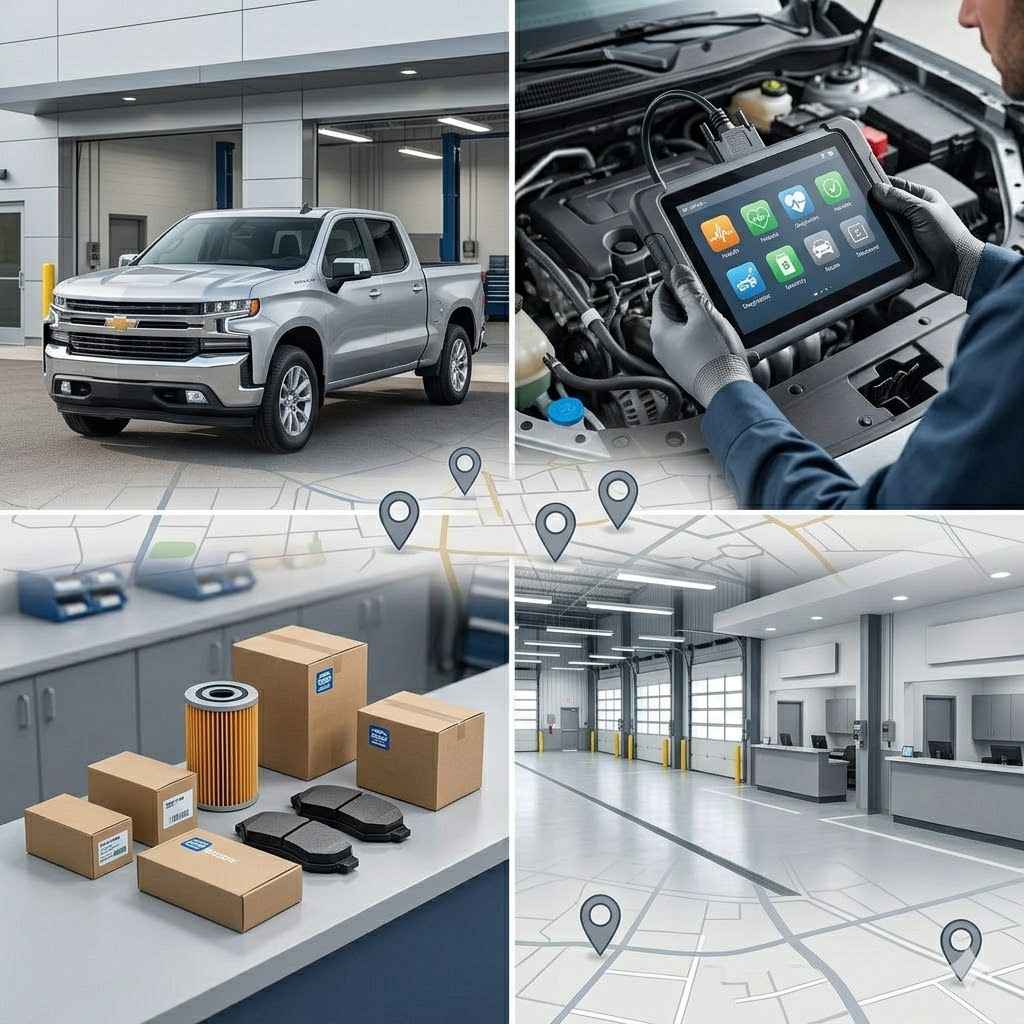
Quick Tips for Service
Here are some easy tips to make your Chevrolet service experience smoother:
- Keep Records: Save all receipts and service history.
- Understand Your Warranty: Know what’s covered and for how long.
- Ask About Parts: Specify if you want genuine GM parts or high-quality aftermarket parts.
- Get a Written Estimate: Always before major work.
- Don’t Be Afraid to Ask: A good mechanic will explain everything.
- Check Reviews: For independent shops, research is key.
- Know Your Car: Pay attention to any strange noises or warning lights.
- When in Doubt, Call the Dealer: Especially for warranty or recall issues.
Frequently Asked Questions About Chevrolet Service
Can I service my new Chevrolet at an independent shop and keep my warranty?
Yes, under the Magnuson-Moss Warranty Act, an independent shop can perform maintenance. However, the dealership can deny a specific warranty claim if they prove the independent service or part caused the failure. For major warranty work, using a Chevrolet dealer is often the safest bet.
What kind of parts do independent shops use for my Chevy?
Independent shops typically use either quality aftermarket parts or can source genuine GM parts if you request them. Always ask what type of parts they intend to use for your repair.
Are Chevrolet recall repairs free?
Yes, all Chevrolet recall repairs are performed at no cost to you by authorized Chevrolet dealerships. These are safety-related issues that the manufacturer must address.
How do I know if my Chevrolet needs a recall repair?
You will typically receive a notification by mail from Chevrolet. You can also check for recalls by entering your Vehicle Identification Number (VIN) on the official Chevrolet website.
What is the difference between a Chevrolet dealer and a general mechanic?
A Chevrolet dealer is an authorized service center with factory-trained technicians and specialized tools for Chevrolet vehicles. A general mechanic is an independent business that can service many makes and models but may not have the same specific brand expertise or tools.
Is it cheaper to get my Chevy serviced at an independent shop?
Often, yes, especially for out-of-warranty repairs. Independent shops generally have lower overhead costs than dealerships, which can translate to lower labor rates. However, always compare quotes for the same service.
Can any dealership service my Chevy, or only Chevrolet dealerships?
While many dealerships within a brand group (like GM) might have similar capabilities, it’s always best to use a franchised Chevrolet dealership for warranty work or if you want the specific expertise for your Chevy. For non-warranty work, other dealerships might service it, but their parts and training will be specific to their brand.
Conclusion: Your Chevy’s Service Journey
Choosing where to service your Chevrolet is a decision that impacts its longevity and your wallet. While any dealership can technically service your car, the specifics of warranty, expertise, and cost matter. Understand your car’s needs and your own priorities.
Whether you choose the authorized dealership or a trusted independent mechanic, informed choices lead to a healthier, happier Chevy.
Products related to this article
Sponsored / affiliate links. As an Amazon Associate I earn from qualifying purchases. I may earn additional commission from eligible campaigns.
 Powerbuilt Power Steering and Alternator Pulley Remove and Install Tool Set, Replace Vehicle Steering Pump, Car Repair Tools, Storage Case - 648605
 Innova 5210 OBD2 Scanner & Engine Code Reader, Battery Tester, Live Data, Oil Reset, Car Diagnostic Tool for Most Vehicles, Bluetooth Compatible with America's Top Car Repair App