Can I Take My Ford To Any Dealer For Service? Real Answer
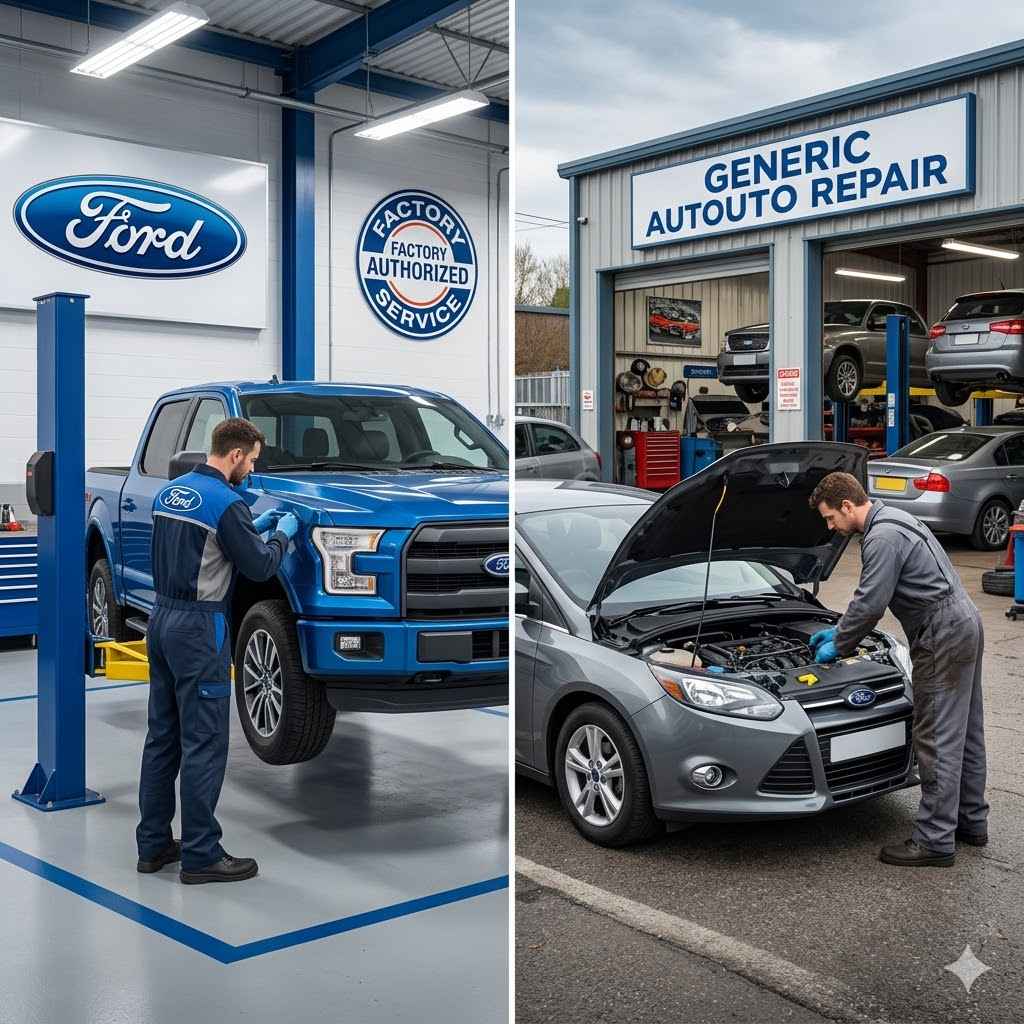
Yes, in most cases, you can take your Ford to any authorized Ford dealership for service, especially for warranty work. However, for non-warranty repairs or routine maintenance, you also have the option of independent repair shops. Your decision should consider warranty coverage, the complexity of the repair, and the reputation of the service provider.
Understanding Your Ford Service Options
When your Ford needs attention, you have choices. Knowing these choices helps you keep your vehicle running smoothly. It also helps you save time and money.
Think of your car like your health. Sometimes you need a specialist. Other times, a general practitioner can help.
Your Ford is similar. There are times a Ford dealership is your best bet. There are other times an independent shop is just as good, if not better.
The main thing to remember is that Ford makes cars. They don’t make all the mechanics. Many skilled people work outside of Ford dealerships.
They have the training and tools to fix your car.
Your Ford Warranty and Service
This is a big one. Your Ford warranty is like a safety net. It covers certain repairs for a set time or mileage.
For work to be covered by the warranty, you usually must go to a Ford dealership. This is a hard rule from Ford.
If you take your car to a non-Ford shop for a repair that the warranty should cover, Ford might deny the claim. That means you’d have to pay for it yourself. That’s a costly mistake.
So, for anything that might be under warranty, always check with your Ford dealer first. They can confirm if the repair is covered. They will do the work using genuine Ford parts.
This keeps your warranty valid and your car in top Ford shape.
What about routine service like oil changes or tire rotations? For these, the rules can be a bit more relaxed. The Magnuson-Moss Warranty Act in the U.S.
says a dealer can’t void your warranty just because you used another shop for maintenance. But, they can void it if that other shop’s work caused the problem.
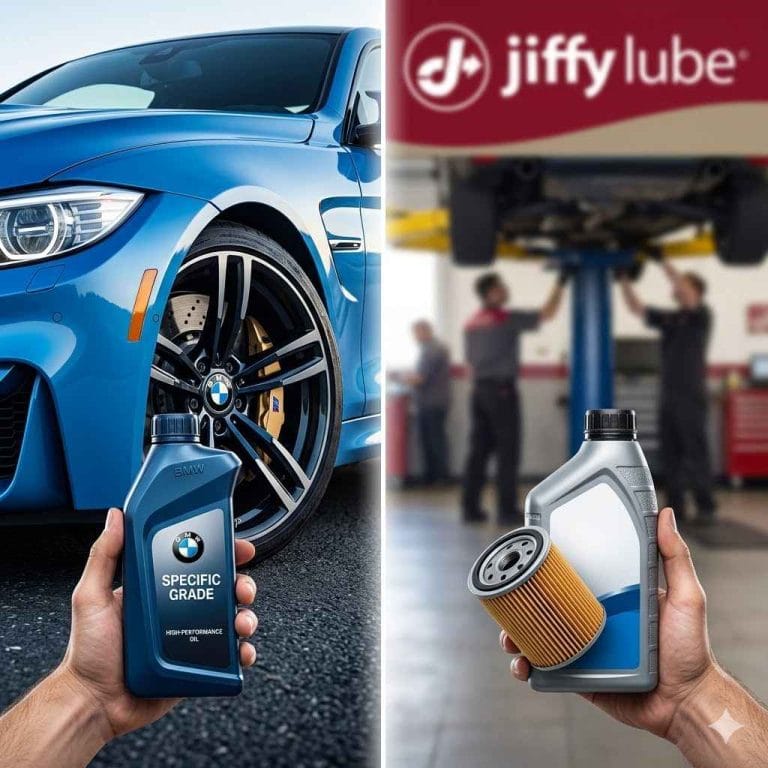
So, while you can get an oil change at a quick lube place, make sure they use the right oil and filter. Keep your receipts. This shows you did the required maintenance.
This is important if you ever need to make a warranty claim later.
Warranty Service Checklist
- Check Warranty Period: Know your warranty’s start and end dates (mileage and time).
- Confirm Coverage: If unsure about a repair, call the Ford dealer.
- Use Genuine Parts: Dealerships always use genuine Ford parts.
- Keep Records: Save all service records and receipts.
When Can You Take Your Ford to Any Dealer?
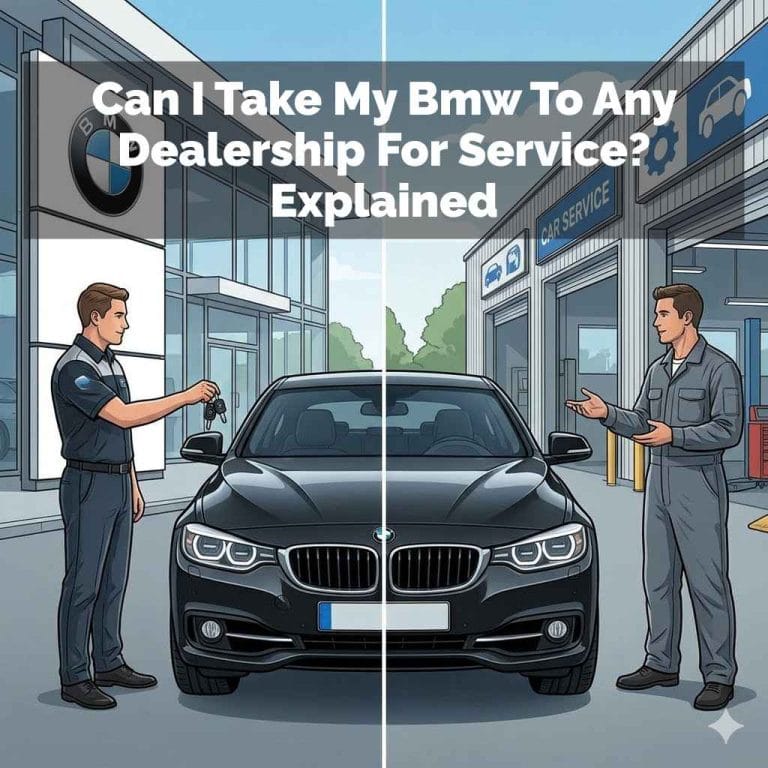
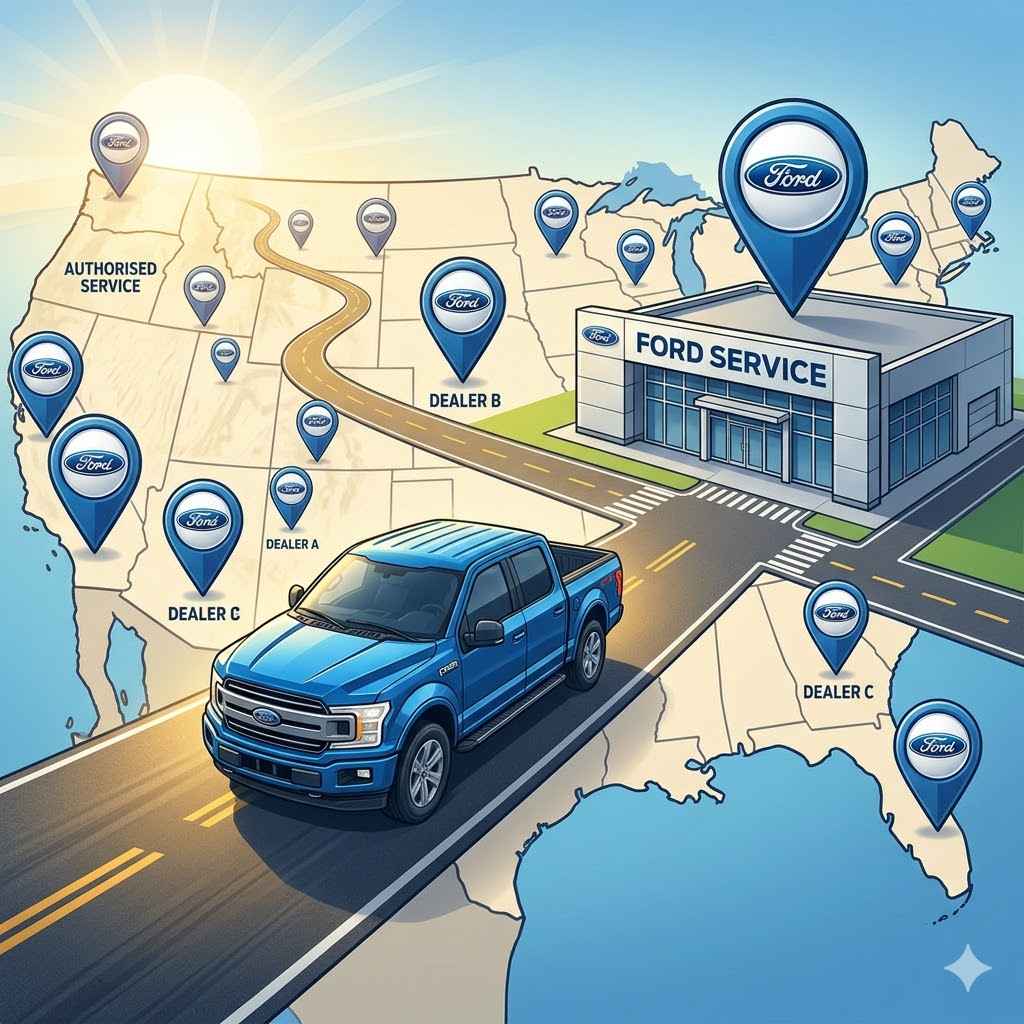
The term “any dealer” usually means any authorized Ford dealership. Ford has a network of these dealers across the country. They all have trained technicians.
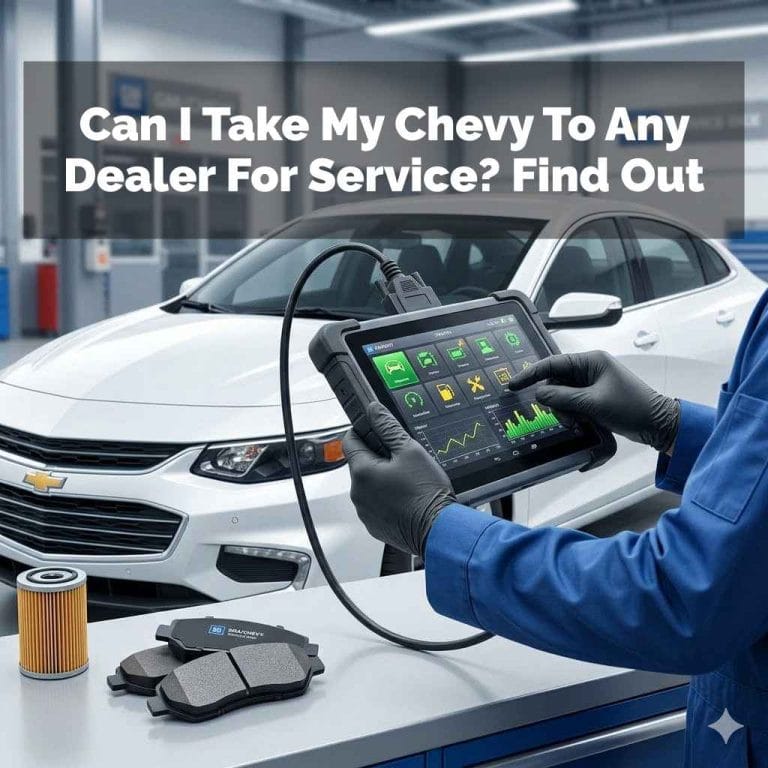
They all use Ford-specific tools and diagnostic equipment. They also stock genuine Ford parts.
If you’re traveling and your Ford breaks down, or needs service, you can find the nearest Ford dealer. Most dealerships are part of a larger service network. They can usually look up your car’s history.
This makes getting service easier, even if you’re far from home.
For example, if you’re on a road trip and your check engine light comes on, you don’t need to panic about finding your “home” dealer. Any Ford dealer can handle it. They have the same training and access to Ford’s technical service bulletins (TSBs).
TSBs are important. They are notes from Ford to dealerships about common problems and how to fix them. A good dealer will check for relevant TSBs when you bring your car in.
The Rise of Independent Mechanics
It’s not just Ford dealerships that can fix cars. There are many independent repair shops. Some specialize in certain brands, like European cars.
Others are general repair shops.
What makes an independent shop a good choice? Often, it’s about cost. Independent shops may have lower overhead.
This can mean lower labor rates for you. Sometimes, they can also be more flexible with scheduling.
The key to using an independent shop is finding a trustworthy one. How do you do that? Ask friends and family for recommendations.
Look for shops that are ASE-certified. ASE stands for the National Institute for Automotive Service Excellence. This certification means their technicians have passed rigorous tests.
A good independent shop will also have the right tools. They might not have every single Ford-specific tool. But for most common repairs, they have what they need.
They can often access repair databases that give them similar information to what dealerships use.
Choosing an Independent Shop
- Ask for Referrals: Get recommendations from people you trust.
- Look for ASE Certification: Technicians are tested and certified.
- Read Online Reviews: Check Google, Yelp, and other review sites.
- Check Experience: Does the shop have experience with Fords or similar vehicles?
- Get a Written Estimate: Always get a detailed estimate before work begins.
My Own Ford Service Story
I remember a few years back. My F-150, a trusty truck, started making a funny noise. It was a sort of grinding sound from the front.
My nearest Ford dealer was about an hour’s drive away. I was busy that week.
I remembered a local mechanic, “Gary’s Auto,” that a neighbor had recommended. Gary’s is a small shop, but it’s always busy. I called them up.
They said they could look at it the next day. I was a little nervous. Would they know how to fix a Ford truck?
Gary assured me they work on all kinds of vehicles.
I dropped the truck off. Gary called me a few hours later. He explained the issue clearly.
It was a wheel bearing. He told me the cost of the part and the labor. It was less than I expected.
He used a quality aftermarket part. He guaranteed his work. I picked up the truck that afternoon.
The grinding noise was gone. The truck felt solid again. I saved time and money.
It showed me that sometimes, the local guys are just as good, if not better, for regular repairs.
What About Recalls?
Recalls are different. Ford issues recalls when there’s a safety defect. These repairs are always free.
And you must go to an authorized Ford dealership for recall work. This is for your safety and because Ford pays the dealer directly.
You can check for recalls on your Ford using its Vehicle Identification Number (VIN) on the Ford website or the NHTSA website. If your car has an open recall, you’ll be advised to schedule an appointment at a Ford dealer.
Dealerships are equipped to handle these safety issues properly. They have the specific instructions and parts needed for recall fixes.
Recall Service: The Dealership is Key
- Safety First: Recalls address safety concerns.
- Free Service: Recall repairs are always at no cost to you.
- Mandatory Dealer Visit: You must go to a Ford dealership for recall work.
- VIN Check: Use your VIN to see if your Ford has any open recalls.
When Is a Ford Dealer Your Best Choice?
There are specific times when you really should stick with a Ford dealership. These are the situations where their specialized knowledge and tools are most valuable.
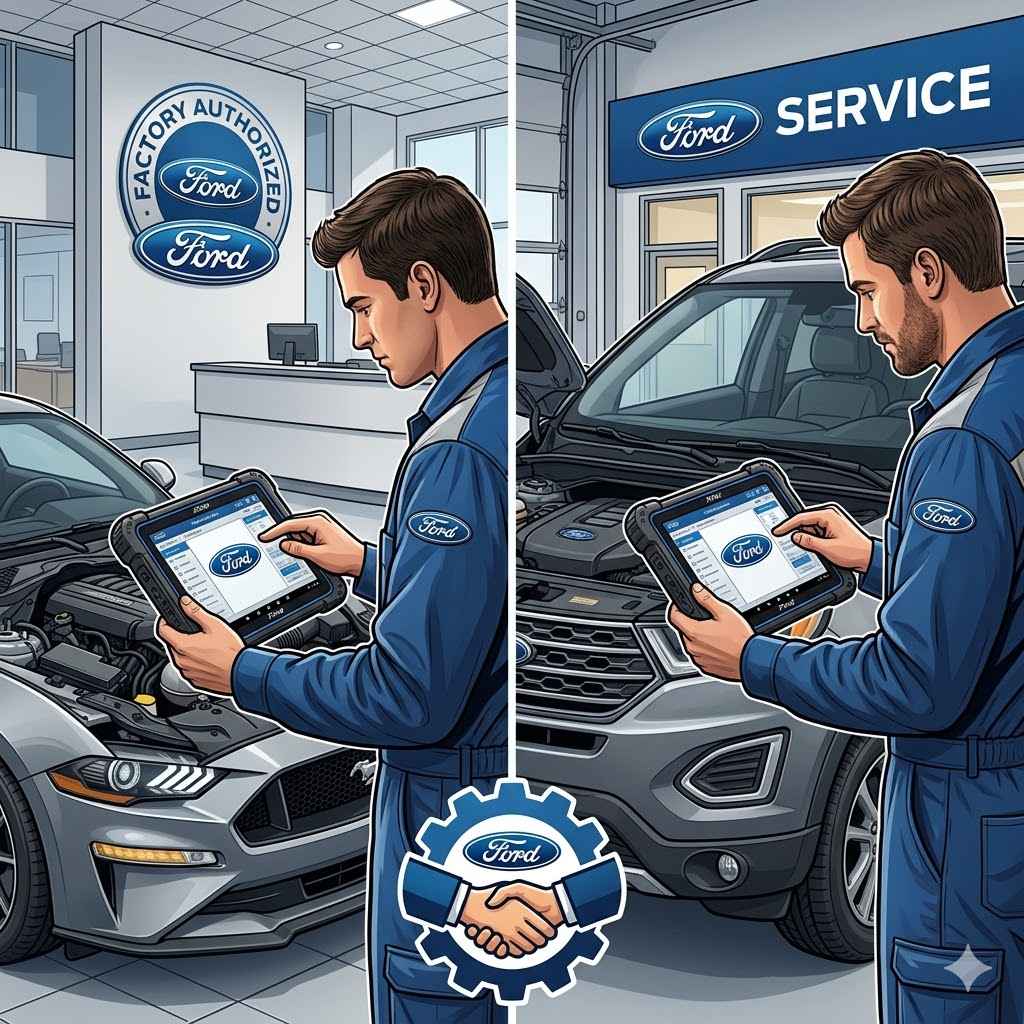
Complex Electronic Issues: Modern Fords have very complex computer systems. Diagnosing problems with the infotainment, advanced driver-assistance systems (ADAS), or engine control units (ECUs) often requires specialized Ford diagnostic tools. Independent shops may struggle with these highly technical issues.
New Model Specifics: When a new Ford model is released, its systems and components are brand new. Dealership technicians are the first to be trained on these. They get the latest updates and TSBs directly from Ford.
Warranty Repairs: As we’ve covered, any work that falls under your new vehicle limited warranty or powertrain warranty typically needs to be done at a Ford dealer to keep the warranty valid.
Specialized Performance Parts: If your Ford has specialized performance parts or has been modified with Ford Performance parts, the dealership may be the best place to get them serviced or repaired. They have the factory-trained expertise for these higher-performance components.
Dealership Service Deals: Sometimes, Ford dealerships offer special service deals or coupons. These can make their prices competitive with independent shops, especially for major services.
I once had a Ford Explorer with a weird transmission slip. It only happened at certain speeds. My local mechanic couldn’t pinpoint it after a few tries.
They admitted it was beyond their usual scope. I took it to the Ford dealer. They connected their fancy computer.
It showed a minor software glitch in the transmission control module. They updated the software. The problem vanished.
That was a case where the dealer’s specialized tools made all the difference.
Dealer Advantage Scenarios
- Warranty Work: Essential for coverage.
- Recalls: Required for safety.
- Complex Electronics: Needs specialized Ford diagnostics.
- New Model Service: Technicians are first trained.
- Performance Parts: For specialized Ford components.
What About the Cost Difference?
This is often the biggest factor for car owners. Generally speaking, you might find that Ford dealerships charge more for parts and labor than independent shops. Why is this?
Higher Overhead: Dealerships have significant costs. They need to invest in the latest Ford diagnostic equipment, maintain a large inventory of genuine Ford parts, and often offer amenities like loaner cars and nice waiting areas. Their staff is also factory-trained, which can be a higher cost.
Genuine Parts: Dealerships almost exclusively use genuine Ford parts. These are made to Ford’s exact specifications. They often come with their own warranty.
Aftermarket parts, used by many independent shops, can be cheaper. They are made by different manufacturers and can vary in quality.
However, the price difference isn’t always huge. For routine maintenance like oil changes or brake pad replacements, the cost might be quite close. It’s always a good idea to get quotes from both your Ford dealer and a trusted independent shop.
Sometimes, a dealership’s quote for a specific service might surprise you. They might have a special offer or a bundled maintenance package that makes it competitive.
Price Point Comparison
Ford Dealership
- Pros: Genuine parts, factory-trained techs, warranty compliance, latest tools.
- Cons: Often higher labor rates, can be more expensive for parts.
Independent Shop
- Pros: Often lower labor rates, competitive pricing, good for general repairs.
- Cons: May not have all specialized Ford tools, parts quality can vary.
Making the Right Choice for Your Ford
So, can you take your Ford to any dealer? Yes, any Ford dealer for most things. Can you take it to an independent shop?
Yes, for many repairs and maintenance, as long as it doesn’t violate your warranty.
The decision comes down to a few factors. First, check your warranty status. If you’re still under warranty, especially for a major repair, the Ford dealer is usually the safest bet.
For routine maintenance, you have more flexibility, but keep records.
Second, consider the type of repair. Is it a complex electronic issue, a safety recall, or something new to the market? If so, the dealership’s expertise might be essential.
Is it a common repair like an oil change, brake job, or tire rotation? An experienced independent shop can likely handle it well and save you money.
Third, trust and reputation matter. Do you have a long-standing relationship with a local mechanic who knows your car? Or do you have a Ford dealer service advisor you trust implicitly?
Word-of-mouth and online reviews are your friends here.
Finally, always get a clear estimate before authorizing any work, whether at a dealership or an independent shop. Understand what they plan to do and what parts they will use.
My personal rule is this: If it’s under warranty or a safety recall, it’s the Ford dealer. If it’s a common maintenance item (oil, brakes, tires) and I have a trusted independent shop, I’ll go there. For anything unusual or requiring deep computer diagnostics on a newer car, I might lean towards the dealer, but I’ll get a quote first.
It’s all about balance and making informed decisions for your specific situation.
Remember, the goal is to keep your Ford running reliably. Whether you choose a Ford dealer or an independent shop, make sure they are qualified and trustworthy. Your car will thank you for it, and so will your bank account.
Frequently Asked Questions
Can I get my Ford oil changed at a non-Ford place?
Yes, you generally can get your Ford oil changed at a non-Ford service center like a quick lube shop or an independent mechanic. However, it’s crucial to ensure they use the correct type and weight of oil recommended in your Ford’s owner’s manual. Also, keep detailed records and receipts of all maintenance performed, as this can be important if you ever need to make a warranty claim.
What happens if an independent shop works on my car and causes a problem?
If an independent shop performs a repair and it causes a new problem, that shop is typically responsible for fixing the new issue. If the repair performed by an independent shop causes a problem that would have been covered by your Ford warranty, Ford might deny the warranty claim for that specific issue. It’s important to choose reputable independent shops.
Do Ford dealers charge more than independent mechanics?
Often, Ford dealerships do charge more for parts and labor than independent mechanics. This can be due to higher overhead costs, the use of genuine Ford parts, and specialized training for their technicians. However, prices can vary widely, and it’s always best to get quotes from both types of service centers.
What is ASE certification and why does it matter?
ASE stands for the National Institute for Automotive Service Excellence. ASE certification means a mechanic has passed rigorous tests demonstrating their knowledge and skills in specific areas of auto repair. It’s a good indicator of a mechanic’s competence and professionalism.
Many independent shops proudly display their ASE certifications.
Can I get my Ford serviced at a dealership in another state if I’m traveling?
Yes, you can take your Ford to an authorized Ford dealership in another state for service. Ford dealerships are part of a national network. They can access your vehicle’s service history and perform most standard maintenance and repairs, including warranty work and recalls.
Are there any Ford services I absolutely must get done at a dealership?
Yes, safety recalls and any repairs covered under your Ford new vehicle limited warranty or powertrain warranty typically must be performed at an authorized Ford dealership to maintain warranty coverage. Complex electronic diagnostics or repairs specific to brand-new model systems may also be best handled by a dealership.
Conclusion
Navigating your service options for your Ford can seem tricky. But understanding your warranty, the types of repairs, and the expertise available at both dealerships and independent shops makes it clear. You have choices, and knowing them empowers you to make the best decision for your car’s health and your budget.
Products related to this article
Sponsored / affiliate links. As an Amazon Associate I earn from qualifying purchases. I may earn additional commission from eligible campaigns.