Can-Am Hot Wheels: The Coolest Die-Cast Models Ranked
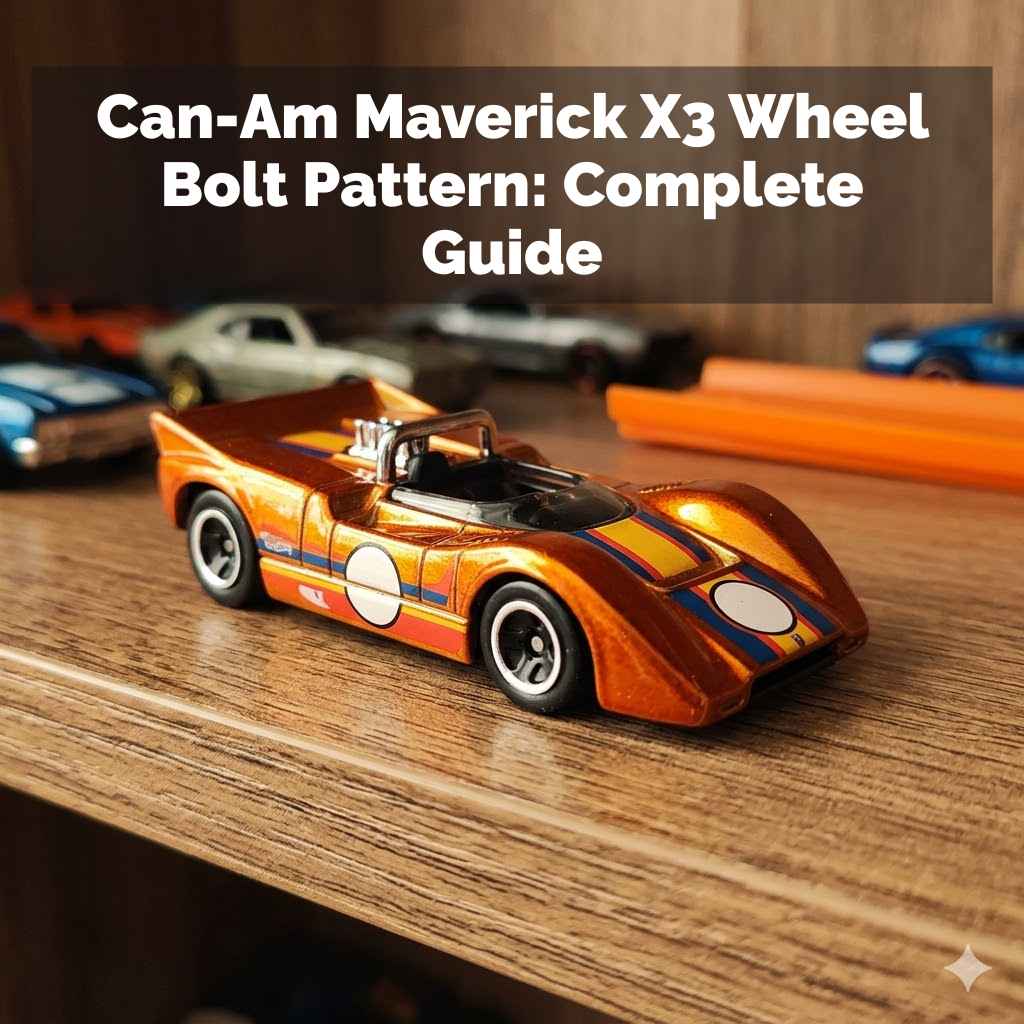
It’s no secret that when Hot Wheels decides to bring a legendary race car to life, they do it with serious style. And when that race car is from the Can-Am era? Well, that’s just pure magic for collectors and car fans alike.
These powerful, often wild-looking machines pushed the boundaries of automotive design and performance.
Hot Wheels has captured that spirit beautifully in their die-cast models. If you’re looking to find the absolute coolest Can-Am Hot Wheels out there, you’ve come to the right place. We’re going to dive deep into what makes these models so special.
You’ll learn about the history, the design, and of course, which ones stand out from the pack.
Get ready to explore some truly awesome cars. We’ll break down why certain models are more sought after. Plus, you’ll get a good feel for what to look for when building your own Can-Am Hot Wheels collection.
The coolest Can-Am Hot Wheels models combine iconic racing heritage with detailed die-cast craftsmanship. They represent a golden era of motorsport with bold designs and high-performance engineering, making them highly sought after by collectors.
The Thrill of Can-Am Racing
Before we talk about the models, let’s take a minute to appreciate the real cars. The Canadian-American Challenge Cup, or Can-Am, ran from 1966 to 1974. It was a race series like no other.
Drivers raced purpose-built sports cars with no rules on engine size or type.
This meant teams could fit massive V8 engines into lightweight, aerodynamic bodies. Think of cars that looked like open-wheel racers but with covered wheels and sleek, often strange, bodywork. They were incredibly fast and visually stunning.
Names like Bruce McLaren, Jim Hall, and Mark Donohue became legends in this series. They drove cars that pushed the limits. Cars like the McLaren M6A, the Lola T70, and the Chaparral 2 series are iconic.
This era was all about innovation and sheer power. The cars were a mix of art and engineering. They were built to go fast and look good doing it.
This made them perfect subjects for Hot Wheels to capture.
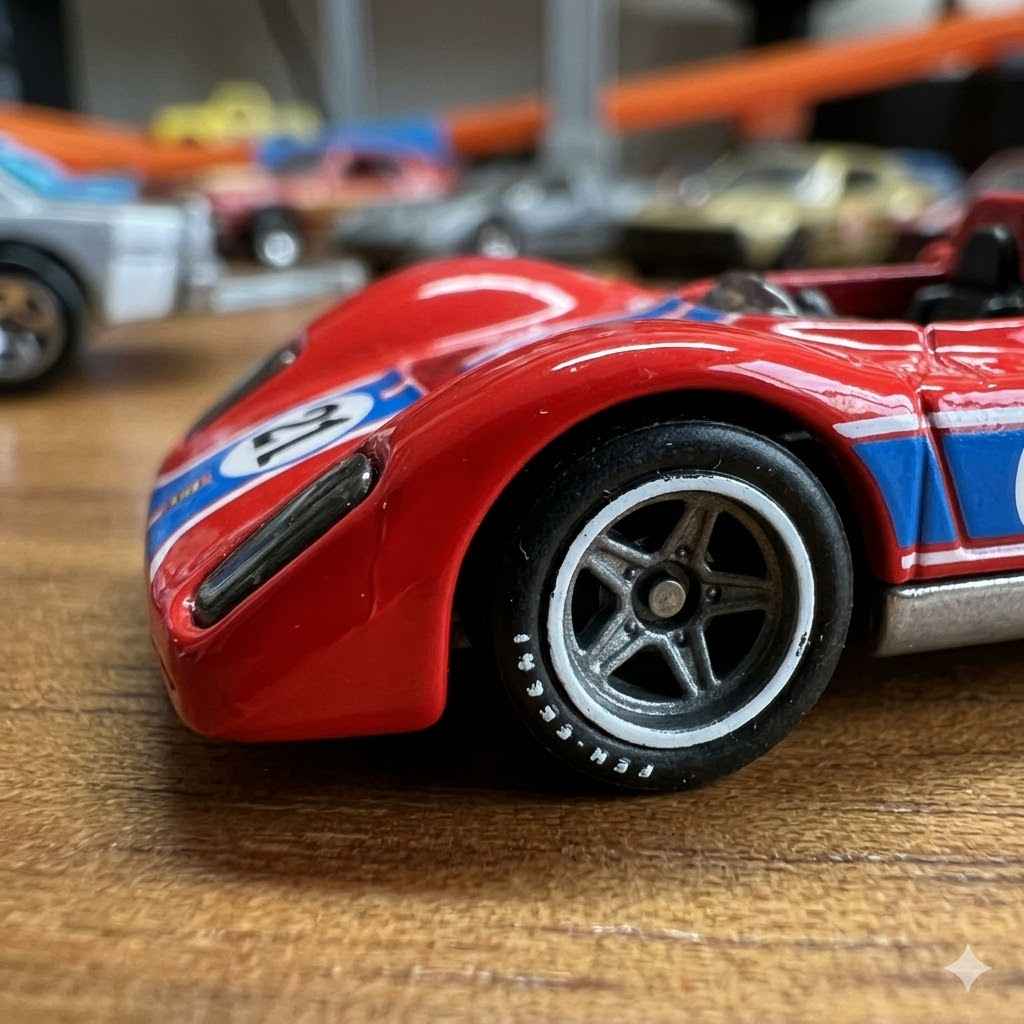
Why Hot Wheels Can-Am Models Shine
Hot Wheels has a knack for picking great cars. They then translate them into detailed, affordable die-cast models. For Can-Am cars, this means paying attention to the unique shapes and powerful stances of these racers.
Collectors love these models for several reasons. Firstly, they offer a piece of motorsport history. Owning a Hot Wheels McLaren M8B is like holding a tiny bit of that Can-Am excitement.
Secondly, the detail can be amazing. Even at a small scale, Hot Wheels often gets the livery, spoilers, and wheels just right.
The choice of colors and finishes also matters. Sometimes Hot Wheels releases a model in a color scheme that matches a famous race car. Other times, they use vibrant, fantasy colors that just look cool.
Both approaches appeal to different collectors.
The rarity of certain models also drives their appeal. Some Can-Am Hot Wheels were part of limited runs or special series. These become harder to find, making them more valuable and desirable.
Top-Ranked Can-Am Hot Wheels Models
Okay, let’s get to the good stuff. Which Can-Am Hot Wheels models really stand out? This isn’t just about what’s rarest.
It’s about a mix of iconic cars, great designs, and fan favorites. Here’s a look at some of the coolest ones that have rolled off the Hot Wheels production line. We’re talking about cars that truly capture the spirit of the Can-Am series.
We’ll explore models that represent the pinnacle of Can-Am design. Think powerful engines, daring aerodynamics, and unforgettable racing moments.
1. The McLaren M8 Series (M8A, M8B, M8D)
You can’t talk about Can-Am without talking about McLaren. The McLaren M8 was the car that dominated the series in the late 60s and early 70s. It was incredibly successful.
Bruce McLaren himself, and later Denny Hulme, piloted these machines to victory.
Hot Wheels has released several versions of the M8. The M8A is often seen in its signature orange livery. The M8B is perhaps the most iconic, with its massive rear wing and aggressive stance.
The M8D is a later iteration that also saw success.
When Hot Wheels gets the M8 right, it’s a stunner. Look for models that capture the wide body, the open cockpit, and that unmistakable giant rear spoiler. The detailing on the engine cover and the sponsor decals are usually key indicators of a great release.
Many collectors consider a well-executed McLaren M8 casting to be essential for any Can-Am Hot Wheels collection. It’s the face of the era for many fans.
Hot Wheels M8 Design Insights
Body Shape: Wide and low, mimicking real race cars. This helps with aerodynamics.
Rear Wing: Often oversized and prominent. This was a signature feature of these cars.
Livery: Look for famous racing team colors. Orange for McLaren is a classic.
Wheels: Realistic racing wheels add to the authentic look.
2. The Lola T70
The Lola T70 is another giant of the Can-Am era. This British-built sports racer was a formidable competitor throughout the late 1960s. It was known for its beautiful, flowing lines and its powerful engine.
Hot Wheels has produced the T70 in various forms. Some are based on the MkII or MkIII versions. These cars often feature a sleek profile with a covered cockpit.
The headlights and front grille details are usually well done.
A good Lola T70 model will have that classic sports car look. It should feel substantial in hand. The paint finish is important, as the T70 often raced in metallic blues, reds, or whites.
The T70 represents a slightly different design philosophy than the McLaren M8, often being a bit more rounded. It’s a testament to the variety of engineering in the Can-Am series.
3. The Chaparral 2 Series (2D, 2E, 2F, 2J)
Jim Hall’s Chaparral cars are perhaps the most innovative and experimental of the Can-Am era. These were not just race cars; they were rolling laboratories. Hall was constantly trying new ideas, from aerodynamics to suspension.
The Chaparral 2D is known for its sleek, closed cockpit. The 2E famously featured a large, adjustable airfoil wing mounted high above the rear. The 2F was an evolution with a longer body.
The 2J was the wild “sucker car,” with a large fan to create downforce.
Hot Wheels has tackled several of these Chaparral models. The 2E with its towering wing is a particularly striking Hot Wheels release. The 2J, with its fan and skirt system, is a unique and challenging model to get right in die-cast form.
Collectors seek out Chaparral models because they represent the cutting edge of racing technology at the time. They are often bizarre and beautiful all at once. A well-done Chaparral Hot Wheels is a real conversation starter.
Chaparral Innovation in Die-Cast
The Wing: The Chaparral 2E’s massive wing was a game-changer. Hot Wheels models show its scale.
The Fan: The 2J’s vacuum cleaner-like fan was pure genius. Some models capture this detail.
Experimental Bodies: Chaparrals often had unusual shapes. Hot Wheels aims for these unique forms.
4. The Porsche 917 (Interserie/Can-Am Variants)
While the Porsche 917 is most famous for its Le Mans success, it also competed in modified forms in the European Interserie, which often overlapped with Can-Am’s spirit. The 917 was a monstrously powerful machine, with its flat-12 engine producing incredible speeds.
Hot Wheels has produced stunning versions of the 917. These models often feature the long-tail or short-tail body styles. The Salzburg (red and white) and Gulf (blue and orange) liveries are particularly iconic and sought after by collectors.
When looking at a 917 Hot Wheels, pay attention to the famous door art and sponsor logos. The wide tires and aerodynamic shape are key features. These models should convey the raw power and exotic nature of the real car.
Though not purely a Can-Am car in its most famous form, its presence in similar racing series and its sheer dominance make its Hot Wheels variants highly desirable for fans of this era.
5. The Ferrari 512 S / M
Ferrari also fielded powerful contenders in endurance racing that shared design cues and competition with Can-Am cars. The 512 S and its successor, the 512 M, were formidable machines known for their beautiful Italian styling and potent V12 engines.
Hot Wheels has produced the 512 S in several striking liveries. These models often capture the classic Ferrari race car silhouette with its distinctive nose and rear proportions. The detailing on the headlights and the iconic Prancing Horse badge are important.
These models represent the European side of exotic sports car racing that inspired and competed alongside the Can-Am cars. Their elegance and power make them a valuable addition to any collection focused on this period.
Spotting a Great Ferrari 512 Hot Wheels
Classic Ferrari Lines: Smooth, elegant curves.
Iconic Red Paint: The quintessential Ferrari racing color.
Logo Accuracy: The Prancing Horse should be clear.
Headlight Design: Often a prominent feature of the 512.
Factors That Make a Hot Wheels Can-Am Model Great
What separates a good Can-Am Hot Wheels model from a truly exceptional one? It’s a combination of many small details. Hot Wheels designers have to balance accuracy with the scale and the manufacturing process.
Here are some things that really make a difference:
Authentic Livery and Paint
The colors and sponsor decals are crucial. Can-Am cars were often sponsored by big names like Sunoco, Goodyear, Firestone, and Gulf. Getting these logos crisp and in the right place makes a model look authentic.
The paint finish also matters. Metallic paints can capture the sheen of the real cars. Matte finishes might be used for specific details.
A clean, even paint job with no defects is always a sign of quality.
Accurate Body Details
The shape of the car is everything. Hot Wheels needs to capture the aggressive stance, the wide fenders, and the unique aerodynamic features. Things like the shape of the spoiler, the intake scoops, and the cockpit details are important.
Even small details like the exhaust pipes, the roll cage visible in the cockpit, or the shape of the headlights add a lot to the realism.
Realistic Wheels and Tires
The wheels are what connect the car to the road, even in die-cast form. Can-Am cars had wide racing slicks. Hot Wheels models should feature wheels that look the part.
This includes the correct rim design and tire profile.
Some premium releases might even have rubber tires, which adds a touch of realism and grip.
Sturdy Construction
While most Hot Wheels are made to be played with, collectible models should feel solid. A good weight and tight joints are signs of quality. Nothing is more disappointing than a loose spoiler or a wobbly wheel on a new model.
Collector’s Checklist: Quality Hot Wheels
Paint Quality: Smooth, vibrant, and accurate.
Decal Precision: Sharp logos and no smudging.
Panel Gaps: Even and consistent, showing good molding.
Wheel Alignment: Straight and true, no wobbling.
Overall Feel: A solid weight and robust construction.
Limited Editions and Variations
Hot Wheels often releases special versions of their popular castings. These can include:
- Red Line Club (RLC) Exclusives: These are high-end, limited-run models for dedicated collectors. They often feature premium details like opening hoods, rubber tires, and Spectraflame paint.
- Treasure Hunts and Super Treasure Hunts: These are chase cars found randomly in regular retail cases. Super Treasure Hunts have premium features and painted rims.
- Special Series: Sometimes Hot Wheels releases themed series focusing on specific eras or manufacturers. A Can-Am themed series would be a dream for collectors.
- Color Variations: Even within a regular release, different color schemes can make a model highly desirable. A rare color variation can become a collector’s prize.
Finding these limited editions is part of the thrill for many collectors. They represent the pinnacle of Hot Wheels collecting.
The Experience of Collecting Can-Am Hot Wheels
Collecting is more than just acquiring objects. It’s about the journey, the hunt, and the connections you make. For fans of Can-Am racing and Hot Wheels, this hobby can be incredibly rewarding.
I remember when I first saw a Hot Wheels McLaren M8B in person. It was at a small toy show. The sun was hitting it just right, making that famous orange pop.
It wasn’t a rare RLC model, just a standard mainline release, but the detail on it was fantastic. The big wing, the sponsor decals—it instantly took me back to watching old race footage. I felt that same rush of excitement you get when seeing a powerful race car up close.
That moment sparked a new interest for me. I started actively looking for Can-Am Hot Wheels. It meant visiting hobby shops, checking online marketplaces, and sometimes just digging through bins at the toy store.
Each find felt like a small victory.
You start learning about the different castings Hot Wheels has used over the years. You discover which ones are the most accurate. You also learn about the different paint finishes and what collectors value.
It’s a rabbit hole, but a fun one!
What’s cool is that you’re not alone. There are online communities and forums where collectors share their finds, discuss their favorite models, and even trade. It’s a way to connect with people who share your passion for these miniature machines and the history they represent.
Collector’s Journey Insights
The Hunt: Finding that special model is a thrill.
Community: Connecting with other collectors online and at shows.
Learning: Discovering the history and details of each car.
Display: Creating a cool display for your prized models.
Real-World Context: Where Can-Am Hot Wheels Fit In
Can-Am Hot Wheels models aren’t just toys; they are representations of a specific time and place in automotive history. Understanding the context helps you appreciate them more.
The Golden Age of Sports Car Racing
The Can-Am series was part of a broader trend in the 1960s and 70s. Sports car racing was booming. Manufacturers were pouring money into racing programs.
This was partly for prestige and partly to test new technologies.
The cars were often styled with dramatic flair. They were designed to be fast and exciting. This era produced many iconic race cars that still inspire today.
Hot Wheels models bring these legends into our homes.
American Tracks and Fans
While the name includes “Canadian,” the series raced extensively in the United States. Tracks like Laguna Seca, Road America, and Riverside hosted thrilling races. American fans loved the raw power and aggressive machines.
Hot Wheels, being an American brand, taps into this nostalgia. They understand the appeal of these powerful American-muscle-inspired (even if European-designed) racers to their core audience.
Design Trends of the Era
Can-Am cars showcased the design trends of the time. Aerodynamics were becoming increasingly important. The massive wings, low profiles, and wide stances were all about maximizing speed and grip.
This also reflected a general shift in car design towards more performance-oriented looks, even in road cars. The wilder designs of the era are what make them so visually interesting for collectors.
Can-Am Era Impact
Technological Advancement: Pushed boundaries in engine power and aerodynamics.
Visual Spectacle: Bold, often unconventional designs captivated audiences.
Cultural Influence: Inspired future car designs and racing series.
What This Means for Your Collection
If you’re a collector, understanding the Can-Am era and its Hot Wheels representation can significantly enhance your hobby. It gives you a focus for your collection.
When a Model is “Normal”
A “normal” Hot Wheels Can-Am model is typically a mainline release. These are the most common ones found in toy stores. They are well-made and offer great value for the price.
They feature the basic details of the car, like the main body shape and livery.
These are perfect for starting a collection or for anyone who just loves the look of these cars without needing extreme rarity. They are sturdy and can be played with or displayed proudly.
When to Consider a Model “Special”
A model becomes “special” when it deviates from the standard mainline. This could be due to:
- Limited Production Numbers: RLC exclusives, convention specials, or chase cars.
- Premium Materials: Rubber tires, opening parts, or detailed interiors.
- Unique Liveries: Rare color schemes, historically accurate race paint, or special event designs.
- Casting Variations: Sometimes older castings are re-tooled or updated, making earlier versions more sought after.
These special models often come with a higher price tag but offer greater detail and exclusivity.
Simple Checks for Your Can-Am Hot Wheels
When you’re looking at a potential addition to your collection, do a quick mental check:
- Does the casting look right? Compare it to pictures of the real car if you can.
- Is the paint job clean? Look for flaws, chips, or uneven coats.
- Are the decals sharp and in the right place? This is key for authenticity.
- Are the wheels straight and correctly mounted?
- Does it feel like a quality piece?
These simple checks will help you select models that you’ll be happy with for a long time.
Quick Tips for Your Can-Am Hot Wheels Collection
Building a great collection is about more than just buying cars. It’s about how you acquire them, display them, and care for them.
Know Where to Look
Beyond regular toy stores, explore:
- Hobby shops
- Specialty die-cast stores
- Online marketplaces (eBay, Amazon, etc.)
- Collector shows and conventions
Be patient. The best finds often come when you least expect them.
Display Them Wisely
How you display your cars matters. Consider:
- Display cases with UV protection to prevent fading.
- Shelving that is sturdy and can hold the weight.
- Arranging them by manufacturer, era, or color for visual appeal.
- Keeping them away from direct sunlight and dust.
A good display makes your collection a focal point.
Handle with Care
Even mainline Hot Wheels can be delicate. If you plan to handle your models:
- Hold them by the body, not the wheels or spoilers.
- Avoid touching the paintwork excessively.
- Store them in their original packaging if they are particularly rare or valuable.
Gentle handling ensures they stay in top condition.
Collection Care Guide
Storage: Cool, dry place. Avoid humidity.
Cleaning: Use a soft brush or microfiber cloth.
Handling: Hold by the metal body.
Display: Protect from sun and dust.
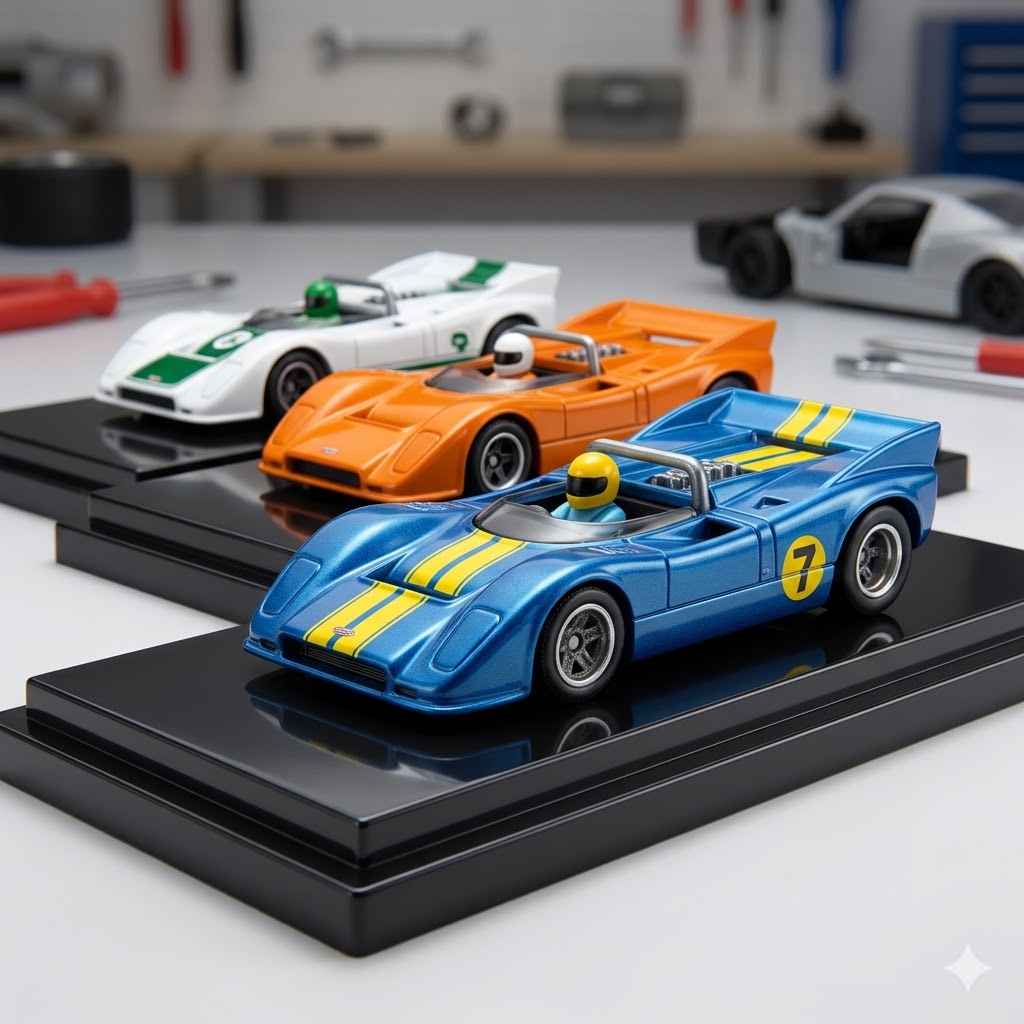
Frequently Asked Questions About Can-Am Hot Wheels
Here are some common questions people have about these awesome die-cast models.
What makes a Hot Wheels Can-Am model rare?
Rarity often comes from limited production runs, chase car status (like Super Treasure Hunts), special editions for collectors clubs (RLC), or unique, hard-to-find color variations.
Are all Can-Am Hot Wheels models accurate to the real cars?
Hot Wheels strives for accuracy, especially on premium lines. Mainline models offer good representation but might simplify some details due to scale and manufacturing costs. However, they usually capture the spirit and key features well.
Which Can-Am Hot Wheels models are the most valuable?
The most valuable models are typically limited edition RLC cars, rare Super Treasure Hunts, or early, highly sought-after castings in mint condition. Specific highly desirable liveries on popular cars can also command high prices.
Where can I buy older or out-of-production Can-Am Hot Wheels?
You can often find these on online marketplaces like eBay, collector forums, specialty die-cast websites, and at toy shows or swap meets. Patience is key, as they can be hard to track down.
What does “Spectraflame” paint mean on a Hot Wheels model?
Spectraflame is a special, translucent candy-coat paint finish that Hot Wheels used extensively in the early days and now revives for some premium releases. It gives the metal a deep, vibrant, and metallic shine.
Are Hot Wheels Can-Am models good for children to play with?
Mainline Hot Wheels are designed for play and are generally durable. However, limited edition or premium models with delicate parts (like opening hoods or detailed spoilers) are often best kept for display by collectors.
Conclusion: A Legacy in Miniature
The Can-Am era was a wild, exhilarating time in motorsport. Hot Wheels has done a fantastic job of bringing these iconic race cars to life in die-cast form. From the dominant McLarens to the experimental Chaparrals, each model tells a story.
Whether you’re a seasoned collector or just starting out, these Can-Am Hot Wheels offer a tangible connection to racing history. They are more than just toys; they are miniature pieces of art that celebrate speed, innovation, and design.
See also can you add a heated steering wheel to any car . See also can you add wheels to a cooler best options explained.