Vehicle Type Vs Class: Understanding the Key Differences
Understanding the distinction between vehicle type and vehicle class is essential for anyone involved in transportation, automotive sales, insurance, or regulation. These terms are often used interchangeably but represent fundamentally different concepts with significant real-world implications. From the consumer’s perspective, these distinctions affect everything from buying decisions to insurance premiums and legal compliance. For professionals, clarity around these definitions ensures accurate communication and adherence to industry standards.
This article offers a comprehensive look at the core differences between vehicle type and class, examining regulatory frameworks, practical impacts, and industry-specific nuances. We’ll break down how each term is defined, provide real-world examples, and offer actionable insights to help readers make informed decisions.
Whether you’re a vehicle owner, a fleet manager, or an automotive enthusiast, mastering these concepts will help you navigate the complex world of vehicle categorization with confidence.
Key Takeaways
- Vehicle type refers to the general category of a vehicle based on its design and intended use, such as sedan, SUV, or motorcycle.
- Vehicle class is typically a regulatory or taxonomic grouping that determines legal, safety, and financial standards for vehicles, often set by governments or industry bodies.
- Understanding the distinction is crucial for compliance, insurance, and purchasing decisions.
- Real-world examples highlight the differences: A pickup truck may belong to multiple types but be classified differently for emissions or taxation.
- Data-driven comparisons reveal how vehicle type and class impact registration, taxation, and operational costs.
- Both consumers and industry professionals benefit from knowing how these categorizations affect legal requirements and market trends.

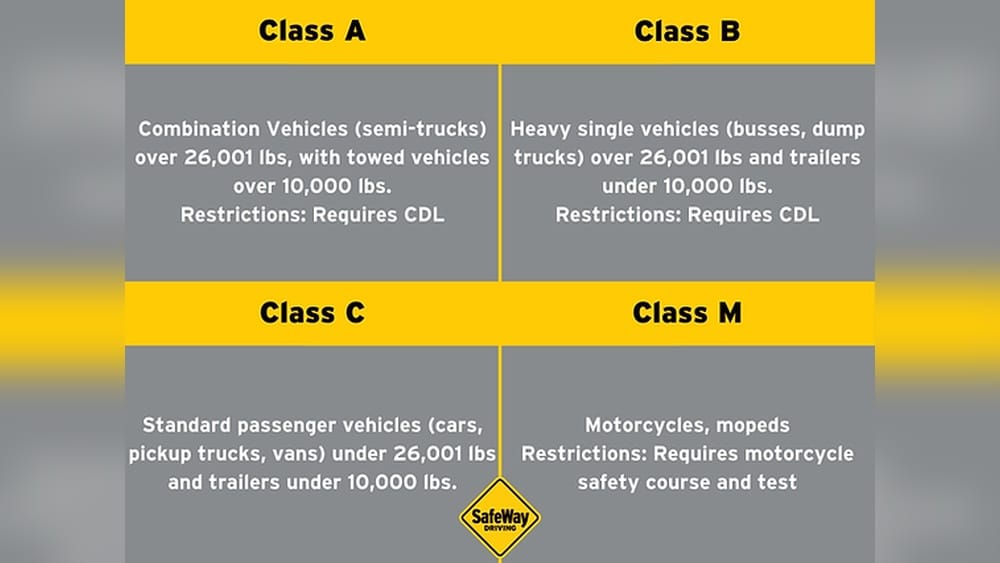
Credit: www.midwesttruckdrivingschool.com
Defining Vehicle Type And Vehicle Class
Accurate definitions form the foundation for understanding the differences between vehicle type and vehicle class. Both terms are integral to the automotive industry but serve distinct purposes.
Vehicle Type: Design And Usage
A vehicle type identifies the general design and purpose of a vehicle. This classification is based on physical characteristics and intended use.
- Examples of vehicle types include: Sedan, coupe, hatchback, SUV, pickup truck, motorcycle, minivan, bus, and van.
- The categorization focuses on shape, passenger capacity, and functional design.
- Manufacturers, marketers, and consumers commonly use vehicle type to compare models and features.
Vehicle Class: Regulatory And Taxonomic Grouping
A vehicle class is a regulatory or taxonomic grouping determined by legal standards, industry bodies, or governmental agencies.
- Classes often relate to size, weight, emissions, and safety regulations.
- Examples include: Light-duty vehicles, heavy-duty trucks, commercial vehicles, passenger vehicles, and motorcycles.
- Vehicle class impacts registration, taxation, insurance rates, and compliance requirements.
Regulatory Definitions
According to the United States Environmental Protection Agency (EPA), vehicle classes are defined based on interior volume, engine displacement, and emissions standards (EPA Vehicle Classes). In contrast, vehicle types are used by manufacturers and consumers for marketing and identification.
Comparison Table: Vehicle Type Vs Vehicle Class
| Aspect | Vehicle Type | Vehicle Class |
|---|---|---|
| Definition | Design and intended use (e.g., sedan, SUV) | Regulatory grouping (e.g., light-duty, heavy-duty) |
| Determined By | Manufacturers, consumers | Government, industry standards |
| Impact | Marketing, purchasing decisions | Legal compliance, insurance, taxation |
| Examples | Coupe, minivan, motorcycle | Commercial vehicle, passenger vehicle |
| Change Frequency | Rare (design driven) | Can change (regulatory updates) |
Credit: luxyride.com
How Vehicle Types Are Determined
The process of determining vehicle type is both technical and consumer-driven, reflecting design elements and intended functionality.
Design Characteristics
Most vehicle types are defined by:
- Body shape: Sedan, coupe, hatchback, SUV, pickup truck
- Passenger capacity: Number of seats, cargo space
- Drive configuration: Front-wheel, rear-wheel, all-wheel drive
- Intended use: Personal, commercial, sport, utility
Consumer And Manufacturer Role
Manufacturers create models targeting specific types to appeal to market segments. Consumers identify vehicles by type when making buying decisions.
- For example, a Toyota Camry is marketed as a sedan, while a Honda CR-V is classified as an SUV.
- Vehicle type influences pricing, features, and brand positioning.
Example: Crossovers
A crossover combines features of a sedan and an SUV, leading to ambiguity in classification. The Ford Escape is a crossover, appealing to drivers seeking SUV functionality with sedan comfort.
Market Trends
Data from Statista shows that SUVs accounted for over 46% of new car sales in the U.S. in 2026, illustrating the impact of vehicle type preferences on market dynamics (Statista SUV Sales).
How Vehicle Classes Are Defined
Vehicle class is a legal and regulatory construct, with standards set by government agencies and industry bodies.
Regulatory Frameworks
- The EPA categorizes vehicles for emissions purposes: Light-duty, medium-duty, heavy-duty.
- The Department of Transportation (DOT) defines classes based on weight and usage: Passenger vehicles, commercial vehicles, buses.
Criteria For Classification
Vehicle classes are determined by:
- Gross Vehicle Weight Rating (GVWR): Weight thresholds
- Emissions standards: Regulatory compliance
- Intended usage: Commercial vs personal
- Safety requirements: Crashworthiness, equipment
Example: Heavy-duty Trucks
A heavy-duty truck may be classified as a pickup type, but falls under the heavy-duty class for regulatory purposes if its GVWR exceeds 8,500 pounds.
International Standards
Different countries use varying classification systems. In Europe, the European Commission defines classes for emissions (Euro 6, Euro 7) and safety regulations.
Data Table: Common Vehicle Classes (us)
| Class | GVWR Range | Typical Examples |
|---|---|---|
| Light-Duty | 0, 8,500 lbs | Sedans, SUVs, small pickups |
| Medium-Duty | 8,501, 26,000 lbs | Large vans, box trucks |
| Heavy-Duty | 26,001+ lbs | Semi trucks, buses |

Credit: www.jtech.org
Practical Implications For Consumers
Understanding the distinction between vehicle type and vehicle class has tangible effects for vehicle owners and buyers.
Insurance And Registration
- Insurance rates are often determined by vehicle class, with heavy-duty or commercial vehicles facing higher premiums.
- Registration fees and taxes vary according to class, not type.
Legal Compliance
- Certain vehicle classes require special licenses or permits.
- Commercial vehicles must comply with stricter safety and emissions standards.
Purchasing Decisions
- Buyers may prioritize vehicle type for lifestyle needs, but must consider class for operational costs and legal requirements.
- Pro Tip: Always check both the advertised type and the official class before purchasing or registering a vehicle.
Example: Family Vehicles
A family seeking a vehicle may choose a minivan for its type, but find it classified as a light-duty passenger vehicle for regulatory purposes.
Ownership Costs
Ownership costs, including fuel, maintenance, and taxes, are influenced by vehicle class. For instance, heavy-duty trucks incur higher maintenance costs due to regulatory requirements.
Industry Impact And Real-world Examples
The automotive industry relies on both vehicle type and class for manufacturing, marketing, and compliance.
Manufacturing And Design
- Manufacturers design vehicles to target specific types but must ensure compliance with class regulations.
- Example: The Chevrolet Silverado is designed as a pickup type but is produced in various classes (light, medium, heavy-duty) to meet different market needs.
Fleet Management
Fleet managers must categorize vehicles by class for legal compliance, tax reporting, and operational efficiency.
- Commercial fleets often include multiple types but are registered under specific classes.
- Example: A delivery company may operate vans (type) that are classified as medium-duty commercial vehicles (class).
Marketing And Sales
- Marketing focuses on vehicle type to appeal to consumers.
- Sales and leasing contracts reference vehicle class for legal and financial purposes.
Short Case Study: Ride-sharing Platforms
Ride-sharing platforms like Uber and Lyft require drivers to register vehicles by type (sedan, SUV, minivan), but must ensure that vehicles comply with class requirements for passenger safety and insurance. In my experience managing a fleet for a transportation startup, ensuring vehicles were correctly classified avoided regulatory penalties and reduced insurance disputes.
Regulatory And Legal Considerations
Compliance with vehicle class regulations is critical for safety, environmental protection, and legal responsibility.
Licensing And Permits
- Commercial vehicles in certain classes require commercial driver’s licenses (CDLs).
- Passenger vehicles may require special endorsements depending on capacity.
Emissions And Safety Standards
- EPA and DOT set emissions and safety requirements based on class.
- Non-compliance can result in fines, registration suspension, or legal action.
Taxation And Fees
- Vehicle class determines road taxes, registration fees, and toll rates.
- Example: In California, heavy-duty vehicles pay higher annual registration fees due to road wear and emissions impact.
International Differences
- The European Union uses a different classification system, affecting cross-border vehicle registration and compliance for multinational companies.
Comparison Table: Regulatory Impact By Vehicle Class
| Class | License Required | Emissions Standard | Typical Tax Rate |
|---|---|---|---|
| Passenger Vehicle | Standard | EPA Tier 2 | Low |
| Commercial Vehicle | CDL | EPA Tier 4 | Medium |
| Heavy-Duty Truck | CDL | EPA Tier 4 | High |
How Insurance And Finance Use Vehicle Class And Type
Financial institutions and insurance companies rely on vehicle class and type to assess risk and determine premiums.
Insurance Premiums
- Insurance companies use vehicle class to set base rates, as classes correspond to risk levels.
- Vehicle type influences additional factors such as likelihood of theft, accident rates, and repair costs.
Loan And Lease Terms
- Financial institutions may offer different loan or lease terms based on class due to depreciation rates and resale values.
- Example: Commercial vehicles often have shorter loan terms due to high usage and wear.
Risk Assessment
- Vehicle class impacts risk assessment for both personal and commercial policies.
- Pro Tip: When insuring a fleet, always verify the regulatory class to avoid underinsurance or overpayment.
Example: Sports Cars Vs. Commercial Vehicles
A sports car (type) is often classified as a passenger vehicle (class), but insurance premiums are higher due to increased risk, despite regulatory classification.
Market Trends And Emerging Issues
Market trends and emerging technologies influence both vehicle types and classes, creating new challenges and opportunities.
Electric Vehicles (evs)
- EVs are classified by type (sedan, SUV, truck) but are often grouped in new classes for emissions and incentives.
- Regulatory bodies are updating class definitions to accommodate EVs and hybrids.
Autonomous Vehicles
- Self-driving vehicles may require new class definitions as they blur the line between personal and commercial use.
- Example: Waymo’s autonomous minivans are classified as passenger vehicles, but regulatory agencies are considering new categories.
Ride-sharing And Mobility Services
- Mobility services use diverse types, but must comply with class regulations for safety and insurance.
- Example: E-scooters and micro-mobility devices are emerging types, with ongoing debates about their class designation.
Data Table: Emerging Vehicle Types And Classes
| Emerging Type | Potential Class | Regulatory Challenge |
|---|---|---|
| Electric SUV | Passenger Vehicle | Emissions standards |
| Autonomous Van | Passenger/Commercial Vehicle | Licensing, insurance |
| E-scooter | Micro-mobility | Safety, registration |
Frequently Asked Questions
What Is The Difference Between Vehicle Type And Vehicle Class?
Vehicle type refers to the physical design and intended use of a vehicle (sedan, SUV, truck), while vehicle class is a legal or regulatory grouping based on weight, usage, or emissions standards. Type is about form and function; class is about compliance and regulation.
How Does Vehicle Class Affect Insurance Premiums?
Vehicle class impacts insurance premiums by determining risk categories. Heavy-duty or commercial vehicles usually face higher premiums due to increased risk and regulatory requirements, while passenger vehicles typically have lower rates.
Can A Vehicle Belong To Multiple Types Or Classes?
A vehicle can be marketed as multiple types (e. g. , crossover SUV), but it will be assigned a single regulatory class for legal and compliance purposes. For example, a pickup may be available in light, medium, or heavy-duty classes depending on its configuration.
Are Vehicle Classes The Same Worldwide?
No, vehicle classes vary by country and region. The U. S. , Europe, and Asia all use different classification systems, affecting registration, taxation, and compliance. Always consult local regulations when importing or operating vehicles internationally.
How Do I Find My Vehicle’s Class?
You can find your vehicle’s class on the registration certificate, in the owner’s manual, or through your local DMV or regulatory agency. Commercial vehicles often require additional documentation to verify class for compliance.
Understanding the nuanced differences between vehicle type and vehicle class empowers consumers, industry professionals, and regulators to make informed decisions about vehicle ownership, compliance, and market trends. As technology and regulations evolve, staying up-to-date with classification standards will remain critical. Whether you’re buying a family car, managing a fleet, or developing new mobility solutions, clarity in these definitions ensures legal compliance, cost efficiency, and strategic advantage.
Products related to this article
Sponsored / affiliate links. As an Amazon Associate I earn from qualifying purchases. I may earn additional commission from eligible campaigns.