Compare Vehicle Models Before You Buy: What to Check
Buying a new car is one of the most significant purchases many people make, often second only to buying a home. The process can be overwhelming, hundreds of models, endless trim options, safety technologies, fuel types, and price points create a maze of choices.
Yet, the difference between a well-researched purchase and a hasty decision can mean years of satisfaction or regret. This is why comparing vehicle models before you buy is not just smart; it’s essential.
With automakers introducing new features at a rapid pace and consumer preferences shifting towards electrification, SUVs, and advanced safety suites, the stakes are higher than ever. Whether you’re a first-time buyer, upgrading your family vehicle, or seeking a performance car, knowing exactly what to check, and how to compare, can save you thousands and help you find the perfect fit.
This guide will walk you through every critical consideration, provide data-backed comparisons, and equip you with actionable checklists. By the end, you’ll know how to confidently analyze vehicle models and avoid costly mistakes.
Key Takeaways
- Compare vehicle models using objective criteria like safety, reliability, total cost of ownership, and technology.
- Prioritize must-have features and understand which trade-offs matter for your lifestyle.
- Consult both expert reviews and owner feedback to gauge real-world performance.
- Use comparison tables and checklists to organize your research and avoid missing key factors.
- Test drive top contenders and verify dealer claims before making any commitment.

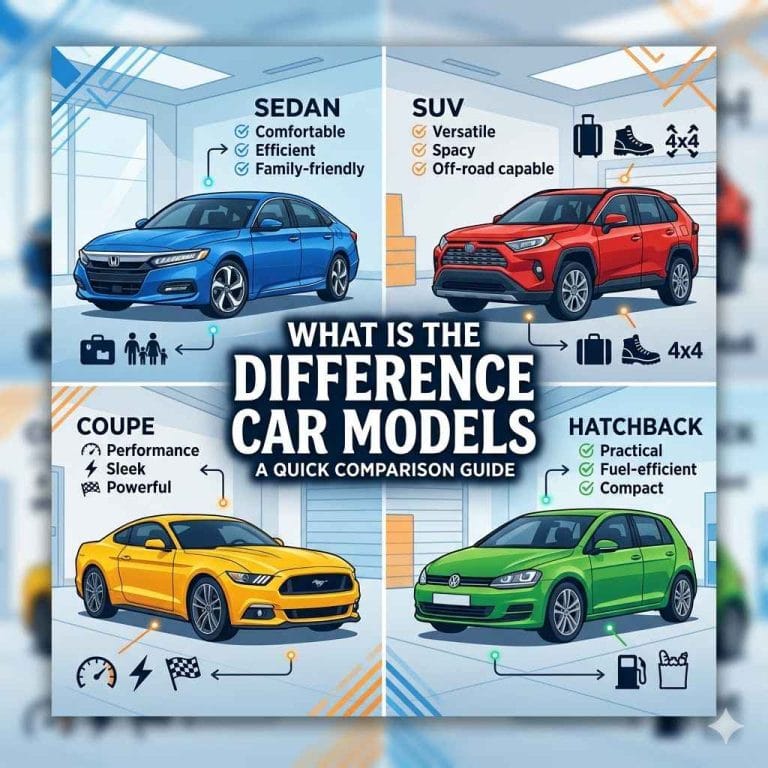
Credit: www.66kia.com
Understanding Your Needs And Priorities
Before diving into technical specifications and feature lists, it’s crucial to define your specific requirements. A compact commuter car suits a city dweller, while a family of five may need an SUV or minivan. Personal circumstances shape what matters most.
Daily Usage And Lifestyle
Begin by considering:
- Commute distance: Will you drive primarily in the city, on highways, or a mix?
- Passenger and cargo needs: How many people and how much gear do you transport regularly?
- Weather and terrain: Do you need all-wheel drive for snowy climates or high ground clearance for rough roads?
- Parking and maneuverability: Will a larger vehicle fit your parking situation?
Budget And Total Cost
Set a clear maximum budget that includes:
- Purchase price (including taxes and fees)
- Insurance premiums
- Maintenance and repair costs
- Fuel or charging expenses
- Depreciation over time
Pro Tip: Use online calculators to estimate total cost of ownership, not just upfront price.
Must-have Vs. Nice-to-have Features
List essential features (e. g. , advanced safety tech, smartphone integration, heated seats) separately from desirable but non-essential options. This helps avoid “feature creep” and keeps you focused during comparisons.
Example: Family Suv Vs. City Commuter
A family in a snowy region may prioritize AWD, high safety ratings, and ample cargo space, while a city commuter may focus on fuel economy, compact size, and low running costs. Start with your needs to filter the vast market down to a shortlist.

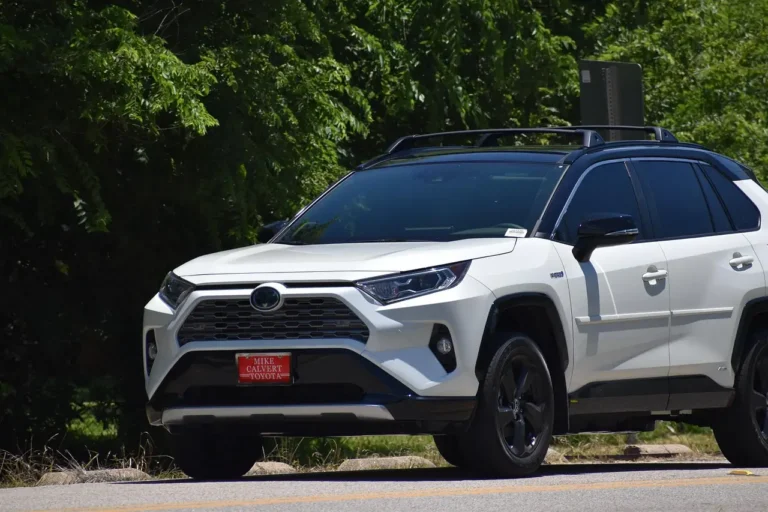
Credit: www.beamantoyota.com
Core Vehicle Comparison Criteria
Once you’ve clarified your priorities, it’s time to evaluate vehicles head-to-head. Certain categories hold the most weight in long-term satisfaction and value.
Safety
Safety should always be a top priority. Compare:
- Crash test ratings from the IIHS (Insurance Institute for Highway Safety) and NHTSA (National Highway Traffic Safety Administration).
- Standard and optional safety features: Automatic emergency braking, lane-keeping assist, blind-spot monitoring, adaptive cruise control, etc.
Example: The 2026 Honda CR-V and Toyota RAV4 both earned IIHS Top Safety Pick+ ratings, but only the CR-V includes standard adaptive cruise control on all trims.
Reliability And Build Quality
Research predicted reliability using sources like:
- Consumer Reports reliability scores
- J.D. Power Vehicle Dependability Study
Check for common problem areas, warranty coverage, and owner-reported issues. A reliable vehicle means fewer unexpected expenses and less downtime.
Performance And Efficiency
Consider:
- Engine options: Gasoline, hybrid, plug-in hybrid, or full electric.
- Horsepower and torque for acceleration and towing.
- EPA-estimated fuel economy or electric range.
Compare acceleration times, towing capacities, and real-world MPG when possible.
Interior Comfort And Technology
Assess:
- Seat comfort and adjustability
- Quality of materials
- Infotainment system usability
- Rear seat and cargo space
Test features like Apple CarPlay/Android Auto, navigation, and sound systems.
Cost Of Ownership
Look beyond the sticker price to include:
- Fuel/energy costs
- Insurance rates
- Maintenance intervals and costs
- Resale value/depreciation rates
| Model | 5-Year Cost to Own (USD) | Fuel/Charging | Maintenance & Repairs | Depreciation |
|---|---|---|---|---|
| Toyota Corolla | $32,000 | $6,000 | $2,200 | $10,000 |
| Honda Civic | $33,500 | $6,400 | $2,400 | $11,000 |
| Hyundai Elantra | $31,800 | $5,800 | $2,600 | $10,200 |
*Source: Kelley Blue Book 2026 5-Year Cost to Own Data*
How To Research And Compare Vehicle Models
The car buying process is increasingly digital. Leveraging online tools and trusted sources is key to accurate, unbiased comparisons.
Using Reputable Comparison Tools
Websites like Edmunds, Kelley Blue Book, and the official IIHS site allow side-by-side comparisons of specs, features, and ratings. Use manufacturer configurators to build and price models with your desired options.
Reading Expert Reviews
Professional reviews from automotive journalists provide insights on ride quality, handling, technology usability, and real-world fuel economy. Look for:
- Pros/cons lists
- Road test impressions
- Video walkarounds
Example: Edmunds praised the 2026 Mazda CX-5 for its upscale interior and driving dynamics but noted its rear seat is less spacious than rivals.
Analyzing Owner Reviews And Forums
Current owners often highlight long-term reliability, quirks, and dealership experiences that experts may miss. Read both positive and negative feedback to spot patterns.
Checking Recall And Service History
Use the NHTSA database to check if a model has a history of recalls or widespread issues. This is especially important for used vehicles.
Organizing Your Findings
Create a comparison matrix for your top choices. For example:
| Feature | Toyota RAV4 | Honda CR-V | Mazda CX-5 |
|---|---|---|---|
| IIHS Safety Rating | Top Safety Pick+ | Top Safety Pick+ | Top Safety Pick |
| Base Price (USD) | $28,000 | $29,000 | $27,500 |
| MPG (Combined) | 30 | 30 | 28 |
| Hybrid Option | Yes | Yes | No |

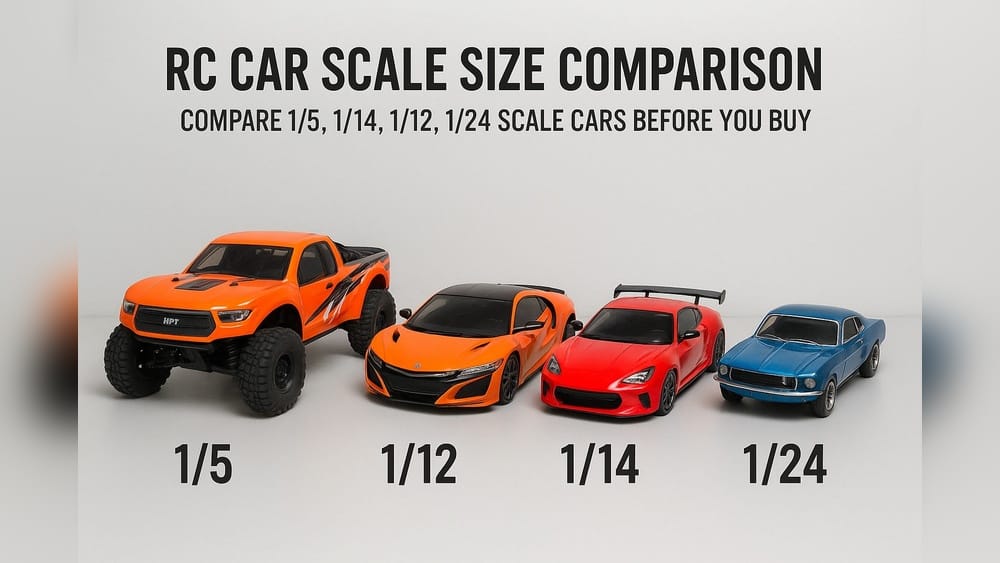
Credit: www.serratoyota.com
Evaluating Ownership Costs And Value
Sticker shock can be deceiving, a seemingly affordable car may cost more in the long run due to fuel, insurance, or depreciation. Understanding true ownership costs is vital.
Depreciation Rates
Cars lose value over time, but some retain their worth better than others. Toyota and Subaru models are known for strong resale values, while luxury brands may depreciate faster.
Pro Tip: Check 3-year and 5-year resale values using resources like Kelley Blue Book or J.D. Power.
Insurance And Registration
Get insurance quotes for your shortlisted models, rates vary based on safety ratings, theft risk, and repair costs. Registration fees may also differ by vehicle type and location.
Fuel And Charging Costs
Compare EPA ratings and real-world owner reports for fuel or electricity usage. Hybrids and EVs offer lower running costs but may have higher initial prices.
Maintenance And Repairs
Review scheduled maintenance intervals and costs for brakes, tires, and common wear items. Some brands, like Hyundai, offer longer warranties and free maintenance programs.
Incentives And Rebates
Factor in available cash rebates, low APR financing, and tax credits (especially for hybrids and EVs). These incentives can significantly lower effective purchase price.
Example: Hybrid Vs. Gasoline Sedan
A hybrid Toyota Camry may cost $2,000 more upfront than a standard model but can save $600 per year in fuel and offer a $1,500 tax credit, potentially breaking even in three years.
Assessing Features And Technology
Modern vehicles are packed with features, but not all are created equal. Focus on usability, reliability, and value.
Safety And Driver Assistance
Some features are must-haves for most buyers:
- Forward collision warning with automatic braking
- Blind spot monitoring
- Rear cross-traffic alert
- Adaptive cruise control
Check which features are standard or optional by trim level. Some brands bundle safety tech in expensive packages.
Infotainment And Connectivity
Evaluate:
- Screen size and interface usability
- Compatibility with smartphones (Apple CarPlay, Android Auto)
- Voice control and navigation accuracy
Test these systems during a dealership visit, laggy or confusing interfaces can frustrate daily use.
Comfort And Convenience
Look for:
- Power-adjustable and heated seats
- Dual-zone climate control
- Remote start and keyless entry
- Cargo flexibility (folding seats, flat load floor)
Interior Space And Flexibility
Measure rear seat legroom, headroom, and cargo space. Consider:
- How easy it is to install child seats
- Whether you need a power liftgate
- Flat-folding rear seats for large items
Example: Comparing Infotainment Systems
Comparing the Honda Civic and Hyundai Elantra, the Civic’s touchscreen is typically more intuitive, while the Elantra offers a larger screen and wireless smartphone integration, a key advantage for tech-savvy users.
Real-world Test Drives And Case Studies
No amount of online research substitutes for first-hand experience. A test drive can reveal ride comfort, visibility, and quirks not evident in specifications.
Planning Your Test Drive
Bring a checklist of priorities:
- Is ingress/egress easy for all passengers?
- Can you adjust the seat and steering wheel comfortably?
- How intuitive are the controls and displays?
- Is engine noise, road noise, or wind noise intrusive?
- Can you park and maneuver easily?
Drive in varied conditions, city, highway, and parking lot. Don’t rush; spend at least 20-30 minutes in each vehicle.
Real-world Example: Family Suv Comparison
A family compared the Subaru Outback, Toyota Highlander, and Ford Explorer. The Outback excelled in cargo flexibility and fuel economy, but the Highlander’s third-row seat was roomier for teens. The Explorer offered the most power but had a less refined ride.
Dealer Experience And Negotiation
Observe the dealership’s transparency and willingness to answer questions. Avoid high-pressure tactics. Ask for a detailed breakdown of fees, and don’t be afraid to walk away if you feel rushed or uncomfortable.
Pro Tip: Take Notes Immediately
After each test drive, jot down impressions while they’re fresh. Photos and quick voice memos can help you remember specific likes and dislikes.
Comparing New, Used, And Certified Pre-owned Vehicles
Choosing between new, used, and certified pre-owned (CPO) models is a vital part of the comparison process.
New Vehicles
Advantages:
- Latest features and technology
- Full manufacturer warranty
- Customization options
Disadvantages:
- Higher initial depreciation
- Higher purchase price
Used Vehicles
Advantages:
- Lower purchase price
- Slower depreciation after first 2, 3 years
- Wider selection within a budget
Disadvantages:
- Potential for unknown history or wear
- Shorter or no warranty
- May lack latest safety/features
Certified Pre-owned (cpo)
CPO vehicles are inspected and reconditioned by the manufacturer and usually come with extended warranties.
Advantages:
- Lower price than new
- Manufacturer-backed warranty
- Recent models with modern features
Disadvantages:
- Slightly higher price than regular used
- Limited selection
| Type | Average Price (USD) | Warranty | Depreciation (Year 1) |
|---|---|---|---|
| New | $35,000 | 3yr/36k mi (typical) | 15-20% |
| Used (3 yrs) | $23,000 | Varies/None | 5-10% |
| CPO (2-4 yrs) | $26,000 | Extended | 5-10% |
*Source: Edmunds*
Example: Used Vs. Cpo Compact Sedan
A buyer chose a 2-year-old Honda Accord CPO for $24,000 over a used non-CPO model at $22,000, valuing the extra warranty and manufacturer inspection for peace of mind.
Environmental Impact And Future-proofing
With growing awareness of climate change and fuel economy regulations, considering a vehicle’s environmental impact is increasingly important.
Fuel Economy And Emissions
Compare EPA ratings and CO2 emissions for gasoline, diesel, hybrid, and electric models. Even within the same class, differences can be significant.
Example: The 2026 Toyota Prius (hybrid) is rated at 57 mpg combined, compared to 32 mpg for a similarly sized non-hybrid sedan.
Electric And Hybrid Options
EVs and hybrids offer:
- Lower emissions
- Reduced fuel/charging costs
- Eligibility for state/federal incentives
However, consider charging infrastructure, battery warranty, and resale value.
Future Regulations And Resale Value
Some cities plan to restrict internal combustion vehicles in coming years. Choosing a hybrid or EV may provide better long-term flexibility and resale prospects.
Pro Tip: Check For Incentives
Many states offer additional rebates for EVs, plug-in hybrids, or vehicles meeting low-emission standards. Consult the Department of Energy’s Alternative Fuels Data Center for current offers.
Example: Ev Vs. Gasoline Suv
A buyer in California compared the Hyundai Kona Electric and Honda HR-V. While the EV cost $5,000 more upfront, available state and federal incentives closed the gap, and charging costs were $800/year lower than gasoline.
Finalizing Your Decision: The Ultimate Checklist
After gathering research, test drive impressions, and financial data, it’s time to narrow your shortlist and make a confident choice.
Step-by-step Decision Checklist
- Review your priorities and must-haves. Does each candidate meet your core needs?
- Compare total cost of ownership, not just price, but insurance, maintenance, fuel, and depreciation.
- Verify safety and reliability scores using IIHS, NHTSA, and owner feedback.
- Test drive all finalists, preferably back-to-back on similar routes.
- Ask for out-the-door pricing from multiple dealers, including all fees.
- Evaluate incentives, rebates, and financing offers.
- Consider future needs, will your family, commute, or preferences change soon?
- Trust your experience, comfort, visibility, and “fit” matter as much as numbers.
Example: Compact Suv Decision Matrix
A buyer compared the Toyota RAV4, Honda CR-V, and Mazda CX-5 using all the above steps. The RAV4 won on hybrid availability and resale value; the CR-V excelled in rear seat space and ride comfort; the CX-5 was most enjoyable to drive but slightly less practical.
The buyer ultimately chose the CR-V, valuing comfort and reliability above all.
Warning: Avoid Common Pitfalls
- Don’t skip the test drive, even for highly rated models.
- Don’t get distracted by flashy features you won’t use.
- Don’t let dealer pressure rush your decision; take the time you need.
Frequently Asked Questions
How Can I Tell If A Vehicle Is Reliable Before Buying?
Check reliability ratings from sources like Consumer Reports and the J.D. Power Vehicle Dependability Study. Look for patterns in owner forums regarding common issues or recalls. Certified Pre-Owned (CPO) programs often include extended warranties and inspections for added peace of mind. For used vehicles, obtain a third-party inspection and a vehicle history report to check for previous accidents or major repairs.
What Are The Best Online Tools For Comparing Vehicles?
Top comparison tools include Edmunds, Kelley Blue Book, and Cars.com. These platforms allow side-by-side comparisons of features, specs, pricing, and owner reviews. The IIHS and NHTSA websites are best for checking safety ratings and recall histories. Manufacturer websites provide detailed information on trim levels and options.
Should I Buy Or Lease A New Vehicle?
Leasing typically offers lower monthly payments and allows you to drive a new car every few years, which can be appealing if you prefer the latest technology. However, buying is more cost-effective in the long run, especially if you plan to keep the vehicle for more than three years. Evaluate your driving habits, budget, and desire for ownership before deciding. For more details, see this guide on Consumer Reports.
How Do I Get The Best Price On A Vehicle?
Research market prices for your chosen model using tools like TrueCar or Kelley Blue Book’s Fair Purchase Price. Get quotes from multiple dealers, and negotiate based on the out-the-door price (including all fees and taxes). Consider timing your purchase at the end of the month or year, when dealers may offer extra incentives. Don’t forget to check for manufacturer rebates or low-interest financing offers.
How Important Is Resale Value When Choosing A Car?
Resale value significantly affects your total cost of ownership. Cars with high resale value, like many Toyota and Subaru models, lose less value over time, making them more economical in the long run. Consider resale value if you plan to sell or trade in the vehicle within a few years, as it can save you thousands compared to models with steep depreciation.
Finding the right vehicle is a process that rewards thorough research, clear priorities, and practical testing. By systematically comparing models and staying focused on your needs, you’ll drive away confident in your choice, and enjoy years of satisfaction from your new car.
Products related to this article
Sponsored / affiliate links. As an Amazon Associate I earn from qualifying purchases. I may earn additional commission from eligible campaigns.