
Why Your Car Loses Power Uphill and How to Diagnose It
A car that loses power uphill usually has an air, fuel, spark, exhaust, or transmission fault that only appears under load. If the check-engine light flashes, stop hard driving and diagnose it first. Ignoring it can leave you stranded on a climb and can turn a minor misfire or slipping transmission into a bigger repair. This guide shows a load-based diagnostic sequence to separate engine, exhaust, and transmission causes by how the car behaves uphill.
Why hills expose hidden faults
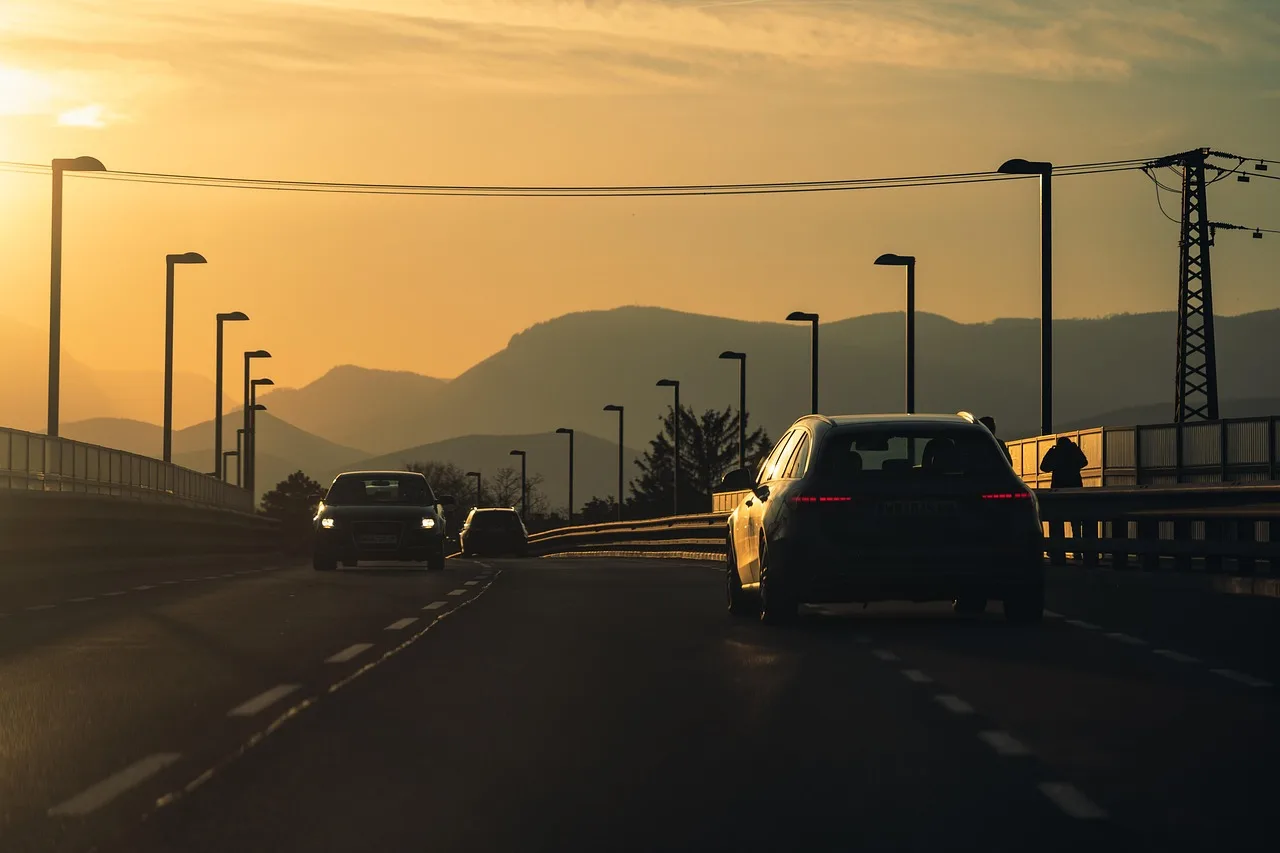
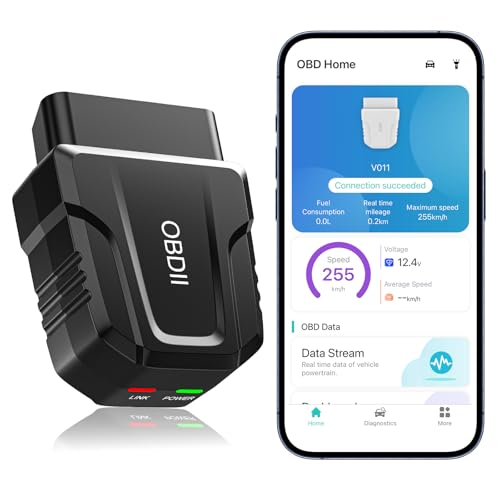
Hills demand more torque, which raises fuel flow, ignition demand, airflow, and exhaust flow at the same time. That is why a car can feel normal on flat roads and still bog on an incline. Load-dependent power loss is different from rough idle or a cold-start problem.
Flat-road driving can hide a weak fuel pump, a partially restricted filter, a small boost leak, or spark that is only marginal under load. The same fault may not appear until you ask for heavy throttle, a higher gear, or a long climb. Power loss can happen during acceleration even without hills.
A hill problem becomes a safety issue when merging, passing, or holding speed in traffic is difficult. A flashing CEL can be a sign of an active misfire, and the ECU may limit power to help protect the engine. Modern vehicles may enter limp mode when the ECU detects serious faults.
What hills change
On an incline, the engine must sustain higher cylinder filling and combustion pressure. That is where weak fuel delivery, inaccurate airflow readings, ignition breakdown, exhaust backpressure, and boost leaks tend to show up. Diesel trucks often show uphill power loss when towing or hauling.
How to tell engine loss from transmission slip
Use the tachometer and road speed together. If RPM rises without a matching increase in speed, suspect transmission slip or torque converter issues first. If RPM drops, the car bogs, or throttle response fades without a speed gain, the problem is more likely engine, exhaust, or boost related.
Transmission slip can create engine rev flare without matching acceleration. That flare may happen in one gear, at one speed, or only when the fluid is hot. By contrast, a fuel or exhaust problem often feels like the engine is trying, but the car simply will not pull.
What ATF level and condition can tell you
Check ATF only by the manufacturer’s procedure, because some transmissions need the engine running and a specific temperature window. Low level, dark fluid, or a burnt smell supports a slip diagnosis. P07xx transmission codes often appear when the control unit detects gear ratio errors or clutch slip.
Suppose the engine spins up to 3,000 rpm on a hill, but the vehicle speed barely changes and the transmission shifts late. That pattern points away from a fuel pump and toward slip. If RPM stays steady but the car loses pull, look elsewhere first.
Why car loses power diagnosis matrix
| Symptom pattern | Likely cause | Quick check | Scanner data to watch | Urgency |
|---|---|---|---|---|
| Gradual bogging on a hill | Fuel delivery limitation | Check fuel level, service history, and fuel pressure under acceleration | Fuel trim drift, commanded vs actual fuel pressure if available | High if it worsens under load |
| Sudden cut-out that recovers | Failing fuel pump | Repeat the load with a full tank and watch for pressure drop | Fuel pressure drop, misfire counters if present | High; avoid hard hill pulls |
| RPM rises without speed increase | Transmission slip or torque converter issue | Compare tach and road speed; check ATF level and condition | P07xx codes, gear ratio data, transmission slip data if supported | High; do not keep loading it |
| Surge-hesitate-surge cycle | MAF fault or boost leak | Inspect intake hoses and compare MAF live data under load | MAF grams/second, boost target vs actual, fuel trims | Moderate to high |
| Power cuts and barely moves uphill | Clogged catalytic converter | Check for heat, sulfur smell, and exhaust restriction symptoms | Upstream O2 behavior, exhaust backpressure if measured | High; can become severe quickly |
| Normal idle, misfire only on hills | Spark plugs or ignition coils | Inspect plugs, coils, and scan misfire data under load | Misfire counters, load, RPM, short- and long-term fuel trim | Moderate, higher if CEL flashes |
| Turbo vehicle with whooshing and low pull | Boost leak | Inspect charge pipes, clamps, and intercooler hoses | Boost target vs actual, throttle position, MAF | Moderate |
What should you check first?
Start with the least expensive checks with the highest failure rate before you buy parts. A weak connection, low fuel level, loose intake hose, or obvious misfire clue can point you in the right direction fast. Some uphill power-loss causes are under $100 DIY.
- Check whether the CEL is on or flashing, and note whether the car is in limp mode.
- Confirm the fuel level, especially if the fault is worse when the tank is low.
- Inspect the air filter, intake tubing, and vacuum hoses for splits, clamps off, or collapsed sections.
- Check battery voltage at rest and look for corroded terminals or loose grounds.
- Read codes, then confirm the hill symptom with a short road test.
Fuel filter condition matters here. A restricted filter can flow enough at idle but starve the engine when demand rises. It can also get worse when the fuel tank is low, because the pump has less margin to push fuel through a restriction.
Air leaks are easy to miss. A loose hose after the air filter or a cracked intake boot can upset airflow readings and reduce boost on turbo engines. A quick visual check should come before parts swapping.
Fuel, air, and spark under load

A weak fuel pump can cause pressure to drop during acceleration. It may work at idle and still fail when the engine needs more fuel uphill. That is why a pump problem can feel minor around town and obvious on a grade.
A fuel pressure test under acceleration is the fastest way to separate a delivery problem from a sensor or ignition issue. If pressure falls when the throttle opens, the pump, filter, wiring, or regulator deserves attention. A sudden cut-out that recovers can indicate a failing fuel pump.
Can a weak fuel pump cause power loss only on hills? Yes. Hills raise demand, and a weak pump often falls short only when the engine needs sustained flow. That is one reason a car can idle well and still stumble on a climb.
Mass air flow sensor checks
A bad MAF sensor can cause uphill hesitation or surging because the ECU receives the wrong airflow signal under high air mass. The engine may then run too lean or too rich during load. A surge-hesitate-surge cycle under load can indicate a MAF fault or boost leak.
Use live data, not guesswork. Watch MAF reading, throttle position, and fuel trims during a short uphill pull. If the MAF value looks flat, erratic, or too low for the throttle opening and RPM, the sensor or its wiring may be the issue.
Could a bad MAF sensor cause uphill hesitation or surging? Yes. The clue is that the problem appears under load, not necessarily at idle. A scan tool can show whether the airflow signal changes in a believable way as the hill load rises.
Spark plugs and ignition coils
Worn spark plugs or weak coils can sometimes misfire only under load, even when idle seems normal. Higher cylinder pressure makes it harder for the spark to jump the gap, so a marginal ignition part may fail only on hills or during hard acceleration.
Look for misfire counts, roughness under throttle, or a flashing CEL. If the car shakes or loses power only when climbing, ignition breakdown is a real possibility even if the engine sounds fine parked in the driveway.
Turbo and exhaust restriction checks
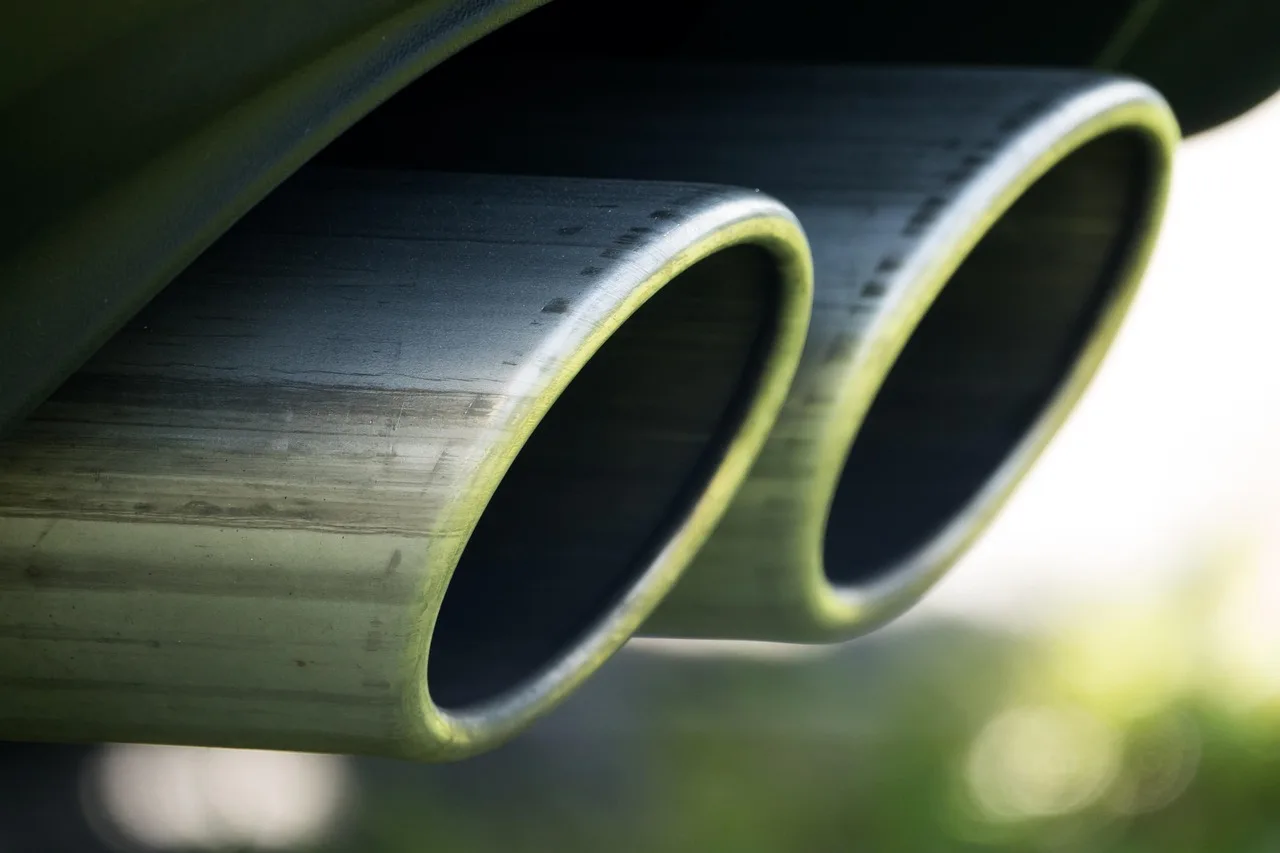
Turbocharged vehicles commonly have boost leaks as a cause of uphill power loss. A split hose, loose clamp, or leaking intercooler connection becomes more obvious when boost builds under load. A whooshing sound during throttle can be a useful clue.
On a turbo vehicle, compare boost target to actual boost on the scanner. If actual boost trails far behind target during a hill pull, inspect the charge system before chasing fuel parts. A leak can mimic a fuel or ignition problem.
Catalytic converter restriction
Can a clogged catalytic converter make a car lose power on inclines? Yes. A restricted converter can create severe uphill power loss, and the car may barely move. Heat buildup and a sulfur smell are strong clues, especially if the symptom gets worse as the exhaust heats up.
Exhaust restriction often shows up as progressive power fade rather than a clean stall. The engine may rev a little, then fall flat under load. If the car feels choked and gets worse on longer climbs, do not ignore the exhaust side.
Naturally aspirated versus turbocharged diagnosis
On a naturally aspirated engine, focus first on fuel pressure, spark, MAF accuracy, and exhaust restriction. On a turbo engine, add boost leaks to the top of the list. The same hill symptom can have a different first check depending on whether the engine makes boost.
A common first-timer mistake is to replace a fuel pump on a turbo car that actually has a split charge pipe. The hill symptom may look similar, but the scan data and hose inspection lead to a faster answer.
What do codes and live data mean?
P-codes help, but they do not diagnose a hill problem by themselves. Use them with the exact symptom pattern. A fuel code with no load complaint is less useful than a clean code set plus a repeatable uphill bog, flare, or surge.
Common patterns include misfire codes, fuel trim faults, MAF-related codes, boost control faults on turbo vehicles, and P07xx transmission codes. If the CEL flashes, treat the issue as urgent because active misfire can damage the catalytic converter and the ECU may already be limiting power.
Why car loses power log
Log the same short hill pull each time: RPM, road speed, throttle position, MAF, fuel trims, boost target if applicable, and any misfire or transmission data the scanner can read. That short, repeated pull is far more useful than random idling in the driveway.
If the engine bogs while fuel trims climb positive, fuel delivery or a large air leak becomes more likely. If boost target and actual separate on a turbo car, chase leaks. If RPM flares but speed does not, focus on the transmission, not the engine.
Frequently asked questions
Why does my car lose power going uphill but run fine on flat roads?
Hills put the engine under higher load, so weak fuel delivery, ignition breakdown, boost leaks, MAF errors, and exhaust restriction show up sooner. Flat roads may not ask for enough throttle to expose the fault. A load-dependent problem is different from a general idle complaint.
Can a weak fuel pump cause power loss only on hills?
Yes. A weak pump can idle normally and still drop pressure when the engine needs more fuel uphill. That usually shows up as gradual bogging or a sudden cut-out that recovers. A fuel pressure test under acceleration is the fastest confirmation.
Why does the engine rev but the car barely accelerates uphill?
That pattern points first to transmission slip or a torque converter issue, especially if RPM rises without a matching speed increase. Check ATF level and condition, and scan for P07xx codes. If RPM stays steady but the car will not pull, look more toward engine or exhaust trouble.
Can a clogged catalytic converter make a car lose power on inclines?
Yes. A restricted catalytic converter can create severe uphill power loss and may make the car barely move. Heat buildup and a sulfur smell are common clues. Because exhaust backpressure rises with load, the symptom can be much worse on a hill than on level ground.
Could a bad MAF sensor cause uphill hesitation or surging?
Yes. A bad MAF sensor can underreport airflow under high air mass, which can cause hesitation or a surge-hesitate-surge cycle. Live data matters here. If airflow readings do not rise in a believable way as throttle and load increase, the sensor or its wiring deserves attention.
Why does my car lose power uphill with no check engine light?
No light does not rule out a fault. Early fuel delivery loss, a small boost leak, a marginal coil, or a partially clogged exhaust can appear before the ECU sets a code. Use the hill symptom pattern, then confirm with live data and a short road test.
What should I check first if my car is sluggish under load?
Start with the fuel level, the CEL or limp-mode status, the air filter and intake hoses, and basic ignition checks. Then scan for codes and data. That order catches many common faults before you replace parts, and it keeps you focused on load-related clues.
Can transmission slipping feel like engine power loss on hills?
Yes. Transmission slip can feel like the engine is weak because RPM rises without proportional acceleration. That cue is the key difference from engine bog or exhaust restriction. If the tach flares and the vehicle speed does not, the drivetrain deserves immediate attention.
Products related to this article
Sponsored / affiliate links. As an Amazon Associate I earn from qualifying purchases. I may earn additional commission from eligible campaigns.