Can You Drive Without A Transmission Control Module?
Driving without a functional Transmission Control Module (TCM) is generally not possible or advisable. The TCM is critical for managing your car’s automatic transmission. Without it, the transmission cannot shift gears properly, if at all, often leaving the vehicle undrivable or severely restricted in its operation.
What is a Transmission Control Module (TCM)?
Think of your car’s automatic transmission as a complex system. It has many parts that work together. The Transmission Control Module, or TCM, is like the brain of this system.
It takes in information from different sensors. These sensors tell it about things like how fast the car is going, how much the engine is working, and how you are pressing the gas pedal.
Based on all this information, the TCM makes decisions. It tells the transmission when to shift gears. It ensures the shifts are smooth and happen at the right time.
This helps your car get the best fuel economy. It also makes driving feel comfortable. A working TCM means your car can go forward and backward easily.
It handles all the gear changes automatically.
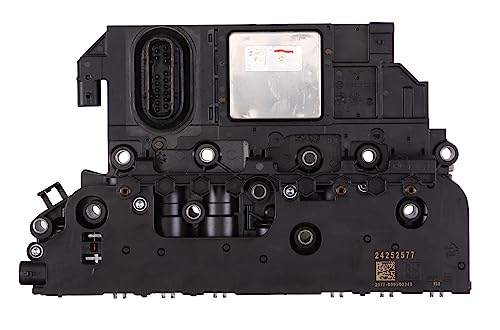
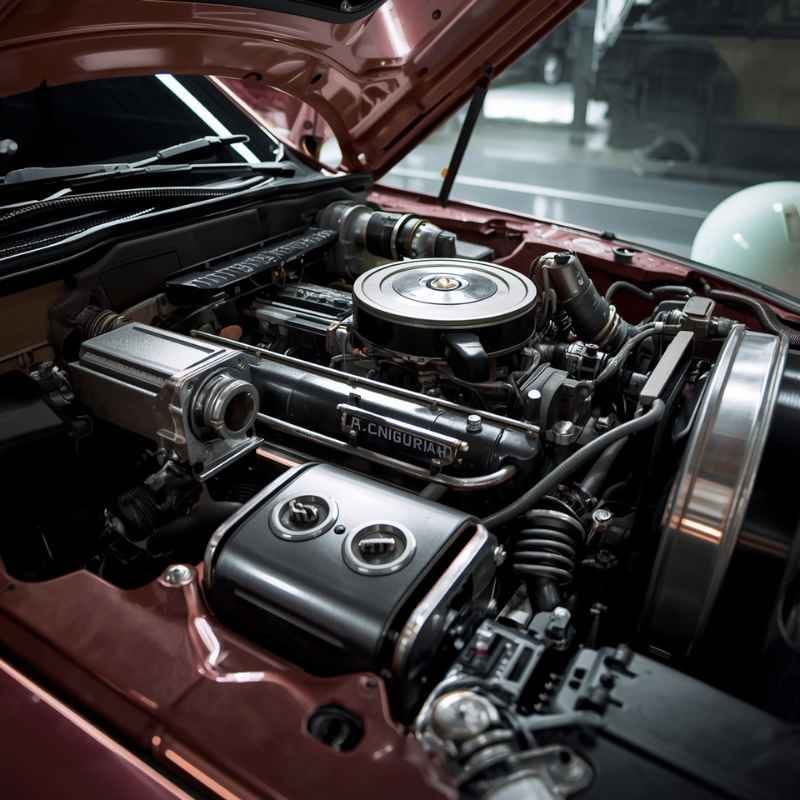
The TCM is a small computer. It has wires connecting it to the rest of your car. It’s usually located near the transmission itself.
Sometimes it’s inside the transmission housing. Other times, it’s mounted nearby. Its job is very precise.
It needs to react instantly to driving conditions.
Why is the TCM So Important?
The TCM is vital because it controls the heart of your car’s movement. An automatic transmission has many gears and hydraulic components. The TCM uses electrical signals to tell these parts what to do.
It controls solenoids. These are like tiny valves that open and close. They direct fluid flow within the transmission.
This fluid movement is what actually shifts the gears.
Without the TCM, these solenoids don’t get the right commands. The transmission won’t know when to engage or disengage gears. This means the car cannot shift properly.
In many modern cars, the TCM also works with the engine’s computer. This is called the Powertrain Control Module (PCM). They share data to make everything work smoothly together.
This partnership helps optimize performance. It helps with fuel efficiency. It also reduces wear and tear on the transmission.
A faulty TCM can lead to rough shifts. It can cause the transmission to get stuck in one gear. It can even prevent the car from starting.
The TCM is not just a convenience part. It is essential for the car to operate at all.
My Own TCM Scare: A Night I Won’t Forget
I remember this one time, a few years back. I was driving home late from a client meeting. It was pouring rain outside, the kind of rain that makes visibility almost zero.
My car, a trusty sedan I’d had for ages, suddenly lurched. The engine revved high, but the car didn’t pick up speed. Then, a few warning lights flashed on my dashboard.
My heart sank. I pulled over to the side of the road, the tires hissing on the wet asphalt.
Panic started to set in. Was I stranded? I tried shifting into neutral, then back into drive.
Nothing. The gear selector just felt loose, unresponsive. I could hear the engine running, but it felt like the car was in neutral.
I was miles from home, in the middle of nowhere, with a storm raging. I remember feeling a wave of frustration mixed with fear. I kept thinking, “What could possibly be wrong?” I knew enough about cars to know something major was up.
But the thought of a transmission problem seemed like a financial black hole. I finally managed to get it towed to a nearby garage. The mechanic later told me it was the TCM.
He explained that without it, the transmission was essentially useless. That experience taught me how much we rely on these small computer brains.
TCM Location & Connection
The Transmission Control Module (TCM) is a vital electronic component. Its exact location varies by car make and model. Often, it’s found integrated within the valve body inside the transmission.
In some vehicles, it might be a separate unit mounted on the transmission’s exterior. Some cars even place it elsewhere in the engine bay or under the dashboard. Regardless of its position, it is wired directly to the transmission’s internal sensors and solenoids.
It also communicates with the engine control unit (ECU) or Powertrain Control Module (PCM).
What Happens When the TCM Fails?
When a Transmission Control Module starts to fail, it doesn’t usually just stop working all at once. Often, you’ll notice symptoms gradually. These symptoms can be confusing at first.
They might seem like minor issues. But they are signs that the TCM is not communicating correctly.
One of the first things you might notice is rough gear changes. The shifts between gears can feel jerky or harsh. Sometimes, the transmission might hesitate before shifting.
It might also get stuck in a particular gear. This is often called “limp mode.” Your car will only allow you to use a limited number of gears. This is a safety feature.
It prevents further damage.
Another common sign is transmission slipping. This happens when the engine revs up, but the car doesn’t speed up as it should. You might feel like the gears are not catching.
The check engine light or a specific transmission warning light may also come on. This light often looks like a gear with an exclamation mark inside. In some cases, the car might not shift into reverse or drive at all.
It might feel like it’s stuck in neutral.
A completely failed TCM can render your car undrivable. The transmission needs its instructions to function. If the TCM is dead, no instructions are being sent.
The car might not even start. This is because many vehicles have safety interlocks tied to the transmission’s electronic systems. A failed TCM is a serious problem that needs immediate attention.
Can You Drive a Car With a Bad TCM?
The short answer is: no, not really. While a car might start and idle with a failed TCM, driving it is usually impossible or extremely risky. As mentioned, the TCM is the brain of the automatic transmission.
It tells the transmission when to shift gears. Without this brain, the transmission cannot perform its basic function.
If the TCM is completely dead, the transmission will likely stay in one gear. This is often first gear or neutral. You might be able to move the vehicle very slowly for a short distance.
However, you won’t be able to reach any reasonable speed. The engine will just keep revving. You won’t be able to accelerate or shift to higher gears.
Attempting to drive a car in this condition can cause significant damage. The transmission relies on controlled gear changes. Forcing it or driving it in an unintended gear can overheat components.
It can strip gears. It can cause other internal parts to break. This makes the repair bill much higher than just replacing the TCM.
In some cases, a partially failing TCM might put the car into limp mode. This allows for very slow driving. It’s a way to get the car to a mechanic.
But it’s not safe for regular driving. You cannot drive on highways. You cannot go above a very slow speed.
It’s best to avoid driving altogether if you suspect a TCM issue. Towing the vehicle to a repair shop is the safest option.
Symptoms of a Failing TCM
- Rough Gear Shifts: Shifts feel jerky, harsh, or delayed.
- Transmission Slipping: Engine revs up, but the car doesn’t gain speed.
- Stuck in Limp Mode: Vehicle only uses a limited number of gears.
- Warning Lights: Check Engine Light or transmission warning light illuminates.
- No Shifting: Transmission fails to shift into any gear.
- Starting Issues: Car may not start due to electronic interlocks.
- Overheating: Transmission fluid may overheat due to improper operation.
What if the TCM is Just Acting Up?
Sometimes, a TCM might not be completely broken. It might just be glitchy. This can happen due to loose connections or minor electrical faults.
In these situations, the symptoms might come and go. One day your car might shift perfectly fine. The next day, it might be giving you trouble.
If you notice intermittent issues, it’s still a sign that something is wrong. You shouldn’t ignore it. Even a glitchy TCM can lead to more serious problems if left unaddressed.
It’s like having a friend who sometimes forgets what they are doing. It’s not always a big deal, but it means they need help.
A qualified mechanic can diagnose these intermittent problems. They can check the electrical connections to the TCM. They can also run diagnostic tests.
These tests can reveal if the TCM is sending incorrect signals. They can also check for internal faults within the module itself.
The best course of action for any TCM symptom is to get it checked. Driving with a faulty TCM is never a good idea. It puts you and others at risk.
It also leads to more expensive repairs down the line. Think of it like a persistent cough. It might not stop you from walking, but it’s a sign your body needs attention.
Can a Car Drive Without an Automatic Transmission at All?
This is a different question than driving without a TCM. A car cannot drive without a transmission, period. The transmission is what allows the engine’s power to reach the wheels.
It also allows the driver to change speed and direction. Whether it’s an automatic or a manual, the transmission is essential.
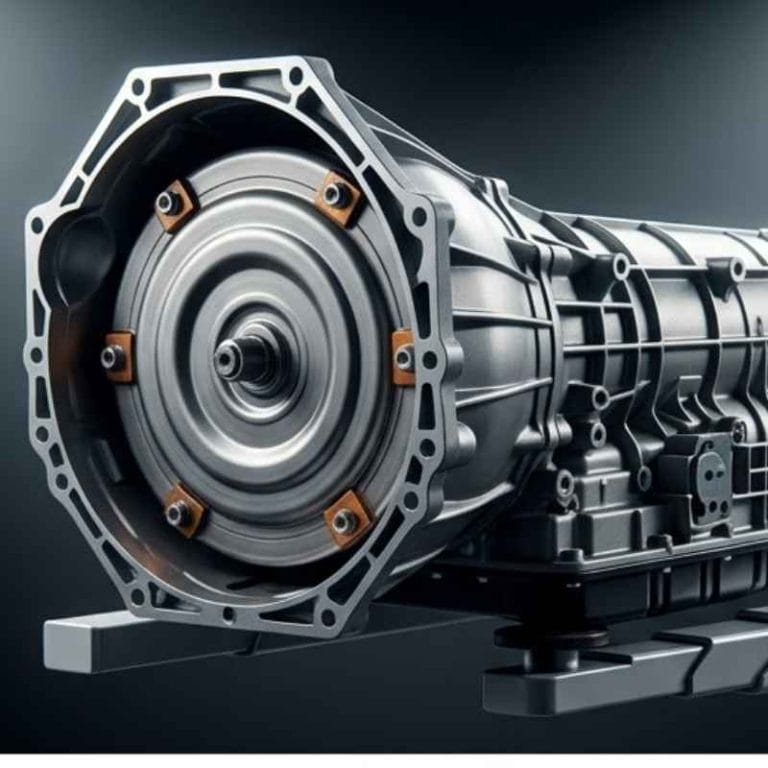
An automatic transmission uses a torque converter and a complex set of gears. The TCM controls the shifting of these gears. A manual transmission uses a clutch and a gear stick that the driver operates.
Both systems serve the same fundamental purpose: to transfer power from the engine to the wheels effectively.
If a car’s transmission is completely removed or destroyed, it cannot move under its own power. The engine can run. The wheels can spin freely.
But there’s no connection to make the car move. So, while a bad TCM prevents an automatic transmission from working, the transmission itself is still physically present.
TCM vs. PCM: Understanding the Difference
It’s easy to mix up the Transmission Control Module (TCM) and the Powertrain Control Module (PCM). In older cars, these were often separate units. The PCM controlled the engine, and the TCM controlled the transmission.
In many modern vehicles, these functions are combined into a single module called the PCM. This integrated module handles both engine and transmission operations. Some newer cars, especially those with highly sophisticated transmissions, might still have a separate TCM that communicates closely with the PCM.
Knowing the difference is important for diagnostics, but often the symptoms of failure can overlap if they are part of the same integrated unit.
What Happens if You Try to Drive on a Bad TCM?
Let’s say you’re in a bind. You’ve got a warning light, and your car feels… off. You think, “Maybe I can just get home.” This is where things get dangerous.
Trying to drive on a failing or failed TCM is a bad idea.
First, your car might enter limp mode. This is designed to protect the transmission. It limits your speed.
You might only be able to go 20 or 30 miles per hour. This makes you a hazard on the road. Other drivers won’t expect someone to be going that slow.
You could cause an accident.
Second, the transmission itself can suffer severe damage. The TCM tells the transmission when to engage and disengage clutches and bands. It also controls fluid pressure.
If the TCM isn’t sending the right signals, the transmission might be trying to shift gears at the wrong engine speed. It might be applying too much or too little fluid pressure. This can cause grinding noises.
It can lead to overheating. It can damage the delicate internal parts.
Third, the engine computer (PCM) might detect these transmission issues. It can then shut down or limit engine power to prevent more damage. This could leave you stranded in a dangerous situation.
The cost to repair a transmission damaged by continued driving can be many thousands of dollars. This is far more than the cost of a TCM replacement.
Can You Bypass a TCM?
In short, for most modern cars, the answer is no. Bypassing a TCM is not a realistic or safe option for everyday driving. The TCM is deeply integrated into the car’s electronic systems.
It communicates with many other modules, including the engine control unit, anti-lock braking system (ABS), and stability control systems.
Some highly specialized performance or racing applications might use aftermarket standalone transmission controllers. These can sometimes replace or bypass the factory TCM. However, these are complex systems.
They require expert installation and tuning. They are not designed for the average car owner. They often involve completely reprogramming how the transmission operates.
For a daily driver, there is no simple “wire to bypass.” Modern automatic transmissions rely on precise electronic control. Without the TCM’s input, they simply cannot function. Even older vehicles with simpler automatic transmissions often had mechanical linkages that could be adjusted or bypassed.
But the shift to electronic controls changed everything. Trying to bypass it would mean essentially rebuilding the transmission with mechanical controls, which is extremely difficult and expensive.
TCM Diagnostic Tools
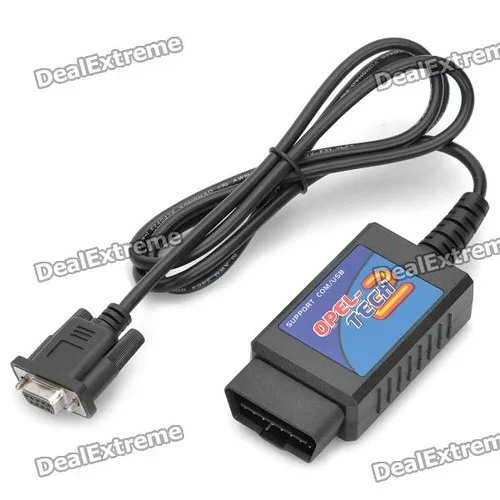
Mechanics use specialized diagnostic scanners to read trouble codes from the TCM. These codes point to specific issues. Common codes relate to sensor faults, solenoid problems, or communication errors.
The scanner can also show live data from the TCM. This includes sensor readings and commanded gear shifts. This helps the mechanic pinpoint the exact problem, whether it’s a faulty sensor, a wiring issue, or the TCM itself.
Advanced diagnostics might involve checking voltage and resistance at various connection points.
Real-World Scenarios: When a TCM Fails
Let’s look at some common situations where TCM failure causes problems.
Scenario 1: The Commuter’s Nightmare
Sarah commutes 40 miles each way to her job. One Monday morning, as she merges onto the highway, her car suddenly loses power. The engine is running, but she can’t accelerate.
The transmission feels like it’s stuck in neutral. She sees the dreaded transmission warning light flash on her dashboard. She’s stuck on the highway on-ramp.
This is a classic sign of a complete TCM failure. The transmission has no instructions to engage any gear. She has to call for a tow truck.
Scenario 2: The Weekend Driver’s Surprise
Mark only uses his car for weekend errands and occasional road trips. He notices his transmission shifts are getting a bit rougher lately. Sometimes, it feels like it clunks into gear.
He figures it’s just an older car getting old. One Saturday, he’s driving to the grocery store. The car suddenly goes into limp mode.
He can barely get over 30 mph. He can’t get home easily. He has to limp the car to a mechanic.
His TCM is failing intermittently, causing these issues. If he had addressed the rough shifts earlier, he might have avoided the roadside breakdown.
Scenario 3: The Towing Dilemma
David uses his truck for occasional towing of a small boat. He recently bought the truck used. He notices the transmission feels a little hesitant when shifting, especially under load.
He ignores it, thinking it’s normal for a truck. One day, while towing his boat, the transmission starts slipping badly. The engine screams, but the truck barely moves.
He’s worried about damaging the transmission further. He realizes his TCM might be weak, and it can’t handle the extra demand of towing. He decides to stop towing and get it checked immediately to avoid disaster.
TCM Replacement vs. Repair
Replacing a TCM is often the most straightforward solution. However, TCMs can sometimes be repaired. This depends on the nature of the failure.
For minor issues like a faulty sensor or a bad connection, a repair might be possible. But for internal circuit board failures,
What This Means for You: When to Worry
Knowing the signs of a failing TCM is key. It can save you a lot of stress and money. Here’s when you should pay attention.
When it’s Normal (or Less Concerning)
Some minor hesitations or slightly less smooth shifts can happen as cars age. If your car has high mileage, a very occasional slight jolt during a shift might not be a TCM failure. However, if these issues are new, worsening, or accompanied by any warning lights, they are cause for concern.
For example, a brand new car might have a brief “learning” period for its transmission. The TCM is adapting to your driving style. This is usually a very subtle difference and resolves quickly.
If you’re experiencing this, it’s good to monitor it but likely not a panic situation.
When to Worry
You should definitely worry if you experience any of the following:
- Sudden loss of acceleration while driving.
- Harsh, grinding, or clunking noises during gear changes.
- Transmission warning lights that stay illuminated.
- Car is stuck in one gear (limp mode).
- Inability to shift into Drive or Reverse.
- Transmission fluid smells burnt (a sign of overheating and damage).
These are strong indicators of a significant TCM or transmission problem. Don’t ignore them. Your safety and the health of your vehicle are at stake.
Simple Checks You Can Do
While you can’t diagnose a TCM yourself easily, you can do a few checks:
- Check Transmission Fluid: Make sure the transmission fluid level is correct. Low fluid can cause shifting problems. Also, check the fluid’s color and smell. If it’s dark brown or black and smells burnt, it’s a serious sign of internal transmission damage, which could be linked to TCM issues.
- Note Warning Lights: Pay close attention to any dashboard warning lights. A check engine light can often be related to transmission problems, including TCM faults.
- Observe Shifting: Be mindful of how your car shifts. Does it feel smooth? Does it happen at the right speeds? Any new roughness or delays are worth noting.
If any of these checks raise concerns, it’s time to consult a professional mechanic.
DIY vs. Professional Repair
Replacing a TCM can be a complex job. It often requires specialized tools and software for programming. While some experienced DIYers might attempt it, it’s generally recommended to have this work done by a qualified mechanic.
They have the equipment to diagnose the problem accurately. They can ensure the new TCM is correctly installed and programmed. Incorrect installation or programming can lead to new problems or damage to the transmission.
For safety and reliability, professional service is usually the best route.
Common TCM Troubleshooting Steps
When a TCM problem is suspected, a mechanic will typically follow a process.
1. Scan for Diagnostic Trouble Codes (DTCs)
This is the first step. A scan tool reads codes stored in the TCM or PCM. Codes like P07xx or P17xx often relate to transmission issues.
These codes give clues about the problem area.
2. Inspect Wiring and Connectors
Corrosion or damage to the wires connecting the TCM can cause communication errors. Mechanics will check these thoroughly for any signs of wear or loose connections.
3. Test Transmission Solenoids
Solenoids are controlled by the TCM. If a solenoid is faulty, the TCM might be blamed. Testing each solenoid ensures they are functioning correctly.
This is done by checking their electrical resistance and function.
4. Check Transmission Fluid Condition and Level
As mentioned, low or burnt fluid can mimic TCM issues. Ensuring the fluid is in good condition is crucial. It also helps rule out other transmission problems.
5. Test the TCM Itself
If all other components check out, the TCM is the likely culprit. Testing can involve checking voltage inputs and outputs. Sometimes, the TCM is removed and bench-tested by a specialist.
6. Program and Test New TCM (if replaced)
If a new TCM is installed, it needs to be programmed to the vehicle. This involves linking it to the car’s computer system. After programming, a test drive verifies that the transmission shifts correctly.
TCM Lifespan and Prevention
The lifespan of a TCM can vary greatly. It depends on factors like vehicle maintenance, driving conditions, and the quality of the original part. However, TCMs can fail due to heat, vibration, and electrical surges.
Regular transmission fluid changes are important. They help keep the transmission and its control module cooler. Protecting your car from electrical overloads, like those caused by faulty alternators or jump-starting incorrectly, can also help prevent TCM damage.
Some aftermarket TCMs are available that are designed to be more robust than original equipment.
Frequently Asked Questions About Driving Without a TCM
Can a car drive with a faulty TCM?
A car might start, but it typically cannot drive properly with a faulty TCM. The automatic transmission needs the TCM to tell it when to shift gears. Without these commands, the car will likely be stuck in one gear or neutral, making it undrivable for normal purposes.
What happens if I drive with a bad TCM?
Driving with a bad TCM is dangerous and can cause further damage. Your car might enter “limp mode,” severely limiting speed and power. The transmission can overheat or suffer internal damage from improper shifting.
This can lead to much more expensive repairs than replacing the TCM alone.
How do I know if my TCM is bad?
Signs of a bad TCM include rough gear shifts, transmission slipping, warning lights on the dashboard, the car getting stuck in one gear, or the inability to shift into Drive or Reverse. These symptoms indicate the TCM is not controlling the transmission correctly.
Can a transmission work without a TCM?
For modern automatic transmissions, no. The TCM is the electronic brain that controls gear selection and hydraulic pressures. Without it, the complex electronic systems of the transmission cannot function, making the transmission inoperable.
Is a TCM the same as an ECU?
No, they are different. The Engine Control Unit (ECU) or Powertrain Control Module (PCM) manages the engine’s functions. The Transmission Control Module (TCM) specifically manages the automatic transmission.
In many modern cars, these functions are combined into a single PCM, but they still represent distinct control areas.
Can a mechanic “trick” the transmission to work without a TCM?
For most modern cars, no. There is no simple way to “trick” the transmission into working without its TCM. The TCM is essential for the electronic control systems.
Specialized aftermarket controllers exist for racing, but these are not practical for everyday vehicles.
Final Thoughts on TCM Functionality
It’s clear that the Transmission Control Module is a critical part of any car with an automatic transmission. It’s the unseen conductor orchestrating the complex dance of gears. Without its precise instructions, the transmission simply cannot do its job.
Attempting to drive a vehicle with a failing or failed TCM is not only impossible for practical purposes but also extremely risky. It can lead to significant damage and dangerous situations on the road. If you suspect any transmission issues, listen to your car.
Get it checked by a professional right away. Your safety and your car’s health depend on it.
Products related to this article
Sponsored / affiliate links. As an Amazon Associate I earn from qualifying purchases. I may earn additional commission from eligible campaigns.