5 Best OEM Bulbs for Daily Drivers (2026): we compared
The best OEM replacement bulb for a daily driver is the exact bulb number your vehicle specifies, from a reputable OE supplier, with the same wattage and beam type as the original. Wrong fitment can cause glare, poor visibility, fast wear, or a ticket. This guide covers bulb selection by use case, housing type, legality, and replacement priority for headlights, fog lights, turn signals, brake lights, parking lights, and sealed beams.
Quick comparison
| Product | Badge | Best for | Price | ||
|---|---|---|---|---|---|
 |
Philips 9005 NightGuide Headlight Bulbs (High-Beam), PackPHILIPS | Budget pick | 9005 high-beam · Pack of 2 | $17.99
Price as of 12 Oct 2026
|
View |
 |
SYLVANIA 9006 SilverStar Ultra Halogen Headlight Bulb, 2SYLVANIA | Our pick | 9006 · 2 bulbs · SilverStar Ultra | $48.75
Price as of 12 Oct 2026
|
View |
 |
GKmow Pack-2 HB3 9005 Halogen Bulbs, Car Xenon Light Bulbs,GKmow | Budget pick | HB3 9005 · 12V 65W · Pack of 2 | $8.99
Price as of 12 Oct 2026
|
View |
 |
Cougar Motor 9005 H11 Bulbs, HB3 H8 H9 Fog Lights Combo(2Cougar Motor | Upgrade pick | 9005 H11 combo · 6500K · Pack of 4 | $56.99
Price as of 12 Oct 2026
|
View |
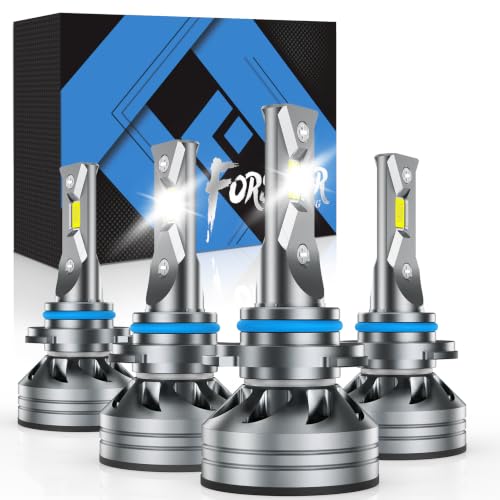 |
FORENNER Next-Gen 9005 9006 Bulbs Combo 1500% UltraFORENNER | Also great | 9005 9006 combo · 6500K · IP68 | $33.24
Price as of 12 Oct 2026
|
View |
Match the bulb job first, then check the base, voltage, and legal color. That matters more than a big lumen claim on the box.
If your vehicle uses halogen optics, an OEM-equivalent halogen usually keeps the beam pattern closest to factory. LED retrofits can work in some housings, but the wrong retrofit can throw glare into oncoming traffic.
How we chose
Fitment came first, bulb family, socket or base type, and 12V application. Then came beam pattern and road legality where the bulb is used on public roads.
Color match and pair replacement mattered too, especially for headlamps and signal bulbs. Finally, the shortlist favored service life and cost per year over marketing claims that do not help a commute-driven car.
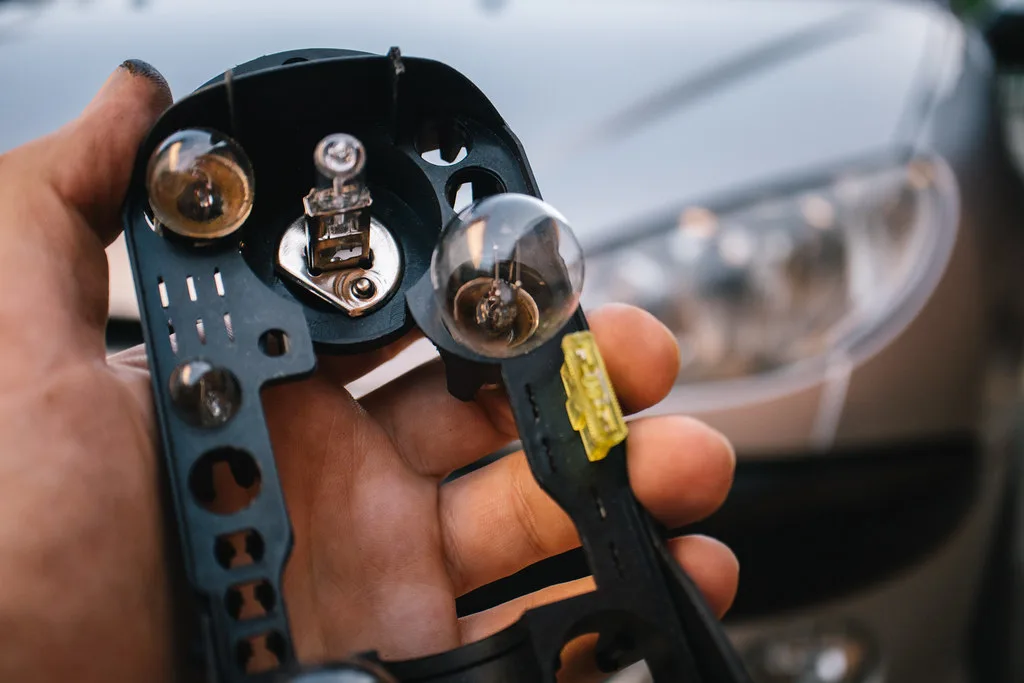
Philips 9005 NightGuide Headlight Bulbs: best for high-beam daily driving
This is a straightforward OEM-style high-beam replacement for drivers who want to avoid universal-fit gimmicks. The Philips 9005 NightGuide comes as a pair, and the 9005 family is a common high-beam size for 12V vehicles.
What stands out is the factory-like replacement logic: correct bulb number, direct plug-and-play installation, and a known brand name. The drawback is that it is a standard halogen option, so it will not match the white color or maximum output claims of retrofit LED kits.
Pros:
- Affordable OEM-equivalent high-beam bulbs
- Philips brand reliability
- Direct plug-and-play replacement
Cons:
- High beam only, not a full lighting solution
- Standard halogen output, not a dramatic upgrade
Who it’s for: Drivers replacing a burned-out 9005 high beam and wanting a direct-fit bulb with a low-friction install. It is less suitable if your housing calls for a different base such as 9006/HB4 or if you are trying to change the color temperature of the headlamp system.
SYLVANIA 9006 SilverStar Ultra Halogen Headlight Bulb: best for brighter low-beam visibility
This is the best fit here for a daily driver that needs a stronger low-beam replacement in a 9006/HB4 setup. Voltage Automotive lists 9006/HB4 as a standard headlight bulb, and 9006/HB4 fits 12V automotive systems.
It suits commuters who want a whiter-looking halogen beam without leaving the OEM-equivalent category. The tradeoff is cost: a 2-bulb pack is more expensive than basic replacement bulbs, so the value case depends on how much you care about down-road visibility.
Pros:
- Brightest 9006 option for down-road visibility
- Whiter light via patented Tri-Band Technology
- Replace in pairs for optimum performance
Cons:
- Higher price than standard halogen replacements
- Still bound by halogen heat and lifespan limits
Who it’s for: Drivers with a 9006 low beam who want a stronger factory-format bulb for night commuting. It is not the right pick if your vehicle uses H7, H15, or another base type.
GKmow Pack-2 HB3 9005 Halogen Bulbs: best budget OEM-style high beam
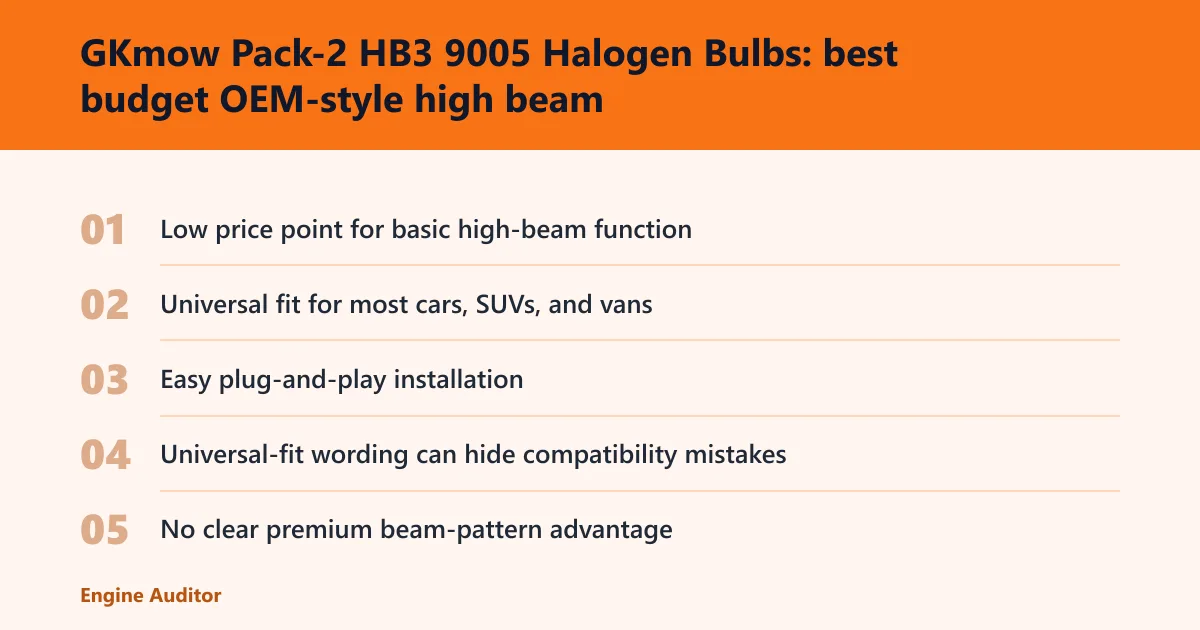
- Low price point for basic high-beam function
- Universal fit for most cars, SUVs, and vans
- Easy plug-and-play installation
This is the budget pick for a vehicle that specifically uses HB3/9005 high beams and wants basic function at the lowest sensible price. The bulb is listed with a typical 12V, 65W rating, which matches the common electrical format many drivers expect in a halogen high-beam replacement.
Its main appeal is cost per bulb for a simple daily-driver job. The downside is the universal-fit language in the listing, which is exactly why fitment checks matter; a “fits most” claim does not replace the owner’s manual or the old bulb code.
Pros:
- Low price point for basic high-beam function
- Universal fit for most cars, SUVs, and vans
- Easy plug-and-play installation
Cons:
- Universal-fit wording can hide compatibility mistakes
- No clear premium beam-pattern advantage
Who it’s for: A driver replacing a failed 9005/HB3 bulb on a tight budget. It is not the best choice when you want the closest factory beam pattern or the most predictable finish on both sides of the car.
Cougar Motor 9005 H11 Bulbs combo: best for fog-light and auxiliary use
This combo is the most flexible of the group for drivers dealing with fog lights or auxiliary positions that call for H11 or 9005-type fitment. The listing calls out 6500K white light, non-polarity direct plug-and-play design, and an anti-glare focused beam pattern.
That can make sense for fog or off-road use where instant illumination and color preference matter. The drawback is that the title itself flags off-road use, so you should check local legality and housing design before treating it as a straight headlight substitute.
Pros:
- 6500K white light with instant illumination
- Anti-glare focused beam pattern
- Non-polarity direct plug-and-play design
Cons:
- Combo pack can be overkill for a single simple replacement
- Off-road wording raises legal-fit questions for street use
Who it’s for: Drivers who need fog-light or auxiliary replacements and want a white-light kit with a quick install. It is less suitable for anyone who needs a strict OEM halogen match in a halogen projector or reflector housing.
FORENNER Next-Gen 9005 9006 Bulbs Combo: best for mixed-family replacement coverage
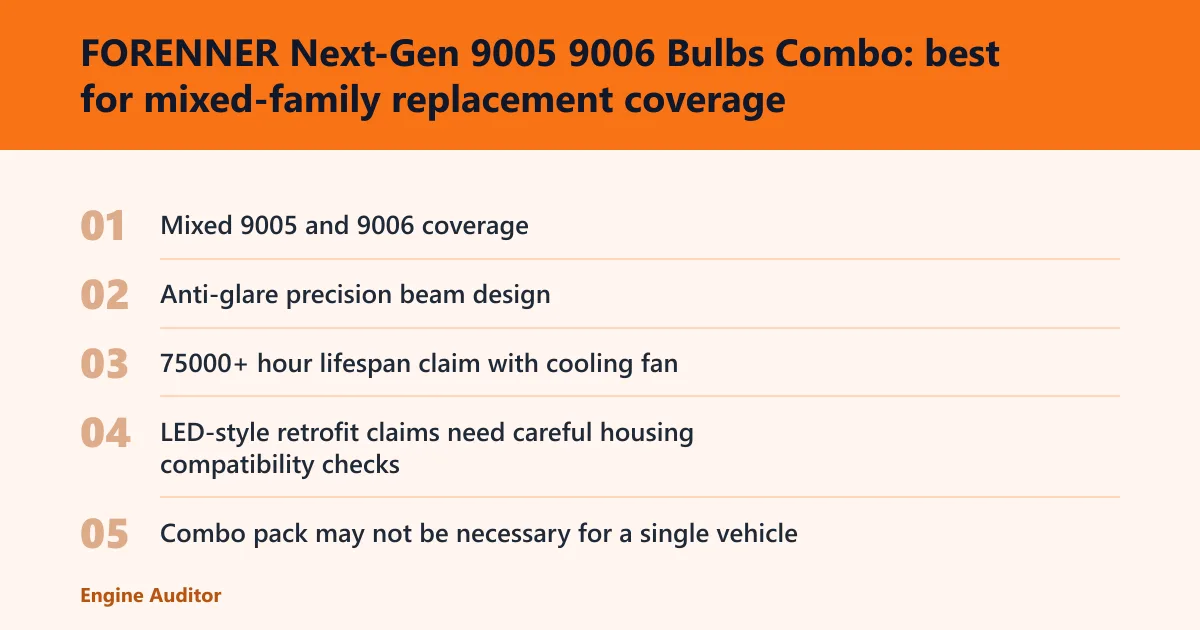
This combo is aimed at households or fleet-style drivers who want one package that covers common 9005 and 9006 replacement needs. The listing uses 6500K white CSP-chip wording, IP68 protection, and a long-lifespan claim, which suggests a retrofit-style replacement rather than a plain halogen bulb.
The strength is breadth: it can simplify shopping when different cars in the driveway use different common headlight families. The drawback is the same one that applies to many LED-style claims: fitment and beam pattern need careful confirmation, especially in optics designed around halogen filaments.
Pros:
- Mixed 9005 and 9006 coverage
- Anti-glare precision beam design
- 75000+ hour lifespan claim with cooling fan
Cons:
- LED-style retrofit claims need careful housing compatibility checks
- Combo pack may not be necessary for a single vehicle
Who it’s for: Drivers who manage more than one vehicle and want a single package for common headlight families. It is not the first choice if your priority is exact OEM halogen beam behavior.
What OEM means on automotive bulbs?

OEM means original equipment manufacturer, and in practical bulb shopping it points to the company that makes a component sold under another brand’s name. iFixit defines OEM that way, and the same idea matters for lighting because the bulb must match the vehicle’s specified family, voltage, base, and beam type.
That definition is useful because a bulb can be “replacement” without being correct. For daily drivers, OEM-equivalent should mean direct fit, correct socket, and road-appropriate output, not just a shape that looks close in a product photo.
Which bulbs for my car
The right bulb for your car is the one listed in the owner’s manual, printed on the old bulb, or confirmed in a vehicle-specific fitment lookup. Start with the lamp job first: low beam, high beam, fog light, turn signal, brake light, parking light, or sealed beam, then match the bulb family and base type.
If your car uses halogen optics, stay with the exact halogen family unless the housing is designed for HID or approved LED replacement. A 9005 high beam, for example, is not the same fit as 9006/HB4, even if both are common 12V headlight bulb codes.
Use the old bulb as your reference
The fastest check is the removed bulb itself. Read the code on the metal or plastic base, confirm the socket shape, and compare it with the replacement listing before you buy.
If the old bulb is too faded to read, use the owner’s manual or a fitment database that lists the exact year, make, model, and trim.
Check the lighting job, then the base
Low beams, high beams, fog lights, and signal bulbs often use different families even on the same car. The base type and voltage have to match, or the bulb may not seat correctly or may not work at all.
What bulb number do I need for my car?
You need the exact bulb number for the specific lamp position on your vehicle, not a close-looking substitute. Common daily-driver examples include H7, 9006/HB4, H15, PS19W, PSY19W, and PSY24W, but the correct one depends on the car’s lamp housing and electrical system.
One common mistake is buying a headlight code for a turn-signal position, or vice versa. Say your low beam is H7 and your fog light is H15; those are different jobs, different bases, and different replacement priorities.
Match voltage and application
Voltage matters because bulb families are built for particular vehicle systems. Voltage Automotive lists 9006/HB4 as fitting 12V automotive systems, and SYLVANIA H6054 SilverStar is a 12-volt sealed beam headlight with a 65-watt setup and a Base A-3 socket.
Those details are not decoration. They are the difference between a bulb that fits and a bulb that should never have been ordered.
How do I find the OEM replacement bulb size?
Find the OEM replacement bulb size by checking the owner’s manual, reading the code on the removed bulb, or using a vehicle fitment lookup tied to year, make, model, and trim. The correct answer includes more than the bulb name; it also includes base type, voltage, and the light’s purpose.
For example, Voltage Automotive lists H7 as a standard headlight bulb with OE reference 64210/12972, H15 as a headlight, fog light, and driving light bulb, and PS19W as equivalent to 5201 or 12085. Those references help you avoid near-miss purchases.
Check the left and right sides together
Both sides should match in bulb family and output. If one side is much older, replacing only the failed bulb can leave you with visibly different color or intensity.
Are OEM replacement bulbs better than generic bulbs?
OEM replacement bulbs are usually better when fit, beam pattern, and legality matter more than headline brightness. Generic bulbs can be fine if they truly match the socket, voltage, and application, but many universal-fit listings blur those details and create avoidable problems.
For daily driving, the better bulb is often the one that restores the original beam pattern cleanly. That means predictable cutoff, correct aim, and less risk of glare for other road users.
What “better” should mean here
Better should mean direct-fit reliability, stable light output, and a lawful color for the job. For a brake light or turn signal, the color requirement matters as much as brightness.
For a headlight, beam shape matters more than a large output claim on the packaging.
Should I replace headlight bulbs in pairs?
Yes, pair replacement is usually the smarter move when one headlight bulb has aged or failed. The two sides tend to dim and color-shift at different rates, so replacing both helps keep output and beam color closer to matched.
It also reduces repeat labor on cars where access is awkward. If the housing is tight, one pair change is usually easier than coming back soon for the other side.
When single-bulb replacement still makes sense
If the other bulb is very new and the failed one is a clear outlier, a single replacement can be fine. The key is to compare output and color after install.
Picture a commuter car with one cloudy 9006 bulb and one fresh one. The new bulb will look different enough that pair replacement quickly starts to make sense.
Do OEM replacement bulbs fit fog lights and turn signals too?
Yes, OEM replacement bulbs cover more than headlights. They also fit fog lights, turn signals, parking lights, and brake lights when you choose the correct family, color, and base type for the application.
That said, signal bulbs have stricter color rules than headlamps. Amber bulbs should stay amber where the vehicle requires it, and white is appropriate only where the lamp is designed for white output.
Color matters for signal bulbs
Voltage Automotive lists PSY24W as an amber automotive signal light bulb, and PSY19W for turn signal, parking, and brake light use. It also says PSY19W is equivalent to 12275, which shows how one family may be used in several rear or front signal jobs.
If the lens is amber, the bulb still needs to match the vehicle’s legal requirement. Do not treat color as a styling choice on signal lamps.
Which OEM-equivalent bulb is best for daily driving?
The best OEM-equivalent bulb for daily driving is the one that matches the original function and housing while balancing lifespan, output, and cost per year. For a halogen headlight, that usually means a direct-fit OE-style bulb such as a standard 9005, 9006/HB4, or H7 rather than a universal retrofit.
If the car came with halogen, a halogen replacement is often the safest daily-driver choice. LED retrofit kits can be useful only when the housing is designed for them or the kit is approved for your market.
Standard halogen versus premium OEM-equivalent
Standard halogen is usually the lowest-cost route and the easiest path to factory-like beam shape. Premium OEM-equivalent halogen costs more up front but can deliver better down-road visibility and a cleaner beam if the housing is correct.
LED can be tempting, but a poor retrofit often looks bright while throwing uncontrolled light. That hurts real-world visibility and can create glare.
Cost per year: a simple way to compare
Use a simple cost-per-year formula: price divided by years of service. If a standard halogen bulb costs $10 and lasts 1 year, the cost is $10 per year. If a premium OEM-equivalent bulb costs $20 and lasts 2 years, the cost is also $10 per year. The point is to compare total ownership, not sticker price alone.
A daily driver that logs long commutes should give extra weight to replacement frequency. Fewer changeouts matter when the bulbs are hard to reach.
What does OEM mean on automotive bulbs?
On automotive bulbs, OEM means the original manufacturer or a manufacturer making a component sold under another brand’s name. That matters because the light must fit the exact vehicle specification, not just “kind of” fit the socket.
In practice, OEM-equivalent bulbs are chosen for factory-like fit, consistent light output, and direct replacement behavior. They are not meant to be universal in the way a generic adapter might be.
Direct fit versus universal fit
Direct-fit bulbs match the vehicle-specific base, voltage, and application. Universal-fit bulbs often rely on broad compatibility language, which is risky for headlamps and signal lamps where the beam pattern and color must be correct.
Which one should you buy
Choose halogen OEM-equivalent if you want the closest factory beam and simple legality. Choose LED only if the housing is designed for it or the kit is approved in your market.
Prioritize signal and brake bulbs by color and legal spec before changing headlight bulbs. Replace in pairs when one side is aged or when color match matters, and lean on the owner’s manual or old bulb code before you buy.
If you need the safest default for most daily drivers, start with the exact bulb family the vehicle specifies. That usually beats chasing the brightest listing.
Scenario: a commuter with one dim low beam
Suppose your car uses a 9006 low beam and one side has gone yellow while the other still works. Replacing both 9006 bulbs at once keeps the beam color and output closer, which is better than mixing a fresh bulb with an aged one.
Scenario: a fog light that needs the right color
Say your front fog lamp calls for H15 and your signal lamp calls for PSY24W amber. The fog light can be replaced with the correct white-output family, but the signal lamp should stay amber if that is what the vehicle and local rules require.
Frequently asked questions
Which bulbs for my car
The right bulbs for your car are the ones listed for each lamp position in the owner’s manual or confirmed by the old bulb code and a fitment lookup. A low beam, high beam, fog light, brake light, and parking light may all use different families, so do not buy by shape alone.
What bulb number do I need for my car?
You need the exact bulb number tied to the lamp job and trim level, such as H7, 9006/HB4, H15, PS19W, PSY19W, or PSY24W. The bulb number should be checked against base type, voltage, and whether the light is a headlight, signal, or brake application.
How do I find the OEM replacement bulb size?
Check the owner’s manual first, then the old bulb, then a vehicle fitment lookup. The size is only correct if the bulb family, base, and voltage all align with the vehicle’s original setup.
Are OEM replacement bulbs better than generic bulbs?
They are usually better when you care about direct fit, beam pattern, and legal use. Generic bulbs can work, but many broad-fit listings skip the details that matter on the road.
Should I replace headlight bulbs in pairs?
Yes, pair replacement is usually the better choice because the two sides age differently. Matching bulbs helps keep beam color and output closer together, which matters on daily night driving.
Do OEM replacement bulbs fit fog lights and turn signals too?
Yes, if you choose the correct bulb family and color for that lamp. Fog lights often use different bases from headlights, and turn signals usually need the correct amber specification to stay legal.
Products related to this article
Sponsored / affiliate links. As an Amazon Associate I earn from qualifying purchases. I may earn additional commission from eligible campaigns.