Halogen vs LED Car Lights: Which Is Better for Your Car?
Halogen is the safer pick for most older cars, reflector headlights, and inspection-sensitive setups; choose LED only when the housing was built for it. Pick the wrong bulb, and you can get glare, a weak cutoff, failed inspections, or spend money on lights that work worse than stock. This guide compares beam pattern, fitment, legality, and real ownership costs so you can decide which replacement makes sense.
Halogen vs LED car lights: the real-world trade-off


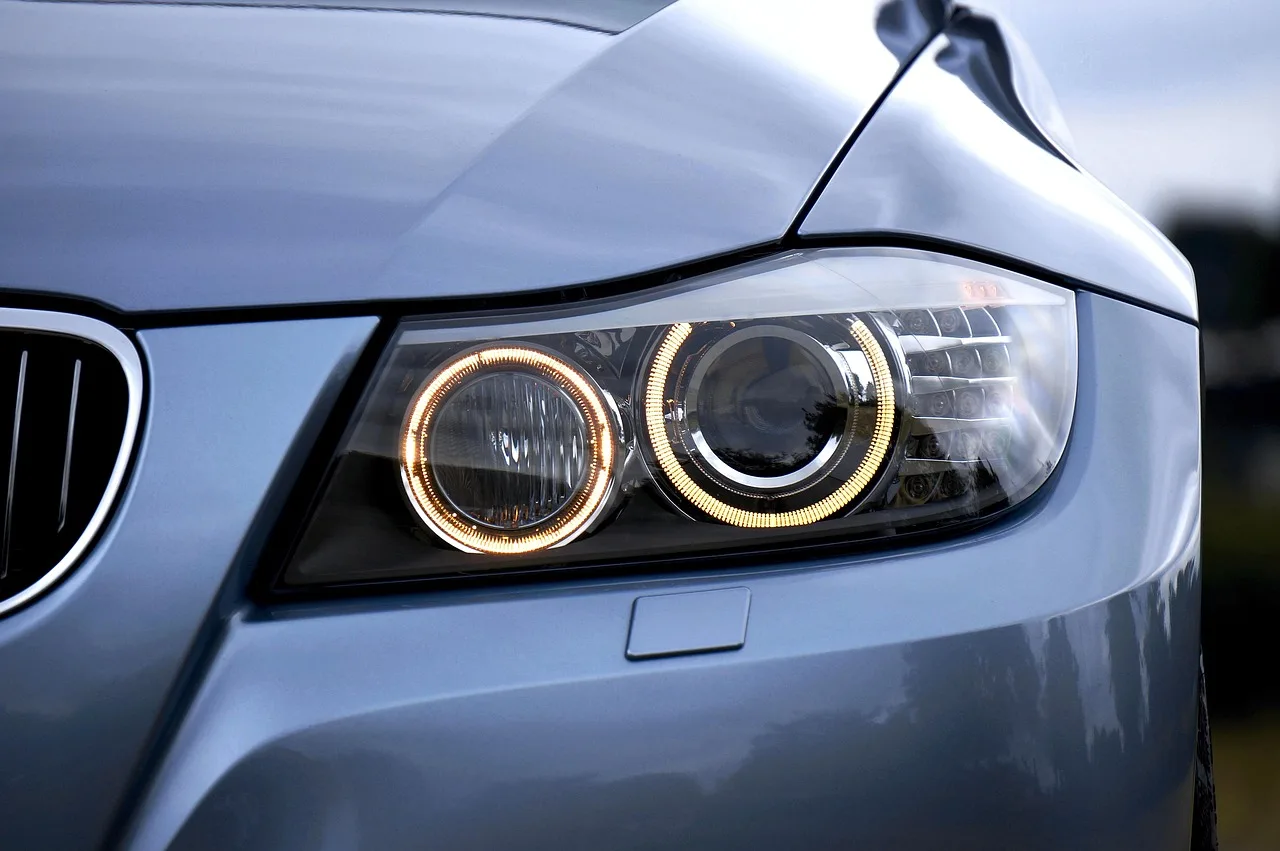
Halogen bulbs use a tungsten filament inside a glass bulb filled with halogen gas. LED bulbs use a light-emitting diode package that makes light with far less power draw. Halogen usually wins on upfront price and original fitment. LED usually wins on lifespan, energy use, and white output, but only when the housing can control that light properly.
Side-by-side comparison
| Decision factor | Halogen | LED car lights: which is better | Winner |
|---|---|---|---|
| Beam pattern in stock housings | Usually matches the reflector or projector the car was built around | Can scatter or create a poor cutoff if the LED emitter position does not match the housing | Halogen |
| Brightness and color | Warm, yellowish output | Bright, white light that closely mimics daylight | LED car lights: which is better |
| Power draw and heat | Higher power use and more heat | Lower power draw and lower operating temperature | LED car lights: which is better |
| Lifespan and replacement frequency | About 1,000 to 2,000 hours | Approximately 25,000 hours in the comparison | LED car lights: which is better |
| Upfront cost | Generally cost less upfront | Higher upfront cost | Halogen |
Brightness and beam pattern
Brightness only helps when the light lands where the road needs it. Halogen’s filament position usually suits the factory reflector or projector optics, so the beam stays controlled. LED can look stronger at the front of the car, yet a bad retrofit can throw light upward and sideways, which hurts distance vision and adds glare.
Beam color and night comfort
Halogen gives a warm, yellowish beam that some drivers find easier in rain, snow, and fog. LED gives a cooler, whiter beam that can make signs, lane markings, and pedestrians stand out more clearly on dry pavement. Color alone does not decide the result; beam control and housing fit matter just as much.
Power draw and heat
LED lights can use up to 85% less energy than halogen bulbs, and they run at lower temperatures. That matters in cars with weak charging systems, cramped lamp housings, or plastic parts near the bulb. Halogen lights generate more heat, which is one reason many original headlight designs were built around them.
Lifespan and replacement frequency
LED lifespan is approximately 25,000 hours in the comparison, while halogen lifespan is around 1,000 to 2,000 hours. That difference changes ownership cost because halogen may need several replacements over the life of the car, especially for daily night driving. LEDs usually cost more at purchase, but they cut repeat labor and repeat bulb buys.
Upfront cost and ownership cost
Halogen lights generally cost less upfront. LED lights are described as having higher upfront cost, and the price gap can matter more on older cars that need two bulbs at once or have awkward access behind the headlamp. Over time, LED can be cheaper if the housing accepts it cleanly and the car does not trigger fitment problems.
Are LED headlights brighter than halogen?
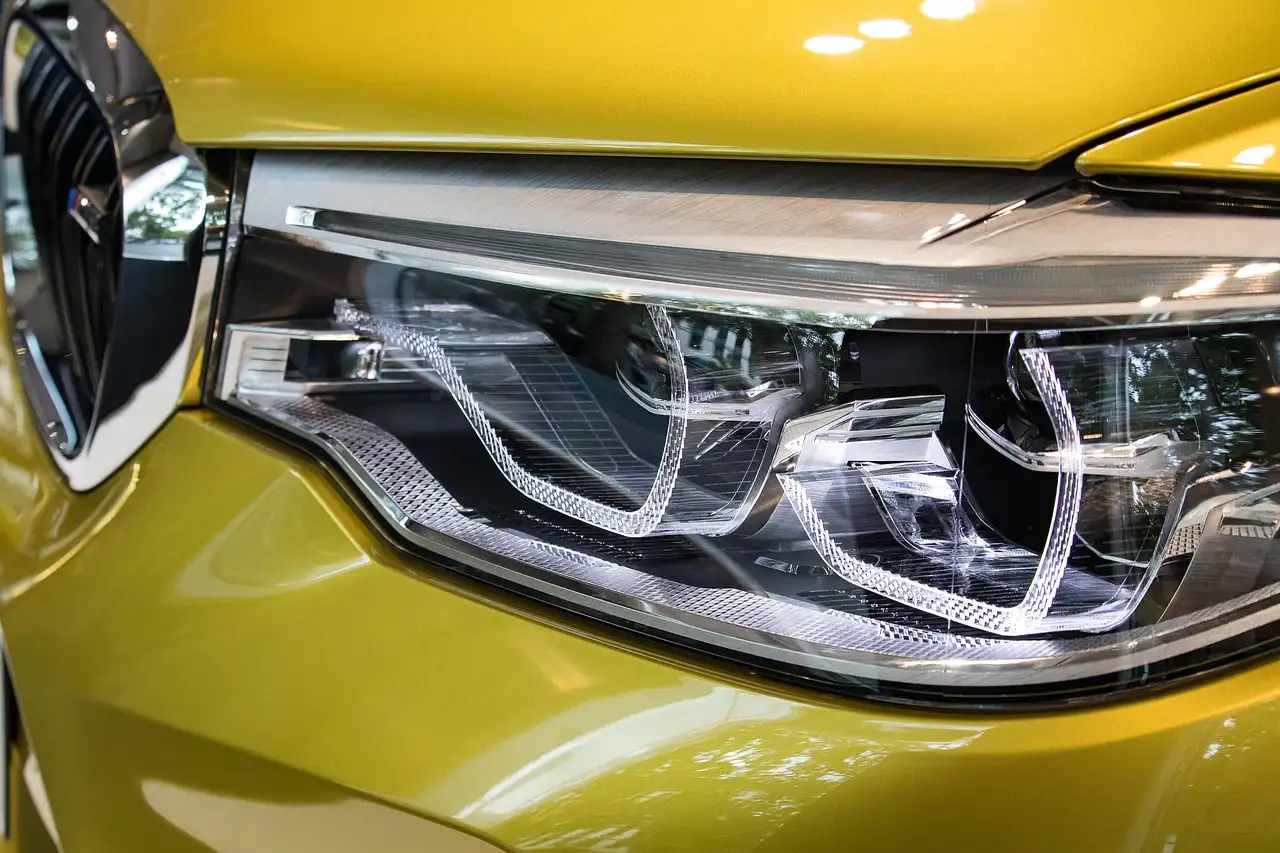
LED headlights are often brighter in plain output and they produce a whiter beam, but brighter on paper is not the same as better on the road. Usable light depends on how the reflector or projector shapes the beam, how much glare escapes upward, and whether the bulb sits in the correct focal position.
Lumens versus usable light on the road
Headlight lumen output matters because it affects how well you spot road signs, lane edges, and pedestrians. A well-aimed halogen in the right housing can beat a stronger LED that throws light everywhere except the pavement. The useful question is not “which bulb is brighter,” but “which bulb puts more light where the driver needs it.”
Glare risk in reflector housings
Reflector housings are the biggest trouble spot in LED retrofits. The reflector was built around a halogen filament, not a different emitter shape, so an LED swap can create hot spots, glare for oncoming traffic, and a cutoff that looks messy from the driver seat. That is where the “brighter” bulb becomes the worse road light.
When brightness gets worse after a bad retrofit
A bad retrofit often feels bright when viewed from the front of the car, yet the beam may fail to reach farther down the lane. That happens when the light source sits too far forward, too far back, or off-axis in the housing. In that case, the driver pays for more output and gets less usable vision.
Do LED headlights use less power than halogen?
Yes. LED headlights use less power than halogen, which lowers the load on the vehicle electrical system and cuts heat in the lamp area. That helps with alternator demand and wiring stress, but only if the LED conversion is electrically compatible and does not create warning messages or extra resistance issues.
What lower power draw means for the electrical system
Lower power draw can be a real advantage on older vehicles, small cars, and rigs with lots of accessories. It does not fix a poor beam pattern, and it does not make an incompatible bulb legal. It simply means the lamp takes less energy from the charging system while running.
Heat output and why it matters for housing design
Halogen lights generate more heat. That heat was part of the original design target for many lamp assemblies, but it also shortens the life of nearby plastics and can make a cramped headlamp harder to service. LED lights run cooler, though their heat sinks and cooling fans need physical space behind the bulb.
CAN-bus warnings and load resistors
Many newer vehicles watch bulb current and report failures through the CAN-bus system. A low-draw LED can trigger bulb-out warnings, flicker, or strange behavior because the car expects a different electrical load. Some fitments may need load resistors or CAN-bus-compatible bulbs, and that extra hardware can add cost, heat, and installation complexity.
Can I replace halogen bulbs with LED bulbs in my car?
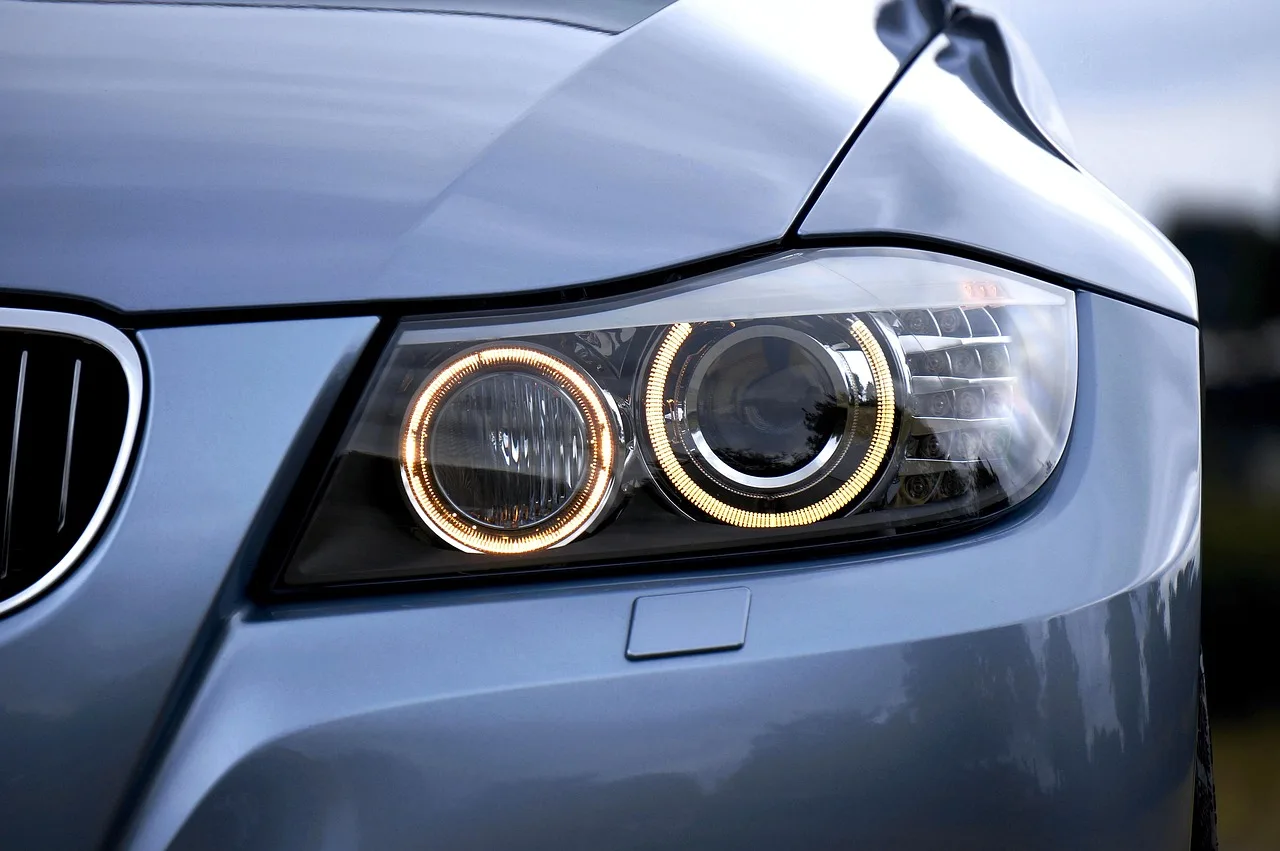
Sometimes, yes, but not as a default move. A halogen-to-LED swap works only when the housing, bulb size, electrical system, and legal rules all line up. If the car uses a reflector housing or a sensitive CAN-bus circuit, the swap may need extra parts or may be the wrong choice altogether.
Housing compatibility: reflector versus projector
Projector housings are often more forgiving than reflectors, but even projectors can misbehave if the LED emitter does not line up with the original focal point. Reflectors are more likely to scatter light and create glare. The housing design matters more than the bulb marketing claims.
Bulb size and fitment checks
Common replacement size and fitment considerations include the bulb base, the lock ring, polarity, and rear clearance. LED retrofits may have a larger body, a cooling fan, or a heat sink that blocks the dust cover. If the bulb cannot sit in the socket correctly, the beam pattern is already compromised before the car leaves the driveway.
When professional installation makes sense
Professional installation is sensible when the headlamp is hard to access, the vehicle needs coding or resistors, or the bulb must be aimed after installation. It also helps when the retrofit requires removing the bumper or opening sealed areas. The labor cost can be worth it if it avoids repeated trial-and-error parts swaps.
Warranty and inspection issues
Installation fitment affects warranty implications and inspection risk. Some shops will not touch a bulb swap if the assembly is sensitive or the conversion is not approved for that housing. If the beam pattern looks uneven or the lamp lacks proper marking for the market, the car may fail inspection even if the light is technically bright.
- Check whether the car uses reflector or projector headlights.
- Confirm the exact bulb base and rear clearance.
- Verify CAN-bus behavior or warning-light history.
- Confirm whether the LED kit is approved for that housing and market.
- Check the beam cutoff against a wall before driving at night.
Choose halogen if… / Choose LED if…
Choose halogen if the car is older, uses a simple reflector housing, or if that seems like the most inspection- and fitment-friendly option. Choose LED if the housing was made for it, the car is driven at night often, and the install can be done without beam scatter, warning issues, or cooling-clearance problems.
Choose halogen if…
Choose halogen if you want the lowest upfront cost, the simplest replacement, or the least fitment risk. It is the safer pick for older cars, reflector headlights, foggy or inspection-sensitive regions, and drivers who want the original beam shape without extra parts.
Choose LED if…
Choose LED if the vehicle has a compatible projector or LED-ready housing, the driver spends a lot of time on dark roads, and the budget allows a proper bulb or assembly rather than a cheap swap kit. It also fits drivers who want lower power use and fewer future replacements.
Fog light and weather-use exceptions
Fog lights are a separate case. In fog, heavy rain, or snow, a warm halogen beam can sometimes be easier on the eyes because it may reduce backscatter from water droplets in the air. An LED fog bulb can work well only if the optics are built for it and the beam stays low and wide.
Driver decision matrix: pick the safer bulb for your car
Use this matrix as a risk filter, not a marketing scorecard. The safer choice is the one that matches the vehicle, the housing, and the driving pattern with the fewest modifications. If the retrofit needs extra parts to stop glare or warnings, halogen is usually the safer answer.
| Vehicle type | Headlight housing | Night driving frequency | Budget | Retrofit risk | Safer choice |
|---|---|---|---|---|---|
| Older sedan or pickup | Reflector | Low to moderate | Tight | High | Halogen |
| Late-model car | Projector | High | Moderate to high | Moderate | LED |
| Car with CAN-bus warnings | Any | Moderate | Moderate | High unless kit is verified | Halogen or verified CAN-bus LED |
| Inspection-sensitive daily driver | Reflector | Low | Tight | High | Halogen |
| Night-road commuter | LED-ready projector | High | Moderate to high | Low | LED |
Simple pass/fail checklist
Pass if all of these are true: the bulb fits the socket, the housing is built for the light source, the beam cutoff stays clean on a wall test, and no warning lights appear after startup.
Fail if any of these happen: the dust cover will not close, the fan or heat sink hits the back of the lamp, the beam scatters into oncoming traffic, or the car logs bulb-out errors without a proper fix.
Frequently asked questions
Which is better, halogen or LED car lights?
LED is better when the housing is built for LED and the car can accept the electrical and thermal differences. Halogen is better for older cars, reflector headlights, and inspection-sensitive setups. The right answer depends on beam control, legal fitment, and whether the swap needs extra hardware to work correctly.
Are LED headlights brighter than halogen?
Usually, yes, LED headlights are brighter in output and appear whiter. That does not guarantee better road vision. If the housing is mismatched, the extra light can become glare, a weak cutoff, or wasted spill light that does little for distance vision.
Do LED headlights use less power than halogen?
Yes. LED lights can use up to 85% less energy than halogen bulbs, so they draw less from the vehicle electrical system and run cooler. That helps efficiency, but it can also create CAN-bus warnings or require extra components if the car expects a higher electrical load.
How long do LED car bulbs last compared with halogen?
LED lifespan is approximately 25,000 hours in the comparison, while halogen lifespan is around 1,000 to 2,000 hours. In practice, that means fewer replacements, less time spent removing trim or lamp assemblies, and lower long-term ownership cost if the LED is installed in the right housing.
Can I replace halogen bulbs with LED bulbs in my car?
Sometimes, but not automatically. The bulb base, reflector or projector design, rear clearance, CAN-bus behavior, and local rules all matter. If any of those are wrong, the swap can create glare, warnings, or inspection failures, and halogen may be the safer choice.
Do LED headlights need professional installation?
Not always, but professional installation makes sense when the fit is tight, the vehicle uses bulb monitoring, or the headlamp must be aimed after the swap. It is also a good idea when the conversion kit needs resistors, coding, or extra hardware to avoid warning lights and poor beam shape.
Products related to this article
Sponsored / affiliate links. As an Amazon Associate I earn from qualifying purchases. I may earn additional commission from eligible campaigns.