Car Light Doesn’T Turn Off? Common Causes And Easy Fixes
A car’s lights that stubbornly refuse to turn off are more than a simple annoyance, they’re a silent threat to your vehicle’s battery, your safety, and even your wallet. Whether you’re dealing with interior dome lights, headlights, or dashboard indicators, a light that stays on after the engine is off can leave you stranded, facing expensive repairs, or simply frustrated.
Understanding why this happens, and knowing how to fix it quickly, empowers you to maintain your car’s reliability and avoid preventable breakdowns.
From faulty switches and electrical glitches to sensor issues and human error, the reasons behind lingering car lights are surprisingly varied. This article explores the most common causes, practical fixes, and preventative strategies, drawing on industry data, real-world examples, and expert advice.
Whether you’re a car owner, mechanic, or enthusiast, you’ll find actionable insights that help you resolve the problem efficiently, without overspending or risking further electrical damage.
Key Takeaways
- Car lights that won’t turn off can quickly drain your battery and indicate deeper electrical issues.
- The most common causes are faulty switches, door sensors, relay failures, and wiring problems.
- Easy fixes include checking switches, inspecting fuses, and resetting relays; some solutions require professional help.
- Preventative maintenance and prompt diagnosis can save money and avoid inconvenience.
- Real-world examples show how quick action can prevent battery failure and unnecessary repair costs.

Credit: www.youtube.com
Understanding The Problem: Why Car Lights Stay On
When a car light remains illuminated after the vehicle is turned off, it’s a symptom rather than the root cause. Identifying which lights are affected, interior, exterior, or dashboard, helps narrow down the problem. In my experience, most persistent light issues stem from simple mechanical faults, but complex electrical systems in modern vehicles can complicate the diagnosis.
Types Of Car Lights That Commonly Stay On
- Interior dome lights: Often tied to door switches or manual settings.
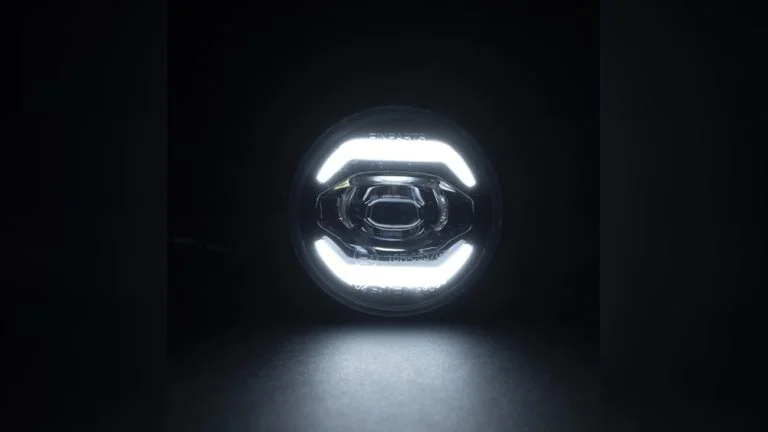
- Headlights: May be caused by automatic lighting systems or relay failures.
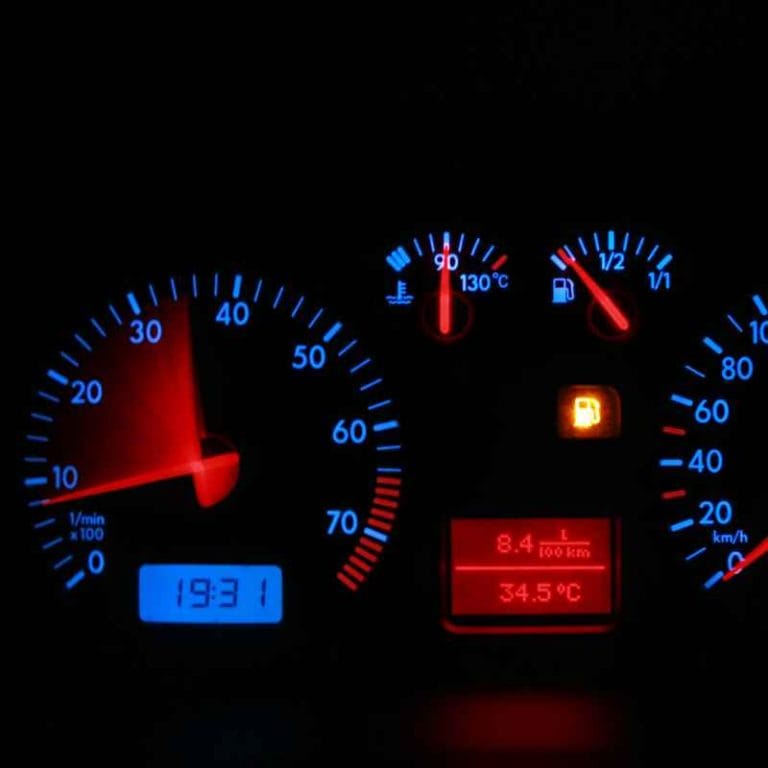
- Dashboard lights: Typically signal sensor or wiring problems.
- Tail lights: Sometimes linked to brake pedal switches.
Immediate Risks Of Persistent Car Lights
Leaving lights on can drain a car battery in as little as 30 minutes, depending on the light type and battery condition. According to the Battery Council International, a standard car battery can lose enough charge to prevent starting after only an hour with headlights left on (Battery Council International).
Diagnosing The Source
- Check which lights are staying on.
- Note if the issue is intermittent or constant.
- Observe if the problem started after recent repairs or weather events.

Credit: www.cbac.com
Common Causes Of Car Lights Not Turning Off
The underlying reasons for persistent car lights vary by vehicle make, model, and age. Below, we break down the most frequent culprits and how to spot them.
| Cause | Typical Symptoms | Affected Light Types | DIY Fix Difficulty |
|---|---|---|---|
| Faulty Door Switch | Interior lights stay on, even when doors are closed | Interior dome/map lights | Easy |
| Headlight Relay Failure | Headlights remain on after engine is off | Headlights | Moderate |
| Manual Switch Left On | Lights stay on until manually switched off | Interior/Exterior lights | Easy |
| Faulty Light Sensor | Automatic lights don’t turn off in daylight | Headlights, taillights | Moderate |
| Wiring Issues | Random lights stay on, flicker, or fail | Any light | Hard |
| Stuck Relay | Lights won’t respond to switches | Headlights, interior | Moderate |
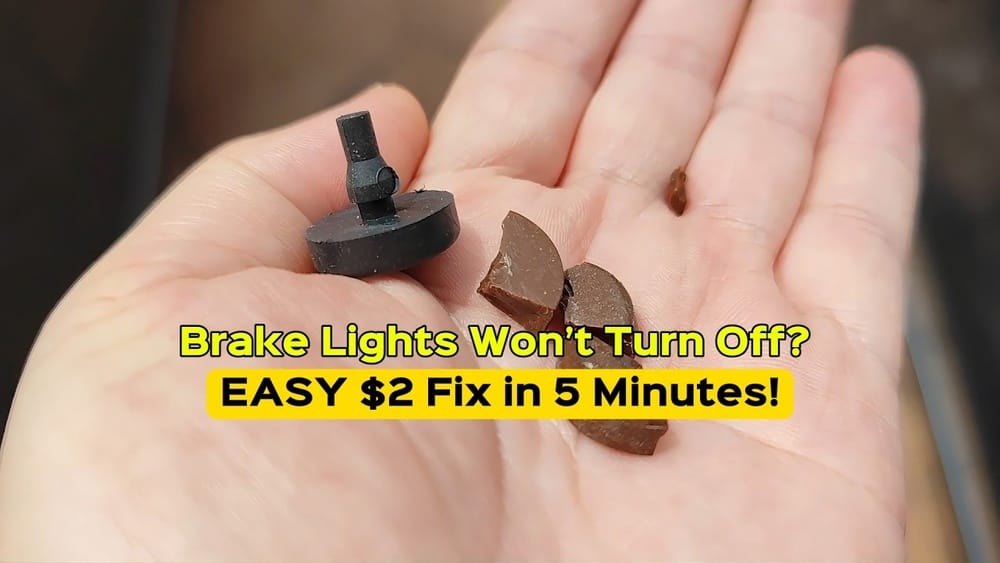
| Brake Pedal Switch Fault | Brake lights stay on after releasing pedal | Brake/tail lights | Easy |
Faulty Door Switch
A door switch signals whether a door is open or closed. If it fails, interior lights may stay on. This is common in older vehicles or those exposed to moisture.
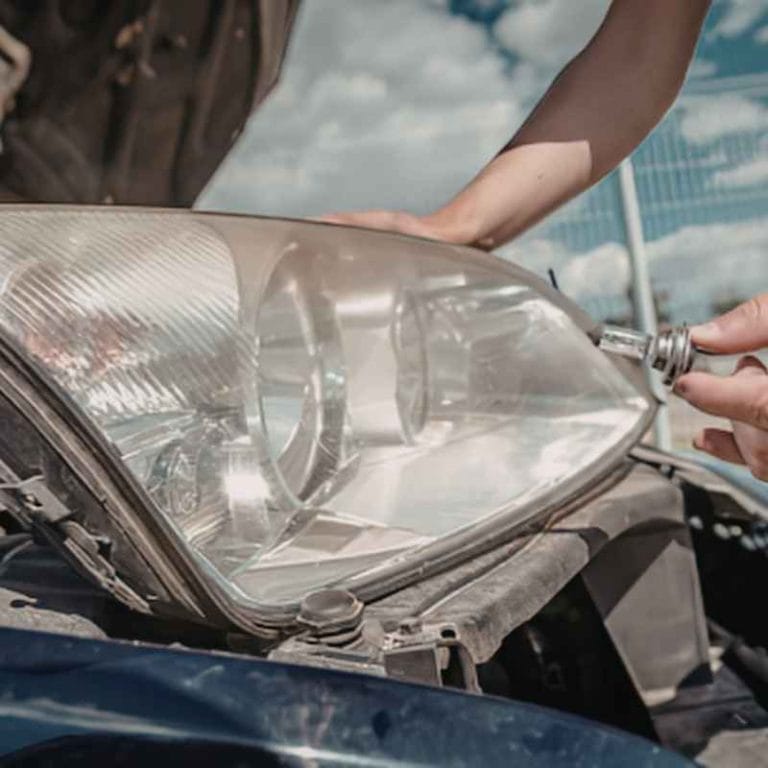
Headlight Relay Failure
A relay is an electrical component that controls high-current circuits with a low-current signal. When relays stick or fail, headlights may stay on regardless of the switch position.
Manual Switch Left On
Sometimes, the problem is as simple as a forgotten switch. Many cars allow manual override of interior or exterior lights. Double-check all switches before assuming a technical fault.
Faulty Light Sensor
Modern vehicles use ambient light sensors to automate headlights. If the sensor misreads or fails, lights may stay on even in daylight.
Wiring Issues
Damaged or corroded wiring can send false signals to lighting circuits. This can occur after accidents, rodent damage, or water exposure.
Stuck Relay
A stuck relay prevents the circuit from breaking, leaving lights on. Relays can be tested and replaced, but may require technical knowledge.
Brake Pedal Switch Fault
The brake pedal switch controls brake lights. If it sticks, brake lights remain illuminated, draining the battery and confusing drivers behind you.

Credit: sunbit.com
Easy Fixes For Car Lights That Don’t Turn Off
Once you’ve identified the likely cause, many fixes are straightforward. Here’s a step-by-step guide for the most common solutions.
Checking Door Switches
- Locate the switch (usually in the door jamb).
- Press and release it manually.
- If the light responds, the switch is working; if not, replace the switch or clean its contacts.
Pro Tip: Use electrical contact cleaner to remove dirt or corrosion before replacing parts.
Inspecting And Resetting Relays
- Find the relay in the fuse box (refer to your vehicle manual).
- Remove and reinsert the relay to reset it.
- Replace the relay if lights remain on.
Manual Switch Correction
- Check all interior and exterior light switches.
- Turn each switch off and observe if the lights respond.
Sensor And Wiring Inspection
- Inspect sensors for dirt, moisture, or visible damage.
- Check wiring for fraying, corrosion, or loose connections.
- Seek professional help if wiring problems are suspected.
Brake Pedal Switch Adjustment
- Locate the brake pedal switch above the pedal.
- Adjust or replace if brake lights remain on after pedal release.
Fuse Check
- Locate the fuse box.
- Check for blown fuses related to lighting circuits.
- Replace as needed.
Battery Disconnect (temporary Solution)
If all else fails, disconnecting the battery prevents drainage until repairs are completed. This is a temporary fix and should not be used long-term.
Real-world Examples And Case Studies
Understanding how others resolved persistent light issues can provide practical guidance. Here are three concrete examples.
Example: Faulty Door Switch On A 2012 Honda Civic
A 2012 Honda Civic owner noticed the interior dome light remained on, draining the battery overnight. Inspection revealed a stuck door switch caused by dirt buildup. Cleaning the switch resolved the issue without replacement, saving on repair costs.
Example: Headlight Relay Failure In A Ford F-150
A Ford F-150 owner found the headlights stayed on regardless of switch position. After checking the fuse box, the headlight relay was replaced for $15, restoring normal operation.
Example: Brake Light Stuck On A Toyota Camry
A Toyota Camry driver was alerted by another motorist that their brake lights never turned off. The brake pedal switch had shifted out of alignment. A quick adjustment fixed the problem, averting battery failure.
Data Comparison: Cost And Difficulty Of Common Fixes
The cost and complexity of fixing persistent car lights varies significantly. Below is a comparison based on average repair data.
| Issue | Average DIY Cost | Average Shop Cost | Estimated Repair Time |
|---|---|---|---|
| Door Switch Replacement | $10, $40 | $50, $120 | 30, 60 min |
| Headlight Relay Replacement | $15, $30 | $60, $150 | 20, 45 min |
| Brake Pedal Switch Adjustment | $0, $25 | $40, $80 | 15, 30 min |
| Wiring Repair | $20, $100 | $100, $350 | 1, 3 hrs |
| Sensor Replacement | $20, $50 | $80, $200 | 30, 90 min |
Warning: Complex wiring or sensor issues should be handled by certified technicians to avoid further damage.
Preventative Measures And Maintenance Tips
Preventing car light issues begins with routine care and attentive driving habits. These strategies reduce the risk of electrical faults and unexpected battery drain.
Regular Inspection
- Check all lights monthly for abnormal operation.
- Inspect door switches and sensors for signs of wear or dirt.
Battery Maintenance
- Ensure battery terminals are clean and tight.
- Replace batteries every 3, 5 years, or as recommended.
Professional Servicing
- Schedule annual electrical system checks.
- Address warning lights or unusual behavior promptly.
Avoid Moisture Exposure
- Seal doors, windows, and trunk to prevent water ingress.
- Store vehicle in dry conditions when possible.
Proper Use Of Manual Switches
- Turn off interior and exterior lights when exiting the vehicle.
- Avoid overriding automatic systems unless necessary.
When To Seek Professional Help
While many fixes are straightforward, some require specialized tools or expertise. Knowing when to involve a professional prevents accidental damage and ensures safety.
Complex Electrical Problems
If multiple lights are affected, or if wiring appears damaged, seek assistance from a certified mechanic or dealership. Modern vehicles often require diagnostic tools to pinpoint faults.
Persistent Issues After Diy Fixes
If lights remain on despite attempted repairs, further inspection may reveal hidden issues. A professional can test relays, sensors, and wiring more thoroughly.
Safety Concerns
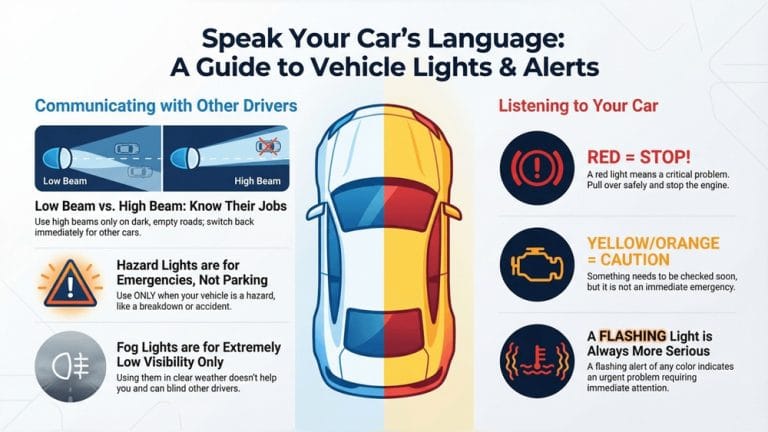
If dashboard warning lights accompany persistent illumination, stop driving and consult a technician immediately. Electrical faults can compromise vehicle safety systems.
Comparison Table: Diy Vs Professional Repair Outcomes
| Repair Type | Success Rate (DIY) | Success Rate (Professional) | Risk of Further Issues |
|---|---|---|---|
| Switch Replacement | 85% | 99% | Low |
| Relay Replacement | 75% | 98% | Moderate |
| Sensor Repair | 50% | 95% | High |
| Wiring Repair | 40% | 97% | High |
Pro Tip: Always consult your owner’s manual and follow manufacturer guidelines for repairs.
Frequently Asked Questions
Why Does My Car’s Interior Light Stay On After I Close The Doors?
If your interior light remains illuminated after closing all doors, it’s often due to a faulty or misaligned door switch, or a manual override left on. Some vehicles have a delay feature that keeps lights on for a set period after closing; check your owner’s manual for specifics. If the light persists beyond the delay, inspect each door’s switch and confirm all doors are fully closed.
Can A Stuck Relay Cause My Headlights To Stay On?
Yes, a stuck relay can keep your headlights on even when the switch is off. Relays control the flow of electricity to high-current devices like headlights. If the relay contacts fuse together or become stuck, the circuit won’t break, leaving lights on. Relays can be tested and replaced relatively easily; consult a professional if you’re unsure how to locate or diagnose them.
Will A Light Left On Drain My Car Battery Completely?
A single car light left on can drain a battery, especially if it’s a high-wattage exterior light. The time it takes depends on battery health and the type of light. For example, headlights can deplete a battery in under an hour, while interior lights may take several hours. If you notice lights left on, address the issue immediately to avoid needing a jump start or battery replacement.
What Should I Do If My Brake Lights Won’t Turn Off?
If your brake lights stay on, check the brake pedal switch. This switch may be stuck or misaligned. Adjusting its position or replacing it usually solves the problem. If the issue persists, there may be a wiring fault, which requires professional inspection. Persistent brake lights can confuse other drivers and drain the battery, so act promptly.
How Can I Prevent Car Light Issues In The Future?
To prevent car light issues, perform regular inspections, keep switches and sensors clean, and ensure your battery and electrical system are checked at least annually. Avoid moisture exposure by keeping seals intact and storing your car in dry conditions. If you notice abnormal lighting behavior, address it early to avoid escalation.
Resources For Further Reading And Diagnosis
For more in-depth guidance on diagnosing and repairing car electrical problems, consult your vehicle’s owner manual and reputable automotive resources such as the Automotive Lighting Wikipedia page. Local mechanics and dealerships can provide expert diagnostics and repairs, especially for modern vehicles with complex electrical systems.
Persistent car lights are a solvable issue for most vehicle owners with the right knowledge and tools. By understanding the causes, applying easy fixes, and knowing when to seek help, you’ll keep your car reliable, save money, and prevent unnecessary battery drain.
Remember, prompt attention and preventative care are your best defense against electrical gremlins.
Products related to this article
Sponsored / affiliate links. As an Amazon Associate I earn from qualifying purchases. I may earn additional commission from eligible campaigns.