Night
Night is a concept that has captivated human imagination, shaped natural rhythms, and influenced cultural practices for millennia. As the sun dips below the horizon, the world transitions into a realm where darkness prevails, biological processes shift, and new opportunities for discovery and reflection emerge. For some, night signifies rest and rejuvenation; for others, it brings mystery, productivity, or even danger. The duality of night, both calming and unsettling, makes it a uniquely powerful force in science, art, history, and daily life.
Understanding night requires more than a simple recognition of the absence of sunlight. Nighttime encompasses complex astronomical phenomena, triggers profound changes in human physiology, and has inspired everything from ancient mythologies to modern urban planning. Whether we gaze at the stars, work the night shift, or simply seek solace in the quiet hours, night shapes how we live, think, and experience the world. This article explores the multifaceted nature of night: its scientific foundations, effects on human health, cultural significance, technological challenges, and its role in shaping societies across the globe.
Key Takeaways
- Night is defined by Earth’s rotation and has significant impacts on biology, culture, and society.
- Human sleep cycles, productivity, and health are deeply influenced by nighttime environmental factors.
- Night has inspired a rich legacy in art, literature, and mythology, reflecting both fascination and fear.
- Light pollution is a growing concern, affecting ecosystems and human well-being.
- Technological advancements continue to shape how we experience and interact with night.

Credit: en.wikipedia.org
The Science Of Night
Night is not simply an absence of light; it is a result of intricate astronomical and geophysical processes. Understanding the science behind night provides critical insights into everything from timekeeping to climate patterns.
Earth’s Rotation And The Cycle Of Night
The Earth’s rotation on its axis is responsible for the alternation between day and night. As Earth spins, different parts face the sun or are cast into its shadow, creating a 24-hour cycle known as the diurnal cycle. This regular pattern governs natural phenomena and biological rhythms.
- One full rotation takes approximately 23 hours, 56 minutes (a sidereal day).
- The length of night varies by latitude and time of year, with polar regions experiencing months of darkness or light.
Astronomical Night: Beyond Sunset
Astronomers divide night into stages based on the position of the sun below the horizon:
- Civil twilight: Sun is 0, 6° below the horizon, enough light for most outdoor activities.
- Nautical twilight: Sun is 6, 12° below, distant horizon visible at sea.
- Astronomical twilight: Sun is 12, 18° below, sky is dark enough for most observations.
- True night: Sun is more than 18° below, full darkness, ideal for astronomy.
These distinctions are crucial for scientific observations, navigation, and even legal definitions of “night” in some contexts.
The Night Sky: Stars, Planets, And Phenomena
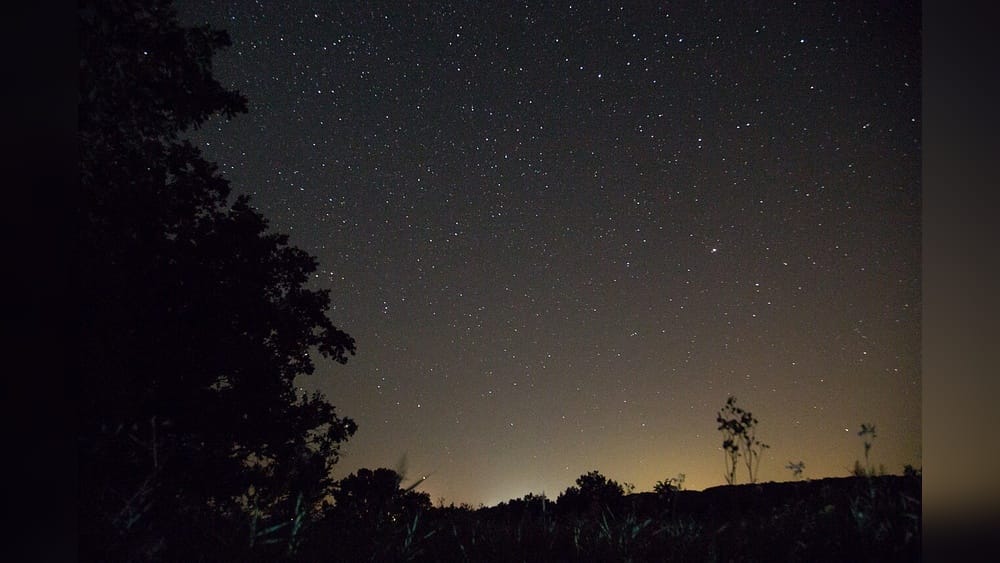
Night reveals a universe normally hidden by daylight. The most visible features include:
- Stars and constellations: Used for navigation and storytelling across cultures.
- The Moon: Its phases and brightness affect nocturnal visibility.
- Planets: Occasionally visible with the naked eye.
- Meteor showers, auroras, and the Milky Way: Natural spectacles best seen at night.
Example: The Perseid meteor shower, peaking in August, can produce up to 100 meteors per hour under dark skies (American Meteor Society).
The Role Of Night In Climate And Weather
Nighttime brings cooling, condensation, and often calm winds. Temperature drops after sunset, affecting local weather patterns and influencing plant and animal behavior.
Pro Tip: Urban areas, known as urban heat islands, can remain significantly warmer at night due to retained heat from buildings and pavement.

Credit: vinsweb.org
Night And Human Biology
Nighttime triggers profound changes in the human body, orchestrated by circadian rhythms and environmental cues. These changes influence sleep, health, and even creativity.
Circadian Rhythms: The Body’s Internal Clock
The circadian rhythm is an innate, roughly 24-hour cycle that governs sleep, hormone production, body temperature, and metabolism. Light, especially blue wavelengths, is the primary regulator. When darkness falls, the pineal gland releases melatonin, signaling the body to prepare for sleep.
- Disrupted rhythms (e.g., from shift work or jet lag) are linked to sleep disorders, metabolic issues, and even cancer risk (see National Cancer Institute).
Sleep: The Architecture Of Rest
Night is closely associated with sleep, which is divided into REM (rapid eye movement) and NREM (non-REM) stages. Each plays a role in memory consolidation, learning, and physical recovery. Adults typically need 7, 9 hours of sleep per night for optimal health.
Nighttime sleep disorders, such as insomnia, sleep apnea, and restless legs syndrome, are increasingly common and can have serious health consequences.
Productivity, Mood, And Creativity
Many people experience heightened creativity or focus at night, sometimes referred to as night owl tendencies. However, chronic sleep deprivation from late nights can impair cognitive function, mood, and decision-making.
Pro Tip: For those who must work or study at night, dimming screens and using “night mode” can reduce circadian disruption.
Night And Physical Health
Night is also a period of increased vulnerability:
- Accidents: Rates of traffic and workplace accidents rise at night due to reduced visibility and fatigue.
- Crime: Many crimes, including theft and assault, peak during nighttime hours.
These risks underscore the importance of adequate lighting, security, and health awareness during the night.

Credit: www.toureiffel.paris
Night In Culture And Society
Beyond its scientific aspects, night holds deep symbolic meaning and practical importance across civilizations. From ancient rituals to modern nightlife, night shapes human culture in profound ways.
Night In Mythology And Religion
Throughout history, night has symbolized both mystery and danger. Many cultures personify night as a deity, such as Nyx in Greek mythology or Nuit in Egyptian lore. Religious observances often occur at night: the Jewish Sabbath begins at sundown, and Ramadan fasts end after sunset.
Example: In Hindu tradition, the festival Maha Shivaratri is celebrated overnight, symbolizing the triumph of light over darkness.
Nightlife: Social And Economic Impact
Modern cities are famous for vibrant nightlife, including restaurants, theaters, and clubs. The “24-hour city” concept drives economic growth and tourism but also raises challenges related to public safety, transportation, and sleep health.
| Aspect | Nightlife Impact | Daytime Impact |
|---|---|---|
| Economic Activity | Boosts hospitality, entertainment | Mainstream business hours |
| Public Safety | Higher risk of crime, accidents | Lower overall risk |
| Health | Increased sleep disruption | Better alignment with circadian rhythm |
Art, Literature, And The Allure Of Night
Night has inspired countless works of art, poetry, and music. From Van Gogh’s “Starry Night” to Shakespeare’s references to moonlit scenes, darkness evokes both romance and introspection. Writers have used night to explore themes of solitude, revelation, and transformation.
Example: In my experience as a writer, some of my most original ideas have surfaced during quiet, late-night hours.
Festivals And Rituals After Dark
Nighttime is central to many festivals and communal events:
- New Year’s Eve celebrations worldwide culminate at midnight.
- Night markets in Asia offer unique culinary experiences.
- Fireworks displays and lantern festivals illuminate the darkness.
These traditions underscore the social power of gathering after sunset.
The Nighttime Environment: Light, Noise, And Nature
As humans shape the environment, nighttime conditions are increasingly altered by artificial light, noise, and urbanization. These changes have far-reaching effects on ecosystems and human well-being.
Light Pollution: A Modern Challenge
Light pollution is the excessive or misdirected artificial light that brightens the night sky and disrupts natural cycles. Major sources include streetlights, billboards, and building exteriors.
- According to the International Dark-Sky Association, over 80% of the world’s population lives under light-polluted skies.
- Light pollution impairs astronomical research, disrupts wildlife, and may affect human health by suppressing melatonin production.
Pro Tip: Installing shielded outdoor lighting and using lower color-temperature bulbs can reduce light pollution.
Night And Wildlife
Nocturnal animals, from owls to bats and moths, rely on darkness for hunting, migration, and reproduction. Artificial lighting can disorient these species, leading to population declines.
Example: Sea turtle hatchlings instinctively move toward the brightest horizon after emerging from nests; artificial beachfront lighting can lead them away from the ocean, reducing survival rates.
Noise Pollution At Night
Urban noise does not always subside after sunset. Nighttime construction, transportation, and social activities contribute to nocturnal noise pollution, which has been linked to sleep disturbances and cardiovascular issues.
Preserving Natural Night
Efforts to protect the natural night include establishing dark-sky reserves, promoting “lights-out” events, and educating the public on the value of darkness for health and biodiversity.
| Strategy | Benefits | Challenges |
|---|---|---|
| Dark-Sky Parks | Protects ecosystems, enables stargazing | Requires policy enforcement |
| Public Awareness | Reduces unnecessary lighting | Behavior change is slow |
| Lighting Regulations | Improves energy efficiency | Implementation costs |
Technology And Night: Innovations And Impacts
Human adaptation to night has been dramatically shaped by technology. From ancient fire to modern LEDs, artificial lighting has extended productivity but also introduced new risks and opportunities.
The Invention And Evolution Of Nighttime Lighting
The control of fire enabled early humans to cook, stay warm, and ward off predators after dark. The development of oil lamps, candles, gaslights, and ultimately electric bulbs transformed cities and industries.
- The introduction of electric street lighting in the late 19th century increased safety and commerce but also contributed to light pollution.
Night Vision: Enhancing Human Capabilities
Modern night vision technology, using infrared imaging or image intensification, enables military, law enforcement, and wildlife researchers to operate in complete darkness.
Example: Night vision goggles are standard equipment for pilots and soldiers in low-light operations, improving safety and situational awareness.
Nighttime Transportation And Infrastructure
Designing safe and efficient transportation systems at night requires specialized lighting, signage, and monitoring. Highway accidents are more likely at night, prompting innovations such as reflective paint, LED signals, and automated monitoring.
The Digital Night: Screens, Apps, And Smart Lighting
The proliferation of digital devices has blurred the boundaries between day and night. Smartphones, computers, and TVs emit blue light that can delay sleep onset. In response, night mode features and smart lighting systems help users reduce exposure to disruptive light wavelengths.
Pro Tip: Schedule digital downtime at least 30 minutes before bedtime to promote better sleep quality.
Night In History: Turning Points And Transformations
Night has played a pivotal role in history, shaping events from ancient battles to scientific discoveries. Examining these moments reveals the strategic and symbolic power of darkness.
Military Strategy And Night Operations
Throughout history, armies have used night for surprise attacks or retreats. The D-Day invasion in World War II began before dawn to maximize the element of surprise and reduce exposure to enemy fire.
Scientific Breakthroughs Under The Stars
Nighttime observation has driven major advances in astronomy and navigation:
- Galileo Galilei used his telescope at night to discover Jupiter’s moons, challenging the geocentric model.
- Sailors relied on celestial navigation using stars and the North Star.
Social Movements And Nighttime Gatherings
Many social movements and protests have unfolded after dark, capitalizing on the cover of night for safety or symbolic power. Examples include candlelight vigils and the civil rights marches in the United States.
The Night Economy: Evolution Over Time
The growth of 24-hour businesses, from diners to call centers, reflects changing economic patterns. Night shifts are now essential in sectors like healthcare, logistics, and security, affecting millions of workers worldwide.
Pro Tip: Employers can support night workers with appropriate scheduling, lighting, and wellness resources to mitigate health risks.
Night And The Natural World: Nocturnal Life
Night is not just a human experience; it is essential to countless plants and animals. Nocturnal life showcases remarkable adaptations to darkness and highlights the importance of preserving nighttime environments.
Nocturnal Animals: Adaptations And Survival
Many animals are nocturnal, active primarily at night to avoid predators, reduce competition, or exploit unique food sources. Adaptations include:
- Enhanced senses (e.g., echolocation in bats, night vision in owls)
- Specialized behaviors (e.g., moths navigating by moonlight)
- Camouflage and stealth
Plants And Nighttime Processes
Plants continue important processes after dark. Nighttime transpiration helps regulate temperature and moisture. Some species, like moonflowers, bloom only at night to attract specific pollinators.
Ecological Balance And Night
The balance between nocturnal and diurnal species maintains healthy ecosystems. Artificial light disrupts these patterns, threatening biodiversity and ecosystem services.
Example: Studies show that streetlights near forests can reduce insect populations, impacting food chains and pollination.
Conservation Efforts For Nocturnal Species
Conserving nocturnal habitats involves protecting dark corridors, reducing light pollution, and supporting research on species’ nighttime behaviors. Organizations like the International Union for Conservation of Nature (IUCN) provide resources and guidelines for preserving nocturnal biodiversity.
Night And Human Behavior: Patterns, Risks, And Opportunities
Night influences not only biological processes but also social behaviors, decision-making, and risk-taking. Understanding these patterns can inform public policy, urban design, and personal choices.
Socialization And Entertainment
Many people prefer socializing at night, finding it less constrained and more adventurous. Nighttime events foster community, creativity, and cross-cultural exchange.
- Night markets and festivals are economic drivers and platforms for cultural expression.
- Late-night transportation and public services are essential for urban mobility.
Risk Behaviors And Public Health
Certain risk behaviors, such as substance use, reckless driving, and violence, are more common at night. Public health initiatives target these patterns through education, law enforcement, and environmental design.
Night Shifts And Work Patterns
Working at night is a necessity for many industries but poses health challenges:
- Increased risk of metabolic disorders, cardiovascular disease, and mental health issues.
- Disrupted family and social life.
Employers and policymakers are exploring flexible scheduling, health screening, and workplace design to support night workers.
Opportunities For Reflection And Growth
Night offers unique opportunities for introspection, creativity, and personal growth. Many people find that the quiet and solitude of late hours foster deep thinking and problem-solving.
Example: Some of history’s greatest thinkers, including Albert Einstein and Maya Angelou, reported doing their most important work at night.
Frequently Asked Questions
What Is The Difference Between Astronomical Night And Civil Night?
Astronomical night begins when the sun is more than 18 degrees below the horizon, resulting in complete darkness ideal for stargazing and scientific observation. Civil night starts when the sun is 6 degrees below the horizon, marking the end of natural daylight for most practical activities. The distinction is important for astronomers, navigators, and those planning outdoor events.
How Does Night Affect Mental Health?
Night can have both positive and negative effects on mental health. For some, nighttime brings relaxation and creative inspiration. For others, it can exacerbate anxiety, depression, or loneliness due to reduced social interaction and increased rumination. Shift work and sleep disorders are also linked to higher rates of mood disturbances.
Seeking regular sleep schedules and maintaining social connections can help mitigate negative impacts.
Are There Any Benefits To Being A “night Owl”?
Yes, some people naturally have later chronotypes, making them more alert and creative at night. Night owls often excel in tasks requiring deep focus or unconventional thinking. However, misalignment with standard work or school schedules can create health challenges. Flexible work arrangements and awareness of personal rhythms can help night owls thrive.
Why Do Some Animals Only Come Out At Night?
Many animals are nocturnal to avoid daytime predators, take advantage of cooler temperatures, or exploit food resources that are more abundant or accessible at night. Evolution has equipped these species with adaptations such as enhanced senses, camouflage, and unique communication methods to survive and reproduce in the dark.
How Can I Reduce The Negative Effects Of Artificial Light At Night?
To minimize the impact of artificial light on sleep and health, consider:
- Using warm-colored bulbs and dimming lights in the evening
- Installing blackout curtains to block outdoor light
- Limiting screen time at least 30 minutes before bed
- Utilizing “night mode” features on devices
- Supporting community efforts to reduce light pollution, such as participating in “lights-out” events
By adopting these strategies, individuals and communities can promote healthier sleep patterns and protect nocturnal environments.
As night falls, the world transforms, offering a unique blend of challenges and opportunities. Whether gazing at the stars, gathering with friends, or finding solace in solitude, night shapes our experiences in ways both profound and subtle. Embracing the complexity of night can enhance our appreciation for nature, culture, and our own well-being.
Products related to this article
Sponsored / affiliate links. As an Amazon Associate I earn from qualifying purchases. I may earn additional commission from eligible campaigns.