Can Wrong Oil Grade Damage Your Engine?
Yes, using the wrong oil grade can damage your engine if it is too thin for the temperature, too thick for cold starts, or used long enough to drop oil pressure or flow. The result can be noisy startup wear, poor lubrication, sludge, overheating, or a repair bill for bearings, cam wear, or a seized engine. This guide explains which mismatches are usually temporary, which ones demand an immediate oil change, and what symptoms mean you should inspect the engine now.
Can wrong oil grade damage your engine?
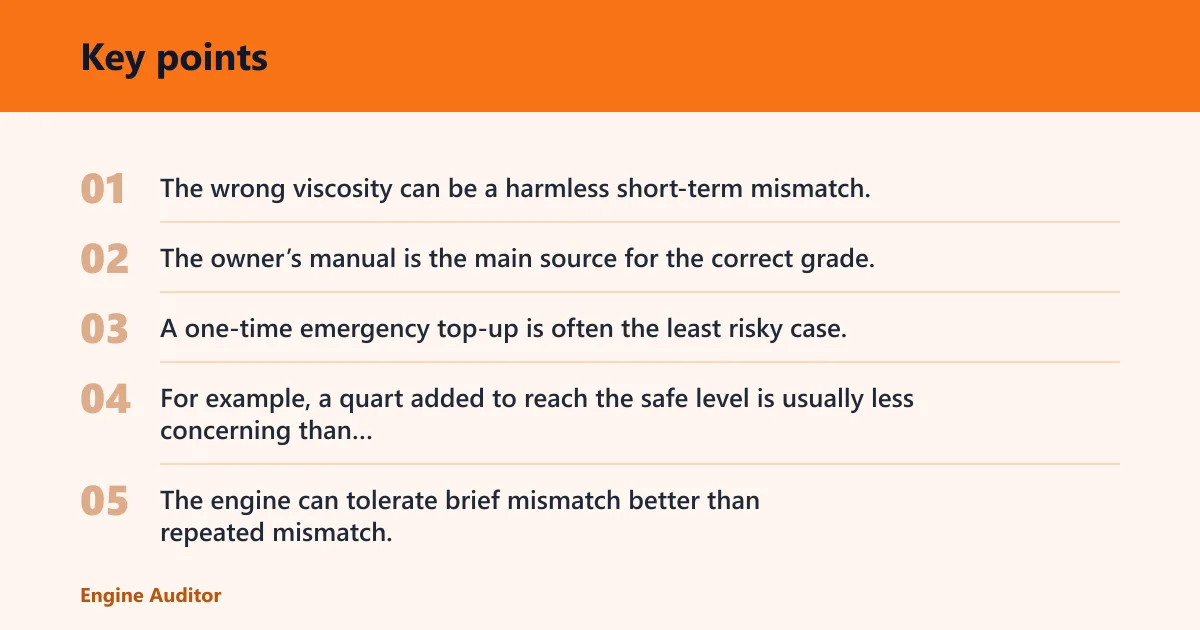


Usually not right away, but it can. The wrong viscosity can be a harmless short-term mismatch, or it can become a real lubrication problem if it lowers oil pressure, slows circulation, or weakens the wear film under load. The owner’s manual is the main source for the correct grade, and it may also specify an API or ILSAC rating.
What is a harmless mismatch?
A one-time emergency top-up is often the least risky case, especially if the oil level is corrected soon and the grade is close to spec. For example, a quart added to reach the safe level is usually less concerning than running several oil-change intervals on the wrong viscosity. The engine can tolerate brief mismatch better than repeated mismatch.
What makes the mismatch risky?
The risk can rise when the oil is too thin for the heat and load, too thick for cold starts, or used in an engine design that depends on a relatively narrow viscosity range. That can reduce lubrication, cause low oil pressure, trigger warning lights, and disrupt variable valve timing. Repeated use is more harmful than a brief emergency fill.
When to stop driving
Stop driving if the oil-pressure light stays on, the engine develops persistent ticking or knocking, or a warning appears after an oil change or top-up. Those signs can point to low pressure, pickup issues, or a serious mismatch that is already affecting lubrication. Do not keep driving and hoping the noise disappears.
Engine oil risk triage table
| Scenario | Likely severity | Expected symptoms | Immediate action | Keep driving? |
|---|---|---|---|---|
| One-time emergency top-up with a close grade | Low if corrected soon | No symptoms, or brief noise on cold start only | Bring level to safe range, then replace with the specified grade at the next service | Usually yes, if oil pressure is normal |
| Slightly thicker-than-spec oil | Low to moderate | Slower cold circulation, possible lifter tick at startup | Plan an oil change to the specified viscosity, especially before winter | Usually yes for short use |
| Slightly thinner-than-spec oil | Moderate | Lower hot oil pressure, ticking, weaker noise control under load | Change to the specified grade soon, and check for leaks or consumption | Only if pressure and noise stay normal |
| Repeated wrong-grade use | Moderate to high | Persistent noise, warning lights, hot running stress, faster wear | Stop extending the interval; service the engine and verify the spec | Not a good idea |
| Turbo engine with too thin an oil | High | Hot oil pressure loss, turbo noise, timing issues, heat stress | Change immediately and inspect for oil pressure and contamination | Do not keep driving if the light or noise is present |
| High-mileage engine with oil too thin for wear and heat | Moderate to high | Oil consumption, valve train noise, leakage that appears after service | Confirm the spec in the manual and inspect for wear or leaks | Depends on pressure and noise |
| Winter cold-start mismatch with oil too thick | Moderate | Slow cranking flow, delayed pressure rise, brief startup rattle | Replace before more cold starts; avoid hard revving on startup | Short trips only, if pressure normalizes fast |
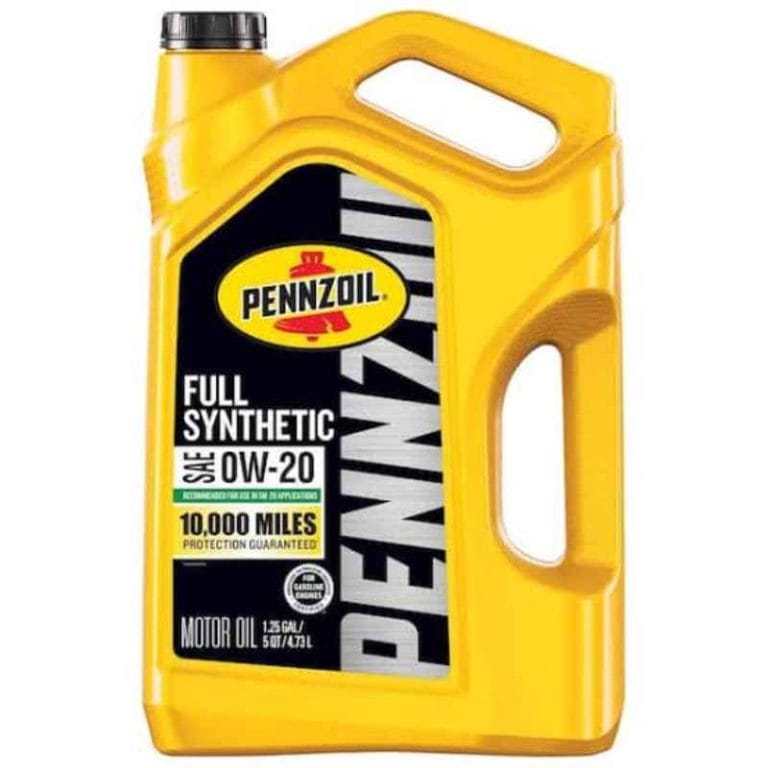
Say your owner’s manual calls for 0W-20 and a shop filled 10W-40 before a cold spell. The engine may still start, but the thicker oil can move more slowly during overnight soak, and that is exactly when startup wear is highest. That is a strong case for an oil change before repeated cold starts.
Suppose a turbocharged car gets a thinner-than-specified oil and then starts ticking after highway driving. That combination points to a higher-risk mismatch, because the oil has to survive both heat and load. In that case, the correct response is not “drive it and see”; it is a prompt inspection and oil change.
What SAE viscosity grades mean
SAE viscosity grades describe how oil flows in cold and hot conditions. The first number tells how oil flows cold, and the second number tells how it behaves once the engine is hot. The W means winter, not weight. These two numbers are not interchangeable.
The first number and cold starts
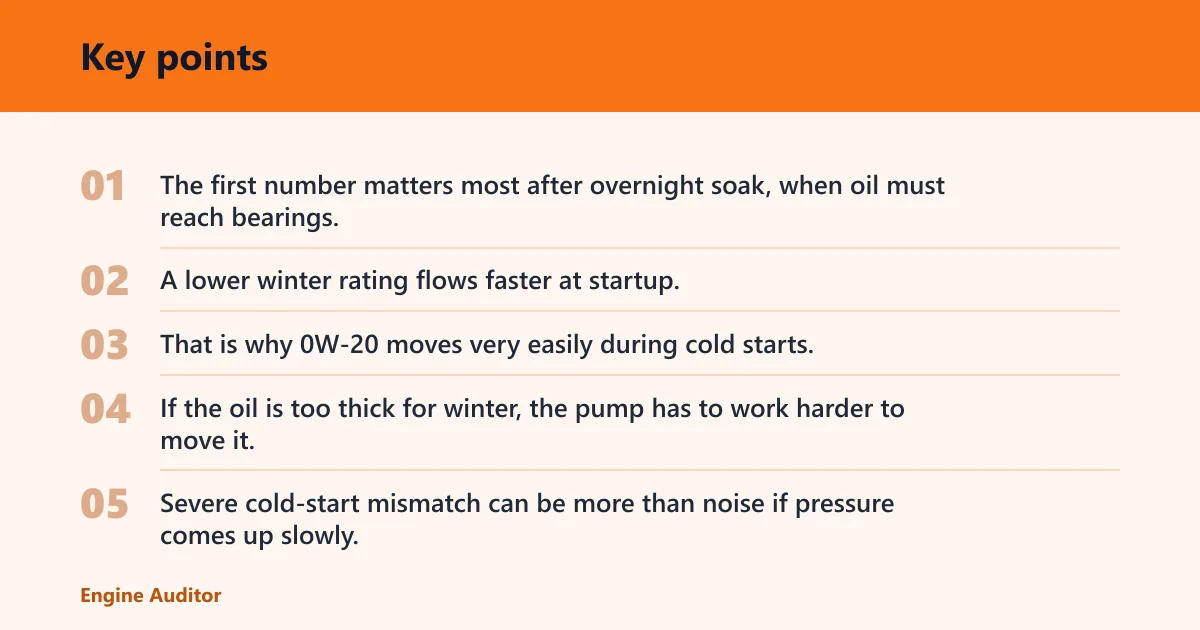
The first number matters most after overnight soak, when oil must reach bearings, camshafts, and the valvetrain quickly. A lower winter rating flows faster at startup, which helps circulation and reduces wear during the first seconds after cranking. That is why 0W-20 moves very easily during cold starts.
If the oil is too thick for winter, the pump has to work harder to move it, and the delay can leave parts under-lubricated for longer. The result is often brief startup noise. Severe cold-start mismatch can be more than noise if pressure comes up slowly.
The second number and hot running
The second number matters after the engine is hot and under load. It reflects how the oil maintains film strength at operating temperature, which matters during idling, acceleration, hills, towing, and hot-weather driving. Oil has to behave across all of those conditions, not only in the driveway.
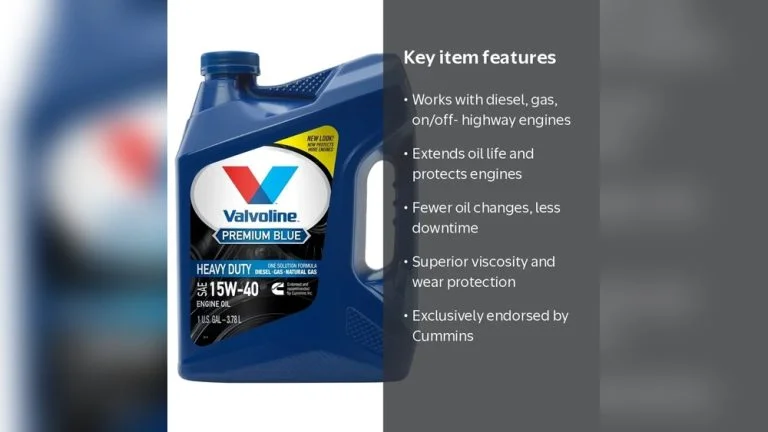
10W-40 is thicker in cold weather and at high temperature. That can help in some hot or high-mileage situations, but it can also be too thick for some modern engines that expect quick flow and tight pressure control. 5W-30 is common for most gasoline engines, but “common” is not the same as correct for every engine.
Why 0W-20, 5W-30, and 10W-40 are not interchangeable
These grades can all lubricate an engine, but they do so differently. Lower-viscosity oils improve cold starts and fuel efficiency. Higher-viscosity oils offer better protection in hot conditions or high-mileage engines. The right choice depends on the engine design and the manual, not on generic online advice.
Why the owner’s manual decides the grade
The owner’s manual is the primary source for the correct oil grade because it ties viscosity to the engine’s bearing clearances, oil pump design, valve timing system, and emissions controls. It often lists both the SAE viscosity grade and a required API or ILSAC category. If those do not match, the oil is still wrong even if the viscosity looks close.
Viscosity grade
The manual may specify a narrow range, such as 0W-20 or 5W-30, or it may allow a few options for different temperatures. That does not mean every option is equally suitable for every use case. Climate and driving style matter, especially for winter starts, towing, high-speed driving, and stop-and-go heat.
API and ILSAC requirements
Viscosity alone does not tell the whole story. API and ILSAC ratings cover oil performance traits that modern engines need, including deposit control and compatibility with emissions equipment. A correct viscosity with the wrong category can still miss the vehicle’s requirements.
Why generic advice can miss the mark
Internet advice often treats oil grade as a simple weather choice. That misses the engine’s actual needs. Modern direct-injection and turbo engines can be more sensitive to pressure control, heat, and deposit formation than older, looser-clearance engines. Always start with the manual, then confirm the API or ILSAC spec it lists.
What the wrong grade changes inside the engine
Wrong viscosity changes how quickly oil moves, how well it holds a protective film, and how stable pressure stays across the rev range. Those changes can be mild for a short time, or they can become damaging if the engine runs hot, hard, or long enough for lubrication to fall apart.
Oil pressure and warning lights
Engine oil too thin can cause low oil pressure. Too thick can also create pressure problems if the pump cannot move it efficiently, especially when cold. Either way, a pressure warning means the lubrication system is not operating as intended, and that can quickly affect bearings and cam surfaces.
Wear film strength
The wear film is the thin boundary that keeps metal parts from touching. When viscosity is wrong for the condition, that film can be too weak or too slow to form. The result is more friction, more heat, and more wear. That is the main path from wrong oil to real engine damage.
VVT response and timing codes
Variable valve timing depends on oil pressure. If the oil is too thick, too thin, contaminated, or foamed, VVT can react sluggishly. That may set timing-related codes, cause rough running, or produce rattle on startup. A VVT fault is often a clue that viscosity or oil condition deserves attention.
When symptoms point to a bigger problem
Symptoms matter because they help separate wrong-grade oil from low level, overfill, or dilution. A symptom that appears only at cold start can point one way; a symptom that appears hot and under load can point another. Use the pattern, not just the noise, to decide what to do next.
Cold-start ticking or delayed oil pressure
Brief ticking right after startup can come from oil that is too thick for the temperature, especially after an overnight soak. If the ticking fades quickly and pressure comes up normally, the mismatch may be mild. If it lasts, gets louder, or repeats every start, change the oil and inspect the engine.
Hot running noise or low-pressure warnings
Noise after the engine is hot is more concerning. That points to oil that is too thin, oil breakdown, or a pressure issue that shows up under load. A low-pressure warning, especially with hot ticking or knocking, is a stop-driving problem until the cause is found.
Overfill, pickup issues, and oil dilution
Too much oil in the engine is bad for different reasons than wrong viscosity. Overfilling can whip air into the oil, which can upset pressure and lubrication. If the level is low enough for the pickup tube to draw air, pressure can drop even with the correct grade. Fuel dilution can also thin the oil and mimic a wrong-grade problem.
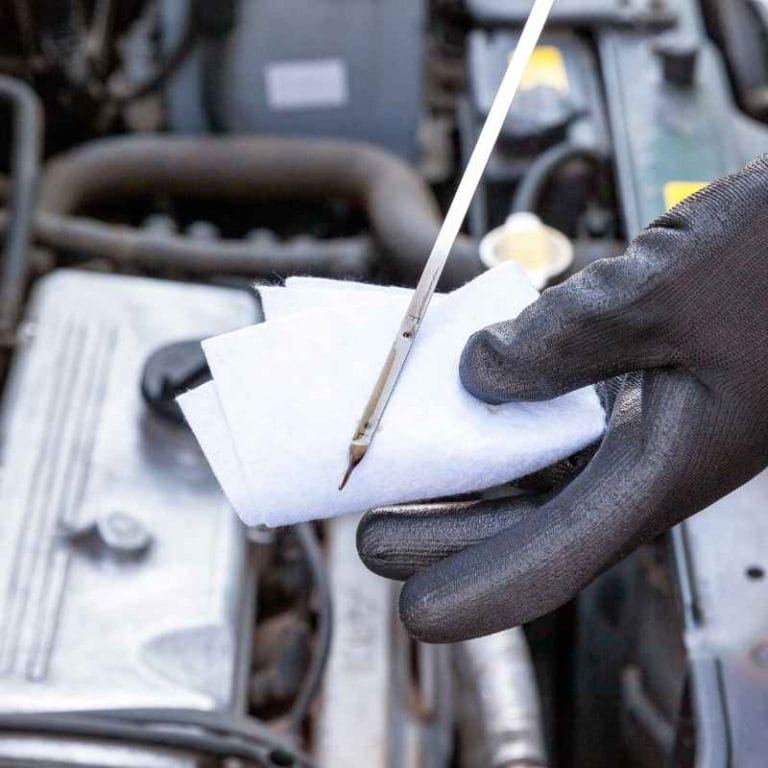
A common first-timer mistake is to blame the oil grade when the real issue is the level on the dipstick. Picture a small sedan that gets filled one quart over spec after a service. The engine may still run, but foaming, leaks, or odd pressure behavior can show up later. That is not a viscosity issue; that is an overfill issue.
Frequently asked questions
Will the wrong oil damage my engine?
It can, but the risk depends on how wrong the grade is, how long it stays in the engine, and whether pressure or noise changes. A brief mismatch is often less harmful than repeated use. Persistent low pressure, ticking, or a warning light means the risk is no longer minor.
Can too much engine oil cause problems?
Yes. Too much oil can churn and foam, which can disturb oil pressure and lubrication. It can also force oil past seals or into places it should not be. If the dipstick reads above the safe range, drain the excess and check for symptoms rather than driving on.
Is too much oil in the engine bad?
Yes, because excess oil can create aeration, leakage, and pressure irregularities even if the grade itself is correct. The oil level should stay within the manufacturer’s marked range. If the engine starts making new noises or leaks after an overfill, correct the level before assuming the oil weight is the problem.
Can engine oil go bad?
Yes. Oil breaks down with heat, time, contamination, and fuel dilution. Old oil can lose part of its protective ability even if the level is fine and the grade was correct at fill time. If service is overdue, the problem may be oil condition rather than the wrong viscosity.
What happens if I use the wrong oil weight in my engine?
You may get slower cold circulation, lower hot oil pressure, weaker wear protection, or VVT complaints. The engine may still run for a while, but repeated use raises wear risk. If the oil is far from spec, change it promptly and inspect for noise or warning lights.
How do I know if I used the wrong engine oil in my car?
Check the receipt, oil container, and owner’s manual, then compare the SAE grade and the API or ILSAC requirement. Symptoms such as startup ticking, hot-running noise, or a pressure warning add evidence, but the label comparison is the cleanest first step. If the oil level is also wrong, fix that too.
Products related to this article
Sponsored / affiliate links. As an Amazon Associate I earn from qualifying purchases. I may earn additional commission from eligible campaigns.
 DongJinK Engine Oil Level Gage Dipstick Compatible with Toyota 4Runner 1984-1995 for Toyota Celica 1984-1985 for Toyota Pickup 1984-1995 Replace# 15301-35020 1530135020
 ACROPIX Engine Oil Level Indicator Dipstick for Ford Fusion 2010-2012 for Ford Escape 2010-2012 for Ford Fusion 2006-2007 No.6E5Z6750AC Car Parts