Winter Oil Change Intervals: Should You Change Oil More Often?
Cold weather alone usually does not call for shorter oil change intervals; follow the owner’s manual unless you mostly make short trips, let the engine idle for long periods, tow, or start it again and again below zero, where severe-service intervals may be cut by about 25–50%. Those conditions can thin the oil with fuel, build sludge, and slow oil flow on cold starts. This guide explains when winter changes oil selection, when it shortens intervals, and how to decide with a simple cold-climate checklist.
Do you need shorter winter intervals?

Usually, no. Winter often changes which oil you should use more than how often you change it. If your driving pattern still brings the engine to full operating temperature and matches the manual’s normal-service schedule, cold weather by itself does not automatically shorten the interval.
The manual is the first stop because it separates normal service from severe service and gives the manufacturer-recommended interval for your engine. It also specifies the oil grade and viscosity, which matters in January as much as mileage does.
Owner’s manual first
Look for three things in the manual: the normal-service schedule, the severe-service schedule, and the recommended oil grade. Many manuals also list a viscosity such as 5W-30, which gives a common guideline for how the oil should flow at low temperatures and at operating temperature.
Northwoods notes that the wrong oil viscosity in January accelerates engine wear, and that cold winters demand the correct oil weight for cold starts. That is a viscosity issue, not a mileage rule.
When winter does not shorten the interval
If you drive a long highway commute, the engine reaches full temperature and stays there. That kind of use usually fits the normal schedule even in subzero temperatures, as long as the oil grade matches the manual and the oil life monitor or time interval does not call for service.
Cold weather still matters for start-up flow, but it does not automatically mean a shorter drain interval. In that case, the better move is usually the right winter-grade oil, not a premature oil change.
When short trips count as severe service

Short-trip winter driving often qualifies as severe service because the engine never fully dries out accumulated moisture and fuel vapors. Frequent cold starts also thicken the oil at the exact time the engine needs fast flow, which can shorten useful oil life even when the odometer barely moves.
Formula X frames severe driving as including short trips and extreme cold, and Tracy’s Auto Repair says frequent short trips in cold weather belong in the severe category. That is where winter can meaningfully shorten the interval.
Cold starts and moisture buildup
On a five- or ten-minute trip, the oil may not stay hot long enough to evaporate moisture and fuel dilution. Over time, that can make the oil more contaminated than the mileage suggests, especially when outside temperatures sit below zero for long stretches.
CarVertical says long periods below zero can require more frequent oil changes, and it suggests short-trip drivers may need changes at 4,000 to 5,000 miles. That is a practical way to think about cold-weather severe service: not every winter driver needs less oil life, but many short-trip drivers do.
Stop-and-go and idle-heavy driving
Stop-and-go traffic, long warm-up idling, and repeated short errands all shorten the time the oil spends at full temperature. That pattern fits severe service because the engine sees more idle time, more cold starts, and less steady heat than a highway commute.
Towing and dusty roads also belong here, even in winter. They add load and contamination that can push you toward the severe schedule sooner than mileage alone would suggest.
Winter oil-change decision table
| Use case | Interval approach | Why winter changes it | Warning signs for earlier service |
|---|---|---|---|
| Short-trip city driving | Use the severe-service schedule; many drivers land near 4,000 to 5,000 miles with conventional oil, or follow the oil life monitor if it is calibrated for your vehicle. | Frequent cold starts, short run times, and long idle periods increase moisture and fuel dilution. | Fuel smell on the dipstick, rough cold starts, low oil level, dark gritty oil, or a burnt odor. |
| Mixed commute | Start with the manual’s normal schedule and shorten only if the car rarely reaches full temperature or the oil life monitor drops faster than expected. | Some trips evaporate moisture; others do not. The result depends on how much highway time you get. | Oil life monitor falls quickly, visible sludge, or oil that looks unusually thick, dirty, or smells burnt. |
| Long highway commute | Usually stay on the normal schedule, often measured by mileage or oil life monitor rather than a winter-only reduction. | Steady heat helps the oil shed fuel and moisture, so cold air outside matters less than operating temperature inside. | Persistent low level, leaks, coolant contamination, or a monitor that has not been reset after service. |
| Heavy-duty or severe use | Use the manual’s severe-service schedule and check the calendar as well as mileage; many manufacturers recommend at least once a year. | Towing, dusty roads, repeated subzero starts, and stop-and-go traffic all shorten oil life faster than normal driving. | More than usual top-offs, fuel dilution, dark sludge-like oil, engine noise on cold starts, or a strong burnt smell. |
Suppose a driver makes two 4-mile school runs each morning, plus one 6-mile grocery trip at night, in temperatures below zero. That pattern is far more severe than the odometer suggests, so the severe-service interval is the better starting point.
Should you trust the oil life monitor?
Yes, when it is set up for your vehicle and reset after service. An oil life monitor estimates remaining oil life using engine temperature, idle time, trip length, and engine load, so it often catches winter severe service better than a simple mileage count.
It is not a magic sensor. It is a calculation based on operating conditions, and it still needs you to respond when it alerts and to reset it after an oil change.
What the monitor measures
The monitor looks at how the engine has been used, not just how far the vehicle has traveled. Short trips, long idling, and heavy load all shorten the estimate faster because they make the oil work harder.
That is why two vehicles with the same mileage can need service at different times in winter. One may spend most of its life on the highway; the other may never fully warm up.
Why winter changes its reading
Cold starts, subzero temperatures, and repeated short trips usually make the monitor count down faster. That does not mean winter itself is the problem. It means the driving pattern that comes with winter is harsher on the oil.
If the monitor is calling for service much sooner than the odometer suggests, treat that as a clue that your use belongs in severe service.
Resetting it after service
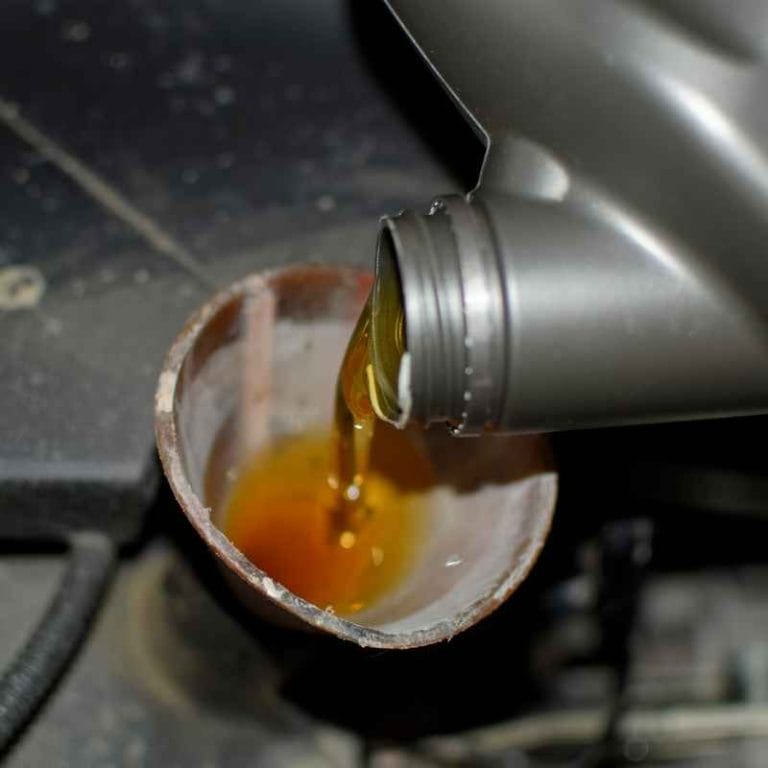
- Service the oil and filter. Replace the filter at the same time unless the manual says otherwise, because a fresh filter and fresh oil work as a set.
- Reset the monitor. Use the vehicle’s reset procedure after the service is complete. If you skip this, the next interval will be wrong and the reminder can arrive too early or too late.
- Record the date and mileage. Keep both numbers. Calendar time matters in winter because many manufacturers recommend changing oil at least once a year even if mileage is low.
Which oil and viscosity to use?
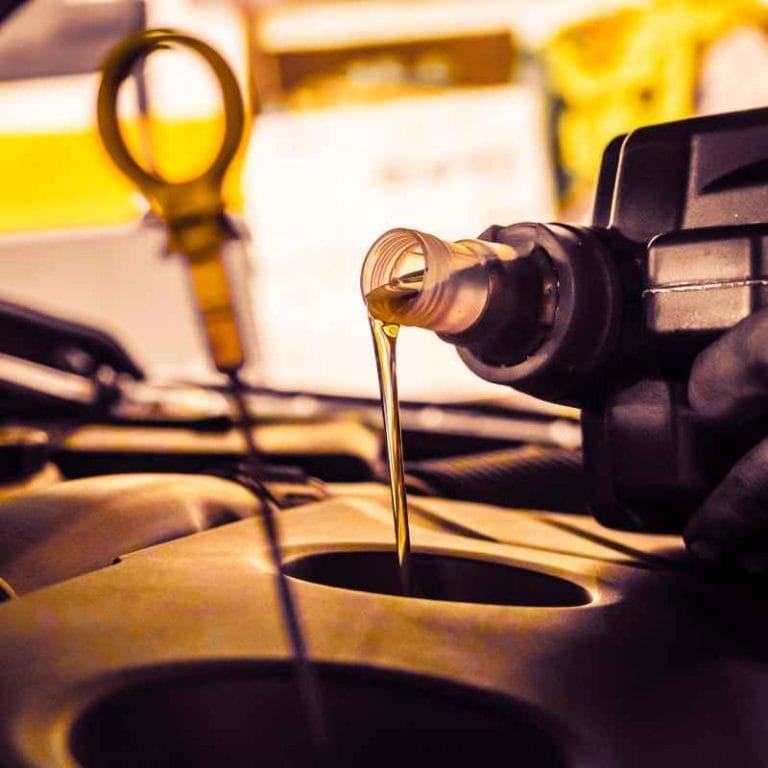
Use the oil grade and viscosity the manufacturer specifies, then decide whether synthetic or conventional oil fits your engine and driving pattern. Winter changes the cold-flow requirement first. It does not give permission to choose a random grade because it looks thinner on the shelf.
The “W” in 5W-30 stands for winter, and the first number matters for cold starts. A lower winter number usually flows better when the engine is cold, while the second number reflects operating-temperature behavior.
Synthetic vs conventional oil
Full synthetic oil usually flows better at cold start and tolerates heat and contamination longer than conventional oil. Formula X says modern vehicles often use intervals between 7,500 and 10,000+ miles with full synthetic oil, while conventional oil is typically changed every 3,000 to 5,000 miles.
That does not mean synthetic oil makes winter intervals unlimited. It still ages from heat, fuel dilution, moisture, and time.
Older and high-mileage engines
Older engines and some high-mileage engines can be less tolerant of extended intervals, especially if they already consume oil or have seal seepage. In those cases, the manual, the oil life monitor, and the condition of the oil matter more than a generic mileage target.
Gasoline, diesel, and turbocharged engines also differ. Turbocharged engines often place higher thermal stress on oil, while many diesel engines can produce more soot and contamination. Use the manual’s schedule for that engine family, not a one-size-fits-all winter rule.
When to change oil early anyway
Change the oil early if the dipstick, the monitor, or the driving pattern points to contamination. Dark oil alone is not proof of failure, but dark, gritty, burnt-smelling oil, a low level, or obvious leaks are practical warning signs that deserve attention before the next planned interval.
The same source says an oil and filter service should include a visual underhood check. That is useful because winter problems often show up as leaks, seepage, or contamination rather than just a mileage count.
How to check the dipstick oil level
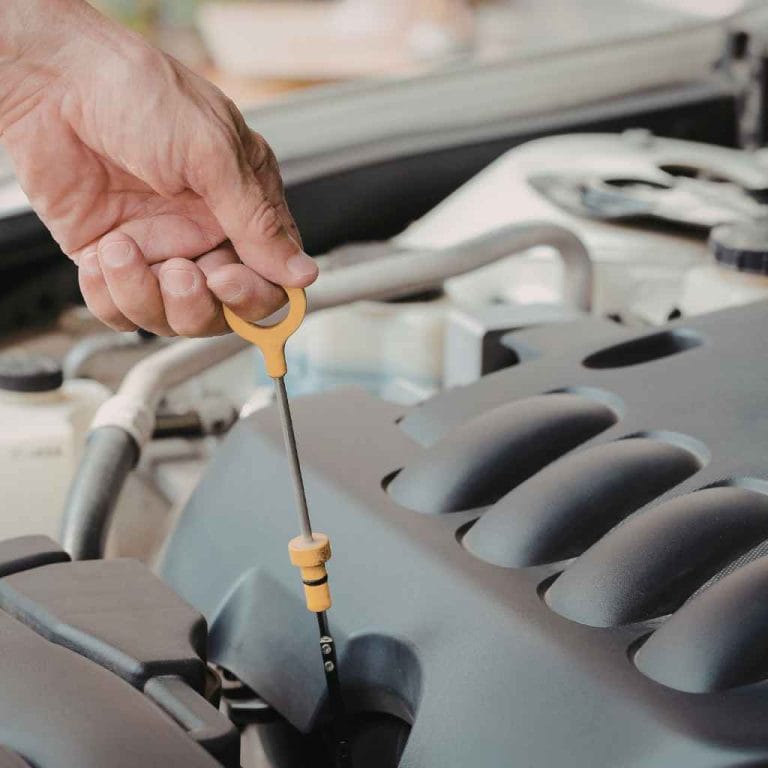
- Park on level ground. Shut the engine off and wait long enough for oil to drain back to the pan, then check on a level surface so the reading is accurate.
- Pull and wipe the dipstick. Reinsert it fully, then pull it again and read the level between the marks. A monthly check is a good habit in winter because consumption and leaks can rise with cold starts.
- Inspect the oil condition. Look for dark, gritty, or burnt-smelling oil. If the level is low, top off with the correct viscosity and investigate why it dropped.
What else to inspect at the visit
- Fuel dilution signs, such as a sharp gasoline smell on the dipstick.
- Sludge or thick residue around the filler cap or under the oil cap.
- Fresh leaks around the drain plug, filter, valve cover, or pan gasket.
- Coolant contamination, which can point to a bigger engine issue.
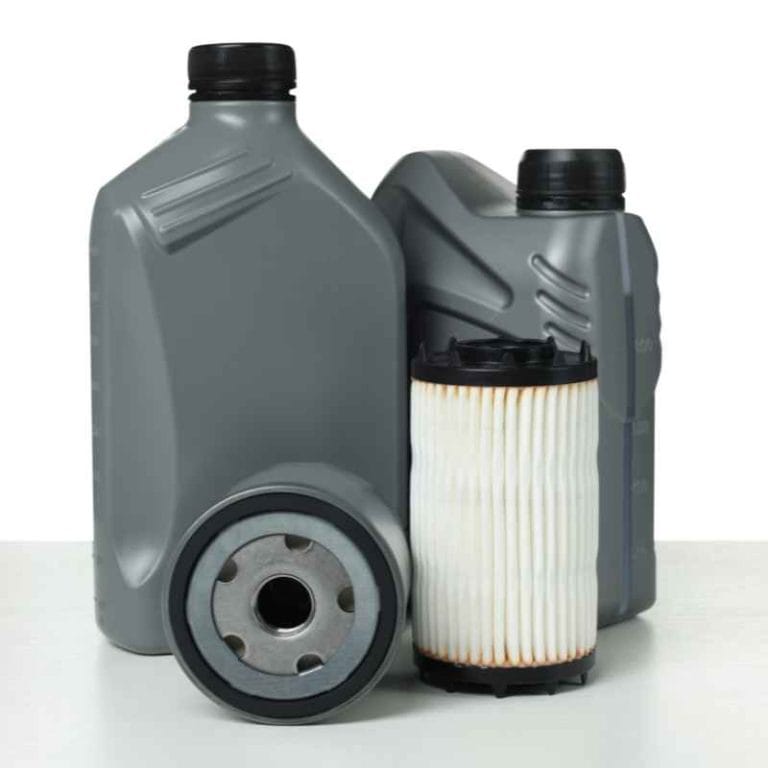
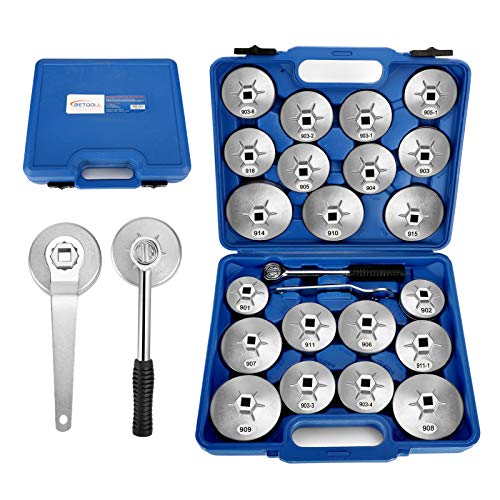
- A filter that should be replaced along with the oil.
A common first-timer mistake is assuming a low-mileage winter engine is automatically healthy. Picture a car that has only 2,800 miles since the last oil change, but most of those miles were 3-mile errands in subzero weather; the oil can still be due by severe-service rules even though the odometer looks modest.
Frequently asked questions
Do I need to change my oil more often in winter?
Not always. Winter alone does not shorten the interval for every driver. You usually need earlier service only if winter means short trips, repeated cold starts, long idling, towing, or other severe-use conditions that the owner’s manual already treats as harsher than normal driving.
Does short-trip driving in cold weather count as severe service?
Yes. Frequent short trips in cold weather are commonly treated as severe service because the engine often does not reach full temperature long enough to burn off moisture and fuel. That can shorten oil life even when the mileage looks low.
Is the 3,000-mile oil change rule still true in cold climates?
Not as a universal rule. Some conventional oils still fall in the 3,000 to 5,000-mile range, but many modern engines with full synthetic oil and normal use can go much farther. In cold climates, the right answer depends on the manual, the oil type, and the driving pattern.
Should I follow my owner’s manual or the oil life monitor in winter?
Follow both, with the manual as the baseline and the oil life monitor as a live adjustment for your driving pattern. The manual sets normal and severe-service limits, while the monitor tracks engine temperature, idle time, trip length, and load. Reset it after every oil change.
Does synthetic oil let me go longer between oil changes in winter?
Often, yes, but only within the manufacturer’s limits. Full synthetic oil usually handles cold starts better and can support longer intervals than conventional oil. It is not a reason to ignore the manual, the monitor, or annual time limits if you drive very little.
Should I still change oil once a year if I don’t drive much in winter?
Yes, if your manufacturer recommends at least once a year. Many current vehicles call for oil changes by time as well as mileage because oil can age even when the car sits. Low winter mileage does not stop moisture, condensation, or time-based breakdown.
Products related to this article
Sponsored / affiliate links. As an Amazon Associate I earn from qualifying purchases. I may earn additional commission from eligible campaigns.