Why Do My Tires Look Scalloped?
Scalloped tires usually point to irregular tread wear from imbalance, worn shocks or struts, misalignment, or low pressure. If the wear repeats in dips around the tread, check cold pressure first, then inspect the tire closely. Ignoring it can raise noise, vibration, stopping distance, and repair costs. This guide shows how to match the wear pattern to the most likely cause before you pay for alignment, balancing, or suspension work.
What scalloped tire wear means
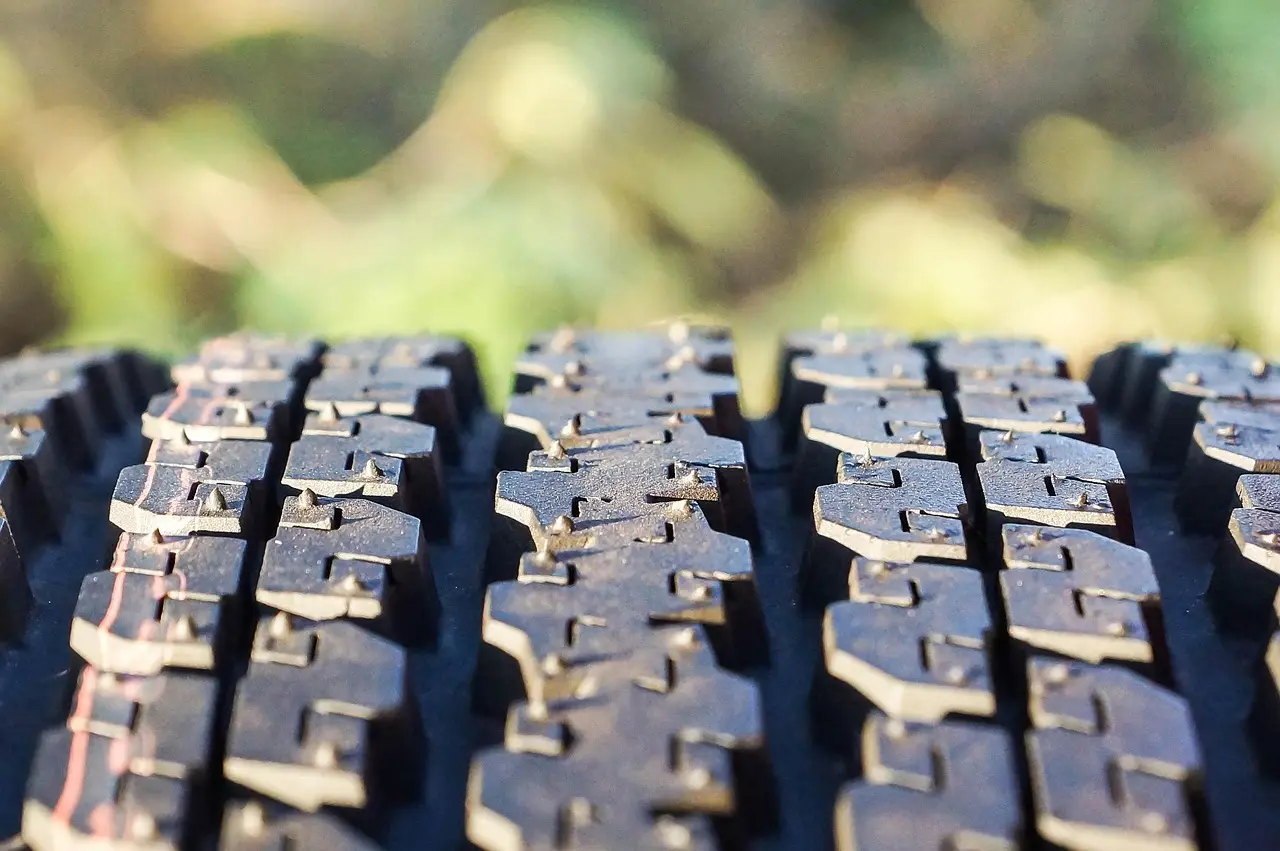


Scalloped tire wear is alternating high-and-low tread wear across the tread blocks. Shop language often calls it cupping. The wear may show on the outer shoulder, across one section of the tread, or in a pattern that repeats around the tire.
The clearest sign is unevenness. A scalloped tire does not wear smoothly in a straight line. Instead, some tread blocks stay taller while nearby blocks wear lower, which can create a humming or thumping sound as the tire rolls.
How it looks on the tread
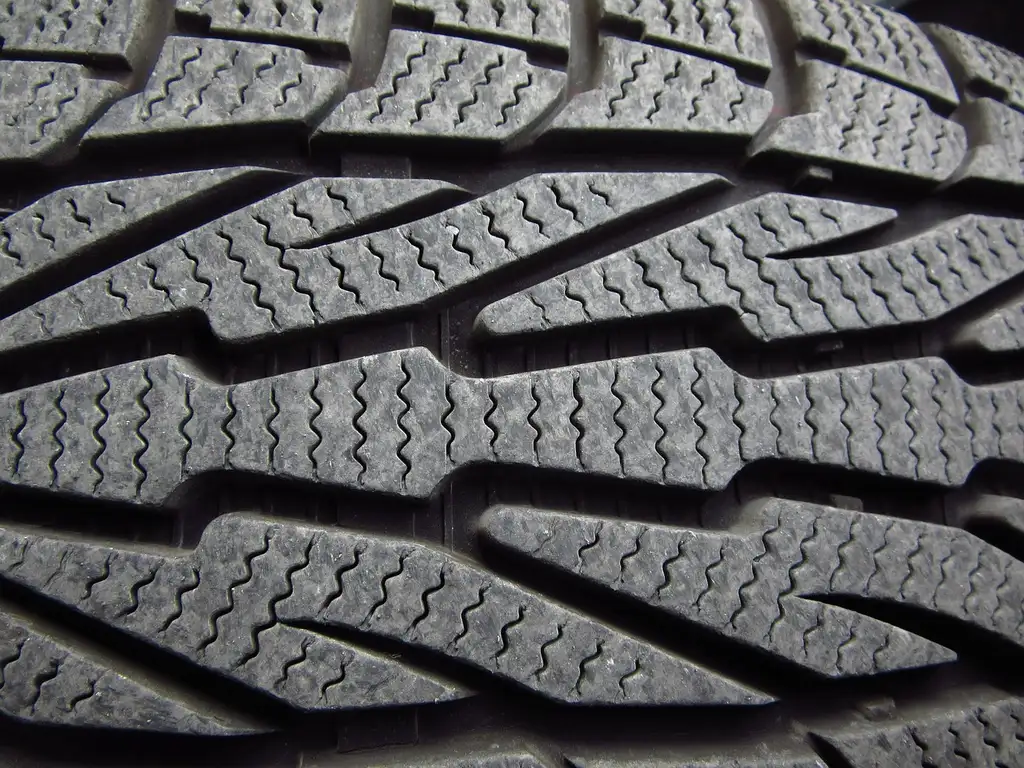
Look for dips and raised blocks that you can feel with a hand across the tread. The surface may look wave-like, with one block worn more on one edge and the next block worn more on the opposite edge. Use a tread depth gauge if the difference is subtle; tread depth is commonly read in 32nds of an inch.
Feathering can look similar, but it usually feels like one side of a tread block is sharp and the other side is smooth, often from toe error. Flat spotting is different again. It is usually a flatter area, not a repeating series of dips.
Why it often makes a hum or thump
As the tire rolls, the taller and shorter blocks hit the road at different points. That uneven contact can make a low hum, a rhythmic thump, or a drone that changes with road speed. If the noise starts after a pothole hit or after long storage, the cause may be different from chronic wear.
What causes scalloped tires?
Scalloped tires are commonly linked to a handful of causes, including inflation pressure problems, alignment angle drift, wheel or tire imbalance, worn suspension parts, or impact damage. The best first check is cold tire pressure against the vehicle placard, because low pressure can start uneven wear fast and costs almost nothing to verify.
Inflation pressure problems
Underinflation lets the tread flex more than intended, which can wear the shoulders and set up uneven block wear. Overinflation can reduce the contact patch and concentrate wear in the middle, then make any existing imbalance or suspension problem more noticeable. Check cold tire pressure before driving, then compare each tire to the placard on the driver’s door jamb or fuel door.
Alignment angle drift
Wheel alignment issues can involve toe, camber, or caster. Toe error is the most common reason for feathering and some scalloped wear. Camber can push wear toward the inside or outside edge. Caster usually affects steering feel more than tread wear, but a shifted alignment after an impact can change all three angles.
Balance problems
Static imbalance and dynamic imbalance can make the wheel assembly hop or shake at speed. That motion can create noise and uneven tread wear, especially if balancing weights are missing or a wheel has shifted after a pothole hit. Road-force imbalance can also matter when a tire or wheel is out of round under load.
Suspension wear and loose parts
Shocks, struts, springs, bushings, ball joints, and tie rods all help keep the tire planted. If damping is weak or a joint has play, the tire can bounce instead of rolling evenly. That bounce can produce a scalloped pattern, especially on one axle where the worn part is most obvious.
Impact damage and bent components
A hard strike can bend a wheel, bruise a tire, or shift alignment angles. A bent rim does not always cause scalloping by itself, but it can create vibration and irregular contact that contributes to wear. Recent impact deserves a closer look if the noise or shake started right after a pothole, curb hit, or debris strike.
Tire wear checklist
| Wear pattern | Likely cause | Simple driveway check | Next repair step |
|---|---|---|---|
| One tire only | Damaged tire, bent wheel, local suspension fault, or impact | Compare that tire’s pressure, tread depth, and sidewall to the same axle mate | Inspect wheel, tire, and nearby suspension parts before replacing only one tire |
| Both tires on one axle | Alignment, worn shocks or struts, or axle-wide balance issue | Check for matching dips or feathering on both fronts or both rears | Schedule alignment and suspension inspection on that axle |
| All four tires | Chronic underinflation, long-term misalignment, or repeated poor road impacts | Verify placard pressure on all four tires and compare tread depth corner to corner | Correct pressure, then inspect alignment and wear parts on the whole vehicle |
| Inside-edge-only wear | Negative camber, toe error, or a bent/worn suspension part | Run a hand across the inside shoulder for sharper wear than the outer edge | Get alignment and inspect bushings, ball joints, and tie rods |
| Outside-edge-only wear | Inflation too low, aggressive cornering, or suspension geometry issue | Check pressure cold and compare the outer shoulder with the center tread | Correct pressure first, then inspect alignment and suspension components |
| Tire noise or vibration at speed | Imbalance, flat spot, bent wheel, or advanced scalloping | Note whether the sound changes with speed but not with engine rpm | Have the wheel assembly checked for balance, runout, and tire damage |
What does the wear pattern tell you?
The pattern gives the fastest clue to the cause. One tire points to a local problem. Both tires on one axle suggest an axle-level issue such as alignment or suspension wear. All four tires usually point to pressure habits, repeated impacts, or a vehicle that has been out of spec for a long time.
One tire only
If only one tire is scalloped, start with that wheel, that tire, and the nearby suspension parts. A bent wheel, separated belt, or damaged shock on that corner is more likely than a global alignment problem. Compare tread depth in several spots around the tire; a difference of several 32nds of an inch in one area is a red flag for localized wear.
Both tires on one axle
Matching wear on both front tires or both rear tires often points to alignment or worn parts on that axle. If both front tires show outer-shoulder scalloping, for example, toe or camber may be out of range. If both rear tires are noisy and cupped, the rear shocks or bushings may need attention.
All four tires
When all four tires wear in a similar way, chronic underinflation or a vehicle-level issue is more likely. A common first-timer mistake is checking only the visibly bad tire and missing two others that are starting the same pattern. Verify all four cold pressures before paying for major repair work.
Inside-edge-only wear
Inside-edge wear usually points to camber or toe, especially if the outer edge still has usable tread. It can also follow worn bushings or ball joints that let the wheel move under load. If the inside edge is much lower than the center and outside tread, do not assume it is normal wear.
Outside-edge-only wear
Outside-edge wear often starts with low pressure, but aggressive cornering and poor alignment can add to it. Check the placard pressure first, then inspect both shoulders. If the outer edge is scalloped while the center looks normal, the issue is less likely to be simple overinflation and more likely to be geometry or suspension related.
How to tell scalloping from flat spotting
Scalloping repeats in a pattern around the tread. Flat spotting is usually a flatter area from storage, long parking, or hard braking. Temporary flat spots can shrink as the tire warms up and rolls, while permanent flat spots and scalloping tend to stay noisy and visible.
-
Check the noise on a cold start. Drive at low speed first. If the thump fades as the tire warms, storage flat spotting is more likely than scalloping.
-
Inspect the tread by hand. Feel for repeating dips versus one flat area. Repeating high-and-low blocks point to scalloping; one flat patch points to flat spotting.
-
Look for recent parking history. A tire stored for weeks or months can sometimes develop temporary flat spots, especially at lower pressure. Hard braking can also leave a localized flat spot on one tire.
Say your front tires both make a hum at 35 to 45 mph, but the sound fades after 10 minutes of driving. That pattern fits flat spotting more than scalloping. If the same hum stays constant and the tread shows repeating dips across several blocks, scalloping is the better fit.
Can bad shocks or struts cause tire damage?
Yes. Weak shocks or struts can let the tire bounce, which breaks even contact with the road and can produce scalloped wear. The same corner may also show cupping noise, loose steering feel, or repeated wear after a new tire is installed if the damping problem is not fixed.
How damping parts affect tire contact
Shocks and struts control rebound and compression. If they cannot settle the wheel quickly, the tire skips across the road surface instead of staying planted. That skipping is a common route to cupping, especially when combined with low pressure or worn suspension bushings.
Other suspension parts to inspect
Check springs, bushings, ball joints, and tie rods for looseness, cracking, or play. A tire can wear scalloped even if the shock looks dry and intact. The problem may be in a joint or bushing that allows the wheel to change angle under load.
When noise points to a suspension fault
If the sound gets worse over small bumps, the suspension deserves attention before tire replacement. If the vibration changes with road texture rather than engine speed, the wheel may be bouncing or the tire may be out of round. That is a clue to inspect damping parts and alignment together.
When the tires need replacement
Replace the tire if the wear is severe, the tread is too low, or the damage is advanced. Cord exposure, sidewall damage, or a vibration that remains unsafe after diagnosis means the tire should come out of service. A professional inspection is the right next move when the wear pattern no longer supports safe driving.
Tread depth limits
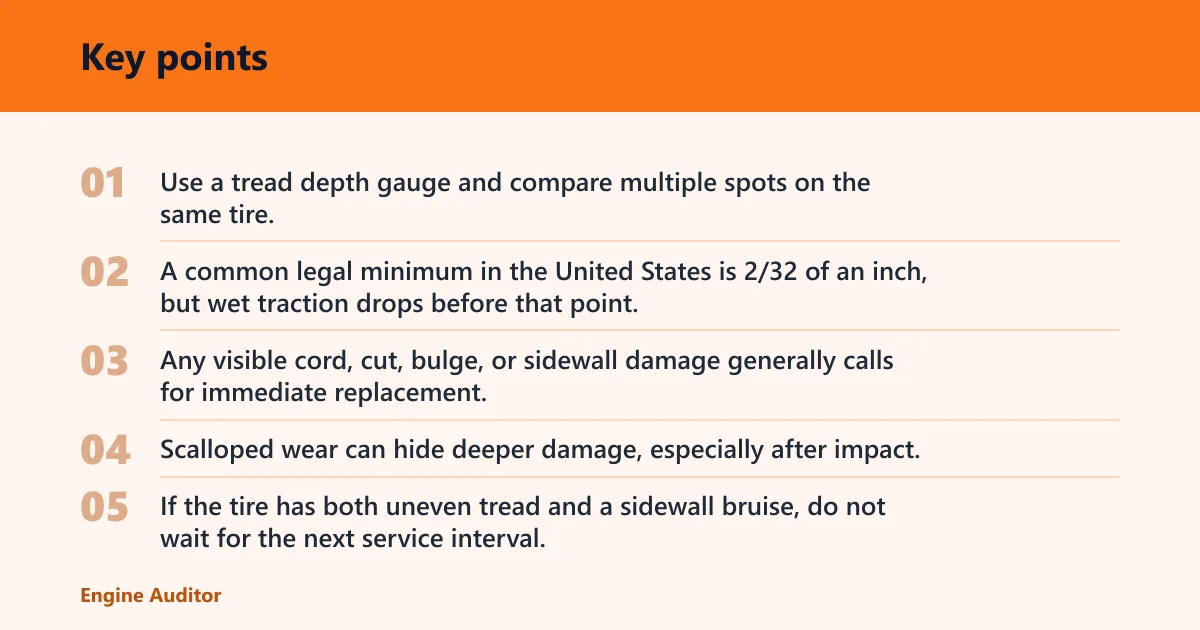
Use a tread depth gauge and compare multiple spots on the same tire. A common legal minimum in the United States is 2/32 of an inch, but wet traction drops before that point. If one section is near the limit and another section is much deeper, the uneven wear itself may make the tire unsafe even before the legal minimum is reached.
Cord exposure or sidewall damage
Any visible cord, cut, bulge, or sidewall damage generally calls for immediate replacement. Scalloped wear can hide deeper damage, especially after impact. If the tire has both uneven tread and a sidewall bruise, do not wait for the next service interval.
Vibration or noise that makes the tire unsafe
If the car shakes, pulls, or hums strongly enough to affect control, the problem is not cosmetic. An unsafe vibration can mean imbalance, a bent wheel, belt damage, or suspension trouble. Do not keep driving long distances until the cause is identified.
Frequently asked questions
What causes scalloping on tires?
Scalloping on tires is usually caused by the tire bouncing or tracking unevenly as it rolls. That can happen when damping parts are worn, alignment angles drift, pressure is wrong, or a wheel is bent. A cold pressure check is the quickest first step.
What causes tires to cup or scallop?
Tires cup or scallop when repeated low spots form around the tread blocks. Worn shocks, struts, bushings, or ball joints are common causes, but so are toe error and imbalance. If the wear repeats at regular intervals, look beyond the tire itself.
What is scalloping on tyres?
Scalloping on tyres is the same uneven tread wear pattern described as cupping in many shops. The tread wears in dips and high spots instead of evenly across the surface. It often makes a hum, thump, or drone that changes with road speed.
Why do my tires wear unevenly?
Uneven tire wear can come from pressure errors, alignment drift, suspension wear, imbalance, or damage from curbs and potholes. The location of the wear matters. Inside edges, outside edges, and scalloped blocks each point toward different causes and repair priorities.
How do I know if a bent rim or alignment issue is causing the wear?
A bent rim often shows vibration, a visible wobble, or a repeated noise at speed. Alignment problems usually show matching wear on both tires of one axle, plus toe-related feathering or edge wear. If the wear began after an impact, inspect both the wheel and the angles.
Products related to this article
Sponsored / affiliate links. As an Amazon Associate I earn from qualifying purchases. I may earn additional commission from eligible campaigns.