How Much Does a Car Tire Cost in the Usa? 2026 Guide
The cost of car tires in the USA is a subject of growing importance as Americans continue to rely heavily on personal vehicles for daily commutes, business, and leisure travel. With inflation, evolving technologies, and new safety standards shaping the automotive landscape, understanding what impacts tire pricing in 2026 is essential for every driver.
Whether you’re looking to replace a single tire or invest in a complete set, being well-informed can save you hundreds of dollars and ensure your safety on the road.
Car tires are not just rubber circles—they’re complex products engineered for performance, safety, fuel efficiency, and durability. The choices are vast, from budget models to high-end performance tires, each with its own cost considerations. In this guide, we break down the factors influencing tire prices, provide real-world examples, and deliver actionable advice for getting the best value for your money in 2026.
Key Takeaways
- Average car tire prices in 2026 range from $80 to $350 each, depending on size, brand, and type.
- Factors influencing cost include tire size, performance category, brand reputation, and advanced features like run-flat technology.
- Seasonal changes, supply chain issues, and inflation are driving tire prices higher compared to previous years.
- Smart buying strategies—such as shopping online, using rebates, and understanding tire warranties—can significantly reduce costs.
- Maintenance and proper installation are critical for maximizing tire lifespan and value.
- Comparing brands and types is key to making an informed, cost-effective decision.

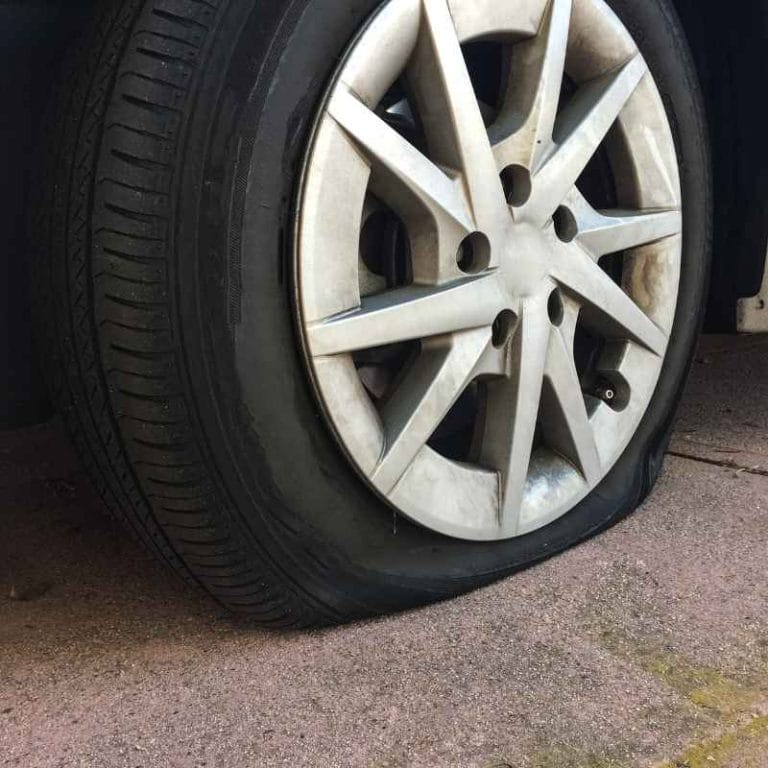
Credit: www.caranddriver.com
The 2026 Car Tire Cost Landscape
Inflation And Market Trends Impacting Tire Prices
The average price of a car tire in the USA has increased by approximately 7-12% since 2026 due to inflation, rising raw material costs, and ongoing supply chain disruptions. According to the U.S. Bureau of Labor Statistics, the Consumer Price Index for tires rose by 8% from 2026 to 2026, and further increases are expected into 2026 (Bureau of Labor Statistics). This means that consumers are paying more for both budget and premium tires compared to just a few years ago.
In addition to inflation, the tire market is influenced by several global economic factors. For example, fluctuations in oil prices impact both the cost of synthetic rubber and transportation, while labor shortages can delay manufacturing and distribution, further contributing to price hikes.
The increased demand for tires—driven by a rebound in travel and the rise in vehicle ownership—has put additional strain on supply, resulting in less frequent discounts and promotions at many retailers.
Manufacturers are also facing stricter regulatory requirements for safety and environmental impact, which necessitate investments in new materials and technologies. These costs are frequently passed on to consumers, making tires more expensive but also more advanced in terms of performance and sustainability.
Tire Price Ranges By Category
- Budget/Entry-Level Tires: $80–$120 per tire
- Mid-Range Tires: $120–$200 per tire
- Premium/Performance Tires: $200–$350+ per tire
These ranges reflect the most common passenger car sizes (15”-18”). Prices for specialty tires (e. g. , run-flat, off-road, or large SUV/truck tires) can surpass $400 per tire.
Within each category, prices can vary based on the retailer, region, and current promotions. For example, a mid-range tire purchased online may be priced at $140, but with shipping and installation, the total cost could reach $180. Conversely, buying from a local retailer during a holiday sale could lower the price of a premium tire from $235 to $210, especially if bundled with free services like rotation or balancing.
Case Study: 2026 Honda Accord
Consider a 2026 Honda Accord, a popular midsize sedan requiring 235/45R18 tires. In 2026:
- Budget tire (e.g., Douglas All-Season): $105
- Mid-range tire (e.g., Michelin Defender T+H): $170
- Premium tire (e.g., Bridgestone Turanza QuietTrack): $235
These prices exclude installation, balancing, and disposal fees, which typically add $20–$40 per tire.
This scenario highlights the range of options available to consumers. For example, choosing the mid-range Michelin Defender T+H offers a balance of performance and longevity, while the premium Bridgestone Turanza QuietTrack provides advanced noise reduction and wet traction. The budget Douglas All-Season is best for drivers seeking basic functionality without additional features.
Installation costs, often overlooked, can significantly impact the total expenditure, underscoring the importance of considering all associated fees when budgeting for new tires.
Geographic Variations
Tire prices fluctuate regionally due to differences in taxes, shipping costs, and local demand. For example, urban areas like New York or Los Angeles may see higher retail prices than rural Midwest towns due to increased operating costs for tire shops.
Weather conditions also play a role: areas with frequent snow or rain may see higher demand for winter or all-weather tires, which can command a premium. In states with stricter environmental regulations, retailers may offer more eco-friendly options that are priced higher due to their advanced manufacturing processes.
Local competition can also affect pricing. In regions with multiple tire retailers, prices may be lower due to competitive promotions, while in areas with few options, prices tend to be higher.
Impact Of Tire Size And Vehicle Type
Larger tire sizes and tires for SUVs, trucks, or luxury vehicles tend to cost more due to added materials and engineering. For example, a 20” SUV tire can be 30–50% more expensive than a 16” compact car tire.
Performance vehicles and EVs often require specialized tires with unique tread patterns or rubber compounds, further increasing costs. For instance, electric SUVs may need reinforced sidewalls to handle additional weight, while sports cars require ultra-high-performance tires for optimal handling.
Vehicle manufacturers sometimes specify tire brands or models as original equipment, which can limit choices and inflate prices for replacements. Drivers should consult their vehicle’s manual and consider alternatives that meet the recommended specifications without overspending.

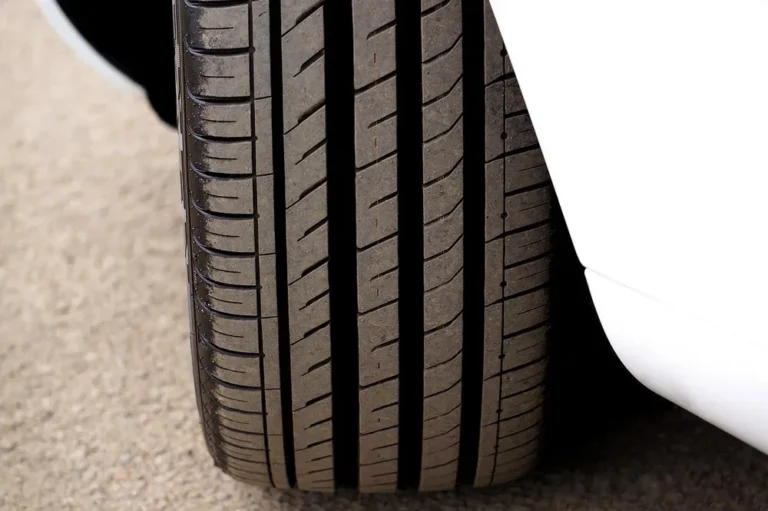
Credit: www.paintedoemparts.com
Factors Influencing Car Tire Costs
Tire Size And Dimensions
One of the most significant determinants of price is tire size. Larger, wider, or low-profile tires require more raw materials and complex manufacturing processes, which increases cost.
- Small sedan tires (14”-15”): $80–$110
- Midsize car tires (16”-17”): $110–$170
- SUV/light truck tires (18”-22”): $150–$350+
The width, aspect ratio, and diameter of a tire all contribute to its cost. Low-profile tires (with a shorter sidewall) are especially expensive due to their specialized design for handling and aesthetics. Additionally, high-load tires meant for trucks and SUVs incorporate extra reinforcement, raising both their price and weight.
Some drivers opt for aftermarket wheel upgrades, which often necessitate larger or performance tires. This can unexpectedly drive up the replacement cost, so it’s important to factor tire expenses into any wheel or suspension modification plans.
Tire Type: All-season, Summer, Winter, Performance
The tire type plays a crucial role:
- All-Season Tires: Most popular, moderately priced, suitable for general driving.
- Summer Tires: Designed for optimal warm-weather performance, often pricier.
- Winter/Snow Tires: Specialized rubber compounds and tread for cold climates; typically $10–$40 more per tire.
- Performance Tires: Enhanced grip and handling, higher speed ratings, and premium price tags.
Each type offers unique benefits. All-season tires are versatile but may not excel in extreme weather, while summer tires maximize grip and cornering but wear quickly in cold conditions. Winter tires feature deep treads and flexible compounds, delivering better traction on ice and snow at a higher price point.
Performance tires, often found on sports cars, provide superior responsiveness and speed capabilities but tend to wear faster and cost more to replace.
For regions with variable weather, some drivers use two sets of tires—summer and winter—incurring additional expense but maximizing safety and performance year-round.
Brand Reputation And Warranty
Top-tier brands such as Michelin, Bridgestone, and Goodyear command higher prices due to their reputation for quality, innovation, and longer treadwear warranties. Budget-friendly brands like Douglas or Ironman offer cheaper alternatives with shorter warranties.
- Premium brands: 50,000–80,000 mile warranties
- Budget brands: 30,000–50,000 mile warranties
Brand reputation is built on years of research, rigorous testing, and consumer feedback. Premium brands tend to offer better customer support, road hazard warranties, and satisfaction guarantees. For example, Michelin’s high-mileage warranties reflect confidence in durability, while budget brands may offer less comprehensive coverage.
Warranty terms are crucial for long-term value. A tire with a higher upfront cost but a longer warranty can be more economical over time, especially if the manufacturer covers defects or premature wear.
Advanced Features And Technology
Features such as run-flat technology, self-sealing compounds, noise reduction, and fuel-saving designs add to the cost. For example, run-flat tires can cost 30–60% more than standard tires of the same size.
Noise reduction technology involves specialized tread patterns and foam inserts that minimize road noise, improving comfort at a premium. Self-sealing tires use inner layers of sealant to prevent air loss after punctures—a feature especially useful for city drivers encountering debris.
Fuel-saving tires employ low rolling resistance compounds, which can improve gas mileage by up to 4%. While these tires may cost $20–$40 more, the savings in fuel over their lifespan often outweigh the initial premium.
Retailer And Installation Costs
Where you buy tires matters. Online retailers like Tire Rack or Discount Tire Direct often offer lower base prices but may require separate installation fees at local shops. Brick-and-mortar stores may include free rotation or flat repair but charge more upfront.
Retailers may bundle services such as balancing, valve stem replacement, and tire disposal, making it easier for customers to budget accurately. Membership-based retailers (e. g. , Costco, Sam’s Club) offer perks like free lifetime rotations and repairs, which can save hundreds over the life of the tires.
Some shops offer price-matching or loyalty discounts, so it’s wise to compare offers and inquire about additional benefits before purchasing.
Seasonal Demand And Promotions
Tire prices typically spike during the spring and fall, as drivers prepare for summer road trips or winter conditions. Shopping during off-peak months or taking advantage of manufacturer rebates can yield significant savings.
Retailers may also run back-to-school, Black Friday, or end-of-year promotions, offering rebates, bundles, or discounted installation. Tracking sales cycles and signing up for email alerts can help consumers take advantage of these deals.
Comparing Car Tire Brands And Price Points
Budget Vs. Premium Brands: What’s The Real Difference?
Budget brands are attractive for their lower initial outlay, but they may compromise on tread life, wet/dry performance, and ride comfort. Premium brands invest in research and development, resulting in better safety, durability, and often, lower long-term costs due to longer lifespan.
Premium tires often feature proprietary rubber compounds and tread designs that enhance handling, braking, and resistance to punctures. For instance, Michelin’s silica-infused tread improves wet traction, while Bridgestone uses advanced noise-canceling technology.
Budget tires, while adequate for basic transportation, may exhibit faster tread wear, increased road noise, and reduced performance in adverse conditions. However, for low-mileage drivers or those with older vehicles, budget tires can be a sensible choice.
Example Price Comparison Table
| Brand | Model | Type | Price (per tire) | Treadwear Warranty |
|---|---|---|---|---|
| Michelin | Defender T+H | All-Season | $170 | 80,000 miles |
| Goodyear | Assurance WeatherReady | All-Season | $165 | 60,000 miles |
| Firestone | Firehawk Indy 500 | Summer | $145 | None |
| Douglas | All-Season | All-Season | $105 | 45,000 miles |
| Ironman | GR906 | All-Season | $90 | 40,000 miles |
Specialty Tires: Are They Worth The Premium?
- Run-Flat Tires: Allow you to drive up to 50 miles after a puncture, costing $220–$350 each.
- All-Terrain/Off-Road Tires: Designed for rugged conditions, $180–$400 each.
- Ultra-High Performance Tires: For sports cars, $200–$450+ each.
Specialty tires are engineered for specific use cases. Run-flats are ideal for drivers who travel long distances or lack access to roadside assistance, while all-terrain tires are necessary for off-road enthusiasts or those living in rural areas. Ultra-high performance tires deliver exceptional handling for sports cars and luxury vehicles.
For most drivers, specialty tires are only necessary if your vehicle or driving conditions require them. Otherwise, all-season tires offer the best value for everyday driving.
Real-world Example: Toyota Camry Owner
Jessica, a Camry owner in Denver, needed new tires for winter. She opted for Bridgestone Blizzak WS90 winter tires at $210 each. Though more expensive than all-seasons, they provided superior traction in snow, preventing a costly accident during a blizzard. For her, the premium was justified by peace of mind and safety.
Jessica’s experience illustrates how investing in the right tire for your climate can prevent accidents, insurance claims, and downtime. Similarly, drivers in southern states may prioritize summer tires for heat resistance and longevity.
How Brand Loyalty Impacts Cost
Some retailers offer loyalty programs or discounts for repeat customers. For example, Costco provides free rotations and flat repairs for the life of the tires, which can save $200+ over several years (Costco).
Other retailers offer exclusive credit card promotions, referral bonuses, or bundled services, making it worthwhile to shop at the same store for future tire purchases. For frequent drivers, these perks can offset higher upfront costs, enhancing the overall value proposition.

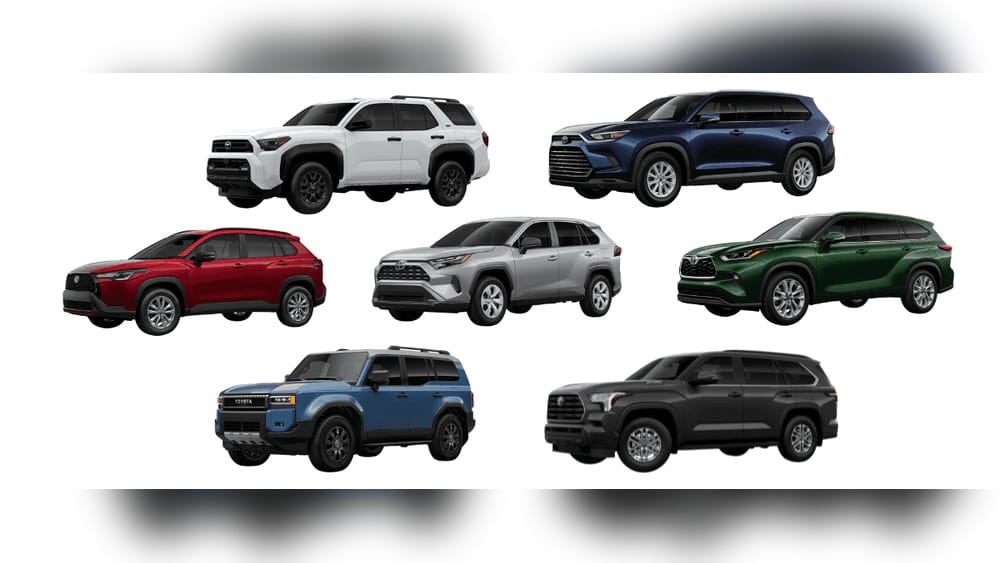
Credit: www.youtube.com
The True Cost Of Owning Car Tires In 2026
Installation, Balancing, And Disposal Fees
- Installation: $15–$30 per tire
- Balancing: $10–$20 per tire (often included)
- Tire Disposal Fee: $2–$5 per tire
These add-ons can increase the total cost for a set of four tires by $100–$200.
Some retailers bundle these services, while others itemize each fee. It’s important to ask for a detailed quote before buying, as hidden charges can inflate your final bill. For example, some shops charge extra for TPMS (Tire Pressure Monitoring System) reset, which is mandatory for newer vehicles.
Alignment And Additional Services
A wheel alignment is often recommended after new tire installation to ensure even wear. Expect to pay $75–$120 for a standard alignment.
Misaligned wheels can cause rapid tread wear, uneven tire performance, and compromised handling. Investing in alignment after installation ensures you maximize the lifespan of your new tires and maintain safe vehicle operation.
Additional services like tire rotation, puncture repair, and nitrogen inflation may be offered as part of a package, so compare service bundles when shopping.
Ongoing Maintenance Costs
Proper tire maintenance, including regular rotation, balancing, and pressure checks, can prolong tire life and enhance safety. Neglecting these can lead to premature wear and additional replacement costs.
- Rotation: Extends tire life, improves performance, and maintains warranty eligibility.
- Balancing: Reduces vibration, prevents uneven wear, and enhances fuel efficiency.
- Pressure Checks: Under-inflated tires increase rolling resistance, reducing fuel economy and accelerating wear.
Example Maintenance Cost Table
| Service | Frequency | Typical Cost | Potential Savings |
|---|---|---|---|
| Rotation | Every 5,000–8,000 miles | $15–$25 (per visit) | Extends tire life by 20–30% |
| Balancing | With rotation or as needed | $10–$20 (per tire) | Prevents uneven wear |
| Alignment | Annually or as needed | $75–$120 | Improves handling, extends tire life |
Neglecting maintenance can cost more in the long run. Uneven wear may force early replacement, while poor alignment can damage suspension components, leading to expensive repairs.
Tire Lifespan And Replacement Cycle
Most all-season tires last 40,000–80,000 miles, depending on driving habits and maintenance. At 15,000 annual miles, the average driver replaces tires every 3–5 years.
Factors influencing lifespan include road conditions, driving style, climate, and adherence to maintenance schedules. Aggressive driving or frequent exposure to potholes and debris can shorten tire life dramatically.
Monitoring tread depth and checking for signs of wear (e. g. , cupping, cracking, or bulges) is essential. Some tires include wear indicators or embedded sensors to alert drivers when replacement is necessary.
Real-world Example: Lifetime Tire Cost
Mark, a commuter in Atlanta, drives 60,000 miles in four years. He invests in Michelin Defender T+H tires at $170 each, with free rotations at his local retailer. Over four years, he spends:
- Tires: $680
- Installation/Fees: $100
- Rotations (included): $0
- Total: $780
Mark’s cost per mile is just 1. 3 cents—a solid value for premium tires.
This demonstrates how choosing tires with longer warranties and bundled services can reduce overall ownership costs. Conversely, buying cheaper tires with frequent replacements and paid maintenance could double lifetime expenses.
How To Save Money On Car Tires In 2026
Shop Online Vs. In-store
Online retailers can offer savings of $20–$50 per tire compared to local shops due to lower overhead. However, factor in shipping and local installation fees.
- Popular online retailers: Tire Rack, Discount Tire Direct, Amazon (Tire Rack)
- Local shops: May include perks like free rotations, flat repairs, or road hazard warranties.
Comparing reviews, prices, and service inclusions is critical. Some online retailers partner with local installers for seamless service, while others require you to arrange installation independently.
When shopping online, check return policies and warranty coverage. Some online deals may seem attractive until you realize installation or warranty services are limited.
Use Rebates And Seasonal Promotions
Tire manufacturers frequently offer rebates of $50–$100 per set during promotional periods. Look for deals during spring and fall.
Rebates can be combined with retailer discounts for even greater savings. Sign up for email alerts or follow brands on social media to stay informed about upcoming promotions.
Buy In Sets Of Four
Purchasing a full set often unlocks discounts and ensures consistent performance and wear.
Mixing tire brands or models can compromise handling and safety. Buying a complete set also makes it easier to track maintenance and warranty eligibility.
Consider Private Label Or Store Brands
Retailers like Walmart (Douglas) and Pep Boys (Definity) offer private label tires at significant savings, albeit with shorter warranties.
Store brands are manufactured by reputable companies but branded for retailers, offering a cost-effective alternative for budget-conscious consumers. Always review warranty terms and customer reviews before purchase.
Leverage Road Hazard Warranties
For a modest additional fee ($10–$25 per tire), many retailers offer road hazard protection, covering damage from potholes or debris. This can save money if you experience a blowout or unrepairable puncture.
Road hazard warranties are especially valuable for city drivers or those traveling on poorly maintained roads. Some programs also include free flat repairs or prorated replacements.
Real-world Example: Saving With Rebates
Sam found a $70 rebate on a set of Goodyear Assurance WeatherReady tires. By combining the rebate with an online discount, he saved $110 compared to in-store pricing.
Sam’s experience illustrates the importance of combining multiple offers for maximum savings. By researching and timing his purchase, he managed to afford a higher-quality tire within his budget.
What To Look For When Buying Tires
Treadwear Ratings And Longevity
The Uniform Tire Quality Grading (UTQG) system provides treadwear, traction, and temperature grades. Higher treadwear numbers generally indicate longer-lasting tires (Wikipedia: UTQG).
For example, a tire with a UTQG treadwear rating of 700 will typically outlast one with a rating of 400. Traction and temperature grades (e. g. , AA, A, B, C) measure braking performance and heat resistance. Choosing tires with high ratings ensures greater durability and safety.
Speed Ratings And Load Index
Select tires that match your vehicle’s recommended speed rating (H, V, W, etc.) and load index. Overspecifying can increase costs without added benefit; underspecifying can be unsafe.
Speed ratings correspond to maximum safe speeds, while load indexes indicate the weight each tire can support. Always consult your vehicle’s manual or tire placard to ensure compatibility.
Warranty And Return Policies
Longer treadwear warranties indicate manufacturer confidence and can provide peace of mind. Review return/exchange policies, especially when buying online.
Some brands offer satisfaction guarantees or free trial periods. Understanding the terms can prevent costly mistakes if the tires don’t meet your expectations.
Customer Reviews And Third-party Tests
Check independent reviews and Consumer Reports tire ratings to gauge real-world performance and durability (Consumer Reports).
User reviews highlight strengths and weaknesses for daily driving, while third-party tests evaluate braking, handling, and longevity under controlled conditions.
Installation Convenience
Opt for retailers that offer appointment scheduling and fast installation. Some online retailers partner with local shops for seamless service.
Convenience can be a deciding factor for busy drivers. Look for shops with flexible hours, quick turnaround, and comfortable waiting areas.
Environmental And Fuel Efficiency Ratings
Newer tires often include low rolling resistance technology, improving fuel economy and reducing emissions (U.S. Dept. of Energy).
Eco-friendly tires may cost more upfront but deliver long-term savings at the pump. Some brands are certified for reduced CO2 emissions, appealing to environmentally conscious consumers.
Real-world Example: Evaluating Reviews
Linda, shopping for minivan tires, compared user reviews and third-party tests. She chose Continental TrueContact Tour for its high treadwear rating and positive wet-weather performance, paying $155 per tire and avoiding poorly rated budget models.
Linda’s research ensured she received a tire suited to her driving needs, avoiding the frustration of premature wear or poor handling.
The Future Of Car Tire Pricing And Technology
Sustainable And Eco-friendly Tires
Manufacturers are increasingly investing in sustainable tire materials—such as silica, soybean oil, and recycled rubber—to meet environmental regulations and consumer demand (Michelin Sustainable Development). These eco-friendly tires may carry a premium price but offer longer life and reduced environmental impact.
The push for sustainability is accelerating, with brands pledging to use 100% renewable materials by 2030. Consumers can expect more options in the coming years, including tires that are easier to recycle or made with fewer toxic chemicals.
Smart And Connected Tires
Emerging technology includes smart tires with embedded sensors for real-time pressure, tread, and temperature monitoring. While currently found on luxury vehicles, prices are expected to decrease as adoption grows.
Smart tires can communicate with your vehicle’s onboard computer, alerting you to air loss, uneven wear, or overheating. As this technology becomes mainstream, maintenance will be easier and safer, though initial costs may be higher.
3d-printed And Custom Tires
Advancements in 3D printing may allow for custom tire designs tailored to individual vehicles and driving styles, potentially impacting pricing in the long run.
This could revolutionize how tires are manufactured, reducing waste and enabling rapid prototyping of new tread patterns. Custom tires may become more accessible, especially for enthusiasts seeking unique performance characteristics.
Impact Of Electric Vehicles (evs)
EVs require tires engineered for heavier loads and instant torque. EV-specific tires tend to cost 10–20% more than traditional tires but are optimized for low rolling resistance and quiet operation.
Tire manufacturers are developing specialized compounds and designs to address the unique demands of EVs, including improved durability and noise suppression. As EV adoption grows, the market for these tires will expand, influencing pricing and availability.
Predictions For 2026 And Beyond
- Continued price increases due to raw material costs and regulatory pressures.
- Greater emphasis on sustainability and smart features, driving innovation and price segmentation.
- Direct-to-consumer models may further disrupt traditional retail, offering more competitive pricing.
Consumers should prepare for a more diverse and technologically advanced tire market, with an increased focus on environmental impact and digital integration.
Frequently Asked Questions
How Much Should I Budget For A Full Set Of Car Tires In 2026?
For most passenger vehicles, expect to pay $400–$1,200 for a set of four new tires, including installation and fees. The exact amount depends on tire size, brand, and performance category.
If you drive a larger SUV, truck, or performance vehicle, your budget may need to increase accordingly. Always factor in installation, alignment, and road hazard protection when planning your tire purchase.
Are Expensive Tires Worth The Extra Money?
Premium tires often deliver better safety, longevity, and ride comfort. While upfront costs are higher, the extended tread life and reduced risk of blowouts can make them more cost-effective over time.
For drivers who commute long distances, value warranties, or prioritize safety, the investment in premium tires is justified. For infrequent drivers or those with older vehicles, budget tires may suffice.
How Can I Tell If I Need New Tires?
Replace your tires if the tread depth is below 2/32”, if you see sidewall cracks or bulges, or if they are over six years old. Uneven wear or persistent vibration can also indicate replacement is needed.
Checking tread depth with a penny or tread gauge and visually inspecting for damage is part of routine maintenance. Don’t wait for a blowout—timely replacement is essential for safety.
Do I Need Winter Tires If I Live In A Mild Climate?
If you experience frequent snow or ice, winter tires improve safety. In milder climates, high-quality all-season tires are usually sufficient.
Winter tires are specifically designed to remain flexible in cold temperatures, providing superior traction. In areas with occasional winter weather, consider all-weather tires as a compromise.
What Is The Best Way To Dispose Of Old Tires?
Most retailers include tire disposal in the installation fee. Used tires are typically recycled into products like playground surfaces or construction materials. Never dispose of tires in regular trash or illegal dump sites.
Responsible disposal protects the environment and complies with local regulations. Some communities host tire recycling events, offering free or reduced-cost drop-off.
As the tire industry continues to evolve, staying informed about pricing trends, technology, and maintenance best practices is the key to maximizing your investment. By understanding what drives the cost of car tires in 2026 and leveraging smart shopping strategies, you can ensure both your safety and your budget are well protected every time you hit the road.
Products related to this article
Sponsored / affiliate links. As an Amazon Associate I earn from qualifying purchases. I may earn additional commission from eligible campaigns.