How to Change a Car Tyre Step by Step (Complete Guide)
A flat tire can turn a smooth drive into a major inconvenience, but knowing how to change a car tyre can transform a stressful situation into a manageable task. Whether you’re on a busy highway or a quiet country road, the ability to quickly and safely replace a damaged tire is an essential skill for all drivers.
Not only does it save time and money, but it also builds confidence and ensures you’re never stranded for long.
This comprehensive guide will walk you through the entire process of changing a car tyre, step by step. We’ll cover everything from essential tools and safety precautions to troubleshooting real-life scenarios. You’ll find expert tips, data-driven comparisons, and answers to common questions.
By the end, you’ll be equipped with the knowledge and confidence to handle a flat tire efficiently, no matter where you are.
Key Takeaways
- Changing a car tyre is a straightforward process with the right tools, preparation, and knowledge.
- Safety first: Always choose a safe location, use hazard lights, and secure the vehicle before starting.
- Understanding your vehicle and tire type is crucial—refer to your owner’s manual for specifics.
- Real-world examples and data highlight the importance of regular tire maintenance and preparedness.
- This guide provides actionable, step-by-step instructions, troubleshooting tips, and expert insights.

Credit: derhamsalignment.com
Essential Tools And Preparations
Changing a car tyre efficiently begins with the right tools and preparation. Without the proper equipment or planning, even a simple tire change can become complicated or dangerous.
Basic Tools You Need
- Spare tire (fully inflated and in good condition)
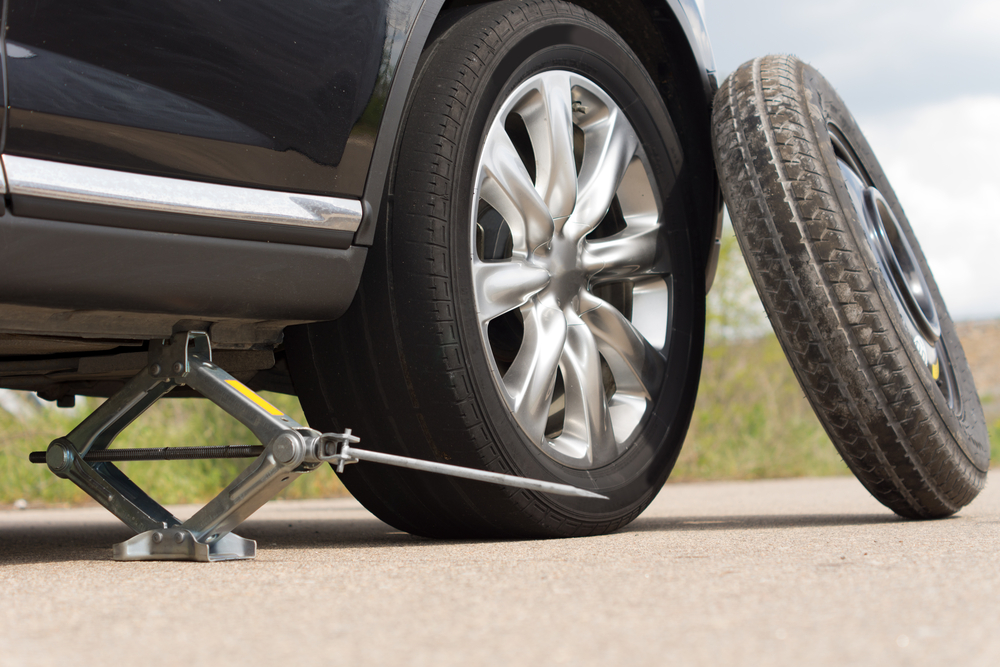
- Car jack (scissor or hydraulic)
- Lug wrench (cross or L-shaped)
- Wheel wedges or chocks
- Vehicle owner’s manual
- Reflective warning triangle and/or safety vest
- Flashlight (for night or low-visibility situations)
- Gloves (optional but recommended)
- Tire pressure gauge
Preparing For Emergencies
- Regularly inspect your spare tire to ensure it is properly inflated and free of damage.
- Store all necessary tools in your vehicle’s trunk, ideally in a dedicated kit.
- Familiarize yourself with the location of your car’s jack points and spare tire storage area—these are detailed in your owner’s manual.
- If possible, practice changing a tire at home in a safe environment before you encounter an emergency on the road.
Safety Precautions
- Always pull over to a safe, flat location away from traffic before attempting a tire change.
- Turn on hazard lights immediately to alert other drivers.
- Apply the parking brake and place wheel chocks behind the tires opposite the flat to prevent rolling.
- Never attempt to change a tire on a slope, wet grass, or soft ground, as the jack could shift or sink.
Case Study: The Importance Of Preparation
In 2026, a survey by the American Automobile Association (AAA) found that 28% of drivers experienced a flat tire in the previous five years. Of those, nearly 60% did not have all the necessary tools in their vehicle at the time. Being prepared reduces response time and enhances safety, especially in remote or high-traffic areas.

Credit: perrisautorepair.com
Step-by-step Guide: How To Change A Car Tyre
The following step-by-step instructions apply to most vehicles. Always consult your owner’s manual for any model-specific procedures or precautions.
Step 1: Find A Safe Location And Secure The Vehicle
- Pull over to a safe, level area away from traffic. If possible, choose a straight stretch of road with a wide shoulder.
- Turn on your hazard lights to alert approaching vehicles.
- Apply the parking brake and place the car in “Park” (automatic) or first gear/reverse (manual).
- Use wheel wedges or chocks to block the tire diagonally opposite the flat.
Step 2: Gather Tools And Remove The Hubcap
- Retrieve the spare tire, jack, and lug wrench from your trunk or storage compartment.
- If your wheel has a hubcap or wheel cover, gently pry it off using the flat end of the lug wrench.
Step 3: Loosen The Lug Nuts
- Use the lug wrench to turn each lug nut counterclockwise. Do not remove them completely—just break the initial resistance.
- It may require significant force; if needed, use your foot to press down on the wrench.
Step 4: Lift The Vehicle With The Jack
- Position the jack under the vehicle frame, near the flat tire. Consult your manual for the correct jack point.
- Raise the car until the flat tire is about 6 inches off the ground. Never place any part of your body under the vehicle during this process.
Step 5: Remove The Flat Tire
- Fully unscrew the loosened lug nuts and set them aside in a secure place.
- Carefully remove the flat tire by pulling it straight toward you.
- Place the flat tire flat on the ground to prevent it from rolling away.
Step 6: Mount The Spare Tire
- Align the holes in the spare tire with the wheel bolts.
- Push the spare tire onto the hub until it is flush against the mounting surface.
- Hand-tighten the lug nuts as much as possible.
Step 7: Lower The Vehicle And Tighten Lug Nuts
- Lower the car slowly with the jack until the spare tire touches the ground and can support the vehicle’s weight (but is not fully lowered).
- Tighten the lug nuts in a star pattern to ensure even pressure.
- Lower the vehicle completely and fully tighten the lug nuts with the wrench.
Step 8: Replace Hubcap And Check Tire Pressure
- Reattach the hubcap or wheel cover if it fits the spare.
- Check the spare tire’s pressure using a tire gauge. Inflate to the recommended PSI if necessary.
- Stow all tools and the flat tire securely in your trunk.
Step 9: Drive Carefully To A Repair Facility
- Spare tires (especially “donut” spares) are designed for short-term, low-speed use only.
- Drive no faster than 50 mph and avoid sudden braking or sharp turns.
- Visit a professional repair shop as soon as possible to repair or replace your damaged tire.
Real-world Example: Highway Tire Change
In 2026, a driver on Interstate 80 in California experienced a blowout. By following the above steps and using reflective triangles, they safely changed the tire within 20 minutes, minimizing risk and delay. The use of proper safety equipment and adherence to procedure were credited for the smooth outcome.
Understanding Different Types Of Spare Tires
Not all spare tires are created equal. Understanding the types and their limitations is crucial for safe driving after a tire change.
Full-size Spare Tires
- Same size and type as your regular tires.
- Can be used as a direct replacement without speed or distance limitations.
- Heavier and requires more storage space.
Temporary/compact “donut” Spares
- Smaller and lighter than standard tires.
- Designed for short-term, emergency use only.
- Typically limited to 50 miles at speeds under 50 mph.
Run-flat Tires
- Allow you to drive for a limited distance even after a puncture.
- No need to change immediately, but should be inspected and replaced as soon as possible.
- More expensive and may require specialized service.
Tire Sealant Kits
- Some modern cars come with sealant kits and air compressors instead of a spare tire.
- Sealant can temporarily plug small punctures but is ineffective for large holes or blowouts.
- Not a substitute for a traditional spare in all situations.
Comparison Table: Spare Tire Types
| Spare Type | Range | Speed Limit | Advantages | Limitations |
|---|---|---|---|---|
| Full-Size Spare | Unlimited | Normal | Same as regular tire, no restrictions | Heavy, takes more space |
| Donut/Compact | ~50 miles | 50 mph | Lightweight, easy to store | Limited range/speed, less traction |
| Run-Flat | ~50 miles | 50 mph | No immediate change needed | Expensive, rougher ride |
| Sealant Kit | ~30 miles | Varies | Lightest, easy to use | Not for large holes/blowouts |
Real-world Example: Donut Tire Limitations
A study by the National Highway Traffic Safety Administration found that over 40% of tire-related breakdowns in newer vehicles involved compact spares. Drivers often exceeded recommended distance or speed, leading to additional tire or wheel damage. Always follow manufacturer guidelines for your specific spare type.
Credit: www.cbac.com
Common Mistakes And How To Avoid Them
Even experienced drivers can make errors during a tire change. Awareness of frequent mistakes helps you avoid unnecessary risk or damage.
Not Securing The Vehicle Properly
- Failure to use the parking brake or chocks can result in the car rolling during the change.
- Always double-check that the vehicle is stable before lifting.
Incorrect Jack Placement
- Placing the jack under a non-reinforced area can damage your car’s frame or cause the jack to slip.
- Refer to your manual for designated jack points.
Over Or Under-tightening Lug Nuts
- Loose lug nuts can cause the wheel to wobble or detach.
- Over-tightening can strip threads or damage the bolts.
- Tighten in a star pattern for even pressure.
Using A Damaged Or Flat Spare
- Always check spare tire pressure before installation.
- Replace spares that are more than 6 years old, even if unused, as rubber degrades over time.
Not Checking For Additional Damage
- After a blowout, inspect the wheel well and brake components for debris or secondary damage.
- If you suspect damage beyond the tire, call for professional assistance.
Case Study: The Cost Of Overlooking Safety
In 2019, a motorist in Texas attempted to change a tire on a sloped driveway without wheel chocks. The car rolled off the jack, causing injury and additional vehicle damage. This incident underlines the critical importance of securing your vehicle on a flat surface.
When To Call For Professional Assistance
While changing a tire is a valuable skill, there are situations where it’s safer and wiser to seek help from roadside assistance or a professional.
Unsafe Locations Or Conditions
- Heavy traffic, poor lighting, or narrow shoulders increase risk.
- Inclement weather (rain, snow, ice) can make changing a tire hazardous.
Lack Of Proper Tools Or Experience
- If you are missing key tools (jack, wrench, spare) or do not feel confident, call for help.
- Some vehicles, such as electric cars, require special procedures for tire changes.
Severe Tire Or Wheel Damage
- If the tire is shredded, the wheel is bent, or the car is damaged in an accident, do not attempt a roadside change.
Subscription Services And Emergency Support
Many manufacturers and insurance providers offer roadside assistance programs that include tire changes. AAA, for example, responded to over 4 million tire-related calls in 2026 (AAA Newsroom). Check your coverage before you travel.
Example: Using Roadside Assistance
A family traveling through rural Nevada had a flat tire at night with no shoulder. They used their emergency call button (available in many modern vehicles) to contact roadside assistance, who arrived within 45 minutes. Their decision to wait for help rather than attempt a change in hazardous conditions ensured everyone’s safety.
Tire Maintenance: Prevention And Best Practices
Regular tire maintenance significantly reduces the likelihood of flats and blowouts, ensuring safer and more efficient driving.
Checking Tire Pressure
- Use a tire pressure gauge to check all tires (including the spare) monthly.
- Inflate to the manufacturer’s recommended PSI, found on the driver’s door placard or in the owner’s manual.
- Underinflated tires contribute to 33% of blowouts according to the National Highway Traffic Safety Administration (NHTSA).
Inspecting Tread And Sidewalls
- Look for uneven wear, bulges, cracks, or embedded debris.
- The “penny test” can check tread depth: Insert a penny into the tread with Lincoln’s head down. If you can see the top of his head, it’s time to replace the tire.
Rotating And Balancing Tires
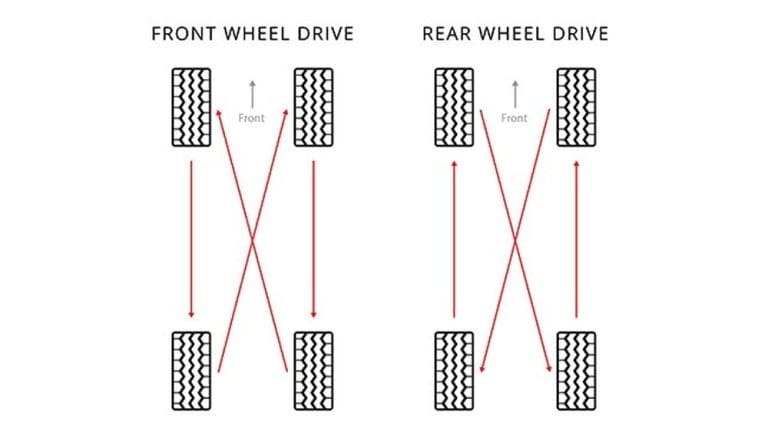
- Rotate tires every 5,000–8,000 miles to ensure even wear.
- Have tires balanced and aligned during routine maintenance to extend lifespan and improve handling.
Replacing Aging Tires
- Even with good tread, replace tires every 6–10 years.
- Check the DOT code on the tire sidewall for the manufacture date.
Example: Tread Depth And Accident Risk
A 2020 study published in the journal Accident Analysis & Prevention found vehicles with tread depth below 2/32” were twice as likely to be involved in wet weather accidents (ScienceDirect). Regular checks mitigate this risk.
Tire Maintenance Checklist Table
| Task | Frequency | Action | Benefits |
|---|---|---|---|
| Check Pressure | Monthly | Use gauge, inflate as needed | Reduces blowout risk, improves fuel efficiency |
| Inspect Tread/Sidewalls | Monthly | Look for wear, damage | Prevents unexpected flats |
| Rotate Tires | 5,000–8,000 miles | Swap front/rear positions | Ensures even wear, prolongs life |
| Replace Tires | 6–10 years | Check DOT code | Maintains safety, performance |
Troubleshooting: What If Something Goes Wrong?
Sometimes, unexpected challenges arise during a tire change. Knowing how to troubleshoot can help you resolve issues safely and efficiently.
Stuck Or Rusted Lug Nuts
- Apply penetrating oil (WD-40) and wait several minutes.
- Use a longer wrench for additional leverage.
- If lug nuts remain stuck, seek professional assistance to avoid damaging the wheel studs.
Jack Won’t Lift The Car
- Ensure you are on a hard, flat surface.
- Double-check the jack position; adjust if necessary.
- If the jack is damaged or unstable, do not attempt to improvise. Call for assistance.
Spare Tire Won’t Fit
- Verify you have the correct spare for your vehicle model.
- Check for obstructions or damage on the hub or mounting area.
- Never force a spare that does not align properly.
Wheel Won’t Come Off
- Corrosion can cause the wheel to stick to the hub.
- Gently kick the sidewall with the bottom of your foot (while the car is securely supported).
- If unsuccessful, reinstall the lug nuts loosely and lower the car—driving forward a few feet can help break the bond.
Data Point: Roadside Assistance Calls
According to NerdWallet, over 15 million roadside assistance calls in the US annually involve tire issues. Many could be resolved with better preparation or troubleshooting skills.
Advanced Tips For Safe And Efficient Tire Changes
For those seeking to further enhance their skills and safety, consider these expert recommendations.
Keep An Emergency Kit
- Include rain poncho, kneeling mat, reflective vest, portable air compressor, and phone charger.
- Keep a list of emergency contacts and your roadside assistance membership card handy.
Use Technology
- Many vehicles now come equipped with tire pressure monitoring systems (TPMS). Pay attention to dashboard alerts.
- Consider installing a dashcam to document roadside incidents for insurance purposes.
Practice Regularly
- Periodically practice changing a tire in your driveway to maintain familiarity with your tools and process.
- Teach household members and new drivers how to perform a tire change.
Stay Informed
- Read your vehicle owner’s manual and stay updated with manufacturer recalls or service bulletins related to tires and wheels.
- Refer to trusted resources like NHTSA and Consumer Reports for the latest safety guidelines.
Real-world Example: Learning From Experience
A 2026 survey by Consumer Reports found that drivers who had practiced changing a tire at home were 40% faster and made fewer errors during real emergencies than those who had not.
Frequently Asked Questions
What Should I Do If I Don’t Have A Spare Tire?
Many newer vehicles rely on tire sealant kits or run-flat tires instead of a traditional spare. Check your vehicle’s trunk or manual to see what’s provided. If you’re missing a spare, consider purchasing a full-size or compact spare from your dealer or a reputable retailer. In the event of a flat and no spare, use your sealant kit if possible and drive to the nearest repair facility, or call roadside assistance for help.
How Long Can I Drive On A “donut” Spare Tire?
Compact “donut” spares are designed for short distances only, typically up to 50 miles at speeds not exceeding 50 mph. Exceeding these limits can result in tire failure, poor handling, and increased risk of accidents. Always replace or repair your damaged tire as soon as possible and reinstall a proper tire.
Why Is It Important To Tighten Lug Nuts In A Star Pattern?
Tightening lug nuts in a star or crisscross pattern ensures even distribution of pressure across the wheel. This prevents warping of the brake rotor or wheel and ensures the tire seats properly. Uneven tightening can lead to vibrations, wheel wobble, or even the wheel coming loose during driving.
Can I Use A Jack From Another Vehicle?
While many jacks are similar, it is safest to use the jack provided with your specific vehicle. Different vehicles have different weight ratings and jack point locations. Using an incompatible jack can lead to improper lifting, vehicle damage, or personal injury.
What If I Get A Flat Tire At Night Or In Bad Weather?
If you experience a flat tire at night or during adverse weather, prioritize safety. Turn on hazard lights, use reflective gear, and move as far from traffic as possible. If conditions are too hazardous—such as poor visibility, rain, snow, or ice—wait for professional roadside assistance rather than risking injury. Always carry a flashlight and emergency supplies for such situations.
Changing a car tyre is a skill every driver should master. With the right tools, knowledge, and preparation, you can confidently handle a flat tire wherever you are. Regular tire maintenance and awareness of your vehicle’s equipment can prevent many emergencies before they occur.
Remember, when in doubt, prioritize safety and seek professional help when necessary. Empower yourself with these steps, and you’ll ensure smooth journeys, mile after mile.
Products related to this article
Sponsored / affiliate links. As an Amazon Associate I earn from qualifying purchases. I may earn additional commission from eligible campaigns.