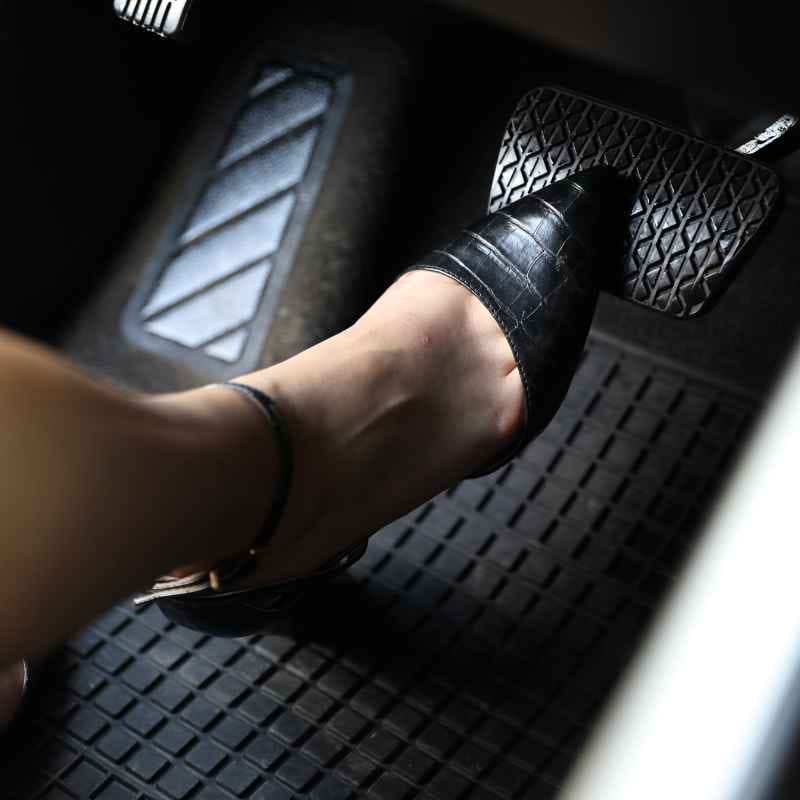
Why Is Brake Pedal Free Play Important For Safe Driving?
Brake pedal free play is the small amount of distance the pedal moves before the brake system starts to engage. Having the correct amount ensures quick and effective braking. Too much free play means delayed stopping, which is dangerous.
Too little can cause brakes to drag, leading to overheating and wear.
Understanding Brake Pedal Free Play
What exactly is this “free play”? Think of it as a little bit of wiggle room in your brake pedal. When you first push down, the pedal moves a bit before the brake pads actually start squeezing the rotors.

As an Amazon Associate I earn from qualifying purchases.
This small movement is the free play. It’s designed to be there. It allows the brake system components to settle and be ready.
In a healthy car, this free play is minimal. You might not even notice it. It’s just a tiny bit of travel.
This is how the car is built to work. It ensures everything is in its right spot before the real work begins. It’s like a quick, gentle handshake before a firm grip.
The brake system relies on fluid. This fluid is pushed through lines when you press the pedal. If there’s too much space before the fluid starts moving things, your brakes won’t work as fast as they should.
This delay can be a big problem in an emergency. It means you need more distance to stop.
The opposite can also be an issue. If there’s almost no free play, the brake pads might be constantly touching the rotors. This makes your brakes drag.
Dragging brakes don’t help you stop faster. Instead, they create heat. This heat can damage brake parts and make them less effective over time.
It’s a costly problem.
My Own Brake Pedal Scare
I remember one time, I was driving my older sedan. It was a rainy Tuesday evening. I was heading home from a friend’s house.
The roads were slick. I saw a car ahead of me stop suddenly. My first instinct was to hit the brakes.
But as I pressed down, the pedal just felt… soft. It went way further than I was used to. My stomach dropped.
It felt like my car wasn’t slowing down fast enough. That split second of panic felt like an eternity. Thankfully, I had enough space, and the car stopped.
But it really shook me. I immediately pulled over and checked. The brake fluid looked okay, but something was off.
That day taught me a huge lesson. I learned how crucial even small things like brake pedal feel are.
What is Brake Pedal Travel?
Brake Pedal Travel is the total distance the brake pedal moves from its resting position to its furthest point when you apply full pressure.
Free Play is the initial part of this travel before the brakes start to engage.
Engaging Travel is the part of the pedal’s movement after the brakes begin to grip.
Total Travel = Free Play + Engaging Travel.
It’s important to have a good balance between these. Too much free play is a sign of trouble.
So, what makes this free play change? Many things can affect it. Some are simple fixes.
Others point to bigger issues. Understanding these causes helps you know when to worry. It helps you know when to get your car checked.
Common Causes of Excessive Free Play
One of the most common reasons for too much free play is low brake fluid. Your brake system uses fluid to create pressure. If the fluid level drops, there’s less fluid to push.
This means the pedal has to travel further to move enough fluid. Think of it like trying to push water through a straw. If there’s only a little water, you have to suck harder and longer.
Leaking brake fluid is a major culprit. If there’s a leak anywhere in the brake lines, hoses, or at the calipers or wheel cylinders, fluid will escape. As fluid leaves, the level drops.
This directly causes more free play. A leak is serious business. It means your brakes won’t work properly.
Another cause is wear on your brake pads. Brake pads get thinner as you use them. When they get very thin, the brake caliper has to extend further to push them against the rotor.
This extra movement of the caliper piston adds to the distance the pedal travels before engagement. It’s a natural part of wear, but it needs to be managed.
Sometimes, the issue can be with the brake master cylinder. This is the heart of the braking system. It converts the force from your foot into hydraulic pressure.
If the seals inside the master cylinder are worn, they can let fluid bypass. This means the system doesn’t build enough pressure. The pedal will feel soft and sink further.
Problems with the brake booster can also play a role. The brake booster helps you push the pedal with less effort. If it’s failing, you might still have brakes, but they might feel different.
The pedal could feel spongy or sink to the floor. This is not usually a direct cause of free play, but it can mimic the symptom of a sinking pedal.
Air in the brake lines is another big one. When brake fluid is replaced or if there’s a leak, air can get into the system. Air is compressible.
Unlike brake fluid, which is not, air can be squeezed. This means when you press the pedal, some of that force is used to compress the air. This leads to a spongy pedal feel and increased free play.
This is why bleeding the brakes is so important.
Common Culprits for Pedal Issues
- Low Brake Fluid: Not enough fluid to create pressure.
- Brake Fluid Leaks: Fluid escaping from lines or components.
- Worn Brake Pads: Pads are too thin, needing more caliper travel.
- Failing Master Cylinder: Seals leak, preventing proper pressure build-up.
- Air in Brake Lines: Compressible air weakens the hydraulic force.
- Worn Brake Hoses: Rubber hoses can expand under pressure.
In some cars, especially older ones or those with drum brakes in the rear, there are adjusters. These adjusters help keep the brake shoes close to the drums. If these adjusters aren’t working right, it can lead to more free play.
Modern cars with disc brakes usually self-adjust.
Checking Your Brake Pedal Free Play
You don’t need to be a mechanic to do a basic check. It’s something everyone should know how to do. It can give you early warning signs.
Safety first, always. Make sure your car is parked on a flat surface. Put the parking brake on securely.
Start by getting into your car. Make sure the engine is off. Gently press the brake pedal with your foot.
Feel how it feels. Is it firm? Does it have a small amount of travel before you feel resistance?
Or does it feel soft and sink easily?
Now, press the pedal with light pressure. Try to push it down. Feel where it starts to get firm.
That initial distance it moves is the free play. Compare this to what feels normal for your car. If you’ve never paid attention, this might be hard.
But generally, it shouldn’t feel like you’re pushing it all the way to the floor.
Next, press the pedal harder. Push it down as if you were braking firmly. Does it sink all the way to the floorboard?
If it does, that’s a serious warning sign. Your car might not stop when you need it to. You should stop driving this car and have it checked immediately.
A good way to understand normal feel is to test it when you know the brakes are working well. For example, after getting brake service. Then, you have a baseline.
You can feel the difference if something changes.
It’s important to note what “normal” can be for different cars. Some cars have slightly more free play than others by design. However, any significant change from what you are used to is cause for concern.
If the pedal feels mushy, or sinks lower than before, it’s time to investigate.
Simple Pedal Check Steps
- Park on a level surface.
- Engage the parking brake.
- Turn off the engine.
- Gently press the brake pedal.
- Note the amount of travel before resistance.
- Press the pedal firmly.
- Check if it sinks towards the floor.
- If pedal sinks or feels spongy, seek service.
When checking, also look under the car for any visible signs of leaks. Check the brake fluid reservoir under the hood. It’s usually a clear or semi-clear plastic tank near the driver’s side firewall.
Make sure the fluid level is between the MIN and MAX lines. If it’s low, that’s a strong indicator of a problem, most likely a leak.
The Dangers of Too Much Free Play
Why is this free play thing so critical? It boils down to safety. When your brake pedal has too much free play, it means your brakes are not engaging as quickly as they should.
This is like adding extra time to your reaction. In a driving situation, time is everything.
Imagine you’re driving down the highway. You see brake lights ahead. You need to slow down.
You lift your foot off the gas and move it to the brake. You press the pedal. If there’s too much free play, that initial push does nothing for braking.
Your foot travels further. The car travels further. Only then do the brakes begin to work.
This extra distance could be the difference between a smooth stop and a collision.
This is especially dangerous in emergency situations. When you have to brake hard and fast, every fraction of a second counts. A delayed brake response can lead to accidents.
It can cause rear-end collisions if someone is tailgating you. It can mean you can’t avoid an obstacle in the road.
Another risk is the potential for brake failure. If the free play is due to a significant fluid leak or a failing master cylinder, the brakes might stop working altogether. This is the worst-case scenario.
It’s why checking your brakes regularly is so vital. Don’t wait for a problem to show up.
Furthermore, excessive free play can lead to uneven braking. If one side of the car has more free play than the other due to uneven pad wear or a system issue, your car might pull to one side when you brake. This makes the car harder to control, especially at higher speeds.
In some cases, a sinking pedal can also mean the brake fluid is old and contaminated. Old fluid can cause corrosion within the brake system. It can also degrade brake components over time.
This further compromises braking performance and safety.
Risks of Ignoring Free Play
- Increased Stopping Distance: Takes longer to engage brakes.
- Accident Risk: Higher chance of rear-end collisions or failing to avoid obstacles.
- Sudden Brake Failure: May indicate a serious leak or component failure.
- Loss of Control: Uneven braking can cause the car to pull.
- Component Damage: Continued use can worsen underlying issues.
The United States Department of Transportation, through the National Highway Traffic Safety Administration (NHTSA), emphasizes regular vehicle maintenance. Brake systems are among the most critical safety components. Ensuring they function correctly, including proper pedal feel, is a key part of responsible car ownership.
What If Your Pedal Is Too Firm?
While we’re talking about free play, it’s worth mentioning the opposite problem: a pedal that’s too firm or doesn’t move much at all. This is often a sign of a different issue. It could mean the brake calipers are sticking.
Or perhaps the brake pads are not retracting properly.
If the brake pads constantly drag on the rotors, it creates a lot of heat. This can cause the brakes to fade. Fading brakes lose their effectiveness.
It can also lead to premature wear of the brake pads and rotors. You might notice a burning smell or your car pulling to one side if one brake is dragging more than another.
A problem with the brake booster itself could also cause a very firm pedal. If the booster isn’t getting vacuum or has internal issues, you’ll have to push much harder to brake. This is not only tiring but also reduces your braking power.
In short, any abnormal feel in your brake pedal – whether it’s too soft, too firm, sinks, or feels spongy – needs attention. Your brakes are your car’s most important safety feature.
Real-World Scenarios and Habits
Driving habits can impact brake wear and, indirectly, pedal feel over time. Frequent hard braking, like speeding up and then slamming on the brakes repeatedly, puts a lot of stress on the brake system. This can accelerate wear on pads and rotors, potentially leading to issues sooner.
Driving in certain environments also plays a role. For example, driving in areas with lots of hills means you’ll use your brakes more often, especially on descents. This increased usage can lead to faster wear.
In stop-and-go city traffic, constant light braking also contributes to wear and heat build-up.
The design and materials of brake components are also important. Higher-quality brake pads and rotors might last longer and maintain their performance better. However, even the best parts will wear out eventually.
User behavior is critical. Many people only think about their brakes when they start making noise or feel significantly different. But regular checks, like the simple pedal test, are part of smart driving.
Paying attention to your car’s signals can prevent small issues from becoming big, dangerous ones.
Environmental & Habitual Factors
Driving Environment:
- Hilly terrain increases brake usage.
- Stop-and-go traffic leads to constant light braking.
- Rural roads with fewer traffic lights can mean less brake use.
Driving Habits:
- Aggressive acceleration and braking cause rapid wear.
- Riding the brake pedal (keeping foot on it while driving) generates heat.
- Gentle braking extends pad life.
It’s also worth considering when you last had your brake fluid changed. Brake fluid absorbs moisture over time. This lowers its boiling point, making it less effective, especially under heavy braking.
Most manufacturers recommend changing brake fluid every 2-3 years. This service also involves bleeding the system, removing air.
What This Means for You: Normal vs. Concerning
So, when should you feel comfortable, and when should you get worried? Let’s break it down.
Normal: A very slight, barely perceptible amount of free play when you first touch the pedal. The pedal feels firm and responsive soon after. It doesn’t sink towards the floor when you press it moderately hard.
Concerning:
- The pedal sinks noticeably further than it used to.
- The pedal feels spongy or mushy.
- You can push the pedal almost all the way to the floor with moderate pressure.
- The pedal feels significantly different from when it was last serviced.
If you notice any of the “concerning” signs, it’s time to act. Don’t wait for it to get worse. A little free play is normal.
A lot of free play, or a sinking pedal, is not.
You can do simple checks yourself. But for a full diagnosis, it’s best to visit a trusted mechanic. They have the tools and expertise to find the exact cause of the problem.
Quick Tips for Brake Health
While specific fixes require a mechanic, here are some general guidelines to keep your brakes in good shape:
- Regular Inspections: Have your brakes checked as part of your routine car maintenance. Many shops offer free brake inspections.
- Check Brake Fluid: Regularly look at the brake fluid level in the reservoir. Keep it between the MIN and MAX marks.
- Listen to Your Car: Pay attention to any new noises when braking, like squealing or grinding.
- Feel the Pedal: Be aware of how your brake pedal feels. Any significant change is a reason to investigate.
- Avoid Hard Braking Often: Drive smoothly to prolong the life of your brake components.
- Replace Old Fluid: Follow your car manufacturer’s recommendation for brake fluid changes (usually every 2-3 years).
Brake Pedal Feel Guide
| Pedal Feel | Possible Cause | Action Needed |
| Slight, firm travel | Normal | Continue monitoring |
| Spongy or soft pedal | Air in lines, low fluid, leak | Immediate inspection required |
| Pedal sinks to floor | Major leak, failing master cylinder | Stop driving, get towed |
| Very firm pedal | Brake booster issue, caliper sticking | Inspection recommended |
| Pedal pulsates | Warped rotors, ABS activating | Inspection recommended |
Remember, your brakes are tied into other systems. For example, the anti-lock braking system (ABS). If ABS warning lights are on, that also indicates a brake system issue that needs attention.
Frequently Asked Questions About Brake Pedal Free Play
What is considered normal brake pedal free play?
Normal free play is very minimal. It’s the tiny bit of movement before you feel resistance. Most car manuals specify a range, but it’s usually less than an inch of pedal travel.
The key is consistency. If it changes significantly, it’s a concern.
How do I know if my brake pedal is sinking?
If your brake pedal sinks towards the floor as you apply pressure, it’s a clear sign something is wrong. This indicates a loss of hydraulic pressure, often due to leaks or a faulty master cylinder. Stop driving the vehicle and have it inspected immediately.
Can worn brake pads cause a sinking pedal?
Worn brake pads usually cause the pedal to travel further before engagement, increasing free play. However, a very severely worn pad, combined with other issues like a caliper problem or low fluid, could contribute to a pedal that sinks more than usual. It’s usually a symptom of a larger issue.
How often should I check my brake fluid?
It’s a good practice to check your brake fluid level at least once a month, along with other basic fluid checks like oil and coolant. Visually inspect the reservoir to ensure the fluid is between the MIN and MAX lines. Also, pay attention to its color; dark or cloudy fluid may need changing.
What does it mean if my brake pedal feels spongy?
A spongy brake pedal usually means there is air in the brake lines. Air is compressible, unlike brake fluid. When you press the pedal, the air gets compressed instead of the fluid creating pressure, leading to a soft, mushy feel.
This requires the brake system to be bled.
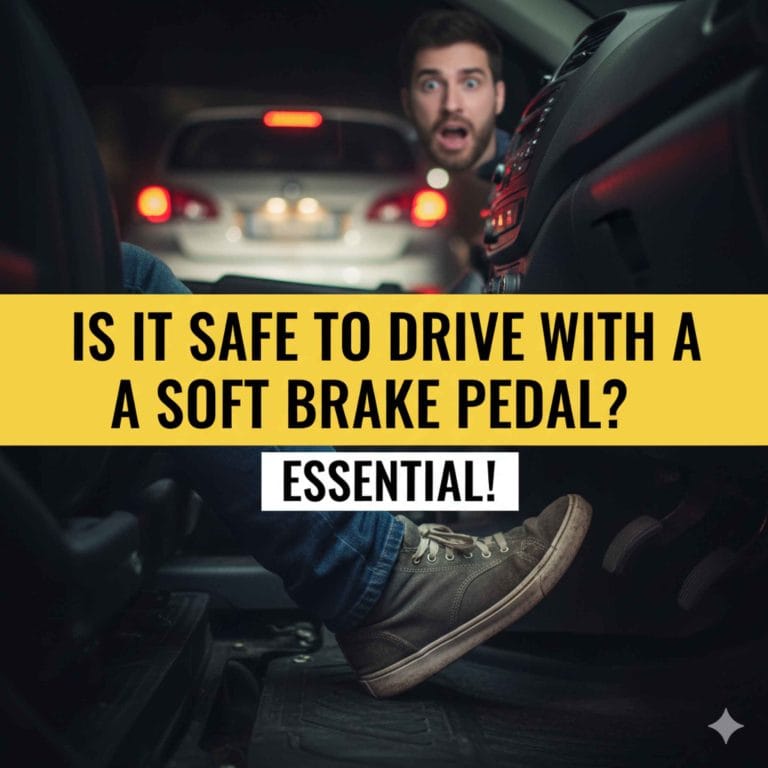
Is it safe to drive with a sinking brake pedal?
No, it is absolutely NOT safe to drive with a sinking brake pedal. This symptom indicates a critical failure in your braking system, such as a major fluid leak or a problem with the master cylinder. Driving the vehicle could lead to complete brake failure and a dangerous accident.
Conclusion
Your brake pedal’s feel is a direct communication from your car’s safety system. That small amount of free play is normal and necessary. But when it changes, it’s telling you something.
Paying attention to this can save you from a dangerous situation. Regular checks and prompt attention to any changes are key to keeping your brakes working perfectly. Your safety and the safety of others depend on it.
See also why does my gas pedal vibrate common causes and easy fixes. See also how do you say pedal in spanish translation and usage.
Related pick: Check today's price on Amazon See also pedal not working on electric piano here’s how to fix it.
Products related to this article
Sponsored / affiliate links. As an Amazon Associate I earn from qualifying purchases. I may earn additional commission from eligible campaigns.