Pros And Cons Of One Pedal Driving: Is It Worth It?
One-pedal driving uses regenerative braking to slow the car when you lift your foot off the accelerator. This lets you control speed and stop the car with just one pedal, offering potential benefits like increased efficiency and a smoother ride, but it requires an adjustment period.
What Exactly is One-Pedal Driving?
One-pedal driving is a feature found in many electric vehicles (EVs) and some hybrid cars. It uses strong regenerative braking. This means when you lift your foot off the accelerator pedal, the car slows down automatically.
It feels a bit like engine braking in a manual car. But it’s much stronger. The car uses its electric motor to slow down.
This process captures energy. It sends that energy back to the battery. So, you use less friction brake.
You also get more range from your battery.
The system is often called “one-pedal mode” or “strong regenerative braking.” The amount of slowing force can usually be adjusted. You can set it to be very strong or quite gentle. Some cars let you change it on the fly.
Others have different driving modes that affect it. The goal is to let you drive most of the time using just the accelerator pedal. You only need the brake pedal for sudden stops or when you want to stop very quickly.
My First Time Trying One-Pedal Driving
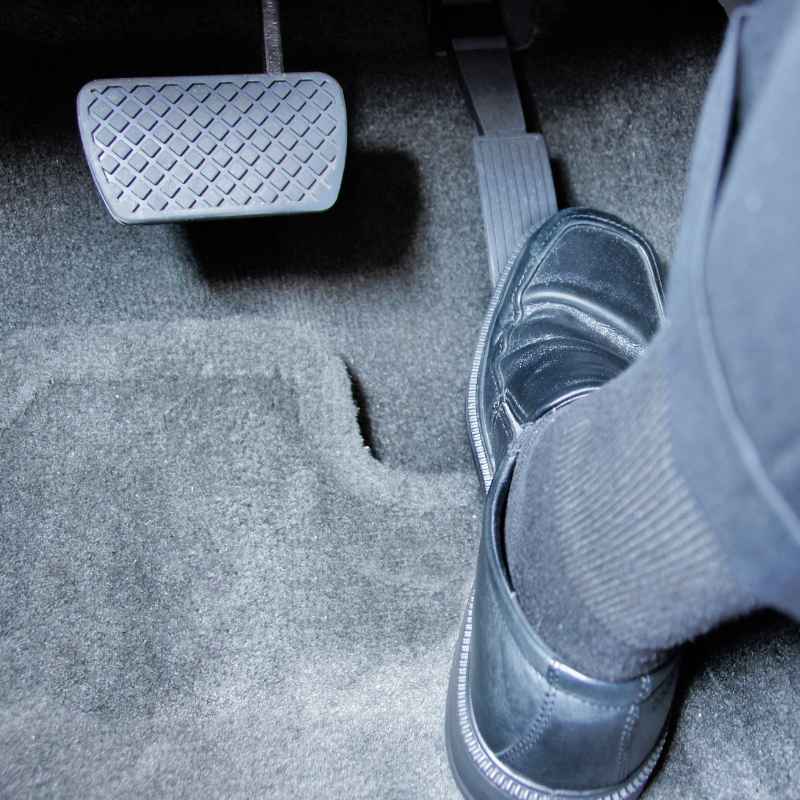
I remember my first time in an EV with strong one-pedal driving. I was at a charging station, ready to head out. The salesperson explained it briefly.
I nodded, thinking I understood. Then I pulled out onto the street. I gently pressed the accelerator.
The car moved forward smoothly. Then, I eased my foot off. WHOA!
The car slowed down so fast. It felt like I had hit the brakes hard. My passenger almost bumped the dashboard.
My initial reaction was a mix of surprise and slight panic. I immediately pressed the accelerator again. The car sped up.
I lifted my foot again. The car slowed sharply once more. It took me a good ten minutes to get the hang of it.
I had to learn to make very small, subtle movements with my foot. It was like learning to walk again. I was used to coasting.
Now, I had to actively manage my foot’s position. It felt strange. But I could already see the potential.
It was like a new superpower for driving.
The Pros of One-Pedal Driving
There are several good reasons why one-pedal driving is becoming so popular. It really can change your driving experience for the better. Let’s explore some of the biggest advantages.
Increased Driving Efficiency and Range
This is a major benefit for EV owners. Because regenerative braking captures energy that would otherwise be lost as heat, it sends that energy back to the battery. This means you can travel further on a single charge.
Think of it as getting free miles just by driving normally. The stronger the regeneration, the more energy you can capture. This is especially true in stop-and-go traffic.
Every time you lift your foot, you’re topping up the battery a little.
I’ve noticed this myself. On my usual commute, which has a lot of traffic lights, I see my estimated range increase. It’s not a huge jump, but it adds up.
If you drive mostly in the city, one-pedal driving can significantly boost your car’s effective range. Some people even report getting 10-15% more miles per charge when using it consistently.
Smoother and More Relaxed Driving
Once you get used to it, one-pedal driving can make your commute much more relaxing. You spend less time switching between the accelerator and the brake pedal. This reduces the physical effort involved.
It also means fewer jerky movements. Instead of constantly accelerating and braking hard, you can make smooth adjustments. Your car glides more.
Passengers often find this much more comfortable. It feels less like a stop-start race.
Imagine cruising down a road with gentle hills. You can ease off the accelerator as you go downhill. The car slows itself smoothly.
Then, as you approach the next light, you lift your foot even more. The car slows down gradually. It feels very controlled and calm.
This kind of driving can actually lower your stress levels. It makes the journey more enjoyable.
Reduced Wear on Friction Brakes
Your car’s conventional brakes (the ones you press with the brake pedal) are usually made of pads and rotors. These parts wear down over time. They need to be
This is a practical advantage. It means lower maintenance costs over the life of the vehicle. While the initial cost of an EV can be high, savings like this add up.
It’s a win-win: better for your wallet and better for the environment because you’re replacing parts less often.
Easier Driving in Traffic
Stop-and-go traffic can be a real pain. With traditional driving, you’re constantly tapping the brake pedal. This can be tiring and annoying.
One-pedal driving simplifies this. You can maintain a slow crawl by just feathering the accelerator. When you need to stop, you simply lift your foot completely.
The car stops smoothly. When traffic starts moving again, you gently press the accelerator. It makes the whole experience less demanding.
I’ve found this particularly helpful on my daily commute. That annoying stretch with constant red lights? It’s now much less of a chore.
I can almost glide from one stop to the next. It’s a small change, but it makes a big difference to my overall mood after driving.
One-Pedal Driving: Quick Scan
Benefit: Increased Efficiency
Details: Recaptures energy, extends battery range.
Benefit: Smoother Ride
Details: Less pedal switching, gentler stops.
Benefit: Brake Longevity
Details: Reduces wear on friction brakes.
Benefit: Easier Traffic
Details: Simplified stop-and-go control.
The Cons of One-Pedal Driving
While one-pedal driving has many advantages, it’s not perfect for everyone. There are some drawbacks to consider.
Understanding these can help you decide if it’s right for you.
Learning Curve and Adjustment Period
As I mentioned, it takes time to get used to one-pedal driving. Your muscle memory is built around traditional two-pedal driving. Suddenly changing that can be disorienting.
You might overshoot stops, or brake too hard. You might even accidentally accelerate when you meant to slow down. This can be frustrating.
It requires patience and practice.
Some people never fully get comfortable with it. They find the constant deceleration unsettling. It can feel unnatural.
Others might be fine with it for daily commutes but prefer traditional driving for longer road trips or in specific conditions. The adjustment period is real. It’s important to be aware of this before diving in.
Potential for Passenger Discomfort
If you’re not smooth with your accelerator inputs, your passengers might feel like they’re on a rollercoaster. Sudden braking can cause whiplash-like effects. They might feel insecure or nauseous.
This is especially true if they’re not expecting it. It’s crucial to practice until you can make very smooth stops. You might need to warn passengers before you start a journey with strong regeneration activated.
I had a friend ride with me once when I was still getting the hang of it. She’s usually a good traveler. But she kept leaning forward every time I lifted my foot.
She said it felt like the car was trying to throw her out. We had to switch to a gentler mode. It highlights the importance of smooth control for everyone’s comfort.
Less Natural for Certain Driving Styles
Some drivers enjoy the feeling of coasting. They like to let the car roll freely for a bit. One-pedal driving doesn’t allow for that.
As soon as you lift your foot, the car starts to slow. This can feel restrictive for those who prefer a more traditional, less controlled approach to acceleration and deceleration. It removes a layer of control that some drivers value.
Also, when you’re driving in a situation where you want to be very deliberate about braking, like on a slippery road or coming up to a tight corner, the automatic braking can be a bit of a surprise. You might want to feather the brakes gently. But lifting your foot off the accelerator engages regeneration.
This can sometimes be less precise than manual braking for very specific maneuvers.
Not Always Ideal in Snowy or Icy Conditions
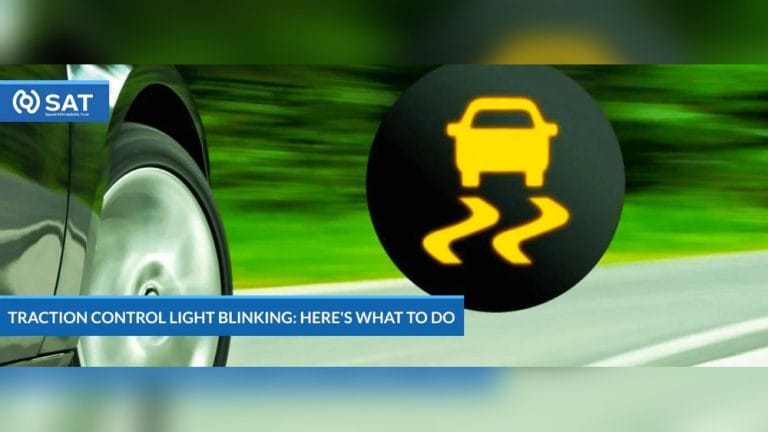
While modern EVs have sophisticated traction control systems, strong regenerative braking can sometimes make driving on slippery surfaces more challenging. When you lift your foot, the car slows down. If the tires have less grip, this deceleration can cause them to lock up briefly.
This can lead to a loss of control. Most cars offer modes that reduce or disable regenerative braking for these situations. But it’s something to be aware of.
In wintery conditions, many drivers prefer to turn off strong regeneration. They want to use the friction brakes, which are designed to work with ABS systems for controlled stopping. They also like to use gentle throttle inputs to avoid upsetting the car’s balance.
Relying solely on the accelerator pedal for control can be tricky when there’s very little grip.
One-Pedal Driving: Potential Downsides
Challenge: Learning Curve
Details: Takes time to master smooth control.
Challenge: Passenger Comfort
Details: Can cause jerky rides if not smooth.
Challenge: Driving Style Fit
Details: Less coasting, less traditional feel.
Challenge: Slippery Conditions
Details: May need disabling on ice/snow.
Real-World Scenarios: Where One-Pedal Driving Shines
The usefulness of one-pedal driving really depends on where and how you drive. It’s not a one-size-fits-all solution.
But in certain environments, it’s a game-changer.
Urban Commutes and Stop-and-Go Traffic
This is where one-pedal driving truly excels. City driving involves frequent stops at lights, yielding to pedestrians, and navigating crowded streets. With one-pedal driving, you can easily manage these situations.
You lift your foot to slow for a red light. You gently press it again to creep forward. You can often stop the car completely without touching the brake pedal.
This reduces fatigue and makes the journey much less stressful.
I’ve seen people in cities who drive EVs with one-pedal mode almost exclusively. They’ve mastered the subtle movements. Their driving looks incredibly smooth.
It’s like they are gliding through the traffic. It makes you realize how much wasted energy and unnecessary braking happens in traditional city driving.
Navigating Hilly Areas
Driving in areas with steep hills can be tiring. You’re constantly controlling your speed going downhill and managing acceleration going uphill. One-pedal driving helps here too.
When you’re going downhill, you can lift your foot off the accelerator. The regenerative braking will help control your speed. It also recaptures energy.
This can help offset the energy you use climbing the next hill.
It feels more controlled than just using the brake pedal to slow down. The car’s computer is managing the deceleration. This often feels more natural and less abrupt than just riding the brakes.
It’s a big plus for people who live in or frequently drive through mountainous regions.
Longer Road Trips (with Adjustments)
While city driving is its forte, one-pedal driving can be useful on road trips too. For long stretches of highway, you can use a gentler regeneration setting. This allows for smoother cruising.
It still helps recapture some energy. When you need to slow down for exits or traffic, you can lift your foot. The car slows predictably.
However, many drivers prefer to switch to a less aggressive setting or even turn off strong regeneration on highways. They want to coast more. They want to use the brake pedal for more nuanced control.
It’s all about finding the balance that works for you. The ability to adjust the regen level is key here.
Scenario Spotlight: Urban Driving
Environment: City streets, busy intersections.
Habits: Frequent stopping and starting.
User Behavior: Managing traffic flow, yielding.
Design Impact: EVs designed for efficiency benefit most.
What This Means for Your Driving Experience
So, is one-pedal driving worth it for you? The answer depends on several factors. It’s about your driving habits, your environment, and your personal preferences.
When It’s Totally Normal and Great
If you do a lot of city driving, or your commute involves lots of traffic lights, one-pedal driving is likely a huge plus. It will make your drives smoother, more efficient, and less tiring. If you enjoy new technology and are willing to learn a new way of driving, you’ll probably love it.
For many EV owners, it becomes second nature very quickly. They wouldn’t go back.
Think about the daily grind. If your drive feels like a constant battle with the brake pedal, one-pedal driving offers a welcome relief. It’s a system designed to make driving easier and more intuitive, once you understand it.
It feels very natural once you adapt your foot’s movements.
When You Might Want to Be Cautious or Adjust
If you primarily drive on open highways with very few stops, the benefits might be less pronounced. If you have passengers who are sensitive to motion, you’ll need to practice extreme smoothness or use a gentler setting. If you live in an area with frequent icy or snowy conditions, you’ll need to know how to disable strong regeneration.
You’ll want to rely on traditional braking methods.
It’s also important to remember that even with one-pedal driving, your friction brakes are still there. They are essential for emergency stops and for when regeneration isn’t enough. Never forget they are active and ready to be used.
The system is designed to work with them, not replace them entirely.
Simple Checks Before You Try It
Most EVs and hybrids with this feature will have a setting in the car’s infotainment system. Look for options related to “Regenerative Braking” or “One-Pedal Driving.” You can often choose between different levels of intensity. Start with a moderate setting.
Then, gradually increase it if you feel comfortable. If the car has a “Sport” or “Eco” mode, check if regeneration levels change between them.
Take your time in a safe, empty parking lot first. Get a feel for how the car responds when you lift your foot. Practice stopping gradually.
Try to make smooth transitions. Most manufacturers offer excellent resources or tutorials on how their specific system works. Don’t hesitate to use them.
It’s better to learn in a low-pressure environment.
Normal vs. Concerning Driving Sensations
Normal: Smooth deceleration when lifting foot off the accelerator.
Normal: Car comes to a complete stop without brake pedal use (with practice).
Normal: Slight increase in estimated driving range.
Concerning: Sudden, unexpected braking that jolts passengers.
Concerning: Difficulty controlling speed smoothly in traffic.
Concerning: Car losing traction when regeneration engages on slippery surfaces.
Quick Tips for Mastering One-Pedal Driving
If you’re ready to give one-pedal driving a try, here are some tips to help you get comfortable and make the most of it.
- Start Slow: Begin in a safe, low-traffic area like an empty parking lot.
- Adjust the Settings: If your car allows, start with a less aggressive regenerative braking setting. Gradually increase it as you get more comfortable.
- Feather Your Foot: Think about small, precise movements with your right foot. It’s about subtle changes in pressure, not just on/off.
- Anticipate Stops: Look far ahead and anticipate when you’ll need to slow down or stop. This allows for smoother deceleration.
- Practice Smoothness: Focus on making your acceleration and deceleration as smooth as possible. This benefits both you and your passengers.
- Use Brake When Needed: Don’t forget the brake pedal is there. It’s for harder stops or when you need more immediate control.
- Inform Passengers: Let them know you’re using a new driving mode. Explain what to expect so they feel more at ease.
- Experiment with Modes: If your car has different drive modes (Eco, Normal, Sport), see how regeneration changes. Find what works best for different situations.
Quick Tips Overview
Tip: Start in a safe space.
Tip: Adjust regen level.
Tip: Use subtle foot movements.
Tip: Look ahead.
Tip: Practice smooth inputs.
Tip: Brake pedal is still important.
Tip: Tell your passengers.
Tip: Explore car modes.
Frequently Asked Questions About One-Pedal Driving
Is one-pedal driving safe?
Yes, when used correctly and with practice, one-pedal driving is safe. The system is designed to be predictable. It still works in conjunction with your car’s traditional brakes for safe stopping.
The main safety concern is the adjustment period. If you’re not used to it, sudden braking could surprise you or other drivers. Always practice in a safe environment first.
Can I use one-pedal driving on all electric cars?
Most modern electric vehicles (EVs) offer some form of one-pedal driving or strong regenerative braking. However, the intensity and adjustability can vary significantly between manufacturers and models. Some cars have very strong regeneration that can bring the car to a complete stop, while others offer milder deceleration.
Always check your car’s manual or infotainment system.
Will one-pedal driving damage my car’s battery?
No, one-pedal driving is designed to be beneficial for the battery. By capturing and returning energy to the battery through regenerative braking, it actually helps to maintain battery health and can extend its lifespan. It’s a core feature that leverages the electric powertrain’s capabilities.
It’s not something that will harm the battery system.
What happens to my brake lights when I use one-pedal driving?
Modern EVs with strong regenerative braking systems are designed to activate the brake lights automatically when the deceleration is significant enough. This ensures that other drivers are aware you are slowing down, even if you aren’t pressing the brake pedal. The car’s sensors detect the rate of deceleration and trigger the lights accordingly.
How do I know if my car has one-pedal driving?
Check your car’s owner’s manual or look through the settings menu on your infotainment screen. You’ll often find options labeled “Regenerative Braking,” “One-Pedal Driving,” or similar. Some cars have a dedicated button or a setting within the different driving modes (like Eco or Sport) that controls the strength of regeneration.
Is one-pedal driving really better than traditional driving?
For many people, yes, especially in city driving. It offers greater efficiency, smoother rides, and reduced brake wear. However, “better” is subjective.
Some drivers prefer the feel of traditional driving and coasting. The best way to know is to try it yourself and see if it suits your driving style and needs.
Can I use one-pedal driving with cruise control?
This varies by car. Some advanced adaptive cruise control systems can integrate with regenerative braking. In other cases, using strong one-pedal driving might interfere with or disable cruise control.
You’ll typically need to use a gentler regeneration setting or turn it off when using cruise control. Always consult your vehicle’s specific capabilities.
The Final Verdict on One-Pedal Driving
One-pedal driving is an exciting feature that truly changes how you interact with your electric or hybrid vehicle. It offers tangible benefits like better efficiency and a more relaxed drive, especially in busy urban environments. It makes driving feel smoother and can even reduce wear on your car’s brakes.
It’s a smart way to harness the power of electric motors for more than just acceleration.
However, it’s not without its learning curve. Getting comfortable with the precise control required can take time and patience. For some, the sensation may never feel completely natural.
If you drive mostly on open highways or in challenging weather, you might find yourself adjusting the settings frequently. Overall, it’s a powerful tool that, once mastered, can significantly enhance your driving experience.
See also how many pedals does a tesla have simpler than you think. See also when is the best time to cycle for maximum benefits . See also why does the gas pedal get stuck causes and quick fixes.
Products related to this article
Sponsored / affiliate links. As an Amazon Associate I earn from qualifying purchases. I may earn additional commission from eligible campaigns.