Why Does My Engine Knock on a Cold Start?
Do not drive if the noise is a deep knock, gets louder with throttle, changes under load, or appears with an oil-pressure warning. Those are the patterns that most often point to bearing or rod damage rather than a harmless cold-start tick.
This guide is part of our Cold Weather Engine Care: Oil Viscosity, Cold Starts and Fuel Problems series.
A brief tick for about 1–2 seconds on a cold start is often normal oil filling the top end, but a deep knock that lasts more than about 10 seconds, gets louder with throttle, or changes under load often points to a serious bearing or rod problem. Miss the wrong sound, and you can turn a startup noise into major engine damage and a far bigger repair bill. This guide shows you how to tell tick, rattle, and rod knock apart using sound type, duration, and load response. As a practical diagnostic guide, it reflects common failure patterns seen across many engines; model-specific exceptions still matter, especially on engines with known timing-chain, lifter, or piston-slap issues.
Author bio: This article is written for readers who need a fast, shop-style triage of cold-start engine noise. The guidance is based on common diagnostic patterns used in engine-noise complaints, with a focus on separating upper-engine tick, timing-side rattle, and lower-engine knock before a driver makes a costly decision. If your engine family has a known technical service bulletin or a history of model-specific noise, follow that manufacturer guidance first.
Oil pressure and sound type tell you the real issue
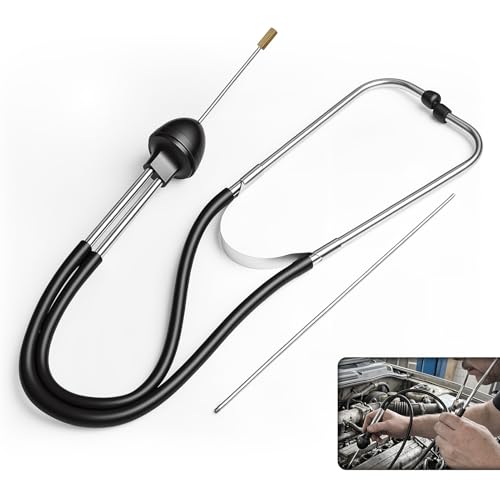

A cold start makes oil move more slowly, so some engine parts stay noisy until pressure builds and the oil warms slightly. That is consistent with how multigrade oils are designed to flow at low temperatures under the SAE viscosity system and with the way cold, thick oil delays circulation at startup API engine oil basics and Mobil engine oil viscosity guide. The key point is not the word “knock” by itself. A short top-end tick is very different from a deep bottom-end knock that lasts, follows rpm, or gets worse when you ask for more load.
What cold oil changes at startup
Cold weather makes startup rattles more common, and low oil pressure can be part of it. That is why the same engine can sound harsher after a long cold soak than it does once it is warm. Oil temperature matters because warm operating temperature changes how fast oil reaches the valvetrain, timing components, and bearings, and viscosity thins as temperature rises Mobil engine oil viscosity guide and API engine oil basics.
Why sound type matters more than the word knock
Drivers often use “knock,” “rattle,” and “tick” for any startup noise. That is too broad for diagnosis. A light tick near the valve cover points to the top end. A chain-like rattle often comes from the timing drive. A deep rhythmic knock from lower in the engine is the one that raises concern fast. Those differences are the same ones technicians use when separating valvetrain noise from timing-chain noise and bottom-end bearing noise AA1Car engine noise guide.
The three-part test: sound, duration, load response
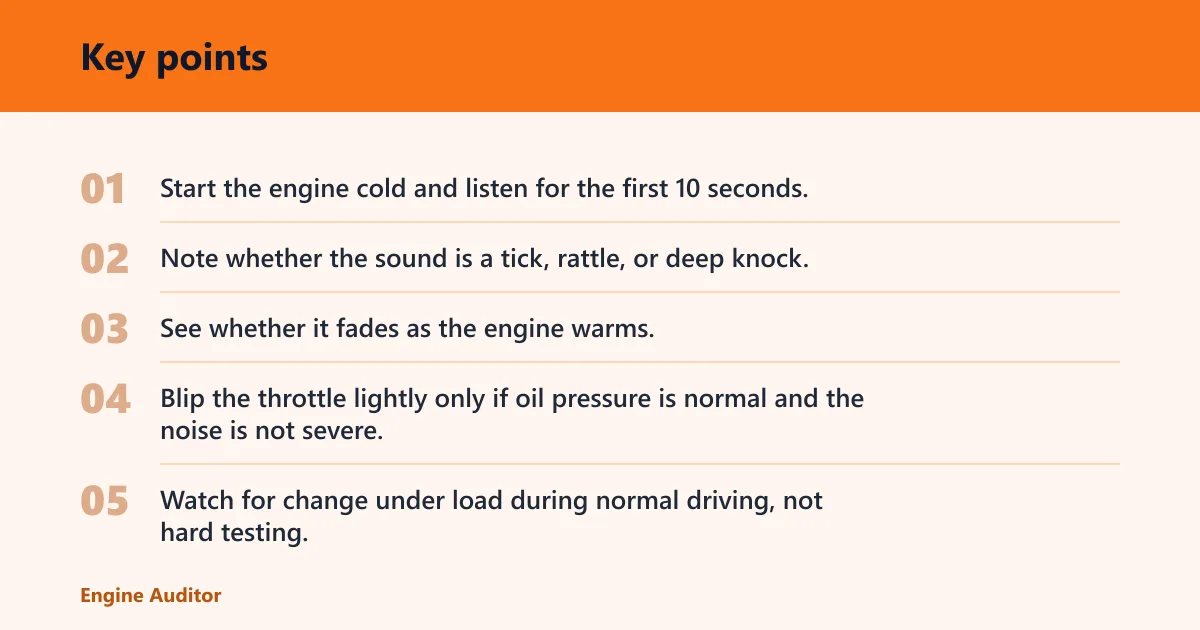
Use three checks together. First, listen to the sound type: light tick, metal rattle, or deep knock. Second, time how long it lasts. Third, see whether it changes when you rev lightly or put the engine under load. Rod knock is most pronounced under load, like accelerating or climbing a hill YourMechanic connecting rod bearing symptoms and AA1Car engine noise guide.
- Start the engine cold and listen for the first 10 seconds.
- Note whether the sound is a tick, rattle, or deep knock.
- See whether it fades as the engine warms.
- Blip the throttle lightly only if oil pressure is normal and the noise is not severe.
- Watch for change under load during normal driving, not hard testing.
What you can safely check at home
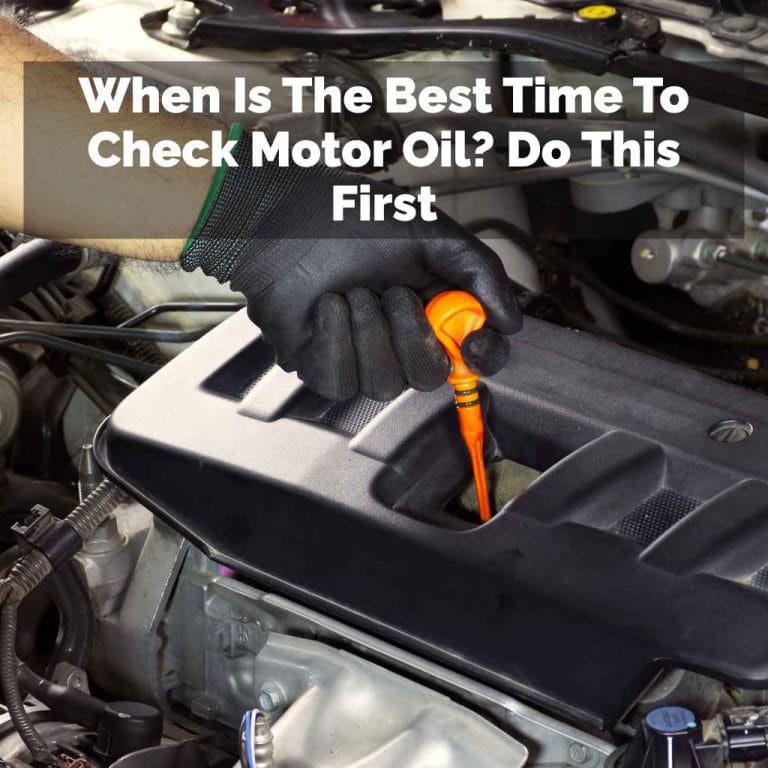
You can safely check the engine oil level on the dipstick, note whether the oil-pressure warning lamp is on, and listen for whether the noise fades after startup or changes with light throttle. You can also confirm whether the sound is coming from the valve cover area, timing cover area, or lower block area. Do not open the engine, do not rev a severely knocking engine, and do not continue driving if the noise is deep or accompanied by an oil-pressure warning engine oil viscosity and low oil pressure.
Cold-start knock triage table
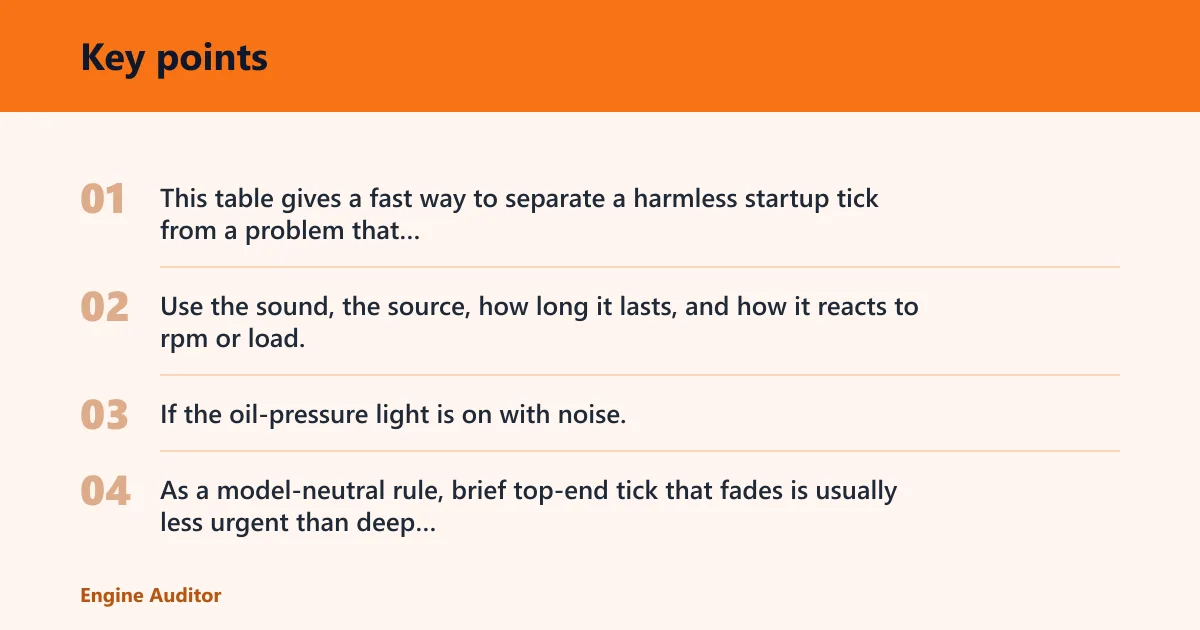
This table gives a fast way to separate a harmless startup tick from a problem that needs immediate attention. Use the sound, the source, how long it lasts, and how it reacts to rpm or load. If the oil-pressure light is on with noise, treat that as a red flag even if the sound seems small. As a model-neutral rule, brief top-end tick that fades is usually less urgent than deep knock or any noise that worsens under load, but engines with known defects can break that pattern AA1Car engine noise guide.
| Sound type | Where it seems to come from | How long it lasts | Changes when revved lightly | Likely cause | Risk rating | Action to take |
|---|---|---|---|---|---|---|
| Light tick | Top of engine, valve cover area | Brief, often 30–60 seconds or less | Usually quiets as oil pressure builds | Hydraulic lifter tick or short-lived valvetrain clatter | Green | Check oil level and monitor. If it grows louder or lasts longer, inspect soon. |
| Startup rattle | Front of engine, timing cover area | Several seconds to a short cold-start window | May reduce as oil pressure builds | Timing chain wear, stretched chain, or weak tensioner | Yellow | Schedule inspection. Do not ignore repeated cold-start rattle. |
| Deep rhythmic knock | Lower engine, oil pan area | Persists beyond startup | Often gets louder with rpm | Rod knock or worn main bearings | Red | Stop driving and arrange professional diagnosis. |
| Knock under load | Lower engine or deep in the block | Continues while accelerating or climbing | Worsens under load | Rod bearing wear, main bearing wear, or other bottom-end damage | Red | Do not keep driving. Load-related knock is a serious warning. |
| Oil-pressure warning with noise | Any location | Any duration | May change or stay constant | Low oil pressure, oil starvation, or internal wear | Red | Shut the engine off and check oil level. If the warning returns, do not drive. |
| Persistent deep knock | Lower engine | More than a brief startup event | Gets louder with throttle | Rod knock or main bearing wear | Red | Do not drive. Tow the vehicle to a mechanic. |
What a harmless startup tick sounds like
A harmless startup tick is usually light, fast, and brief. It often comes from the upper engine and fades as oil pressure builds. Motor Oil Guide says a brief cold-start tick can fade within 30–60 seconds, which is very different from a persistent deep knock. The distinction matters because short-lived valvetrain noise is not the same as bearing damage. The basic mechanism is also consistent with how oil viscosity and low-temperature flow affect startup lubrication Mobil engine oil viscosity guide and API engine oil basics.
Hydraulic lifter tick
Hydraulic lifters use oil pressure. If oil drains down overnight or the oil is cold and slow to circulate, they can tick or clatter at startup. A quick tick from the top end that quiets after 30–60 seconds fits that pattern far better than a lower-engine knock. Fewer seconds usually means less urgency. That said, lifter noise can also be engine-specific, especially on designs with known bleed-down or oiling quirks AA1Car engine noise guide.
Short-lived valvetrain clatter
Low engine oil pressure at startup can make the valvetrain noisy until pressure builds. That can happen after a cold soak, after a long sit, or when oil is the wrong viscosity for the weather. The low-temperature flow advantage of lighter winter grades is why manufacturers often specify grades such as 5W-30 or 0W-20 for cold climates, depending on the engine Mobil engine oil viscosity guide and API engine oil basics.
When a brief tick is still worth watching
A brief tick deserves attention if it becomes longer, louder, or more frequent. It also deserves attention if the engine has low oil, recent oil-service issues, or high mileage. Say your compact car ticks for 20 seconds on a freezing morning, then runs smoothly the rest of the day. That is a monitor-and-check-oil situation, not an automatic tow.
Why does my car rattle on a cold start?
A cold-start rattle usually points to the timing side of the engine, not the bottom end. A worn timing chain or weak tensioner can rattle until oil pressure builds. Cold weather makes startup rattles more noticeable, so the same engine may sound worse after an overnight freeze than after a short stop AA1Car timing chain noise guide.
Timing chain rattle and tensioner wear
The noise can be caused by a faulty timing chain. A worn chain or tensioner can let the chain slap briefly when the engine first starts. As oil pressure rises, tension improves and the rattle often fades. That fading pattern points away from rod knock and toward the front of the engine. Timing-chain noise is also commonly tied to oil supply and tensioner design rather than a single universal failure mode AA1Car timing chain noise guide.
Why the noise often fades as oil pressure builds
Timing chain tensioners often rely on oil pressure to stay firm. If pressure is low for the first moments after startup, the chain may rattle until the system fills. That is why a startup rattle that quickly disappears is not the same as a deep knock that stays with the engine while it runs. The pressure-delay explanation is a common pattern, though some engines use different tensioner designs and may behave differently AA1Car timing chain noise guide.
When chain noise needs inspection
If the rattle repeats every cold start, lasts longer over time, or starts to show up when the engine is warm, it should be checked. Persistent chain noise can point to wear that will not fix itself. If the sound changes from brief rattle to deep knock, stop treating it as a timing-only issue. For related diagnosis, see timing chain noise.
Why does my engine knock when I start it?
A deep knock at startup is the warning sign that matters most. Rod knock is described as a deep, rhythmic knocking noise. It tracks with rpm and gets worse under load. That pattern separates it from a brief tick or a startup rattle and makes it far more serious YourMechanic connecting rod bearing symptoms and AA1Car engine noise guide.
Rod knock versus top-end tick
Rod knock comes from the bottom end of the engine and usually sounds heavier than a valve tick. Top-end noise is lighter and closer to the valve cover. Main bearing wear is also listed as a cause, and worn bearings can create a deep knock that needs professional repair. This is one of the clearest distinctions in engine noise: light, upper-engine tick versus heavy, lower-engine knock AA1Car engine noise guide and YourMechanic connecting rod bearing symptoms.
How a deep rhythmic knock tracks with RPM
If the knock speeds up with engine speed, that is a red flag. A sound that keeps pace with rpm usually points to rotating parts, not a loose cover or minor top-end noise. A rod bearing can make this pattern very clearly, especially after a cold start when oil film has not fully stabilized YourMechanic connecting rod bearing symptoms.
Why knock under load is a red flag
Rod knock is most pronounced under load, like accelerating or climbing a hill. That is why a noise that seems mild in park but gets louder on the road deserves more concern. A load-related knock is not a “wait and see” symptom. It is a stop-driving symptom. For related signs, see rod knock symptoms.
Can cold weather oil make startup noise worse?
Yes. Cold oil moves more slowly, so startup noise can be louder until oil temperature rises. Cold starts can also be harsher because battery output drops in low temperatures; AAA notes batteries can lose substantial cranking power in freezing weather, which can slow the start and extend the noisy window AAA cold-weather battery care. Cold weather can expose a weak system fast.
How oil viscosity affects flow at startup
Oil that is too thick for the temperature takes longer to move through the engine. That delay can make lifters tick, chains rattle, or upper-engine parts sound dry for a few seconds. A lower winter viscosity helps oil move sooner, which can shorten harmless startup noise on engines that are otherwise healthy Mobil engine oil viscosity guide and API engine oil basics.
Why warm operating temperature changes the diagnosis
If the sound fades as the engine warms, that supports a startup-oil-flow issue. If it stays loud at full operating temperature, the problem is less likely to be a normal cold-start tick. Warm oil should make things quieter, not reveal a persistent deep knock. A persistent warm noise is more consistent with wear than with temperature alone AA1Car engine noise guide.
What low oil level or poor service history changes
Low oil level can add startup noise, and low oil pressure can trigger valvetrain clatter. A recent service matters too. If the oil level is correct but the noise began after an oil change, the wrong viscosity or an oil-fill issue becomes more plausible. If oil-pressure warnings appear, do not trust the light alone, check the dipstick and the noise together. For service context, compare the oil grade to your owner’s manual and related engine oil viscosity guidance.
Other noises that can sound like knock
Not every cold-start noise is rod knock. Piston slap can sound worse when the engine is cold and often gets quieter when warm. Main bearing wear is a deeper bottom-end problem. Cold-soak duration, battery cranking speed, and oil condition can all change how obvious each noise sounds. Piston slap, in particular, is often a cold-start-only or cold-start-heavy noise pattern, while bearing knock tends to be deeper and more load-sensitive AA1Car engine noise guide and YourMechanic connecting rod bearing symptoms.
Piston slap on a cold engine
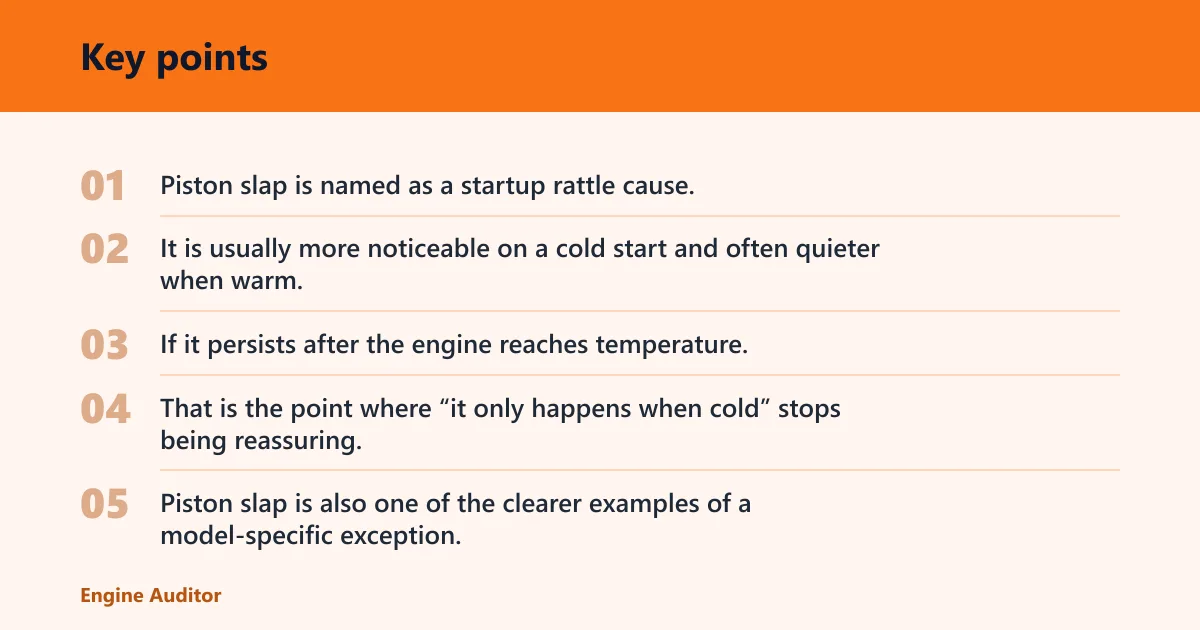
Piston slap is named as a startup rattle cause. It is usually more noticeable on a cold start and often quieter when warm. If it persists after the engine reaches temperature, it can point to wear rather than normal cold behavior. That is the point where “it only happens when cold” stops being reassuring. Piston slap is also one of the clearer examples of a model-specific exception, because some engines are simply noisier than others when cold AA1Car engine noise guide.
Main bearing wear and deeper bottom-end noise
Main bearings support the crankshaft, and worn bearings can create a deep knock that requires professional repair. This is not a trim-noise issue and not a valve tick. If the sound is deep, rhythmic, and still there after startup, treat it as serious until a mechanic confirms otherwise YourMechanic connecting rod bearing symptoms and AA1Car engine noise guide.
Battery cranking speed and cold-soak effects
AAA says a battery can lose substantial cranking power in freezing weather. Slow cranking can stretch the cold-start period, which gives lifter noise and chain noise more time to show up. A long cold soak does the same thing. The engine sits longer, oil drains and thickens more, and startup noise becomes more obvious AAA cold-weather battery care.
Suppose a car sits outside overnight in cold weather, then starts with a light tick from the valve cover that fades after roughly 40 seconds. That fits a green pattern. Now change one thing: the same car starts with a deep knock from the lower engine that gets louder when the driver backs out of the driveway. That is a red pattern, not a weather quirk.
Frequently asked questions
Why does my engine knock on a cold start?
A cold start can make oil move slowly enough that lifters, chains, and other top-end parts make noise briefly. The warning sign is a deep knock that lasts, gets louder with throttle, or changes under load. Those symptoms point more toward rod or main bearing wear than a harmless startup tick AA1Car engine noise guide and YourMechanic connecting rod bearing symptoms.
Why does my engine rattle on a cold start?
A cold-start rattle often points to the timing side of the engine. A faulty timing chain or weak tensioner can rattle until oil pressure builds, then quiet down. If the noise repeats, lasts longer, or turns into a deeper knock, it needs inspection rather than simple monitoring AA1Car timing chain noise guide.
Why is my car ticking on a cold start?
A short tick on cold start is often a hydraulic lifter or other valvetrain part waiting for oil pressure. The same source says a brief cold-start tick can fade within 30–60 seconds. If it keeps going, gets louder, or comes with a warning light, treat it as a problem API engine oil basics and AA1Car engine noise guide.
Why does my car make a noise on a cold start?
Cold oil, long cold-soak time, low oil level, and weak cranking can all make startup noise more obvious. The first step is to sort the noise by type: light tick, timing rattle, or deep knock. The second step is to see whether it fades with warmth or worsens under load.
Why does my car knock on a cold start?
A cold-start knock is most concerning when it is deep, repeated, and still present after the first few seconds. Brief startup tick is one thing. A knock that persists, changes with throttle, or appears with an oil-pressure warning is another. In that case, stop driving and get a diagnosis. For more context on oil pressure-related symptoms, see low oil pressure.
Sources
- American Petroleum Institute, engine oil basics and viscosity guidance.
- Mobil 1, engine oil viscosity and cold-flow explanation.
- AAA, cold-weather battery care and cranking-performance guidance.
- AA1Car, engine noise and timing-chain noise diagnostic overviews.
- YourMechanic, connecting rod bearing symptom overview.
Products related to this article
Sponsored / affiliate links. As an Amazon Associate I earn from qualifying purchases. I may earn additional commission from eligible campaigns.
 ACROPIX Engine Oil Level Indicator Dipstick for Ford Fusion 2010-2012 for Ford Escape 2010-2012 for Ford Fusion 2006-2007 No.6E5Z6750AC Car Parts
 DongJinK Engine Oil Level Gage Dipstick Compatible with Toyota 4Runner 1984-1995 for Toyota Celica 1984-1985 for Toyota Pickup 1984-1995 Replace# 15301-35020 1530135020