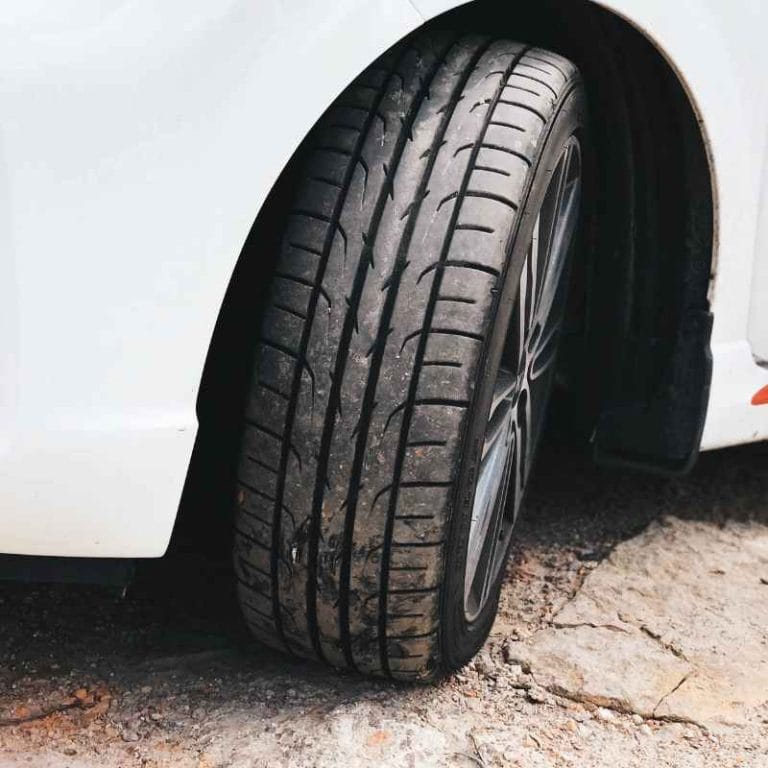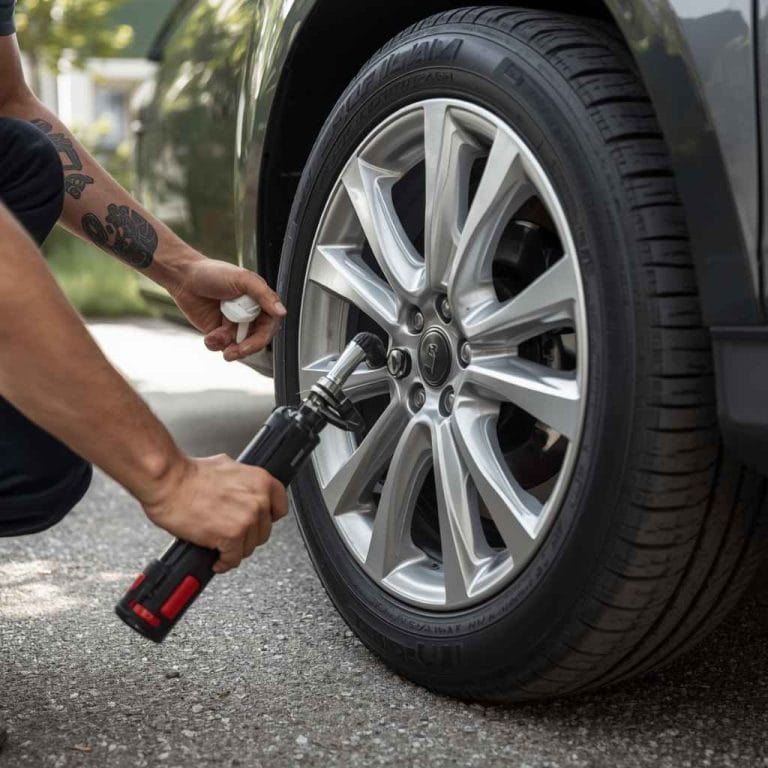
When Should You Switch to Winter Tires?
Switch to winter tires when overnight lows and your morning commute are staying at or below 7°C, or when local forecasts point to sustained cold and snow, not after the first snowfall. Waiting too long reduces grip, braking, and steering control. This guide explains how to time the change using temperature, commute patterns, and regional snow risk.
Use temperature, not snowfall, as the trigger


The practical trigger is a stretch of cold weather, not a single storm. A common rule of thumb is to switch when temperatures consistently drop to about 7°C or lower, especially if your morning drive happens before the day warms up. Winter tires use a softer tread compound for cold pavement, snow, and ice, so they hold grip better when the air turns cold.
Do not wait for the first major snowfall if your area is already seeing cold nights. Best timing is before freezing weather settles in, because installation demand rises fast once the forecast turns.
Use the commute that matters most. If your afternoon high reaches 10°C but your 7 a.m. drive sits near freezing, the tire decision should follow the morning temperature, not the warmer part of the day.
Winter tire decision table
| Daytime high | Overnight low | Forecast trend | Local law risk | Recommendation |
|---|---|---|---|---|
| At or below 7°C | At or below 0°C | Cold stretch with snow or freeze in the next week | Quebec or B.C. route, or travel into regulated highways | Switch now. Book or install before the next commute. |
| Around 7°C to 10°C | Near freezing some nights | Turning colder within 7 days | Low to moderate | Book within 7 days. You are close enough that delays matter. |
| Above 10°C | Well above freezing | Stable warmth for the next 1-2 weeks | Low | Wait and monitor. Keep checking night lows and commute-time temps. |
Note for Quebec and B.C. compliance: if you drive there during the mandated season, legal risk is not optional. Quebec requires winter tires from Dec. 1 to March 15, and B.C. requires winter tires on most highways from Oct. 1 to April 30.
Say your car sits in suburban Ontario and your afternoon high is 11°C, but the windshield is frosted at 6:30 a.m. for three days in a row. That is a switch-now pattern, because the colder commute is the part that affects traction and braking.
Suppose you cross into B.C. mountain highways for work in late October. Even if your home city still feels mild, the route matters. If the trip includes highways covered by the rule, plan the change before you leave, not after a roadside problem starts.
Why winter tires work better in cold weather
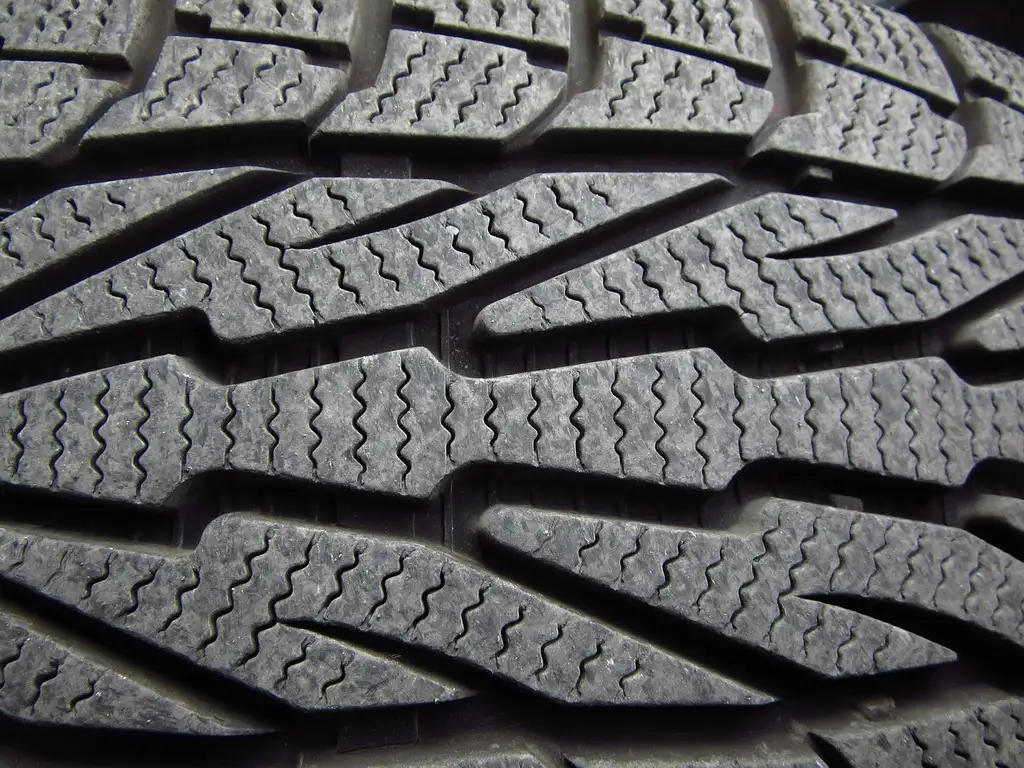
Winter tires are made for cold roads, snow, and ice, but their advantage starts before the road turns white. Their rubber stays more flexible as temperatures fall, while all-season tire rubber starts to harden below 7°C. That loss of flexibility reduces traction, especially when the pavement is cold and damp.
Winter tread also helps on snow and ice. Consumer Reports testing found winter tires stop better on snow and ice than all-seasons. That is the basic reason to change before sustained cold sets in: the tire compound and tread are working with the weather instead of against it.
All-season tires are built for broader use, but they are not ideal for winter driving once cold weather settles in. Their grip loss is gradual, which makes the change easy to miss if you look only at the first snowfall.
Should you switch to winter tires when it hits 7°C?
Yes, as a planning signal. The 7°C threshold is a common rule of thumb, not a hard technical cutoff. If your nights are already below freezing, or your morning commute stays at or below 7°C most days, switching sooner is the safer call.
If warm afternoons are still holding steady and the cold snap looks short, you can wait and monitor. But use the commute temperature and overnight lows, not just the daytime high, because a warm afternoon can hide a cold-start drive.
A common first-timer mistake is watching the dashboard reading at 2 p.m. and ignoring the 7 a.m. school run. The morning tire temperature is the one that matters for grip on wet, cold pavement.
When do provincial rules require winter tires?
Province rules can move your switch date earlier than weather alone would. Quebec requires winter tires from Dec. 1 to March 15, and the tires must carry the mountain snowflake symbol. British Columbia requires winter tires on most highways from Oct. 1 to April 30, and it accepts tires with either the mountain snowflake or M+S symbol.
That means legal risk should be part of the decision, especially if you drive across provincial lines. A tire setup that is fine at home may not satisfy the rule on the highway you use for work or travel.
- Quebec: switch by Dec. 1 if you will drive during the legal season, and check for the mountain snowflake symbol.
- British Columbia: switch by Oct. 1 for most highways, and confirm the tire has the mountain snowflake or M+S symbol.
- Ontario and Alberta: there is no province-wide winter tire mandate like Quebec or B.C., so weather and commute timing drive the decision.
- Cross-border travel: if your route enters a regulated province or highway, follow that rule before you go.
Which winter tire type should you choose?
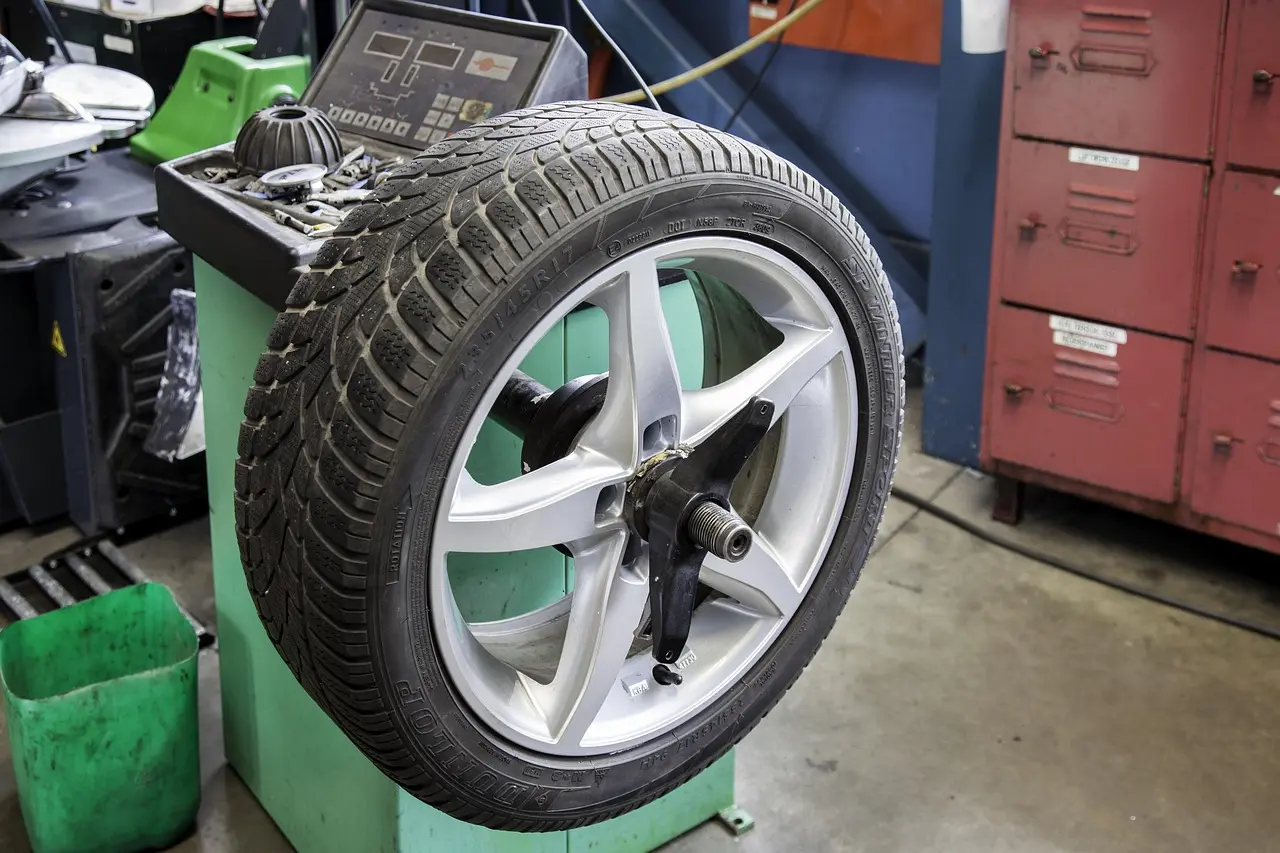
For most drivers, non-studded winter tires, also called studless winter tires, are the broadest fit. They give useful grip on snowy roads and handle mixed winter conditions without the added restrictions that studs can bring.
Studded tires make sense for frequent ice or severe winter conditions. They fit best when packed ice is the main problem, but local rules may restrict them, so check before buying or installing them. If your winter driving is mostly plowed city streets, studs are usually more than you need.
Winter tires are generally recommended on all four wheels. Mixing winter tires with all-seasons can create uneven grip and awkward handling. That is especially important on wet winter roads, where the rear axle can lose stability faster than drivers expect.
Checklist before installation
- Check your vehicle owner’s manual for tire restrictions and fitment guidance before replacing anything.
- Confirm whether your driving includes Quebec or B.C. routes that trigger legal requirements.
- Decide between non-studded winter tires and studded tires based on snow versus ice exposure.
- Use the seasonal changeover to handle tire rotation so wear stays even.
- Book early if the forecast is turning colder, since appointment slots tighten before the first freeze.
Tire rotation is a good time to handle the seasonal changeover. It helps even out wear and can extend tire lifespan. If you are already swapping wheels, combining the two jobs is practical and keeps one more maintenance item off your list.
When should you switch back to all-season tires?
Switch back when spring road temperatures stay consistently warmer, not after a single mild week. Winter tires wear faster in warm weather, and warm pavement speeds that wear up even more. If your daytime and overnight temperatures are holding well above the 7°C planning point, the switch-back window is opening.
Do the return swap with your seasonal tire rotation if that fits your maintenance schedule. The key is stability: several warm days, warm nights, and no cold snap in the forecast. A brief thaw is not enough on its own.
What happens if you drive winter tires in warm weather? They wear faster and can feel less precise on dry pavement. In warm-weather testing on a dry track, winter tires took 7 metres further to stop from 96.5 km/h. On a wet track, they took 9.4 metres further to stop.
Frequently asked questions
When should you switch to winter tires in Alberta?
In Alberta, the best trigger is still weather, not a fixed legal date. Use the 7°C rule of thumb, but weigh morning commute temperatures and overnight lows more heavily than daytime highs. If you drive into mountain or northern conditions, switch earlier and do not wait for the first snowfall.
When should you switch to winter tires in Ontario?
Ontario does not have a province-wide winter tire law like Quebec or B.C., so the decision depends on temperature and route. Switch when the commute stays at or below 7°C, or when cold nights and early snow point to a sustained freeze. Book within 7 days if the forecast is turning.
When should you change to winter tires in Quebec?
Quebec has a legal deadline and a weather trigger. You need winter tires from Dec. 1 to March 15, and the tires must have the mountain snowflake symbol. If cold weather arrives before Dec. 1, switch sooner rather than waiting for the legal date or the first storm.
Can you put winter tires on before snow falls?
Yes, and that is usually the safer plan. Winter tires are best installed before freezing weather hits, and TRAC recommends putting them on about two weeks before snow is expected. Installing early avoids the first cold commute and helps you beat the appointment rush.
How long before winter should you book tire changeover?
Book before the forecast turns sharply colder, ideally as soon as evening lows start slipping toward freezing. A two-week lead time is sensible if snow is expected soon, because appointment slots fill fast. If you drive in Quebec or B.C., book even earlier to stay ahead of the legal window.
Do you need winter tires on all four wheels?
Yes. Winter tires belong on all four wheels so grip stays balanced front to rear. That helps steering, braking, and stability work together on cold, snowy, or icy roads. Always check your vehicle owner’s manual first, and follow local laws if your route crosses a regulated province.
Products related to this article
Sponsored / affiliate links. As an Amazon Associate I earn from qualifying purchases. I may earn additional commission from eligible campaigns.