Why Your Car Idles Rough After Replacing Spark Plugs
If the rough idle started right after new spark plugs, verify the plug part number, heat range, gap, torque, and coil or boot seating first. If those checks pass, move to a preexisting air leak, fuel delivery fault, or compression problem. Skipping the wrong diagnosis wastes time, can damage a new plug set, and can leave a misfire severe enough to hurt the catalytic converter. This guide gives a fast diagnostic order that separates installation errors from hidden ignition, vacuum, fuel, and mechanical causes.
What you’ll need
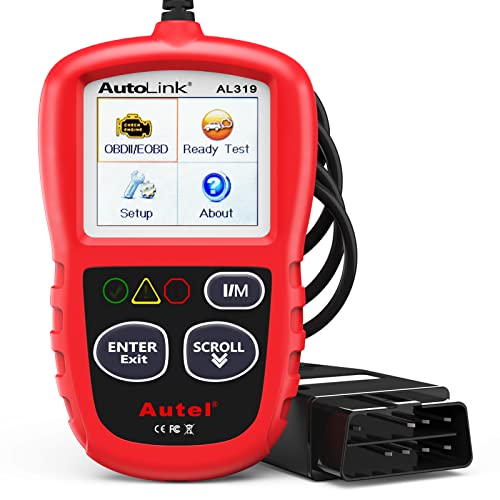

- OBD-II scanner with live data, pending codes, and freeze-frame access
- Spark plug socket, ratchet, and torque wrench
- Feeler gauge for plug gap
- Flashlight and inspection mirror
- Dielectric grease if the vehicle manufacturer allows it on boots
- Smoke machine or access to one
- Hand vacuum gauge, if available
- Compression tester for the final escalation step
Rough idle triage table
| Symptom pattern | Likely cause | Exact next check |
|---|---|---|
| One-cylinder misfire with a P0301-P0308 code | Plug, coil, boot, wire, injector, or compression issue on that cylinder | Swap that coil or plug to another cylinder and see whether the misfire code follows |
| All-cylinder rough idle with no clear single-cylinder code | Vacuum leak, dirty throttle body, MAF contamination, or fuel delivery issue | Check short-term fuel trim at idle and spray-test or smoke-test the intake tract |
| Hot-only roughness | Coil breakdown, boot leakage, fuel injector issue, or compression fault that appears when parts heat soak | Inspect coil boots for carbon tracking and recheck misfire counts after a hot restart |
| Idle-only lean condition | Vacuum leak or dirty throttle control system | Compare fuel trims at idle and at 2,500 rpm; a leak usually looks worse at idle |
| Rough only after plug replacement | Wrong plug, wrong gap, loose plug, cracked porcelain, or disturbed connector/boot | Pull the plugs and verify part number, heat range, thread reach, gap, and torque |
Why is the idle rough right after plug replacement?
The fastest explanation is an installation mistake or something disturbed during the job, not a new failure created by the plugs themselves. Start with codes, then confirm the plugs match the engine and were installed correctly. If those checks pass, move to air leaks, throttle control, fuel trims, and finally compression.
Check the spark plugs first
- Read the codes first. Use the scanner path OBD-II > DTCs > Pending and save freeze-frame data before clearing anything. P0300 points to a general misfire; P0301-P0308 usually points to a specific cylinder.
- Verify the plug spec. Compare the part number, heat range, and thread reach to the service information for your engine. A plug that is too long can contact the piston or protrude into the chamber; a wrong heat range can foul or overheat.
- Measure the gap. Check each plug with a feeler gauge and set it to the engine’s specified gap. Do not force platinum or iridium center electrodes.
- Inspect seating and torque. Look for cross-threading, cracked porcelain, or an uneven crush washer. Tighten to the manufacturer’s torque spec for the engine.
Say your scanner shows P0302 and the plug from cylinder 2 has a visibly different gap from the others. That points to a plug-side issue on one cylinder, not a whole-engine fuel problem.
How do you tell if it is a coil, plug gap, or vacuum leak?
A cylinder-specific misfire usually stays with one cylinder, while a vacuum leak usually makes the whole engine lean at idle and often improves off idle. A bad coil, cracked boot, or misrouted wire can misfire at idle and under load, while a plug gap issue often shows up right after assembly. Use the pattern, not guesswork.
Inspect coils, boots, and wires
- Reseat every connector. Open OBD-II > Live Data > Misfire Counters if available, then inspect each coil connector for a full latch. A connector that is half-seated can make one cylinder drop out at idle.
- Check the boot condition. Pull the coil-on-plug boot or wire and look for cracks, oil contamination, carbon tracking, or a torn spring. Carbon tracks show as thin black lines that let spark leak to ground.
- Verify routing order. On plug-wire engines, confirm the firing order and routing path. A crossed wire or damaged insulation can cause a rough idle that gets worse under load.
Look for vacuum leaks
- Inspect the intake path. Check the intake hose, PCV hose, brake booster hose, and intake manifold gasket area for splits, loose clamps, or dislodged fittings.
- Confirm the leak. Use a smoke machine if available.
- Compare vacuum behavior. A healthy engine often shows steady vacuum at idle. A low or unstable reading supports a leak, valve issue, or late timing problem.
A common first-timer mistake is assuming a new coil failed because the idle is rough. If the problem is worse only at idle and less obvious at 2,500 rpm, a vacuum leak or idle control issue is often a better fit than a dead coil.
Scan codes and fuel trims
Live data can help separate a lean idle from an ignition miss. Short-term fuel trim and long-term fuel trim near zero are normal; a positive trim at idle that drops toward zero at higher rpm usually points to unmetered air. Use freeze-frame data to see whether the fault happened cold, hot, or under light load.
Read fuel trims the right way
- Record idle trims. With the engine warmed up, note short-term fuel trim and long-term fuel trim at idle.
- Raise engine speed. A common rule of thumb is to hold about 2,000 to 2,500 rpm in Park or Neutral and watch whether the trims move closer to zero.
- Interpret the pattern. If trims are strongly positive at idle but improve off idle, suspect a vacuum leak, throttle body issue, or MAF contamination. If one cylinder keeps misfiring with normal trims, suspect ignition, injector, or compression on that cylinder.
Use the code pattern
P0300 with no single-cylinder code often fits a vacuum leak, fuel pressure issue, or throttle control problem. P0301-P0308 narrows the search to one cylinder. Pending codes matter because some faults show there before the MIL turns on.
Can the throttle body or idle relearn cause this?
Yes. A dirty throttle plate, electronic throttle control adaptation, or MAF sensor contamination can create a rough idle that looks like an ignition problem. This is more common when the engine idles badly at stoplights, settles at cruise, or changes after battery disconnection or throttle cleaning. Some vehicles need an idle relearn after repair.
Check throttle control and MAF data
- Inspect the throttle bore. Remove the intake tube and check for heavy carbon on the throttle plate and bore.
- Clean if needed. Use throttle-body cleaner on a cloth, not a soaked spray into the intake. Do not force an electronic throttle plate open by hand; a sticky plate can upset idle air flow, and manual forcing can damage the unit or trigger faults.
- Check the MAF sensor. Look for contamination on the sensing element and use only MAF-safe cleaner if the sensor is dirty.
- Perform relearn. Follow the vehicle procedure in the service manual or scan tool menu, often under Special Functions > Idle Relearn or Throttle Relearn.
When should you suspect compression or injectors?
If the plug, coil, boot, wire, vacuum, throttle, and trim checks do not explain the fault, move to mechanical and fuel testing. Low compression, poor valve sealing, or a head gasket problem can create a persistent misfire that will not go away with new spark plugs. A clogged injector or bad injector connector can do the same on one cylinder.
Test mechanical and fuel causes
- Check compression first. Test all cylinders and compare numbers. A cylinder that is much lower than the others can point to valve sealing, ring sealing, or head gasket trouble.
- Watch for head gasket clues. Coolant loss, white exhaust smoke, bubbling in the radiator, or two adjacent low cylinders raises suspicion of a gasket leak.
- Inspect injectors. Check each injector connector, then look for a cylinder-specific misfire that does not follow the coil or plug during swap tests. That pattern supports injector clogging or an electrical issue.
Common mistakes
- Replacing more coils before checking the plug gap, plug reach, and torque.
- Ignoring freeze-frame data and clearing codes too early.
- Assuming every rough idle is an ignition failure when fuel trims point to a lean idle.
- Skipping the idle relearn on electronic throttle vehicles after battery disconnect or throttle cleaning.
- Overlooking an oil-soaked boot, cracked coil tower, or a hose knocked loose during the plug job.
Prevention is simple: verify the plug part number, gap, and torque before final assembly, and route hoses and wires exactly as they came off. That lowers the chance of turning a routine plug job into a chase for a second problem.
If that didn’t work, try this next
Start with the most likely cause and move down only after each check passes. If the misfire stays on one cylinder after swapping the coil and plug, test the injector next. If the rough idle is all-cylinder and trims stay positive at idle, move to smoke testing and throttle control checks before replacing parts.
- Repeat the swap test. Move the suspect coil or plug to another cylinder and rescan OBD-II > DTCs > Pending. If the code follows the part, you have found the fault. On engines that use different plug types or positions, confirm the swapped parts are correct for each cylinder and recheck them for damage and torque after the swap.
- Smoke-test the intake. If trims point lean, use a smoke machine to confirm the leak instead of replacing hoses at random.
- Relearn the idle. After throttle service or battery disconnect, run the vehicle-specific idle relearn procedure and recheck idle quality.
- Escalate to compression. If the misfire never follows parts and fuel trims do not point lean, run compression and, if needed, leakdown testing.
Frequently asked questions
Why is my car idling rough after changing spark plugs?
The usual causes are the wrong plug, incorrect gap, loose seating, a disturbed coil or boot, or an air leak opened during the job. Start with codes and a visual inspection, then verify plug reach and torque before chasing fuel or mechanical faults. A scanner and a torque wrench save time.
Why is my car running rough after changing spark plugs?
If the roughness began immediately after a plug job, treat it as a post-service fault until proven otherwise. Check each cylinder’s misfire count, then inspect the plugs, coils, boots, and any hose or connector moved during access. If the problem is all-cylinder, look harder for vacuum leaks or idle control issues.
Can new spark plugs cause rough idle?
Yes, if the plugs are wrong for the engine, gapped incorrectly, cracked during installation, or not tightened properly. A plug that fits the thread but not the heat range can also misbehave. New does not mean correct, so compare part number, reach, gap, and torque to spec.
Can spark plugs cause rough idle?
Worn, fouled, or incorrectly installed plugs can absolutely cause rough idle and a misfire code. The plug alone is not the whole story, though. A rough idle that stays after a correct plug swap usually points to coils, vacuum leaks, throttle control, injectors, or compression.
What should I check first if the engine idles rough right after a plug job?
Check the code pattern first, then inspect plug type, gap, seating, and torque. After that, verify coil or boot seating and look for hoses or connectors disturbed during the repair. If the scanner shows a lean idle, move to vacuum leak testing before replacing more ignition parts.
How do I tell if the rough idle is from a coil pack, plug gap, or vacuum leak?
A single-cylinder misfire that follows a coil swap points to the coil or boot. A rough idle that started right after installation and stays on one cylinder can point to plug gap or seating. An idle that improves off idle and shows positive fuel trims usually points to a vacuum leak.
Products related to this article
Sponsored / affiliate links. As an Amazon Associate I earn from qualifying purchases. I may earn additional commission from eligible campaigns.