Ford Check Engine Light on: Ford-specific First Steps
If the check engine light is steady, it is commonly advised to inspect the fuel cap seal, read the codes, and limit driving to what is needed for a repair plan; if it flashes, many sources treat that as a stop-driving warning and advise switching the engine off. A flashing light can damage the catalytic converter and may turn a minor fault into the need for a tow. This guide covers Ford-specific first checks, what common codes mean, and when you can keep driving versus when you should stop.
What the light means on a Ford


The check engine light is the malfunction indicator lamp, or MIL. On Ford vehicles, it is tied to the PCM, which monitors engine and emissions logic and stores diagnostic trouble codes when it detects a fault. A steady light usually points to an emissions or sensor fault; a flashing light points to a misfire that can damage the catalytic converter.
Ford PCM behavior matters because it changes how the vehicle drives. Some faults stay in the background and only set a code. Others can trigger reduced power, throttle limits, or limp mode if the PCM sees a problem that could damage the engine, transmission, or emissions system.
Solid light vs flashing light
A solid MIL means the fault is serious enough to record, but the engine is often still running in a normal or near-normal way. A flashing MIL can indicate active misfire detection, and it is commonly treated as a stop-driving warning on a Ford. The faster you react to a flash, the lower the chance of converter damage.
Ford check engine light triage table
| Symptom pattern | Likely Ford-first check | Drive/stop decision |
|---|---|---|
| Solid light, no symptoms | Fuel cap seal, EVAP hose routing, stored and pending codes | Usually drive gently to diagnosis |
| Rough idle, light shaking, solid light | Misfire scan, coil connectors, spark plugs, vacuum hoses | Limit driving; diagnose soon |
| Flashing light, strong shake, fuel smell | Active misfire, ignition coil failure, fuel delivery issue | Stop driving now |
| Reduced power or limp mode | Throttle body fault, PCM throttle control fault, wiring, voltage check | Drive only to a safe stop if needed |
| Light after battery replacement or jump-start | Battery and charging voltage, loose terminals, multiple low-voltage codes | Verify voltage before parts replacement |
Say your Escape starts rough at idle, the MIL is steady, and the scan shows a pending misfire code on one cylinder. That points more toward a coil, plug, injector, or wiring check than toward the fuel cap. The key is to match the symptom pattern before buying parts.
What should I check first?
Start with the easiest Ford-specific faults: the fuel cap and EVAP plumbing, battery voltage if the warning appeared after a jump-start or battery swap, and any obvious under-hood damage. Do not clear codes before reading them. The code pattern, plus the way the engine runs, tells you whether the fault is emissions-only or drivability-critical.
Fuel cap and EVAP leaks
A loose or damaged fuel cap is a common first-step check on Ford vehicles. Inspect the cap seal for cracks, flattening, or dirt, then tighten it until it clicks if the design uses a click-stop cap. Also look for cracked EVAP hoses, split vapor lines, or a cap neck that will not seal cleanly.
-
Remove and inspect the cap.
Check the rubber seal for cuts, hardening, and debris. If the seal looks damaged or the cap will not tighten normally, replace it before chasing deeper EVAP faults. -
Inspect the filler neck.
Look for rust, dents, or a damaged sealing surface at the neck. A bad neck can mimic a bad cap and keep the EVAP monitor from passing. -
Check nearby vapor lines.
Follow the visible EVAP hoses for cracks, disconnections, or wet spots. A small split can set an evaporative leak code even when the cap is fine.
A common first-timer mistake is to replace the cap immediately and ignore the cracked hose right beside it. On many Fords, the cap is only one part of the seal path, so a fast visual check saves time and avoids repeat codes.
Battery, charging voltage, and recent jump-starts
Low voltage can create false or multiple warnings on Ford vehicles, especially after a weak battery, jump-start, or battery replacement. Verify battery condition and charging voltage before replacing sensors or throttle parts. If the battery is weak, the alternator output is low, or terminals are loose, the PCM may log codes that vanish once voltage is stable.
-
Inspect the terminals.
Make sure the battery posts are clean and tight. A loose connection can cause intermittent warning lights and erratic module behavior. -
Check resting voltage.
Use a multimeter if available. A healthy fully charged 12-volt battery usually reads about 12.6 volts at rest; much lower than that calls for charging or testing before more diagnosis. -
Verify charging output.
Start the engine and confirm the alternator is charging normally. If voltage is unstable, multiple codes can appear across different systems, including throttle and emissions logic.
Visible faults under the hood
Before buying parts, inspect the intake boots, vacuum hoses, coil connectors, and oil level. Ford engines often react badly to an unplugged connector, split intake tube, or hose leak. A loose intake boot can upset air metering and idle quality enough to trigger a light and a rough idle at the same time.
How do I read Ford codes at home?
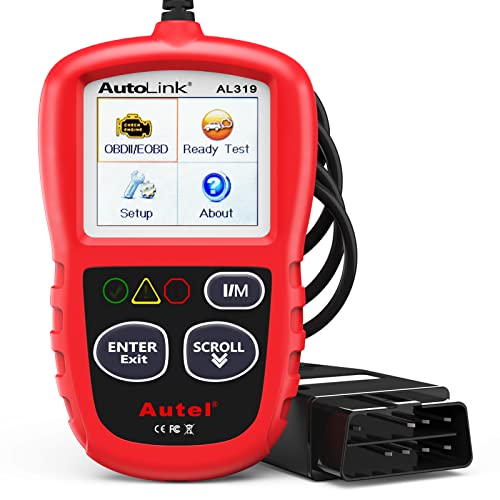
Yes, you can read Ford check engine codes with a scanner at home. An OBD-II scanner reads stored and pending diagnostic trouble codes, and many handheld or Bluetooth units can also show freeze-frame data. Read the codes first, then decide whether the fault is emissions-related, voltage-related, or a drivability problem that needs immediate attention.
What an OBD-II scanner can tell you
A scanner can show the code number, whether it is current or pending, and whether the PCM has seen the fault more than once. That matters because a pending code may be an early warning, while a stored code with a rough-running engine points to an active problem. Some scanners also let you clear codes after the repair is verified.
-
Plug in the scanner.
Connect it to the OBD-II port under the dash, then turn the key on or start the vehicle if the scanner asks for running data. -
Record stored codes.
Write down every stored and pending code before clearing anything. The order and combination of codes often matter more than a single number. -
Look for code patterns.
A single EVAP leak code often points to a cap or hose. Misfire codes, fuel trim codes, and throttle codes point to a drivability check, not just an emissions reset.
Stored codes vs pending codes
Stored codes are faults the PCM has confirmed. Pending codes are faults the PCM has seen but has not confirmed enough times to light the MIL on their own. On Ford vehicles, that difference helps you avoid replacing parts for a one-time voltage dip or a brief connector issue.
Some repairs clear the light after several drive cycles once the root cause is fixed. Others require code clearing with a scanner after the fault is repaired. Do not expect the light to disappear right away.
When is it safe to drive a Ford?
It is usually safer to drive gently when the MIL is steady and the vehicle runs normally, but avoid hard acceleration and long trips until you know the code. If the engine runs rough, shakes, smells of fuel, or loses power, the risk rises fast. That is especially true on Ford engines with active misfire or throttle-control faults.
Rough idle and mild drivability symptoms
A rough idle, slight hesitation, or occasional stumble usually means you should shorten the drive and get a diagnosis soon. The car may still move, but the fault could worsen under load. On Ford models, misfires, MAF faults, and vacuum leaks often show up first at idle or during light throttle.
Flashing light, misfire, and reduced power
A flashing MIL on a Ford is an emergency. Stop driving if the engine is shaking, the exhaust smells like raw fuel, or power drops sharply. Prolonged misfire can overheat and damage the catalytic converter, and a throttle or PCM fault can push the vehicle into reduced power mode for protection.
Suppose a F-150 starts flashing the MIL after a hard acceleration merge, then loses power and shakes at idle. That is not a fuel-cap problem. The safer move is to stop driving, read the codes if it can be done without running the engine long, and arrange service or a tow.
Common Ford causes to know
The most common Ford-specific causes include misfire from spark plugs or ignition coils, fuel delivery faults, MAF sensor problems, throttle body faults, EVAP leaks, and catalytic converter codes after a prolonged misfire. Those are the areas to inspect before replacing random sensors. Voltage problems can sit on top of all of them and make the scan data harder to trust.
Misfire from plugs, coils, or fuel delivery
Misfire is the biggest no-drive concern because it can turn a steady light into a flashing one. On Ford vehicles, spark plugs, coil-on-plug units, injector faults, low fuel pressure, and contaminated fuel can all cause rough running. If the engine shakes or the MIL flashes, treat it as active misfire until proved otherwise.
MAF sensor and throttle body faults
A dirty or faulty mass air flow sensor can upset fueling and cause hesitation, rough idle, or lean codes. A throttle body problem can bring on reduced power, erratic idle, or traction-related messages on some Ford models. If the scan points there, inspect wiring, intake leaks, and contamination before replacing parts.
Catalytic converter risk after prolonged misfire
The catalytic converter is expensive, and prolonged misfire can damage it quickly. Raw fuel from repeated misfires overheats the converter and can ruin it long before the original fault is fixed. That is why a flashing light is treated as a stop-driving warning, not a mild annoyance.
Frequently asked questions
What should I do first when my Ford check engine light comes on?
Check whether the light is steady or flashing, then inspect the fuel cap and read the codes before buying parts. If the light is steady and the vehicle runs normally, gentle driving to diagnosis is usually reasonable. If it flashes or the engine runs badly, stop driving.
Can I keep driving my Ford if the check engine light is on?
Usually yes, but only if the light is steady and the car drives normally. Keep speed and load light until you read the codes. If you notice shaking, fuel smell, major hesitation, or reduced power, treat it as a problem that needs prompt service, not a long trip.
Is a flashing check engine light on a Ford an emergency?
Yes. A flashing MIL on a Ford usually means active misfire, and that can damage the catalytic converter fast. Shut the engine off if the shake is severe or the power drops sharply. Do not keep driving hoping it will clear on its own.
What does a solid check engine light mean on a Ford?
A solid light means the PCM has found a fault, but it is not the same urgency as a flash. Many solid-light faults are emissions related, such as EVAP leaks, sensor issues, or mild fuel trim problems. Read the codes first so you can sort out a minor fault from a drivability issue.
Can a loose fuel cap trigger the check engine light on a Ford?
Yes. A loose, damaged, or poorly sealing cap can trigger EVAP leak codes on Ford vehicles. Check the seal, the filler neck, and nearby vapor hoses before replacing parts. Some EVAP faults take several drive cycles to clear after the leak is fixed, even when the cap is tight again.
Will my Ford go into limp mode with the check engine light on?
It can. The Ford PCM may limit throttle or power if it sees a fault that could cause damage, especially with throttle control, major sensor errors, or severe drivability problems. Limp mode is a sign to reduce driving and diagnose the issue soon, not a cue to keep going normally.
Can I read Ford check engine codes with a scanner at home?
Yes. A basic OBD-II scanner can read stored and pending codes, and many units will also show live data and clear codes after a repair. Read the codes before clearing them. If the fault returns after a short drive, the code pattern can point you toward the right system.
Which Ford models are most likely to show check engine light issues from ignition or emission faults?
Ignition and emission faults can show up on many Ford models, especially those with coil-on-plug ignition and electronically controlled throttle systems. The exact failure pattern depends more on engine design, mileage, and maintenance history than on the badge on the tailgate. Scan data matters more than guesswork.
When should I stop driving and call for service if the light is on?
Stop driving if the light flashes, the engine shakes hard, fuel smell is strong, power drops sharply, or the vehicle is stuck in reduced power mode. Those symptoms point to a fault that can damage the converter or leave you stranded. A tow is cheaper than a converter.
What are the most common Ford-specific causes of a check engine light?
The common causes are misfires from plugs or coils, EVAP leaks from a loose cap or damaged hose, MAF sensor faults, throttle body issues, fuel delivery problems, and voltage-related false warnings after battery work or jump-starting. Read the code first, then inspect the matching system instead of guessing.
Products related to this article
Sponsored / affiliate links. As an Amazon Associate I earn from qualifying purchases. I may earn additional commission from eligible campaigns.