What to Do If Car Brakes Fail While Driving
Driving can be super fun, but sometimes scary things happen. One of the scariest is when your car’s brakes stop working. It’s something most new drivers worry about. What to Do If Car Brakes Fail While Driving is a question that pops into many minds. Don’t worry, it’s not as complicated as it sounds. We will walk you through simple steps to handle this situation safely. We will explain exactly what you need to do to stay calm and in control if your brakes suddenly fail.
What to Do If Car Brakes Fail While Driving
Learning What to Do If Car Brakes Fail While Driving is important for every driver. It is a critical safety skill that can prevent accidents. Brake failure can happen for many reasons, from worn-out brake pads to a leak in the brake fluid system.
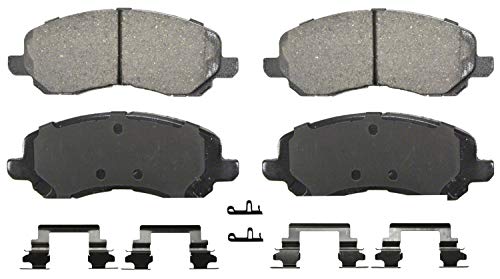
Wagner
DRiV Wagner Disc Brake Pad Set -…
- Compatibility: Fits BAIC X65 2018–2020 and BAIC BJ20 2018–2020; Chrysler Cirrus 2007–2010; Chrysler Sebring 2001–2005 and 2007–201…
- Restores Like-New Braking: The Wagner Disc Brake Pad Set helps restore braking performance for car disc brakes; it ensures even fr…
- Reduces Noise & Vibration: These ceramic brake pads are engineered for noise-reducing braking thanks to the stable braking system
As an Amazon Associate I earn from qualifying purchases.
When this happens, the pedal might feel soft, go all the way to the floor, or there might be no braking action at all. Knowing the right steps to take can make a huge difference in a stressful situation. This section will cover the immediate actions you should take the moment you realize your brakes are not working.
Recognizing Brake Failure
Brake failure isn’t always a sudden event; sometimes, there are warning signs. Ignoring these signs can lead to a more dangerous situation. You might notice your brake pedal feels different. It could feel spongy, meaning it sinks closer to the floor than usual. Sometimes, the pedal goes all the way down with little to no stopping power. Another sign is a grinding noise when you try to brake. This could mean your brake pads are worn out.
It is also important to pay attention to your car’s dashboard warning lights. The brake warning light might illuminate, signaling a problem with the braking system. Some cars have a separate light for the Anti-lock Braking System (ABS), which can also indicate an issue.
If you experience any of these symptoms, it’s a clear sign to get your brakes checked immediately. However, in a scenario where the brakes fail completely and without warning, swift action is paramount. The immediate goal is to slow down the vehicle safely and regain control.
This involves a combination of techniques that don’t rely on the primary braking system.
Immediate Actions When Brakes Fail
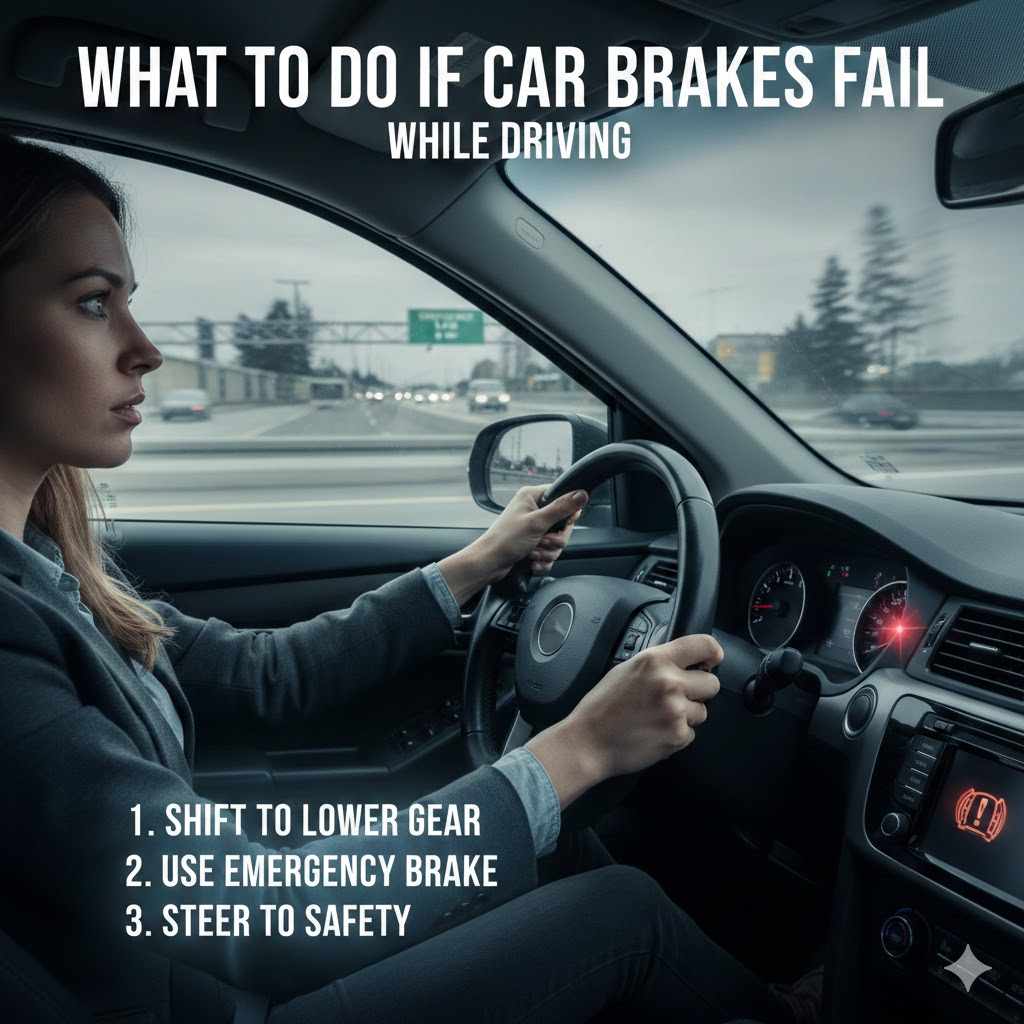
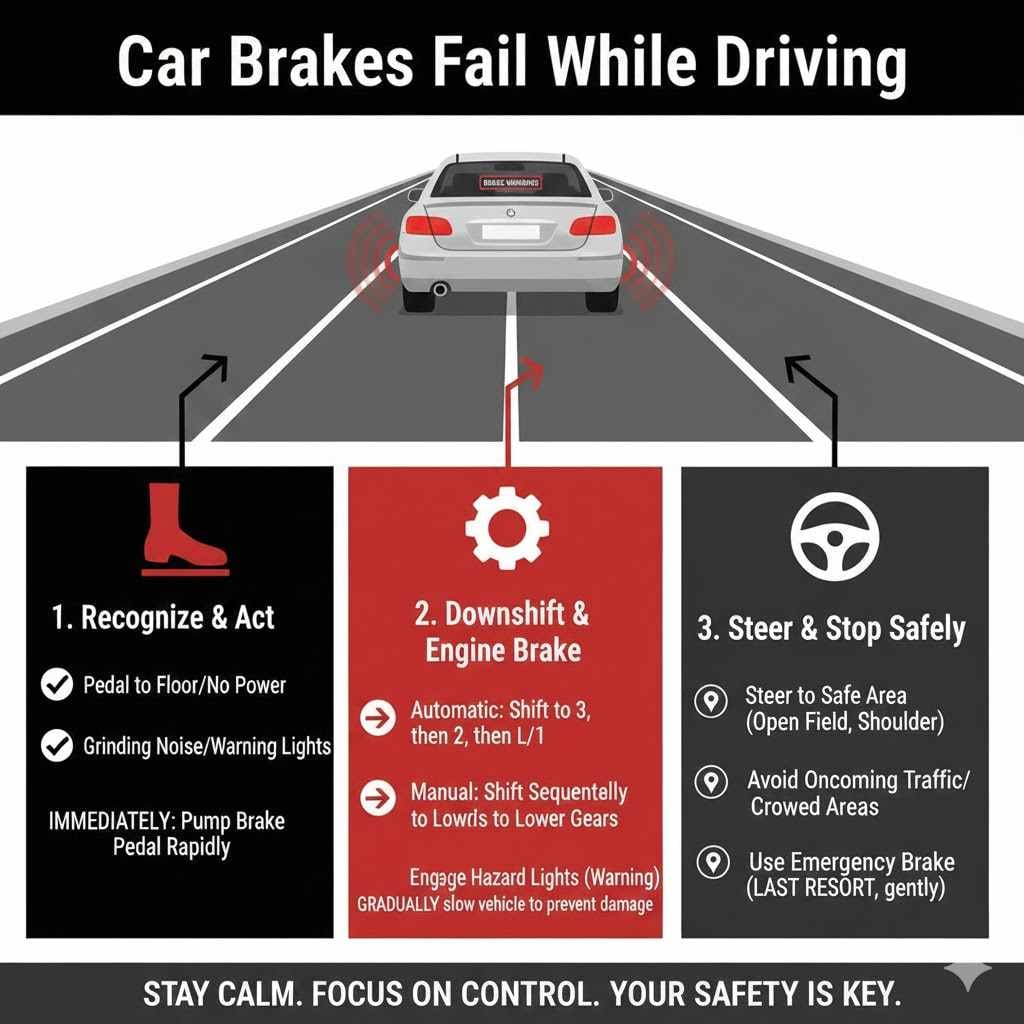
The first and most crucial step when your brakes fail is to stay calm. Panic can lead to poor decisions. Take a deep breath and focus on controlling the vehicle. Immediately pump the brake pedal rapidly and forcefully. This might help build enough pressure in the brake lines to slow the car down, especially if the problem is a minor leak or air in the system.
If pumping the brakes doesn’t work, your next step is to downshift. Lower gears provide engine braking, which helps slow the vehicle without using the brakes. Start by shifting to a lower gear.
If you’re in an automatic transmission, you can shift to ‘3’, then ‘2’, and finally ‘1’ (or their equivalent on your gear selector).
For manual transmissions, shift sequentially to lower gears. This process is called engine braking. It uses the resistance of the engine to slow down the car.
It is important to downshift gradually to avoid damaging the engine or transmission. Also, be sure to use your hazard lights to warn other drivers that you are having trouble.
While slowing down, you need to look for a safe place to steer the car. This could be an open field, a shoulder, or even a long, uphill slope. Avoid steering into oncoming traffic or heavily populated areas.
Your primary goal is to reduce your speed and find a way to stop the car without causing an accident.
How to Stop a Car With Failing Brakes
When your brakes are not working, you need to use alternative methods to slow and eventually stop your vehicle. These methods rely on physics and your car’s other systems to create friction and resistance. Understanding these techniques can turn a terrifying situation into a manageable one. This section will detail the various ways you can bring your car to a halt when the primary braking system is compromised.
Using Engine Braking Effectively
Engine braking is a vital technique when your car’s brakes fail. It utilizes the internal friction of the engine to slow down the vehicle. When you downshift, you force the engine to work harder to turn the wheels, creating resistance that slows the car. This is a natural way to decelerate without needing the brake pedal.
For automatic transmissions, shift the gear selector from ‘D’ (Drive) into lower gears like ‘3’, ‘2’, or ‘L’ (Low). This will increase the engine’s revolutions per minute (RPM) and provide more braking force. With manual transmissions, you will need to manually shift down through the gears.
Do this gradually to prevent the engine from over-revving and causing damage. For example, if you are in fifth gear, shift to fourth, then third, and so on, as your speed decreases.
The effectiveness of engine braking increases as you shift to lower gears. However, it is crucial not to downshift too aggressively, as this can damage your transmission or engine. The goal is a smooth and controlled deceleration.
You might also hear the engine revving higher than usual, which is normal when using engine braking.
If your car is equipped with a manual parking brake, this can also be used in conjunction with engine braking. However, it should be applied gently and gradually. Yanking the parking brake hard can lock up the rear wheels, causing the car to skid and become unstable.
The parking brake is more effective at higher speeds when combined with other methods.
Applying the Parking Brake Correctly
The parking brake, also known as the emergency brake or handbrake, is a mechanical brake that typically operates on the rear wheels. While its primary purpose is to hold the car stationary when parked, it can also be a lifesaver in an emergency braking situation. However, it needs to be used with caution to avoid losing control of the vehicle.
When you realize your regular brakes have failed, gently and steadily pull up on the parking brake lever. For electronic parking brakes, you will usually press a button. Avoid yanking the lever or button suddenly, as this can cause the rear wheels to lock up.
Locking the wheels can lead to a skid, making it harder to steer and control the car.
The key is to apply it in stages. Pull it up a bit, see how the car responds, and then pull it up a little more if needed. This allows you to gauge the braking force and maintain control.
You should feel the car start to slow down. If you feel the rear of the car starting to fishtail or slide, ease off the parking brake slightly.
Remember that the parking brake is usually less powerful than your main brakes, especially at higher speeds. It is most effective once you have already reduced your speed using engine braking or other methods. It is also important to note that the parking brake might not be as effective on steep downhill slopes or in wet conditions.
If you are in a car with a manual transmission, you can combine engine braking with gentle use of the parking brake for maximum effect. For automatic transmissions, engine braking is your primary tool, with the parking brake as a secondary aid. Always try to steer towards a safe stopping area while applying these methods.
Using Friction and Other Car Features
Besides engine braking and the parking brake, other features and physical forces can help slow your car down. Your car has inherent friction in its moving parts, and you can utilize the environment to your advantage. Understanding these can provide additional ways to decrease your speed when the brakes fail.
- Slowly rubbing against a guardrail: If you are on a highway and there’s a guardrail, you can carefully steer your car to rub against it. This will create friction and help slow you down. Do this gently to avoid losing control or causing damage to your car. You want a controlled scrape, not a forceful impact.
- Steering into soft ground: If you are near a grassy area or an unpaved shoulder, you can steer your car into it. The soft ground will create resistance and help slow the vehicle. Be cautious, as this could potentially get your car stuck or cause it to tip over if the terrain is too uneven.
- Using downhill slopes: If you are lucky enough to be near an uphill slope, steer your car towards it. The incline will naturally slow your car down due to gravity. This is one of the safest and most effective ways to stop a vehicle with brake failure if available.
These methods are all about increasing friction and resistance. They are supplementary techniques that, when used in combination, can significantly help in stopping a car when the brakes are not functioning. Always remember to keep your steering wheel straight or make small adjustments as needed while applying these methods.
What to Do If Car Brakes Fail While Driving on a Highway
Driving on a highway presents unique challenges when brakes fail because of the higher speeds and the presence of other vehicles. Your immediate actions need to be precise and quick to ensure your safety and the safety of others. This section provides specific advice for highway scenarios, focusing on maintaining control and signaling to other drivers.
High-Speed Strategies
On a highway, your car is moving much faster, making brake failure much more dangerous. The principles are the same, but the execution needs to be more deliberate. You will have less time to react, so staying alert and knowing these steps beforehand is critical.
The first step remains to pump the brake pedal. Even at high speeds, this might help create some pressure. Simultaneously, engage your hazard lights.
This is essential for alerting other drivers to your situation. Begin downshifting immediately. Shift to the lowest gear your engine can handle without over-revving.
Look for an escape route. On a highway, this means looking for the shoulder, an emergency runaway truck ramp if available, or a less congested area to pull over. Avoid sudden lane changes.
Scan your mirrors and blind spots carefully before making any movements.
If there is a guardrail, you can use it to create friction, but do so very gently. The goal is a controlled scrape, not a violent collision. If there’s an uphill exit ramp or an area with a significant incline, aim for that.
Gravity will be your ally.
Communicating With Other Drivers
Communicating your distress to other drivers is paramount on a highway. They need to know you are in trouble and not just driving erratically. Your hazard lights are the primary visual cue.
Beyond hazard lights, if you have passengers, they can help wave down other vehicles or use a cell phone to call for emergency services. Some drivers might even be able to signal or use their own hazard lights to help clear a path for you.
Honking your horn might also be considered, but use it sparingly as it can cause confusion. The primary focus should be on slowing down and steering to a safe location. The more visible you are and the clearer your intentions, the better chance other drivers have of reacting safely.
If you are approaching slower-moving traffic or a standstill, using the shoulder might be your only option. However, this should be a last resort as it can be dangerous. Always try to slow down as much as possible before resorting to using the shoulder.
What to Do If Car Brakes Fail While Driving Downhill
Driving downhill with failing brakes is one of the most perilous scenarios. Gravity amplifies the problem, making it harder to slow down. This section focuses on specific techniques and considerations for managing brake failure on inclines.
Managing Speed on Downhill Slopes
When descending a steep hill, the force of gravity works against you, pushing your car forward with increasing speed. If your brakes fail in this situation, it is crucial to act quickly and decisively.
Your first step is to downshift as aggressively as possible. If you are in an automatic, shift through all available lower gears. For a manual, shift into first gear.
This will maximize engine braking and provide significant resistance against the forward momentum caused by gravity.
If you have a parking brake, apply it firmly but in stages. As mentioned before, avoid locking the wheels. The downhill slope will actually help the parking brake in slowing the car, but control is still key.
You might feel the rear end wanting to slide; ease up slightly if this happens.
Look for any opportunities to increase friction. This could include steering into loose gravel on the shoulder if available, or if there are any uphill off-ramps or side roads, aim for those. Even a slight upward incline can help counteract gravity.
If you are in a rural area, you might see fields or open areas. Steering into these can help slow you down, but be aware of potential hazards like ditches or uneven terrain that could cause your car to flip.
Utilizing Road Features for Stopping
Roads often have features designed to assist vehicles in emergencies, especially on steep downgrades. Recognizing and using these can be your best chance for a safe stop.
- Runaway truck ramps: Many steep downhill roads have specially designed runaway truck ramps. These are usually covered in gravel or sand and are designed to safely stop large trucks that have lost their brakes. While designed for trucks, they can also be extremely helpful for cars. If you see one, steer into it immediately.
- Uphill exits or side roads: Keep an eye out for any road that curves uphill or any side road that goes upwards. Diverting your car onto an incline will use gravity to your advantage, helping to slow your momentum significantly.
- Guardrails and barriers: As discussed, carefully rubbing against a guardrail can help slow you down. This should be done with control, using it as a friction aid rather than a forceful impact.
It is vital to remain as calm as possible and focus on steering. Your ability to control the direction of the car is your primary tool. Combining gentle steering inputs with aggressive engine braking and controlled use of the parking brake gives you the best chance of a safe outcome.
Preventing Brake Failure
While knowing What to Do If Car Brakes Fail While Driving is crucial, the best approach is always prevention. Regular maintenance can help ensure your braking system is always in top condition. This section will cover the steps you can take to avoid brake failure in the first place.
Regular Vehicle Maintenance
The most effective way to prevent brake failure is through consistent and thorough vehicle maintenance. Your car’s braking system is made up of several components that wear out over time and require regular inspection and replacement.
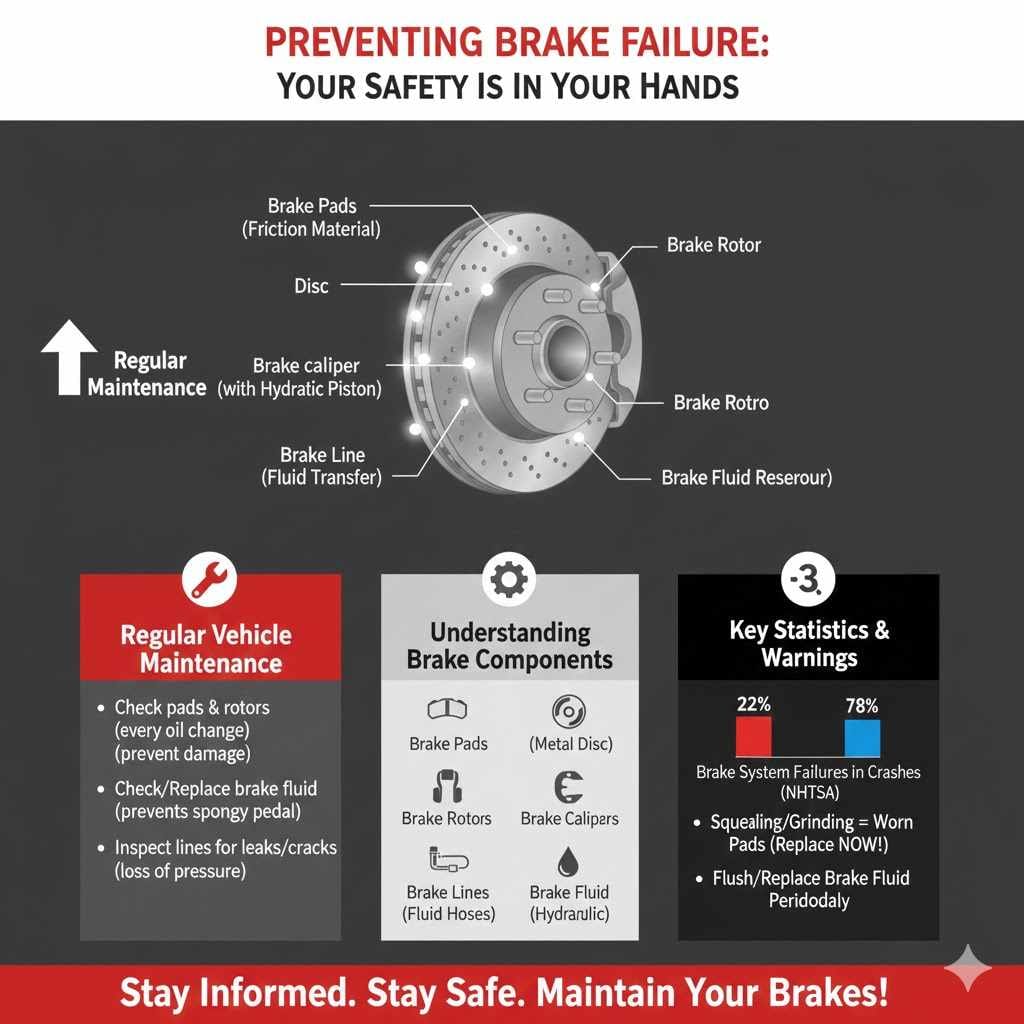
Brake pads and rotors are the most common parts to wear out. They need to be checked at every oil change and replaced when they reach a certain minimum thickness. Worn brake pads can lead to reduced braking performance and damage to the rotors.
Brake fluid is another critical component. It transmits the force from your foot on the pedal to the brakes. Over time, brake fluid can absorb moisture, which lowers its boiling point and can lead to a spongy pedal or even complete brake failure, especially during heavy braking.
Brake lines and hoses can also develop leaks or cracks. These need to be inspected for any signs of damage or corrosion. A leak in the brake system will cause a loss of brake fluid and, consequently, a loss of braking power.
Most manufacturers recommend a brake inspection every 12 months or 15,000 miles, whichever comes first. Following these recommendations ensures that any potential issues are identified and addressed before they become a safety hazard. Ignoring regular maintenance is a gamble that is not worth taking.
Understanding Brake System Components
A basic understanding of how your car’s brake system works can also help you recognize potential problems. The main components include brake pads, brake rotors, brake calipers, brake lines, and brake fluid.
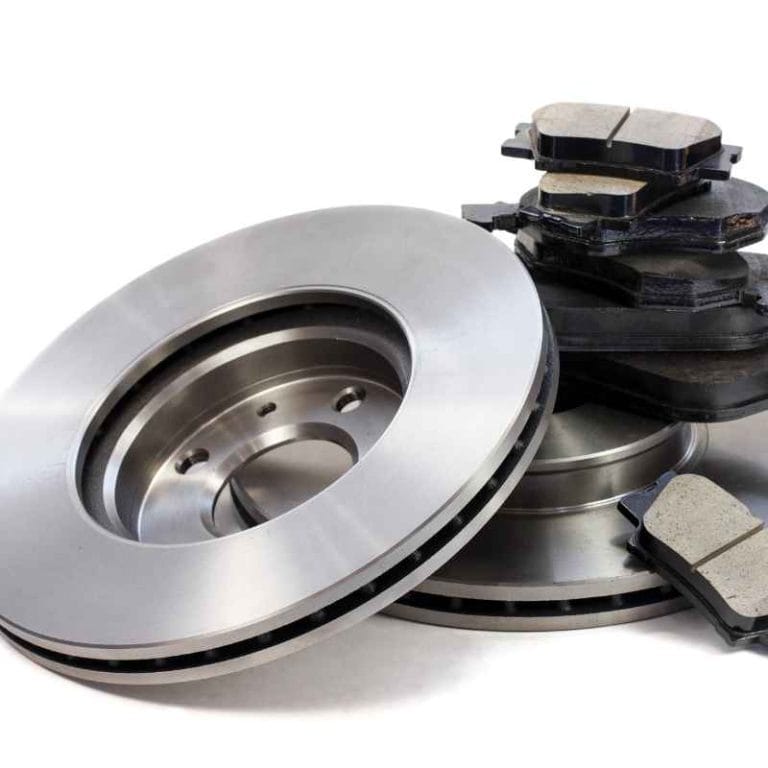
- Brake Pads: These are the friction material that presses against the rotors to slow the wheel. They wear down over time.
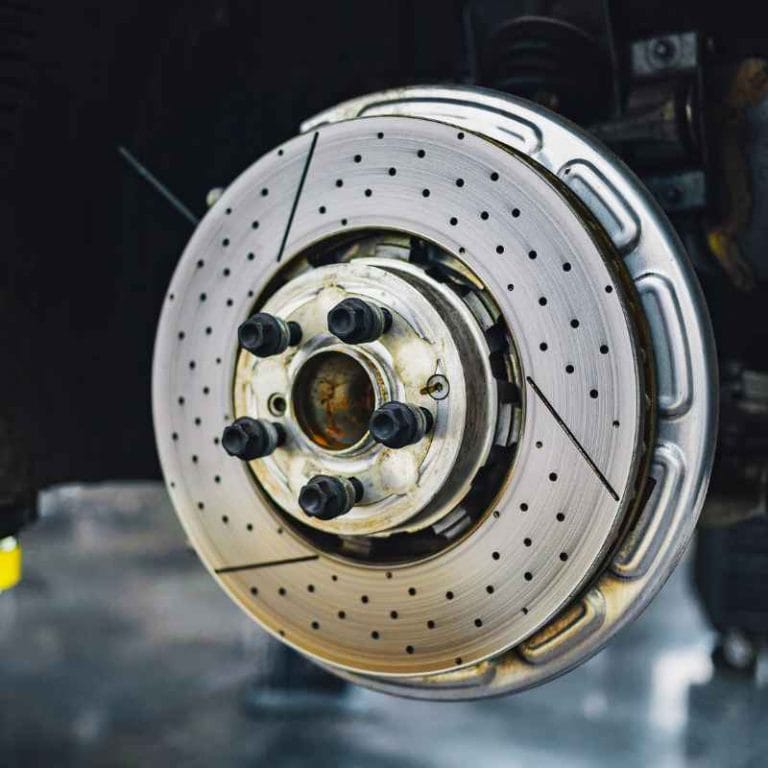
- Brake Rotors: These are the metal discs that the brake pads clamp onto. They can become worn, warped, or grooved.
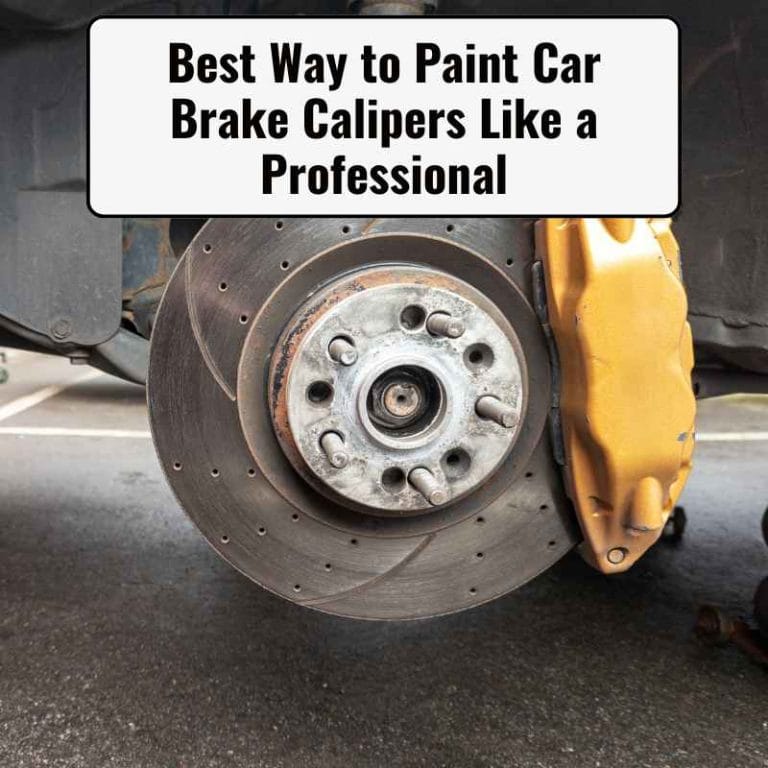
- Brake Calipers: These house the brake pads and hydraulic pistons that push the pads against the rotors.
- Brake Lines: These are tubes or hoses that carry brake fluid from the master cylinder to the calipers.
- Brake Fluid: This hydraulic fluid transmits the pressure from your foot to the brakes. It is crucial for the system to function.
When you notice changes in your braking, such as a soft pedal, grinding noises, or reduced stopping power, it’s a sign that one or more of these components might need attention. Taking your car to a qualified mechanic for regular check-ups will ensure these parts are functioning correctly.
For example, a statistic from the National Highway Traffic Safety Administration (NHTSA) shows that brake system failures are a factor in approximately 22% of all traffic crashes. This highlights the importance of maintaining your brakes.
Regular visual inspections by a trained professional can catch issues like worn brake pads, leaking brake lines, or low brake fluid levels before they lead to a critical failure. Many modern cars also have sensors that can alert you when your brake pads are getting low.
If you hear a squealing or grinding sound when you brake, it’s often an indicator that the brake pads are worn out and need immediate replacement. Ignoring these sounds can lead to more expensive repairs and, more importantly, compromised braking safety.
Furthermore, it’s important to get your brake fluid flushed and replaced periodically, as recommended by your car’s manufacturer. Over time, brake fluid can become contaminated and less effective, impacting the overall performance of your braking system. This is a simple maintenance task that can significantly enhance your car’s safety.
Frequently Asked Questions
Question: What is the very first thing I should do if my brakes fail?
Answer: The very first thing you should do is stay calm and pump your brake pedal rapidly and forcefully. This might help build enough pressure to slow your car down.
Question: How can I slow my car down without brakes?
Answer: You can slow your car down using engine braking by shifting to lower gears, and by gently applying the parking brake. You can also use friction from the environment if safe.
Question: Is it safe to rub my car against a guardrail if my brakes fail?
Answer: Yes, but only if done very gently. The goal is to create controlled friction to slow down, not to cause a major collision or lose control.
Question: How often should I get my brakes checked?
Answer: Most manufacturers recommend a brake inspection at least every 12 months or 15,000 miles, whichever comes first.
Question: Can I use my hazard lights if my brakes fail?
Answer: Yes, absolutely. Turning on your hazard lights is essential to alert other drivers that you are experiencing a problem.
Conclusion
Knowing What to Do If Car Brakes Fail While Driving is essential for every driver. By staying calm, pumping the brakes, and using engine braking, you can slow your vehicle. Gently applying the parking brake and looking for safe ways to stop like uphill slopes or soft ground are vital steps. Regular brake maintenance is the best way to prevent this dangerous situation from ever happening. Practice these steps mentally so you are prepared. See also how to make car brakes tighter for better stopping power.
Related pick: Check today's price on Amazon
Products related to this article
Sponsored / affiliate links. As an Amazon Associate I earn from qualifying purchases. I may earn additional commission from eligible campaigns.