How Often Should Your Car Brakes Be Changed?
Most car brake pads need to be replaced every 25,000 to 70,000 miles, while rotors can last up to 70,000 miles or more. This range depends heavily on your driving style, vehicle type, and brake material. The best approach is to listen for warning signs and have them inspected regularly.
Pad wear speed comes down to four factors: your driving style, vehicle weight, pad material, and local road conditions. Stop-and-go city driving wears pads roughly twice as fast as steady highway commuting. This guide covers the 7 warning signs to watch for, a 5-minute at-home visual check, and when the job needs a professional instead of a driveway wrench.
Why There’s No “One-Size-Fits-All” Answer
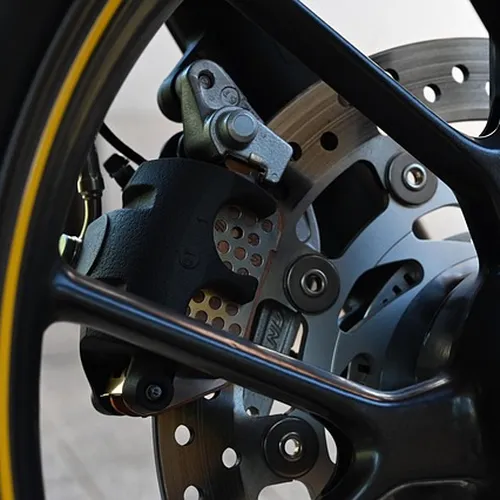
Orion Motor Tech 24-Piece Brake Caliper Compression Tool Set
Best for: Pushing caliper pistons back before a pad swap on any car, truck, or SUV.
Why we picked it: The 18 adapters fit single, twin, and quad-piston calipers, so one kit covers nearly every vehicle in the driveway instead of buying a single-size spreader.
Main drawback: Rear calipers on some vehicles need the wind-back (rotating) method, not straight compression — check your caliper type first.
Check Price on Amazon| Product | Best For | Price Range | Link |
|---|---|---|---|
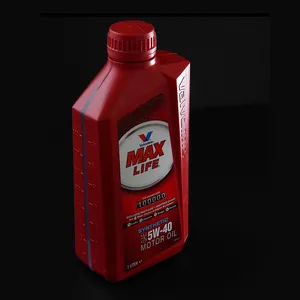 Prestone DOT 3 Brake Fluid |
Topping off or bleeding the system after a pad or caliper job | $ | View |
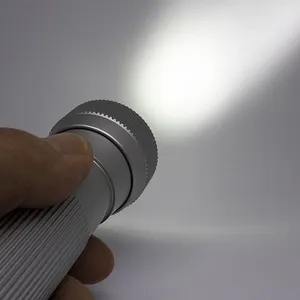 BESTSUN Rechargeable LED Work Light |
Seeing pad thickness and rotor grooves through the wheel spokes without kneeling in the dark | $ | View |
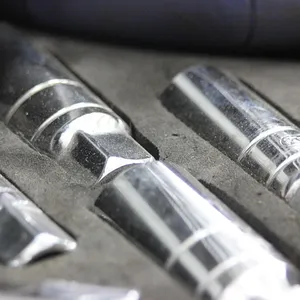 EPAuto 1/2″ Drive Torque Wrench |
Torquing caliper bolts and lug nuts back to spec after any brake job | $$ | View |
You might see a wide mileage range, like 25,000 to 70,000 miles, for brake replacement. That’s a huge difference! The reason is that brakes don’t wear down at the same rate for everyone. It’s not just about how many miles you drive, but how you drive them.
Think of your brake pads like the soles of your shoes. If you run marathons on rough pavement every day, your shoes will wear out much faster than if you only walk around the office. Your car’s brakes work the same way. Several key factors determine how long they last, and understanding them is the first step to becoming a smarter car owner.
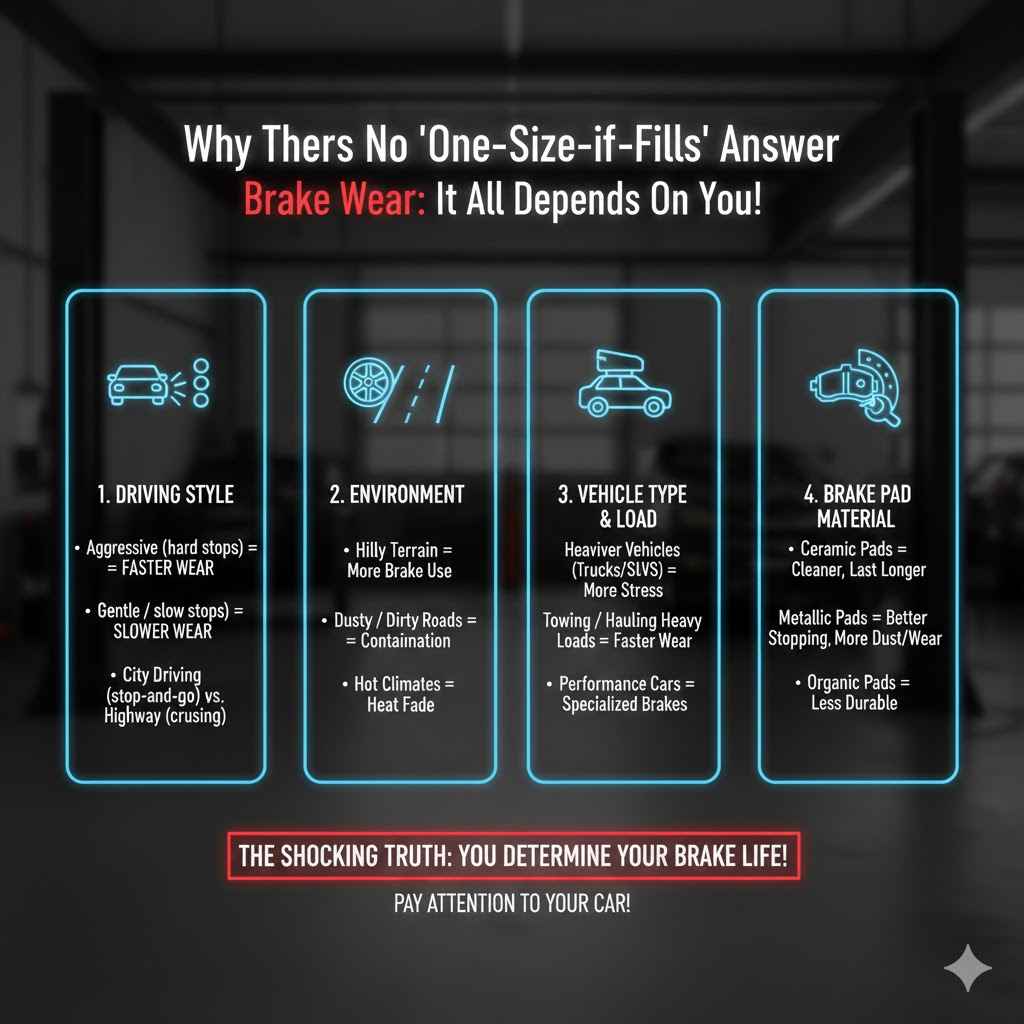
The 4 Key Factors That Affect Your Brakes’ Lifespan
To pinpoint when your brakes might need service, let’s look at the four biggest factors that influence their wear and tear. Knowing these will help you estimate your own brake life more accurately.
1. Your Driving Habits
This is the number one factor. The way you drive has a direct impact on how long your brake pads and rotors will survive.
- City vs. Highway Driving: If you do a lot of city driving with constant stop-and-go traffic, you are using your brakes far more often than someone who primarily drives on the highway. Each stop wears down the brake pad material a tiny bit.
- Aggressive vs. Gentle Driving: Do you tend to speed up to a red light and then brake hard at the last second? This “aggressive” braking generates a lot of heat and friction, which wears out brake pads and rotors much faster. Gentle, gradual braking is much kinder to your entire braking system.
- Coasting to a Stop: A great habit is to look ahead, anticipate stops, and take your foot off the gas to let the car slow down naturally before applying the brakes. This simple technique can add thousands of miles to your brake life.
2. Your Vehicle Type
Not all cars are created equal, and their weight and purpose play a big role in brake wear.
- Weight Matters: A heavy vehicle like an SUV, truck, or minivan requires much more force to stop than a small, lightweight sedan. This extra force means the brakes have to work harder, generating more heat and wearing down faster.
- Performance Cars: High-performance sports cars often use softer brake pad materials. These pads are designed to provide incredible stopping power, but the trade-off is that they wear out very quickly.
- Towing: If you frequently use your vehicle to tow a trailer or a boat, you are putting a massive additional strain on your braking system. The extra weight means your brakes have to work overtime, leading to much faster wear.
3. The Type of Brake Pads
Brake pads are not all made from the same stuff. The material they are made of determines their lifespan, performance, and price. Here are the three most common types.
| Pad Type | Average Lifespan | Pros | Cons |
|---|---|---|---|
| Organic | 20,000 – 40,000 miles | Quiet, inexpensive, gentle on rotors. | Wear out quickly, create more dust, don’t perform as well in extreme heat. |
| Semi-Metallic | 30,000 – 60,000 miles | Durable, excellent stopping power, good heat transfer. | Can be noisy, harder on rotors, produce more brake dust. |
| Ceramic | 40,000 – 70,000+ miles | Very quiet, produce little dust, long-lasting, stable in a wide range of temperatures. | Most expensive option. |
4. Your Environment and Road Conditions
Where you live and drive also affects your brakes.
- Hilly or Mountainous Areas: Driving in areas with steep hills requires constant braking to control your speed on descents. This continuous use generates a lot of heat and can wear out brakes much faster than driving on flat land.
- Climate: If you live in a coastal area with salty air or in a region that uses a lot of road salt in the winter, your brake components can be prone to rust and corrosion. A corroded brake caliper, for example, can stick and cause your brake pads to wear down unevenly and prematurely.
7 Clear Signs Your Brakes Need Attention
Your car is great at telling you when something is wrong. You just have to know how to listen and what to look for. If you notice any of these seven signs, it’s time to get your brakes checked out right away.
-
High-Pitched Squealing or ScreechingThis is often the first sign. Most brake pads have a small metal “wear indicator” built into them. When the pad material wears down to a certain point, this little piece of metal starts scraping against the rotor, creating a loud, high-pitched squeal. It’s your car’s way of saying, “Hey! Time for new pads soon!”
-
Deep Grinding or Growling SoundsIf you hear a low-pitched, harsh grinding noise, this is a much more serious warning. It usually means you’ve completely worn through the brake pad material, and now the metal backing plate of the pad is grinding directly against the metal rotor. This is a metal-on-metal situation that can quickly destroy your rotors and is very unsafe. Stop driving and get it inspected immediately.
-
Vibrating or Pulsating Brake PedalDo you feel a shaking or pulsing in the brake pedal or steering wheel when you press the brakes? This often points to a warped brake rotor. Overheating can cause the flat surface of the metal rotor to become uneven. When the brake pads clamp down on this uneven surface, it creates that vibrating sensation. While the car will still stop, your braking distance may be increased.
-
Spongy or Soft Brake PedalYour brake pedal should feel firm and responsive. If it feels soft, “mushy,” or goes down further than usual toward the floor, it’s a serious safety concern. This could mean there is air or moisture in your brake lines or a leak in the brake system. According to the National Highway Traffic Safety Administration (NHTSA), the brake system is critical for safety and should be checked by a professional if you feel any change in performance.
-
Car Pulling to One Side When BrakingWhen you apply the brakes, your car should stop in a straight line. If it pulls to the left or right, it signals a problem. This could be caused by a stuck brake caliper on one side, a collapsed brake hose, or unevenly worn brake pads. It’s unsafe because it can affect your steering control during a sudden stop.
-
Brake Warning Light on Your DashboardModern cars have dashboard warning lights for a reason. If a light shaped like a circle with parentheses and an exclamation mark `((!))` or the letters “ABS” comes on, don’t ignore it. It could mean your brake fluid is low, there’s a problem with the anti-lock braking system (ABS), or another issue. Check your owner’s manual to understand what the specific light means.
-
Visible Wear on the Brake PadsYou can often do a quick visual check yourself. Look through the spokes of your wheels to see the brake pad pressed against the shiny metal rotor. New brake pads are about 1/2 inch thick. If you see that the padding material is down to 1/4 inch (about the thickness of two pennies) or less, it’s time to start planning for a replacement.
How to Check Your Brakes at Home (The Easy Way)
You don’t need a full workshop to get a sense of your brakes’ condition. A simple visual inspection can give you peace of mind or confirm that it’s time to visit a mechanic. This quick check is easy and empowering!
What You’ll Need:
- A good flashlight
- Your car’s owner’s manual
Step-by-Step Visual Inspection:
- Park Safely: Make sure your car is parked on a flat, level surface and that the engine is off and cool.
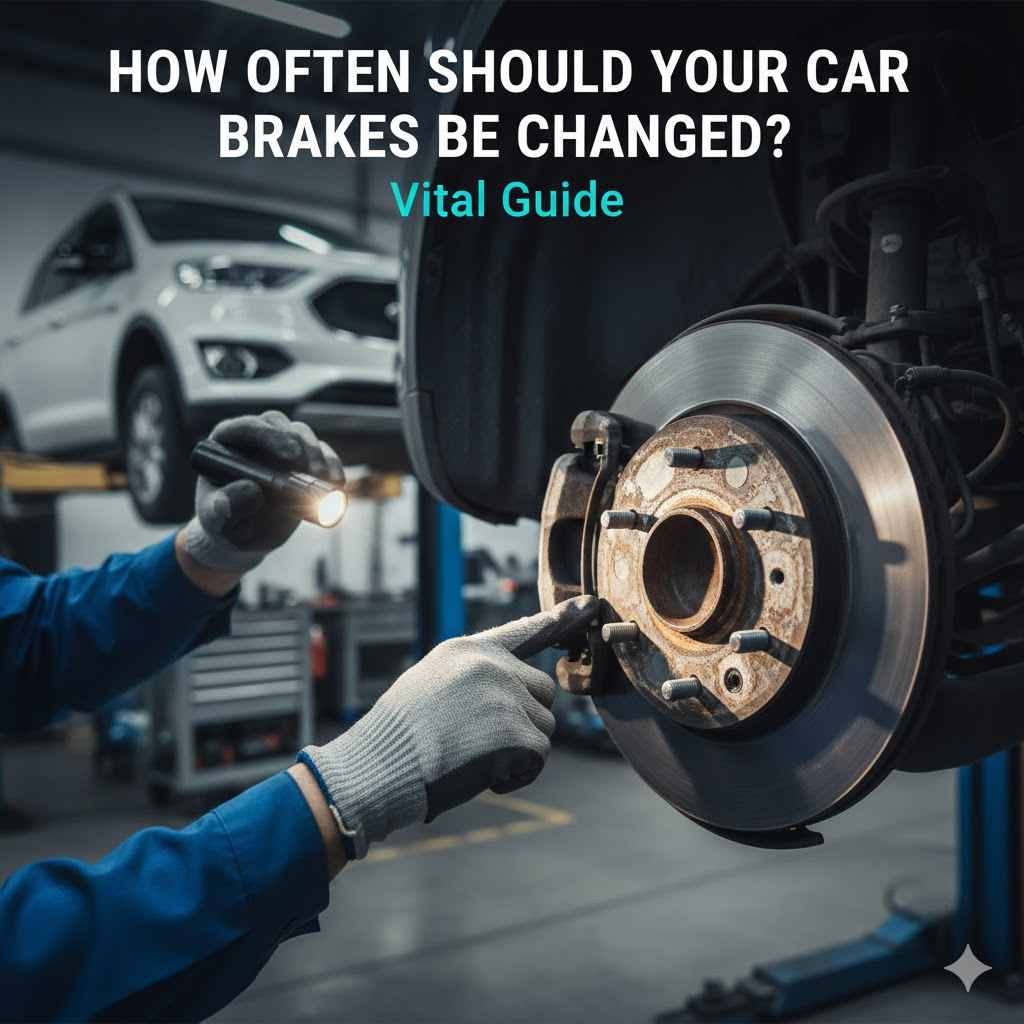
- Look Through the Wheel Spokes: You don’t even need to take the wheel off for a basic check. Kneel down and use your flashlight to peer through the openings in your wheel.
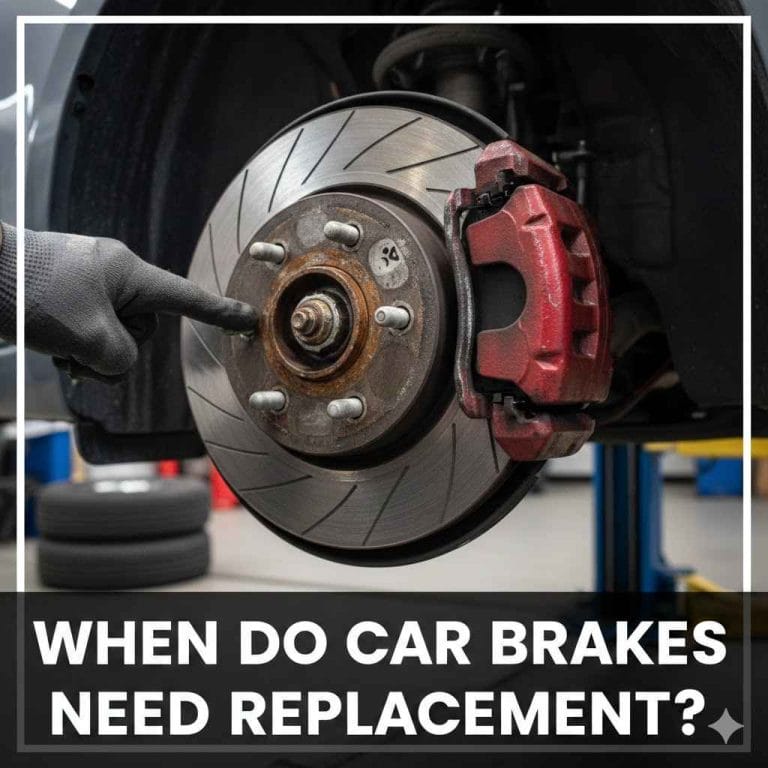
- Find the Brake Rotor and Caliper: You’ll see a large, shiny metal disc just inside the wheel. This is the rotor. Clamped over the edge of it is a metal housing called the caliper.
- Locate the Brake Pad: Sandwiched between the caliper and the rotor is the brake pad. You are looking for the friction material—the part that gets pressed against the rotor.
- Check the Pad Thickness: Shine your light on the pad. As mentioned before, you want to see at least 1/4 inch of pad material. If it looks very thin, it’s time for a replacement. Remember to check both the inner and outer pads, as they can sometimes wear unevenly.
- Inspect the Rotor Surface: While you’re there, look at the shiny surface of the rotor. It should be relatively smooth. If you see deep grooves or scoring marks, the rotors may need to be replaced along with the pads.
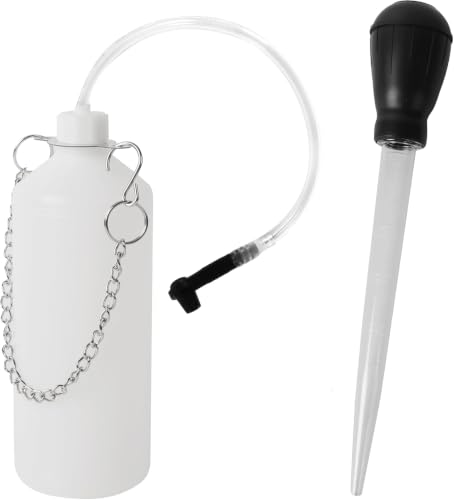
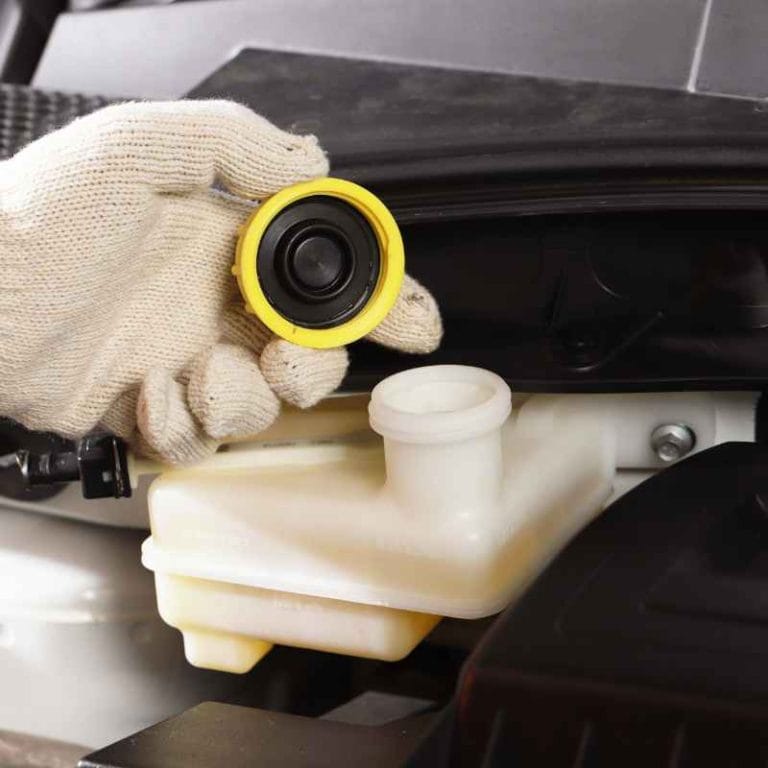
- Check Your Brake Fluid: Pop the hood and locate the brake fluid reservoir. It’s usually a small, semi-transparent plastic container on the driver’s side. Your owner’s manual can help you find it. Check that the fluid level is between the “MIN” and “MAX” lines. The fluid should be clear or a light amber color. If it’s dark and murky, it may need to be flushed and replaced.
Brake Pads vs. Rotors: What’s the Difference?
People often talk about a “brake job,” but that can mean different things. It’s helpful to know the two main components that get replaced: the pads and the rotors.
Brake Pads: The “Squeezers”
These are the components with the friction material that press against the rotors to create the friction needed to stop your car. They are designed to be worn down and are the most frequently replaced part of your brake system.
Brake Rotors: The “Spinning Discs”
These are the heavy metal discs that your wheels are attached to. When you hit the brakes, the pads squeeze the rotors to slow their spinning. They are much more durable than pads but can wear thin, get warped from heat, or become scored by worn-out pads.
You won’t always need to replace your rotors every time you replace your pads. However, if the rotors are warped, heavily grooved, or worn below the minimum safe thickness (which a mechanic can measure), they must be replaced for your safety.
| Symptom You Notice | Likely Action Needed | Simple Explanation |
|---|---|---|
| High-pitched squealing | Replace Brake Pads | This is the wear indicator telling you the pads are getting low. The rotors are likely still okay. |
| Vibration in the brake pedal | Replace Pads & Rotors | The vibration means the rotors are warped and no longer have a flat surface. They must be replaced. |
| Deep grinding noise | Replace Pads & Rotors | This metal-on-metal sound means the pads are gone and have damaged the rotor surface. Both must be replaced. |
| Car pulls to one side | Inspect Full System | Could be pads, but more likely a stuck caliper or brake hose issue. A full inspection is needed. |
DIY vs. Professional Mechanic: Which Is Right for You?
Replacing brake pads can be a rewarding DIY project if you have the right tools and knowledge. However, because brakes are a critical safety system, it’s important to be honest about your skill level.
When DIY Might Be a Good Option:
- You have a good set of tools, including a jack, jack stands, a lug wrench, and socket set.
- You have a safe, flat place to work, like a garage or level driveway.
- You are patient and detail-oriented. Brakes need to be installed correctly.
- You want to save significant money on labor costs.
- You have studied reliable tutorials. Automotive programs like the one at Universal Technical Institute offer great overviews of how these systems work, giving you a solid foundation.
When to Call a Professional:
- You are not confident in your mechanical abilities. When it comes to safety, it’s better to be sure.
- You hear grinding sounds or the brake pedal feels spongy. These are signs of serious issues that need an expert diagnosis.
- You don’t have the proper tools or a safe space to do the job.
- You simply don’t have the time or desire to do it yourself. A good mechanic can often do the job in just a couple of hours.
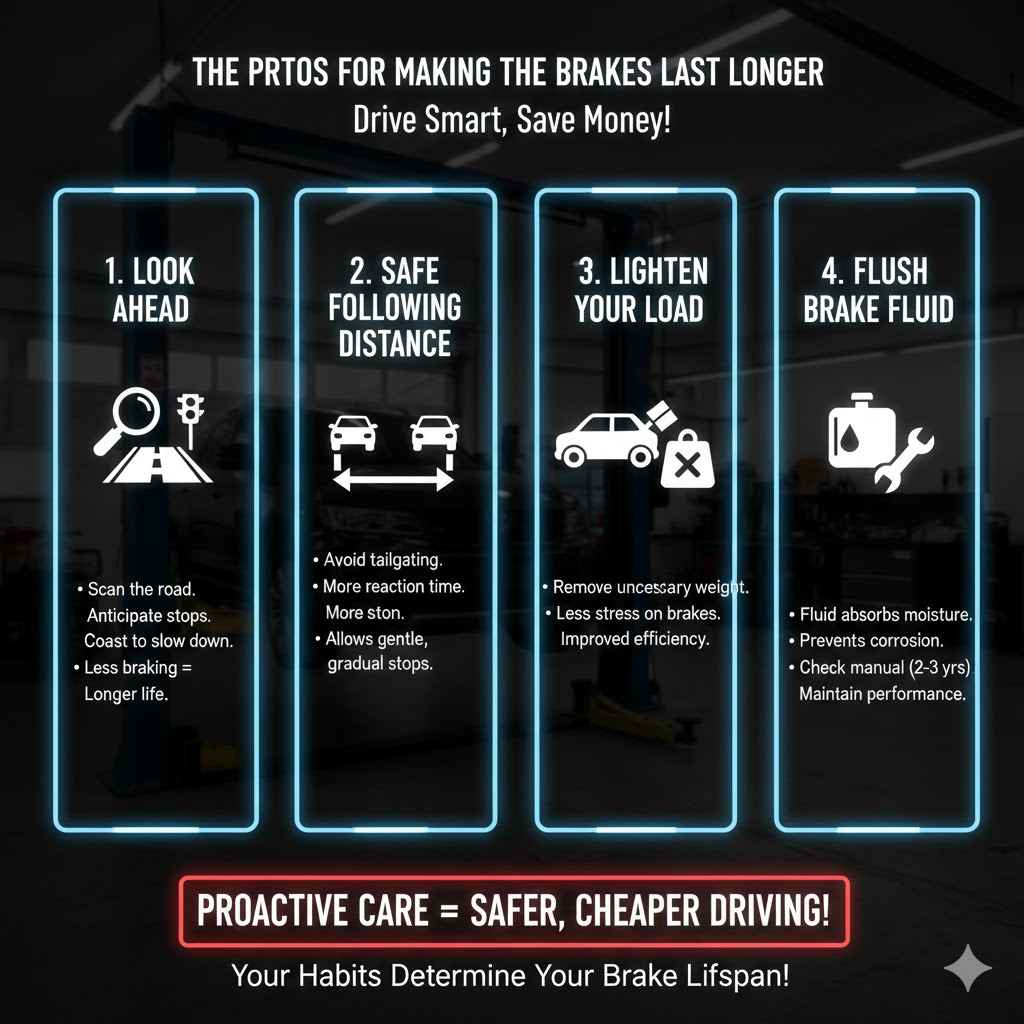
Pro Tips for Making Your Brakes Last Longer
You can extend the life of your brakes and save money with a few simple changes to your driving habits.
- Look Ahead: The best way to save your brakes is to use them less. Scan the road far ahead of you. If you see a red light or stopped traffic, take your foot off the gas and let your car coast to slow down instead of waiting until the last second to brake.
- Keep a Safe Following Distance: Avoid tailgating. Leaving more space between you and the car in front gives you more time to react and allows for gentle, gradual stops instead of sudden, hard ones.
- Lighten Your Load: Don’t use your car as a storage unit. Extra weight makes your engine and brakes work harder. Clean out any heavy, unnecessary items from your trunk or cabin.
- Flush Your Brake Fluid: Brake fluid absorbs moisture over time, which can lead to corrosion and poor performance. Check your owner’s manual for the recommended interval to have your brake fluid flushed and replaced (usually every 2-3 years).
Frequently Asked Questions (FAQ)
1. How much does a brake job usually cost?
The cost varies widely based on your car model and where you live. Replacing brake pads on one axle (front or back) can range from $150 to $350. If you need both pads and rotors replaced, the cost can be anywhere from $300 to $700 or more per axle.
2. Can I just replace the brake pads on one wheel?
No, you should always replace brake pads in pairs—both front wheels or both rear wheels at the same time. Replacing only one side will cause uneven braking and make your car pull to the side with the new pad.
3. What’s that burning smell after getting new brakes?
A slight burning smell is normal for the first 50-100 miles after getting new brakes. This is usually the resins and materials in the new pads “curing” as they heat up for the first time. If the smell is very strong or persists after a few days, have them checked again.
4. Why are my new brakes squeaking?
New brakes can sometimes squeak during the “break-in” period as the pads settle against the rotors. This often goes away on its own. It can also be caused by brake dust or if the mechanic didn’t apply anti-squeal lubricant to the back of the pads. If it continues, it’s worth having it checked.
5. How often should I check my brake fluid?
It’s a good idea to check your brake fluid level every time you get an oil change, or at least twice a year. If the level is low, it could indicate worn brake pads or a leak in the system.
6. What is the difference between brakes and rotors again?
Think of it simply: the brake pads are the wearable “shoes” that do the squeezing, and the rotors are the metal “discs” that they squeeze against to stop the wheel from spinning. Pads wear out faster, while rotors last longer but can get damaged or warped.
7. Is it safe to drive with the brake warning light on?
No, it is not safe. A brake warning light indicates a potential problem with a critical safety system. It could be something simple like low fluid, but it could also be a serious hydraulic failure. You should have your vehicle inspected by a professional as soon as possible.
Conclusion: Your Brakes Are Your Best Friend
Understanding how often to change your car’s brakes isn’t about memorizing a specific mileage number. It’s about learning to listen to your car and recognizing the signs of wear. By paying attention to the sounds and feelings of your vehicle, doing a quick visual check now and then, and adjusting your driving habits, you can stay ahead of any problems.
Your brakes are your first line of defense on the road. Taking care of them is one of the most important things you can do as a responsible car owner. You are now equipped with the knowledge to make smart, safe, and cost-effective decisions about your car’s most vital safety feature. Drive with confidence!
Products related to this article
Sponsored / affiliate links. As an Amazon Associate I earn from qualifying purchases. I may earn additional commission from eligible campaigns.