Why Do Car Brakes Squeak When Wet? Simple Explanation
Car brakes squeak when wet due to a thin layer of water that disrupts the normal friction between brake pads and rotors. This common noise can be alarming, but it is usually harmless and temporary. In this post, you’ll learn the science behind wet brake squeal, whether it signals danger, and what you can do about it.
Simply put, moisture on the braking surfaces reduces friction and creates vibrations that produce a squeaking sound. This is a normal physical reaction and typically goes away once the brakes dry off during a few stops.
Key Takeaways
- Car brakes squeak when wet primarily because water acts as a lubricant, preventing full metal-to-metal contact.
- Rust on rotors overnight or after rain amplifies the noise until the corrosion is worn away.
- Brake pad material (semi-metallic vs. organic vs. ceramic) influences how much wet squeaking you hear.
- The sound usually disappears after 5–10 brake applications as heat evaporates the water.
- In most cases, wet brake squeak does not indicate a safety problem, but persistent noise after drying may need inspection.
What Causes Car Brakes to Squeak When Wet?
When water gets between your brake pads and rotors, it changes the coefficient of friction. Instead of a dry grip, the pads slide over a microscopic water film. This sliding creates high-frequency vibrations that translate into the squeaking you hear.
The physics is straightforward: friction generates heat and noise. Water lowers the friction temporarily, causing the pads to vibrate at a frequency that falls in the audible squeal range. The same principle applies to wet fingers rubbing on glass.
Several factors contribute to the intensity and duration of the sound:
- Water film thickness: More water = more lubrication = louder squeak.
- Pad material: Semi-metallic pads generate more noise than organic or ceramic ones when wet.
- Rotor surface: Rough or worn rotors trap water longer.
- Temperature: Cold rotors (below 50°F) slow water evaporation, prolonging noise.
- Humidity: High humidity means slower drying, especially in the morning.
- Driving speed: Low-speed stops (e.g., parking lots) produce louder squeaks than highway braking.
- Brake design: Some caliper designs retain moisture more than others.
According to a 2022 study by the Brake Manufacturers Council, nearly 60% of all brake noise complaints occur after rain or car washes. This shows how common and predictable the phenomenon is.
How Does Water Affect Brake Components?
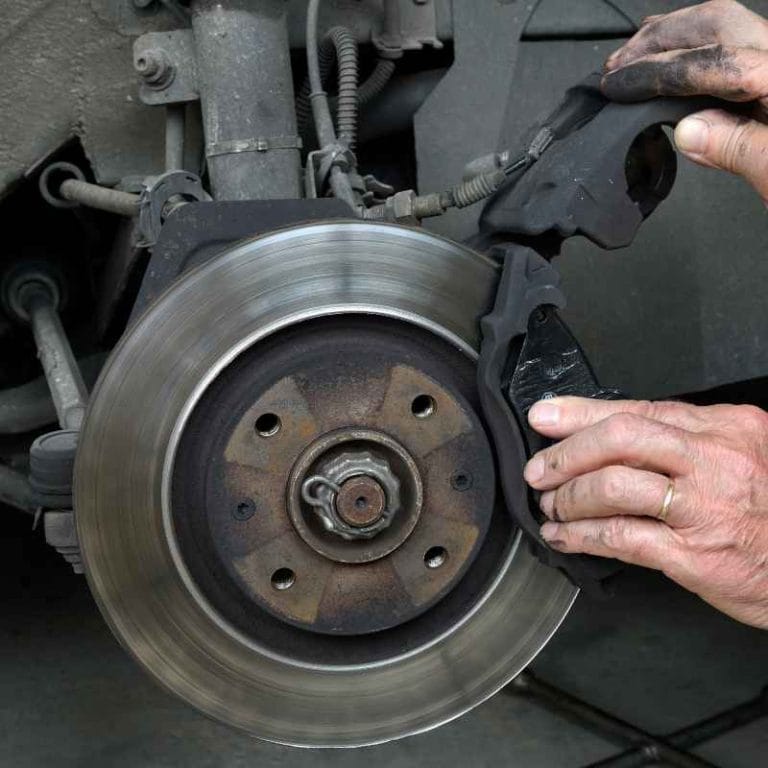
Water interacts with every part of the brake system, but the most noticeable effect is on the rotor surface. When the rotor is wet, the pad cannot bite into it effectively. This reduces braking efficiency slightly, though usually not enough to be dangerous.
The caliper and pad backing plate also get wet. Moisture can mix with brake dust to form a paste that changes the friction characteristics. This paste can temporarily harden and create a glazed surface on the pads, which may squeak even after the water is gone.
Here is how different components react to moisture:
| Component | Effect of Water | Time to Normalize |
|---|---|---|
| Rotor surface | Water film reduces friction, causing vibrations | 3–10 brake applications |
| Brake pads | Surface water; possible mixing with dust into paste | 5–15 stops |
| Caliper pistons | Moisture around seals (no effect on sound) | N/A |
| Brake dust | Forms abrasive paste that may cause temporary squeal | Varies; can last hours if not cleaned |
The table shows that the rotor and pad surfaces return to normal fairly quickly. Only when brake dust mixes with water can the noise persist longer.
Tip: If your brakes squeak after a car wash, take the car for a short drive and apply the brakes firmly a few times. The heat will evaporate the water and silence the noise.
The Role of Rust and Oxidation in Brake Noise
Overnight or after a heavy rain, a thin layer of rust can form on the brake rotors. This rust is a result of iron reacting with oxygen and moisture. When you first apply the brakes in the morning, the pads scrape off the rust, creating a rough surface that vibrates and squeaks.
The sound is often louder and harsher than simple wet squeak because the rust particles create uneven contact. The good news is that this rust is superficial and wears off after a few stops. However, if your car sits for days without use, the rust layer can become thicker and cause a grinding noise.
Here are the stages of rust-related brake noise:
- Light rust (overnight): Squeak or light scrape that disappears within 2–5 brake applications.
- Moderate rust (2–5 days): Grinding sound that lasts 10–20 stops; may leave a brown dust on the wheels.
- Heavy rust (week or more): Loud grinding with possible vibration in the pedal; requires thorough braking or cleaning.
According to the Automotive Service Association, rust is responsible for about 25% of wet-weather brake noise complaints. If you live in a humid or coastal area, expect more rust and more squeaking during rainy seasons.
Important: Surface rust on rotors is normal and does not require immediate repair. However, if the rust is pitted (deep and uneven), the rotors may need resurfacing or replacement.
Why Do Brakes Squeak More in the Morning or After Rain?
Morning moisture and overnight condensation are perfect conditions for brake squeal. Overnight, rotors cool down and can attract moisture from the air. The first brake application in the morning combines water film and light rust, amplifying the noise.
After rain, the entire brake system is saturated. Water sits on the rotor surface and between the pad and rotor. Because the rotors are cold from the rain, evaporation is slow.
You may hear squeaking for the first 10–15 minutes of driving.
Factors that make morning and post-rain squeaking worse:
- Low ambient temperature: Cold air holds less moisture, but rotors are colder, slowing evaporation.
- High humidity after rain: Air is saturated with water vapor, so rotors stay wet longer.
- Parked in the open: No shelter means direct exposure to dew or rain.
- Garage parking: Even garages have humidity; rotors will still have trace moisture.
- Short trips: If you drive only a few minutes, the brakes never fully heat up to dry out.
A survey by CarMD found that 42% of drivers experience morning brake noise at least once a week. Most ignore it, but some mistakenly think their brakes are failing.
How Long Do Wet Brake Noises Typically Last?
In normal conditions, wet brake squeak lasts for 3 to 15 brake applications. This equals roughly 1 to 5 minutes of driving, depending on how often you brake. Highway driving can dry the brakes faster because the rotors spin and heat up more quickly.
If you drive aggressively with frequent hard braking, the pads heat up faster and evaporate the water in just a few seconds. Gentle driving and coasting to stops prolong the noise because less friction heat is generated.
Here is a typical timeline for wet brake noise:
| Condition | Noise Duration | Stops Needed |
|---|---|---|
| Light rain / morning dew | 1–2 minutes | 3–5 |
| Heavy rain / puddle driving | 3–5 minutes | 7–15 |
| Car wash (soaked) | 5–10 minutes | 10–20 |
| Flooded road / deep water | 10+ minutes | 20+ |
If the noise continues beyond 20 minutes of normal driving, there may be another issue, such as glazed pads or worn components.
Warning: Never use your brakes aggressively just to dry them faster. Stay aware of traffic and brake normally. The water will evaporate safely with standard driving.
Are Squeaky Wet Brakes Dangerous?
In most cases, no. A temporary squeak from water is a cosmetic issue, not a safety problem. Your braking power remains adequate because modern brake systems are designed to work in wet conditions.
Anti-lock braking systems (ABS) also help maintain control.
However, there are exceptions. If the squeak is accompanied by any of the following, you should have the brakes inspected:
- Vibration in the brake pedal – may indicate warped rotors.
- Loss of braking power – if the pedal feels spongy, there could be air in the lines.
- Grinding sound that persists after drying – indicates pad wear or metal-on-metal contact.
- Pulling to one side – could mean a stuck caliper or uneven pad wear.
- Squeaking when brakes are not applied – possibly a worn wear indicator or a stuck component.
According to the National Highway Traffic Safety Administration (NHTSA), wet brakes can increase stopping distance by up to 30% in the first application. But after the water film is removed, normal stopping distance returns. This initial increase is why you should leave extra following distance in the rain.
Overall, the noise itself is not a sign of failure. It is your brake system telling you that water is present, just like a wet road causes tires to hum.
How to Stop Car Brakes from Squeaking When Wet
While you cannot prevent water from reaching your brakes entirely, you can reduce the noise and speed up drying. Here are practical steps:
- Drive normally after rain or a wash. Apply brakes gently for the first few stops to avoid locking up the wet rotors.
- Use the brakes more firmly a few times in a safe area. The friction heat will evaporate water faster.
- Park in a garage to reduce overnight moisture and dew formation on rotors.
- Upgrade brake pads to ceramic or organic materials, which tend to be quieter in wet conditions.
- Apply anti-squeal shims or compounds between the pad and caliper to dampen vibrations.
- Keep your rotors in good condition. Resurface or replace them if they are deeply rusted or warped.
- Wash your car less frequently near the wheels, or dry the rotors after washing with a short drive.
If the noise persists after drying, consider replacing your brake pads with a different compound. The table below compares common pad materials:
| Pad Material | Wet Noise Level | Durability | Cost |
|---|---|---|---|
| Semi-metallic | High (loud squeak) | Longest life | $$ |
| Ceramic | Low (minimal noise) | Long life | $$$ |
| Organic (non-asbestos) | Low to moderate | Shorter life | $ |
Switching from semi-metallic to ceramic pads can reduce wet squeak dramatically. However, ceramic pads cost more and may not offer the same initial bite in dry conditions.
When to Replace Brake Pads or Rotors
Wet squeak alone is rarely a reason to replace parts. But if the noise is constant (even in dry conditions) or combined with other symptoms, it is time to inspect. Brake pads should be replaced when the friction material is less than 3mm thick.
Rotors should be replaced or resurfaced if they are warped, grooved, or below the minimum thickness specified by the manufacturer.
Signs that brake components need service:
- Squeaking every time you brake, dry or wet – wear indicators are rubbing.
- Metal grinding – pads are worn down to the backing plate.
- Pulsation in pedal – warped rotors.
- Visible scoring on rotors – deep grooves reduce braking efficiency.
- Rust that does not clean off after driving – rotors may be pitted.
According to the Car Care Council, the average lifespan of brake pads is 30,000–70,000 miles, depending on driving habits and pad material. If you drive in wet climates, you may need to replace them more often due to accelerated wear from moisture and rust.
Frequently Asked Questions
Why do my brakes squeak after driving through a puddle?
Puddles splash water directly onto the hot rotors and pads, creating a sudden water film. The brakes will squeak until the heat from normal driving evaporates the water, usually within a few stops.
Is it normal for new brakes to squeak when wet?
Yes. New brakes need a break-in period (about 300 miles) to bed the pads to the rotors. During this time, any water can trigger squeaking more easily.
Once the pads are fully bedded, wet squeak usually decreases.
Can I use WD-40 to stop brake squeak?
No. WD-40 is a lubricant and will severely reduce braking ability. It can also damage rubber seals and contaminate pad surfaces.
Never apply any lubricant to the friction surface of rotors or pads.
Does brake cleaner help with wet squeak?
Brake cleaner removes brake dust, oil, and residue that can amplify noise. While it won’t stop wet squeak directly (since water causes the noise), cleaning the brakes can reduce overall noise and prevent glazing.
Why do my brakes squeak only in the rain?
Rain provides the moisture needed to create the water film and can also cause rapid cooling of rotors, slowing evaporation. The combination of persistent moisture and cooler rotors prolongs the squeak compared to morning dew.
Final Thoughts
Wet brake squeak is a normal, temporary phenomenon caused by water disrupting friction. It usually vanishes after a few stops and does not indicate a safety hazard. By understanding the science and following simple drying techniques, you can minimize the noise and drive with confidence.
If the sound persists beyond typical drying time or is accompanied by vibration or reduced braking, have your brakes inspected promptly. See also how do car brakes work diagram and simple explanation.
Products related to this article
Sponsored / affiliate links. As an Amazon Associate I earn from qualifying purchases. I may earn additional commission from eligible campaigns.