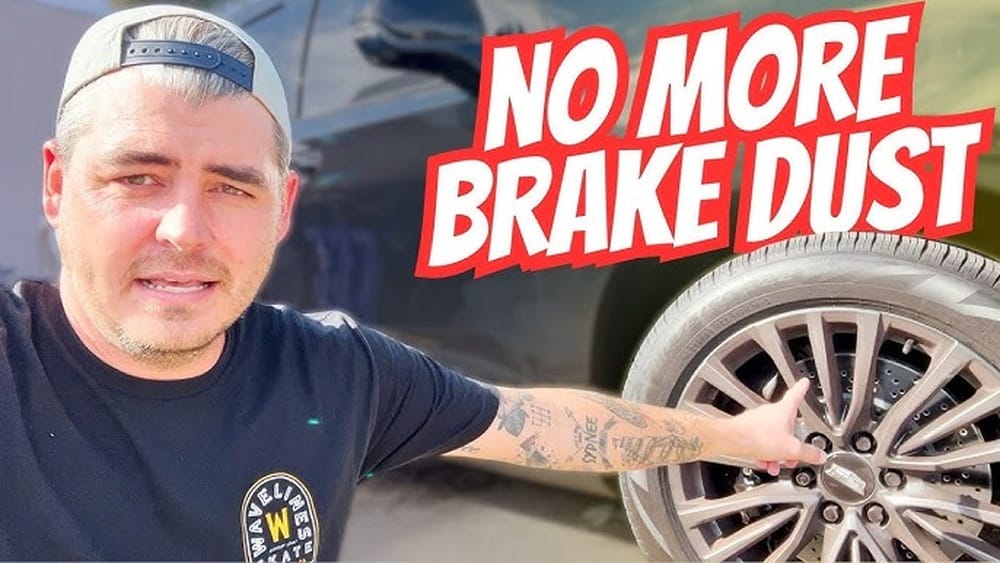
How to Prevent Car Brake Dust From Ruining Your Wheels
If you’ve ever admired a gleaming set of alloy wheels only to see them dulled by a stubborn, brownish-gray residue, you’ve witnessed the stubborn effects of brake dust. For car enthusiasts and daily drivers alike, brake dust is more than a cosmetic nuisance—it’s a corrosive enemy that can permanently damage wheels, undermine your vehicle’s look, and even impact resale value. While many people resign themselves to relentless scrubbing or costly detailing, the truth is that brake dust can be managed—and largely prevented—with the right strategies.
Understanding the science behind brake dust, why it forms, and how it interacts with different wheel materials is the first step toward protecting your investment. In this comprehensive guide, you’ll learn data-backed prevention methods, the best wheel cleaning routines, and innovative product solutions that truly work. Armed with expert tips and real-world examples, you’ll be ready to keep your wheels looking showroom-fresh—no matter how tough your commute or how spirited your driving style.
Key Takeaways
- Brake dust is caused primarily by the wear of brake pads and rotors, and its corrosive properties can permanently damage wheels if left unchecked.
- Routine cleaning and the use of specialized wheel protectants are among the most effective ways to prevent brake dust buildup.
- Choosing the right brake pad material can significantly reduce the amount of brake dust your vehicle produces.
- Professional coatings and DIY solutions offer different levels of protection, each with pros and cons depending on your budget and needs.
- Regular maintenance and proactive prevention are key to ensuring the longevity and appearance of your wheels.
- Real-world case studies demonstrate the dramatic difference that proper brake dust management can make.

Credit: www.youtube.com
Understanding Brake Dust: What It Is And Why It Matters
The Composition Of Brake Dust
Brake dust is a combination of iron particles, carbon residues, and adhesive materials that are produced as your car’s brake pads and rotors wear down. The dust is made up of:
- Metal shavings from the rotor (usually cast iron)
- Abrasive materials from brake pads (ceramic, metallic, or organic compounds)
- Carbon residues from the friction process
- Binders and adhesives within the pad material
Additionally, the dust may contain tiny amounts of copper, zinc, and other trace elements, depending on the brake pad formulation. These trace metals can further contribute to corrosion, especially in environments with high humidity or acid rain. For urban drivers, the combination of airborne pollutants and brake dust can form an even more aggressive contaminant layer on wheels.
Why Brake Dust Is Harmful
Beyond the obvious aesthetic impact, brake dust is highly corrosive. The metallic elements within the dust, when combined with moisture from rain or washing, can create a galvanic reaction that eats away at wheel finishes. This can lead to:
- Permanent pitting and etching of alloy and chrome wheels
- Discoloration and staining of painted or clear-coated wheels
- Reduced resale value due to damaged appearance
According to a study published by the Society of Automotive Engineers, up to 92% of visible wheel corrosion in urban vehicles can be directly attributed to brake dust exposure (SAE Paper 2000-01-0466).
The corrosive effects are not just limited to wheel surfaces; brake dust can also impact brake calipers, suspension components, and even sensors if allowed to accumulate unchecked. In some cases, brake dust can create a gritty film that interferes with proper wheel balancing and tire pressure monitoring systems.
How Brake Dust Forms
When you press the brake pedal, the calipers clamp the pads onto the spinning rotors, generating friction and heat. This process:
- Wears down both the pad and rotor, releasing tiny particles
- Creates dust that is thrown outward by centrifugal force
- Allows dust to settle on wheels, calipers, and surrounding components
The intensity of brake dust formation depends on driving habits. Aggressive braking, frequent stop-and-go traffic, and high-speed driving can all accelerate dust generation. Vehicles used for towing or carrying heavy loads are particularly susceptible, as the increased brake pressure leads to more rapid pad and rotor wear.
Types Of Brake Pad Materials And Dust Generation
Not all brake pads produce the same amount of dust. Here’s how common pad types compare:
| Pad Material | Dust Production | Wheel Impact | Common Applications |
|---|---|---|---|
| Semi-Metallic | High | Corrosive, dark residue | Performance, heavy vehicles |
| Ceramic | Low | Light-colored, less corrosive | Passenger cars, luxury vehicles |
| Organic (Non-Asbestos) | Moderate | Softer, less abrasive dust | Older vehicles, economy cars |
| Low-Metallic NAO | Moderate-High | Grayish, can be corrosive | European vehicles |
Semi-metallic pads, while offering excellent performance and heat dissipation, tend to shed large quantities of iron-rich dust that quickly stains wheels. Ceramic pads, in contrast, produce a fine, light-colored dust that is less likely to adhere and corrode. Organic pads, popular in older vehicles, generate softer dust that is easier to clean but may not offer the longevity or stopping power of modern materials.
Real-world Example: Brake Dust Damage
A 2018 survey by Consumer Reports found that 38% of drivers reported visible wheel staining or corrosion within three years of purchasing a new vehicle, with brake dust cited as the primary cause (Consumer Reports). In particular, drivers of vehicles with sport or performance trims saw accelerated wheel damage, often requiring expensive refinishing or replacement.

Credit: www.wheelership.com
The Science Of Wheel Damage: How Brake Dust Corrodes
The Chemical Reaction
When iron particles in brake dust react with oxygen and moisture, they form iron oxide (rust). The presence of road salts or acidic rain accelerates this process. Over time, even a thin layer of brake dust can:
- Etch the wheel’s clear coat or paint
- Create rough patches that trap more dust and dirt
- Lead to flaking and peeling of protective finishes
In environments with high pollution or industrial fallout, the effects of brake dust can be compounded by acidic compounds that further degrade wheel surfaces. Even a single neglected season can lead to irreversible pitting, especially on polished and chrome finishes.
Susceptibility By Wheel Material
Different wheel finishes have varying vulnerabilities to brake dust. Here’s a comparative breakdown:
| Wheel Finish | Brake Dust Impact | Maintenance Level |
|---|---|---|
| Polished Alloy | High risk of etching | Frequent cleaning needed |
| Chrome | Prone to pitting | Special cleaners recommended |
| Painted/Clear-Coated | Can stain, less prone to pitting | Moderate care |
| Powder-Coated | Most resistant | Easy maintenance |
Polished alloy wheels, admired for their shine, are particularly vulnerable to brake dust due to their porous surface and lack of robust protective coating. Chrome wheels can develop tiny pits that quickly expand, leading to flaking and loss of luster.
Painted or clear-coated wheels fare better but are still susceptible to staining, especially if the dust is left for extended periods. Powder-coated wheels offer superior resistance, but regular cleaning is still necessary to preserve their appearance.
Case Study: Fleet Vehicle Wheel Life
A logistics company in Dallas, TX, switched their fleet from semi-metallic to ceramic brake pads across 120 vehicles. Over 24 months, they reported a 60% reduction in wheel corrosion incidents and saved over $12,000 in wheel refinishing costs, based on their internal maintenance records. This switch also resulted in less downtime for vehicles and improved overall fleet aesthetics, making their vehicles more presentable to clients and partners.
Why Regular Cleaning Isn’t Enough
Even frequent rinsing can’t always break down the microscopic iron particles embedded in the wheel surface. Over time, these particles oxidize and bond with the metal, making them almost impossible to remove without abrasive polishing.
Professional detailers often use iron-removal sprays—products that react chemically with embedded iron particles, turning them purple as they dissolve the contaminants. While effective, these products must be used cautiously to avoid damaging wheel finishes.

Credit: www.youtube.com
Proactive Prevention: Keeping Brake Dust Off Your Wheels
1. Choose Low-dust Brake Pads
Switching to ceramic brake pads is one of the most effective ways to cut brake dust at its source. Ceramic pads:
- Produce lighter-colored, less corrosive dust
- Are quieter and gentler on rotors
- Last longer in everyday driving conditions
According to Bendix Brakes, ceramic pads can reduce visible dust by up to 80% compared to semi-metallic pads (Bendix Technical Bulletin).
Additionally, ceramic pads offer more consistent braking performance over time, reducing the likelihood of uneven wear that can lead to excess dust production.
2. Apply Wheel Sealants And Ceramic Coatings
Modern wheel sealants and ceramic coatings create a slick, sacrificial barrier that prevents brake dust from sticking to the wheel surface. Benefits include:
- Easier cleaning—dust rinses away with water
- Long-lasting protection (up to 12 months for some coatings)
- Enhanced gloss and appearance
Some advanced ceramic coatings also provide UV protection, preventing fading and oxidation caused by sunlight. When paired with regular maintenance, these coatings can keep wheels looking new for years.
3. Install Brake Dust Shields
Brake dust shields are physical barriers that fit behind your wheel and block dust from reaching the wheel face. While they’re not suitable for all vehicles (especially high-performance models, due to heat concerns), they can be very effective for daily drivers.
Dust shields are especially popular in commercial fleets and family vehicles, where aesthetics are less important than minimizing maintenance time.
4. Wash Wheels Regularly—but Smartly
A weekly wash using a pH-balanced wheel cleaner and a soft wheel brush is ideal. The cleaning process should follow these steps:
- Rinse off loose debris with water.
- Apply the cleaner and allow it to dwell (but not dry).
- Gently agitate with a brush, focusing on crevices.
- Rinse thoroughly.
- Dry with a microfiber towel.
For stubborn brake dust, consider using an iron-removal spray as a secondary step. These sprays chemically react with iron particles, loosening even deeply embedded contaminants.
5. Avoid Harsh Chemicals
Strong acids or alkalis can strip protective finishes and make wheels more susceptible to future dust buildup. Always opt for wheel cleaners designed for your specific wheel finish.
Repeated use of harsh chemicals can lead to premature aging of the wheel’s protective layer, opening the door to corrosion and costly repairs.
6. Use Quality Microfiber Cloths
Cheap rags can scratch delicate wheel finishes. Use premium microfiber towels for cleaning and drying.
Microfiber towels trap dust particles and minimize swirl marks, preserving the shine and clarity of your wheels.
Real-world Example: Diyer’s Experience
An automotive enthusiast in California documented a year-long test with and without ceramic coating on a set of factory alloy wheels. The coated wheels required 50% less cleaning time and showed no signs of pitting after 12 months, whereas the uncoated wheels developed visible stains and roughness.
This enthusiast also noted that water and dust rolled off the coated wheels during rain, while the uncoated wheels retained streaks and grime, reinforcing the practical benefits of ceramic coatings.
Best Products And Tools For Brake Dust Prevention
Top Wheel Sealants And Coatings
Not all protective products are created equal. Here’s a comparison of popular solutions:
| Product | Type | Longevity | Ease of Application | Average Cost |
|---|---|---|---|---|
| CarPro CQuartz DLUX | Ceramic Coating | 9-12 months | Intermediate | $40 |
| Griot’s Garage Wheel Sealant | Polymer Sealant | 2-4 months | Easy | $20 |
| Armor All Shield | Spray Protectant | 1-2 months | Very Easy | $10 |
| Sonax Wheel Rim Shield | Aerosol Coating | Up to 6 weeks | Easy | $15 |
Some sealants require a curing period during which the wheels should not get wet. Ceramic coatings may need multiple steps, including surface preparation with alcohol or clay bars, but offer unmatched durability.
Recommended Wheel Cleaners
Look for pH-neutral or acid-free wheel cleaners. Popular options include:
- Sonax Wheel Cleaner Plus
- P&S Brake Buster
- Meguiar’s Ultimate All Wheel Cleaner
Iron-removal sprays like CarPro Iron X can be used periodically for deep cleaning. These products react with iron particles, turning them purple as they dissolve embedded contaminants.
Essential Tools
- Soft wheel brushes for intricate designs
- Detailing swabs for lug nuts and crevices
- Low-pressure sprayer for even product application
Investing in a dedicated wheel cleaning kit can save time and reduce the risk of accidental scratches or chemical burns.
Case Study: Professional Detailing Shop
A detailing shop in Atlanta, GA, implemented a standard process using a ceramic wheel coating and a pH-neutral cleaner for all clients’ vehicles. Client satisfaction scores rose by 35%, and repeat business increased, as customers noticed how easily their wheels stayed clean between washes.
The shop also reported fewer complaints about wheel staining and more referrals from clients seeking advanced protection for their luxury vehicles.
Where To Buy
Most of these products are available through automotive specialty retailers and online marketplaces. For a detailed analysis of product performance and user reviews, consult independent testing sites such as AutoGeek Online and Detailed Image.
The Best Wheel Cleaning Routine: Step-by-step Guide
Step 1: Gather Your Supplies
You’ll need:
- PH-neutral wheel cleaner
- Soft wheel brush and detailing swabs
- Two microfiber towels (wash/dry)
- Wheel sealant or coating
- Bucket of clean water
For deeper cleaning, consider adding an iron-removal spray and a clay bar to remove embedded contaminants.
Step 2: Initial Rinse
Use a hose or pressure washer to rinse away loose dirt and dust. This prevents scratching during agitation.
If possible, rinse from multiple angles to dislodge debris from behind the spokes and inside the barrel.
Step 3: Apply Wheel Cleaner
Spray the cleaner liberally over the wheel surface and allow it to dwell for 2-4 minutes. Avoid letting it dry.
For heavy buildup, apply cleaner to one wheel at a time to maintain control and prevent residue from drying.
Step 4: Agitate Gently
Use your brush to clean all surfaces, including between spokes and around lug nuts. Pay special attention to areas where dust accumulates.
For intricate wheels, use detailing swabs or foam brushes to reach tight spots. Agitate gently to avoid scratching.
Step 5: Rinse Thoroughly
Remove all cleaner residue with clean water. Leftover chemicals can attract new dust or damage the finish.
Ensure complete rinsing, especially if using iron-removal sprays, which can leave a colored residue if not fully washed off.
Step 6: Dry And Inspect
Use a clean microfiber towel to dry. Inspect for any stubborn spots—repeat cleaning if necessary.
Drying prevents water spots and gives you a chance to spot areas needing extra attention. For best results, use a separate towel for each wheel.
Step 7: Apply Protection
Once the wheels are dry, apply your chosen sealant or ceramic coating according to product instructions. Allow proper curing time before driving.
Apply sealant in thin, even layers. For ceramic coatings, follow the manufacturer’s instructions carefully, as improper curing can reduce effectiveness.
Maintenance Tips
- Clean wheels before washing the rest of your car to avoid cross-contamination.
- Never use the same towels for wheels and paintwork.
- Reapply sealants every 2-3 months, or as recommended by the manufacturer.
If you live in an area with frequent rain or road salt, increase cleaning frequency and consider additional protective coatings.
Upgrading Your Brakes: Reducing Dust At The Source
Understanding Brake Pad Options
Not all brake pads are created equal when it comes to dust output. Here’s a closer look:
Semi-metallic Pads
- High friction and durability
- Highest dust production
- Best for heavy-duty and performance use
Ceramic Pads
- Low dust output
- Excellent for daily driving
- Longer pad and rotor life
Organic Pads
- Moderate dust, mostly non-corrosive
- Softer feel, less noise
- Less durable under heavy loads
When To Upgrade
If you’re experiencing excessive brake dust despite regular cleaning and protection, upgrading your pads can be a game-changer. Discuss options with your mechanic or performance shop to ensure compatibility and safety.
In some cases, upgrading to ceramic pads can also improve overall braking comfort, reducing noise and vibration.
Comparison Table: Dust Reduction By Brake Pad Type
| Pad Type | Estimated Dust Reduction vs. Semi-Metallic | Typical Cost per Axle |
|---|---|---|
| Ceramic | Up to 80% | $60-$120 |
| Organic | 30%-50% | $30-$70 |
| Low-Metallic NAO | 10%-30% | $40-$90 |
Ceramic pads may cost more upfront, but their longevity and reduction in wheel maintenance expenses often outweigh the initial investment.
Professional Installation Vs. Diy
While many enthusiasts swap brake pads at home, professional installation is recommended for those unfamiliar with the process. A certified technician can also check for uneven wear or rotor issues that may contribute to dust.
Professional installation ensures proper bedding-in of new pads, maximizing performance and minimizing dust formation.
Real-world Example: European Car Owners
Owners of German cars like BMWs and Audis often complain about blackened wheels due to the high-metallic content in OEM pads. Many switch to ceramic alternatives, reporting not only cleaner wheels but also quieter braking and less rotor wear.
In online forums, drivers consistently highlight the immediate reduction in dust and improved wheel appearance after switching pad types.
Professional Treatments: Are They Worth It?
Ceramic Wheel Coatings
Professional ceramic coatings offer:
- Long-term protection (up to 2 years)
- Exceptional hydrophobic properties
- Resistance to chemical etching
Professional-grade products, such as Gtechniq C5 Wheel Armour, require meticulous surface preparation and curing. The initial investment is higher, but the results can be dramatic.
For luxury and performance cars, professional coatings may also enhance resale value by preserving factory finishes.
Powder Coating For Wheels
Powder coating is a process where wheels are stripped, coated with a dry powder, and baked in an oven. This finish is:
- Highly resistant to brake dust and chemicals
- Available in a wide range of colors and sheens
- More durable than conventional paint
However, it’s a permanent modification and best performed by specialists.
Powder coating is a popular option for wheel restorations and custom builds, offering both durability and aesthetic appeal.
Brake Dust Shields: Pros And Cons
Pros:
- Reduce visible dust on wheel faces
- Inexpensive and easy to install
Cons:
- Can trap heat, affecting braking performance
- Not recommended for high-performance or track vehicles
Some newer designs incorporate heat-dissipation features, but always check compatibility before installation.
Cost-benefit Analysis
| Treatment Type | Average Cost | Protection Duration | Best For |
|---|---|---|---|
| DIY Sealant | $20-$40 | 2-4 months | Budget-conscious drivers |
| Professional Ceramic Coating | $150-$400 | 1-2 years | Luxury/exotic cars, enthusiasts |
| Powder Coating | $400-$800 | 5+ years | Wheel restorations, custom looks |
| Brake Dust Shields | $25-$75 | Varies | Daily drivers, non-sport vehicles |
Where To Find Professional Services
Look for certified detailers or wheel specialists via national directories such as Detailer’s Domain or Angi.
Ask for references and check reviews to ensure quality workmanship, especially for expensive wheel treatments.
Long-term Maintenance Strategies
Regular Inspection
Check your wheels weekly for:
- Accumulated dust, especially in tight crevices
- Signs of pitting, staining, or finish degradation
- Damaged or missing wheel weights (which can trap dust)
Inspect brake calipers and suspension components for dust buildup, as these areas can affect braking efficiency and overall vehicle performance.
Seasonal Care
- Winter: Road salt accelerates corrosion. Clean wheels more often and consider reapplying protective coatings before winter.
- Summer: Increased brake use in hot weather can generate more dust; wash more frequently.
Spring and fall are ideal times for deep cleaning and reapplication of protective products, as weather changes can impact dust accumulation.
Garage And Storage Tips
- Store your vehicle in a covered garage to minimize environmental exposure.
- If storing long-term, clean wheels thoroughly and apply a thick layer of sealant.
Consider using wheel covers or tire bags for added protection during extended storage.
Document Your Maintenance
Keep a log of when you clean, coat, or service your wheels. This helps you track product performance and can boost resale value if you sell your car with documented care.
Digital apps and spreadsheets can simplify record-keeping, making it easy to share maintenance history with prospective buyers.
Real-world Example: High-mileage Commuter
A commuter who drives 100 miles daily found that a combination of ceramic brake pads, monthly wheel cleanings, and biannual ceramic coatings kept his wheels in near-new condition after 60,000 miles—while neighboring vehicles in the parking lot showed severe corrosion.
This commuter also noted reduced maintenance costs and increased pride of ownership, proving the value of a disciplined routine.
Frequently Asked Questions
How Often Should I Clean My Wheels To Prevent Brake Dust Buildup?
For optimal protection, clean your wheels at least once a week. If you drive in heavy traffic or use semi-metallic pads, you may need to clean more frequently. Applying a protective sealant can extend the interval between cleanings.
If you notice dust accumulation or staining, don’t wait—prompt cleaning prevents permanent damage.
Can I Use Household Cleaners To Remove Brake Dust?
Avoid using harsh household cleaners like bleach or oven cleaner, as they can damage wheel finishes and make them more susceptible to future brake dust accumulation. Always use a pH-neutral wheel cleaner specifically designed for automotive use.
Household products often lack the lubricity and residue-free finish needed for safe wheel care.
Do Ceramic Brake Pads Affect Braking Performance?
Ceramic pads offer excellent stopping power for daily driving and are quieter and cleaner than semi-metallic pads. However, for heavy-duty or high-performance applications, semi-metallic pads may be preferred due to their higher heat tolerance.
Always consult your vehicle manufacturer or a professional before switching pad types.
Are Brake Dust Shields Safe For All Vehicles?
Brake dust shields are generally safe for daily drivers but may not be suitable for performance vehicles where heat dissipation is critical. Consult your vehicle manufacturer or a professional before installation, especially if you track your car.
Improper shield installation can lead to warped rotors or reduced braking efficiency.
What’s The Difference Between Wheel Wax, Sealant, And Ceramic Coating?
- Wheel wax offers basic protection and easy application, lasting a few weeks.
- Sealants provide a synthetic barrier, lasting 2–4 months.
- Ceramic coatings create a long-lasting, ultra-durable barrier that can last up to 2 years, but require careful application and curing.
Each solution offers different trade-offs in terms of durability, ease of use, and level of protection.
Protecting your wheels from brake dust is both an art and a science. By understanding the causes, choosing the right products, and adopting a proactive maintenance routine, you can keep your wheels looking pristine for years—saving time, money, and frustration.
Don’t let brake dust steal the shine from your ride; invest in prevention now for lasting results and true peace of mind.
Products related to this article
Sponsored / affiliate links. As an Amazon Associate I earn from qualifying purchases. I may earn additional commission from eligible campaigns.