How To Prevent Car Brakes From Rusting (Proven Methods)
It’s that dreaded sound. You’re pulling out of your driveway, and your brakes make a strange grinding or squealing noise. Often, this is due to rust.
It’s a common problem, especially if your car sits for a while or you live in a damp climate. This can be really frustrating, as it affects your car’s safety and can lead to costly repairs. But don’t worry!
There are simple, effective ways to keep your brakes from rusting. You’ll learn all about it here.
Preventing car brake rust involves regular driving, proper cleaning, using protective coatings when needed, and addressing moisture issues promptly. Consistent use of brakes helps remove surface rust. Cleaning the wheels and brake components can wash away corrosive elements.
Protective sprays can shield parts from moisture. Addressing leaks or standing water under the car is also key.
Understanding Brake Rust: What’s Happening?
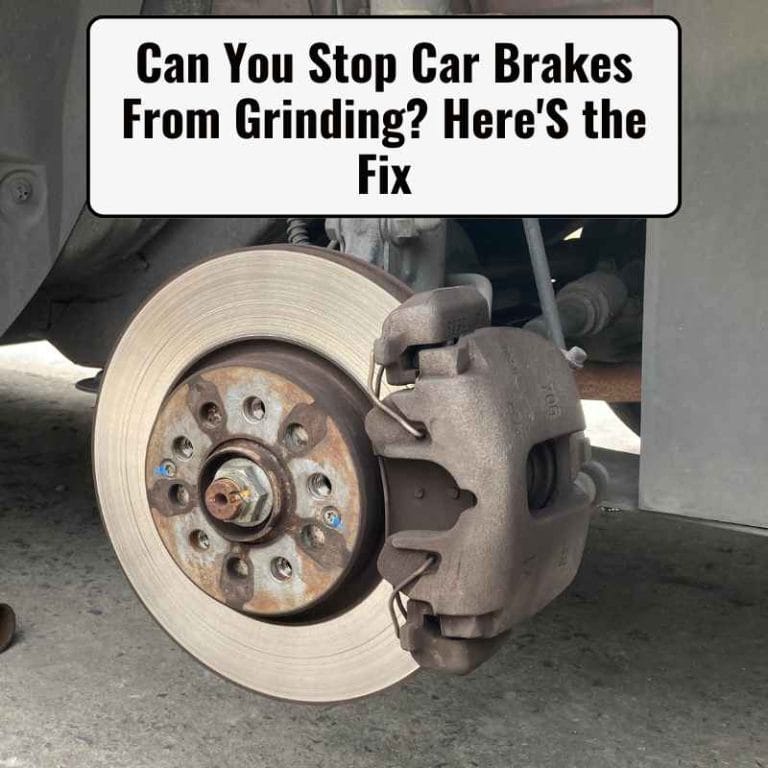
Rust on your car brakes happens when iron in the brake components mixes with oxygen and water. It’s a natural process called oxidation. Your brake rotors are made of iron.
When they get wet and then sit there, rust starts to form. This is especially true for the parts that are exposed to the outside. Think about driving in the rain or snow.
That moisture is the main culprit.
Even if you don’t drive in bad weather, dew can cause rust. If your car sits in a humid garage, it can still happen. The rust usually starts as a thin layer on the surface of the brake rotor.
It might look a bit reddish-brown. Most of the time, this surface rust is not a big deal. It often wears off the first few times you use your brakes.
However, if the rust gets bad, it can cause problems. Deep rust can make your brake pads uneven. It can also make the rotors weaker over time.
This means your brakes might not work as well as they should. And nobody wants that. Knowing what causes it is the first step to stopping it.
My Own Brake Rust Scare
I remember one spring morning vividly. I had been away for a week, visiting family up north. My car had been parked in the driveway the whole time.
The weather had been damp and cool. When I got back and started the car, I immediately heard it. A horrible scraping sound every time I pressed the brake pedal.
It was loud enough to make me nervous.
My first thought was, “Oh no, what’s broken now?” I pictured expensive repair bills and a car stuck in the shop. I pulled over safely and looked at the wheels. I couldn’t see anything obviously wrong.
But the noise was undeniable. I drove slowly home, my heart pounding a little with each brake application. That night, I looked up common brake problems.
Rust kept popping up.
The next day, I decided to take a longer drive. I made sure to brake gently and repeatedly. After about 15 minutes of driving, the scraping sound slowly faded away.
The rotors had been covered in a thin layer of rust. The brake pads had just scraped it off. It was a huge relief, but it taught me a valuable lesson.
Sitting idle is a brake rust’s best friend.
Rust Formation: The Simple Science
What happens: Iron + Water + Oxygen = Rust.
Brake Components: Rotors and some calipers are iron.
Water Sources: Rain, snow, car washes, humidity, dew.
The Result: A reddish-brown oxide forms on metal surfaces.
Initial Stage: Thin, surface rust. Usually harmless.
Advanced Stage: Deep rust. Can damage parts and affect braking.
Why Does Rust Form on Brakes?
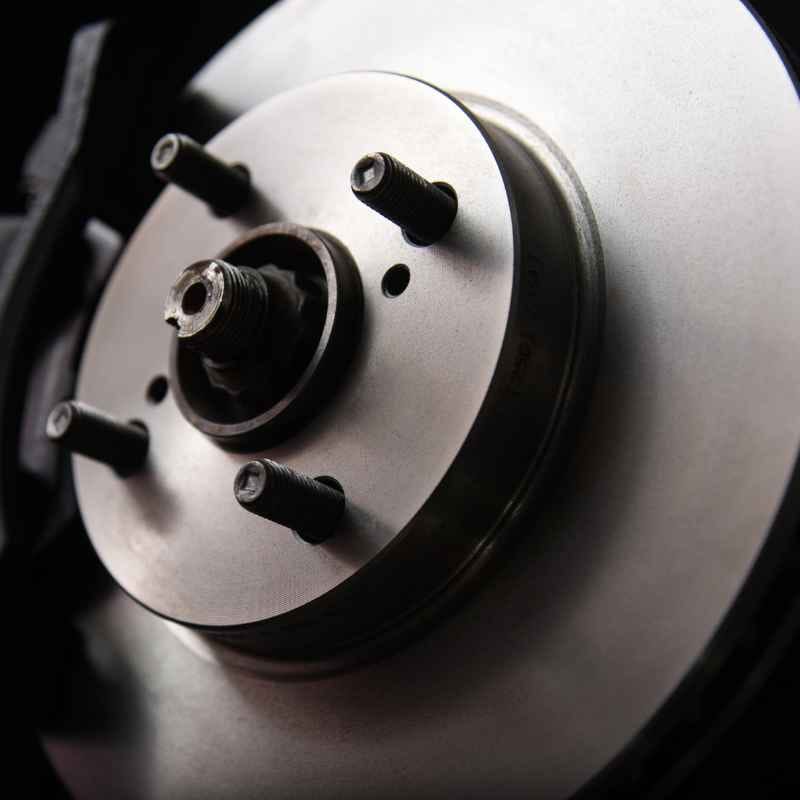
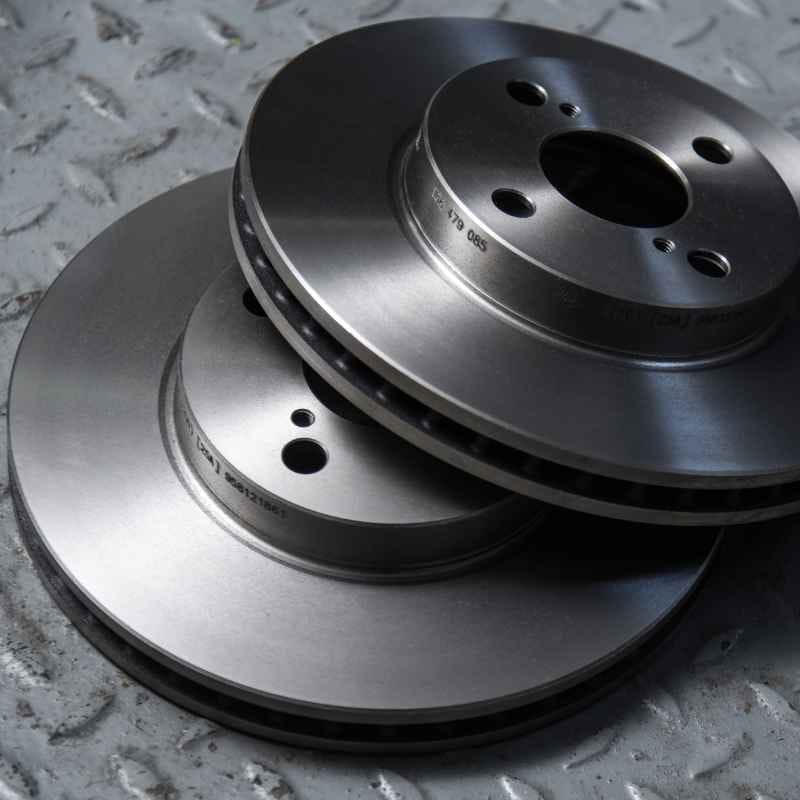
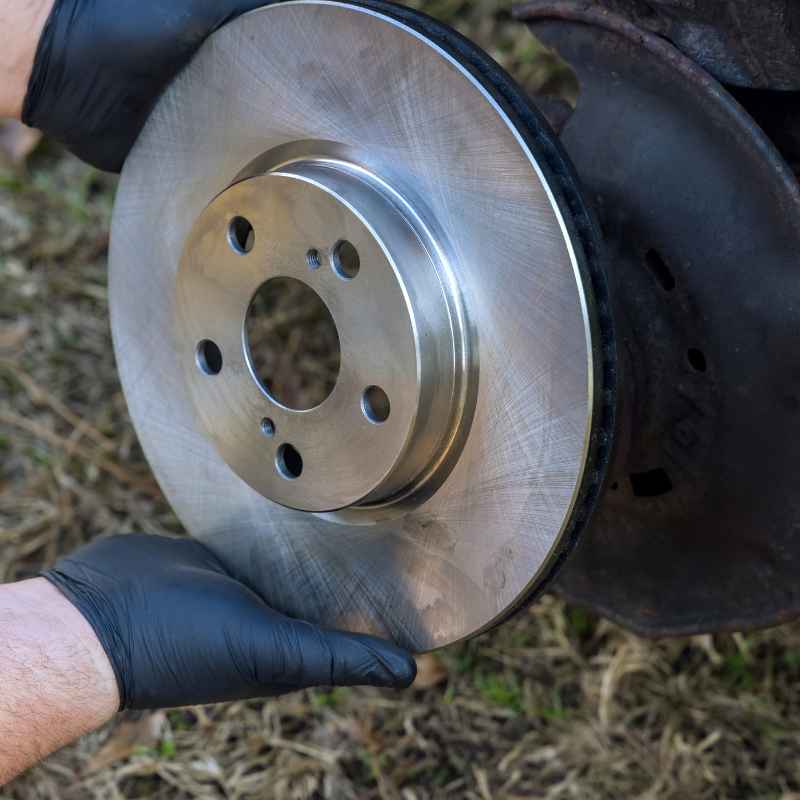
As we touched on, moisture is the biggest enemy of your car’s brake system. Your brake rotors are the large metal discs that your brake pads clamp onto to stop your car. These rotors are typically made from cast iron.
Iron is prone to rusting when it’s exposed to the elements. It’s not a design flaw; it’s just how iron behaves.
Think about a cast iron pan you use for cooking. If you wash it and don’t dry it properly, you’ll see rust spots. Your car rotors are similar, but on a much larger scale and exposed to a lot more.
Even in dry climates, humidity in the air can contribute to rust formation, especially overnight when temperatures drop.
The parts of the brake system most affected are the rotors. The brake pads also have metal components that can rust. Even the brake calipers, which house the pads, can develop surface rust on their exposed metal parts.
If your car sits for extended periods, like in a garage for weeks or months, this rust can build up and become more significant. This is why cars that are driven regularly tend to have fewer rust issues.
Another factor is road salt. If you live in an area that uses salt to de-ice roads in winter, that salt is highly corrosive. It speeds up the rusting process significantly.
When salt water splashes onto your brake rotors, it creates a perfect storm for rust formation. This is a major reason why brake rust is a more common and severe problem in colder climates.
Common Culprits of Brake Rust
1. Driving Habits: Infrequent driving allows moisture to sit.
2. Weather Conditions: Rain, snow, fog, and high humidity are key.
3. Road Treatments: Salt and other de-icing chemicals are very corrosive.
4. Car Washes: While good for cleaning, they introduce water.
5. Parking Location: Damp garages or areas exposed to the elements.
The Real-World Impact of Brake Rust
So, what happens when you have rust on your brakes? For most drivers, it starts with that annoying noise. You might hear grinding, squealing, or scraping when you apply the brakes.
This is usually the sound of the brake pads rubbing against the rust layer on the rotors. It can be quite alarming, especially if you’re not expecting it.
Beyond the noise, there are performance issues. Rust can create an uneven surface on the rotors. This means the brake pads don’t make full, consistent contact.
This can lead to longer stopping distances. In an emergency situation, even a small increase in stopping distance can be dangerous. Your car might also vibrate or shudder when you brake if the rust is severe and has warped the rotors.
If rust is left unchecked for a very long time, it can actually damage the brake components. Rotors can become thinner and weaker. In extreme cases, they could even crack or break.
This is a serious safety hazard. While it takes a long time for rust to get this bad, it’s something to be aware of. It’s much better to prevent it.
The good news is that for most people, brake rust is a temporary issue. A good drive, with several brake applications, will usually clear off the surface rust. But the underlying cause—exposure to moisture—remains.
This is where prevention comes in.
Rust vs. Wear: What’s the Difference?
Rust: Surface corrosion. Looks like reddish-brown powder. Makes noise.
Usually temporary.
Wear: Metal loss. Caused by friction of brake pads. Can lead to thin rotors.
Permanent damage. Requires replacement.
Combined Issues: Rust can accelerate wear and lead to rotor damage.
Proven Methods to Prevent Brake Rust
The best way to deal with brake rust is to prevent it from happening in the first place. Thankfully, many of these methods are simple and don’t require a mechanic. They mostly involve good car care and regular driving habits.
1. Drive Your Car Regularly
This is by far the most effective method. When you drive your car, you use your brakes. Every time you press the brake pedal, the brake pads rub against the rotors.
This friction not only stops your car but also scrapes away any light surface rust that might have started to form. It’s like giving your brakes a mini-cleaning every time you drive.
Aim to drive your car at least once every week or two. Even a short drive around the block is better than nothing. The key is to get the brakes up to temperature and apply them a few times.
This ensures that any moisture that has accumulated has a chance to evaporate and any surface rust is removed.
If you live in a very damp or coastal area, or if your car tends to sit for longer stretches, try to make this a habit. It’s a simple, no-cost solution that directly combats the conditions that lead to rust. Think of it as preventative maintenance for your peace of mind and your car’s longevity.
2. Thoroughly Wash and Dry Your Car
After driving in the rain, snow, or after a car wash, moisture can get trapped in and around your wheel wells and brake components. If you have the time and opportunity, a thorough wash can help. The water from the wash itself can actually help to wash away corrosive elements like road salt.
However, it also introduces new moisture.
The critical part is drying. After washing, or after driving through puddles, it’s a good idea to drive your car for a few minutes to help dry off the brakes. Accelerate to a moderate speed (around 30-40 mph) and gently apply the brakes a few times.
This will help to spin the rotors and pads, allowing air to circulate and dry them off. It’s a quick way to get rid of excess water.
If you have a garage, try to dry your car as much as possible before parking it. Even a quick wipe down of the accessible wheel areas can help. The goal is to minimize the amount of time water sits on the metal parts of your brake system.
Over time, this simple step can make a noticeable difference.
Quick Drying Tips
Drive Gently: After washing or rain, drive at 30-40 mph.
Apply Brakes: Gently apply brakes a few times while driving.
Air Circulation: This helps spin and dry the rotors.
Park Dry: If possible, dry accessible parts before parking for long periods.
3. Use Protective Coatings (With Caution)
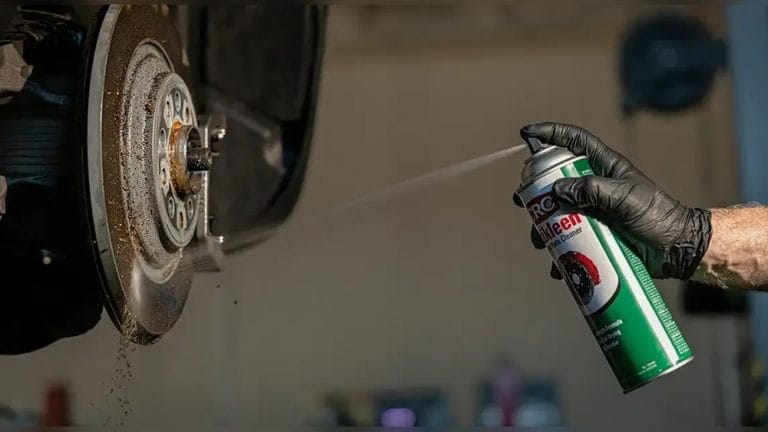
For cars that sit for very long periods, or if you live in an extremely humid or salty environment, you might consider protective coatings. These are often spray-on products designed to shield metal from moisture and corrosion. They can be applied to brake rotors and other metal components.
However, this is an area where you need to be cautious. Not all protective coatings are suitable for brake components. Some can be too slippery and interfere with braking performance.
Always choose products specifically designed for automotive brake systems and follow the manufacturer’s instructions very carefully. Some mechanics offer specialized coatings that are safe and effective.
These coatings are not a replacement for driving. They are more of a supplemental measure. They create a barrier that helps prevent moisture from directly contacting the metal for an extended period.
If you do choose to use them, ensure you understand how they work and when they need reapplication. They are best used on vehicles that are stored or driven very infrequently.
Protective Coating Considerations
Product Choice: Use only brake-specific coatings.
Application: Follow instructions precisely.
Brake Performance: Ensure coating doesn’t reduce friction.
Reapplication: Understand the product’s lifespan.
Best For: Stored vehicles or infrequent drivers.
4. Address Standing Water
Sometimes, water can accumulate under your car, especially if you park on uneven surfaces or if there’s a leak in your vehicle. If your brakes are constantly sitting in a puddle of water, they will rust very quickly. It’s important to identify and fix any sources of standing water around your parked car.
Check the ground where you park your car regularly. If you notice water pooling, try to figure out why. It could be a drainage issue with your driveway or parking spot.
It could also be a sign of a fluid leak from your car, which is a separate issue that needs immediate attention from a mechanic.
Ensuring your car is parked on level, well-drained ground can make a big difference. If you have a garage, make sure the floor is dry. Keeping the area around your car free from puddles will significantly reduce the exposure of your brake components to prolonged moisture.
This is a simple environmental check that helps protect your brakes.
Spotting Standing Water Issues
Inspect Parking Spot: Look for puddles after rain.
Check Under Car: See if water is collecting near the brakes.
Consider Drainage: Is your parking area well-drained?
Look for Leaks: Any fluid drips indicate a problem.
Park Smarter: Choose level, dry spots when possible.
5. Consider Different Brake Materials (Long-Term)
While this isn’t a short-term prevention method, it’s worth knowing that not all brake rotors are made of standard cast iron. Some higher-end or performance brake systems use materials like stainless steel or specially coated iron. These materials are inherently more resistant to rust.
Stainless steel rotors are much less prone to surface rust. Coated rotors have a protective layer applied to the non-friction surfaces, which shields them from the elements. These are generally more expensive options.
For the average driver, standard iron rotors are perfectly adequate, provided they are maintained properly.
If you live in an area with extremely harsh conditions and are looking for a long-term solution, you might discuss these options with your mechanic when it’s time for brake replacements. However, for most people, the preventative measures listed above are sufficient to manage rust on standard iron rotors.
Rotor Material Options
Standard Cast Iron: Most common, prone to rust, cost-effective.
Stainless Steel: Highly rust-resistant, more expensive.
Coated Rotors: Iron with protective coating on non-friction areas, good rust resistance.
Real-World Scenarios and Brake Rust
Let’s look at some common situations where brake rust becomes a real issue.
Scenario 1: The Weekend Warrior
Meet Sarah. She has a busy job during the week and only uses her car for short trips to the grocery store or for errands. Her car often sits in her driveway for 3-4 days at a time.
She lives in a region that gets a lot of fog and occasional rain. Every few weeks, she notices a faint grinding sound when she first drives the car. After a short drive, it disappears.
This is a classic case of surface rust. The car sits long enough for dew or light rain to affect the rotors. The short drives mean the brakes don’t get fully warmed up or used enough to scrape off the rust effectively.
For Sarah, the solution is simple: try to take a slightly longer drive once a week, perhaps for 20-30 minutes, making sure to brake a few times. This will help keep the rotors clean.
Scenario 2: The Snow Belt Driver
John lives in upstate New York. Winters are harsh, with plenty of snow and heavy use of road salt. His commute is about 30 miles each way.
He notices that during the winter months, his brakes often develop a noticeable rust layer. Sometimes, it’s so bad that the rotors look visibly rusty even after washing. He occasionally hears a grating sound even during his commute.
Road salt is the biggest problem here. It accelerates rust formation dramatically. While John drives regularly, the constant exposure to salt is the issue.
After winter, he often finds his rotors have more than just surface rust. He might need to have them inspected by a mechanic. If the rust is deep, the rotors might need to be resurfaced or replaced.
A good rinse after driving in salted conditions and gentle braking can help mitigate some of this.
Scenario 3: The Car Collector or Stored Vehicle
David has a classic car that he only drives on sunny weekends, and it’s stored in a climate-controlled garage the rest of the time. Even in a controlled environment, some humidity can be present. Or, perhaps he parks his regular car outside for extended periods while on vacation.
For cars that sit for months, rust can become a serious problem. The rotors can develop thick, flaky rust that doesn’t come off easily. This can lead to serious braking issues and costly repairs.
This is where protective coatings or careful inspection before driving again becomes important. For David’s classic car, even with garage storage, a gentle drive and brake application on its first outing is essential. If it sat for over a year, a mechanic’s inspection is a must.
When is Rust a Problem?
Normal: Thin, surface rust after sitting in damp conditions. Goes away with driving.
Concerning: Deep rust, visible pitting, or flaking. Noise that doesn’t go away. Vibrations during braking.
Dangerous: Rust so severe it weakens or warps rotors. Requires immediate attention.
What Brake Rust Means for Your Car and Safety
Understanding the implications of brake rust is crucial for keeping your car safe and in good working order. For most drivers, light surface rust is a temporary annoyance. It sounds bad but usually clears up quickly with normal driving.
It’s a sign that your brakes have been exposed to moisture, but not necessarily a sign of imminent failure.
However, if you notice that the rust is persistent, or if it comes with other symptoms, it’s time to pay closer attention. Deep rust can compromise the integrity of your brake rotors. Rotors are critical safety components.
They need to be strong and have a smooth surface for the brake pads to grip effectively.
When rotors rust deeply, they can become weakened. They might develop uneven surfaces, which lead to reduced braking performance and vibrations. In severe cases, a heavily rusted rotor could even crack.
This is a very serious safety concern and requires immediate repair. You might also notice your brake pedal feeling spongy or less responsive if the rust is causing issues.
It’s also important to differentiate between rust and normal brake wear. Brake pads and rotors wear down over time with use. This is normal.
Rust is a corrosion issue. While rust can accelerate wear and lead to damage, it’s a different problem. Regular inspections by a mechanic can help distinguish between the two.
Rust: Normal vs. Concerning Signs
Normal Signs:
- Slight squeaking or grinding for the first few brake applications after sitting.
- Visible thin, reddish-brown surface layer that disappears with driving.
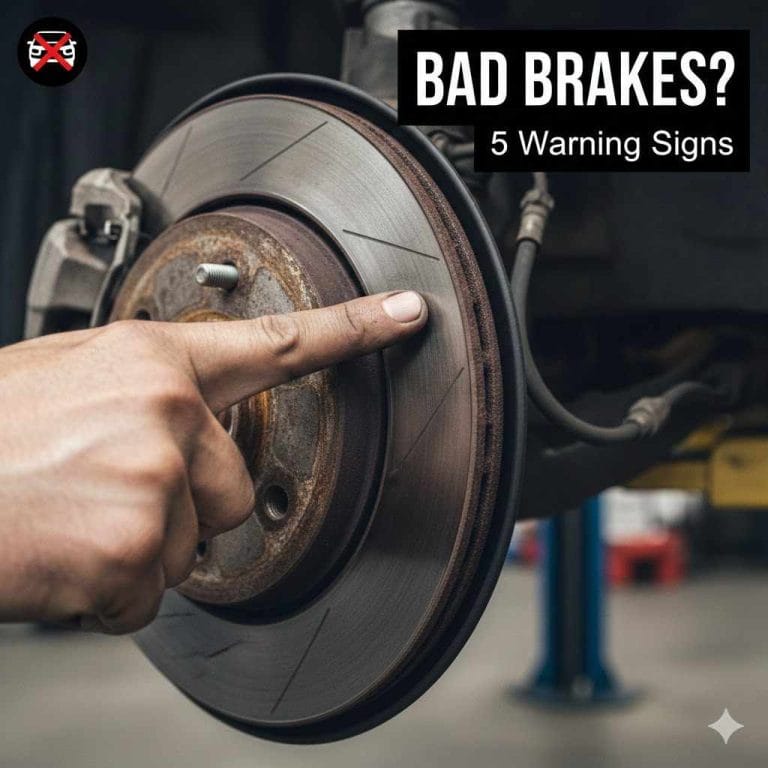
Concerning Signs:
- Persistent grinding or scraping noises that don’t go away.
- Vibrations felt in the steering wheel or brake pedal when braking.
- Visible deep pitting or flaking on the rotor surface.
- Brake pedal feels softer or less responsive than usual.
- Car pulls to one side when braking.
Quick Fixes and Tips for Managing Rust
While the best approach is prevention, sometimes you’ll encounter rust. Here are some quick tips to help manage it.
1. The Gentle Brake Flush Drive
This is the go-to method for light surface rust. When you notice that squeaking or grinding sound after your car has sat, take it for a drive. Drive at a moderate speed, like 30-40 mph.
Gently apply the brakes a few times. Don’t slam on the brakes; just apply enough pressure to feel the pads engaging the rotors.
Repeat this process for about 10-15 minutes. As you brake, you should hear the noise lessen and eventually disappear. This is the rust being scraped off.
It’s a simple, effective way to clear up minor rust issues. Make sure you do this in a safe area where you can brake gently.
2. Clean Your Wheels Regularly
While you can’t easily clean the rotors directly, keeping your wheels clean can help. Dirt, grime, and road salt can cling to your wheels and brake components. A good wheel cleaner and a scrub brush can help remove these contaminants.
This is especially important in winter if you live in a salt-treated area.
When you wash your wheels, try to rinse the brake components behind them as best you can. This helps to wash away any salt or corrosive debris that might be sitting there. A clean wheel area means fewer corrosive agents are lingering around your brakes.
3. Inspect Brake Components During Routine Maintenance
When you take your car in for oil changes or other routine maintenance, ask your mechanic to inspect your brakes. They can tell you if there’s any excessive rust building up on the rotors or other components. They can also check the thickness of your rotors and pads, ensuring they are still in good condition.
A mechanic can identify potential problems early, before they become serious. They can advise you on whether resurfacing or replacing rotors is necessary. This regular check-up is a vital part of maintaining your braking system’s health.
Simple Rust Management Steps
Drive it out: Regular short drives with gentle braking.
Wash it off: Clean wheels to remove corrosive debris.
Get it checked: Mechanic inspections during routine service.
Frequently Asked Questions About Brake Rust
Is it normal for my brakes to rust in the winter?
Yes, it’s very common for brakes to rust in the winter. Road salt, snow, and ice create a wet, corrosive environment. You’ll often hear squeaking or grinding for the first few brake applications after your car has been sitting.
How long does it take for brake rotors to rust badly?
Surface rust can form in a matter of hours if the conditions are right (moisture and oxygen). Deep, damaging rust typically takes weeks or months of consistent exposure to moisture without the rust being cleared by driving.
Can I drive with rusty brakes?
For light surface rust, yes, you can drive. The rust usually wears off quickly with normal braking. However, if the rust is deep, causes vibrations, or you hear persistent grinding, it’s best to have your brakes inspected by a mechanic before driving extensively.
Will washing my car make my brakes rust faster?
Washing your car introduces water, which can lead to rust if not dried properly. However, washing also removes corrosive elements like road salt. The key is to dry the brakes afterward by driving gently and braking a few times to help them evaporate.
Are all brake rotors prone to rust?
Most standard brake rotors are made of cast iron, which is prone to rust. While some high-performance or specialty rotors might use rust-resistant materials or coatings, the majority of vehicles use iron rotors. Proper maintenance is key for all types.
Should I use a rust inhibitor spray on my brakes?
You should be very cautious with rust inhibitor sprays. Only use products specifically designed for brake systems and follow instructions exactly. Some sprays can interfere with braking performance.
For most drivers, regular driving is the best and safest prevention method.
Conclusion: Keeping Your Brakes in Top Shape
Brake rust can be a real nuisance and, if left unchecked, a safety concern. By understanding what causes it and implementing simple preventative measures, you can keep your brakes in great condition. Regular driving is your best defense.
Combined with good car washing habits and awareness of your parking environment, you can significantly reduce brake rust. Stay safe out there!
See also how much do car brakes cost complete 2026 price guide. See also how to put brakes on a car the right way full guide .
Products related to this article
Sponsored / affiliate links. As an Amazon Associate I earn from qualifying purchases. I may earn additional commission from eligible campaigns.