Chevy vs Ford: Which Is Better in 2026? Honest Verdict
Chevy wins on reliability and value; Ford leads on towing power and resale value. J.D. Power scores Chevy at 812 and Ford at 805 in 2024 customer satisfaction. For most everyday drivers, Chevy costs less to own long-term; for truck buyers who max out payloads, Ford has a slight edge with the F-150.
Chevy vs. Ford: A Deep Dive into American Brands
Chevy and Ford are rivals. They’ve been for a long time. They both build trucks, SUVs, and cars.

BlueDriver Bluetooth OBD2 Pro Scan Tool — $119.95
Read manufacturer-specific codes on any used Chevy or Ford before buying. Covers ABS, airbag, and transmission codes that the $20 readers miss.
- Best for: Anyone evaluating a used Chevrolet or Ford truck or SUV before purchase
- Why picked: Reads Chevy and Ford enhanced diagnostic codes (not just generic OBD2) via a free app, so you can verify the reliability scores in this guide against the actual vehicle you are considering
- Main drawback: $120 is overkill for a one-time check; a $20 scanner works fine for basic codes if you are only checking a single vehicle
Think about the Chevy Silverado and the Ford F-150. These are huge sellers. They compete head-to-head.
The same is true for their smaller cars and SUVs. This competition is good for buyers. It pushes both companies to make better vehicles.
In 2025, the Silverado tows up to 13,300 lbs versus the F-150’s 13,500 lbs — a gap most buyers won’t feel unless they max out a trailer. Where Chevy genuinely outperforms: lower starting prices on base trims and stronger Consumer Reports reliability ratings on crossovers like the Equinox and Traverse.
This comparison covers reliability data from J.D. Power, five-year ownership cost estimates, real towing numbers, and buyer satisfaction scores — so you can match the right brand to your specific situation.

My Experience: Wrestling with the Truck Decision
I remember when my dad needed a new truck. He’d always driven Fords. But his neighbor swore by his Chevy.
Dad was torn. He spent weeks looking at both. He’d go to the Ford dealership.
Then he’d visit the Chevy dealer. He’d sit in them. He’d kick the tires.
He even drove a few of each model.
One Saturday, I went with him to the Chevy dealer. The salesman was really nice. He knew a lot about the truck.
He showed us the engine. He pointed out the payload capacity. He talked about towing.
Then we went to Ford. The salesman there was just as good. He showed us the fancy infotainment system.
He highlighted the comfortable seats. Dad walked away that day more confused than ever. He said, “They both seem so good!” That feeling of being stuck between two great options is common.
It’s a good problem to have, though.
Understanding the Core Differences: What Sets Them Apart
At their heart, Chevy and Ford have different design philosophies. Sometimes this is subtle. Other times it’s quite clear.
Ford often focuses on a more rugged feel. They emphasize power and capability, especially in their trucks. Chevy sometimes leans towards a more balanced approach.
They might offer good power but also try for a smoother ride or better fuel economy in certain models.
Think about the steering. Some people feel Ford trucks have a heavier steering feel. This can make them feel more planted on the road.
Chevy trucks might feel a bit lighter. This can make them easier to maneuver in tight spots. These are small things.
But when you drive a lot, they add up. They change how you feel behind the wheel.
Engine options are another big area. Both offer V6 and V8 engines. But the way they tune them can differ.
Ford has been big on its EcoBoost engines. These are turbocharged. They aim to give V8 power with V6 efficiency.
Chevy also has turbocharged engines. But they might also offer naturally aspirated V8s for longer. This gives buyers different paths to power and economy.
Chevy vs. Ford: Key Spec Snapshot
Engine Options: Both offer V6, V8, and turbo engines. Ford has EcoBoost. Chevy offers robust V8s and smaller turbo options.
Transmission: Both use automatic and manual transmissions. Ford often uses its own transmissions. Chevy might use ones from GM or others.
Suspension: Ford trucks can feel firmer. Chevy trucks might offer a slightly softer ride.
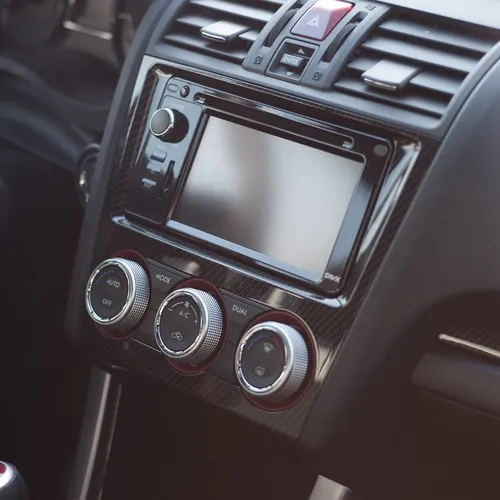
Interior Tech: Both brands are adding more screens and features. Ford’s SYNC system and Chevy’s MyLink/Infotainment are key.
Reliability: A Closer Look at Owner Data
Reliability is huge. You want a car that starts every morning. You don’t want surprise repair bills.
Consumer Reports and J.D. Power are good sources here. They collect data from millions of owners.
This data shows which brands have fewer problems.
For many years, Ford has often scored well. Especially in certain truck models. Chevy also has strong showings.
But sometimes specific models or years have issues. It’s never just one brand being “better” overall. It’s about looking at the specific car you want.
Owner surveys show that satisfaction can vary. Some years, Ford might have fewer reported issues than Chevy. Other years, it can be the other way around.
For example, some Ford F-150 models have had issues with EcoBoost engines. Chevy Silverado owners might report more electrical glitches in some years. These aren’t guarantees.
They are just trends from many people.
It’s also worth noting that trucks, in general, can have more complex systems. This means more things can go wrong. Towing, hauling heavy loads, and off-roading put more stress on a vehicle.
So, a truck that’s used hard might need more maintenance. This is true for both brands.
Reliability Insights: What Owners Say
Common Issues: Both brands can have issues with electronics, transmissions, and engine components. Specific models vary greatly.
Maintenance: Regular maintenance is key for both. Following the service schedule helps prevent big problems.
Repair Costs: Parts for popular models like F-150 and Silverado are widely available. However, specialized repairs can be costly for both.
Data Sources: J.D. Power and Consumer Reports offer valuable owner feedback. Always check ratings for the specific model year you’re interested in.
Cost of Ownership: Budgeting for Your Ride
Buying the car is just the start. How much will it cost to own it? This includes fuel, insurance, maintenance, and repairs.
Both Chevy and Ford are generally competitive here.
Fuel economy is a big factor. Smaller cars from both brands will be more efficient. For trucks, it really depends on the engine and how you drive.
Ford’s EcoBoost engines aim to save gas. But a big V8 will always drink more fuel. Chevy’s smaller engines also focus on efficiency.
Insurance costs can differ. This depends on the car’s value, safety features, and how often it’s stolen in your area. Generally, trucks and larger SUVs cost more to insure than small cars.
You should get quotes for both brands with your insurance company.
Maintenance costs are usually similar. Oil changes, tire rotations, and brake jobs are standard. The cost of parts can vary.
For very common parts, both brands have plenty of options. However, if you have a less common model or a specific high-tech feature breaks, repairs can get pricey for either brand.
Depreciation is another point. How much value does the car lose over time? Trucks from both brands tend to hold their value well.
Especially the popular models like the F-150 and Silverado. Small cars can lose value faster. This is true for most manufacturers.
Performance and Driving Feel: From the Driver’s Seat
This is where personal preference really matters. How a car feels to drive can make or break your happiness with it.
Trucks: Ford trucks, like the F-150, are often praised for their sturdy build. They can feel very planted and stable. The steering might feel a bit heavier.
This can give a sense of control. Chevy trucks, like the Silverado, are sometimes described as having a more comfortable or softer ride. They might feel a little easier to steer at lower speeds.
This can be better for everyday commuting.
SUVs: Both brands offer a range of SUVs. Some are built on truck platforms, meaning they’re tough. Others are built more like cars, offering a smoother, car-like ride.
Ford’s Explorer might offer a more car-like feel than older, traditional SUVs. Chevy’s Tahoe offers a more traditional, larger SUV experience.
Cars: Chevy has a history with performance cars like the Camaro. Ford has the Mustang. These are iconic.
For everyday sedans, like the Malibu (Chevy) or Fusion (Ford, now discontinued but parts are still relevant), the feel can be similar. Both aim for a balance of comfort and decent handling. Ford might offer a sportier feel in some sedans.
Chevy might focus more on a quiet, smooth ride.
When test driving, pay attention. How does the car handle bumps? Is the acceleration smooth?
Can you easily see out of it? Does the braking feel confident? These small details matter a lot for daily driving enjoyment.
Technology and Features: Staying Connected
Cars today are packed with tech. Both Chevy and Ford are adding more. This includes large touchscreens, smartphone integration (Apple CarPlay, Android Auto), advanced safety features, and driver aids.
Ford’s SYNC infotainment system is well-known. It’s been around for a while. Newer versions are quite advanced.
They offer features like voice commands and Wi-Fi hotspots. Chevy’s systems, like MyLink or the current Chevrolet Infotainment 3, are also very capable. They usually offer similar features.
Safety features are a big deal. Things like automatic emergency braking, lane keeping assist, blind-spot monitoring, and adaptive cruise control are becoming standard. Both brands offer these on many of their models.
It’s important to check the specific trim level you are looking at to see what safety tech is included.
Some people prefer one system over the other. This is often a matter of personal taste. Some find Ford’s menus more intuitive.
Others prefer the layout of Chevy’s system. It’s best to play around with the systems on a test drive. See which one makes sense to you.
Tech & Safety: What to Look For
Infotainment: Apple CarPlay & Android Auto are essential. Check screen size and responsiveness.
Driver Aids: Blind-spot monitoring, rear cross-traffic alert, and automatic emergency braking are highly useful.
Connectivity: USB ports are a must. Some vehicles offer wireless charging or Wi-Fi hotspots.
User Interface: Does the system feel easy to use while driving? Are buttons or touch controls preferred?
Real-World Context: Trucks in America
In the United States, trucks are more than just vehicles. For many, they are workhorses. They are used for jobs, hobbies, and family adventures.
The competition between Chevy and Ford trucks is fierce. It’s a huge part of American car culture.
Work & Towing: When you need to haul or tow, both brands offer excellent options. Ford has long been known for the F-150’s towing and hauling numbers. Chevy’s Silverado is right there with it.
They offer different engine configurations and towing packages. You need to look at the specific towing capacity (how much weight it can pull) and payload capacity (how much weight it can carry in the bed).
Off-Roading: For those who venture off the pavement, both brands have special trims. Ford has the Bronco and Raptor versions. Chevy has the ZR2 versions of its trucks and SUVs.
These come with upgrades like special suspension, tires, and locking differentials.
Fuel Efficiency in Trucks: This is a constant challenge. Trucks are big and heavy. Powerful engines use more gas.
However, both companies are working on this. Ford’s EcoBoost engines have helped. Chevy’s smaller turbo engines are also a step.
But if fuel economy is your top priority, a truck might not be the best choice. An SUV or a smaller car would be more efficient.
Design Evolution: You can see the history in their designs. Older trucks from both brands had a more basic, utilitarian look. Modern trucks are much more like luxury vehicles inside.
They have plush seats, advanced climate control, and premium sound systems. The exterior designs have also become more aggressive and stylish.
What This Means for You: Making Your Choice
So, how do you pick? It’s about matching your needs to what each brand offers best.
If you prioritize raw power and a rugged feel, especially in a truck, Ford often has an edge for some people. Their trucks are built tough and have a commanding presence.
If you prefer a slightly smoother ride and perhaps a bit more comfort in a truck, Chevy might be your favorite. Their vehicles often feel well-balanced for daily use.
For technology, both are very competitive. You’ll find similar features. It’s about which system you find easier to use.
When it comes to reliability, research the specific model and year. Don’t rely on general brand reputations alone. Check owner reviews and reliability ratings from trusted sources.
Consider your budget. Look at the initial purchase price. Also, think about the long-term costs: fuel, insurance, and expected maintenance.
Test drive is critical. Spend as much time as you can in the car. Drive it on roads you usually use. See how it feels in different situations.
This is the best way to know if a car is right for you.
Decision Helper: Your Needs vs. Brand Strengths
Need a workhorse truck? Both excel, but check specific towing/payload for your tasks.
Want a comfortable SUV for family? Both offer great options, compare ride quality.
Prioritize cutting-edge tech? Both are strong; test drive to see which interface you like.
Budget-conscious? Compare initial price, fuel economy, and insurance quotes for specific models.
Value driving feel? Test drive is essential to compare steering, suspension, and acceleration.
Quick Tips for Your Car Search
When you’re looking at Chevy or Ford, keep these simple things in mind.
1. Know Your Needs: What will you use the car for? Commuting?
Hauling? Family trips? This narrows down the choices.
2. Research Specific Models: Don’t just compare “Chevy” and “Ford.” Compare the Silverado to the F-150. Compare the Equinox to the Escape.
3. Check Reliability Ratings: Look up the specific model year on sites like Consumer Reports or J.D. Power.
Note common problems.
4. Read Owner Reviews: See what real people who own the car say. What do they love?
What do they dislike?
5. Test Drive Thoroughly: Drive it like you normally would. City streets, highways, parking lots.
Pay attention to how it feels.
6. Get Insurance Quotes: Costs can vary. Get quotes for the specific models you are considering.

Frequently Asked Questions About Chevy vs. Ford
Are Ford trucks more reliable than Chevy trucks?
Both Ford and Chevy trucks are generally reliable. However, reliability can vary greatly by specific model year and engine. It’s best to check consumer reports and owner reviews for the exact truck you are interested in.
Some years might show one brand ahead of the other.
Which brand has better fuel economy?
This depends heavily on the specific vehicle. Smaller cars from both brands will offer better fuel economy. For trucks and SUVs, engines like Ford’s EcoBoost or Chevy’s smaller turbo engines aim for efficiency.
However, powerful V8 engines will always use more fuel. Always check the EPA estimated MPG for the models you consider.
Are Ford or Chevy interiors more comfortable?
Comfort is subjective. Ford often aims for a sturdy, commanding feel. Chevy sometimes focuses on a slightly softer, more cushioned ride.
Both brands offer premium features in higher trim levels. The best way to know is to sit in them and test drive both brands’ offerings.
Which brand offers better technology features?
Both Chevrolet and Ford are very competitive with technology. They both offer advanced infotainment systems with Apple CarPlay and Android Auto, touchscreens, and driver-assistance features. The user interface and specific features might differ, so personal preference plays a big role.
Is it cheaper to maintain a Ford or a Chevy?
Generally, maintenance costs are quite similar for comparable models from Ford and Chevy. The cost of parts and labor can vary by region and the specific repair needed. Common parts for popular models are readily available for both brands, helping to keep costs down.
Which brand holds its value better?
Trucks from both Ford and Chevy tend to hold their value very well. Popular models like the F-150 and Silverado are in high demand. For cars and SUVs, depreciation rates can vary more widely based on the model, its popularity, and market trends.
Researching the resale value of specific models is recommended.
Conclusion: Your Perfect Match Awaits
Choosing between a Chevy and a Ford isn’t about finding a “winner.” It’s about finding the car that fits your life. Both brands offer excellent vehicles. They have long histories of innovation.
Your perfect car is out there. It’s the one that feels right to you. It meets your needs.
And it fits your budget. Happy hunting!
Products related to this article
Sponsored / affiliate links. As an Amazon Associate I earn from qualifying purchases. I may earn additional commission from eligible campaigns.