Which Car Has The Best Braking System? Top Picks Ranked
Finding a car with strong brakes is super important for staying safe on the road. We all want to know our car can stop quickly when we need it to. It’s a big worry for many drivers.
This guide will help you understand what makes a braking system great and which cars really stand out.
The car with the best braking system is often a performance-oriented vehicle with advanced features like large ventilated rotors, multi-piston calipers, and robust anti-lock braking systems. However, many standard family cars also offer excellent stopping power through thoughtful engineering and modern brake technology.
What Makes a Car’s Braking System Great?
A car’s braking system is all about stopping power. It needs to be strong. It also needs to be quick.
Several things work together to make this happen. Think of it like a team working to get the car stopped fast and safely.
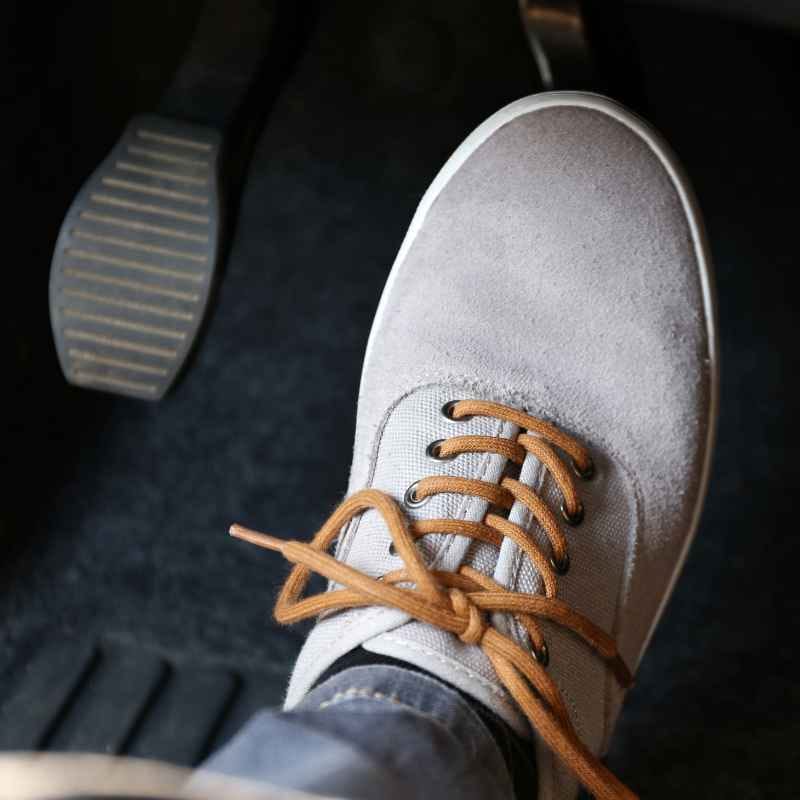
The main parts are the brake pedal, the master cylinder, brake lines, and the brakes at each wheel. When you push the pedal, it sends pressure through the lines. This pressure makes the brakes at the wheels grab the rotors.
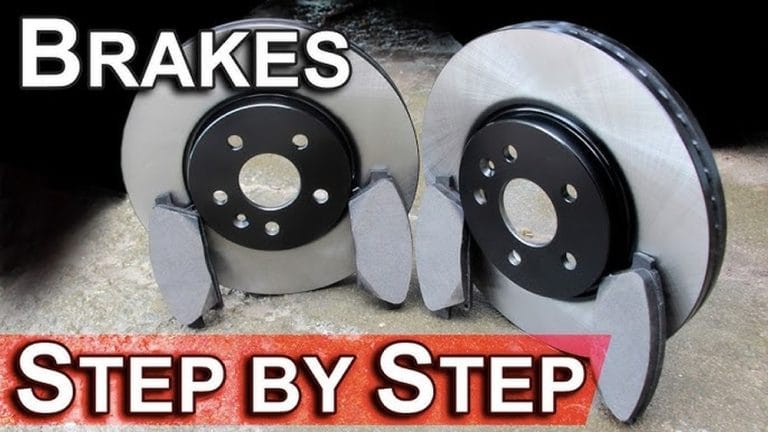
Rotors are metal discs that spin with the wheels. This grabbing action slows the wheels down. Less speed means the car stops.
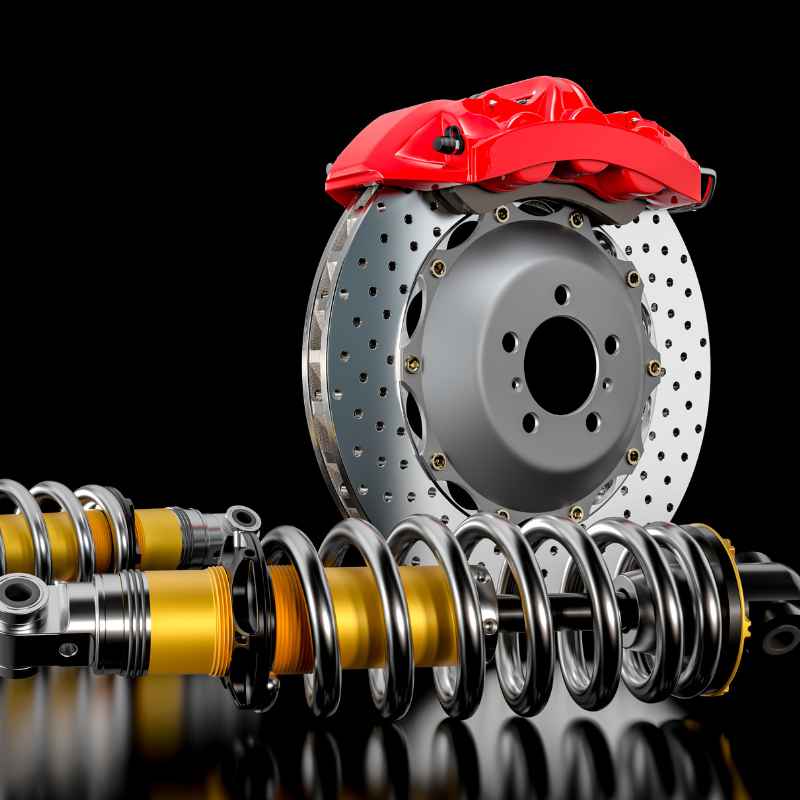
Brake Rotors are key. They need to be tough. They also need to handle heat.
When you brake, friction makes them very hot. Good rotors are often larger. They might also have vents.
These vents help cool them down. This stops them from getting too hot and not working well.
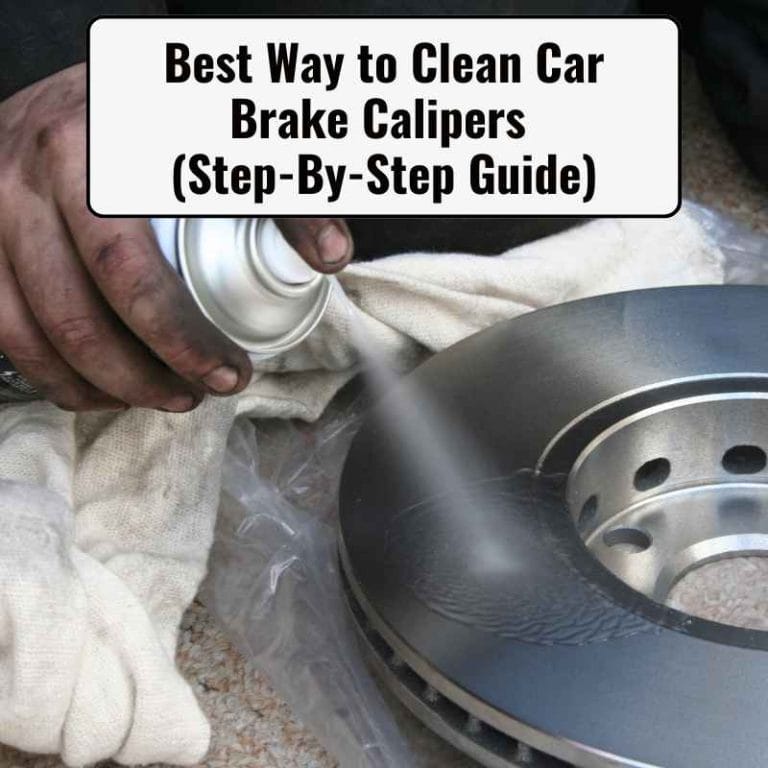
Brake Calipers are like the clamps. They hold the brake pads. They also push the pads onto the rotors.
Calipers with more pistons can push harder. This means more stopping force. Fancy calipers are often found on sports cars.
But good engineering can make any caliper work well.
Brake Pads are the material that presses against the rotors. They wear down over time. Different pad materials offer different performance.
Some are great for daily driving. Others are made for racing or extreme conditions. The type of pad matters for stopping power and how long they last.
Anti-lock Braking Systems (ABS) are a must-have now. ABS stops the wheels from locking up. If wheels lock, the car can slide.
ABS pulses the brakes very fast. This lets the driver keep steering. It helps maintain control during hard stops.
Most modern cars have ABS. It’s a huge safety feature.
Electronic Brakeforce Distribution (EBD) is another smart system. EBD helps balance the braking force. It sends more braking power to the wheels that need it most.
This happens automatically. It stops the rear wheels from locking up too soon. It makes stopping smoother and safer.
Brake Assist (BA) is also very helpful. BA helps drivers who don’t push the brake pedal hard enough. It senses when you’re trying to stop fast.
Then, it applies full braking power for you. This can make a big difference in emergencies.
The overall design of the brake system is vital. How big are the brakes? How well do they cool?
How smart are the electronic aids? These all add up. We’ll look at how these factors combine in different cars.
My Own Brake Scare
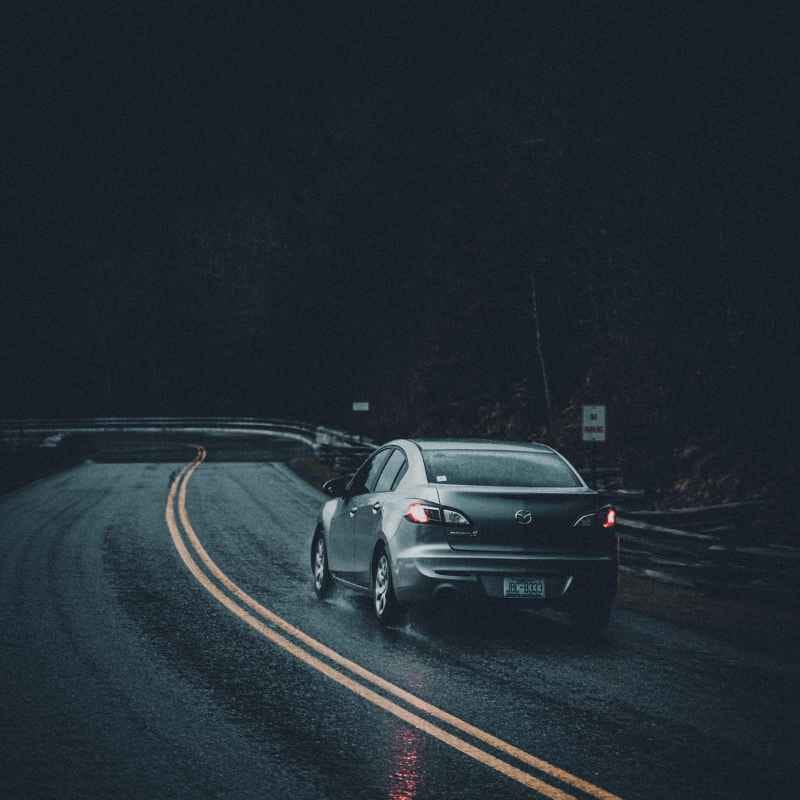
I remember one rainy Tuesday. I was driving my older sedan home from a client meeting. The sky opened up, and the rain was coming down hard.
Visibility dropped fast. I was on a familiar stretch of highway, but the road was slick. Suddenly, a car ahead of me braked very sharply.
It seemed like they stopped almost instantly.
My heart jumped into my throat. I slammed on my own brakes. The car behind me was also braking hard.
I felt my car’s ABS kick in. It was a strange pulsing sensation through the pedal. The tires were a bit noisy, but I could still steer.
I managed to stop just in time. It was a close call. That experience really stuck with me.
It made me realize how much I relied on my car’s brakes. I never really thought about them much before. But in that moment, they were the most important part of my car.
I felt a huge wave of relief after I stopped safely. But it also made me think about car safety. What if my brakes hadn’t been good?
What if I didn’t have ABS? The thought was terrifying. Since then, I’ve always paid more attention to braking performance when looking at cars.
It’s not just about speed or luxury. It’s about being able to stop when you need to.
Brake System Components Checklist
Rotors: Check for wear, cracks, or warping.
Pads: Look at their thickness. Are they getting thin?
Calipers: Ensure they aren’t leaking fluid.
Brake Fluid: Check the level. Is it clean?
ABS Sensor: Make sure it’s clean and working.
Real-World Braking Scenarios
Where and how you drive affects your brakes. A car that stops well in sunny California might act differently in a snowy Michigan winter. Let’s look at some common situations.
City Driving: This means lots of stops. You stop at lights, signs, and for pedestrians. Your brakes get used a lot.
They heat up. They also wear down faster. Cars with good cooling systems do better here.
Smooth braking is also key. You don’t want jerky stops.
Highway Cruising: On highways, you often drive long distances without braking. But then, you might need to stop suddenly. This is where brake responsiveness is vital.
You need the brakes to grab hard and fast. The ABS system is crucial here too. It helps you stay in control if someone cuts you off.
Mountain Roads: Driving downhill for long periods is tough on brakes. They can overheat easily. This is called brake fade.
When brakes fade, they don’t work as well. Cars with larger, vented rotors and more robust brake systems handle this best. You want brakes that can handle constant use without losing power.
Bad Weather: Rain, snow, and ice make roads slippery. This makes stopping much harder. A good braking system needs to work with electronic aids.
ABS, EBD, and stability control systems are vital. They help prevent skids and loss of control. Cars with advanced traction control also help.
Towing or Carrying Heavy Loads: When a car is loaded down, it takes longer to stop. The brakes have to work harder. The extra weight puts more stress on the entire system.
A car designed for towing usually has upgraded brakes. They are built to handle the extra strain. Check the car’s towing capacity.
Ensure its brakes match.
Braking in Different Conditions
Dry Roads: Best stopping conditions. Most cars perform well.
Wet Roads: Stopping distances increase. ABS and EBD are critical.
Snow/Ice: Very challenging. Traction control and advanced ABS help a lot.
Heavy Loads: Longer stopping distances. Robust brakes are essential.
What This Means for Your Car Choice
So, how do you pick a car that has excellent brakes? It’s not always about the sportiest car. Many family cars are engineered with safety as a top priority.
Look for Standard Safety Features: ABS, EBD, and Brake Assist are now standard on most new cars. But it’s always good to double-check. These are your first line of defense for safe braking.
Consider Tire Grip: Even the best brakes can’t do much on bad tires. Good tires are like the shoes of your car. They grip the road.
Look for cars that come with good quality tires. Or plan to upgrade them soon after purchase.
Vehicle Weight Matters: Heavier cars need stronger brakes. A small, light car might stop faster than a large, heavy SUV with the same brake system. Manufacturers engineer brakes to match the car’s weight and expected performance.
Test Drive Performance: During a test drive, find a safe, empty spot. Make a few firm stops. Don’t slam on the brakes, but apply firm, even pressure.
How does the car feel? Is the pedal firm? Does the car stop in a straight line?
Do you feel the ABS working gently if you brake hard?
Read Reviews: Car review sites often test braking performance. They measure stopping distances. They also comment on brake feel and fade.
Look for reviews that mention how the brakes perform in various conditions.
Brake System Size: While you might not always know the exact specs, you can often tell. Performance cars have very large rotors and calipers. Family cars aim for a balance of performance, comfort, and cost.
A car that looks like it has substantial brakes is usually a good sign.
Quick Brake Checks for Any Car
Brake Pedal Feel: Is it firm? Does it sink to the floor?
Brake Noise: Are there squeaks or grinding sounds?
Warning Lights: Is the brake light on the dashboard?
Pulling to One Side: Does the car pull left or right when braking?
What This Means for You
So, which car has the best braking system? It’s not one single answer. It depends on what you need.
But we can look at categories and some top contenders.
For Everyday Driving and Safety: Many mainstream sedans and SUVs offer excellent, well-engineered braking systems. They balance performance with comfort and longevity. Brands like Toyota, Honda, Subaru, and Hyundai often get high marks for their dependable systems.
They use smart electronic aids and appropriately sized components.
For Performance Enthusiasts: If you want the absolute best braking for spirited driving, you’ll look at performance brands. Cars from brands like Porsche, BMW (M series), Audi (RS series), Mercedes-AMG, and Chevrolet (Corvette) often feature massive ventilated rotors, multi-piston calipers, and special brake pad compounds. These systems are designed to handle extreme heat and repeated hard stops without fade.
For Trucks and Towing: Larger trucks like the Ford F-150, Ram 1500, and Chevrolet Silverado often have robust brake systems. They are built to handle heavy loads and towing. The rotors are typically larger and thicker.
The calipers are strong. This is essential for safe operation when carrying significant weight.
Electric Vehicles (EVs): EVs present a unique braking situation. They use regenerative braking. This means the electric motor slows the car down and recharges the battery.
This reduces wear on the traditional friction brakes. However, EVs still have physical brakes for hard stops or when the battery is full. Many EVs offer very strong braking performance due to their weight and advanced systems.
Tesla models, for instance, are known for their quick stopping power.
It’s important to remember that even the best braking system needs maintenance. Regular checks are vital. Worn brake pads or low brake fluid can quickly degrade performance.
Always follow the manufacturer’s recommended service schedule.
Brake System Upgrade Considerations
Performance Tires: Often the most impactful upgrade.
Performance Brake Pads: For more aggressive driving.
Larger Rotors: Improve heat dissipation and stopping power.
Stainless Steel Lines: Provide a firmer brake pedal feel.
When to Worry About Your Brakes
Most of the time, your car’s brakes will work without any fuss. But there are signs that something isn’t right. You should never ignore these.
Screeching or Grinding Noises: A high-pitched squeal can mean the brake pads are worn out. This is a warning. A grinding sound is more serious.
It might mean metal is grinding on metal. This can damage your rotors very quickly. Stop driving and get it checked immediately.
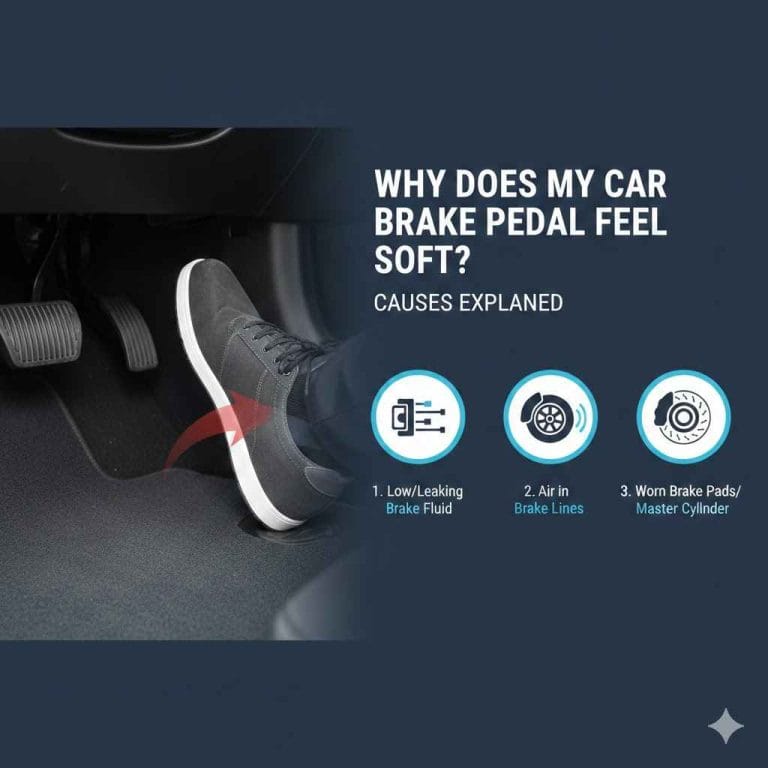
Soft or Spongy Brake Pedal: If the brake pedal feels soft or sinks to the floor when you press it, this is dangerous. It often means there is air in the brake lines or a leak in the system. Never drive a car with a soft brake pedal.
Car Pulling to One Side: If your car pulls to the left or right when you brake, it means one side is braking harder than the other. This could be a stuck caliper or a problem with the brake lines. It makes the car unstable during stopping.
Vibrations or Pulsing: If you feel vibrations or pulsing through the brake pedal when you brake, your rotors are likely warped. This happens from overheating. It reduces braking effectiveness and needs to be fixed.
Brake Warning Light: Most cars have a dashboard light for the brakes. If this light comes on, even for a moment, it means there’s an issue. It could be low brake fluid or a problem with the ABS system.
Get it checked right away.
Burning Smell: If you smell something burning after braking, especially after going downhill, your brakes might be overheating. This is a sign of brake fade or a sticking brake component. Let them cool down and then have them inspected.
Normal vs. Concerning Brake Behavior
Normal: Gentle pulsing of ABS on hard stops.
Normal: Slight brake dust on wheels.
Concerning: Loud grinding noises.
Concerning: Spongy brake pedal.
Concerning: Car pulling sharply when braking.
Quick Tips for Your Brakes
Keeping your brakes in good shape is easier than you think. A few simple habits can help.
Avoid Riding the Brake Pedal: When driving, try not to rest your foot on the brake pedal. This causes constant, light friction. It heats up the brakes unnecessarily and wears them out faster.
Use it only when you need to slow down.
Don’t Overload Your Car: If you often carry heavy loads or tow, ensure your vehicle is rated for it. Overloading puts extreme stress on the brakes. It can lead to premature wear or dangerous overheating.
Brake Gently When Possible: Whenever it’s safe, use gentle braking. This allows the brakes to cool down between stops. It’s better for the brake pads and rotors than constant hard braking.
Listen to Your Car: Pay attention to any new sounds or feelings from your brakes. Don’t wait for a small problem to become a big, expensive one. A quick trip to a mechanic can save you trouble.
Keep Them Clean: Brake dust can build up. While not a performance issue, regular cleaning can help prevent corrosion on some components. Make sure to use appropriate wheel cleaners.
Regular Inspections: Have your brakes inspected during routine maintenance. Most mechanics will check your brake pads, rotors, and fluid as part of a standard service. This is the best way to catch issues early.
Frequently Asked Questions
What is the most important part of a car’s braking system?
The most important part is actually the whole system working together. However, the brake pads and rotors are where the friction happens to slow the car down. Their condition is vital for stopping power.
How often should I check my car’s brakes?
It’s recommended to have your brakes inspected at least once a year or every 12,000 miles. However, if you notice any strange noises or changes in feel, get them checked immediately.
Can bad tires affect my braking distance?
Yes, absolutely. Good tires provide the grip needed for your brakes to work effectively. Worn or old tires can significantly increase your stopping distance, even with a perfect braking system.
What is brake fade and how can I avoid it?
Brake fade happens when brakes overheat and lose their effectiveness. You can avoid it by not riding the brake pedal, especially on long descents. Downshift to a lower gear to help control speed.
Also, ensure your brake system is properly maintained with good rotors and pads.
Are performance brake kits worth the cost?
For drivers who frequently drive at high speeds or on tracks, performance brake kits can be worth the investment. They offer better heat resistance and stopping power. For most daily drivers, the original equipment brakes are sufficient and designed for everyday use.
How does regenerative braking in EVs work with regular brakes?
Regenerative braking uses the electric motor to slow the car and recharge the battery. The physical brakes are still there for stronger stops, emergencies, or when regenerative braking isn’t enough. The car’s computer manages both systems to provide smooth and efficient braking.
The Final Stop
Choosing a car with a superior braking system is a smart move for safety and peace of mind. It’s not just about how fast a car can go, but how quickly and safely it can stop. Remember to consider your driving habits and conditions.
Pay attention to the signs your car gives you. Regular maintenance is your best friend. This ensures your car’s brakes are always ready when you need them most.
Safe travels!
See also how to take brakes off a car safely diy guide inside .
Products related to this article
Sponsored / affiliate links. As an Amazon Associate I earn from qualifying purchases. I may earn additional commission from eligible campaigns.
 Yekoaru 3.93 Ft Brake Fluid Bleeder Hose, Car Oil Fluid Extractor Tool, Brake Bleeding Change Hose with Adapter, Universal Replacement Tube for Car Motorcycle Braking System Repair Tool
 Auto Car Dent Repair Puller Head Paintless-Dent Repair Removal Kit for Slide Hammer Pulling Tab Adapter Pulling Tabs Car Aluminum-alloy Puller Head Adapter Screw Glue-tabs for Slide Hammer and