Car Brakes Sound Like Metal On Metal? Here’S What It Means
That horrible sound. You know the one. It’s a harsh, grating shriek.
It’s like metal scraping against metal. It happens when you hit the brakes. It makes your stomach clench.
You wonder if your car is about to fall apart. You’re not alone. Many drivers have heard this before.
It’s a very common car problem. It’s also a serious one. This noise tells you something isn’t right.
It’s your car’s way of yelling for help. Ignoring it can lead to bigger, costlier issues. It can even put you in danger.
Let’s figure out what’s going on. We’ll break down why your brakes sound like this. We’ll cover what you can do.
And we’ll talk about when to call a pro.
When your car brakes make a sound like metal on metal, it usually means the brake pads have worn down completely. This exposes the metal backing plate to the brake rotor, causing the loud, grinding noise. It’s a critical safety issue requiring immediate attention to prevent further damage and ensure safe stopping.
What’s That Grinding Noise? Understanding Your Brakes
Your car’s brakes are super important. They keep you safe. They let you stop your car.
They work using friction. When you press the brake pedal, parts push together. This creates friction.
Friction slows down your wheels. This makes your car stop. The main parts are brake pads and brake rotors.
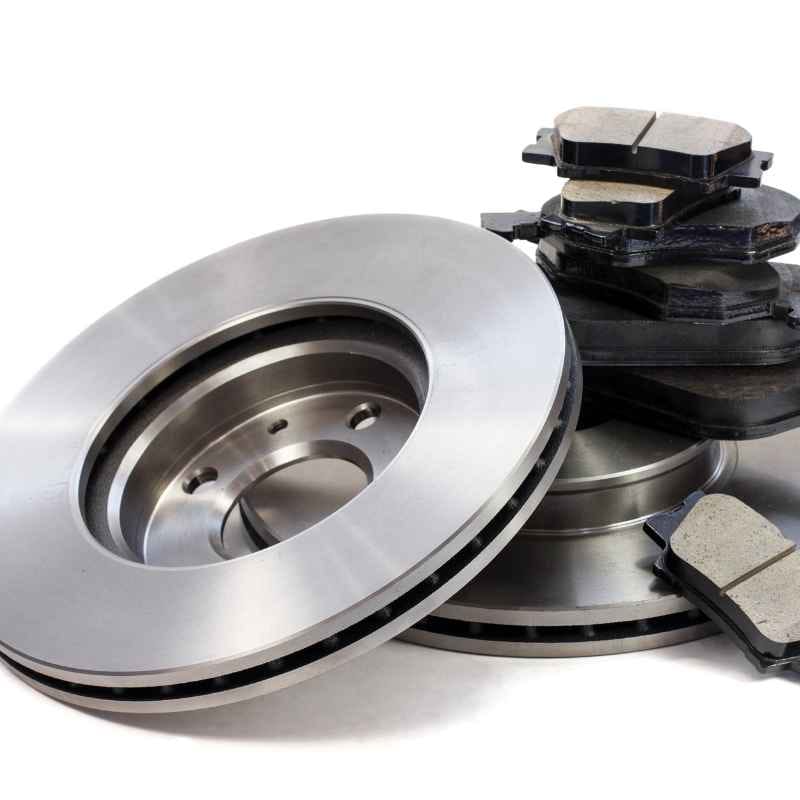
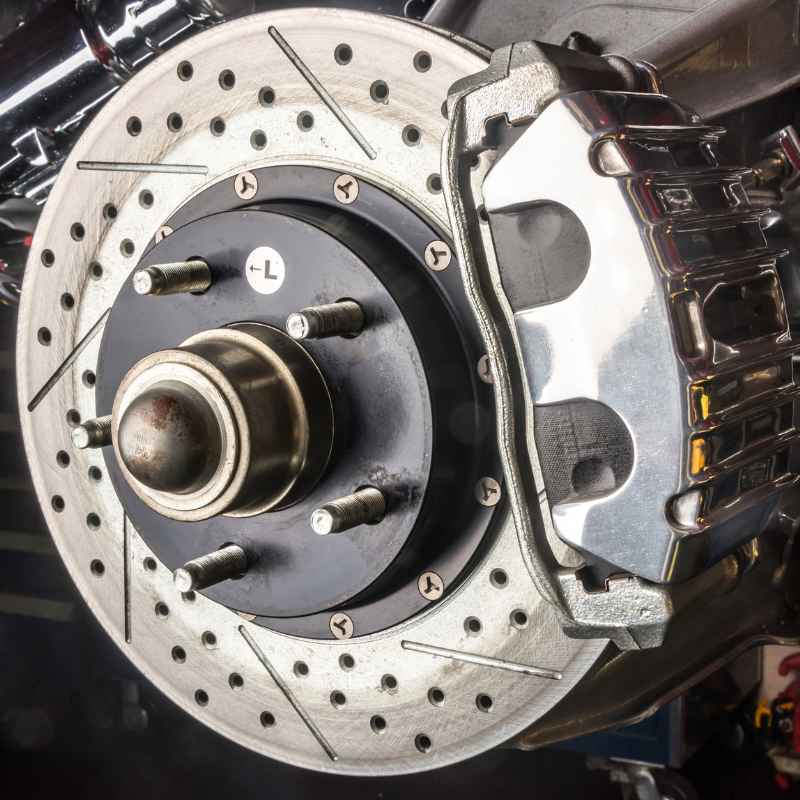
Brake pads are like the shoes. They press against the rotors. Rotors are the metal discs.
They spin with your wheels. Brake pads have a special material. This material grips the rotor.
It creates the stopping power. This material wears down over time. That’s normal.
But when it’s all gone, that’s when trouble starts.
Think of it like wearing down a pencil eraser. You use it, and it gets smaller. Brake pads do the same.
They are made to be replaced. They wear down to help your car stop safely. Most brake pads have a small metal tab.
This tab is a wear indicator. When the pad wears down low enough, this tab rubs on the rotor. This makes a squealing noise.
It’s a warning. It tells you it’s time for new pads soon. But the metal-on-metal sound is different.
It’s louder. It’s harsher. It means the pad material is completely gone.
The metal part of the pad is now hitting the metal rotor directly. This causes that awful grinding sound.
Why is this so bad? Metal on metal creates a lot of heat. It can damage your rotors.
Rotors can warp or crack. This makes your brakes less effective. It also makes the repair more expensive.
Instead of just new pads, you might need new rotors too. Sometimes, the caliper or other parts can also be damaged by this metal-on-metal contact. It’s like rubbing two rocks together really hard.
They both get damaged. Your brake components are no different. This is why that sound should never be ignored.
It’s a clear sign that your braking system is compromised.
My Own Brake Nightmare: A Story of Ignoring the Noise
I remember one time, years ago. I was driving my old sedan on a mountain road. It was late autumn.
The leaves were beautiful. The air was crisp. I was heading home from a friend’s house.
The road twisted and turned. I was enjoying the drive. Then, I started to hear it.
A faint squeak. I thought, “Oh, that’s just my brakes needing a little tune-up.” I’d heard that sound before. It usually meant new pads were a few weeks away.
So, I ignored it. I kept driving. The squeak got a little louder.
It started to sound a bit rougher. But I was close to home. I figured I could wait a day or two.
That night, I had to run to the store. It was dark and rainy. I pulled out of my driveway.
I needed to stop quickly at a red light. That’s when it happened. The faint squeak turned into a full-blown shriek.
It was metal on metal. A horrible, grinding sound that made my teeth hurt. I slammed on the brakes.
My car didn’t stop as quickly as usual. My heart leaped into my throat. I felt a wave of panic.
I looked in my rearview mirror. Cars were behind me. I worried they wouldn’t stop in time if I couldn’t.
I managed to stop just in time. But the sound was awful. It echoed in the quiet, rainy street.
I felt so foolish. And a little scared.
I limped home. The sound continued every time I braked. The next morning, I took it straight to my mechanic.
He showed me my brake pads. They were almost completely gone. Just metal left.
He said I was lucky. The rotors were badly scored. They needed replacing too.
It cost me more than if I had just listened to the first squeak. That experience taught me a valuable lesson. Your car talks to you.
It makes noises when something is wrong. That metal-on-metal grinding is not just a sound. It’s a warning sign.
It means your safety is at risk. And the longer you wait, the more damage you cause. I never ignored a strange car noise after that day.
Why Brakes Make That Metal Grinding Sound
The main reason is worn-out brake pads. Here’s a quick look:
- Brake Pad Material: Pads have a friction material on a metal backing.
- Wear and Tear: This material wears down with use.
- No Pad Left: When the material is gone, the metal backing hits the rotor.
- The Sound: This metal-to-metal contact creates a loud, harsh grinding or scraping noise.
- Damage Risk: It can quickly damage your brake rotors and other parts.
Immediate check is needed.
The Anatomy of a Brake Failure Sound
Let’s dive a bit deeper into the parts involved. Understanding them helps you grasp why this noise is so critical. Your brake system is a marvel of engineering.
It relies on several key components working together perfectly. When one part fails or wears out, the whole system suffers.
Brake Pads: The First Line of Defense
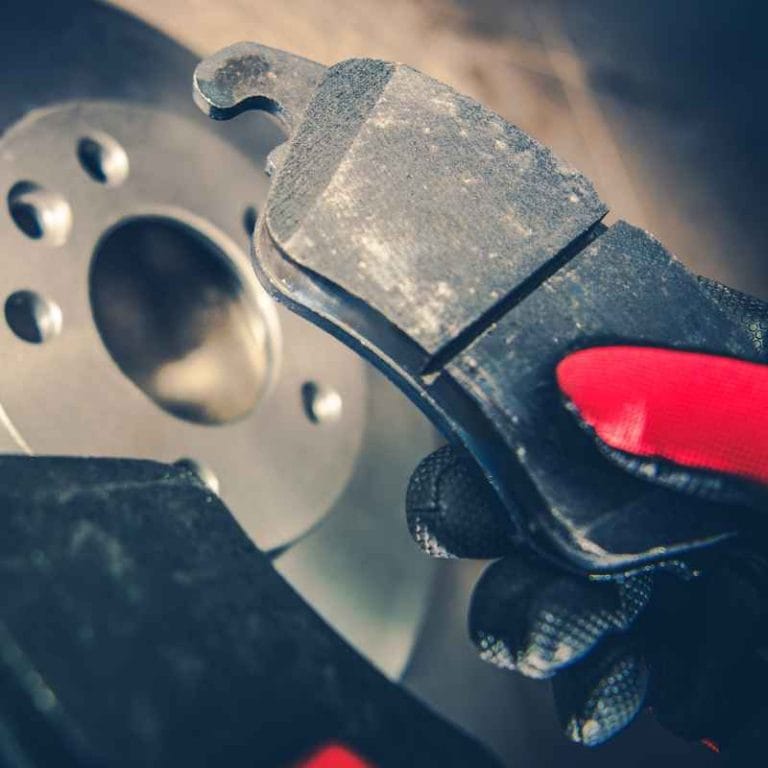
Brake pads are crucial. They are made of a high-friction material. This material is bonded to a metal plate.
This plate is called the backing plate. This backing plate is what you hear grinding when the pad wears out. Think of the pad material as the “meat” and the backing plate as the “bone.” You want to replace the pads before you get to the bone.
There are different types of brake pads. Some are made from organic materials. Others use ceramic.
Some use semi-metallic compounds. Each has pros and cons. But they all share the same fate: they wear down.
The rate of wear depends on many things. How much you drive is one factor. Your driving style matters a lot.
Do you brake hard often? Do you live in a hilly area? These all speed up wear.
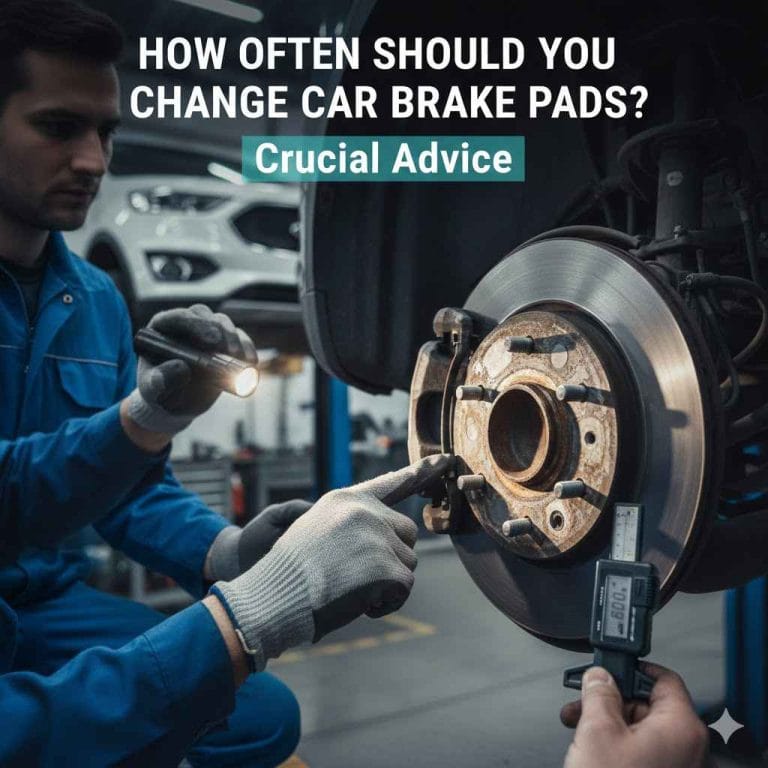
Most pads last between 30,000 and 70,000 miles. But this is a wide range.
Brake Rotors: The Spinning Discs
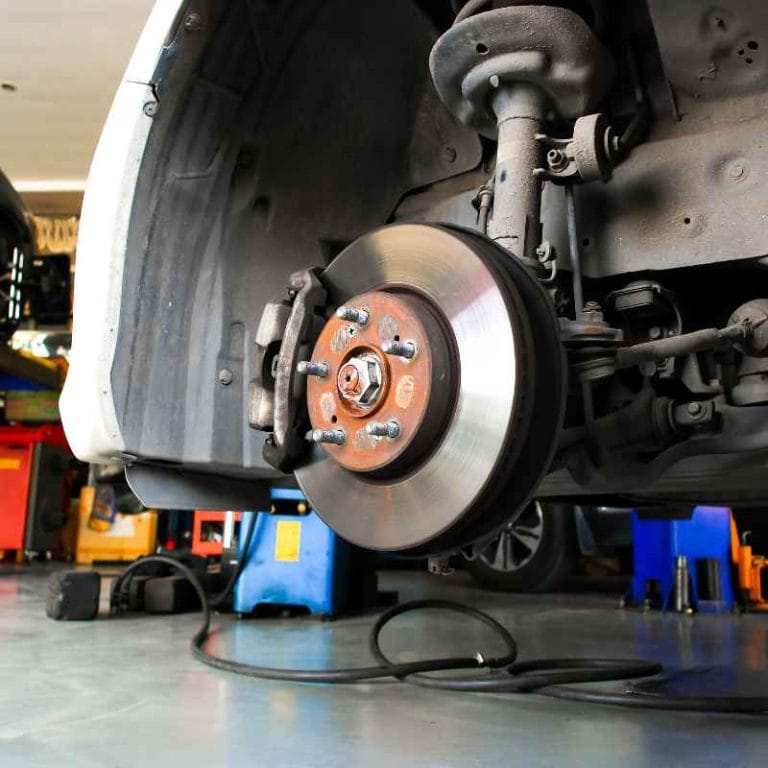
Brake rotors are large metal discs. They are attached to your car’s wheel hubs. They spin whenever your wheels spin.
When you apply the brakes, the brake pads clamp down on these rotors. This friction is what slows your car. Rotors are made of strong cast iron.
They are designed to withstand a lot of heat and pressure.
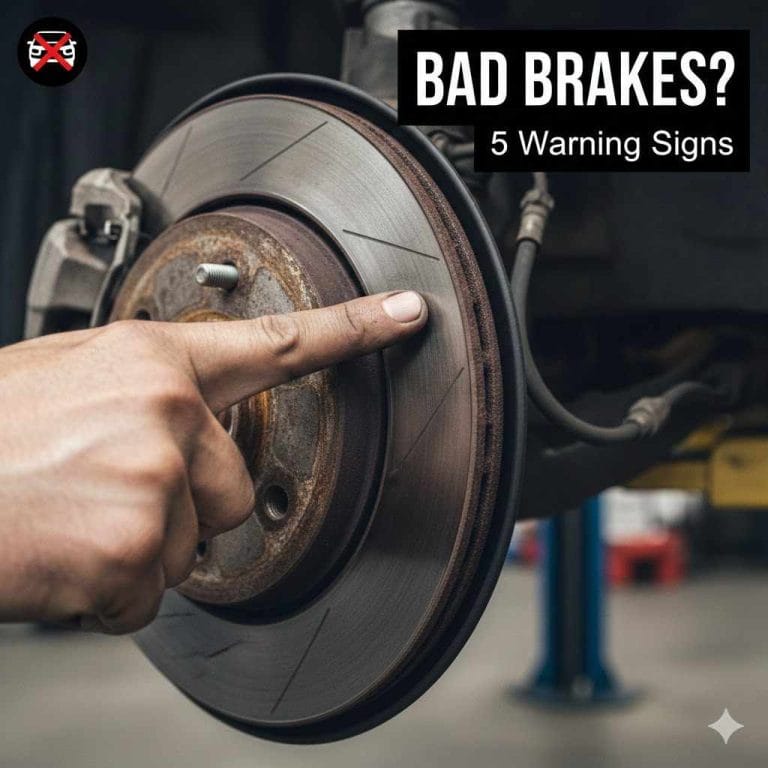
However, they are not indestructible. The constant clamping from brake pads can leave marks. Over time, rotors can develop grooves.
They can also get too thin. Or they can get warped by excessive heat. The metal-on-metal sound happens when the worn-out brake pad’s metal backing plate grinds directly against the rotor surface.
This is much rougher than the friction material. It’s like sandpaper on metal, but much more violent.
The Wear Indicator Tab
Most modern brake pads have a built-in wear indicator. This is a small, thin metal tab. It’s attached to the pad material.
It’s positioned so that as the pad wears down, this tab eventually touches the rotor. This tab is made of a different metal. When it rubs against the rotor, it creates a high-pitched squealing sound.
This squeal is your first warning. It’s designed to be noticeable. It tells you, “Hey, your brake pads are getting low.
Plan to get them replaced soon.”
This squeal usually happens when you’re applying gentle pressure to the brakes. It’s a distinct sound from the grinding. The grinding sound means you’ve gone past the squeal stage.
You’ve ignored the first warning. The pad material is gone. Now the metal backing plate is making contact with the rotor.
This is a much more serious situation. The metal tab’s job is to alert you before this happens. But if you ignore the squeal, you get the grind.
Other Potential Causes (Less Common for Metal-on-Metal)
While worn-out pads are the most common cause of metal-on-metal sounds, other things can sometimes create similar noises. However, they are often different in character. For instance:
- Debris: A small stone or piece of road debris can get lodged between the pad and rotor. This can cause a scraping sound. It might sound metallic. But it’s usually more of a ping or a continuous scrape, not a deep grind.
- Rusty Rotors: After a car sits for a while, especially in humid or wet weather, rotors can develop a thin layer of rust. The first few brake applications will scrape this rust off. This can sound like a grind or a scrape. But it usually goes away quickly.
- Damaged Dust Shield: There’s a thin metal shield behind the rotor. If this shield gets bent, it can sometimes rub against the rotor. This makes a metallic scraping sound.
These are less likely to produce the consistent, loud, metal-on-metal grinding that signals completely worn brake pads. If the sound is truly like two pieces of rough metal scraping together, suspect the pads first.
Quick Check: What Does Your Brake Noise Sound Like?
Listen carefully. The sound tells a story.
- High-Pitched Squeal: Brake pads are getting low. Wear indicator is rubbing. Action: Schedule an inspection soon.
- Deep Grinding/Scraping: Metal backing plate hitting the rotor. Brake pads are gone. Action: Stop driving if possible. Get immediate service.
- Clicking Sound: Could be loose lug nuts or brake caliper issues. Action: Get it checked.
- Rattling: Might be loose brake hardware or a loose shield. Action: Inspect for loose parts.
Don’t ignore any brake noise.
Real-World Context: Why Does This Happen to My Car?
The metal-on-metal brake sound isn’t random. It happens for specific reasons related to how we use our cars and the environment we drive in. Let’s look at the typical scenarios.
Driving Habits: The Biggest Factor
How you drive has a massive impact on how quickly your brake pads wear down. Aggressive driving is a major culprit. This includes:
- Hard Braking: Slamming on the brakes from high speeds wears pads down much faster than smooth, gradual stops. Every time you brake hard, you’re asking your pads to do a lot of work very quickly.
- Riding the Brakes: Some drivers rest their foot on the brake pedal. Or they keep braking for long stretches, like going down a steep hill. This keeps the pads pressed against the rotors constantly. This generates a lot of heat and wears the pads down rapidly.
- Frequent Short Trips: While not directly causing wear, short trips mean the brakes don’t get a chance to fully dry out and clear off minor debris after wet weather. This can sometimes contribute to corrosion that might then speed up wear or create other noises.
Conversely, smooth, gentle braking extends the life of your brake pads. Anticipating stops and allowing your car to coast to a slow speed before gently applying the brakes makes a big difference. Think of it as being gentle on your car’s body parts.
Environmental Factors: The Unseen Wear
The world around your car also plays a role. Some environments accelerate brake wear more than others:
- Dusty or Gritty Roads: If you drive on unpaved roads often, dust and grit can get into the braking system. These particles can act like fine sandpaper. They can wear down the brake pad material more quickly.
- Salty Roads (Winter): In areas where roads are salted in winter, this salt can corrode brake components. While it doesn’t directly wear pads down faster, it can contribute to rust on rotors and other parts. This rust can sometimes cause noises or speed up general wear.
- Heavy Loads: If you frequently tow a trailer or carry very heavy loads, your brakes have to work harder. This means more friction, more heat, and faster wear on the brake pads and rotors.
- Hilly Terrain: Living in or frequently driving through hilly areas means more braking is required, especially when descending. This constant application of brakes, even if gentle, adds up over time.
These environmental factors often combine with driving habits. A driver in a dusty, hilly area who also brakes hard will go through brake pads much faster than someone who drives on clean, flat roads and brakes gently.
Material Quality: Not All Pads Are Equal
The quality of the brake pads themselves can affect their lifespan. Cheaper brake pads might be made with less durable friction material. They might wear down faster.
They might also not perform as well in terms of stopping power. Higher-quality pads, even if they cost a bit more upfront, can often last longer and provide better performance and safety. This is an area where paying a little extra upfront can save you money and hassle in the long run.
It’s also worth noting that some brake pad materials are designed for specific purposes. Performance pads, for example, might be designed for better heat resistance for track use. They might wear down faster in daily driving.
Standard, everyday brake pads are usually balanced for longevity and decent performance in normal conditions.
Factors Affecting Brake Pad Lifespan
Consider these when thinking about your brakes:
- Driving Style: Aggressive braking vs. smooth stops.
- Terrain: City driving with frequent stops vs. highway cruising. Hilly areas require more braking.
- Climate: Salty roads, dust, and moisture can impact wear.
- Vehicle Load: Towing or carrying heavy items increases brake strain.
- Brake Pad Quality: Cheaper pads may wear out faster.
Your brakes work hard!
What This Means For You: When to Worry and What to Check
Hearing that metal-on-metal sound is your car’s alarm system going off. It’s not a minor issue. It requires immediate attention.
Understanding when it’s serious and what you can do yourself is important.
When is the Metal Grinding Sound Serious?
The short answer is: always. A metal-on-metal brake sound is always serious. Here’s why:
- Compromised Stopping Power: When your brake pads are gone, the metal backing plate is in direct contact with the rotor. This metal-to-metal friction is much less effective at stopping your car than the specialized friction material of the pads. Your stopping distances will be longer. This is incredibly dangerous.
- Damage to Rotors: The metal backing plate is hard. It will quickly score, warp, or damage the surface of your brake rotors. Rotors are much more expensive to replace than brake pads. If the damage is severe, you’ll need to replace them.
- Potential for Further Damage: If you continue to drive with metal-on-metal brakes, you risk damaging other brake components. This could include brake calipers or even the wheel bearings. These repairs are even more costly and complex.
- Safety Risk: The most important reason is safety. Your brakes are your most critical safety system. If they are not working correctly, you are at a much higher risk of an accident. This affects not only you but also everyone else on the road.
So, if you hear that grinding sound, your car is telling you to stop driving it, or at least drive it very carefully and directly to a mechanic.
Simple Checks You Can Do (If Safe)
While you shouldn’t attempt complex brake repairs yourself unless you are trained, there are a few simple checks you can do to confirm the issue. Only do these if you are in a safe place and comfortable doing so.
Visual Inspection (With Caution)
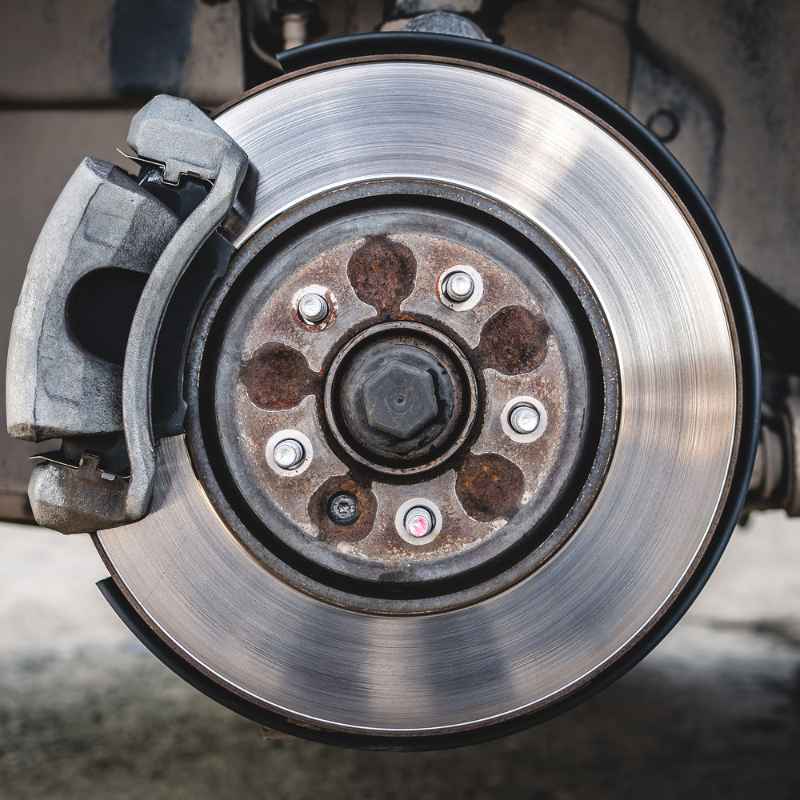
If you can safely get your car onto a level surface and engage the parking brake, you might be able to see the brake pads. You’ll need to look through the spokes of your wheels. This is easier on cars with alloy wheels.
- Look at the Brake Caliper: This is the part that squeezes the brake pads.
- Locate the Brake Pad: You should see the brake pad on either side of the rotor.
- Check Pad Thickness: The pad material sits on a metal backing plate. You should be able to see the thickness of the pad material. If the pad material looks very thin, or if you can only see the metal backing plate, your pads are gone.
Important Note: If you can’t see the brake pads clearly or are unsure, it’s best to leave this to a professional.
Listening and Feeling
Pay close attention to the sounds and sensations when you brake:
- Sound: Is it a consistent, loud grinding or scraping? Does it happen every time you brake?
- Vibration: Does your brake pedal vibrate or pulsate when you brake? This can indicate warped rotors.
- Soft Pedal: Does your brake pedal feel mushy or go down further than usual? This could indicate a problem with the brake fluid or the hydraulic system.
These sensations, combined with the grinding sound, strongly point to worn brake pads and potentially damaged rotors.
When to Call a Professional Mechanic
Honestly, if you are hearing a metal-on-metal grinding sound from your brakes, the safest and most sensible action is to call a professional mechanic immediately. Here’s why:
- Safety First: Brake systems are critical safety components. Unless you are an experienced mechanic, attempting repairs can be dangerous.
- Accurate Diagnosis: A mechanic has the tools and expertise to accurately diagnose the problem. They can tell you if it’s just the pads, or if the rotors and other parts are also damaged.
- Proper Repair: They will use the correct parts and perform the repair to industry standards, ensuring your brakes work effectively and safely.
- Preventative Advice: They can also advise you on your overall brake system health and recommend future maintenance.
If you can, arrange for a tow truck to take your car to the mechanic. This ensures you don’t risk damaging the car further or, more importantly, risking an accident on the way.
What If You Hear the Grinding Sound?
Immediate Steps to Take:
- Stop Driving (If Possible): If the sound is severe and the car feels unsafe, pull over safely.
- Drive Carefully: If you must drive, do so slowly and gently. Avoid heavy braking.
- Contact a Mechanic: Call your trusted mechanic right away. Explain the sound clearly.
- Arrange a Tow: For your safety and to prevent further damage, consider having the car towed.
Your safety is the priority.
Quick Fixes and Tips for Brake Longevity
While the metal-on-metal sound means you can’t just “fix” it with a tip, you can certainly help prevent it from happening again. And there are some general tips for keeping your brakes in good shape longer.
Preventing the Grind: Proactive Care
The best way to deal with the metal-on-metal sound is to avoid it altogether. This comes down to regular maintenance and smart driving:
- Regular Inspections: Get your brakes inspected at least once a year, or more often if you drive in tough conditions. Mechanics can check pad thickness and rotor condition.
- Listen for Squeaks: Don’t ignore that high-pitched squeal from the wear indicator. It’s a warning. Get your brakes checked promptly when you hear it.
- Gentle Braking: Practice smooth, gradual braking. Anticipate stops. Avoid slamming on the brakes unless it’s an emergency.
- Avoid Riding the Brakes: When going downhill, use a lower gear to control your speed. Don’t keep your foot on the brake pedal.
- Clean Wheels: Sometimes, brake dust can build up. While not a direct cause of wear, keeping wheels clean can help you spot issues more easily.
These habits, combined with routine checks, will help your brake system last longer and perform reliably.
What to Expect When Getting Brakes Replaced
If you are indeed getting new brake pads and possibly rotors, here’s a general idea of what happens:
- Diagnosis: The mechanic will confirm the worn pads and check rotor condition.
- Parts: They will replace the brake pads. If rotors are damaged, they will recommend replacing them. It’s often recommended to replace pads and rotors together for best performance.
- Inspection: They will also check other brake components like brake fluid, lines, and calipers for any issues.
- Bedding-In: New brake pads and rotors often need a “bedding-in” procedure. This involves a series of moderate to firm stops from increasing speeds. This process transfers a thin layer of pad material to the rotor, creating optimal friction. Your mechanic will usually do this, or they will give you instructions on how to do it.
Following the mechanic’s advice, especially regarding the bedding-in process, is important for the longevity and performance of your new brakes.
Choosing Replacement Parts
When it comes time to replace parts, you’ll often have choices. Ask your mechanic about:
- OEM Parts: These are parts made by your car’s manufacturer. They are designed to fit perfectly and meet original specifications.
- Aftermarket Parts: These are made by other companies. Quality can vary greatly. Some aftermarket brands are excellent and offer better performance or value. Others might be lower quality.
Discuss the options with your mechanic. They can recommend parts that fit your car, your budget, and your driving needs. For brakes, it’s generally worth investing in good quality parts for safety.
Frequently Asked Questions About Brake Noises
Can I drive a short distance with grinding brakes?
It’s strongly advised against driving any significant distance with grinding brakes. The metal-on-metal contact can quickly damage your rotors, making repairs more expensive. More importantly, your stopping power is severely reduced, putting you and others at risk of an accident.
If you hear this sound, pull over safely and consider getting your car towed to a mechanic.
How much does it cost to fix brakes that sound like metal on metal?
The cost can vary widely depending on your car model and the extent of the damage. If it’s just the brake pads that are worn, it might cost a few hundred dollars for a set of front or rear brakes. However, if the rotors are also damaged (which is common with metal-on-metal grinding), you could be looking at $400 to $800 or more per axle.
Sometimes, other components might also need replacing, increasing the cost further. Always get an estimate from your mechanic.
How long do brake pads usually last?
Brake pad lifespan varies greatly. Factors like driving habits, vehicle type, and brake pad material play a big role. Typically, brake pads can last anywhere from 30,000 to 70,000 miles.
However, aggressive drivers or those in hilly or stop-and-go traffic might wear them out much faster, sometimes as early as 20,000 miles. Regular checks are the best way to know for sure.
Is it safe to drive with squealing brakes?
A high-pitched squeal is usually caused by the brake pad wear indicator rubbing against the rotor. This is a warning that your brake pads are low and need to be
What’s the difference between brake pad replacement and a brake job?
Replacing brake pads is a part of a larger service called a “brake job.” A typical brake job involves replacing the worn brake pads. If the rotors are worn or damaged, they are usually resurfaced (machined smooth) or
Can a mechanic fix warped rotors without replacing them?
Yes, a mechanic can sometimes “resurface” or “resurface” brake rotors. This involves machining the rotor surface to remove grooves and ensure it is perfectly flat. If the rotors are not too thin or too badly damaged, resurfacing can be a cost-effective option.
However, if the rotors are already at their minimum thickness specification or have significant damage like cracks, they must be replaced.
Conclusion: Trust Your Ears and Get Help
That metal-on-metal sound from your car’s brakes is more than just annoying. It’s a clear signal that a vital safety system is failing. It means your brake pads are gone.
The metal is grinding against the rotor. This is dangerous. It reduces your stopping power.
It can cause more damage. It can become a costly repair.
Remember my story. I learned the hard way. Don’t wait.
When you hear that sound, act fast. Listen to your car. It’s trying to tell you something important.
Get it checked by a professional. Your safety, and the safety of others, is worth it. Regular checks and smart driving habits can prevent this problem.
But once you hear the grind, professional help is the only real fix.
See also how long can car brake pads last mileage guide inside.
Products related to this article
Sponsored / affiliate links. As an Amazon Associate I earn from qualifying purchases. I may earn additional commission from eligible campaigns.